

What Milling and Turning Do Best
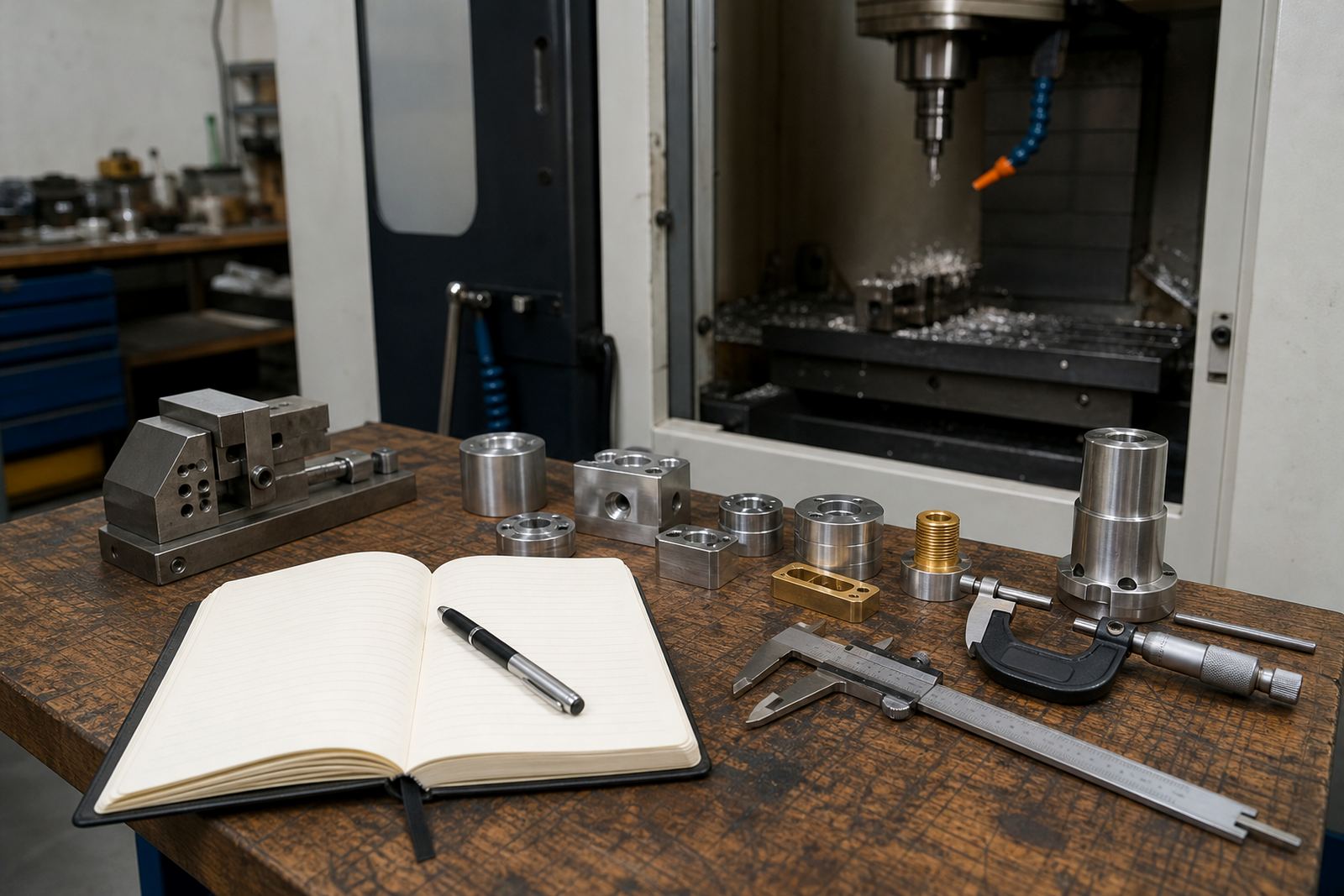
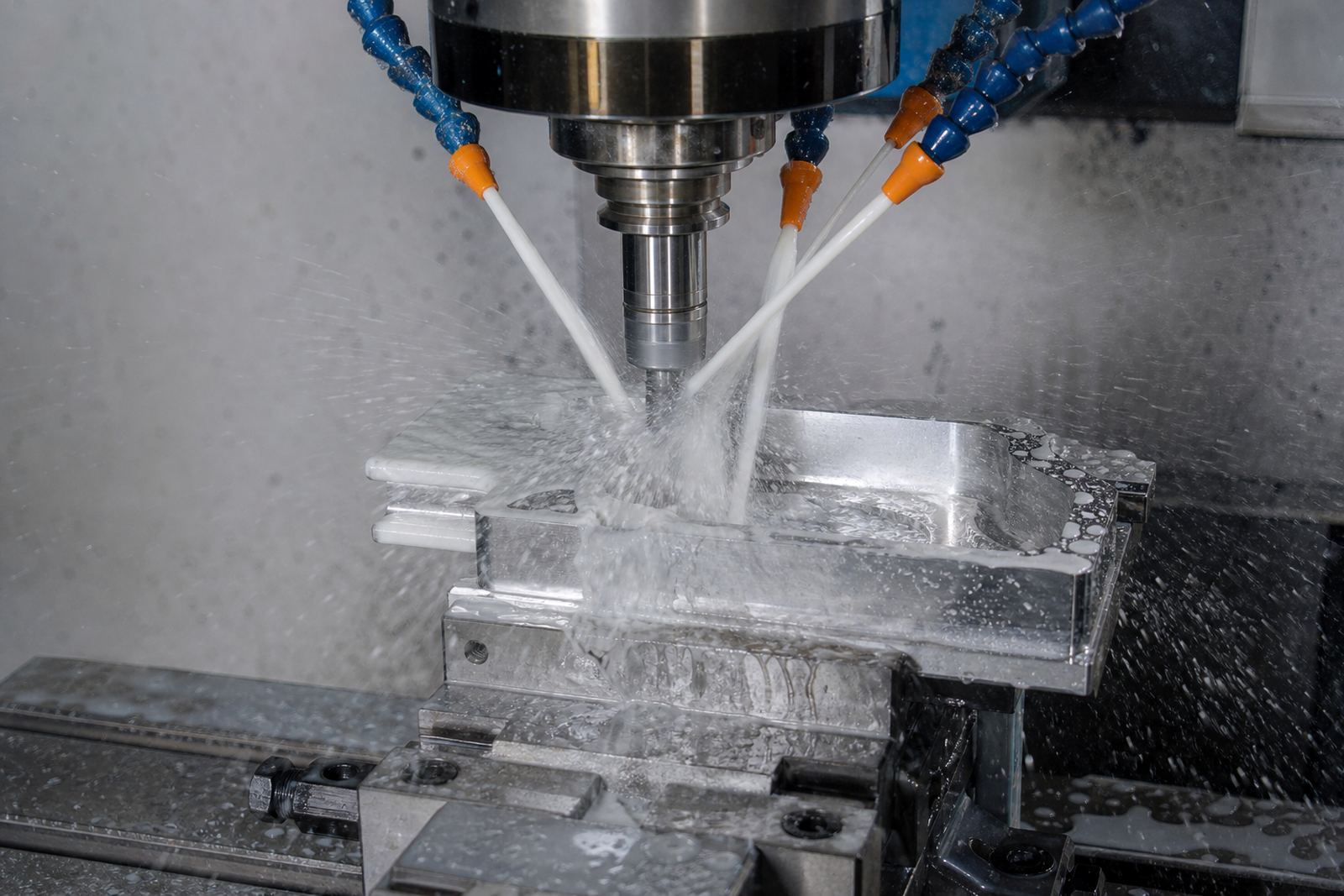
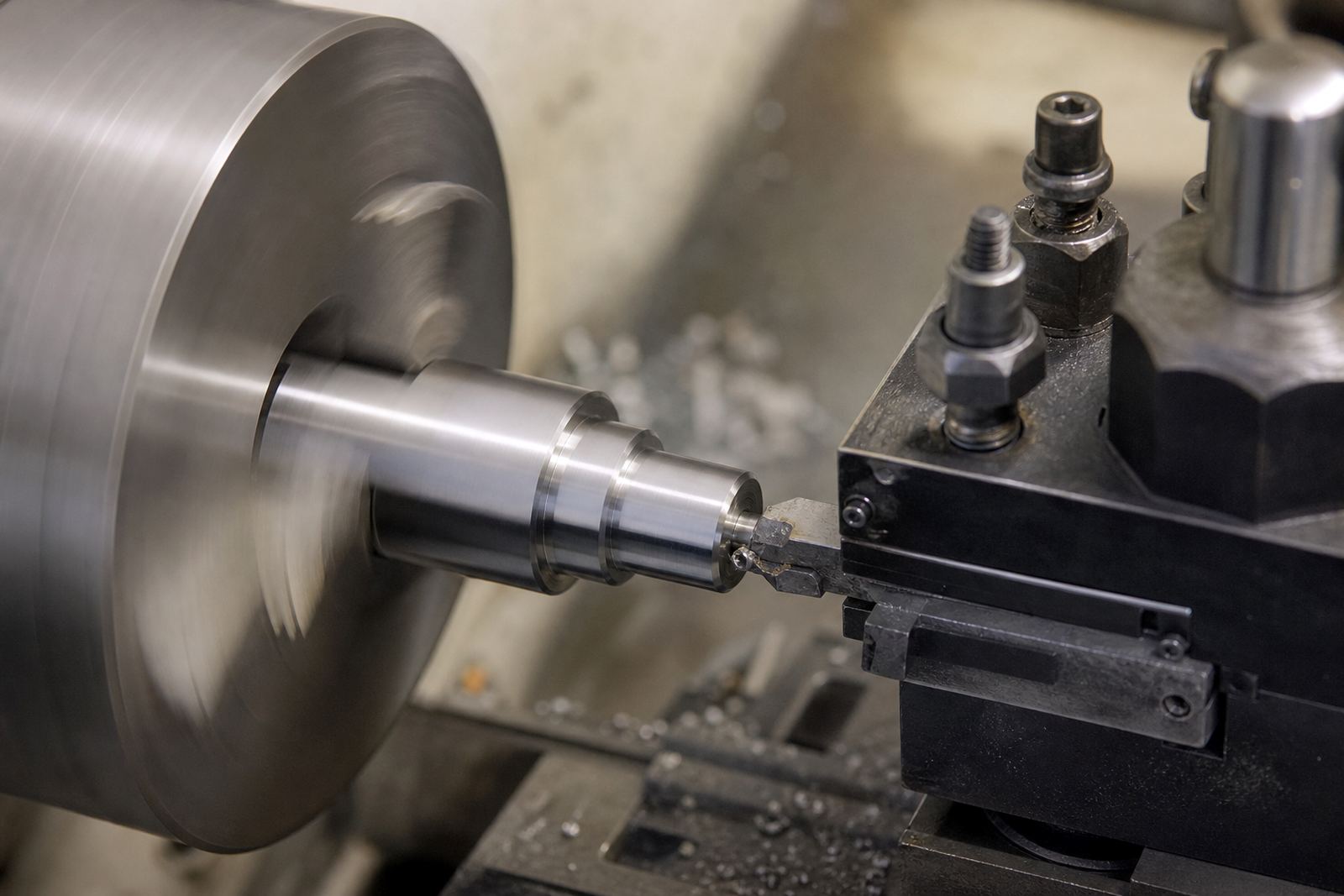
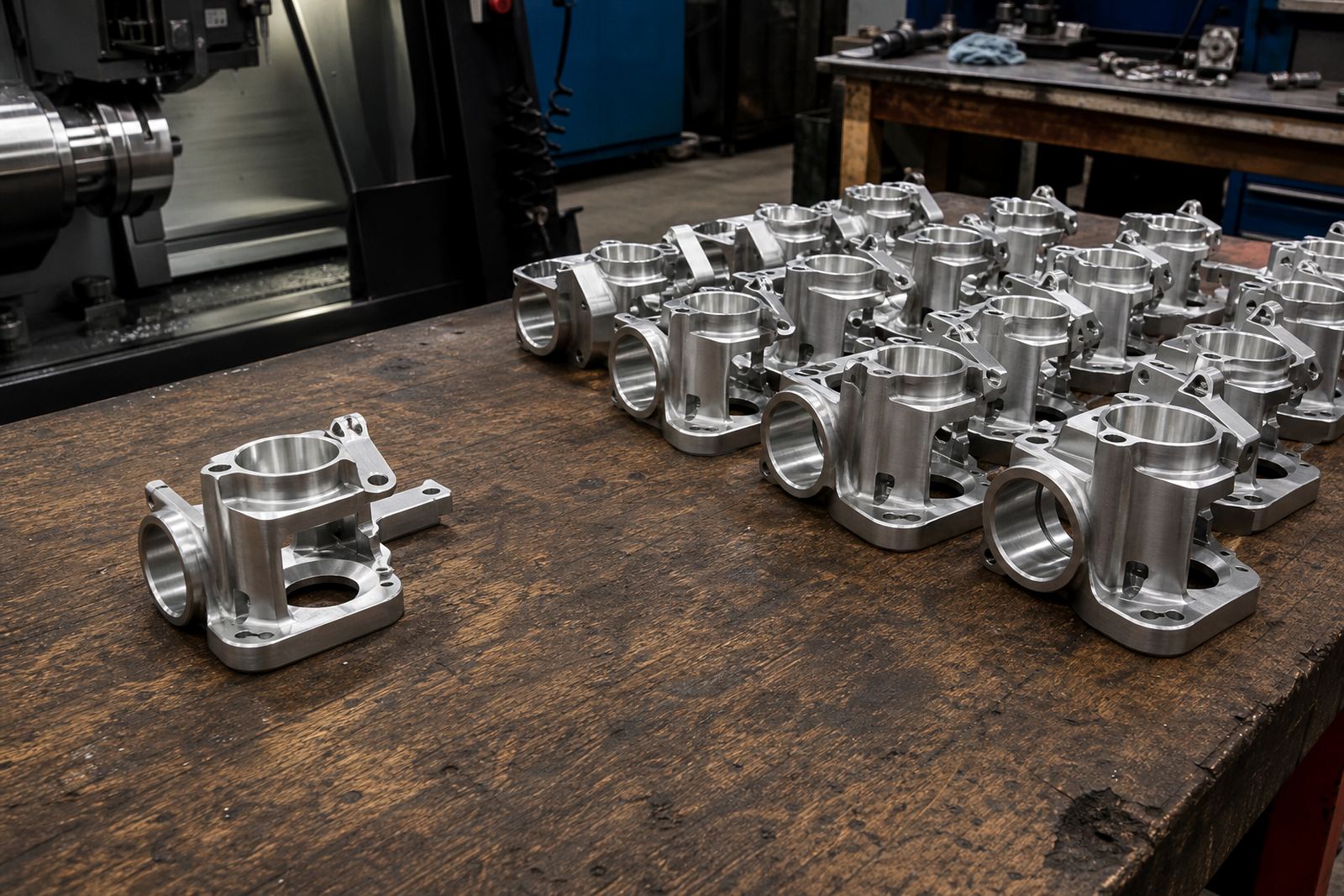
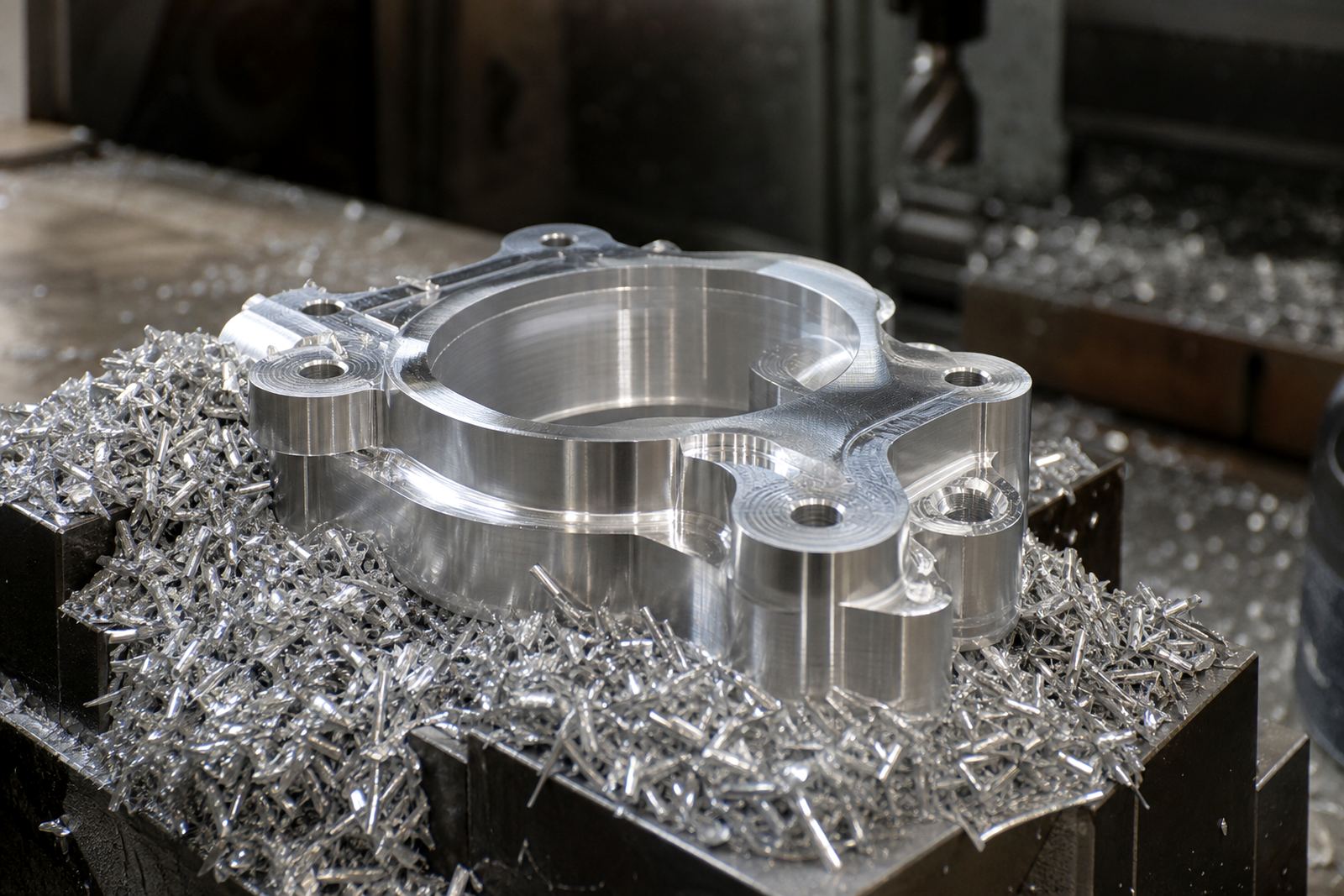
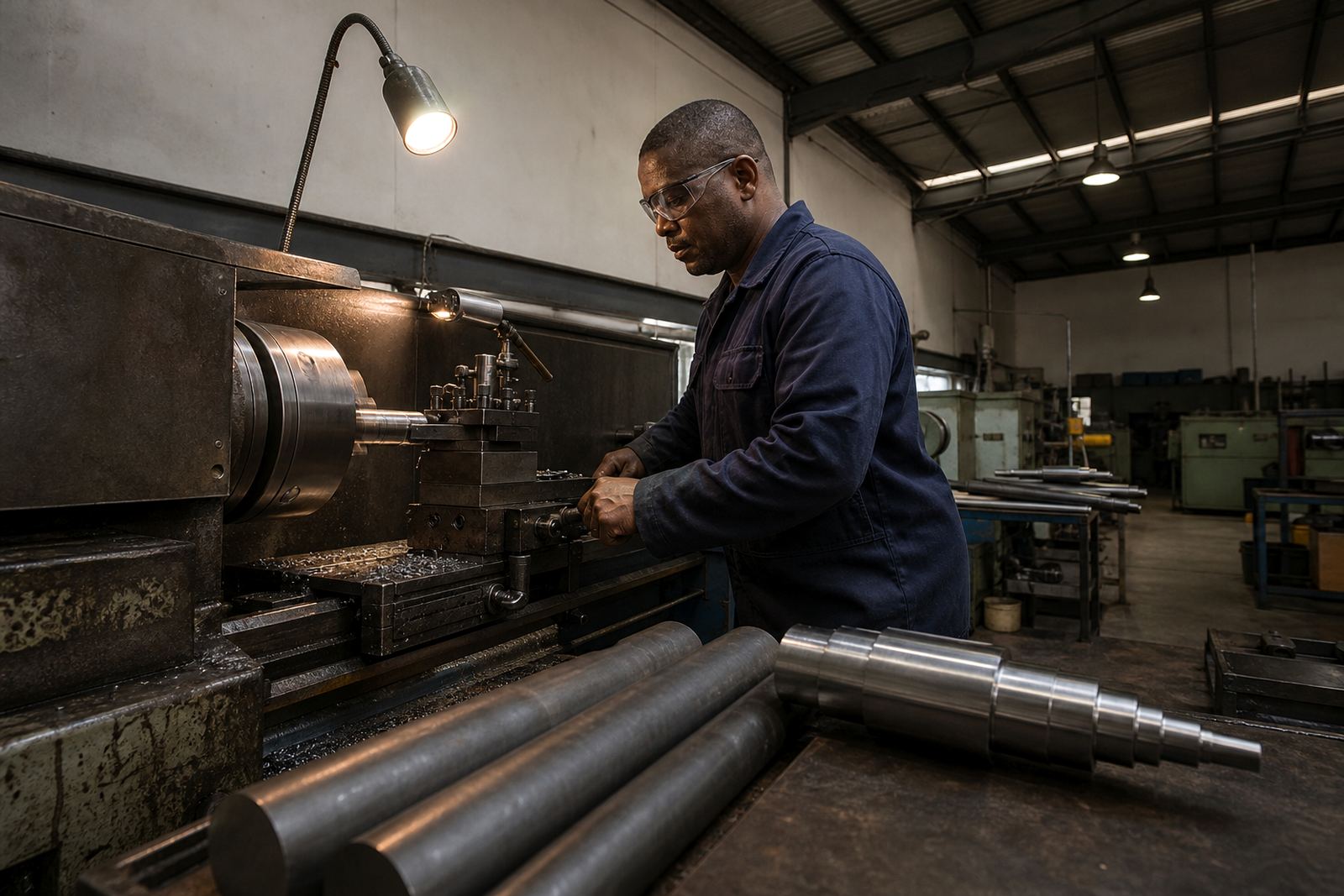
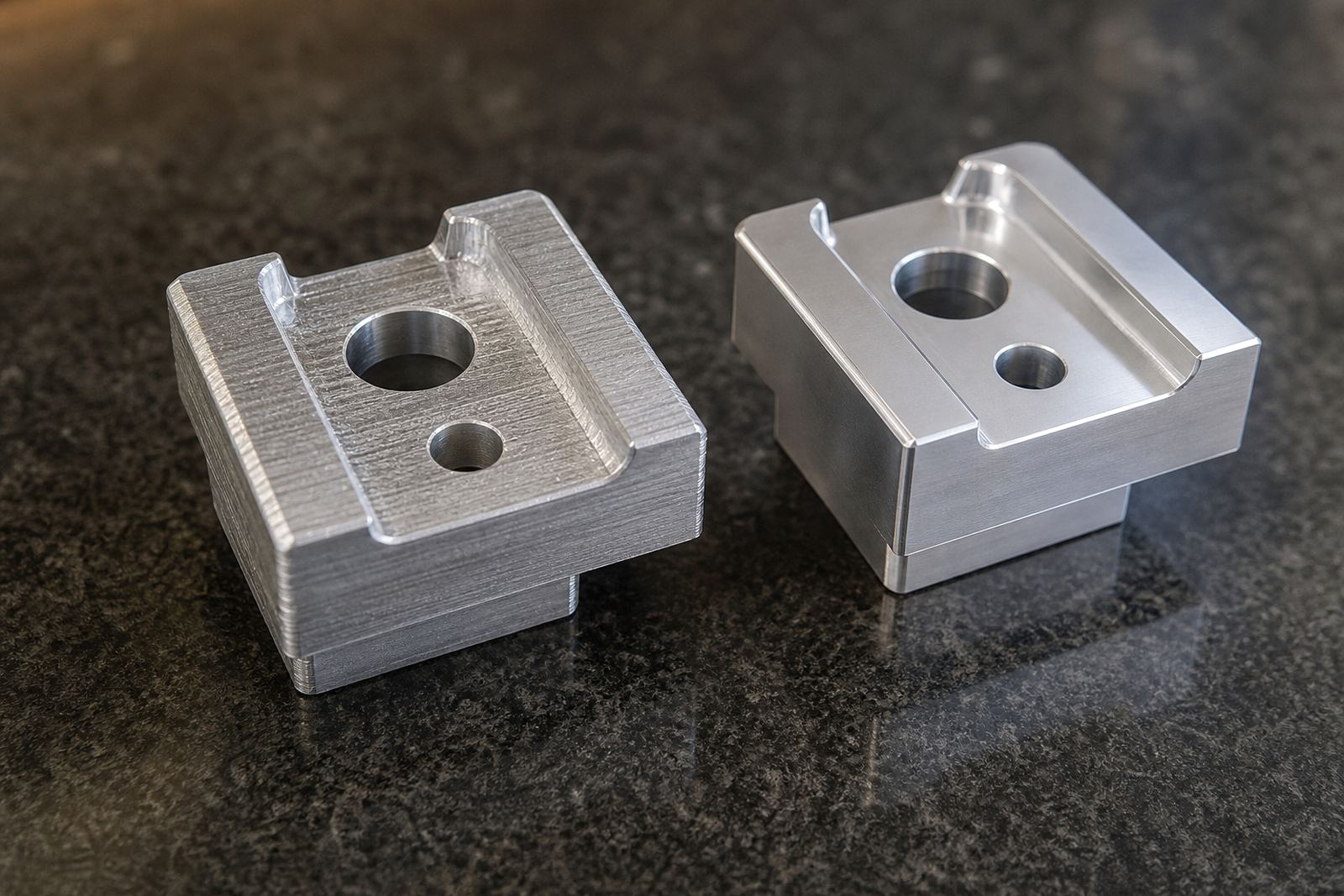
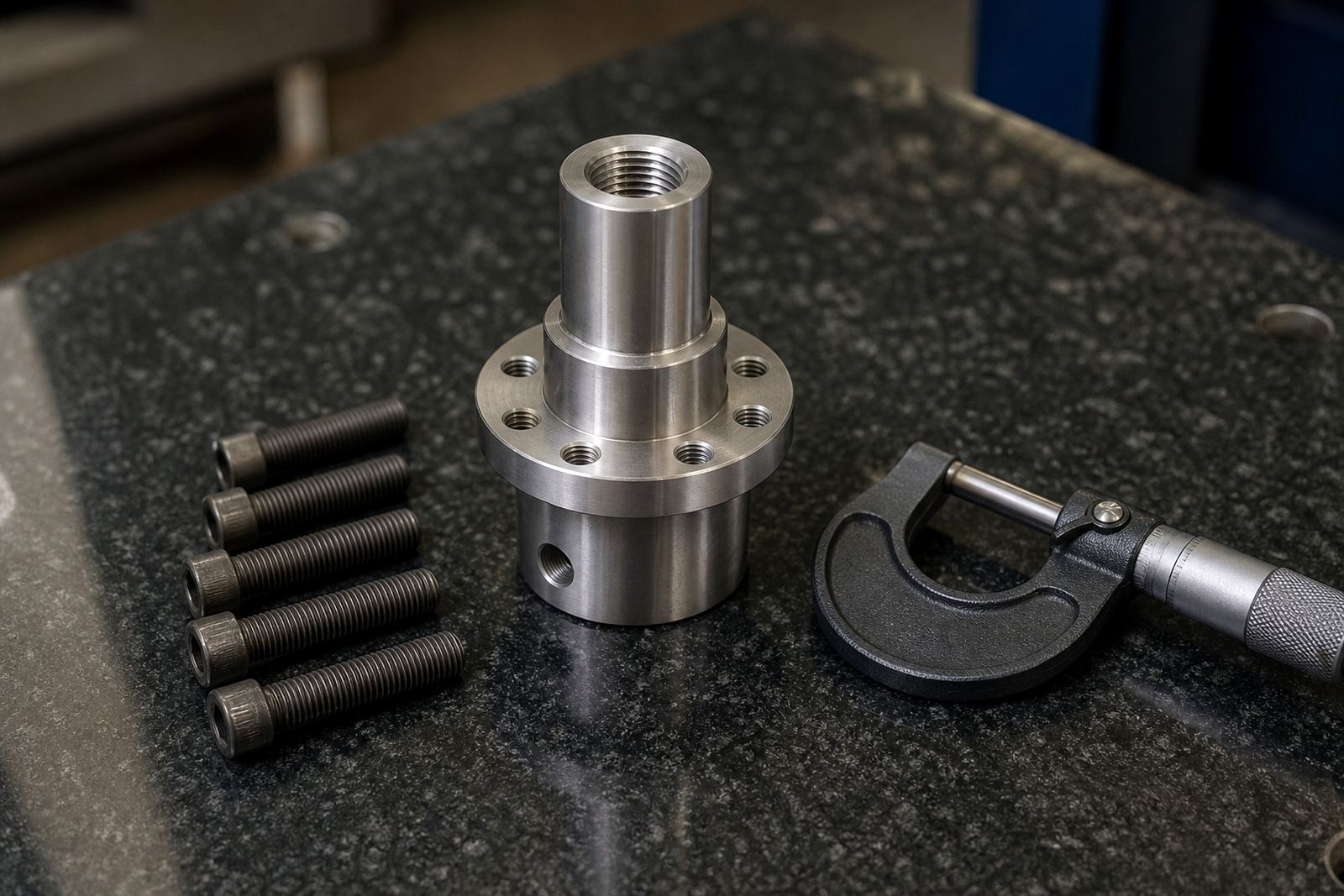
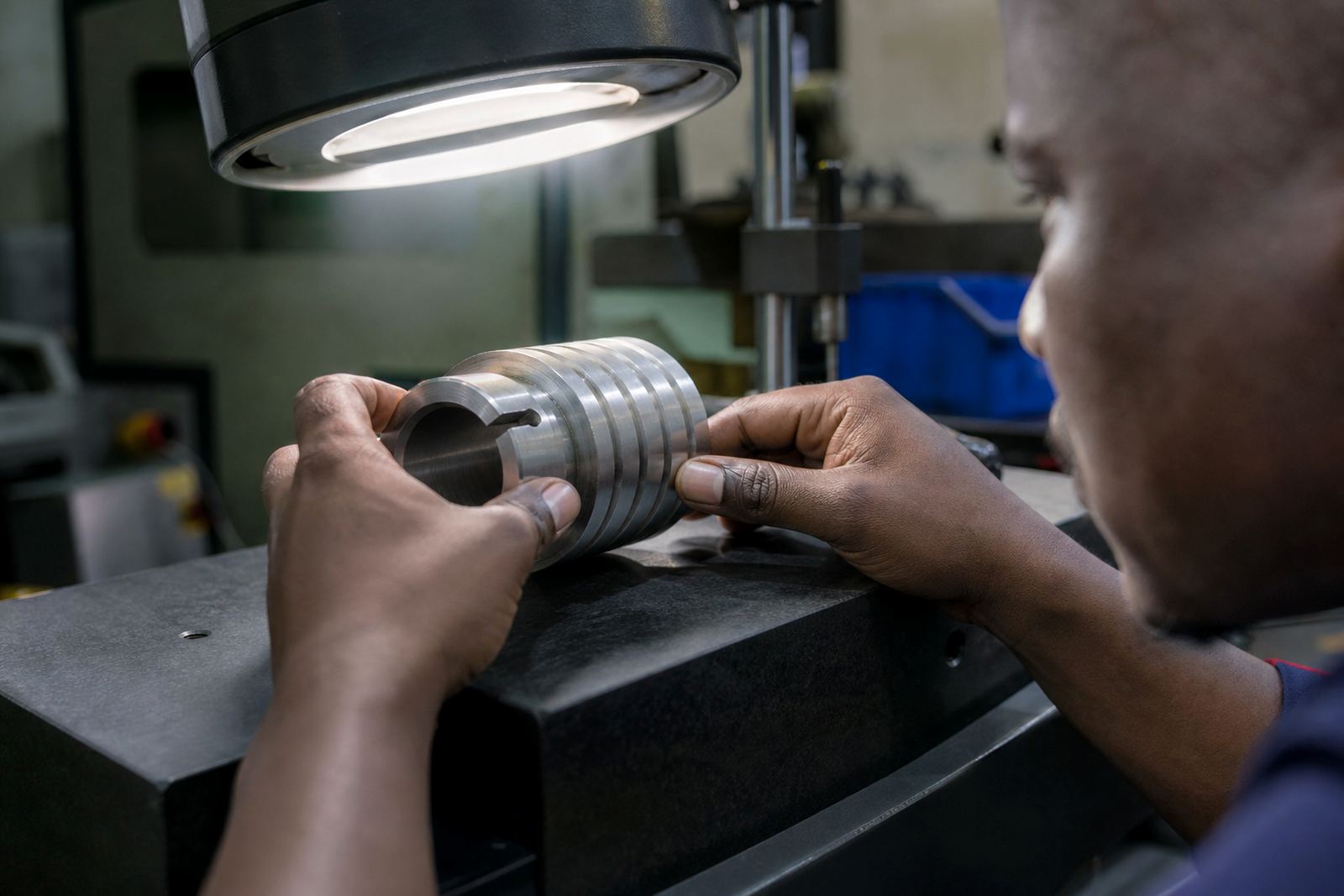
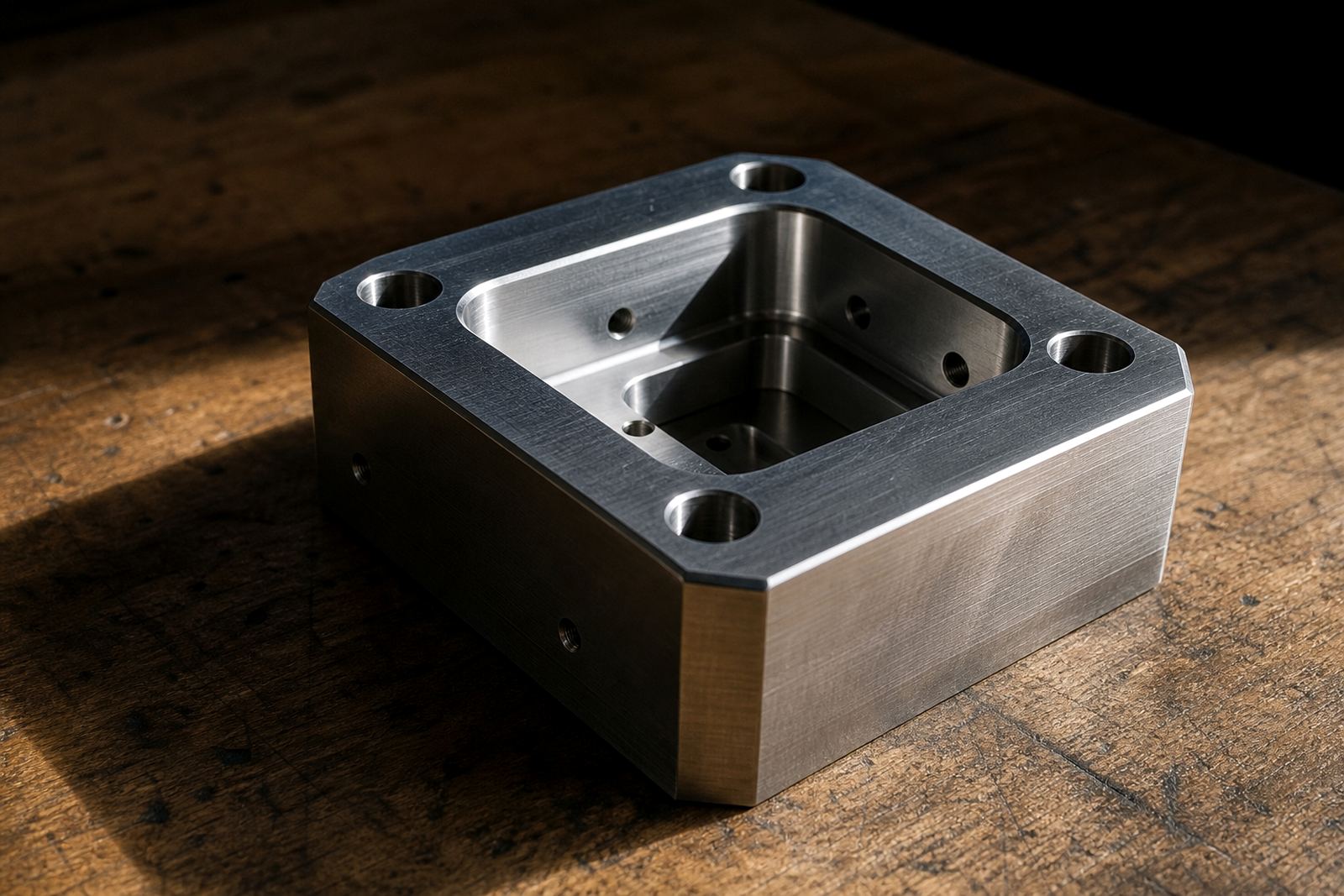
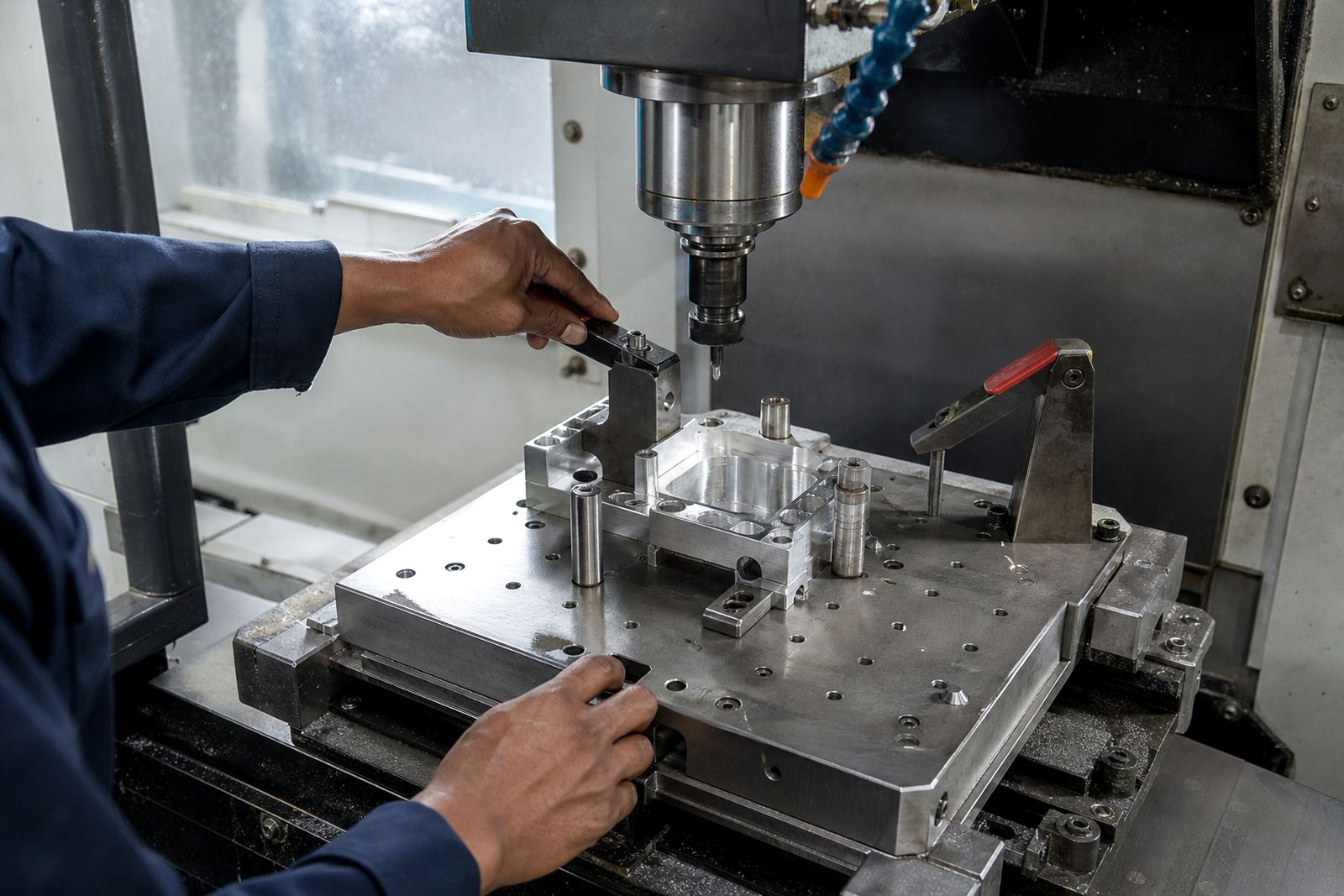
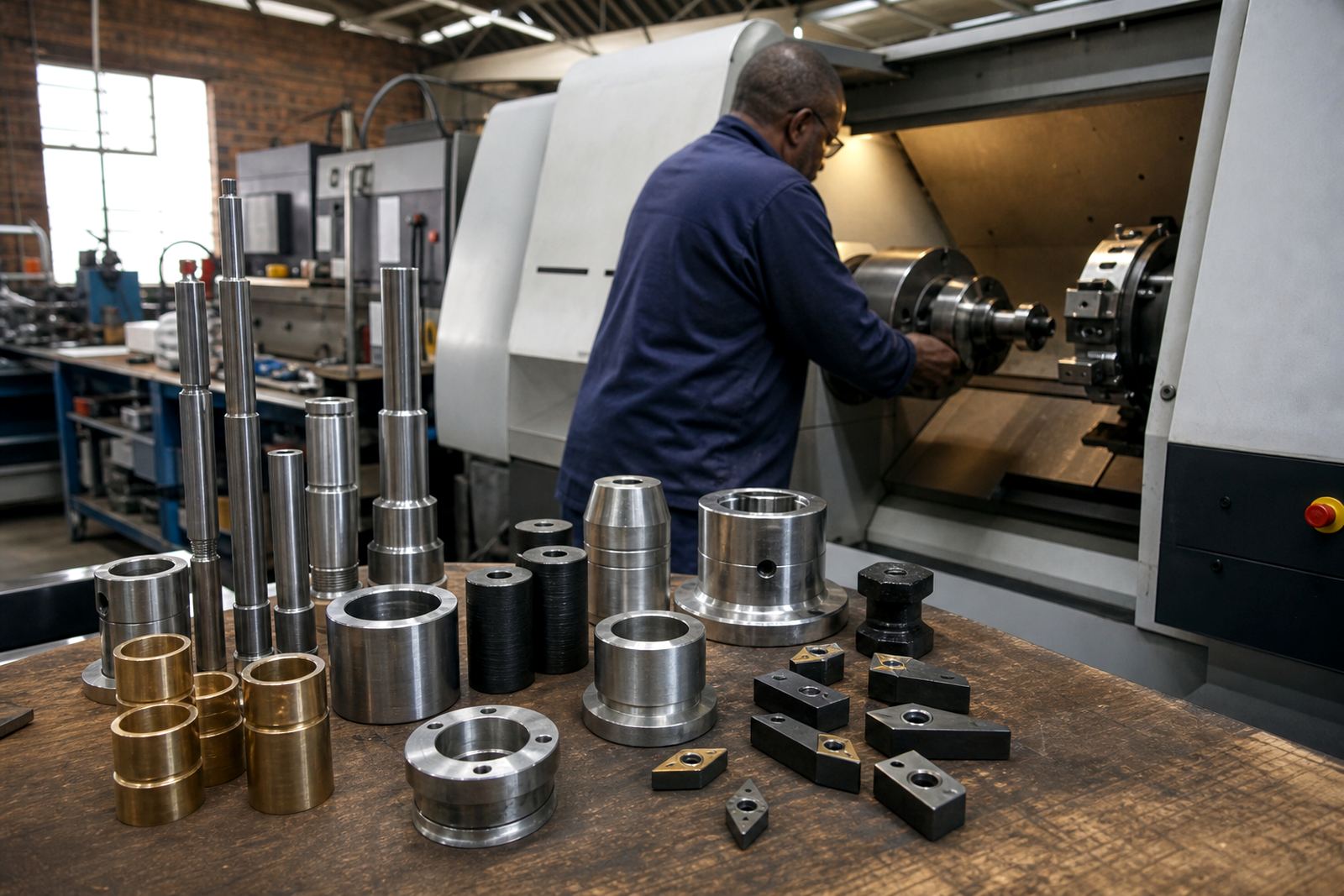
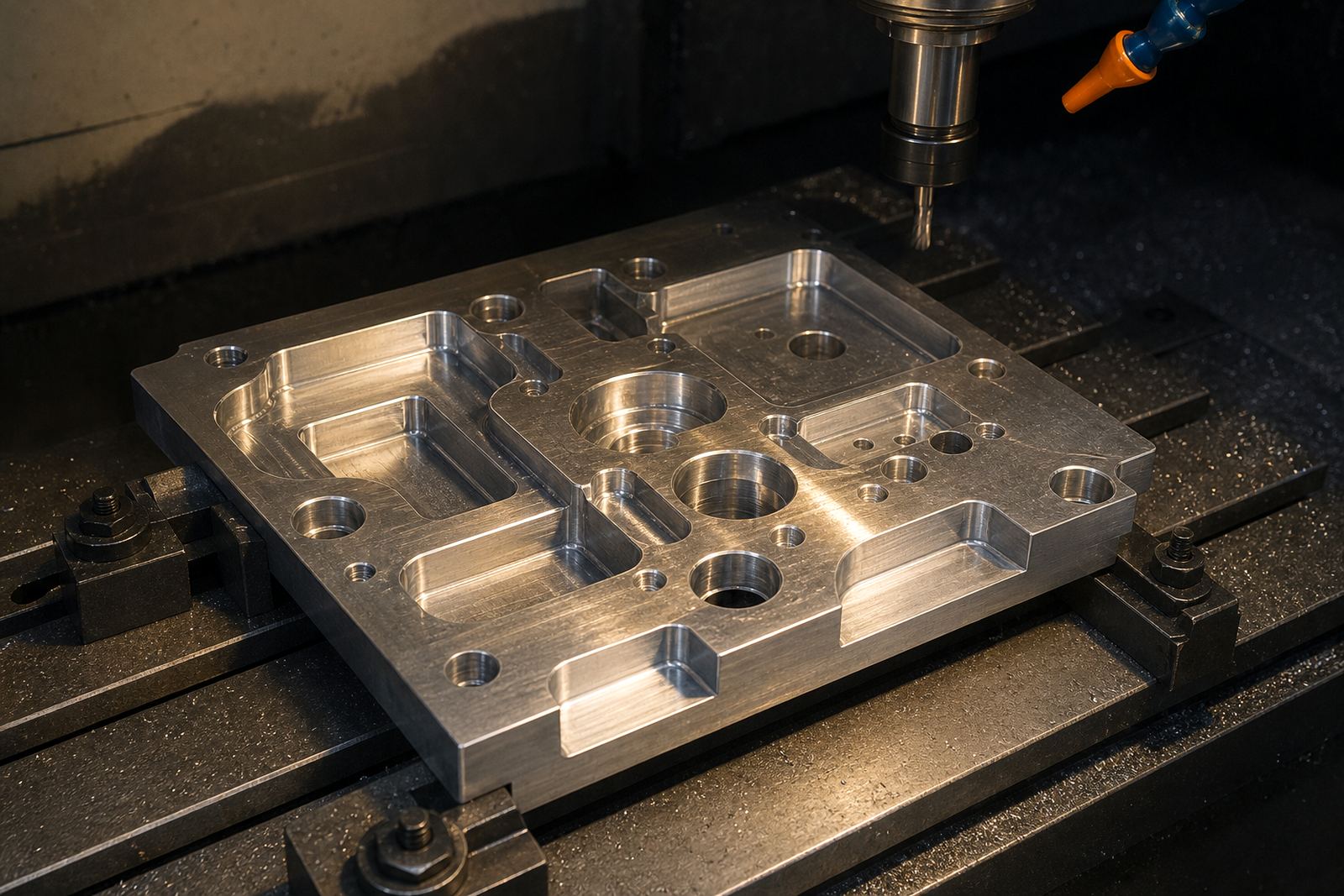
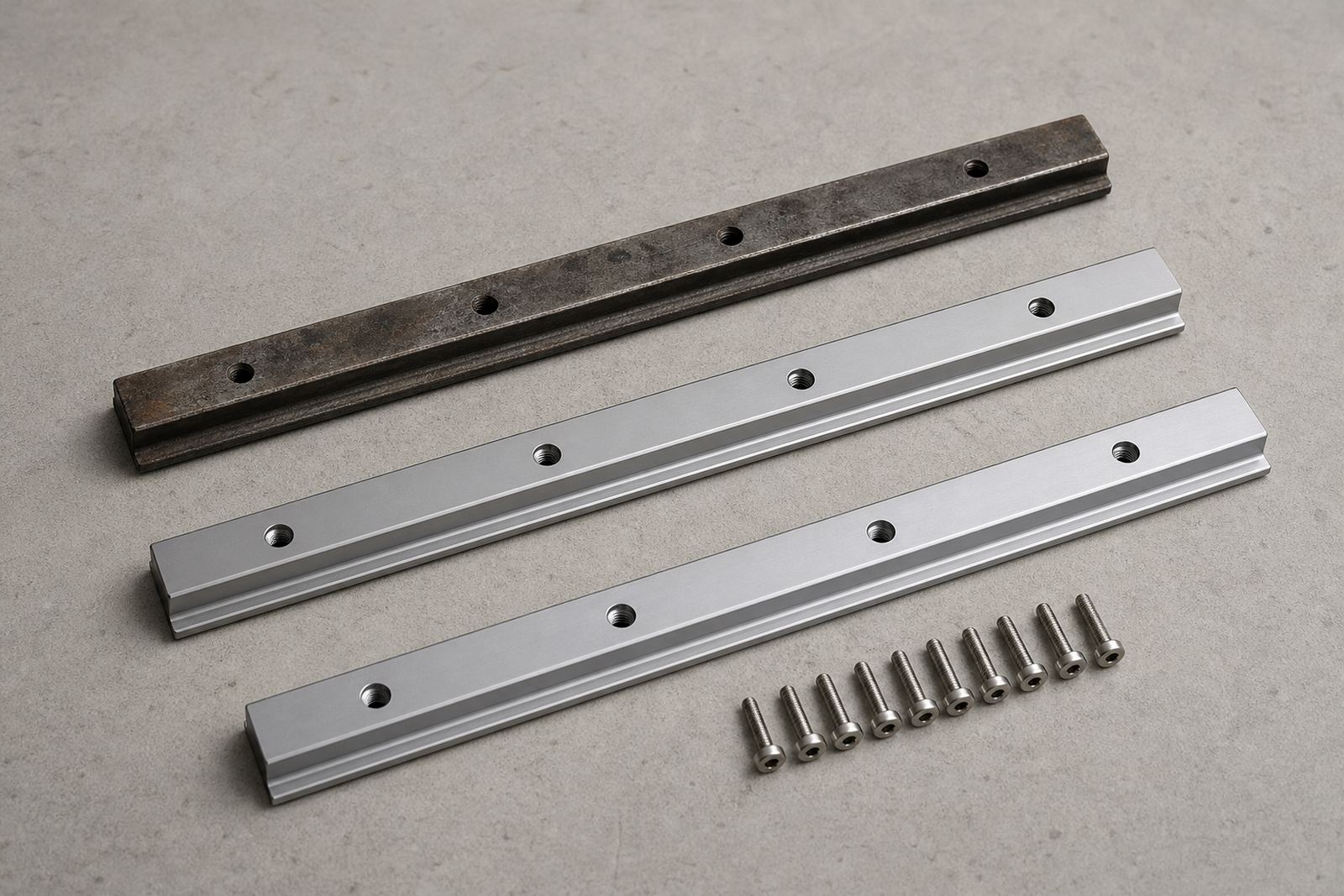
CNC milling and turning are the two main methods used in most small batch machining jobs. Milling suits parts with slots, flats, pockets, holes and stepped faces, while turning is used for round parts such as shafts, spacers, bushes and threaded pieces. In many jobs the best result comes from combining both, especially where a component needs multiple features held to the same datum.
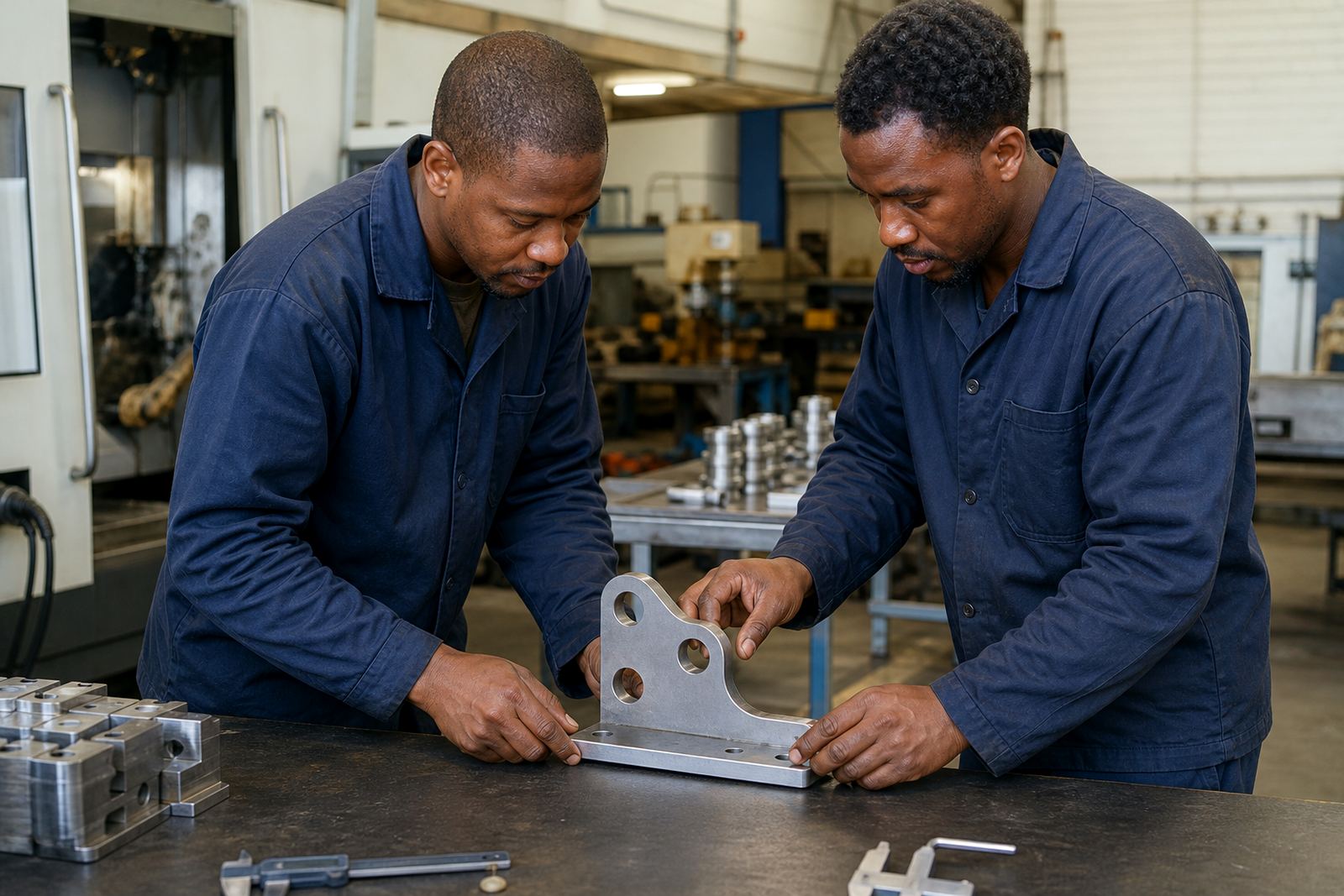
For buyers, the main question is not which method sounds more advanced, but which process fits the part geometry and quantity. A simple turned part may be quicker and more economical than forcing it through extra operations. A machined bracket with several faces may need careful setup planning so that the critical dimensions stay consistent from one piece to the next.
- Milling is usually the right choice for prismatic parts with square or irregular shapes.
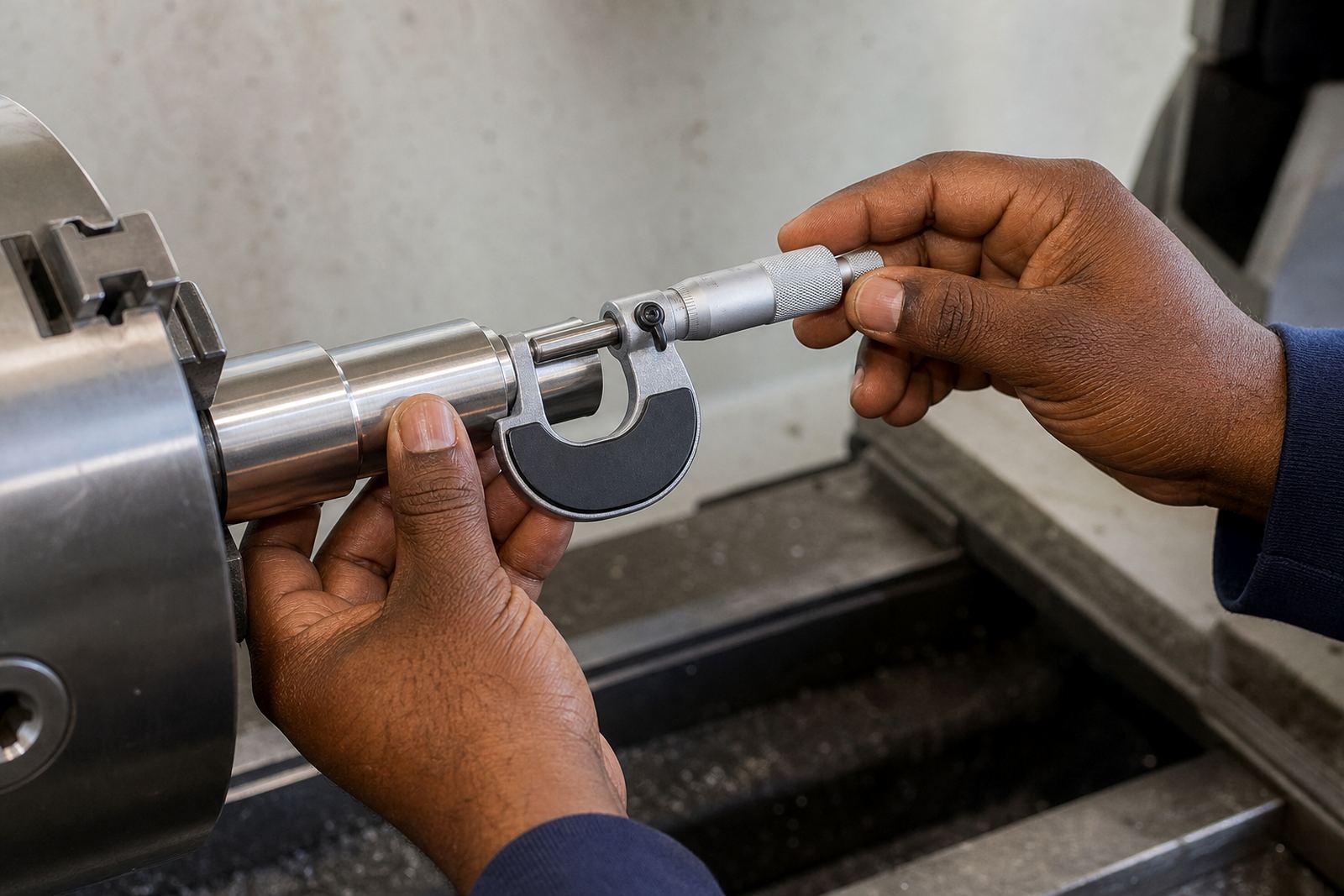
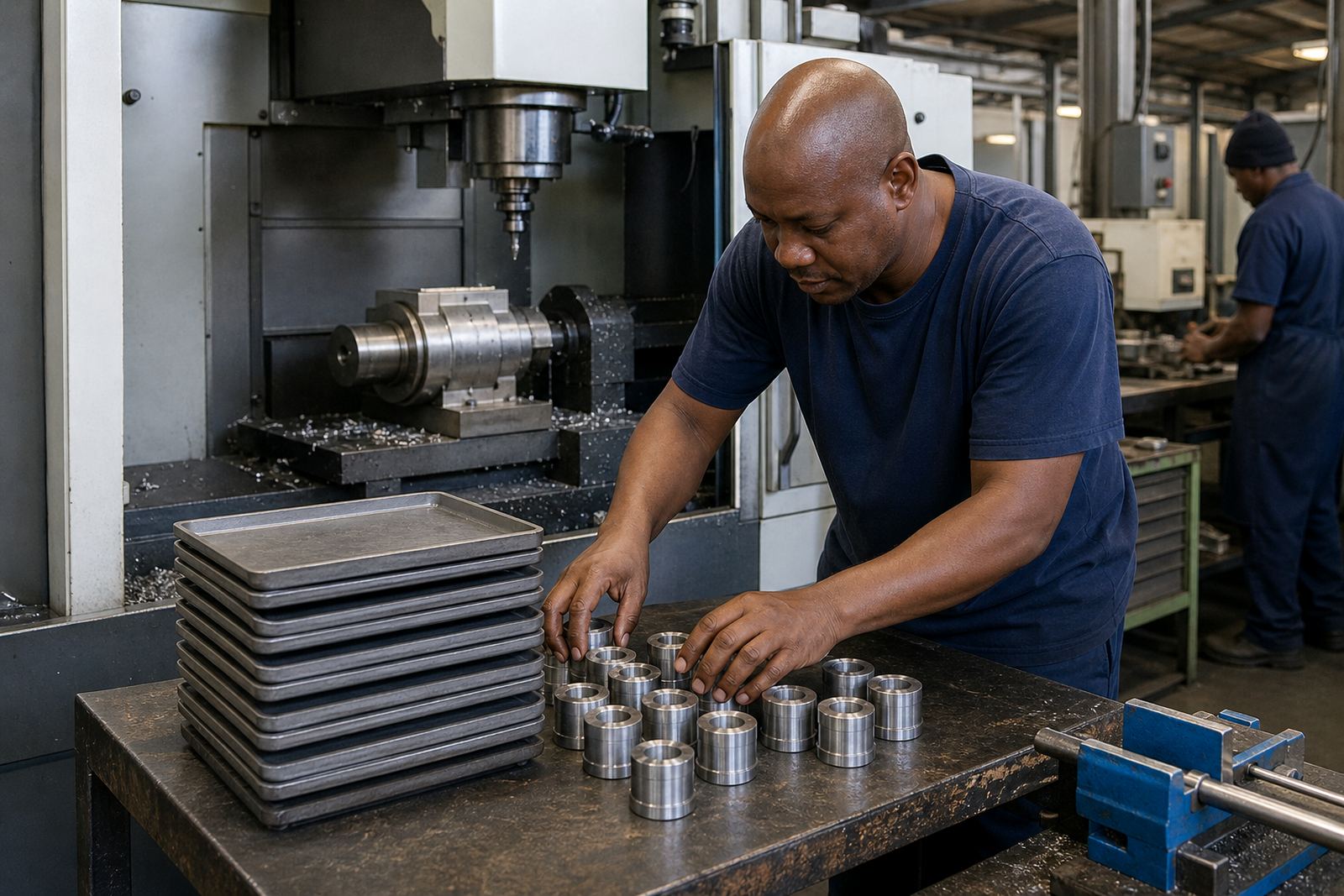
- Turning is best for cylindrical parts and concentric features.
- Combined machining helps when a part needs both round and flat features in one setup plan.
- Short runs often benefit from clear drawing review before cutting starts.
Tolerances Need to Match the Real Job
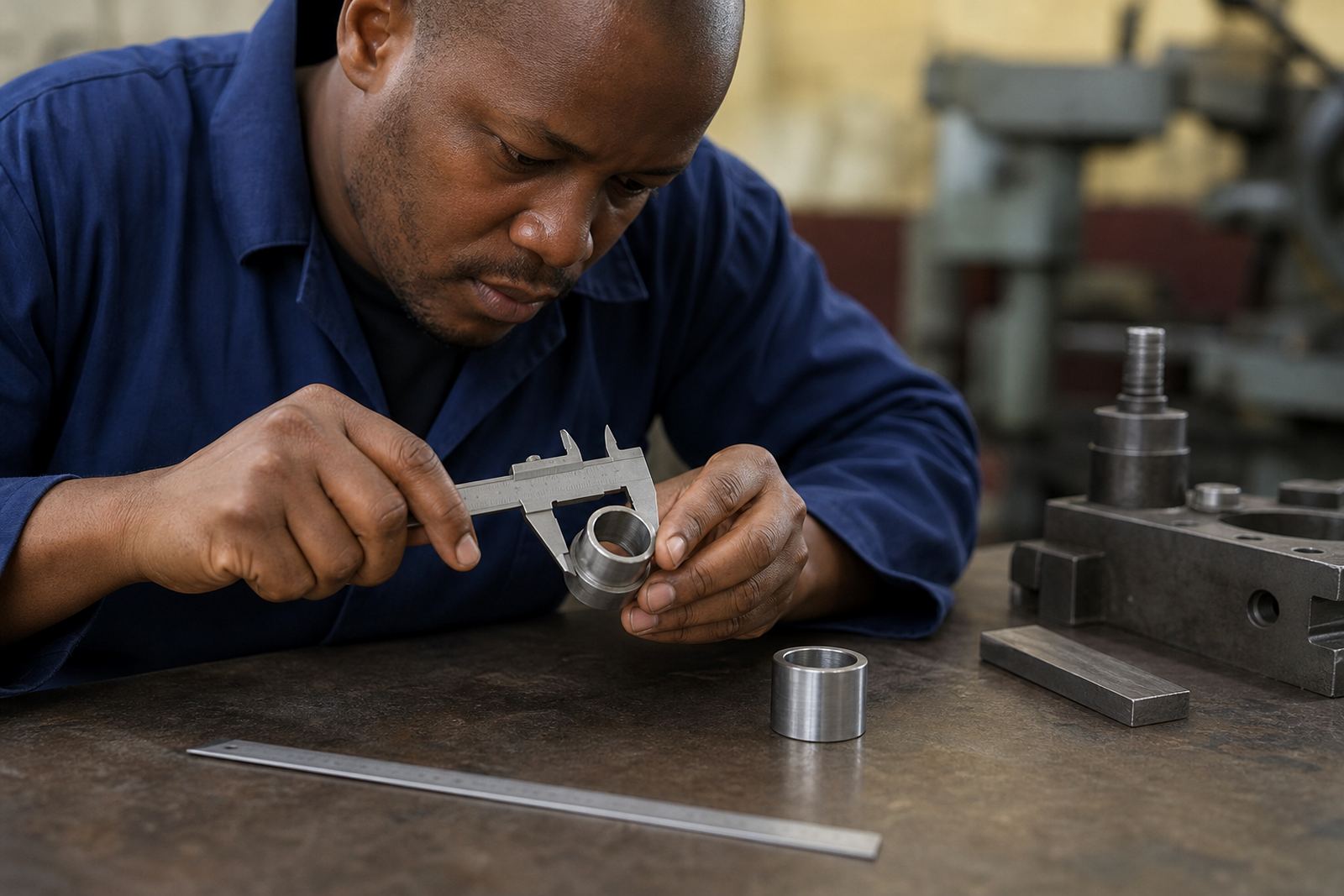
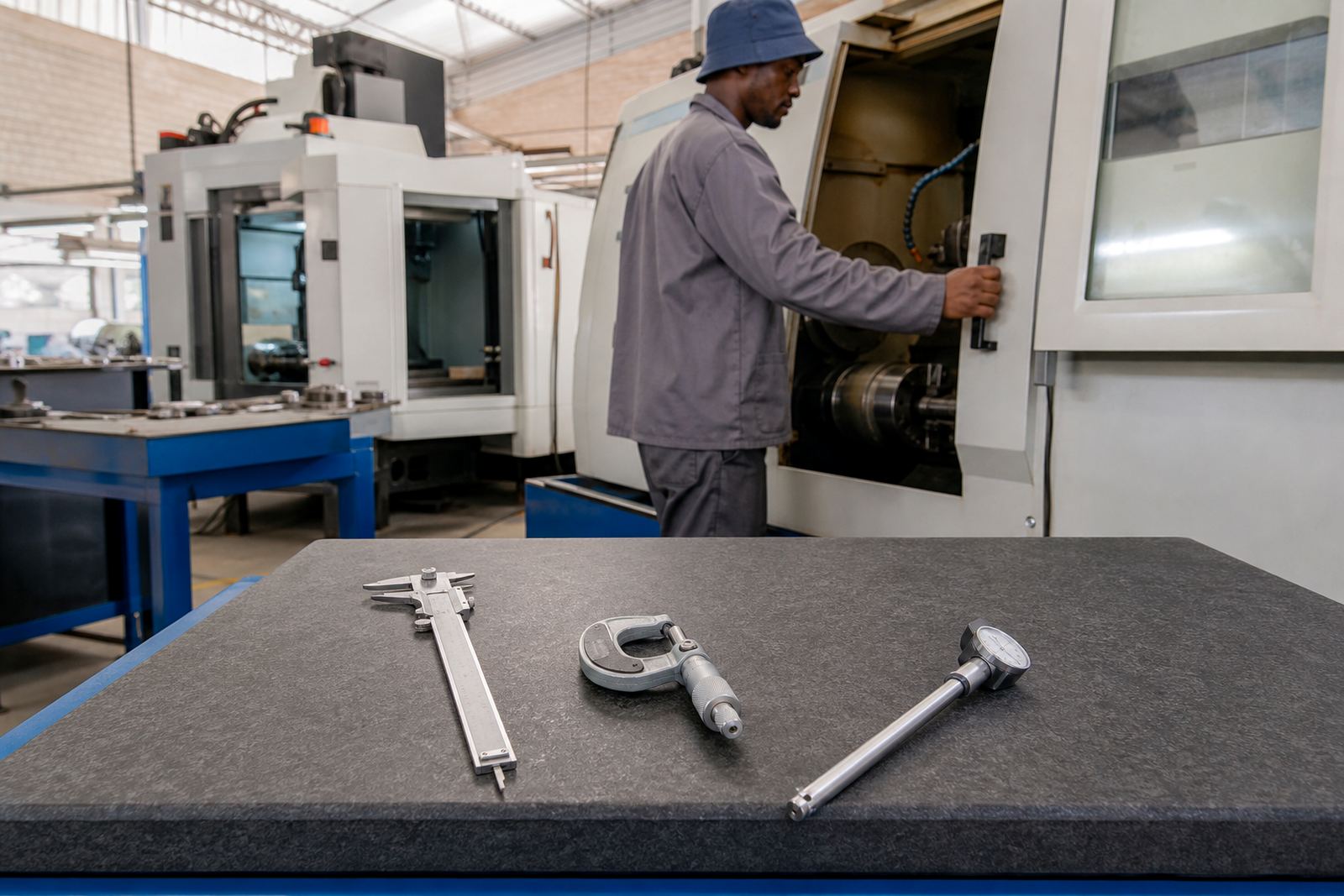
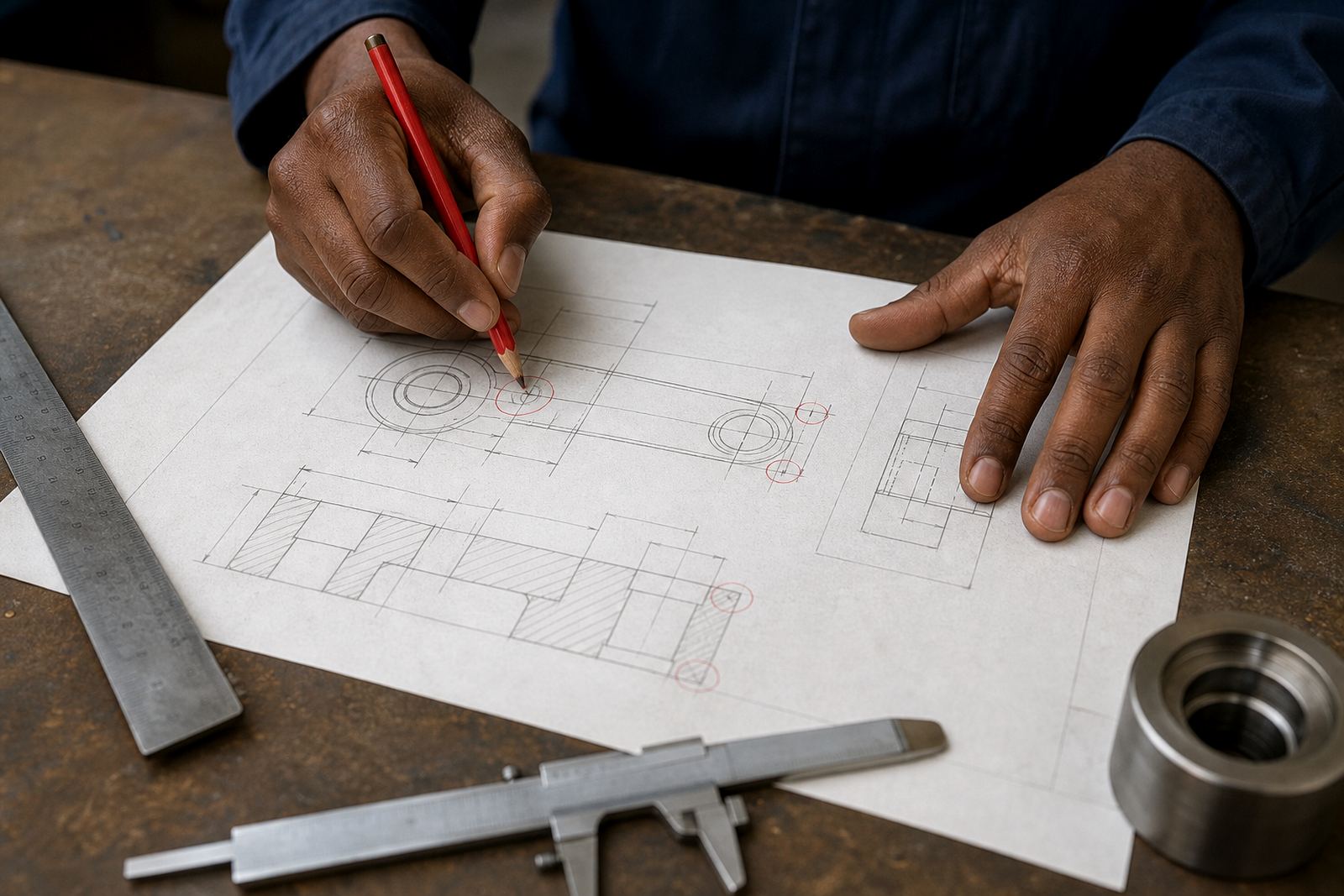
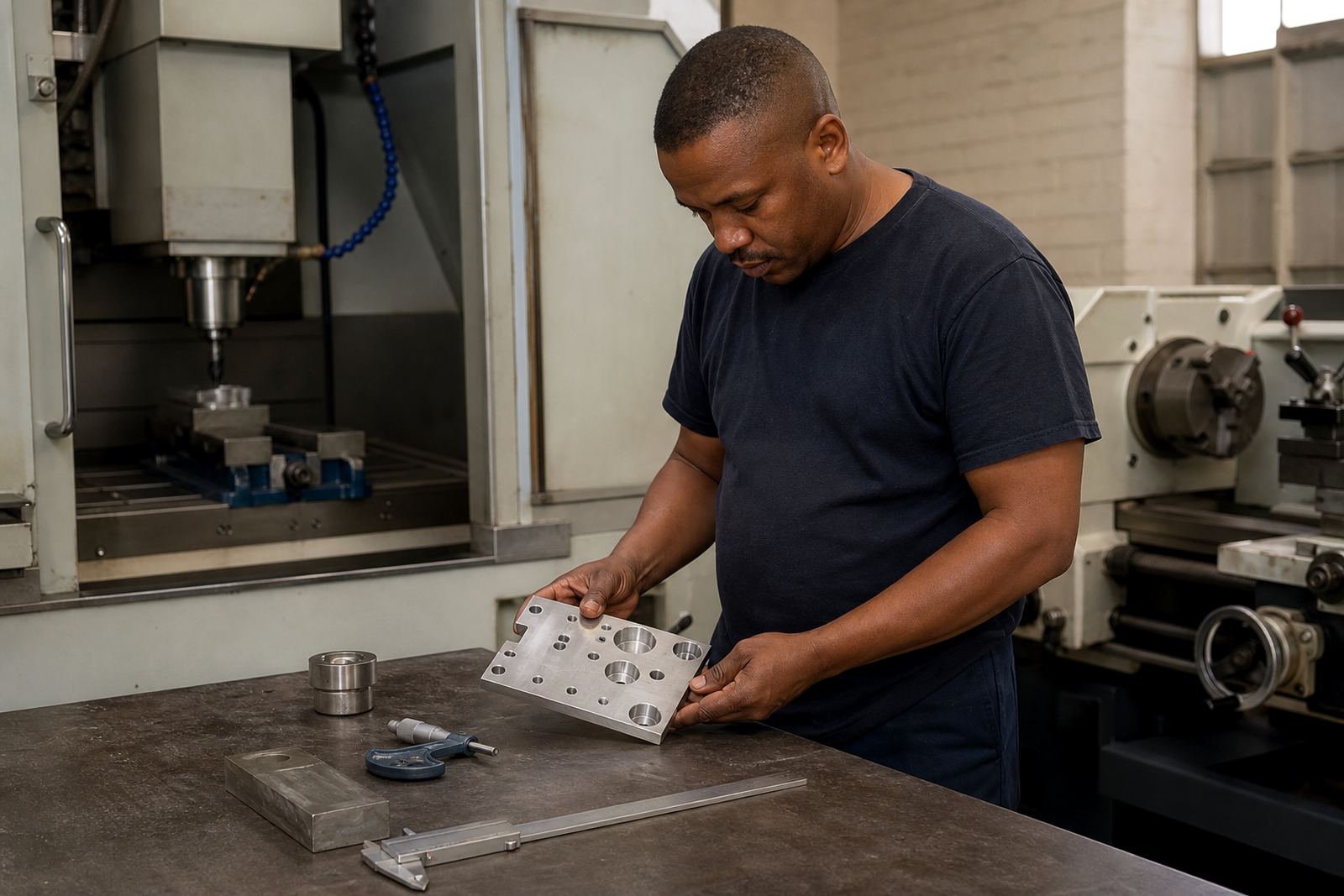
Tolerance guidance is one of the most useful parts of a machining conversation. A tight tolerance can be necessary on a bearing seat or mating shaft, but it is not always needed on a non-critical cover plate. Choosing the right tolerance saves time, reduces scrap and helps the final part fit the assembly properly. It also avoids paying for accuracy that does not add value.
Good tolerance decisions depend on the function of the part, the material, the machine setup and the inspection method. A maintenance team in Durban may need a replacement part that fits an existing machine with some wear, while an engineer in Johannesburg may need repeatability across a small batch. In both cases, the drawing should show which dimensions matter most, and which ones can allow a sensible amount of variation.
- Critical fits need clear notes and sound datum control.
- General dimensions can often allow wider limits without affecting performance.
- Surface finish can matter just as much as size on sliding or sealing parts.
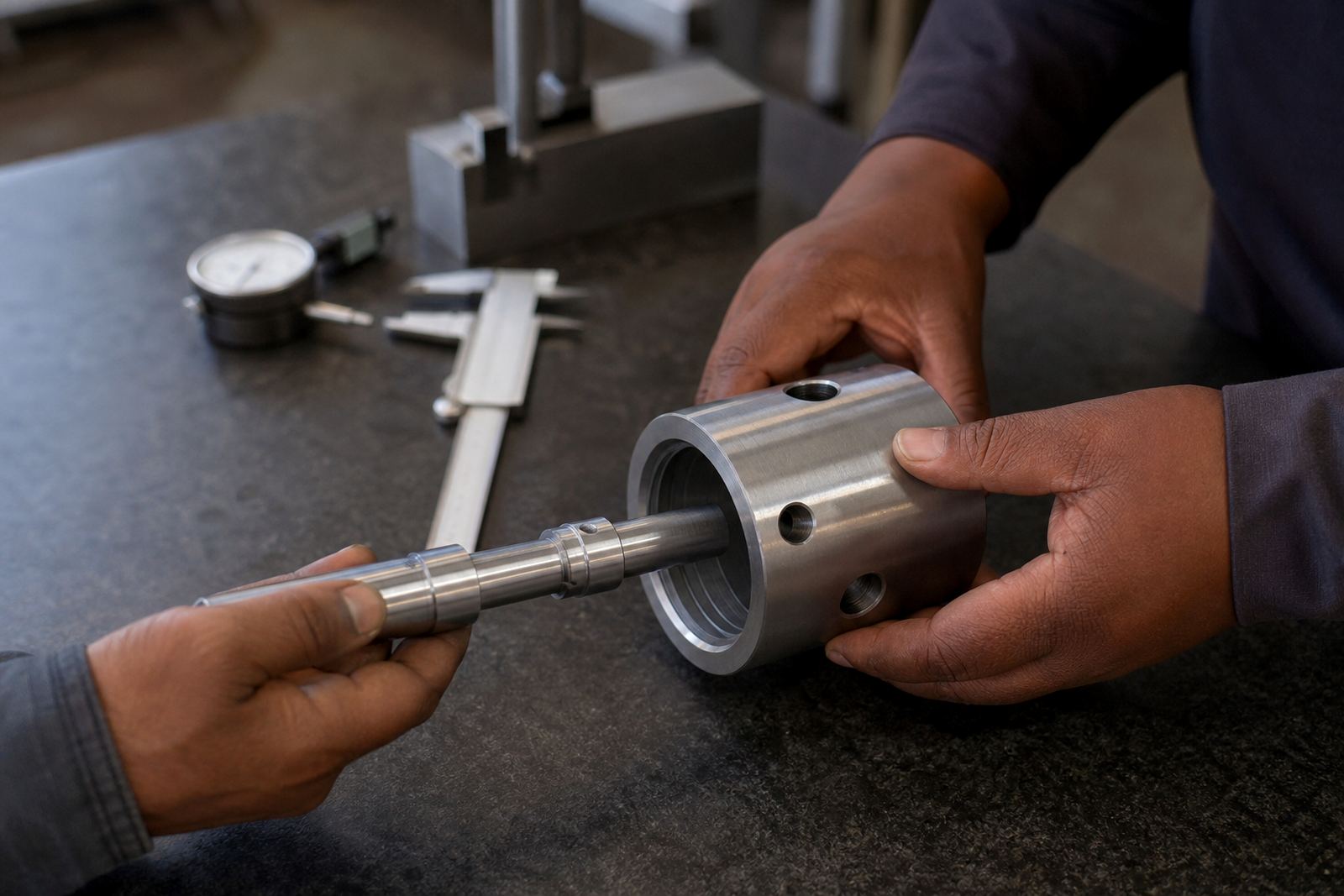
- Assembly fit checks are useful when a part must work with other components already in service.
Materials That Commonly Come Through the Workshop
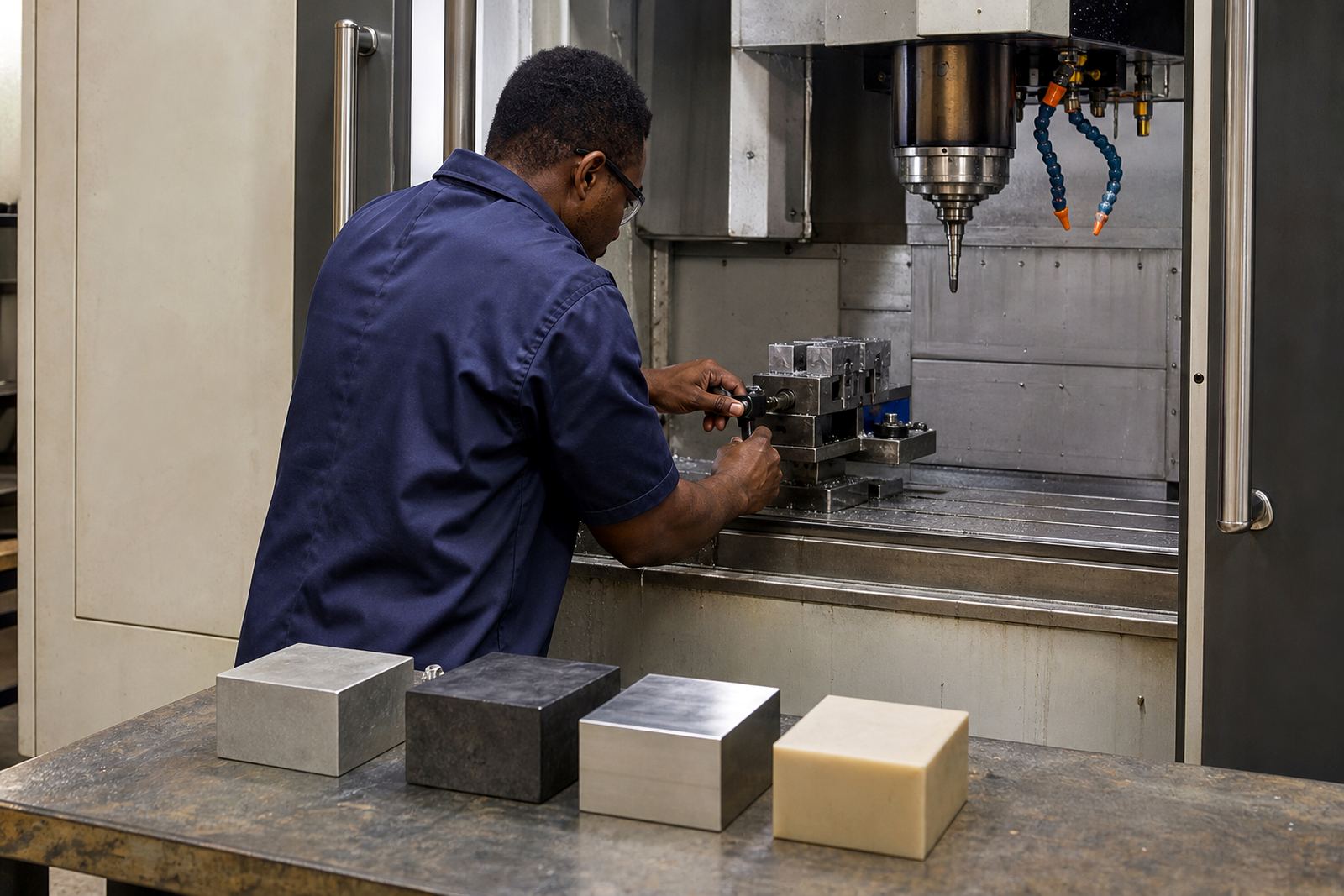
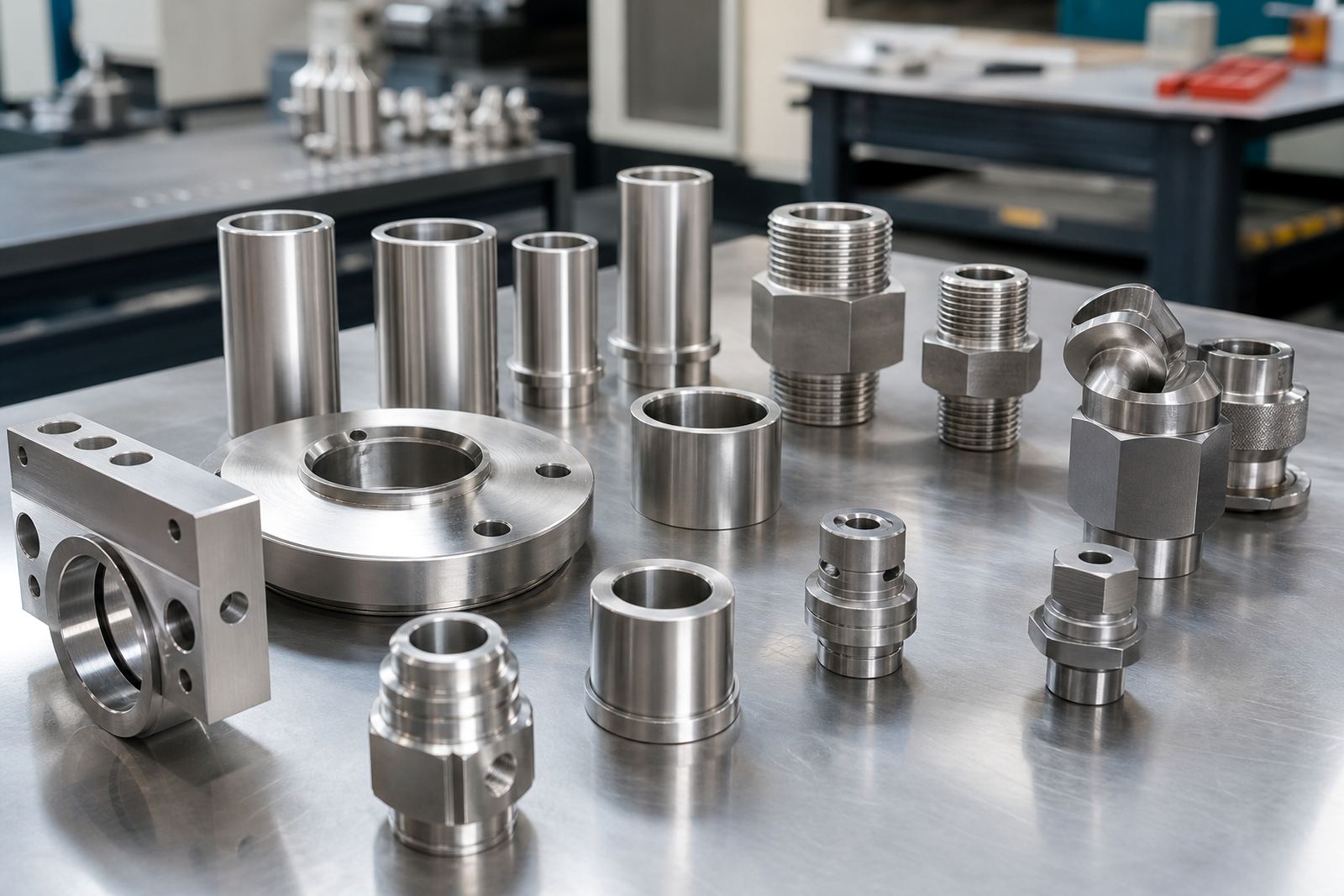
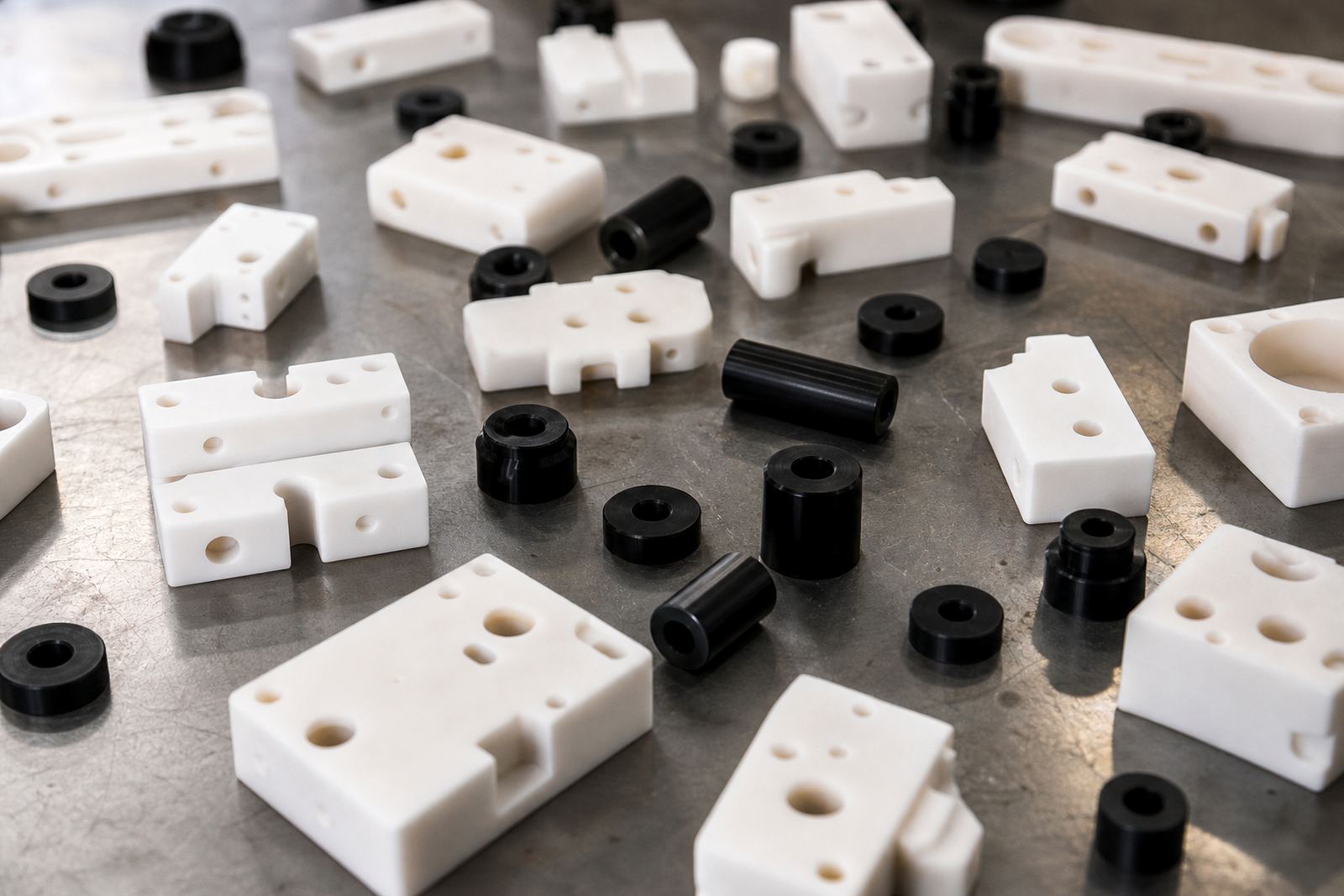
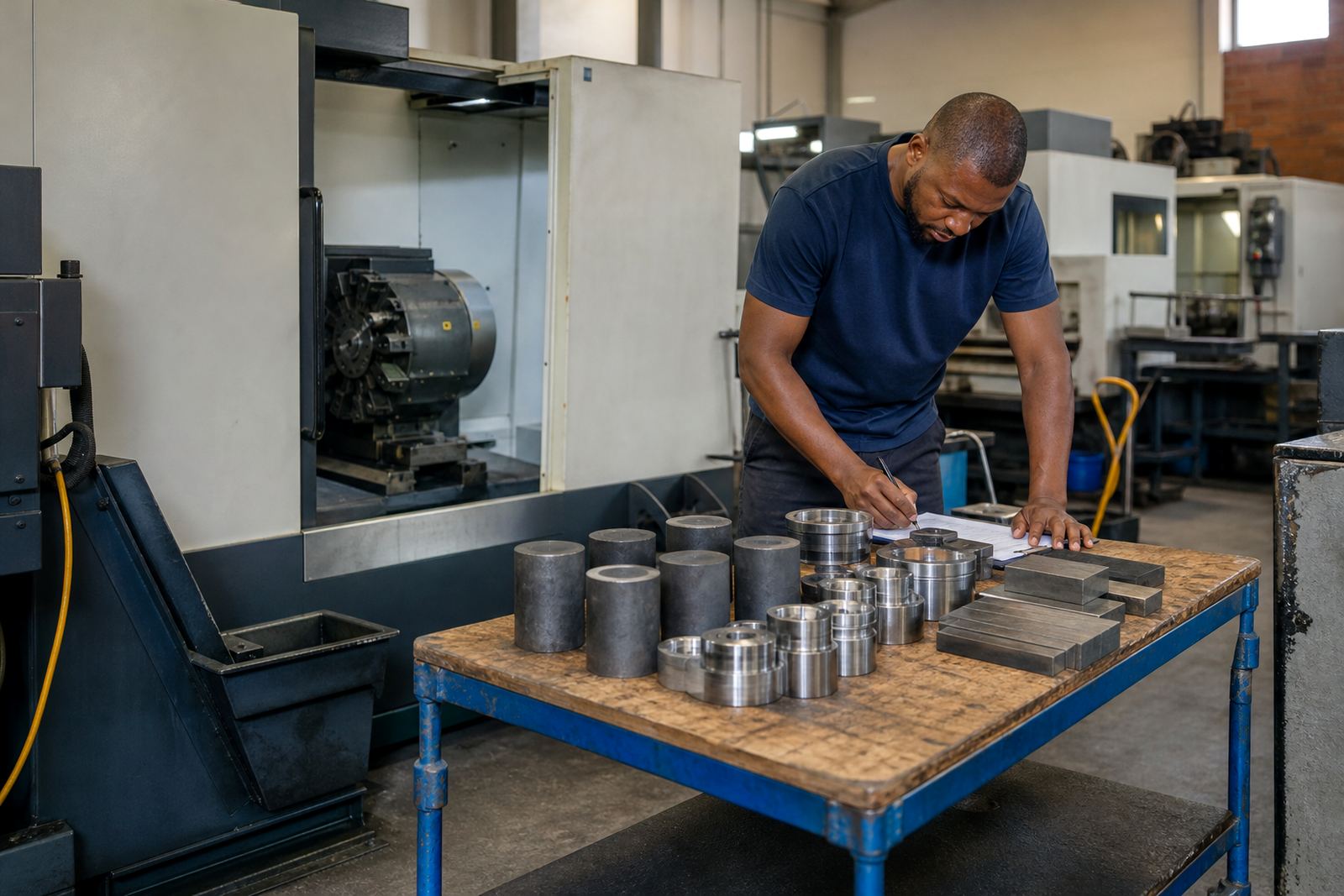
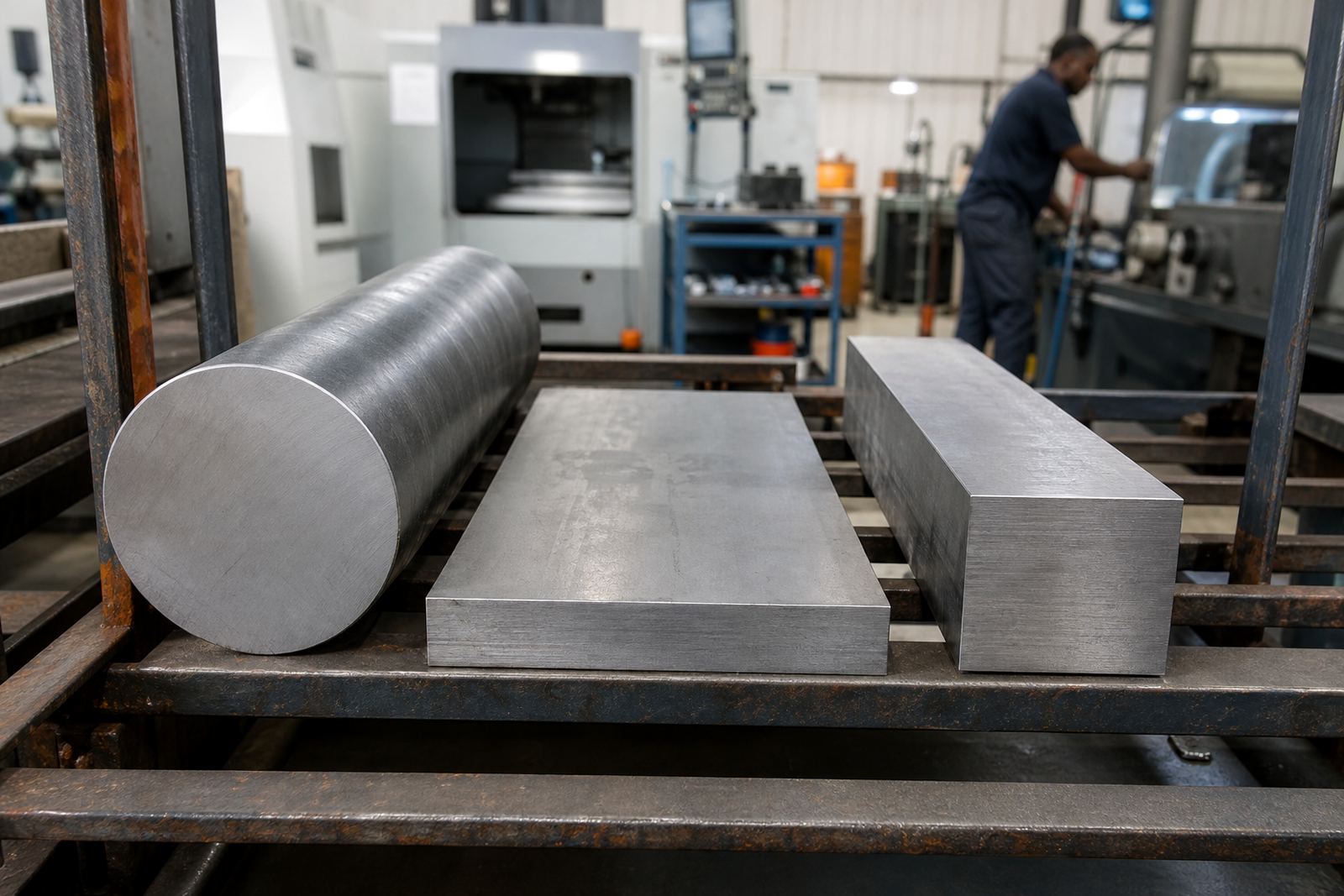
Different materials behave differently under the tool, so the material choice affects finish, tool wear and lead time. Aluminium is often used where weight matters and machining speed is important. Mild steel is common for general brackets, spacers and machine parts. Stainless steel is often chosen for corrosion resistance in humid coastal conditions around Pinetown, Durban and Richards Bay, though it can be harder on tools and slower to machine. Engineering plastics are useful for wear strips, insulation parts and non-metallic spacers where metal is not suitable.
Material selection should be based on the part's duty, environment and expected service life. A component exposed to sea air may need different treatment from one used inside a factory workshop. A part near heat, vibration or chemical splash may also need a different approach. The best choice is often the one that balances durability, machinability and cost without over-specifying the job.
Planning Small Batch Work Without Waste
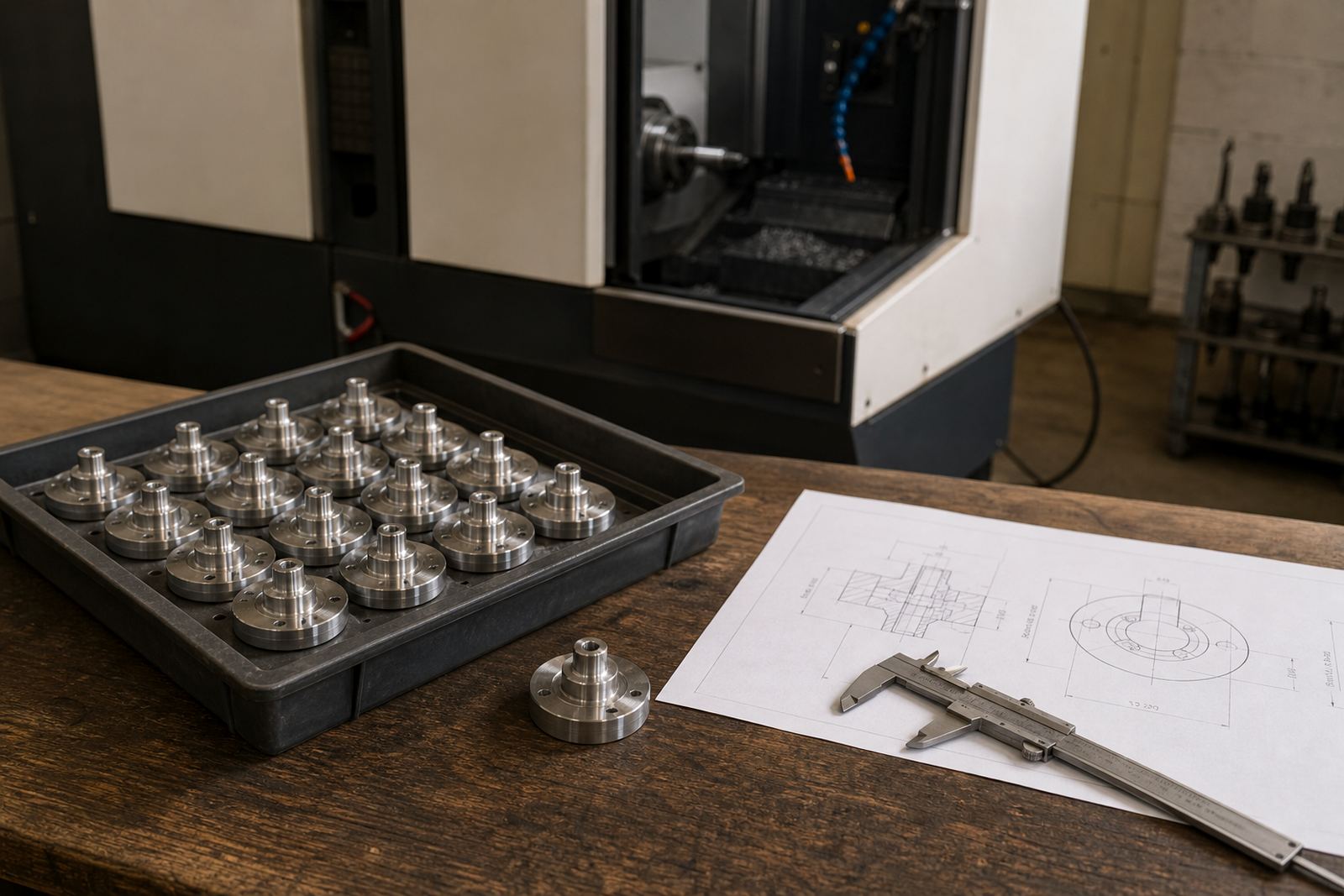
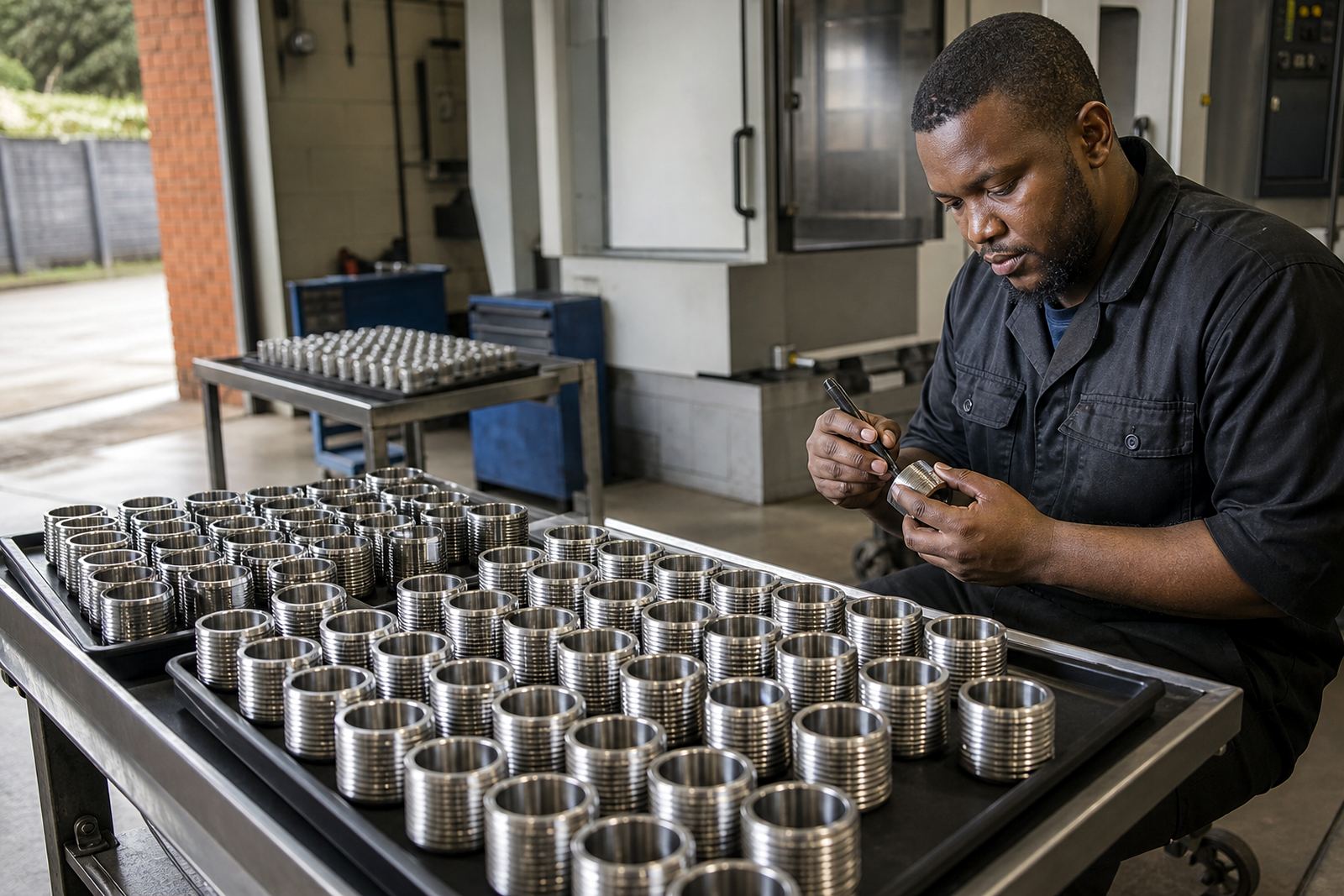
Small batch production needs careful planning because the cost of setup is spread across only a few parts. That makes drawing clarity, setup sequence and inspection points very important. Batch planning helps reduce rework by grouping similar features together, confirming tooling requirements early and checking whether a sample part should be remade before the full batch continues.
For clients across Pinetown, Westmead, New Germany and Pietermaritzburg, it often helps to confirm the order of operations before the first chip is made. Load-shedding can also affect planning, so work may need to be scheduled around available power and machine time. When that happens, clear communication keeps the job moving and avoids confusion on delivery dates.
- Review the drawing for missing dimensions or unclear notes.
- Check whether a prototype or sample part should be approved first.
- Confirm material availability before setup begins.
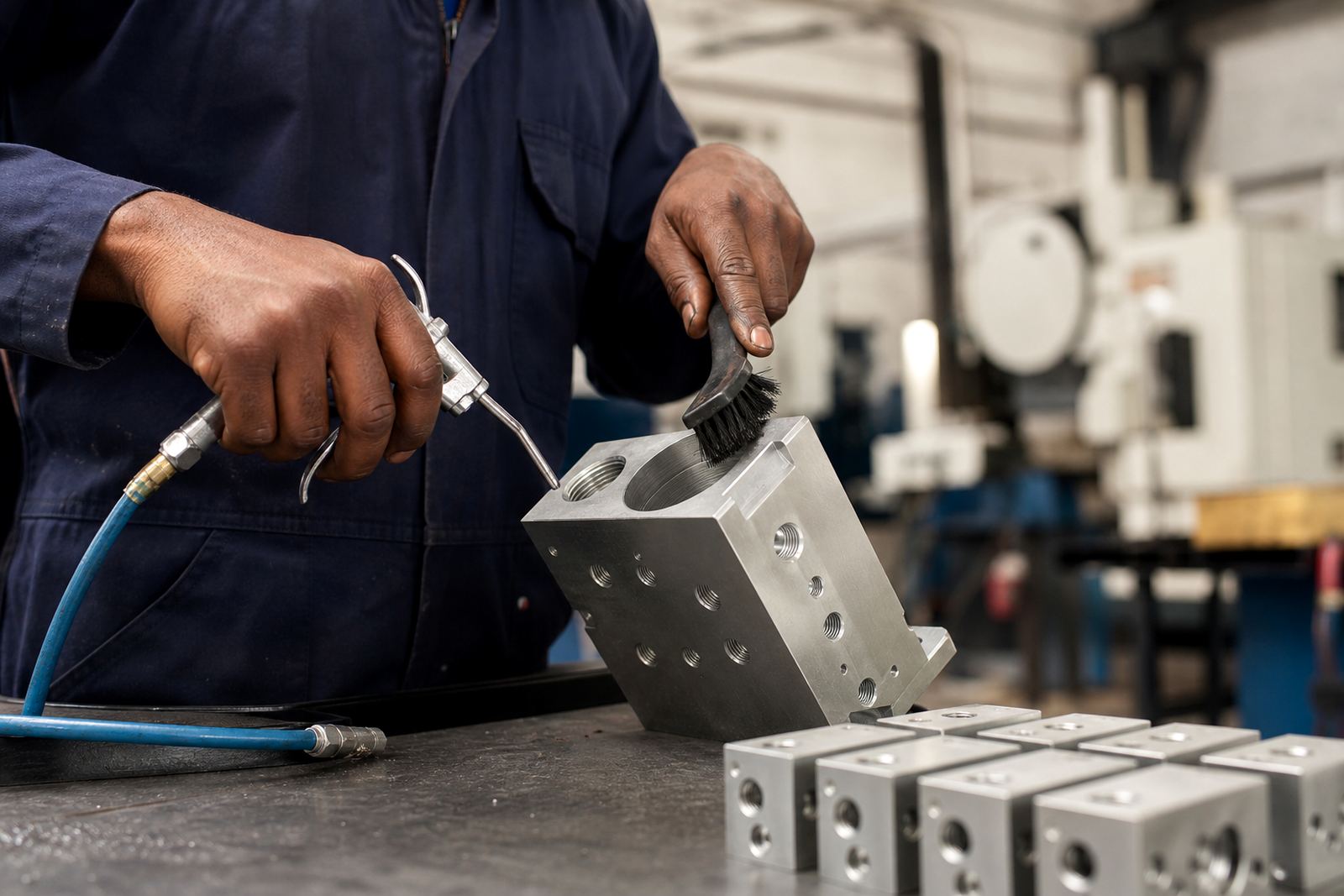
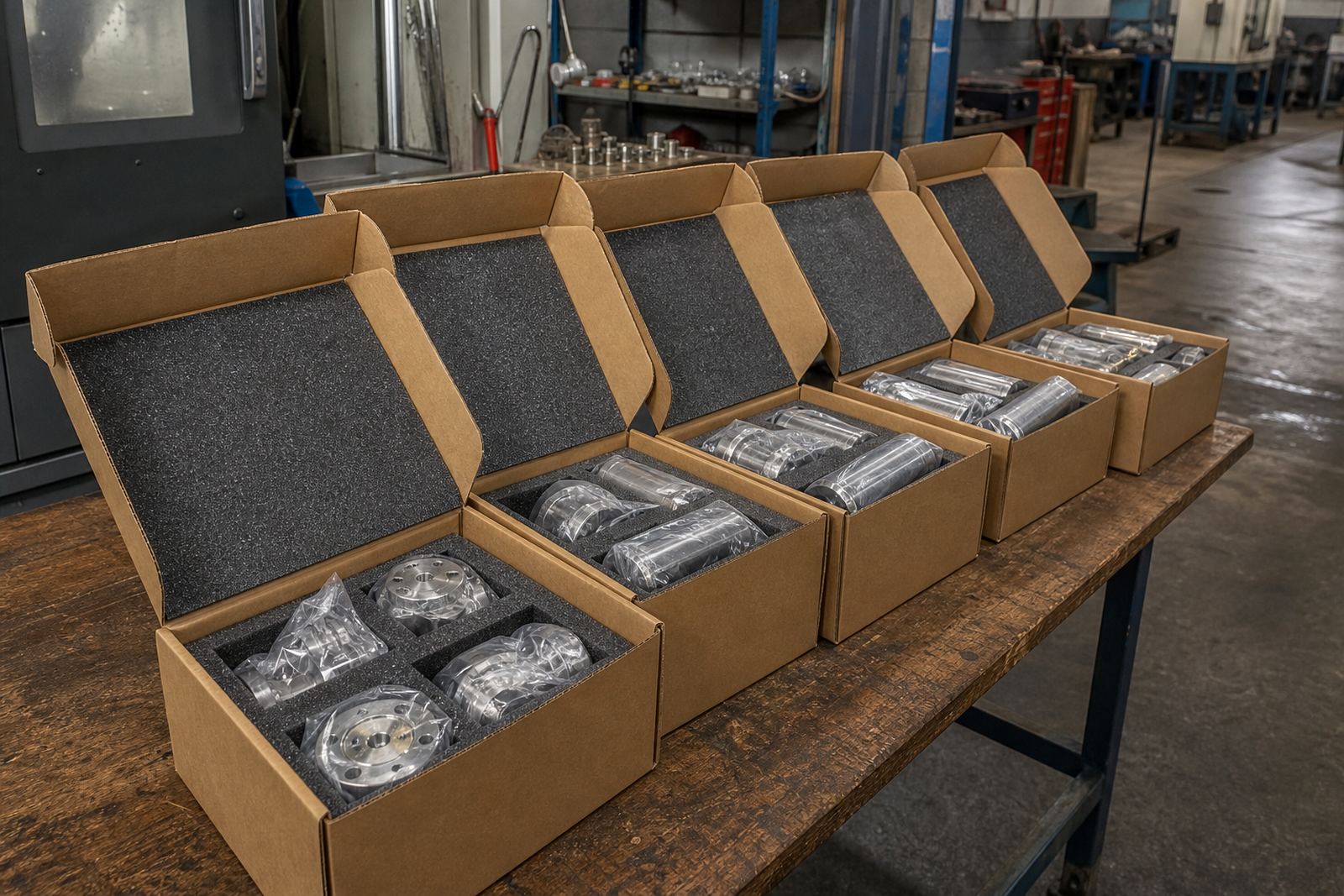
- Allow time for inspection, deburring and packing.
Common Component Issues We See Again and Again
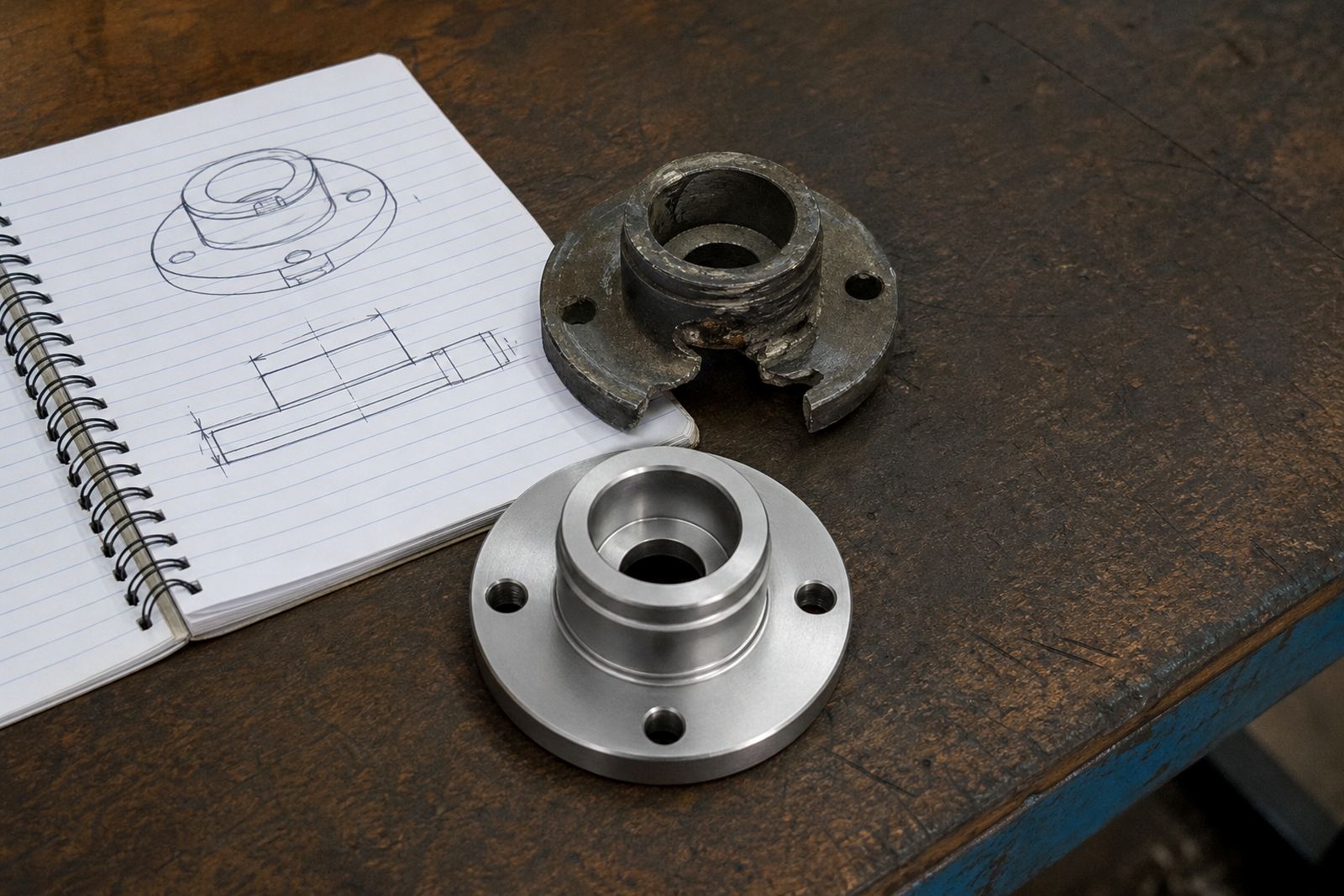
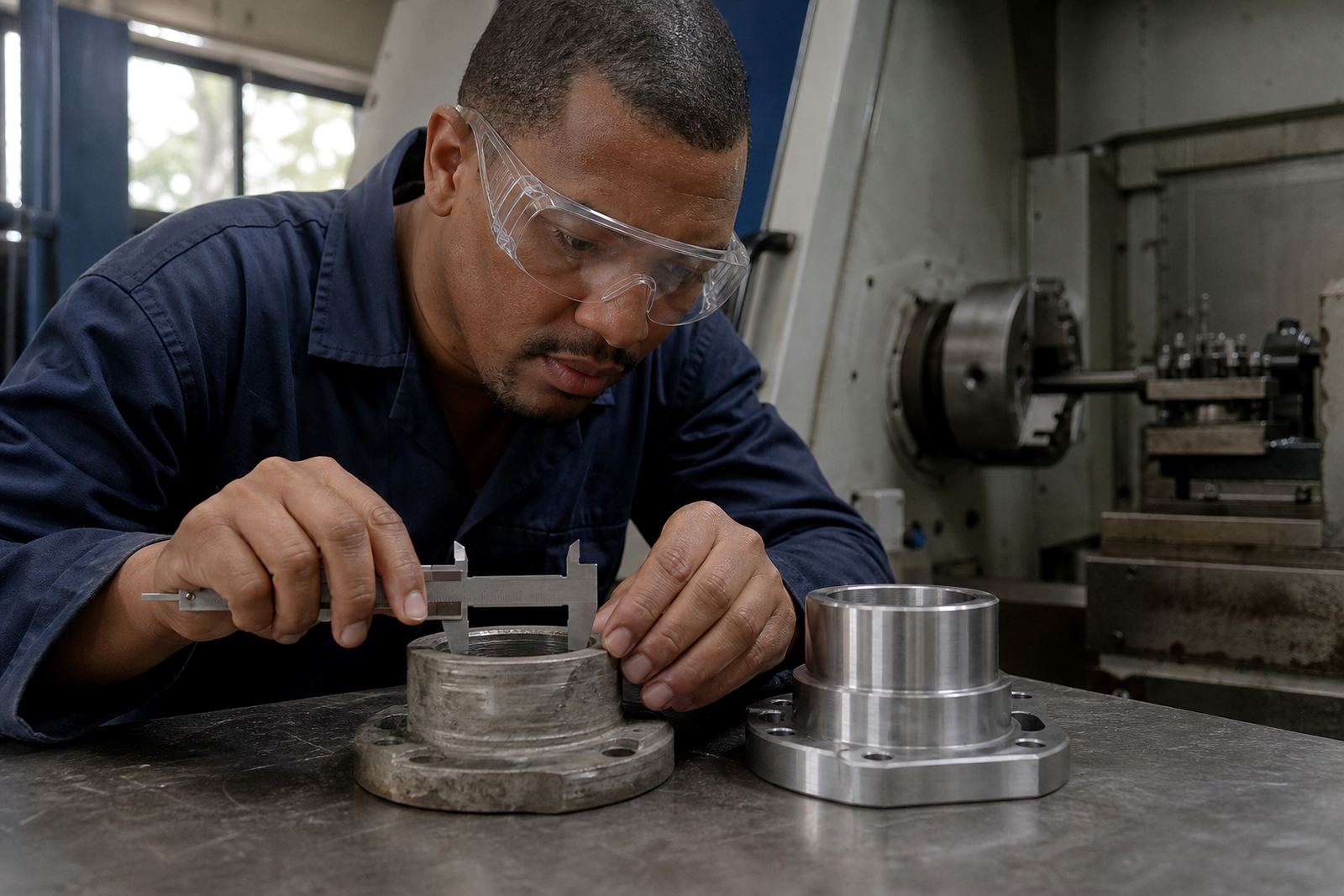
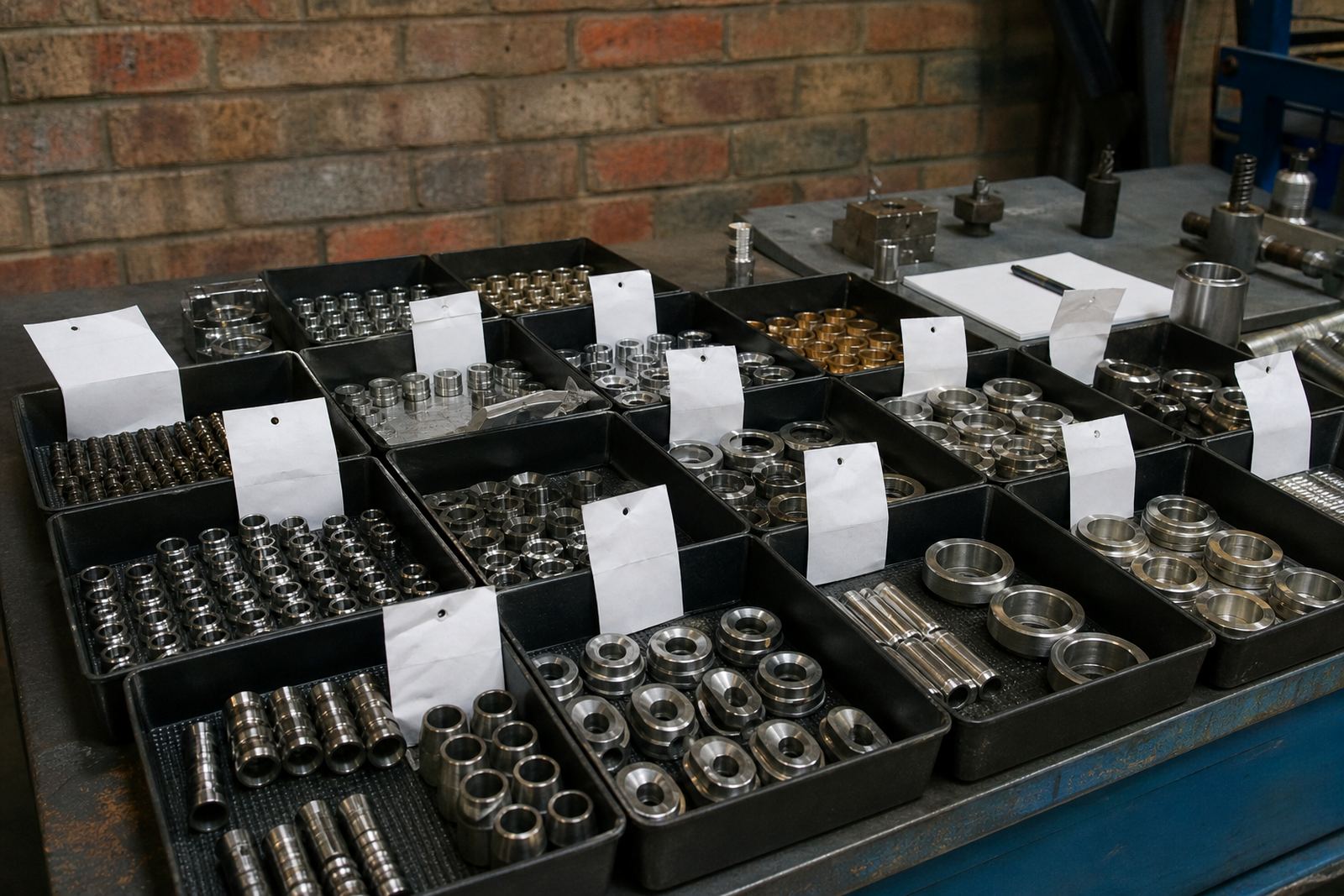
Many machining problems start with the same few issues. Worn holes, damaged threads, bent shafts, poor alignment and poorly matching replacement parts are all common in maintenance work. In some cases the original part is no longer available, so the replacement has to be made from an existing sample and measured carefully. In other cases the drawing needs updating because the installed machine has been altered over time.
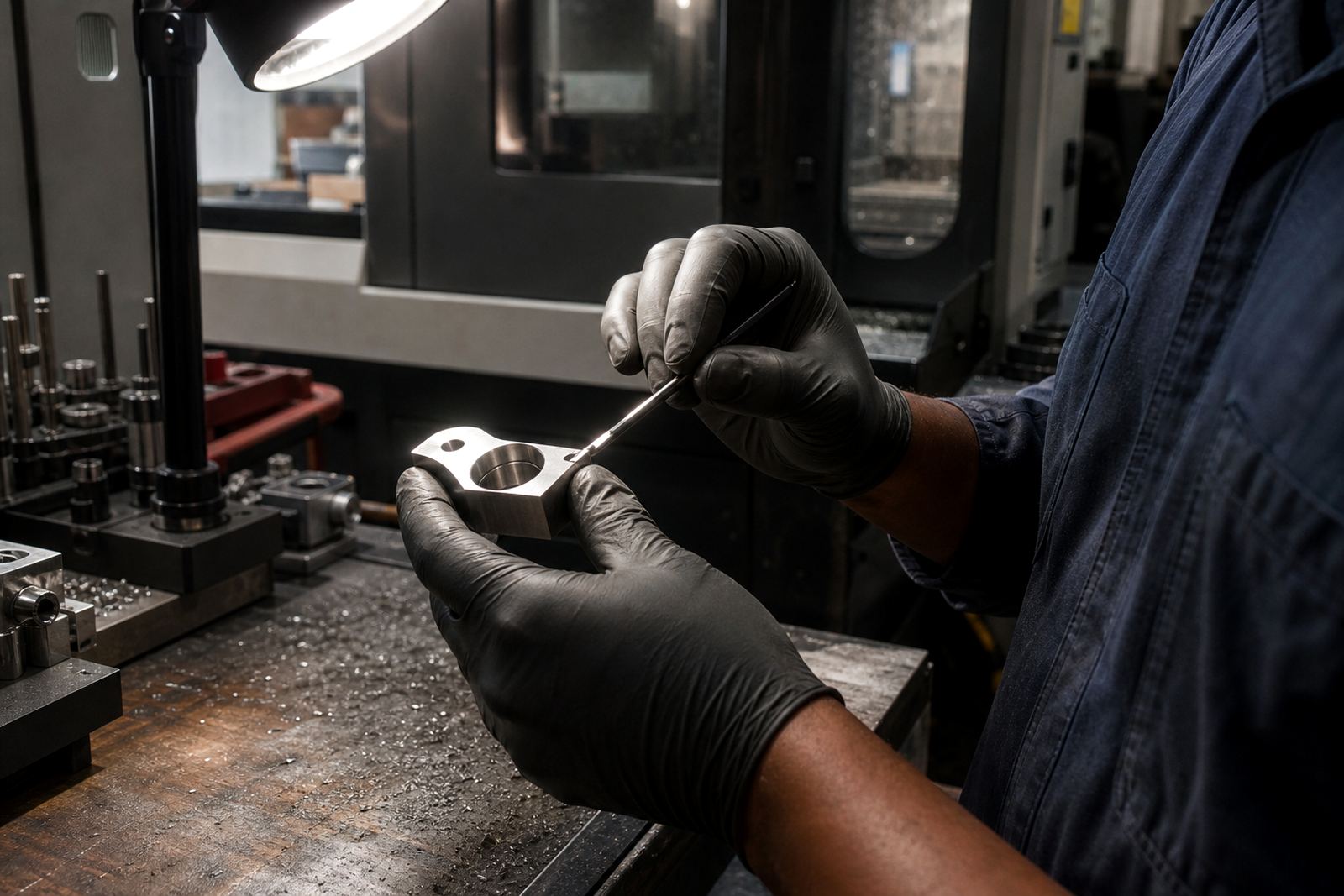
Inspection reporting and drawing updates help reduce repeat problems. They show what was measured, what was changed and how the next order should be handled. That record is useful for plant teams, fitters and buyers who need more than a one-off fix. It also helps when a job has to be repeated months later and the part must match the earlier version, not just resemble it.
How to Use These Articles Before You Place an Enquiry
Each article in the workshop journal is written to help readers ask better questions before sending a drawing or sample part. If you are deciding between milling and turning, need help with tolerances, or want to understand why a certain material is better for the job, start here first. The aim is to make the next step simpler, whether the work is for a prototype, a small batch or a repeat order.
For clients in Durban, Pinetown, Richards Bay and Johannesburg, the journal can also help narrow down the details before the enquiry form is submitted. That usually means fewer back-and-forth messages and a cleaner quote request. It also helps maintenance teams explain what changed, what failed and what must stay the same on the next part.