Why Repeatability Matters In Small-Batch Work
When a client orders a short run of parts, every piece still needs to fit the same way. That is where jigs and fixtures earn their place. They hold a component in the correct position, guide the cutting tool where needed, and reduce the chances of one-off variation between parts. In CNC machining, that matters just as much for ten pieces as it does for ten thousand.
At PME CNC Machining, repeatability is not only about the machine setting. It also comes from how the part is located, clamped and checked through the job. A well made fixture can save time on setup, reduce handling damage, and help the team keep the work aligned to the drawing. That is especially useful on repeat orders where the client expects the same fit, finish and hole position as the last batch.
How Jigs Help In Milling And Turning
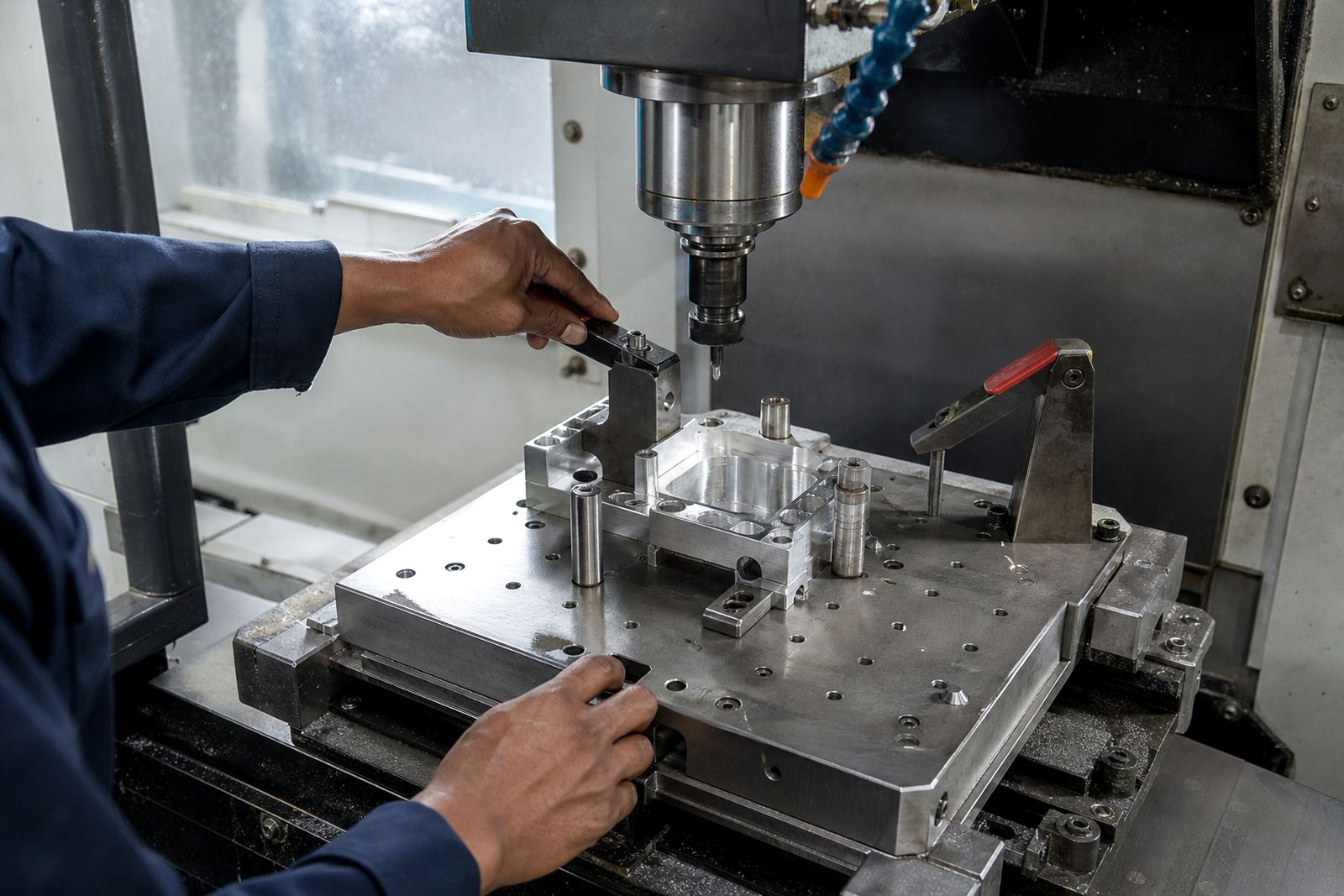
In CNC milling, a jig may guide drilling, tapping or location work so each feature is placed where it should be. A fixture on the other hand is usually there to hold the workpiece firmly and consistently during machining. On a turned part, a holding arrangement can help with concentricity, part orientation and safe clamping. The right setup depends on the shape of the component, the material, and the number of parts in the batch.
For a small run, the aim is often practical: less setup time, fewer errors and better control over the finished part. A fixture that grips aluminium differently from mild steel, or one that supports a thin wall section properly, can make the difference between a clean part and one that moves under cutting load. In a humid coastal area like Pinetown, that also means thinking about storage and handling so jigs and fixtures stay in good condition between jobs.
- Supports accurate hole spacing and part location
- Helps keep parts square, parallel or concentric
- Reduces marking, slipping and handling damage
- Speeds up repeat setups on small batches
Fixtures For Assembly And Fit Checks
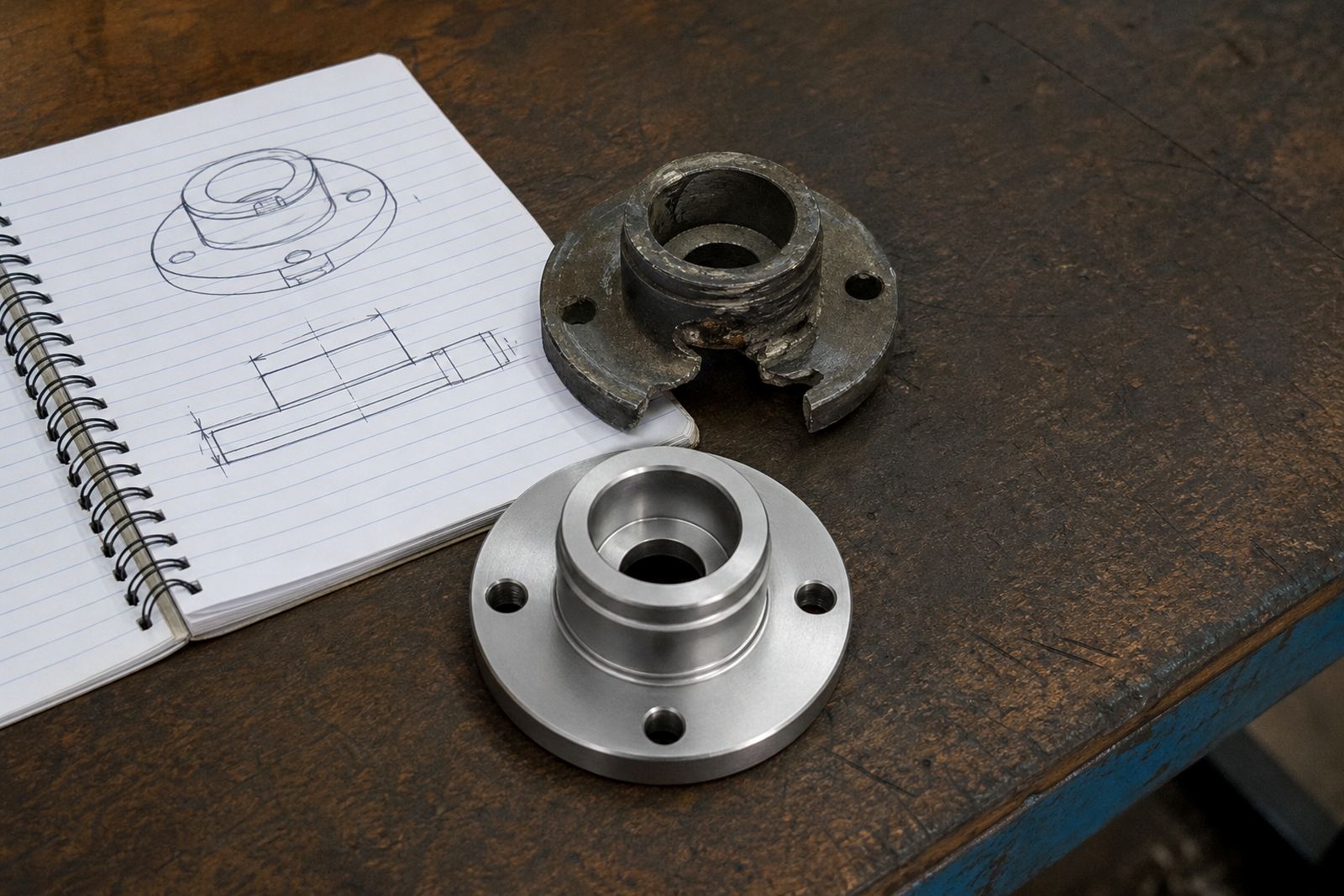
Jigs and fixtures are not only for cutting metal. They are also useful during assembly and fit checks, where the question is whether parts meet as intended before the job leaves the shop. A simple locating fixture can hold two or more components in the same position every time, making it easier to test hole alignment, spacing, angle and clearance. That is helpful when a part will later be welded, bolted or pressed into a larger assembly.
In practical terms, this means fewer surprises on site. A batch that passes a fit check in the workshop is less likely to cause delays during installation or final assembly. For clients in Durban, Pietermaritzburg or Richards Bay, that can save a second trip, a rework callout, or a missed deadline. It is also easier to spot drawing issues early when the same checking method is used on each piece.
- Checks mating parts before final assembly
- Confirms hole alignment, angle and clearance
- Supports sample part remake and trial fitting
- Helps identify drawing updates before repeat production
Inspection Fixtures Make Measurements More Consistent
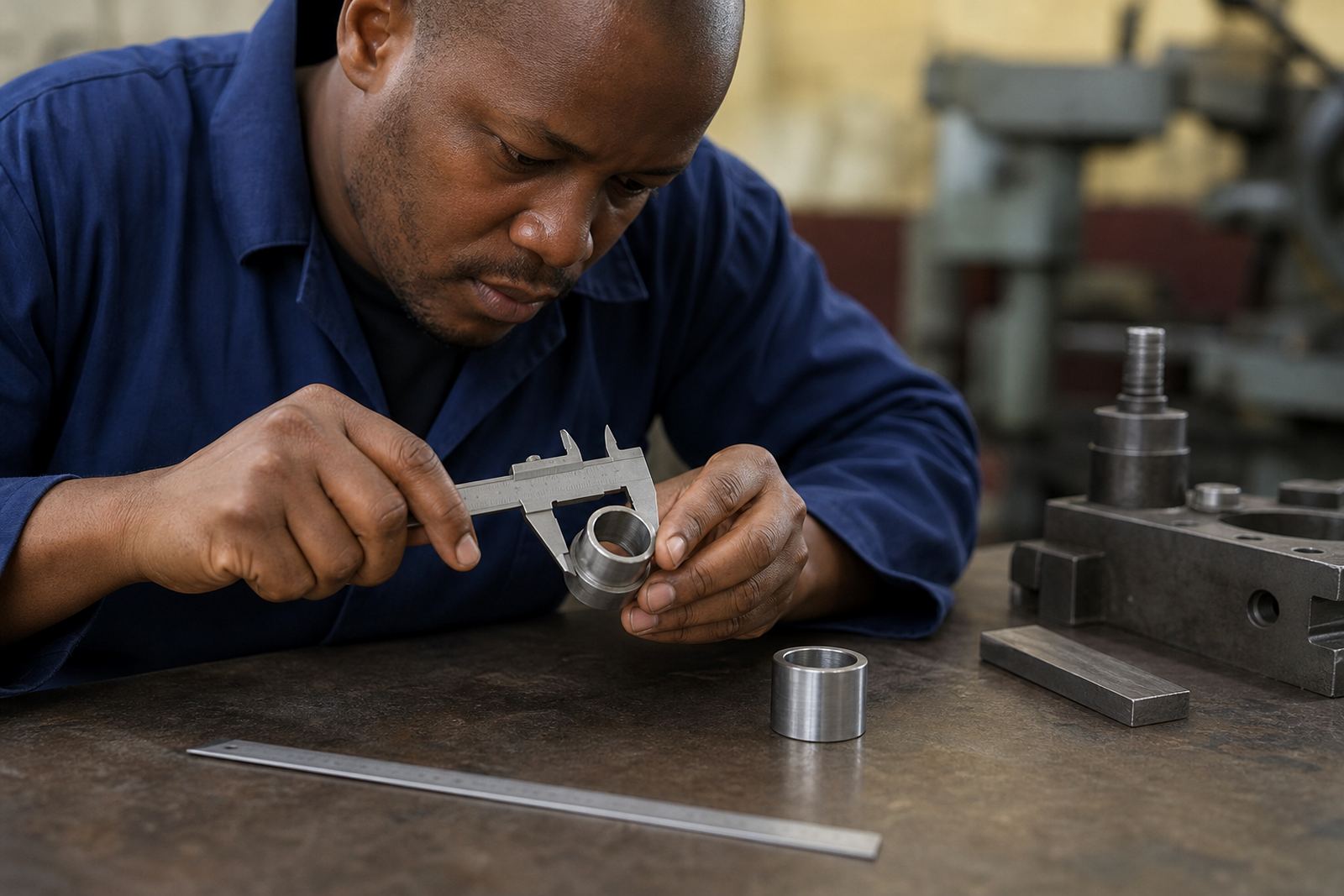
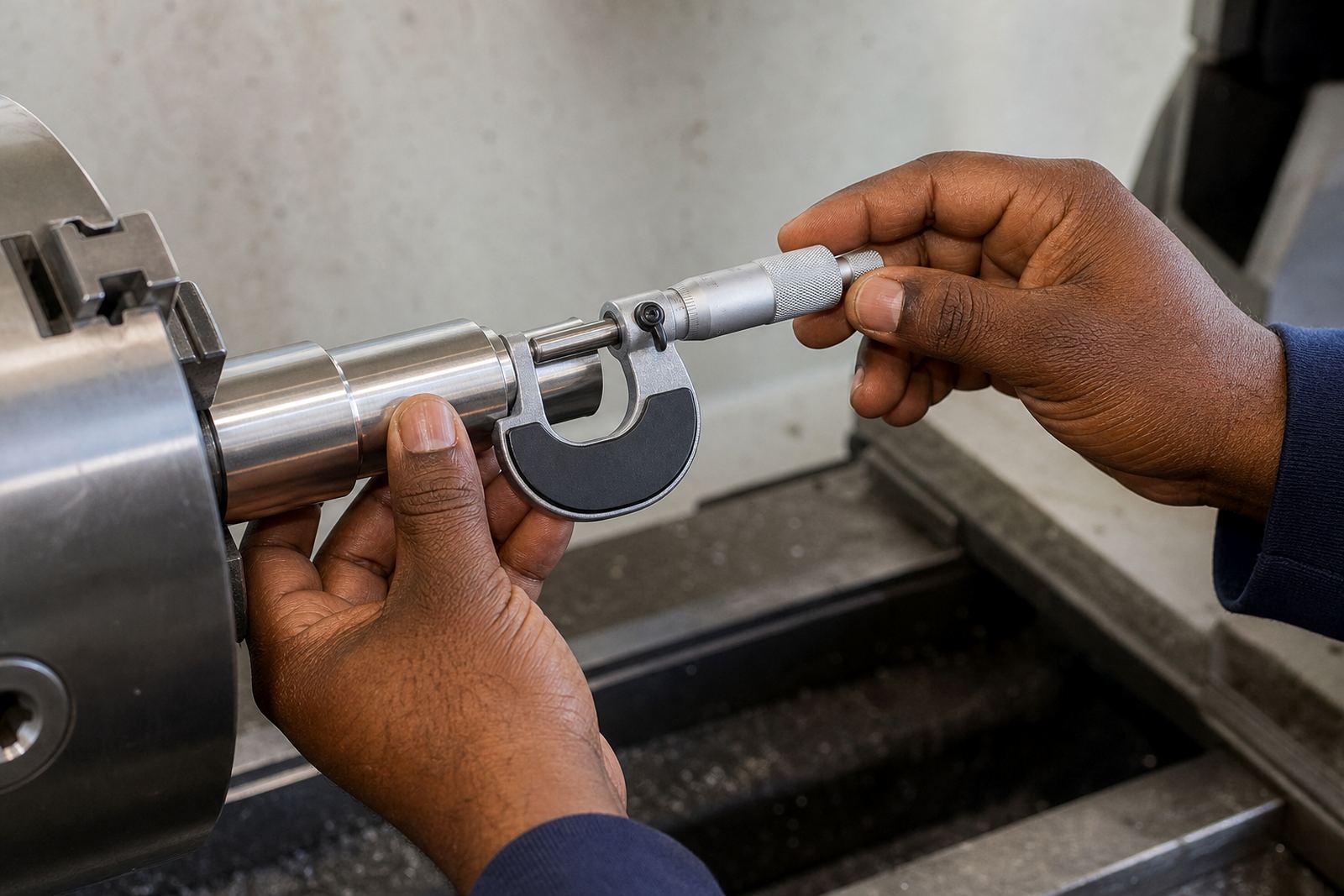
Inspection is only useful when the part is held the same way each time. If a component shifts between measurements, the result can look better or worse than it really is. Inspection fixtures solve that problem by locating the part from known points, so the team can measure key dimensions in a repeatable way. That is especially important on work where tolerances are tight or where the client needs inspection reporting with every batch.
At PME CNC Machining, inspection support can include checking the same feature in the same orientation on every part, then recording the result against the drawing. This gives the client a clearer picture of what the batch is doing. It also helps when a repeat order comes back months later and the same setup has to be matched again. Consistency in inspection keeps the conversation practical, not guesswork.
Choosing The Right Material And Setup
Good fixtures start with the material and the job in front of you. A fixture for aluminium parts may not suit stainless steel, and a setup for a thick block will not suit a thin plate. The team needs to think about clamping force, tool access, heat build-up and how the part will behave during machining. If the job uses a material that can move with temperature or cutting load, the fixture must support it properly without distorting the finished size.
For small-batch work, this planning is often where the real value sits. It is not only about making the first part. It is about making the third, fifth or tenth part in the same way, with the same fit. That is why drawing review and material selection matter before production starts. A sensible setup can prevent wasted material, unnecessary rework and delays caused by a fixture that looked fine on paper but not on the machine.
- Match the fixture to the material and part geometry
- Allow tool access without weakening the setup
- Support thin sections and avoid distortion
- Plan for repeat use on future orders
A Pinetown Example: Repeat Parts For A Multi-Site Client
Consider a client in Johannesburg who needs a small batch of machined brackets for equipment assembly, with the same part later needed for a site in Umhlanga and another in Pinetown. If the part is held differently each time, the hole positions and fit can drift. A well planned jig or fixture keeps the locating points the same, so the batch from the second run matches the first without a lot of hand finishing or last minute changes.
That is the kind of practical job PME CNC Machining handles from its base in Pinetown, with work moving across Durban, Westmead, New Germany, Pietermaritzburg, Richards Bay and Johannesburg. The value of the fixture is not only speed. It is confidence that the parts will fit when they arrive, whether the job is a remake of a sample part or a repeat order for a larger assembly. In this kind of work, a small mistake can cost time for everyone, so the setup has to be sound from the start.
Keeping Fixtures Useful Across Repeat Orders
A fixture should not be treated as a once-off item if the job is likely to return. It should be labelled, stored correctly and checked before the next run. Wear on locating points, loose fasteners, or a bent stop can change the outcome even if the machine programme stays the same. Good repeat order support means looking at the setup, not just the cutting path.
PME CNC Machining works with clients through drawing updates, batch planning and delivery coordination so the fixture, the part and the paperwork all stay aligned. For many South African job shop jobs, that is the difference between a quick repeat and a drawn-out correction. The aim is simple: make each part match the last one and keep the process practical for the client.
- Store fixtures clean and clearly labelled
- Inspect wear points before repeat runs
- Update drawings if the part changes
- Keep the setup method on record for future batches