Why Batch Consistency Starts Before the First Cut
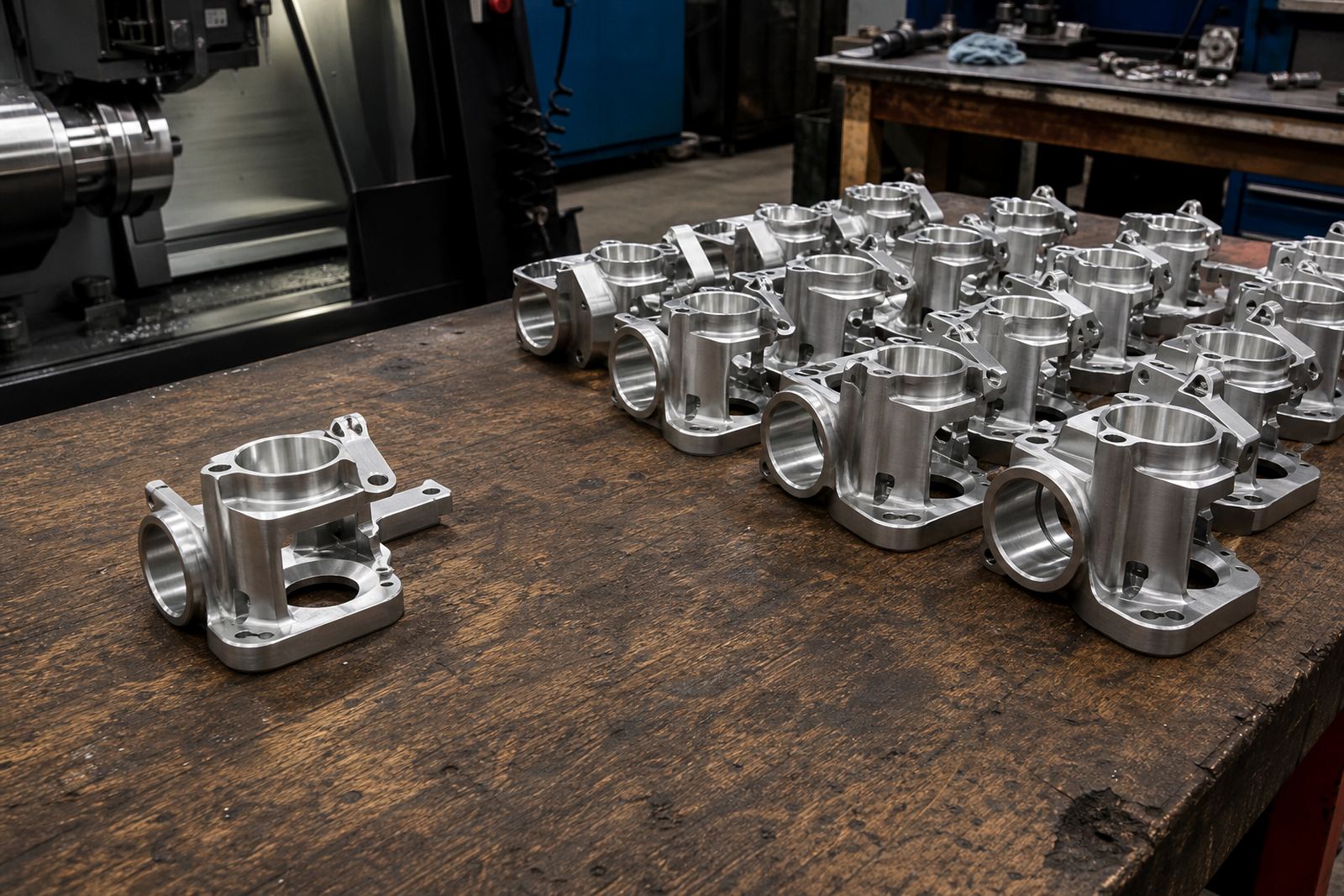
In CNC milling and turning, consistency is not something you fix at the end. It begins with the drawing review, the material choice, and a clear understanding of which features matter most. A part with a tight bore, a stepped shoulder, or a threaded section needs a different approach from a simple spacer or bracket.
For small batch jobs, the aim is to keep every piece within the same working window so assembly stays predictable. That means checking critical dimensions early, confirming the finish required, and agreeing on how much variation the part can take without affecting fit. If a client in Durban needs repeat parts for an assembly line, the setup must be controlled enough that the second run behaves like the first, not just close enough on paper.
At PME CNC Machining, the early stage also helps spot issues such as awkward datum choices, thin walls, or features that may move during clamping. Fixing those points before machining saves time and keeps the run stable.
The Role of Drawing Review and Tolerance Guidance
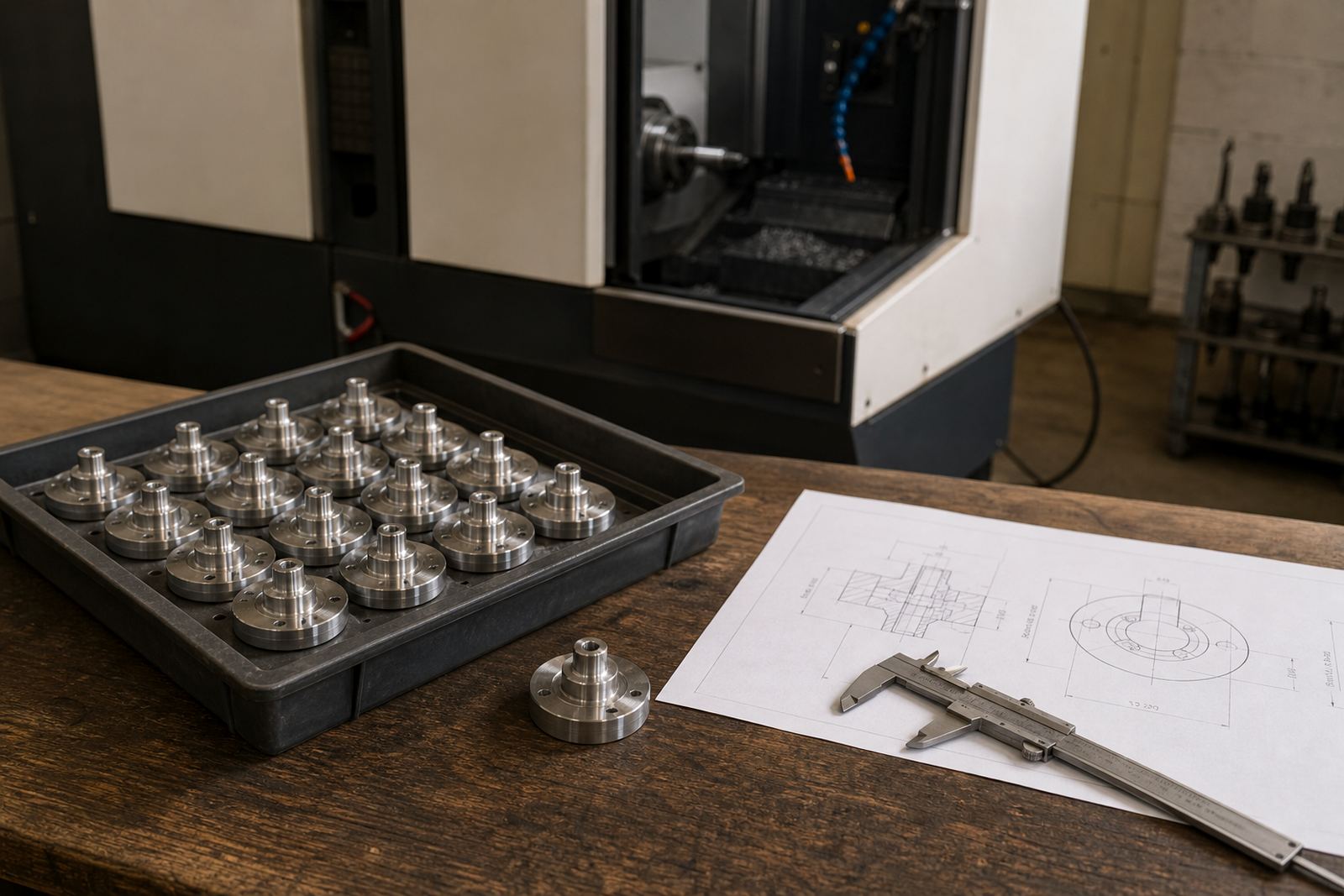
Batch consistency depends on understanding the drawing properly. A tolerance that looks fine on one feature may be too loose for fit, while another may be tighter than needed and slow the job down for no real gain. Good drawing review helps separate the critical features from the supporting ones.
Tolerance guidance is especially useful for clients who are ordering a remake, or moving from a sample part into a small production run. The original part may work in practice even if the drawing needs a small update to reflect what the machine can hold reliably. That is where practical machining knowledge matters, because a run should be repeatable without forcing unnecessary cost into the job.
- Check which dimensions control fit, movement, or sealing
- Confirm whether the material choice affects heat, wear, or distortion
- Review hole locations, edge conditions, and thread details before release
- Flag any feature that may need a drawing update after a sample part remake
Material Choice Can Change the Whole Run
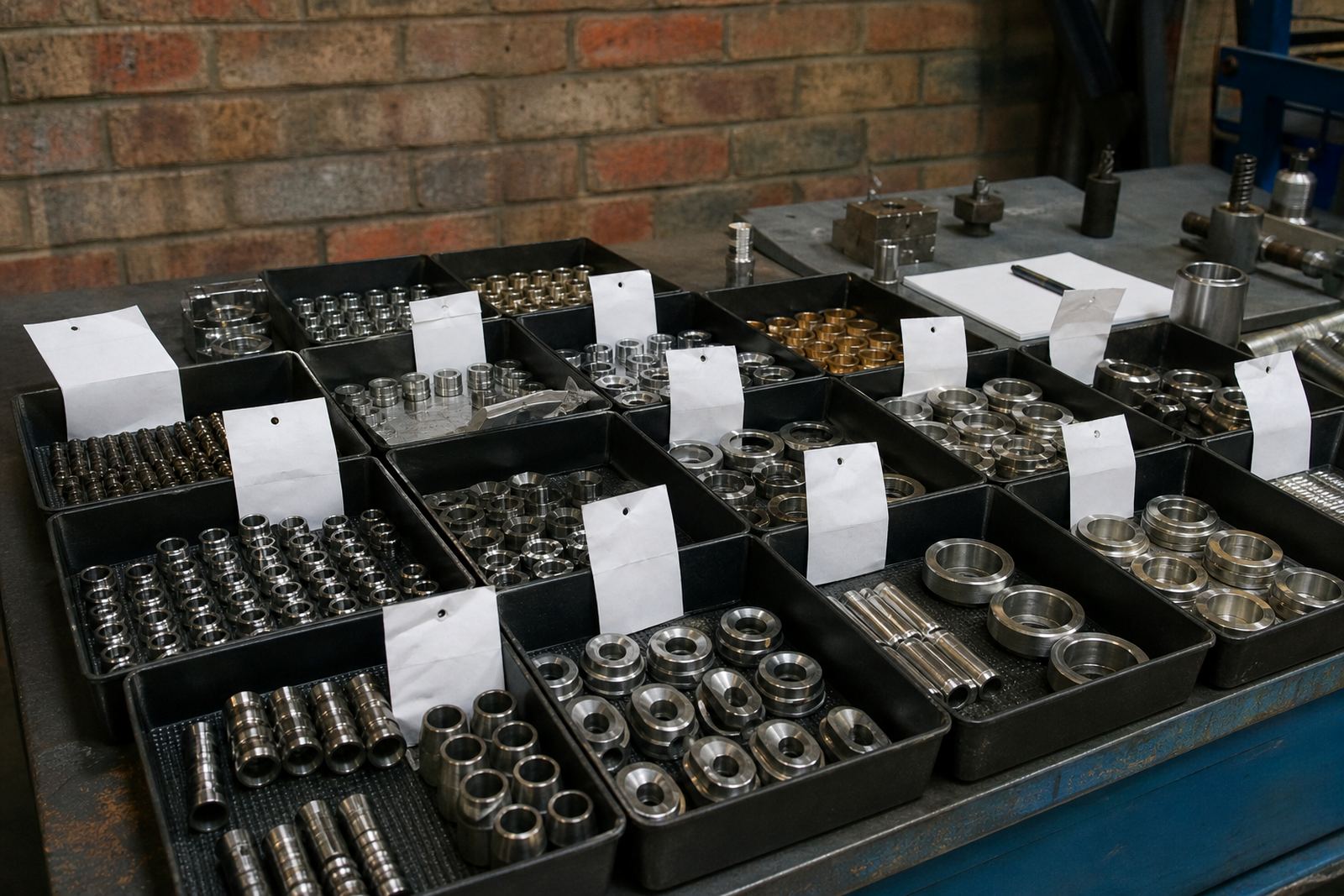
Different materials behave differently under CNC milling and turning. Some cut cleanly and hold shape well, while others can move after machining or show variation if the setup is rushed. Aluminium, mild steel, stainless steel, engineering plastics and other common machining materials each need their own approach to feeds, speeds and clamping pressure.
On a small batch, one difficult material can throw off the whole production rhythm. For example, a component with long slender sections may need extra care to avoid chatter, while a part with deep pockets may need staged machining to control movement. Coastal humidity around Durban and Richards Bay can also matter for storage and handling, especially where raw stock is left between jobs.
Material selection is part of consistency because the right stock makes the rest of the job easier to hold. If a part is being supplied into Johannesburg or Pietermaritzburg, the same drawing still needs the same result, whether the parts are made this week or next month.
How Setup Control Protects the First Part and the Last
A repeatable setup is one of the strongest ways to keep small batch parts consistent. The machine, tooling, workholding and zero points all need to stay stable from one part to the next. Even a minor shift in clamping can alter a face, slot or hole position enough to affect assembly.
That is why batch planning matters. The order of operations should reduce movement in the job, protect the most important features, and allow for sensible in-process checks. When turning a shaft or milling a plate with multiple features, the sequence of cuts can be just as important as the final measurement.
- Use the same locating method across the batch where possible
- Keep tooling consistent unless a change is required for wear or finish
- Measure critical features at agreed points during the run
- Record any setup change so the next repeat order starts from known conditions
In a Pinetown job shop, this kind of discipline helps when jobs are moving between prototype planning, batch planning and repeat order support. It keeps the run practical, especially when clients need parts delivered to sites in Westmead, New Germany or further afield.
Inspection Reporting Gives the Run a Clear Record
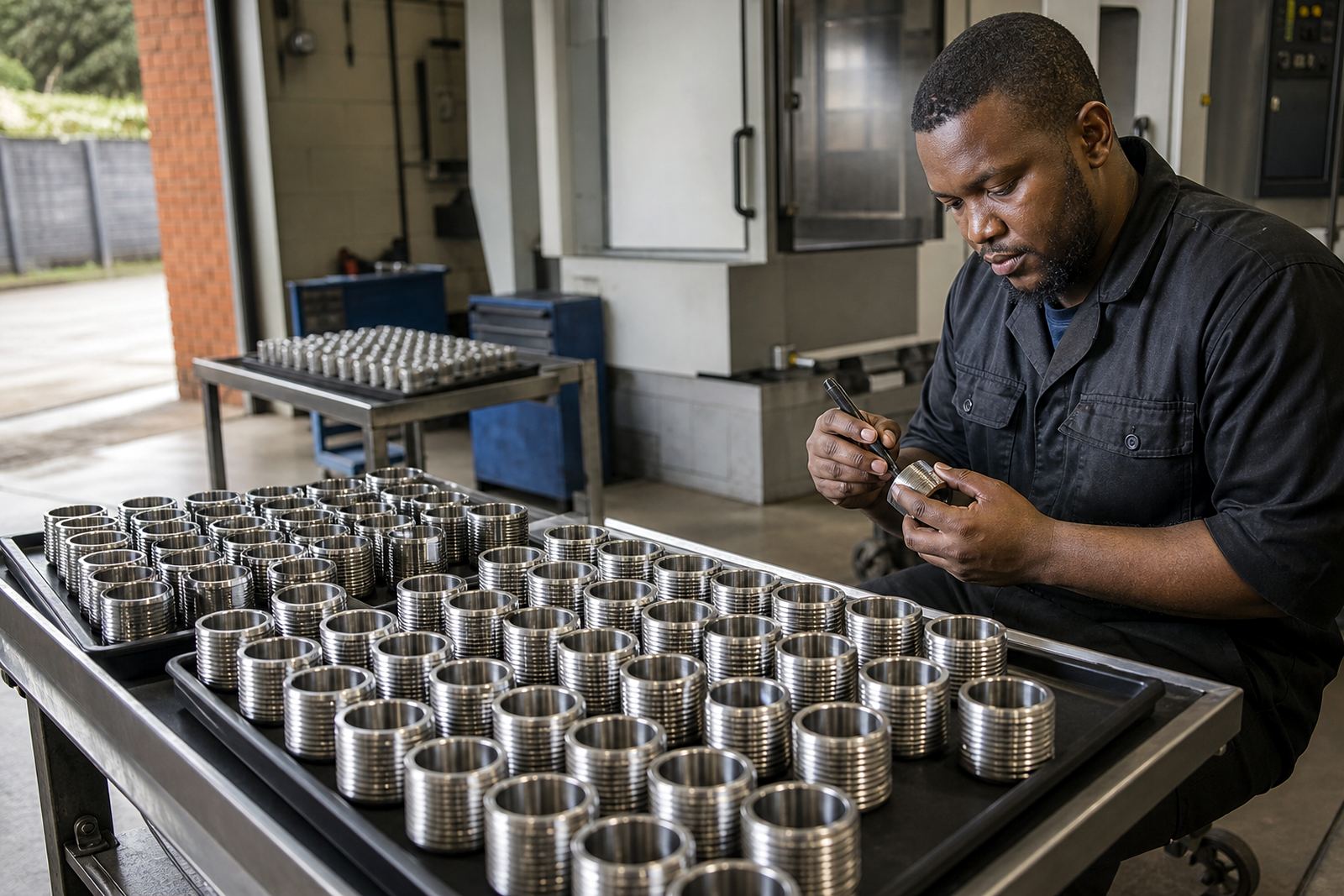
Good inspection reporting does more than tick a box. It gives the client and the machinist a clear picture of whether the batch is staying on track. For small runs, this is often the difference between catching a shift early and discovering it after a full set has been made.
Inspection can include key sizes, hole positions, thread checks, surface condition, and assembly fit checks where needed. The exact list depends on the part and the application. A sample part may also be remade if the fit or finish needs improvement, then checked again before the rest of the batch is released.
When the report is linked back to the drawing, the job becomes easier to repeat later. That helps if a client orders the same component again for a plant in Richards Bay or a workshop in Umhlanga. The next run does not need to start from guesswork, which saves time and keeps variation under control.
Local Example: Small-Batch Parts for Durban and Beyond
Consider a local client needing a short run of mounting parts for equipment used in a humid coastal environment. The parts must fit first time, resist corrosion where required, and match the assembly across every piece in the batch. If the drawing is unclear about a critical hole size or a face that seats against another component, even a small variation can cause trouble during installation.
In that kind of job, PME CNC Machining would begin with drawing review and tolerance guidance, then move into material selection and prototype planning if needed. Once the sample is approved, batch planning and part optimisation help keep the run efficient. The finishing step may include drawing updates or repeat order support if the client needs the job repeated later.
This approach works well for clients across Durban, Pinetown, Pietermaritzburg, Richards Bay and Johannesburg because the same practical steps apply. The part must fit, the batch must stay consistent, and the next order should not require starting over.
What Clients Can Do to Help Keep the Batch Stable
Clients can support consistency by sending a clear drawing, noting the function of the part, and identifying which features are critical. If there is an existing sample, it helps to explain where it works well and where it needs improvement. That gives the machinist a better basis for setting tolerances and planning the run.
It also helps to say how the part will be used. A part for static mounting has different needs from one that moves, seals or carries load. If assembly fit is important, say so early. If the finish matters for appearance or handling, that should be clear too.
- Send the latest drawing version only
- Mark critical dimensions and fit points where possible
- Explain the material already in use if the part is a repeat order
- Use the enquiry form on the contact page for clear job details and delivery needs
When those basics are in place, the machining process becomes easier to control. That is how small-batch CNC work keeps its value, one part at a time and all of them matching the same standard.