Home / Journal / Small Batch Benefits

Journal

Small Batch Benefits

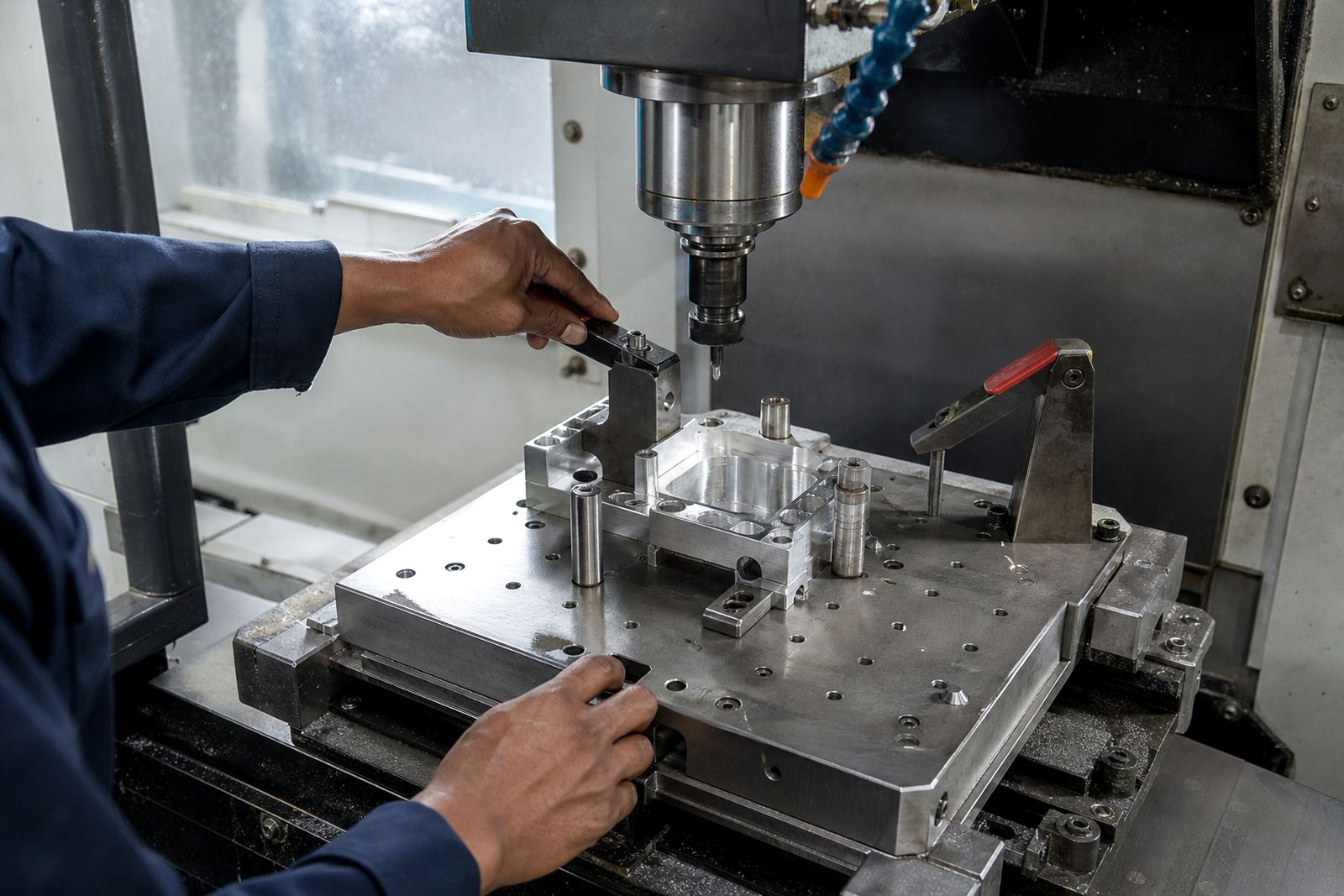
Small batch machining gives you a faster way to test a part, replace a worn component or keep production moving without overcommitting to high volumes. For many South African businesses, it is the practical choice when drawings still need refining, tolerances matter and lead times have to stay under control.

Small Batch Benefits

Why Small Batch Work Fits Real-World Production

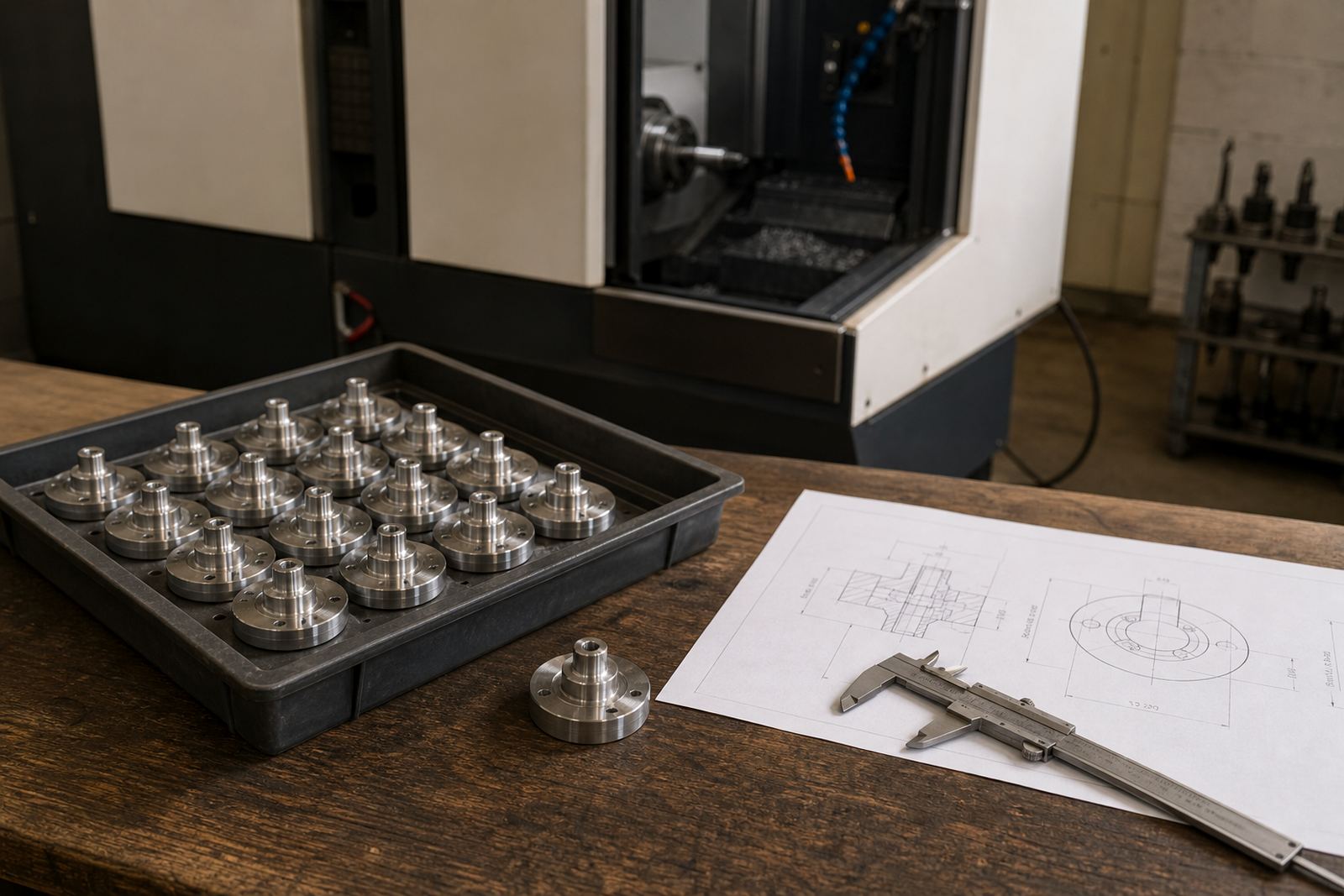
Short-run CNC machining is a good fit when you need ten parts, not ten thousand. It suits prototype builds, maintenance spares, repair work and low-volume production where every component has to earn its place before a larger order makes sense.

In Pinetown and across KwaZulu-Natal, many workshops, plant rooms and local factories work with mixed demand. A machine may be down for a worn spacer one week and a revised bracket the next. Small batch production lets you respond to that kind of demand without tying up cash in stock that may never move. It also helps when drawings are still being checked and the final part needs a trial run before repeat machining.

  • Useful for prototype validation before full production
  • Suitable for maintenance spares and replacement parts
  • Helps reduce stock holding on slow-moving items
  • Makes it easier to revise a design after the first sample
Small batches are where practical machining decisions save the most time and waste.

Talk to us

Send a short note with your site, sizes and timing and we come back within one working day.

Contact form
Questions we get asked

What is the main benefit of small batch CNC machining?

It lets you make only the parts you need, when you need them, which is ideal for prototypes, spares and low-volume production.

Can short-run machining still support tight fits and repeat orders?

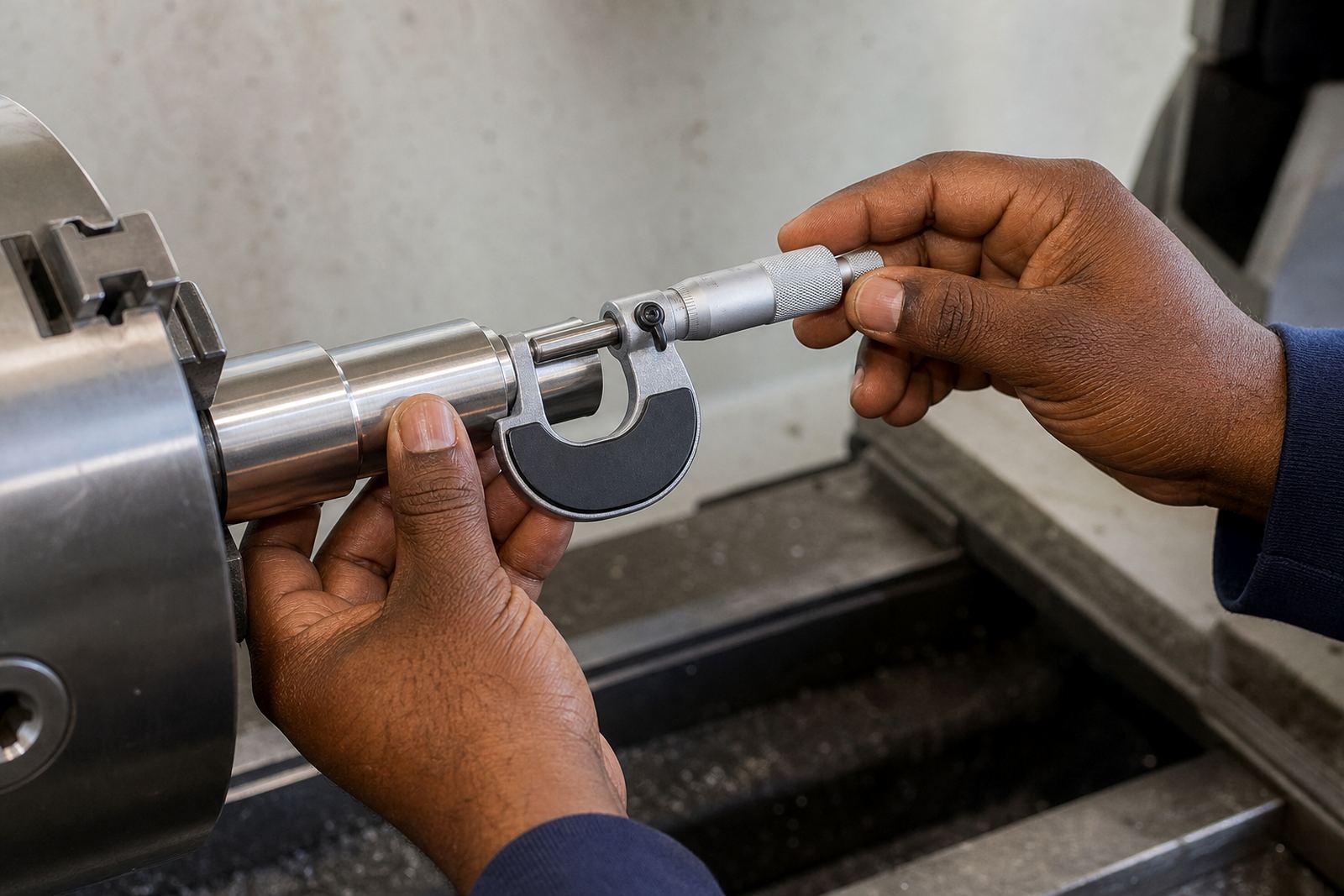
Yes. With proper drawing review, tolerance guidance and inspection reporting, small runs can be managed to suit the part and its application.

Which material should I choose for a small batch job?

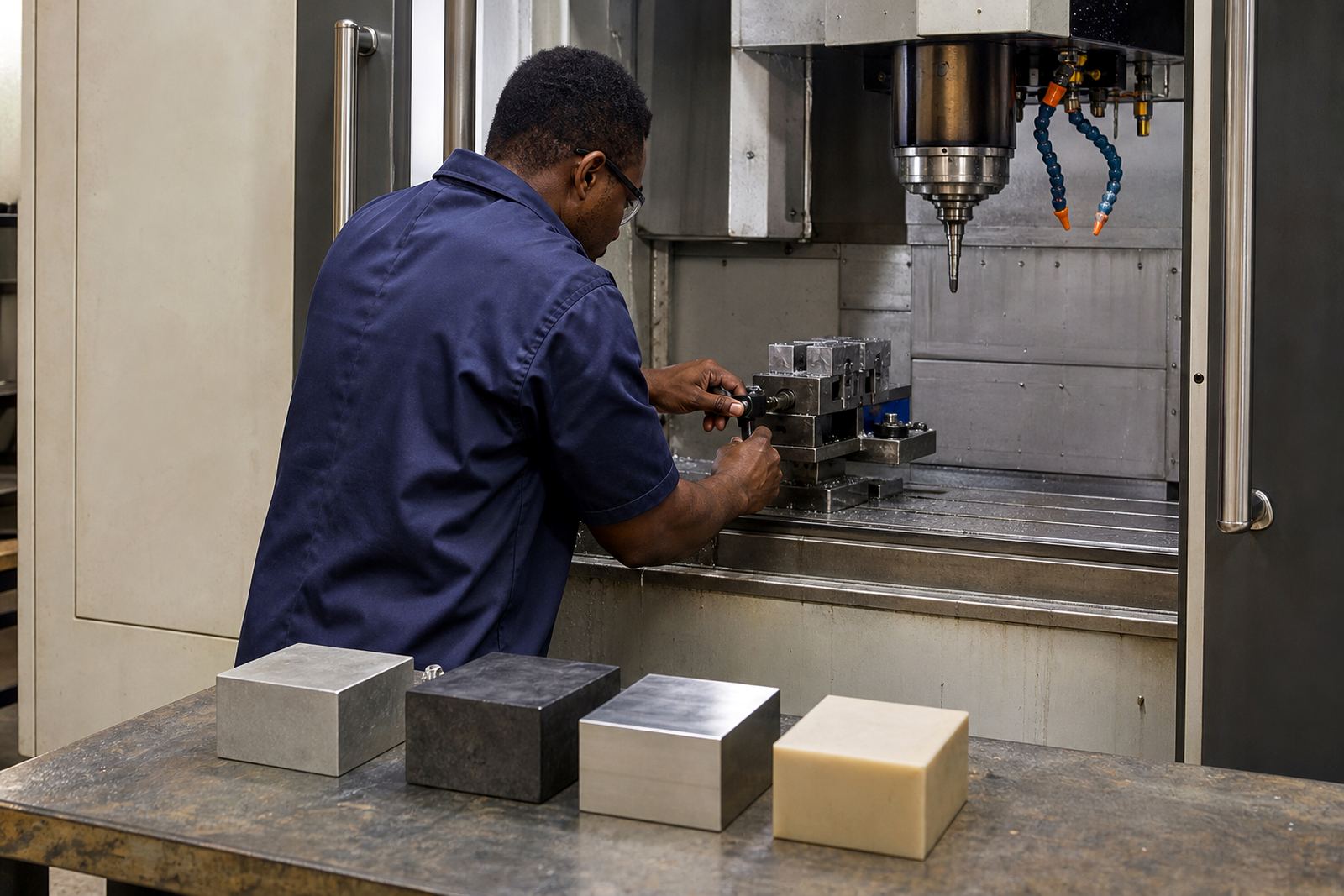
That depends on the part’s use, environment and wear conditions. Aluminium, mild steel, stainless steel and engineering plastics are all common choices for different reasons.

Planning something? Send the team a message.

Contact form