

CNC Milling and Turning for Small-Batch Parts
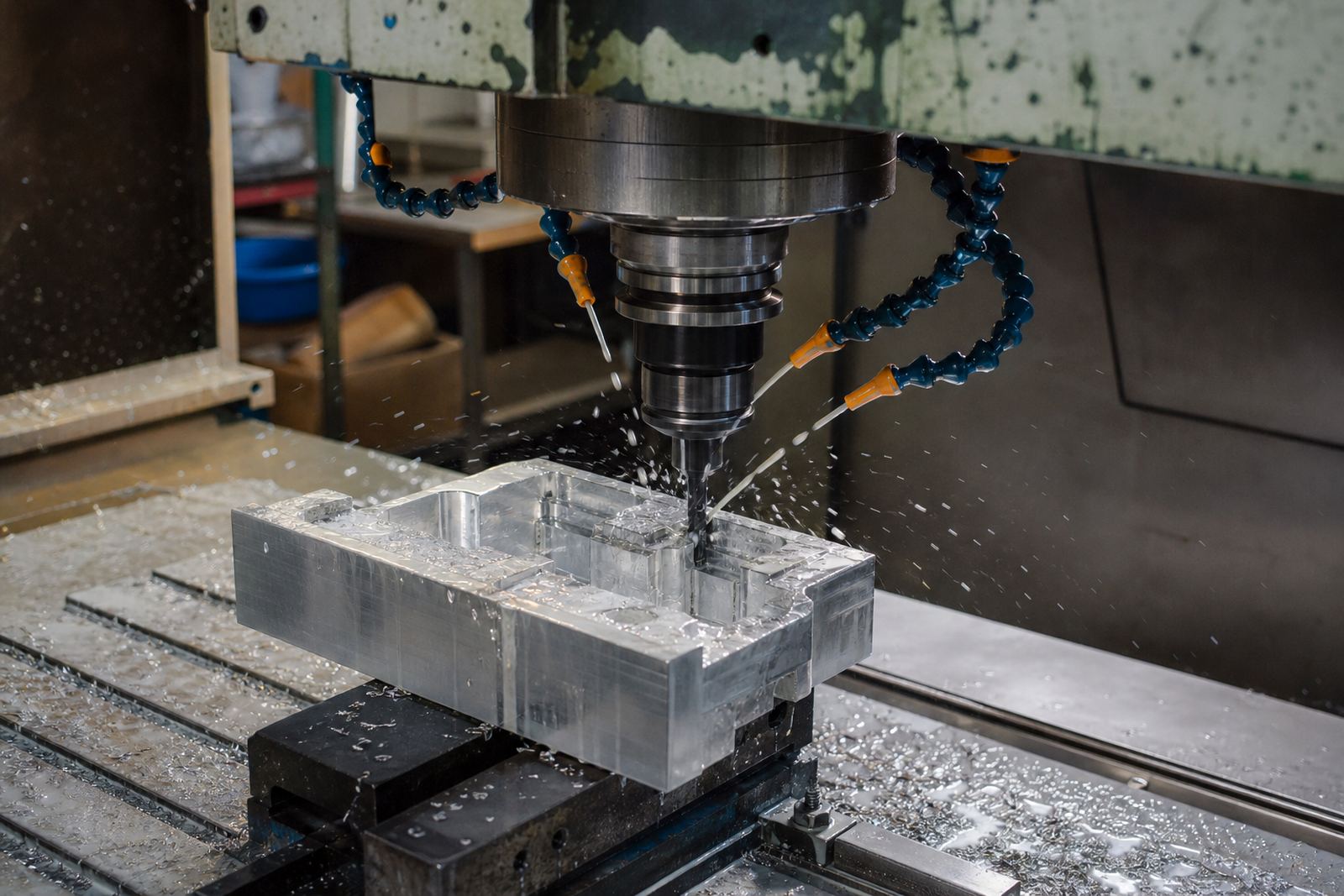
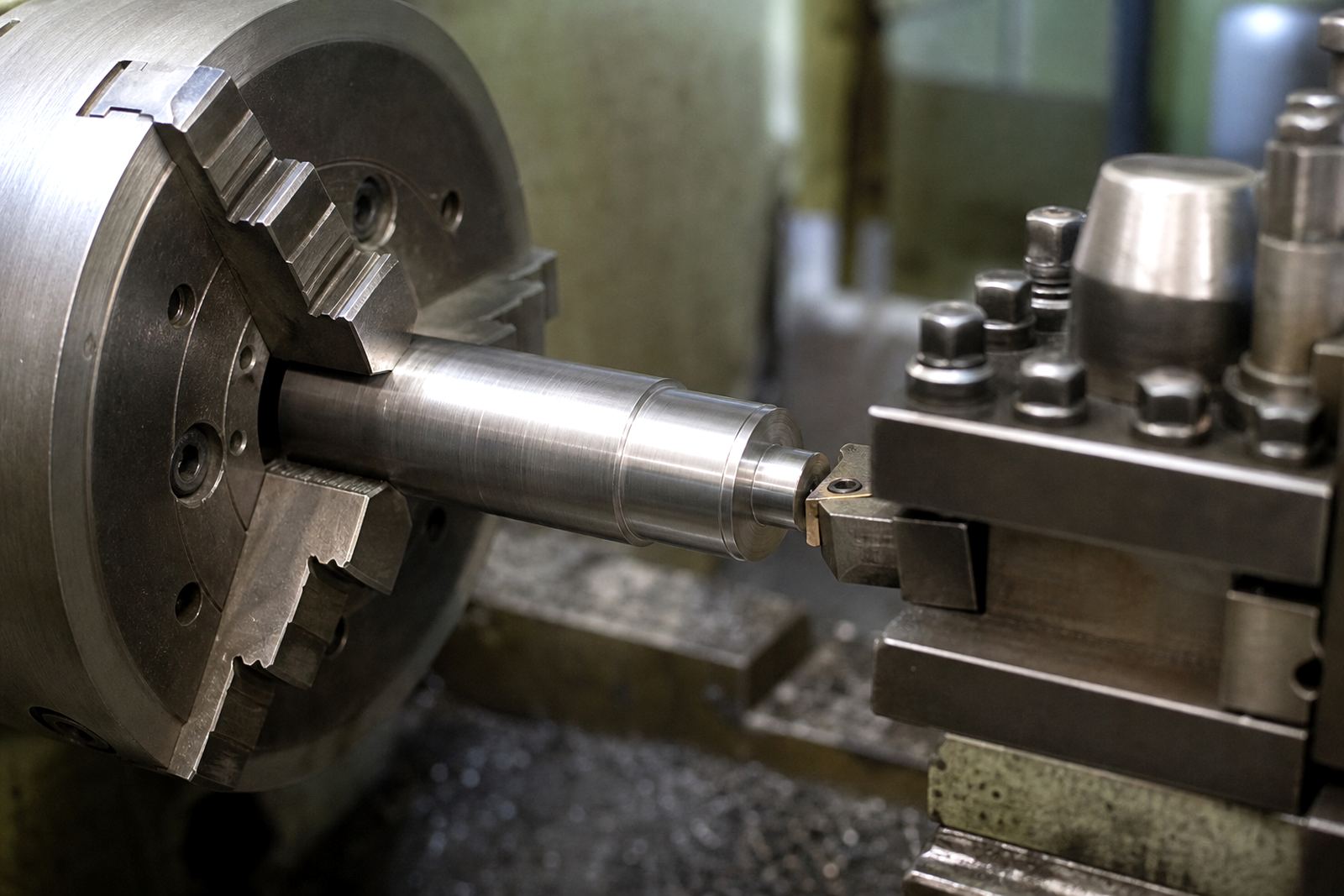
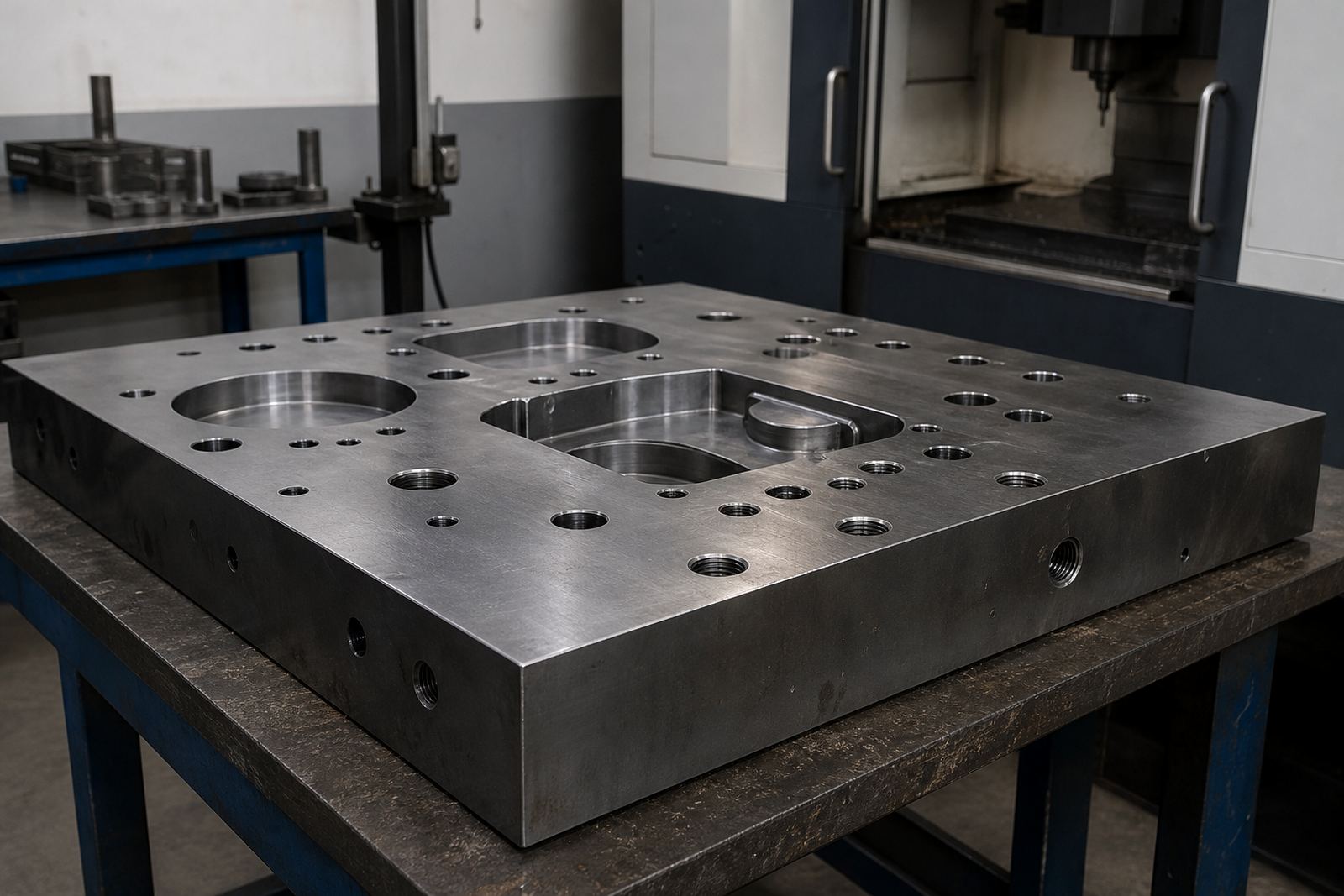
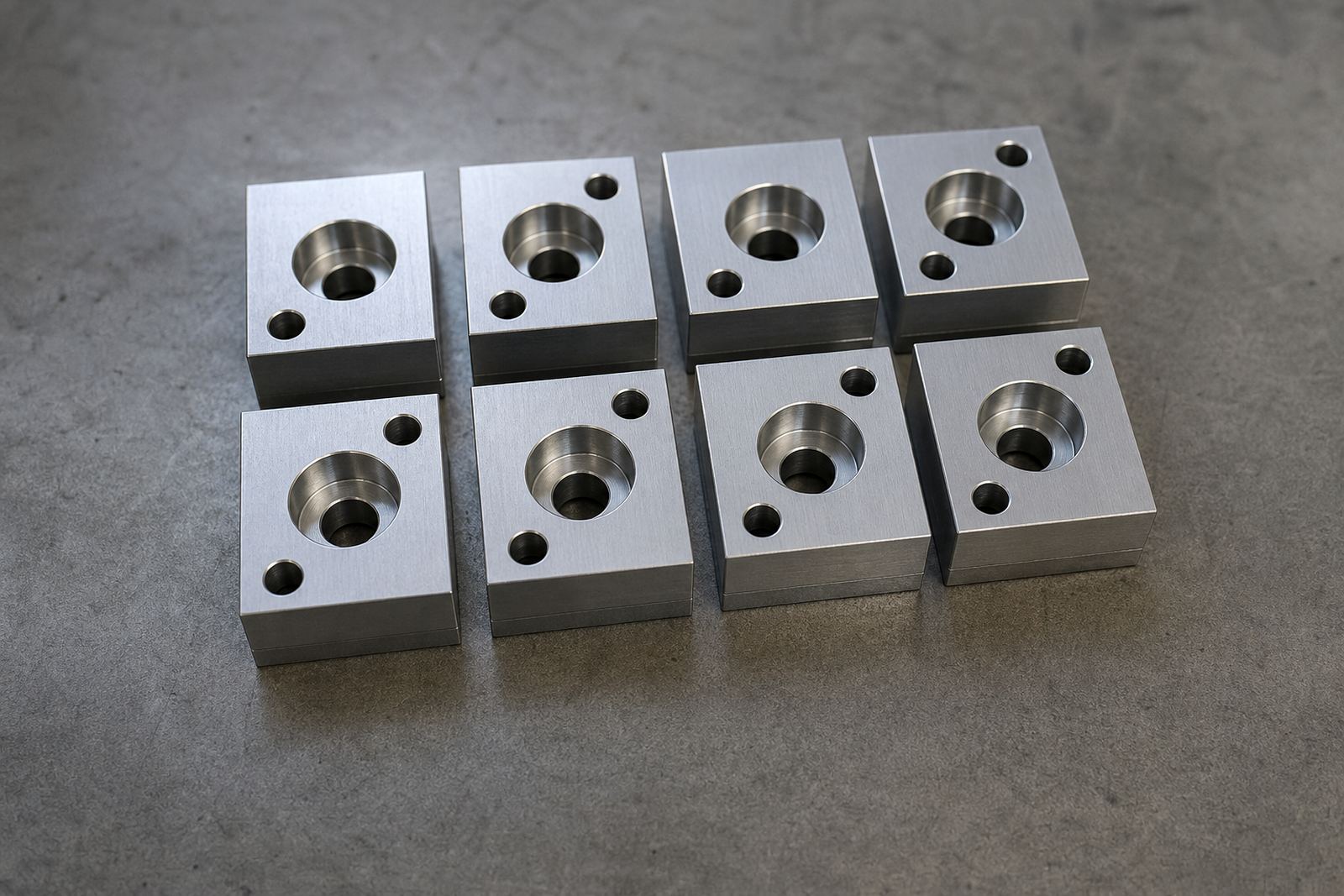
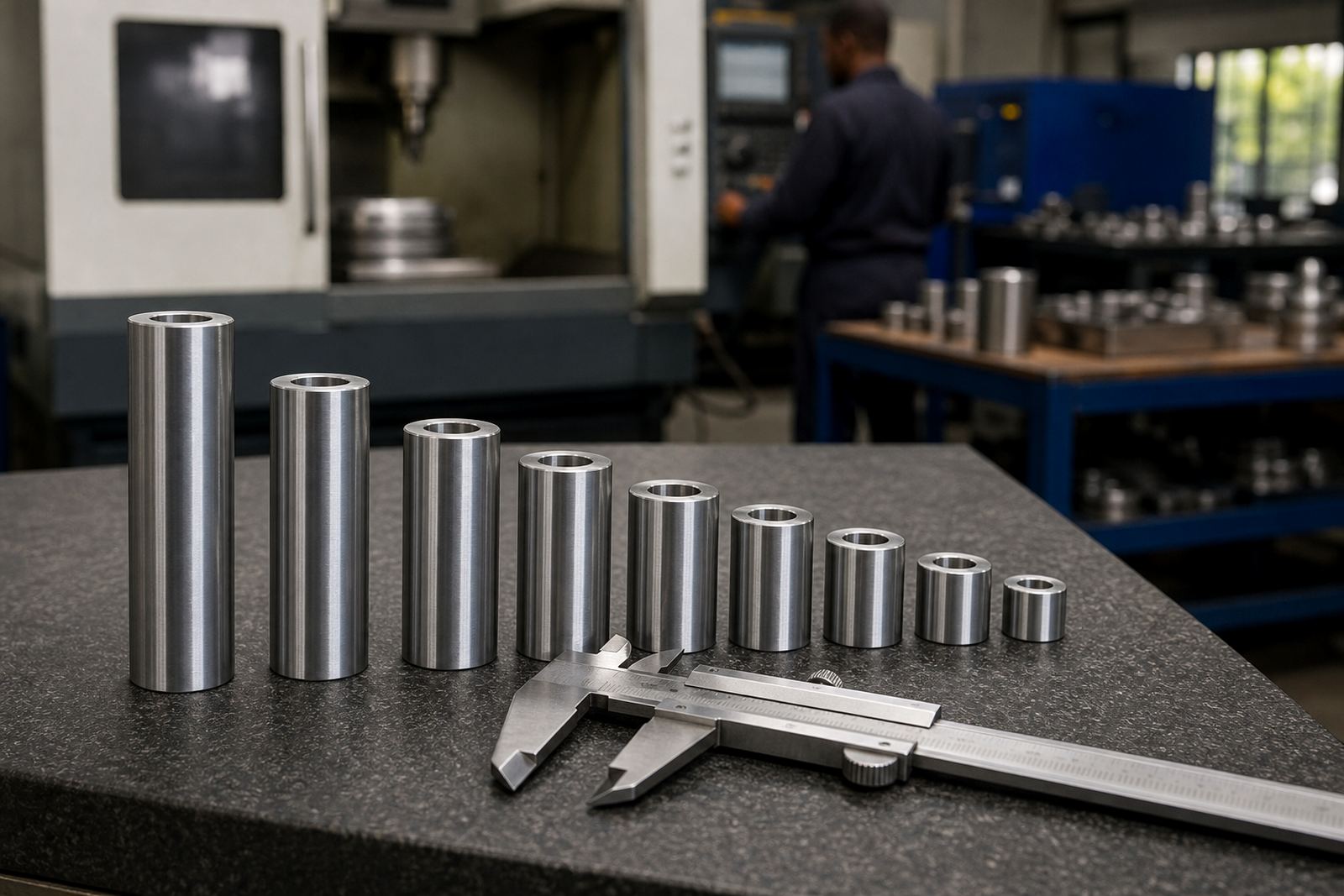
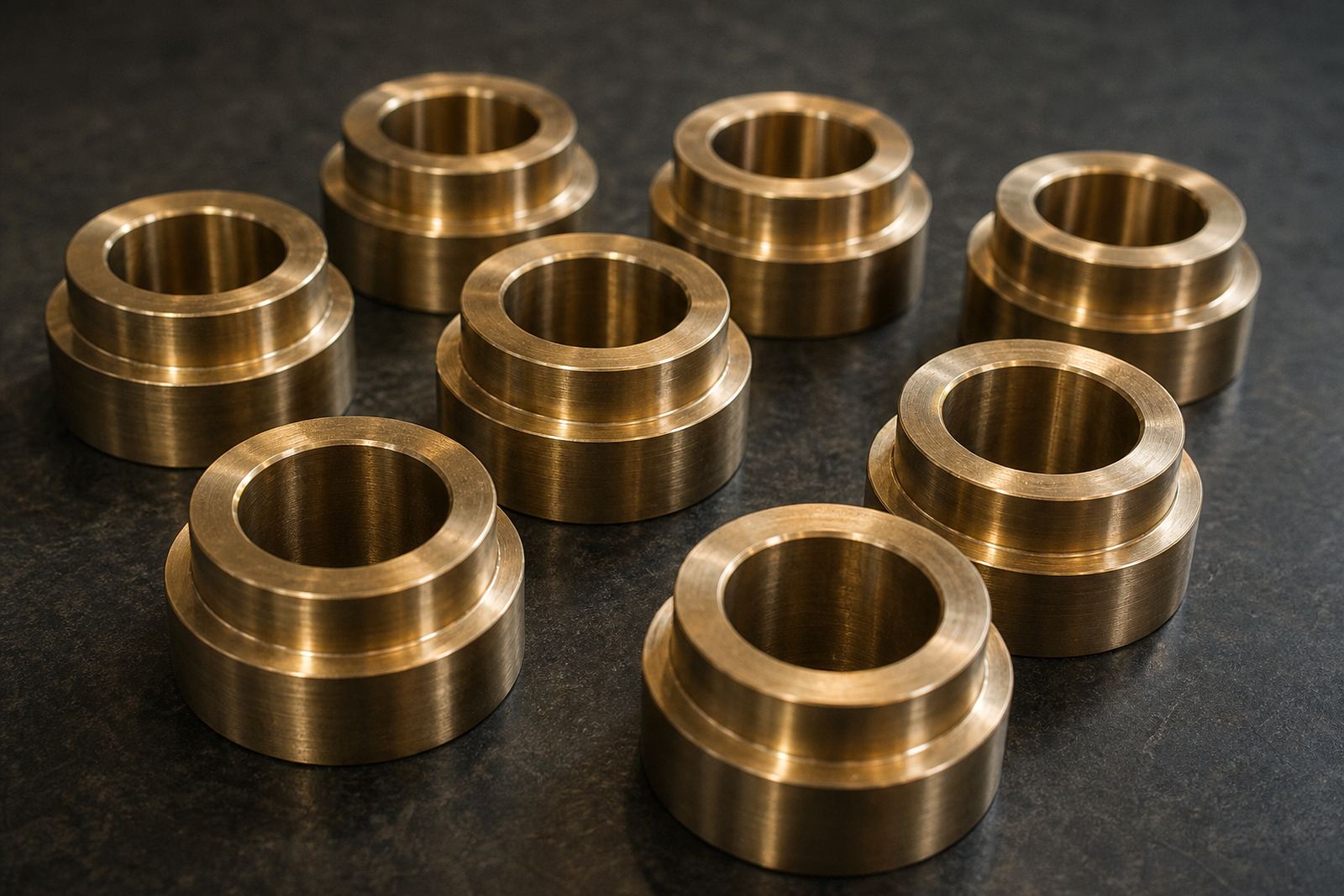
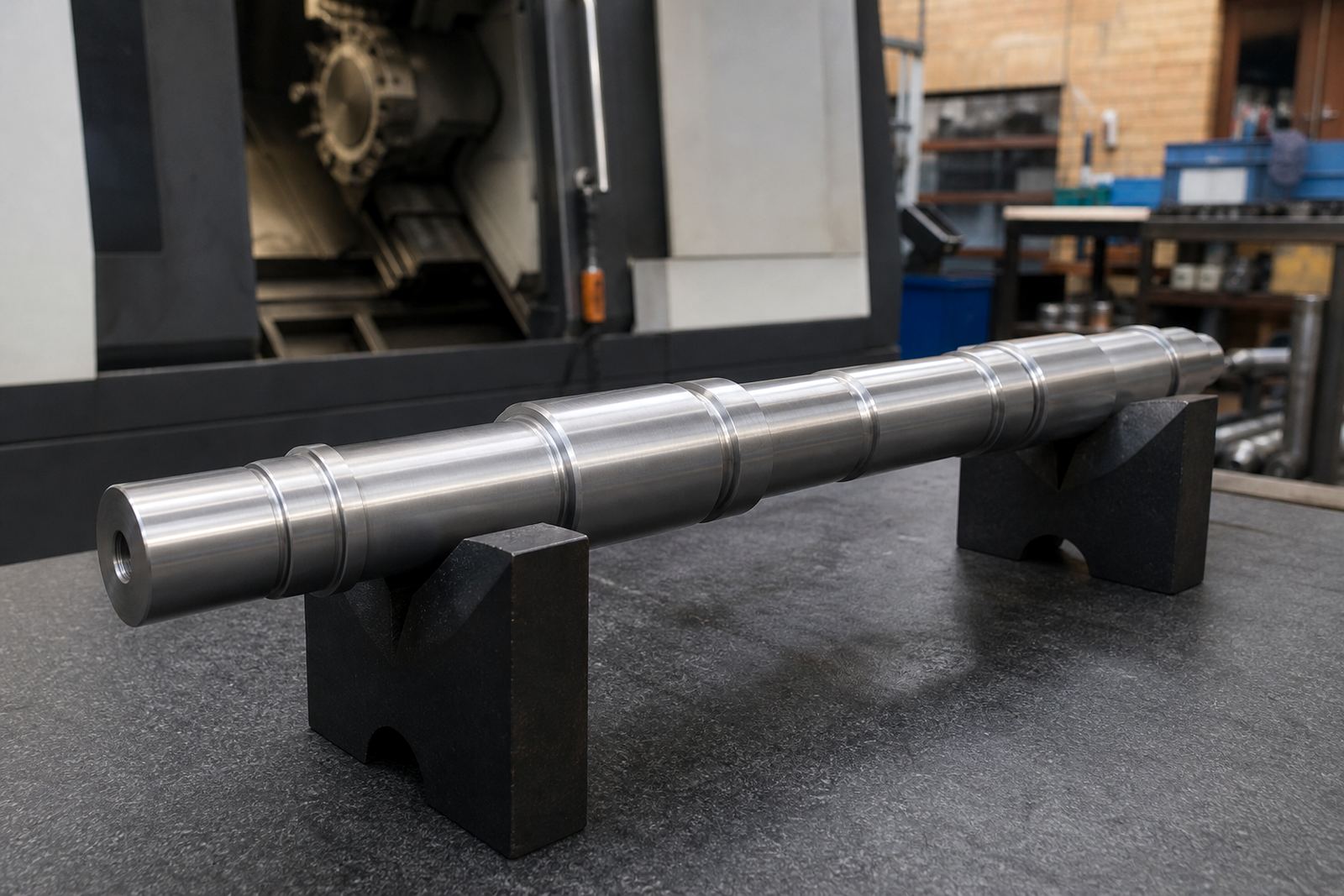
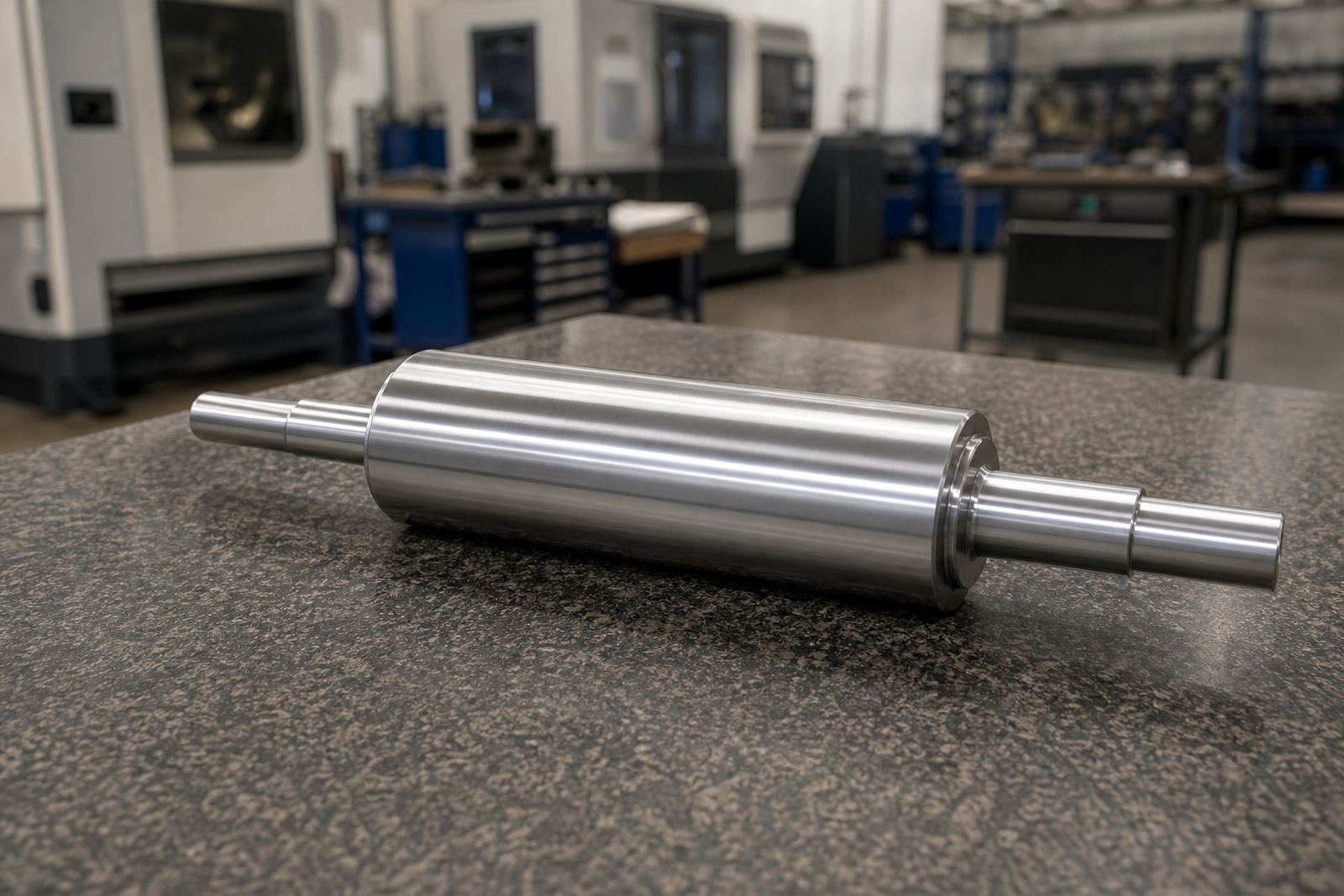
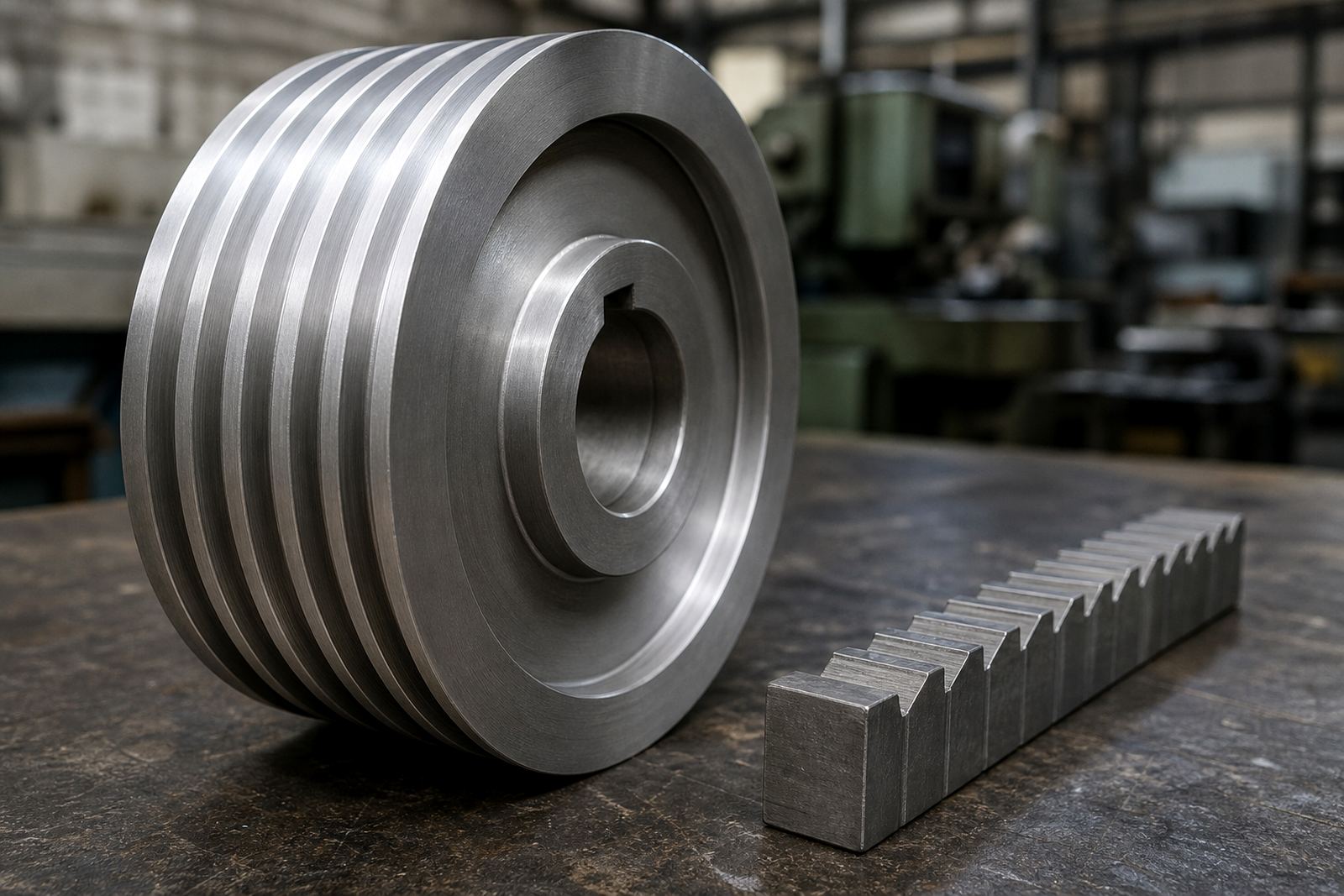
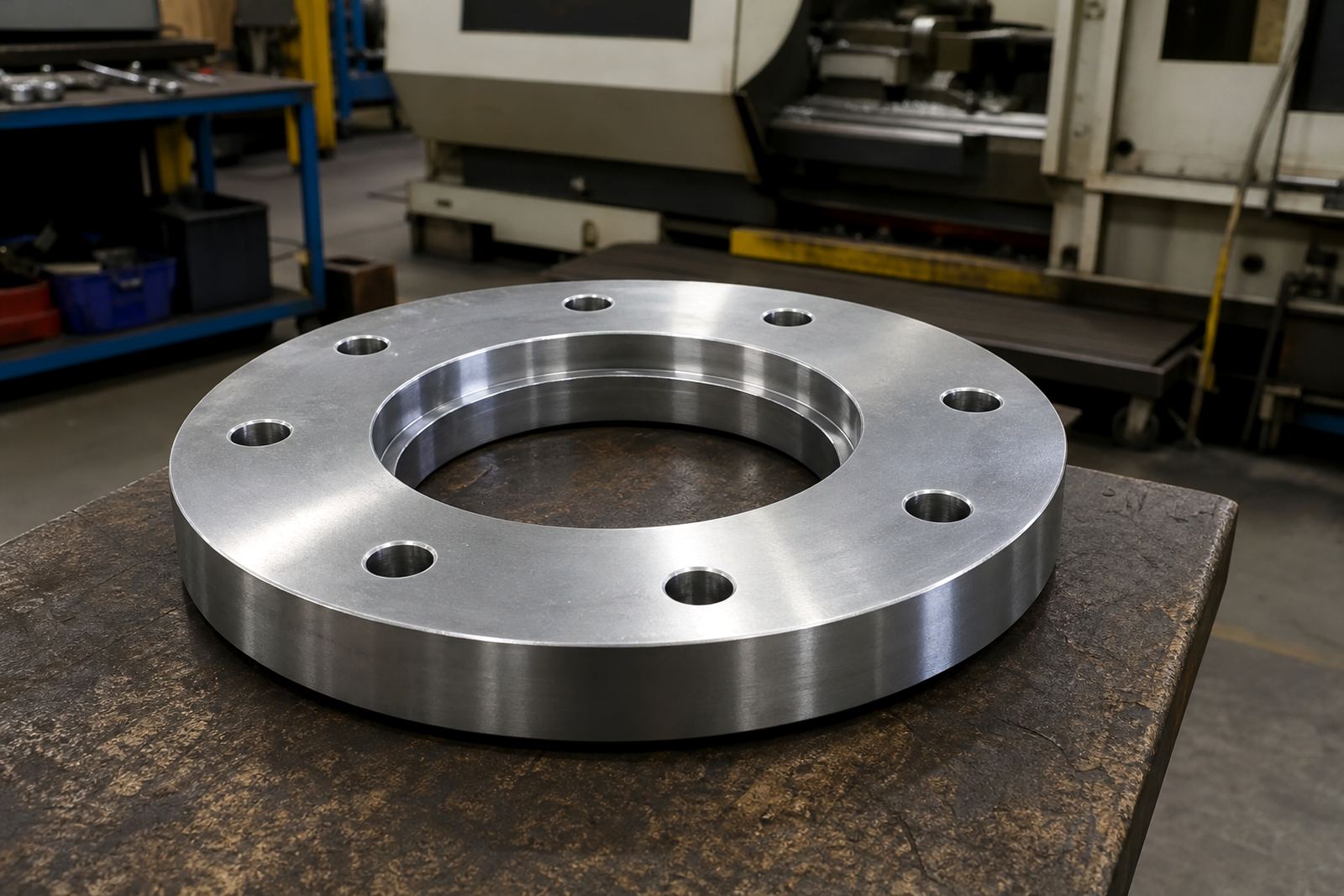
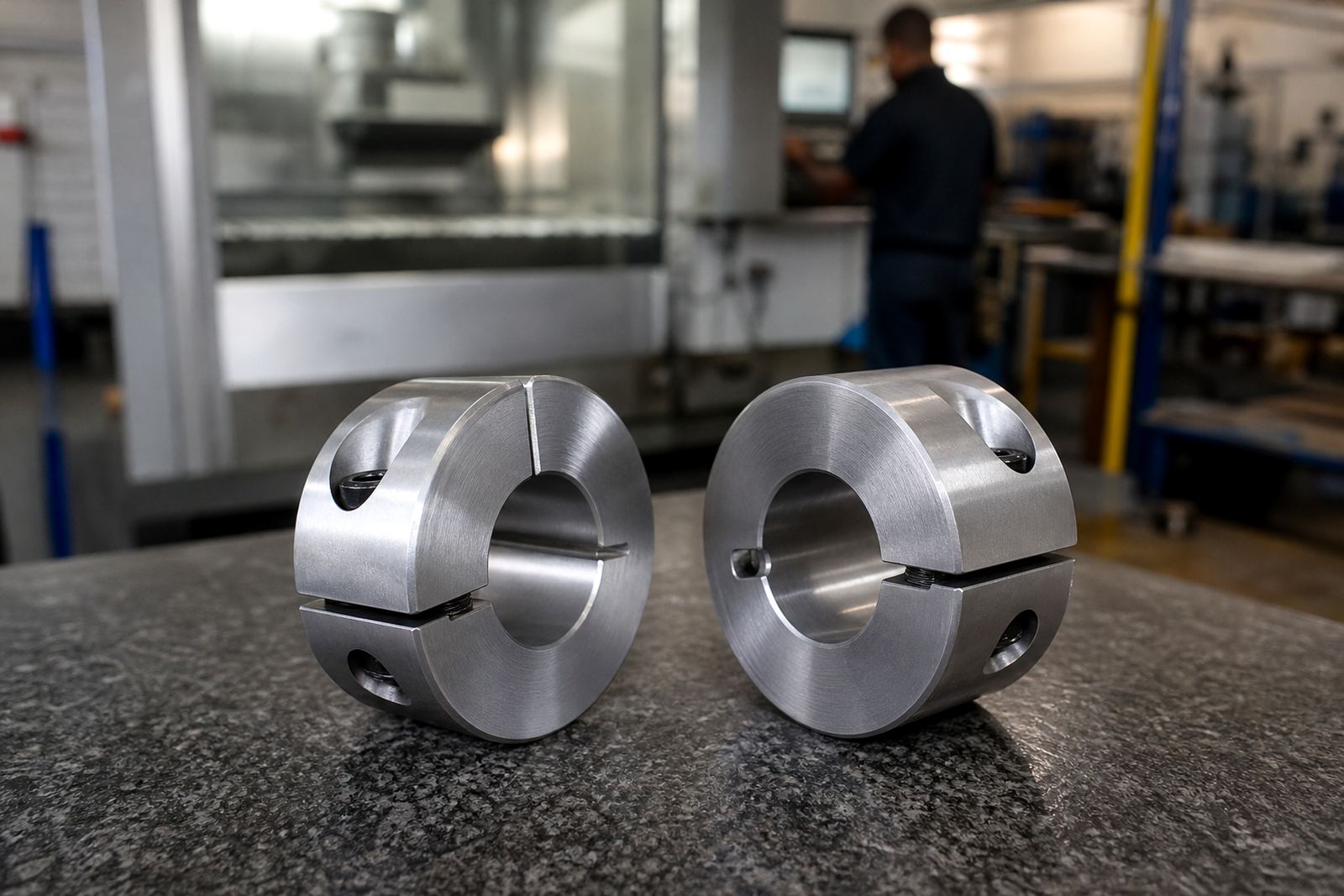
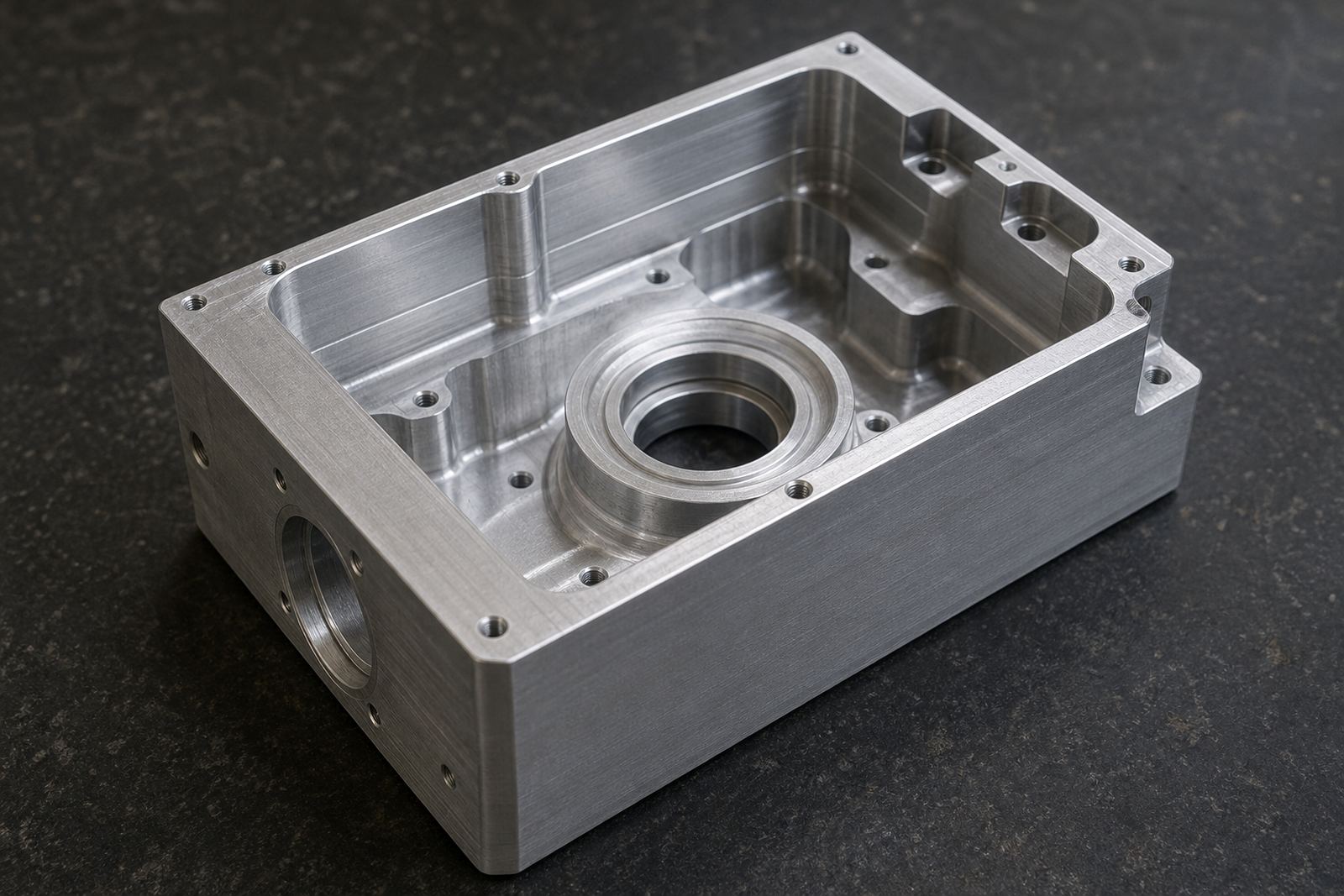
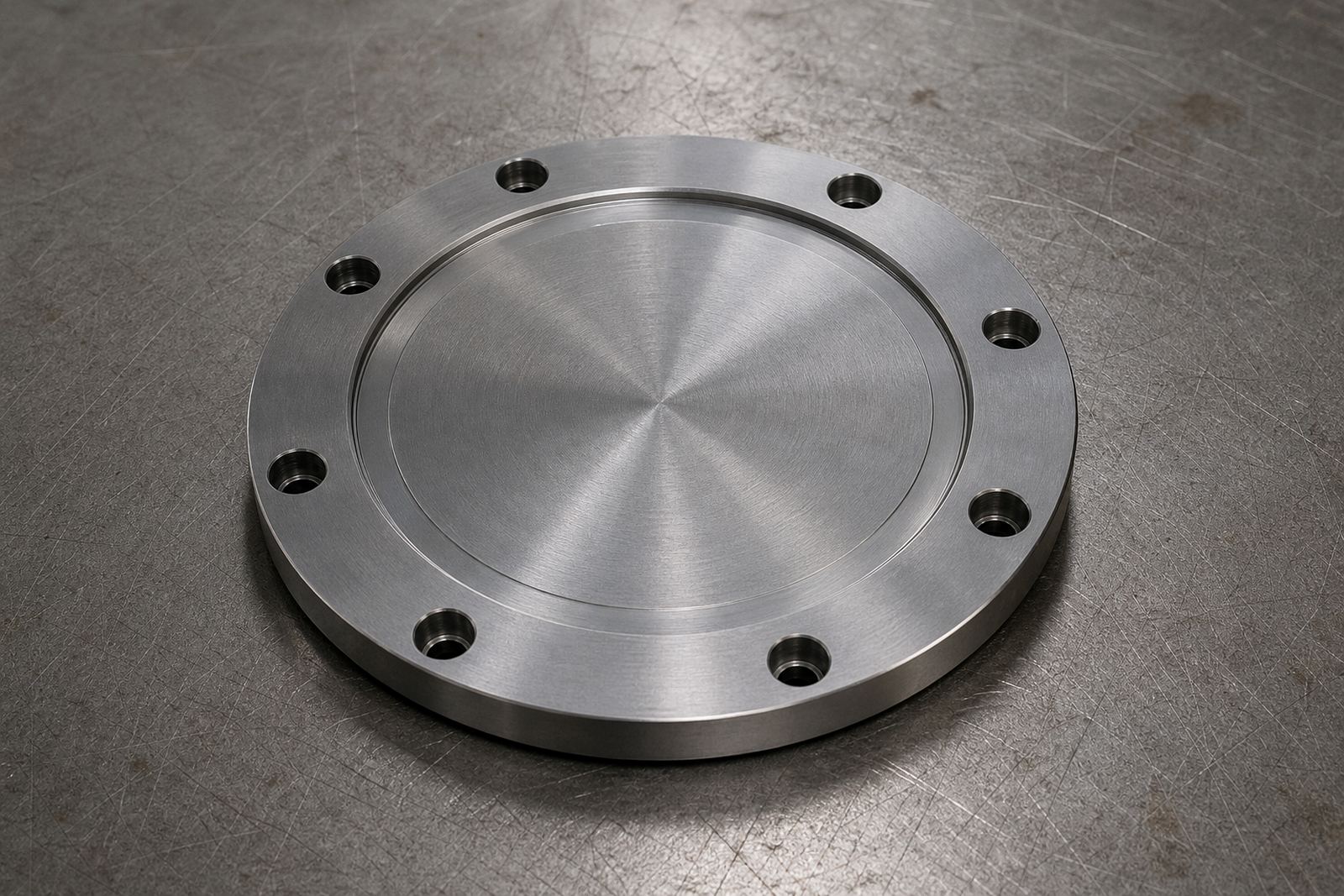
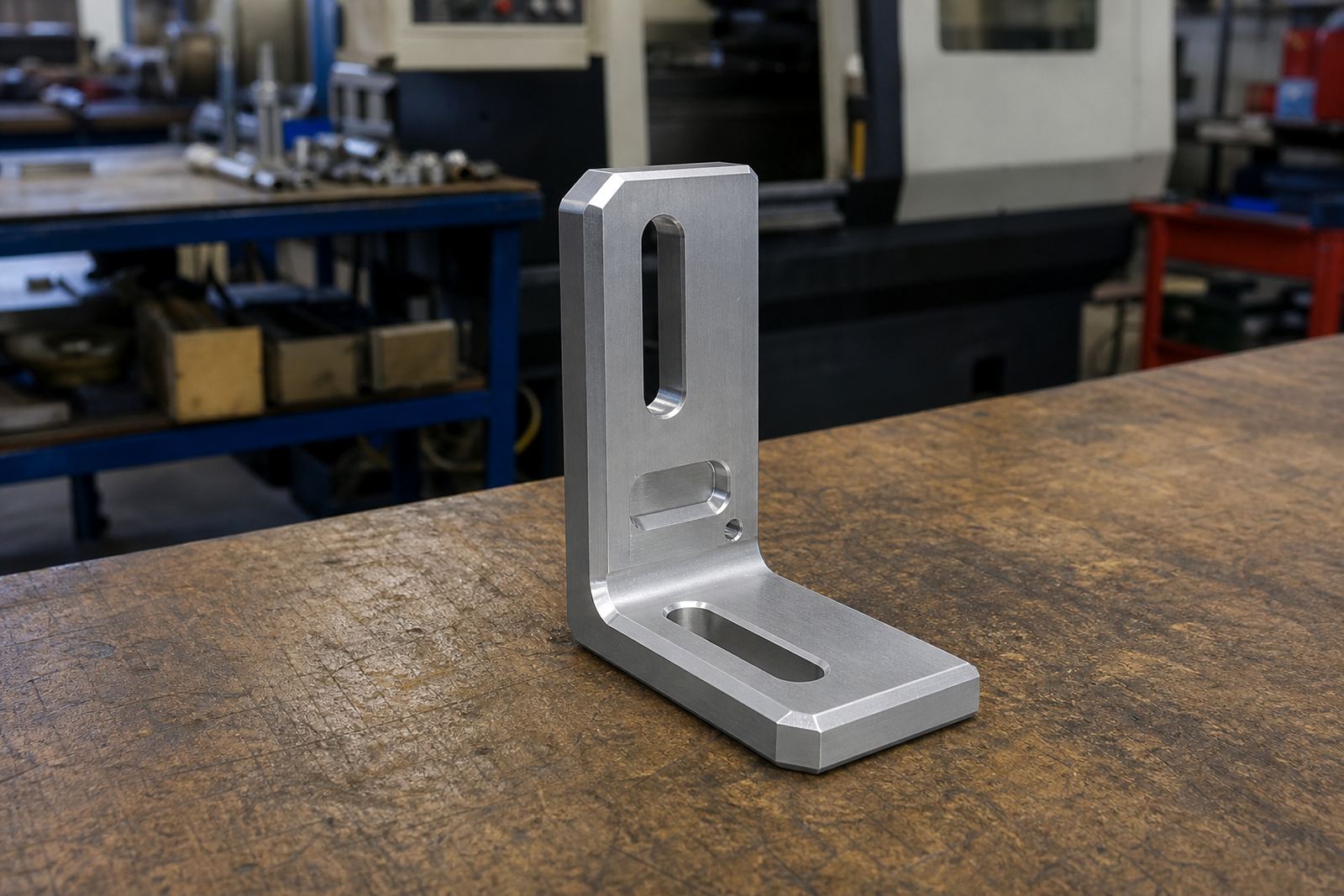
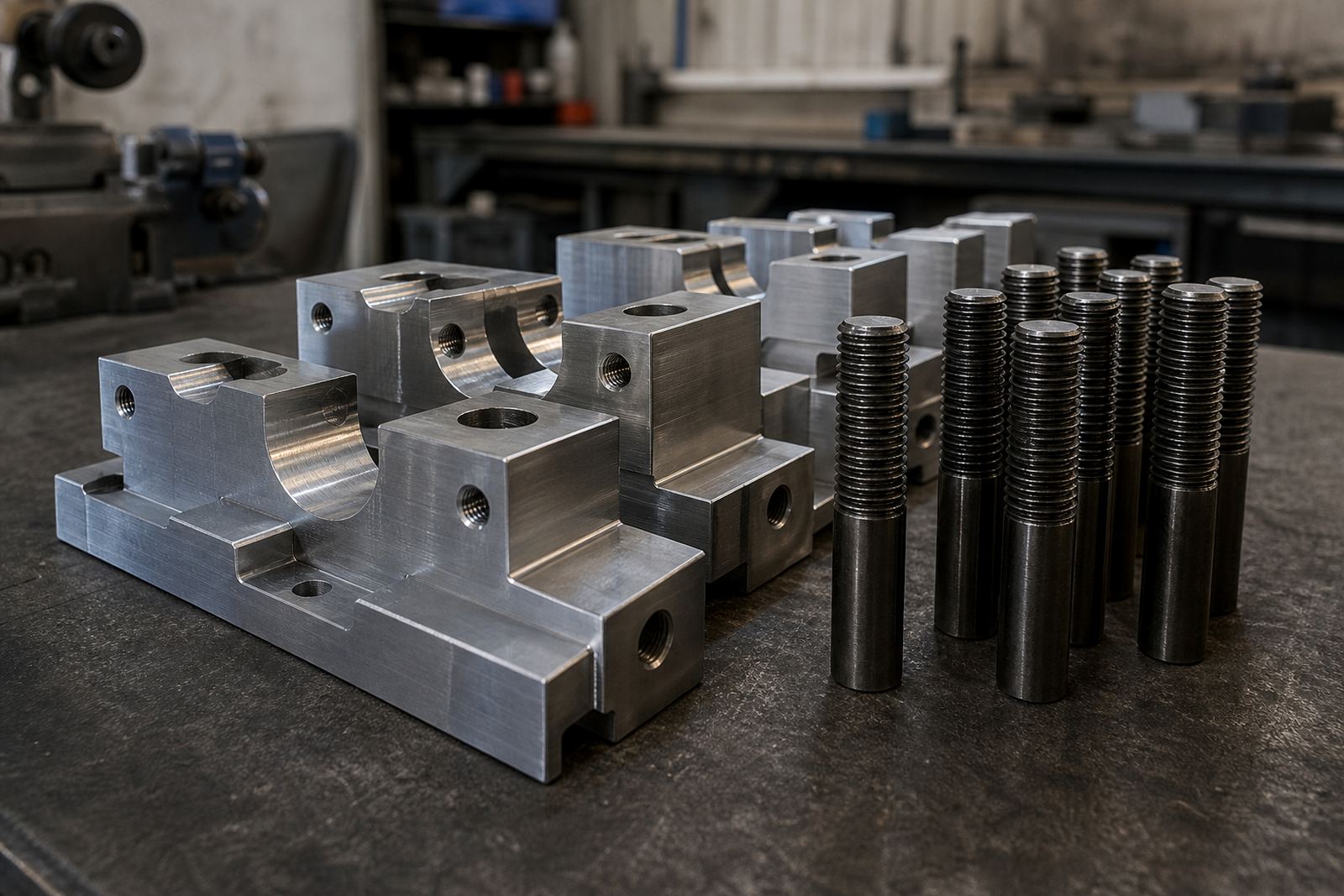
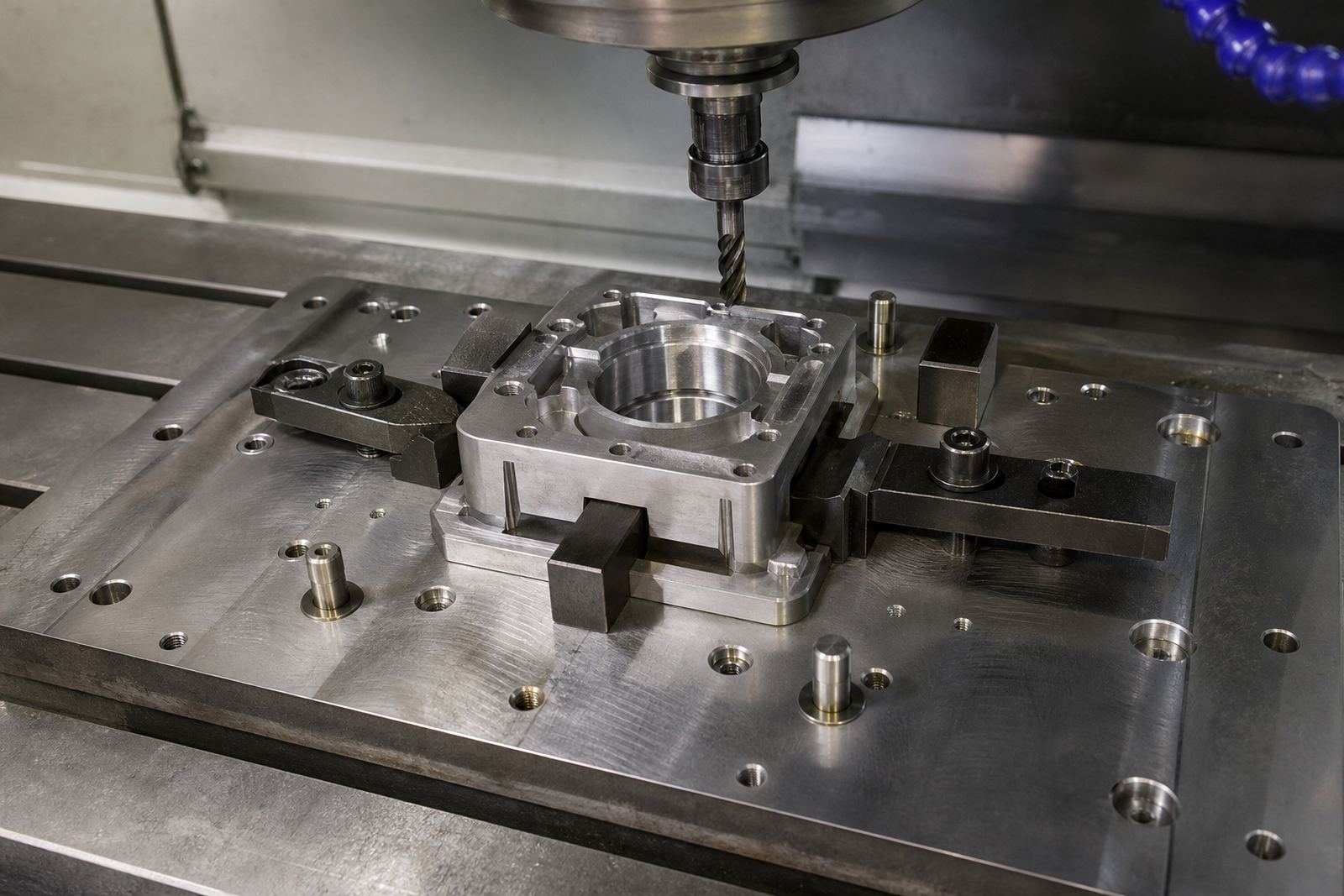
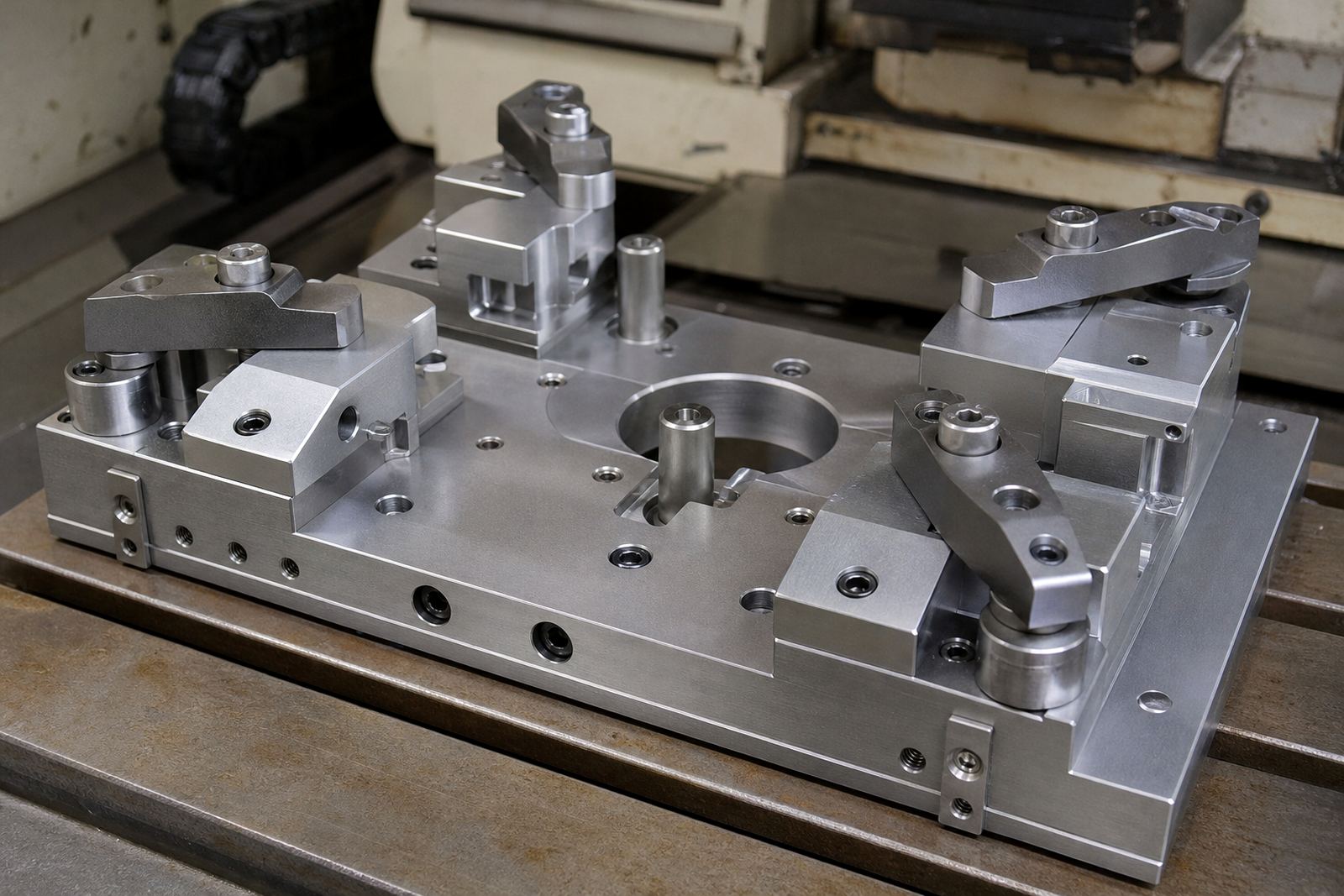
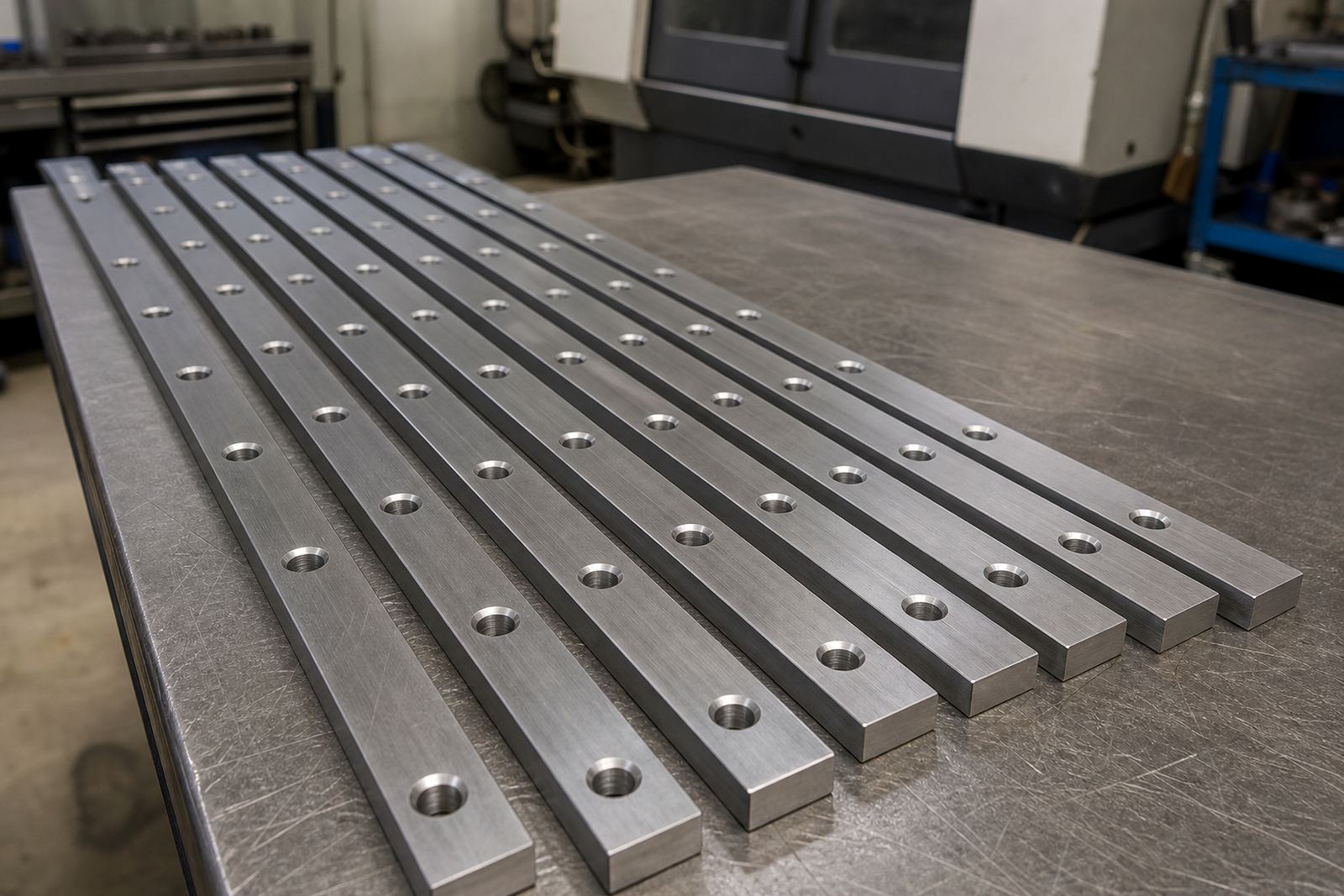
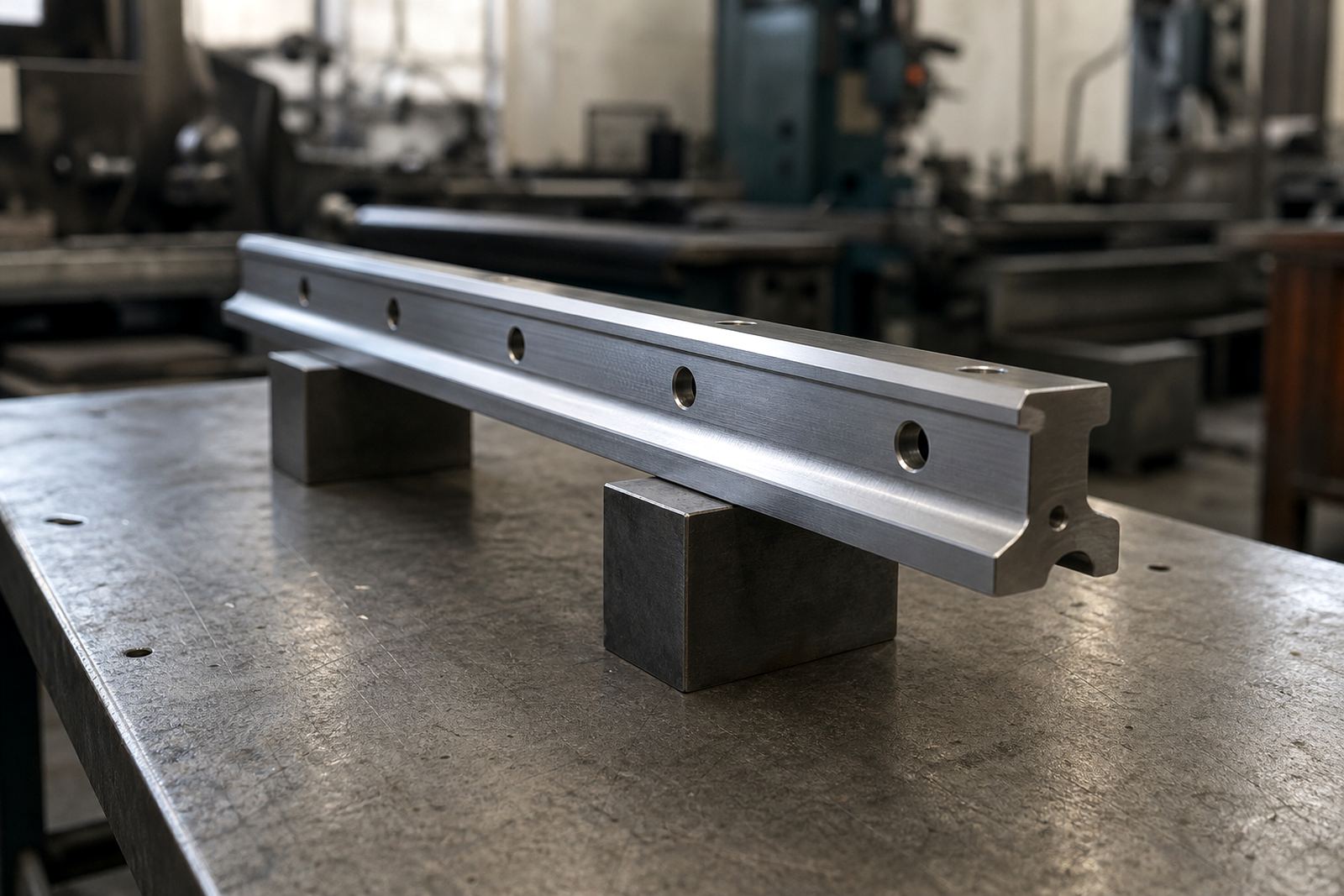
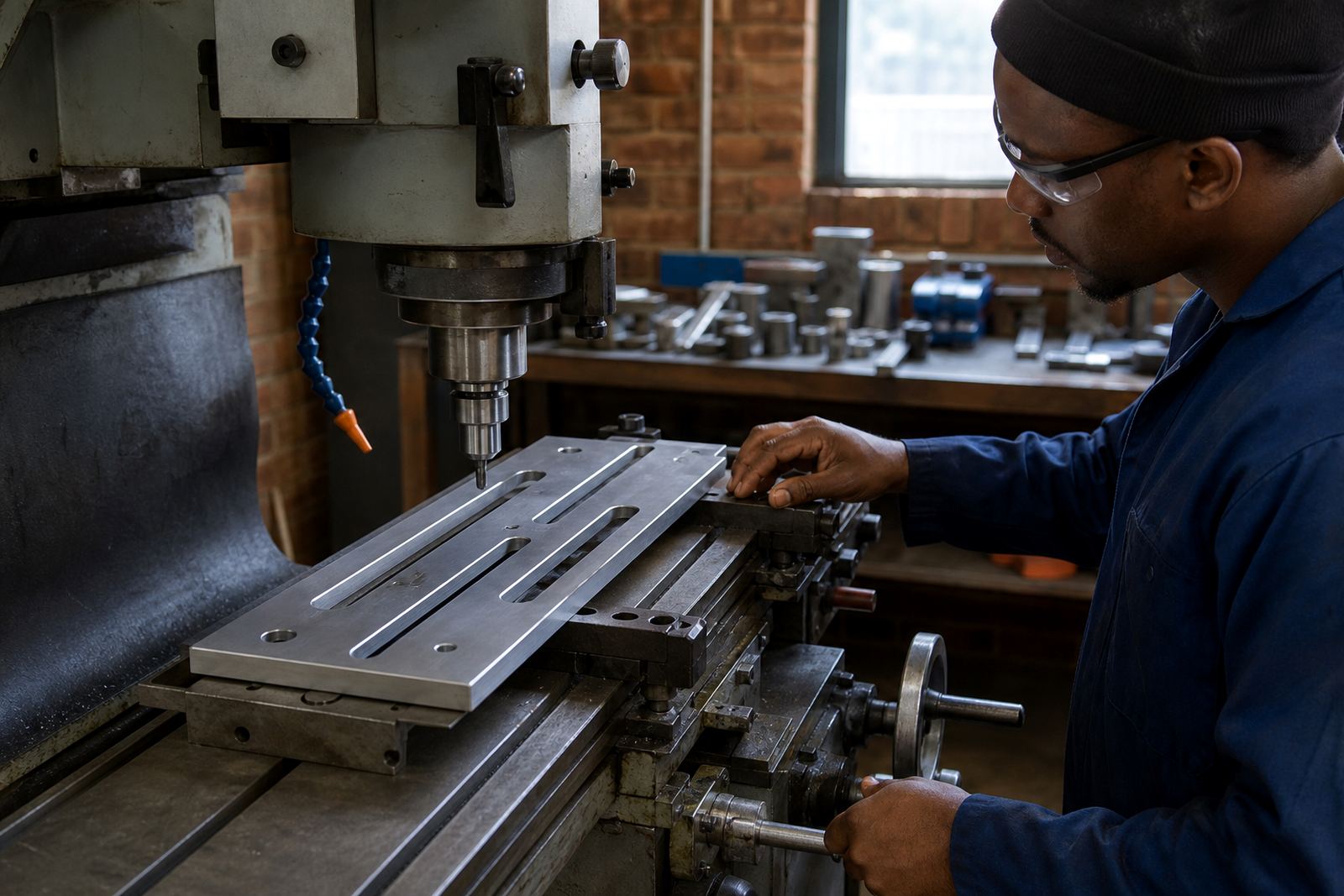
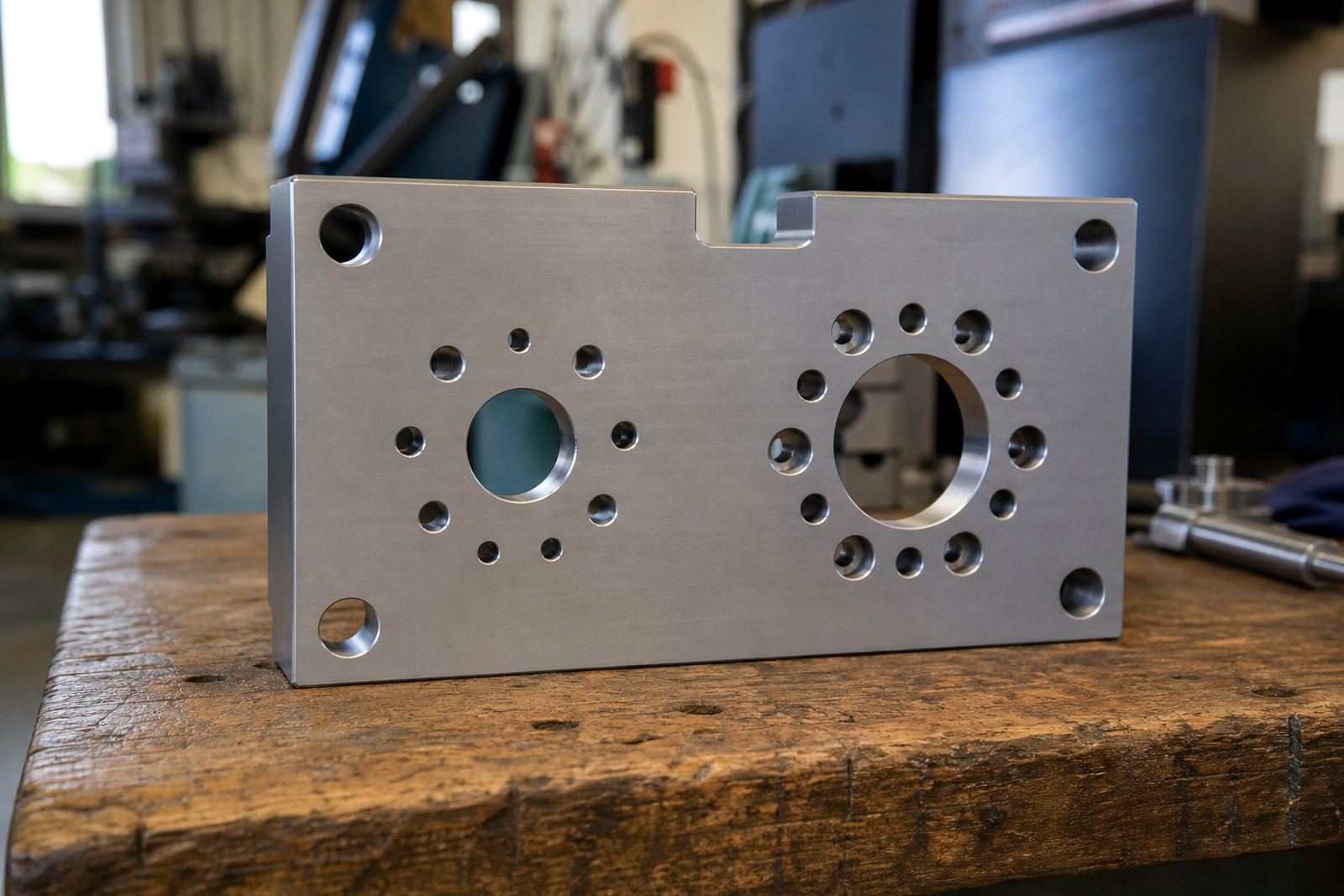
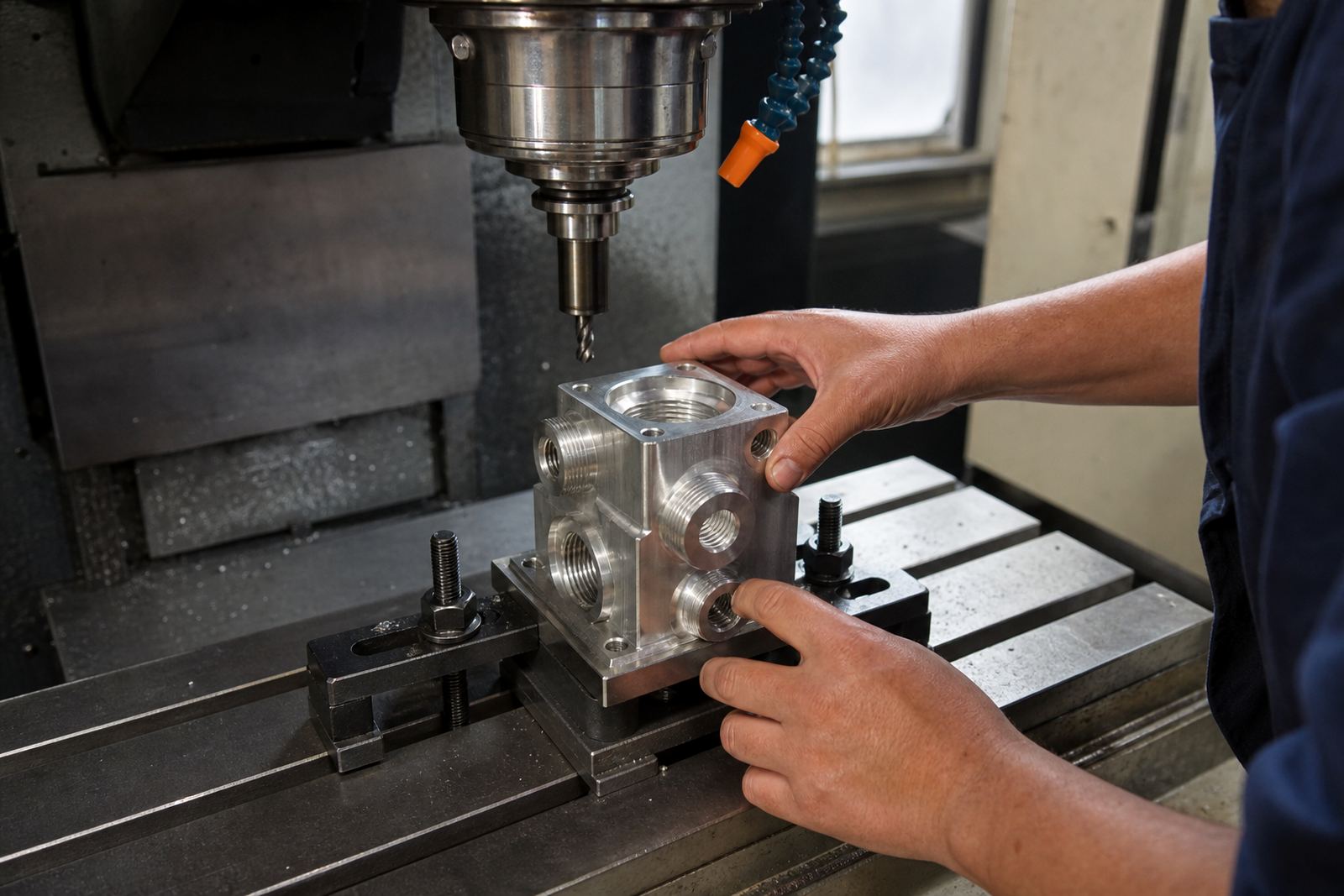
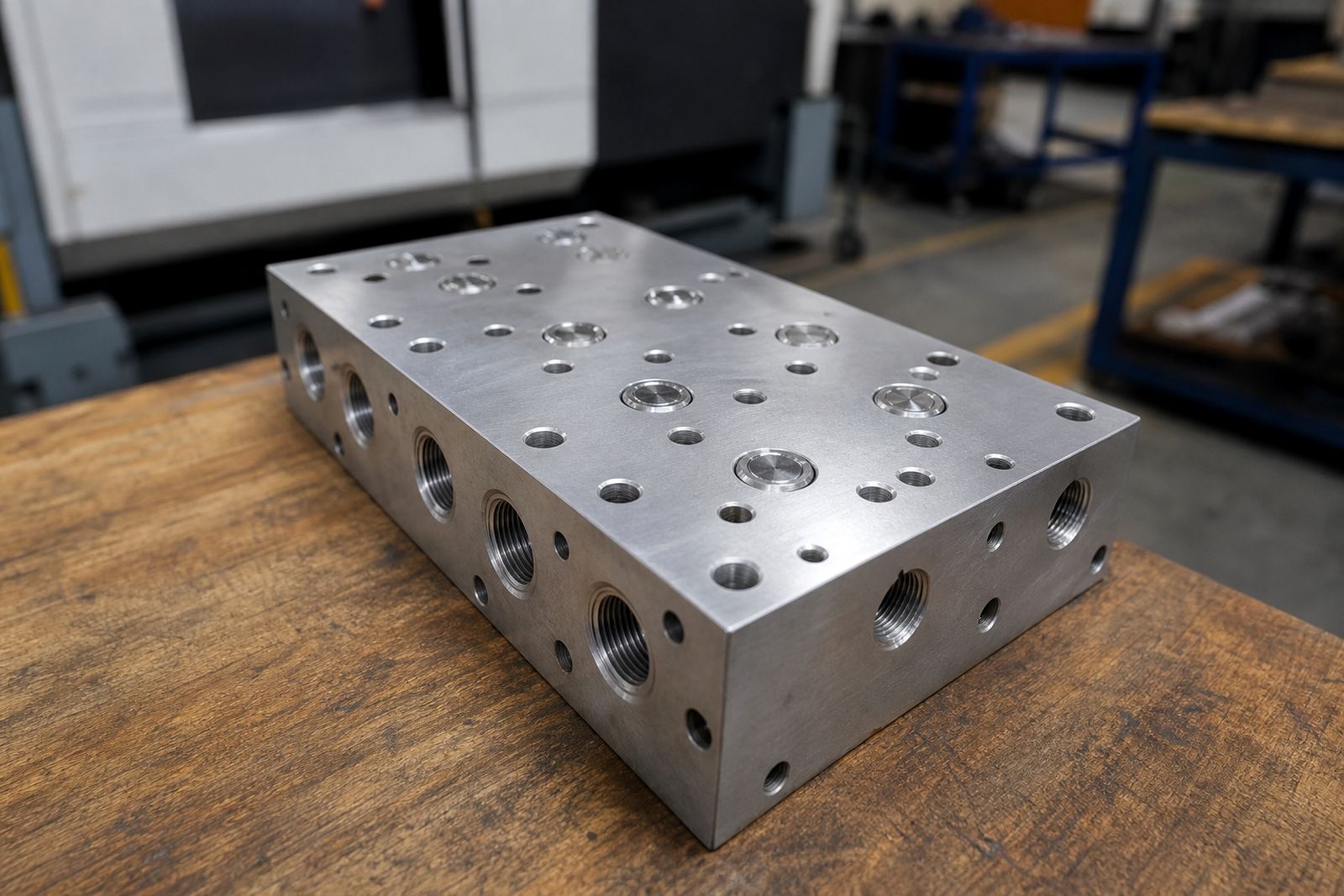
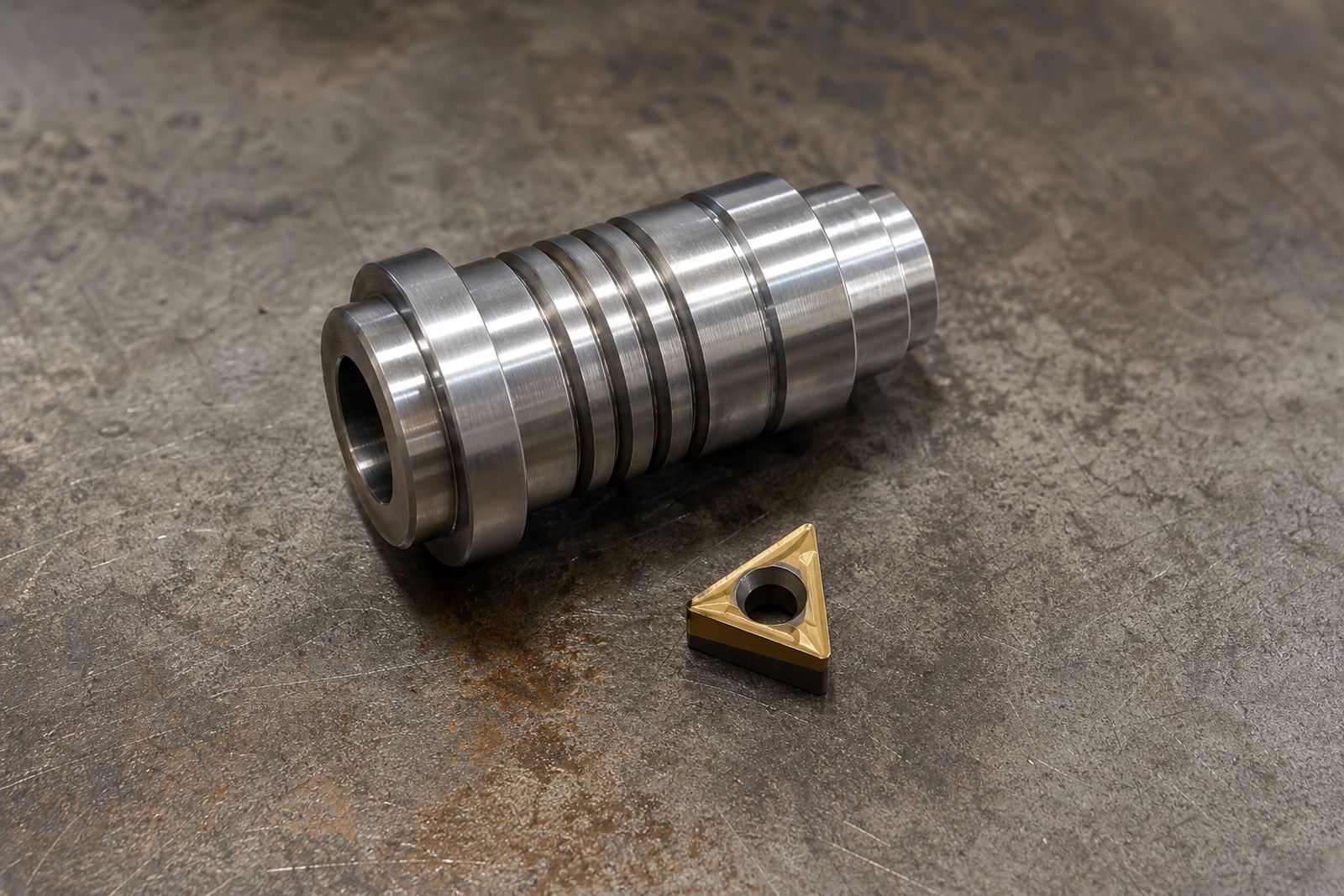
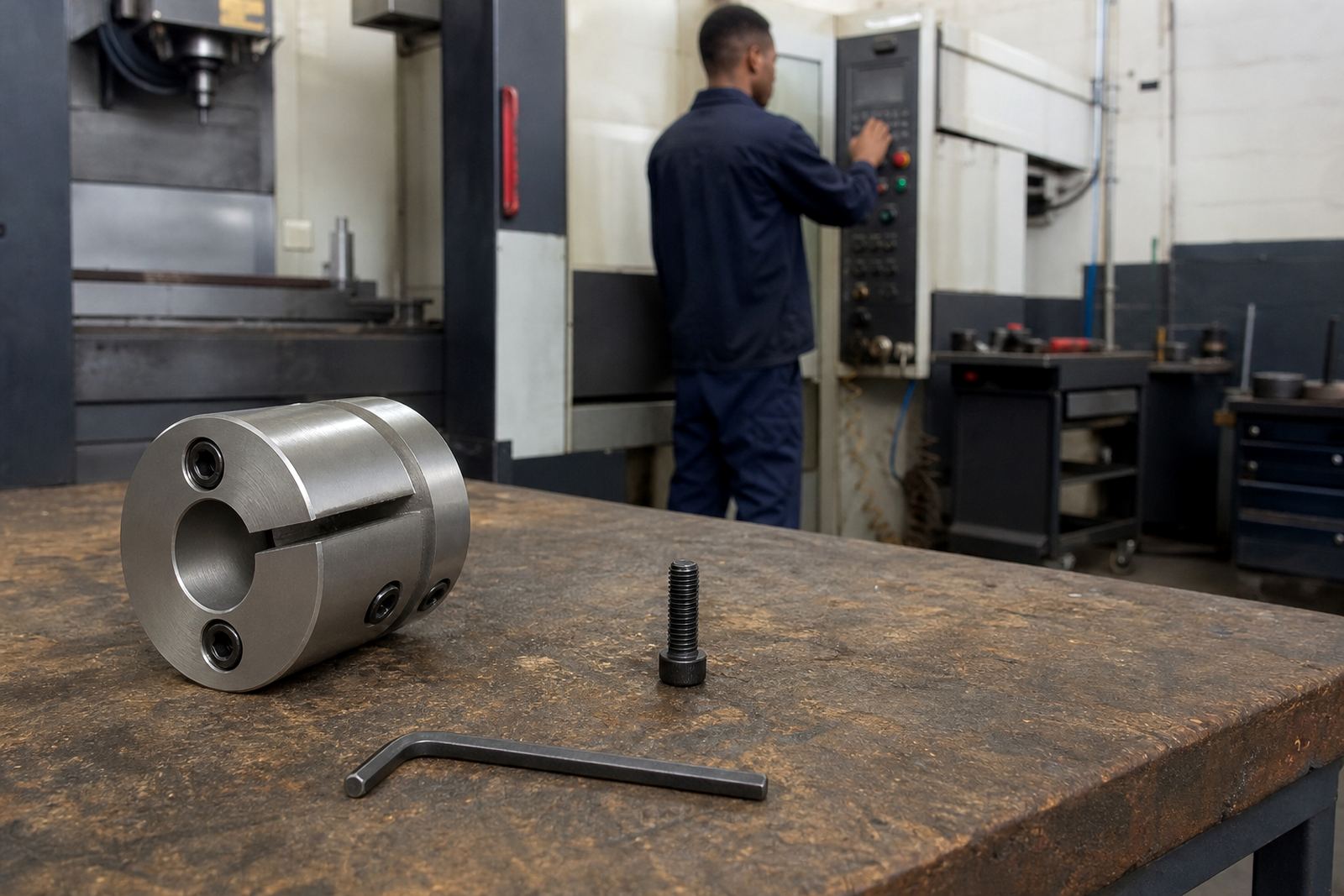
Our machining services centre on CNC milling and turning for parts that need accurate dimensions and a clean finish. Milling is used for flat faces, pockets, slots, holes and shaped profiles, while turning suits round parts such as shafts, bushes, spacers and stepped diameters. For many jobs, the best result comes from combining both processes so the component is made in the most practical way.
We work with small batch requirements for clients who need dependable parts without overcommitting to large runs. That is useful for repairs, product changes, pilot runs and repeat production where the drawing may still need refinement. Based in Pinetown and serving Durban, Westmead, New Germany, Umhlanga, Pietermaritzburg, Richards Bay and Johannesburg, we handle work with the same care whether it is a single sample part or a repeat order.
How to Choose the Right Service for Your Part
The best starting point is the drawing, a sample, or a clear description of how the part must fit into the assembly. From there, we can review the geometry and decide whether milling, turning, or a combination of both will suit the job. If the part needs tight location features, threaded holes, special faces or a controlled fit, those points are checked early so the process matches the function.
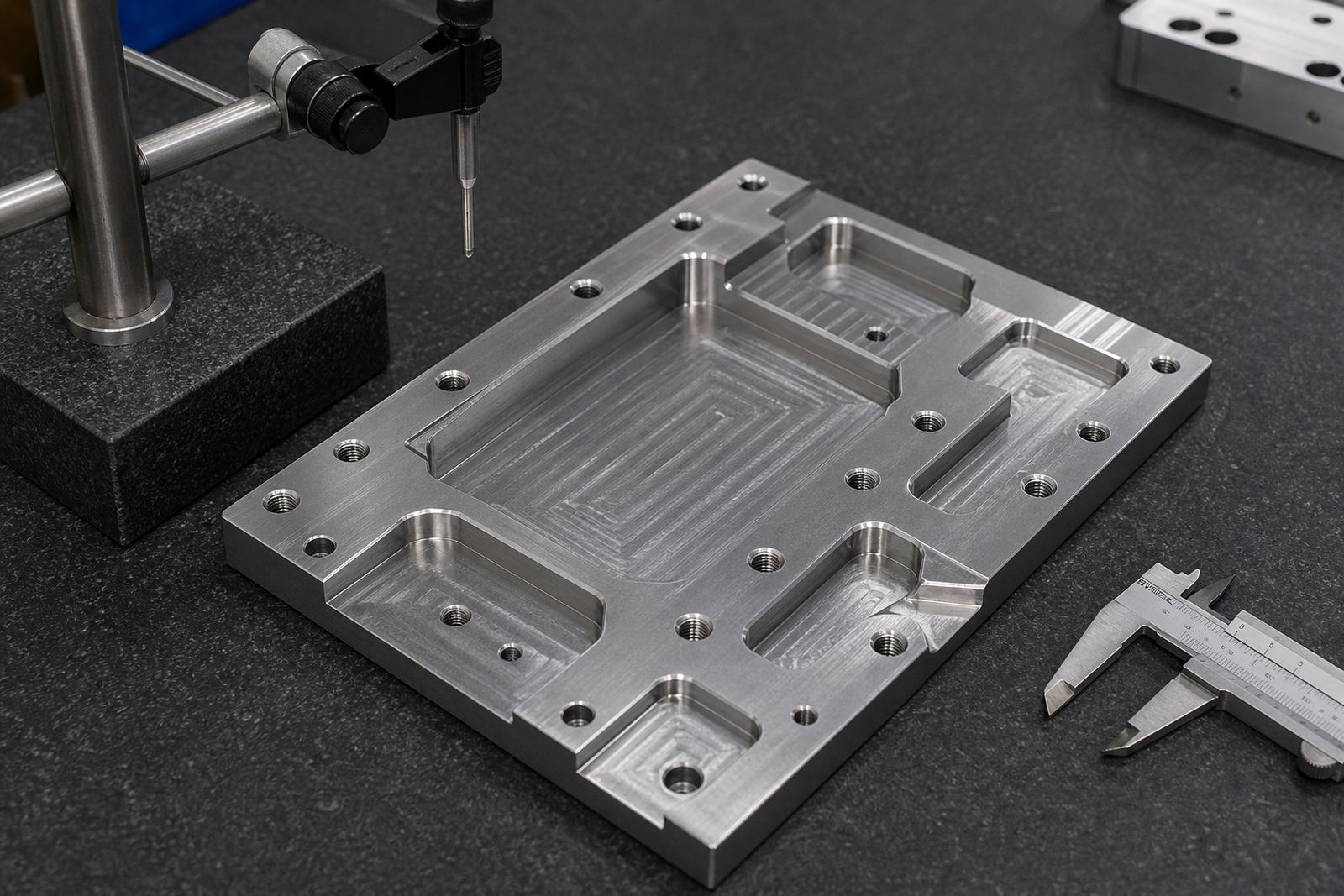
- Choose milling for plates, brackets, housings and parts with flat or profiled faces
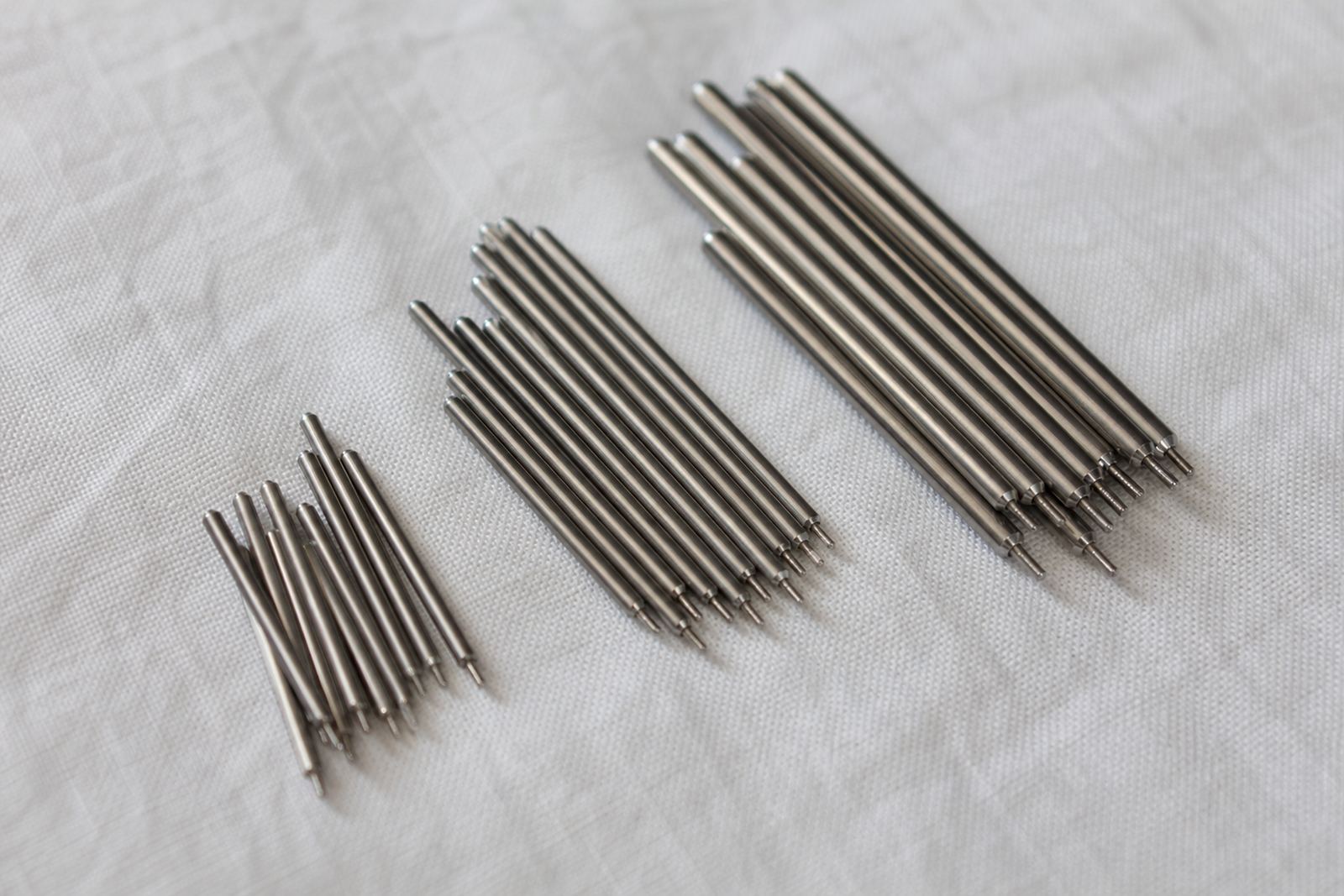
- Choose turning for circular parts, bushes, collars, pins and stepped shafts
- Choose both when the part includes round stock and machined side features
- Ask for tolerance guidance when the fit affects movement, sealing or assembly
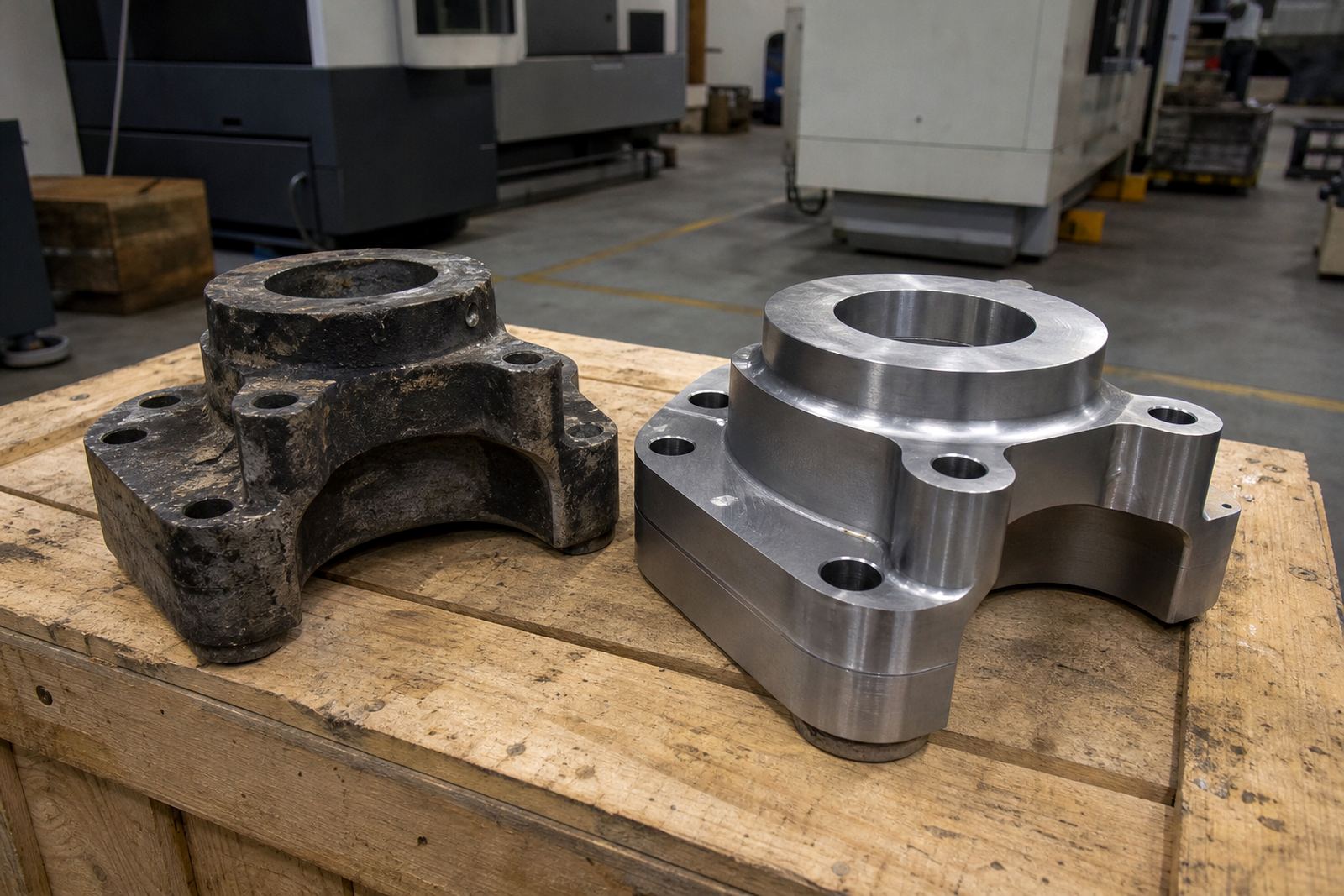
- Use sample part remake support when an existing part needs correction or improvement
For customers in industries where downtime matters, practical planning helps reduce back-and-forth. That can mean checking stock size, clarifying hole depths, confirming edge breaks, or suggesting a material that machines well and suits the working environment, especially where moisture, vibration or heat come into play.
Material Selection and Part Features That Matter
Different materials behave differently during machining, so the right choice depends on strength, wear, corrosion exposure and cost. Common job shop work may involve metals such as aluminium, mild steel, stainless steel, brass or engineering plastics, but the final choice depends on how the part will perform in service. Coastal conditions around Durban and Richards Bay can call for better corrosion resistance, while inland applications may need more focus on strength, abrasion or heat.
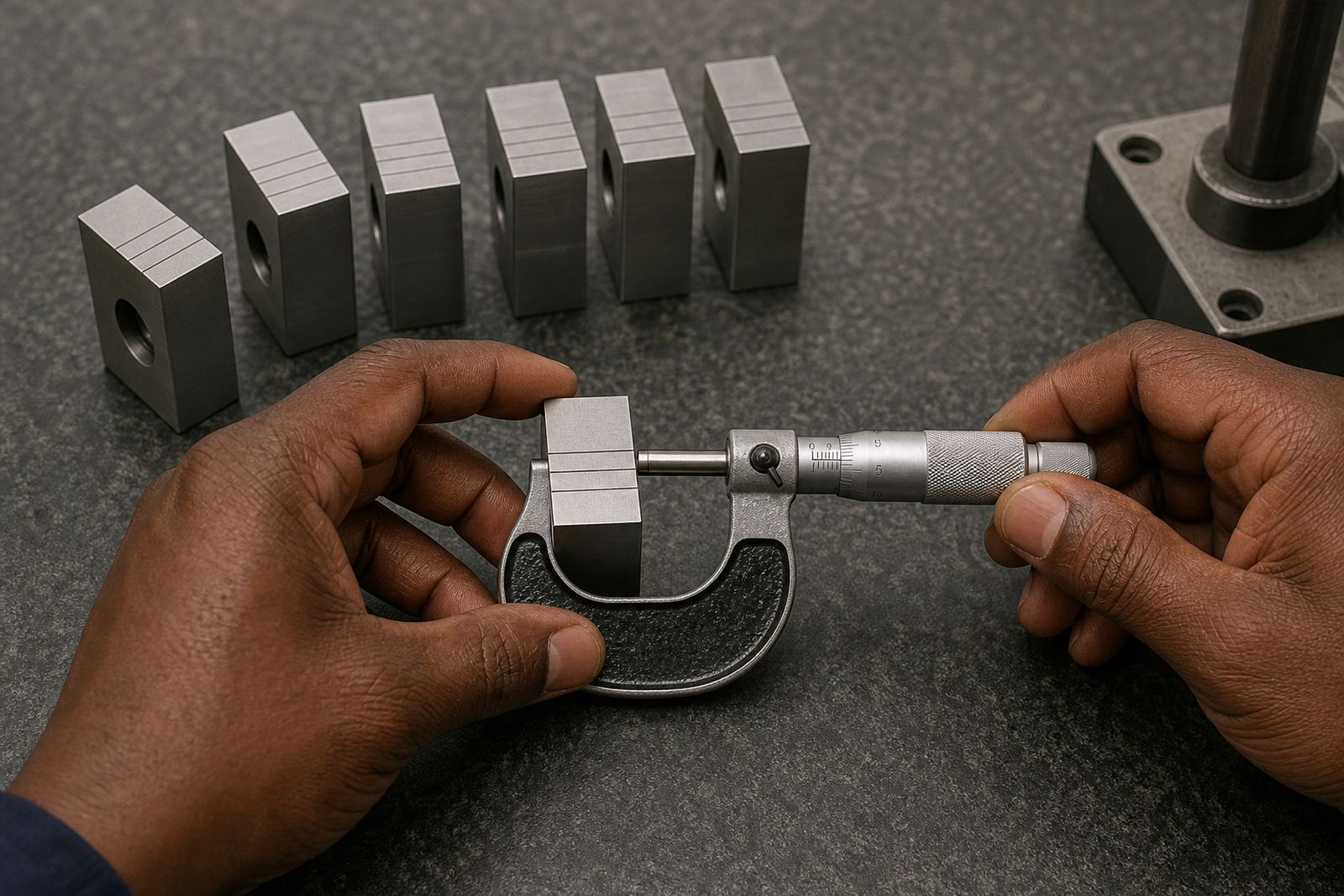
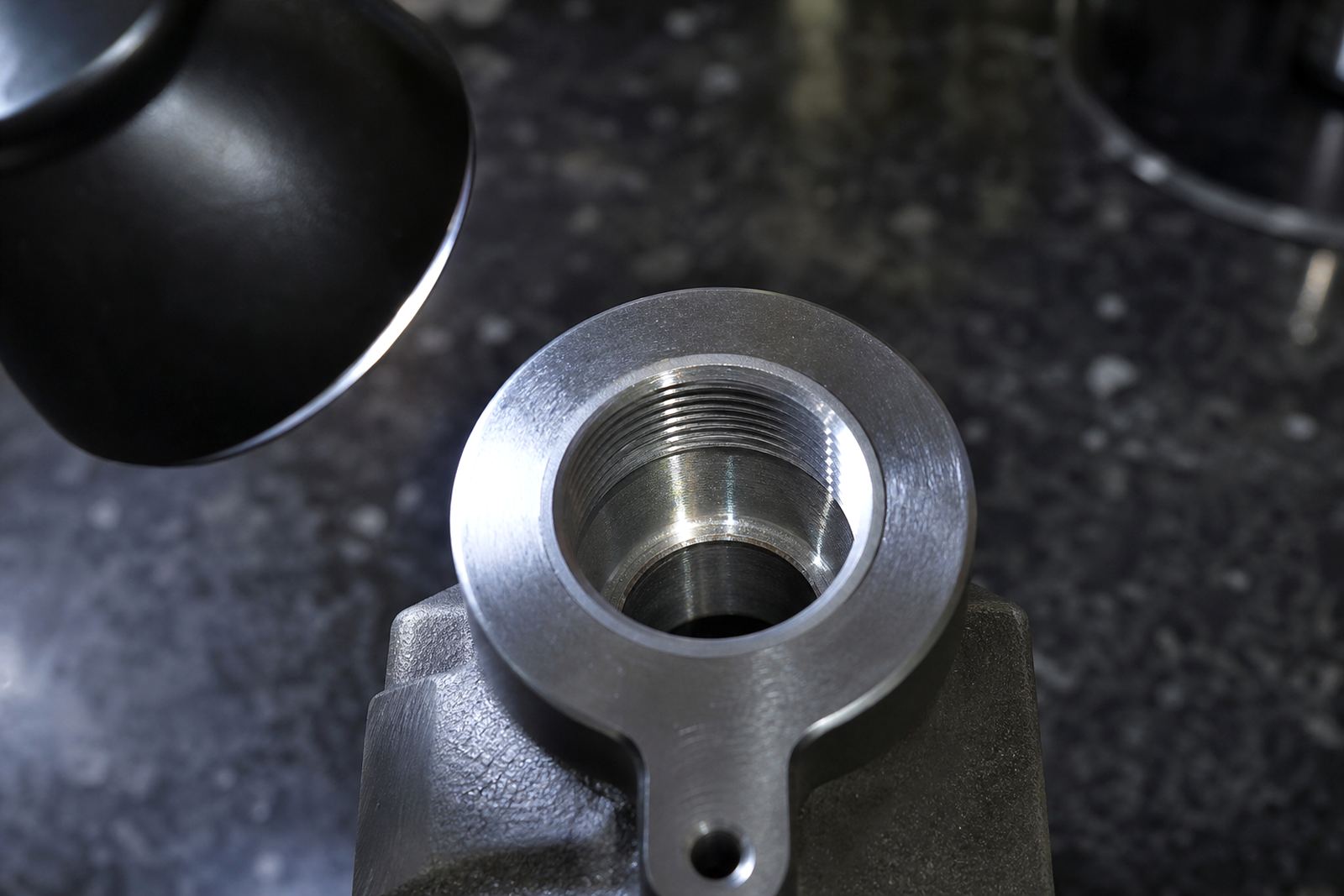
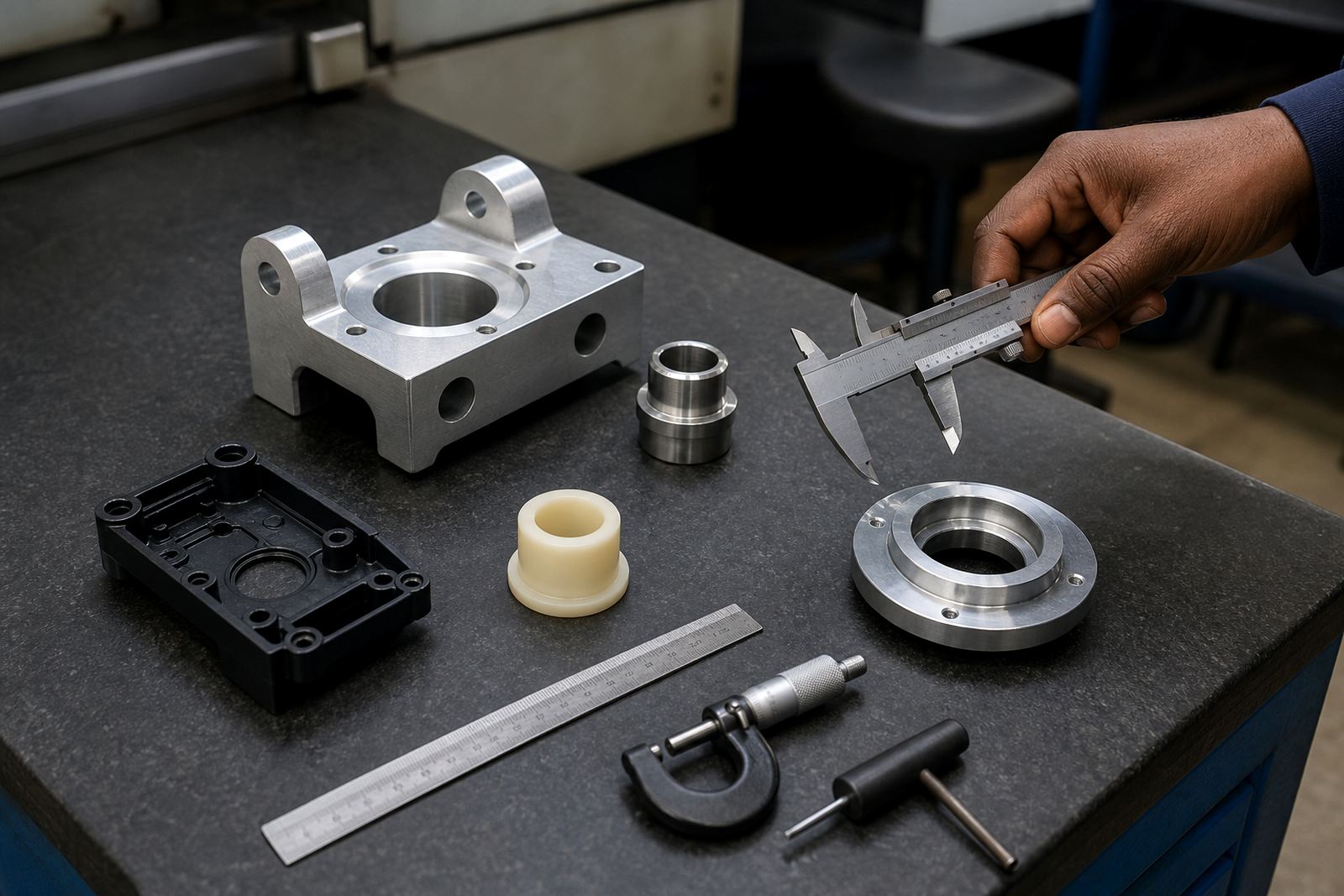
We also look closely at the features that affect fit and function. That includes hole spacing, surface finish, chamfers, thread quality, wall thickness and the relationship between mating parts. If a component is going into an existing assembly, assembly fit checks help make sure the part does what it should on site and not only on paper.
- Material selection based on strength, corrosion resistance and machinability
- Part optimisation to improve manufacturability without changing the function
- Drawing updates where a small change can simplify production
- Tolerance guidance where the fit is critical and needs careful review
From Drawing Review to Repeat Order Support
Good machining starts before the first cut. Drawing review helps identify unclear dimensions, missing notes or features that could cause trouble during production. Prototype planning then sets the sequence for the first part, while batch planning keeps repeat pieces consistent across the run. That matters when a customer wants a small batch now and the same part again later.
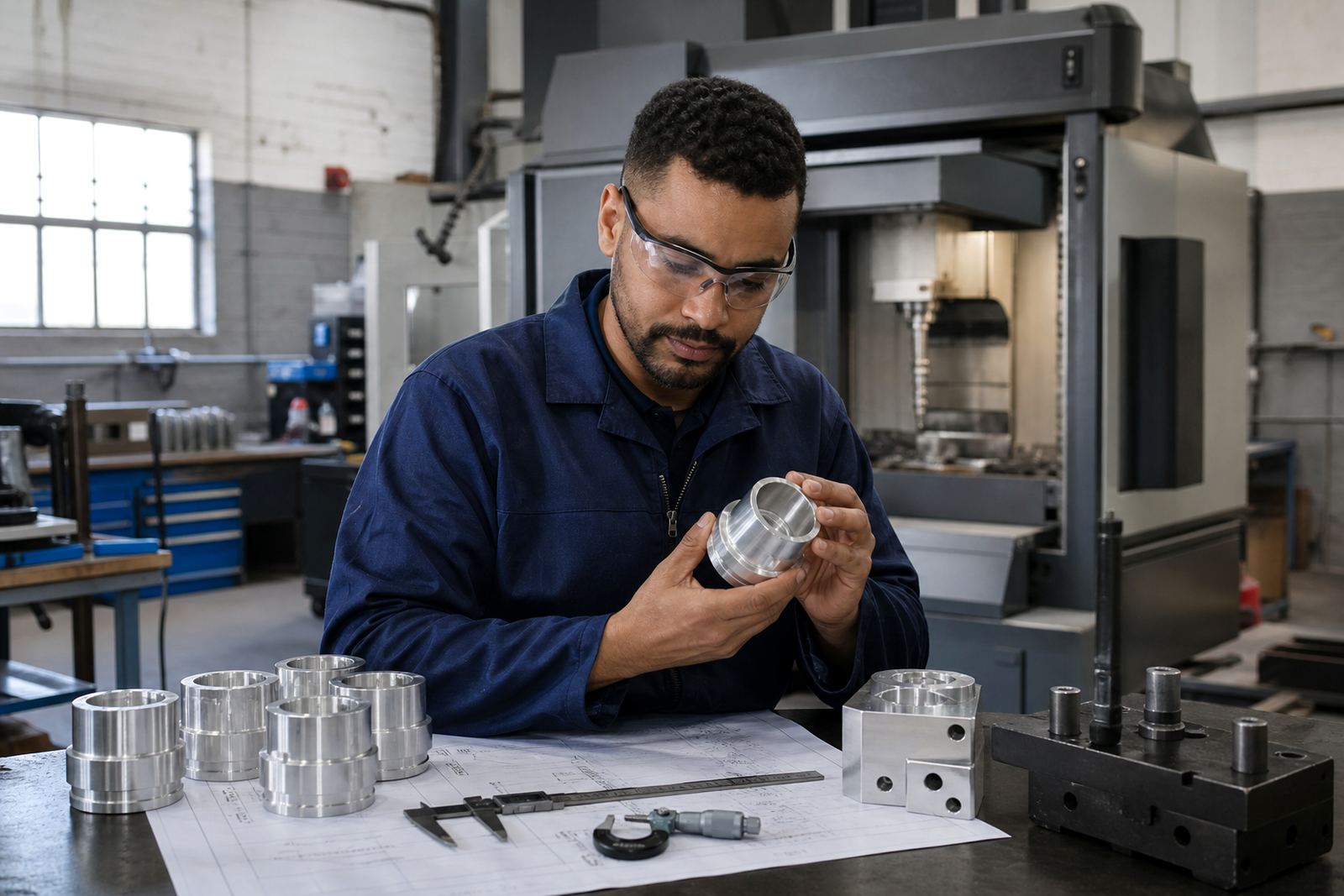
Once the parts are made, inspection reporting gives a clear record of what was checked and what was supplied. If a change is needed after testing or fit-up, we can support drawing updates and sample part remake work so the next set is closer to the final requirement. For businesses managing equipment, spares or product development, that support can save time and reduce avoidable rework.
Practical Support Across Pinetown and Beyond
PME CNC Machining is based in Pinetown and works with customers across KwaZulu-Natal and further afield. Local collection and delivery coordination can help when parts are needed for maintenance windows, workshop schedules or production deadlines. We also keep in mind the practical realities of local work, from load-shedding planning to the pace of small manufacturing jobs that cannot wait for long lead times.
Clients reach us through the enquiry form on our contact page, where they can send a drawing, photos or a written description of the job. If the requirement is straightforward, we can move quickly. If it needs closer review, we will look at the part details, the material and the required finish before starting work.
- Enquiry handling through the contact page form
- Delivery coordination for local and national jobs
- Support for repeat orders and ongoing part supply
What Our Team Covers on Each Job
Our team in Pinetown includes Mandla Sibusiso Mkhize as Managing Director, Anele Nondumiso Dlamini as Production Coordinator, Johan Petrus van Wyk as Lead CNC Programmer, Siyabonga Patrick Zulu as Machining Supervisor, Naledi Refilwe Molefe as Quality Administrator and Kyle Brendan Naidoo as Client Support Lead. Each role supports the flow from enquiry to finished part, so the job is handled in a practical way from start to finish.
That structure helps keep small-batch work organised, especially when a job has several features, more than one part number, or a mix of turned and milled components. The aim is simple: make the part to the drawing, check the details, and supply it in a way that fits the job on site.