How to read these machining job stories
Each story in this hub follows the same simple pattern: what the client needed, how the part was machined, and where the value came from in the repeat order. That makes it easier to decide whether your own job needs CNC milling, CNC turning, or a mix of both, especially when you are working from a worn sample, an old drawing or a part that has to fit with existing equipment.
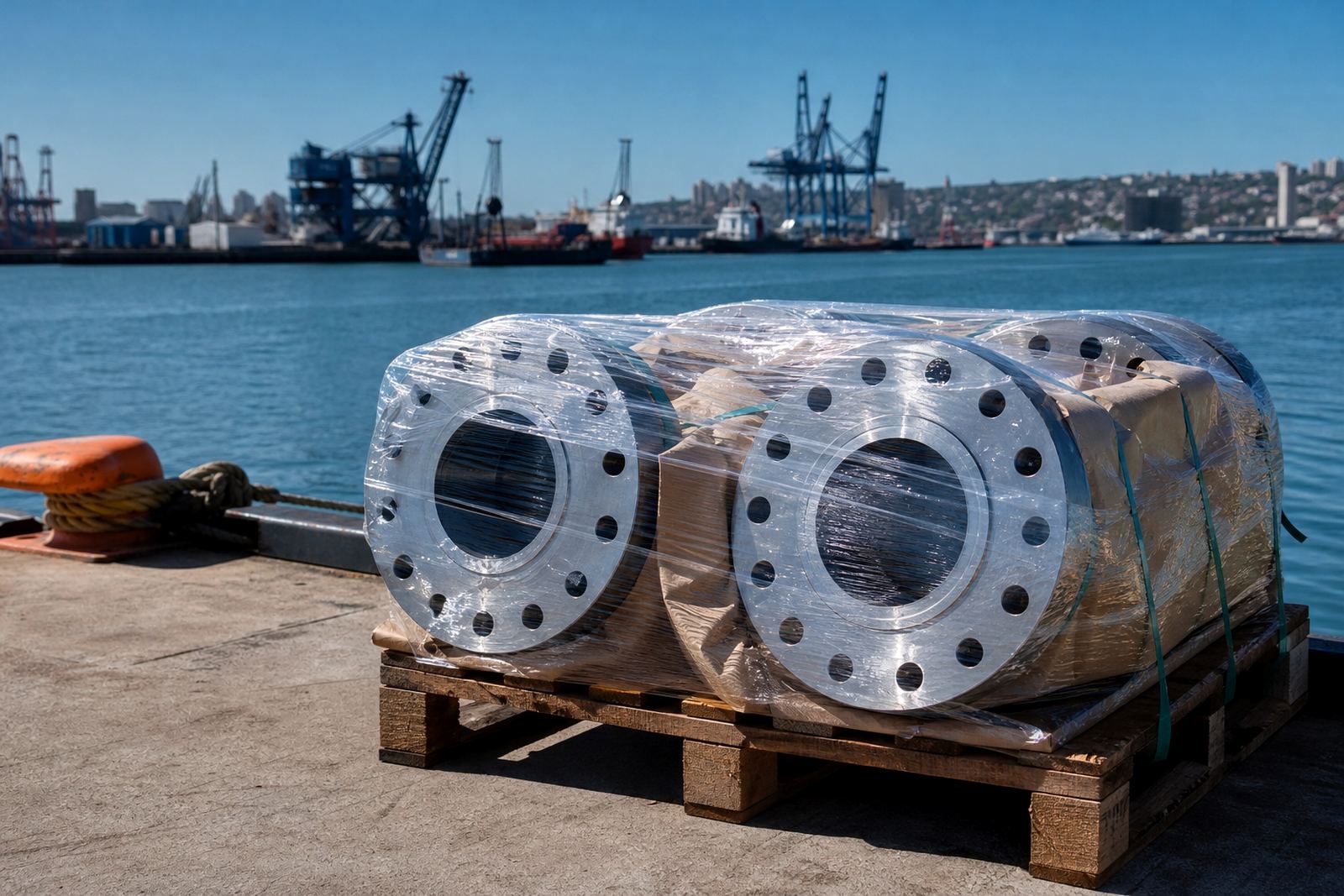
For South African buyers, the useful details are usually the practical ones. Look for notes on batch size, material type, tolerance guidance, finish requirements and any fit checks before release. If your site is in Pinetown, Westmead or New Germany, local turnaround may matter. If you are farther out in Richards Bay or Johannesburg, delivery coordination and clear drawing updates can save a second round of freight and delay.
When CNC milling suits the job
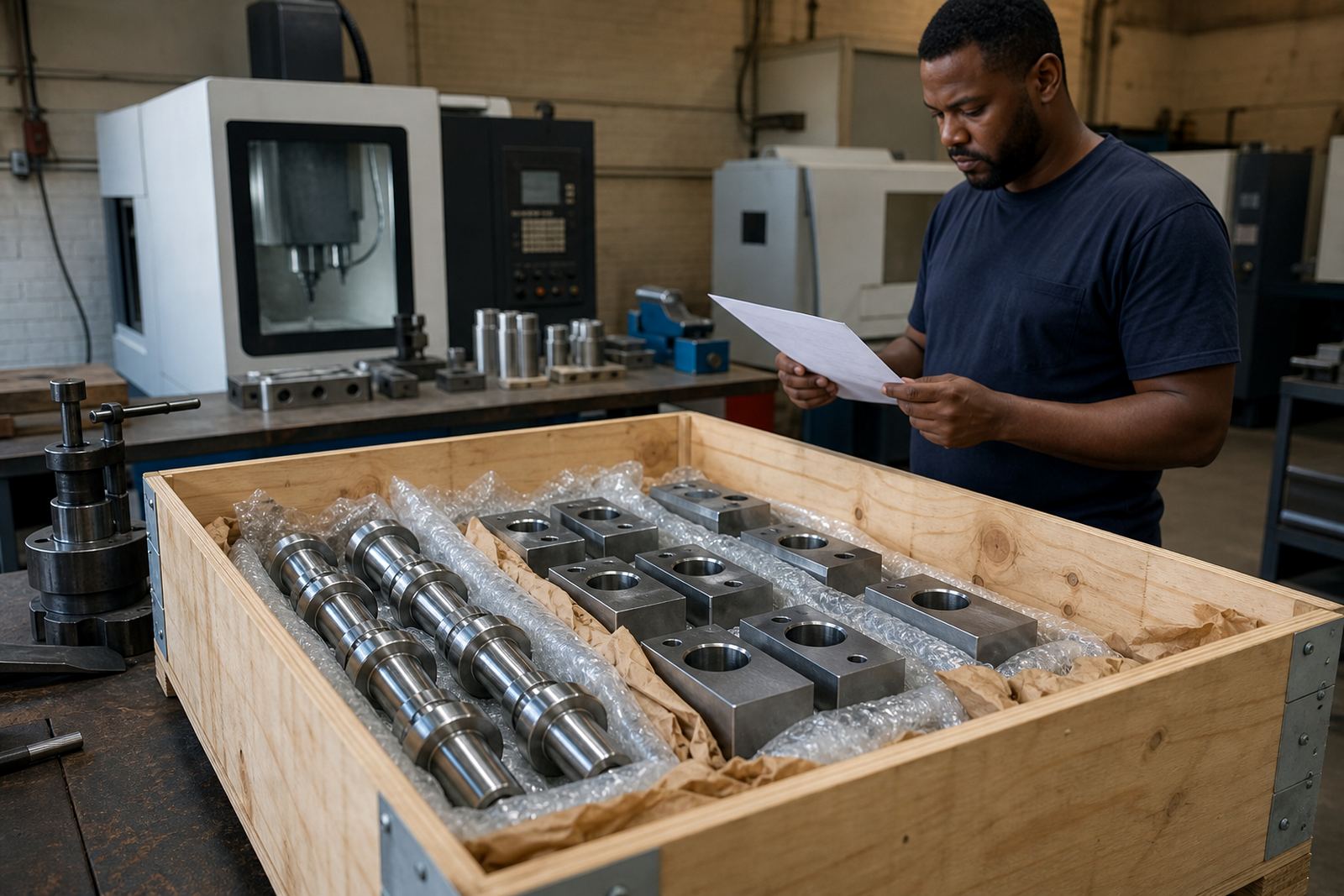
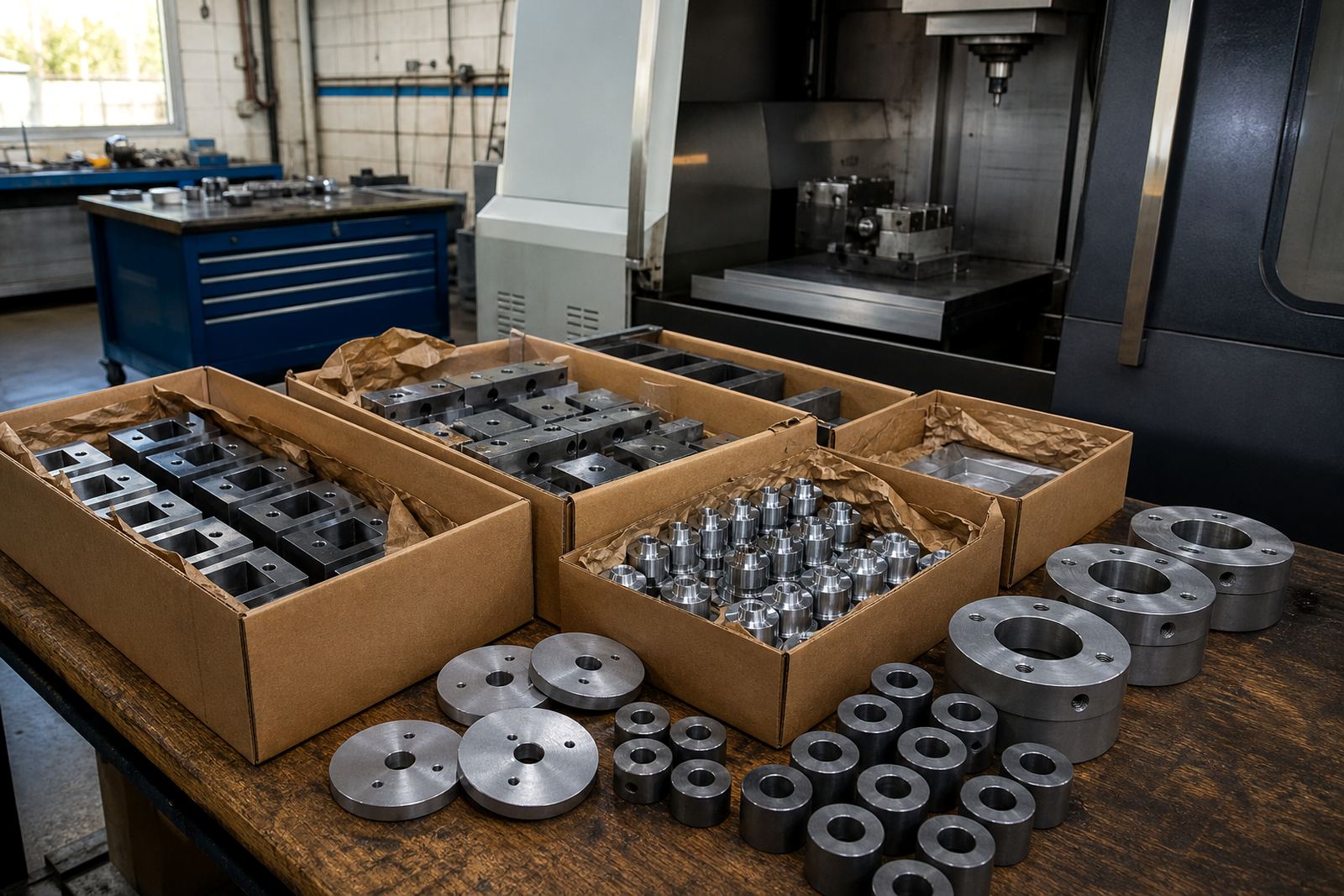
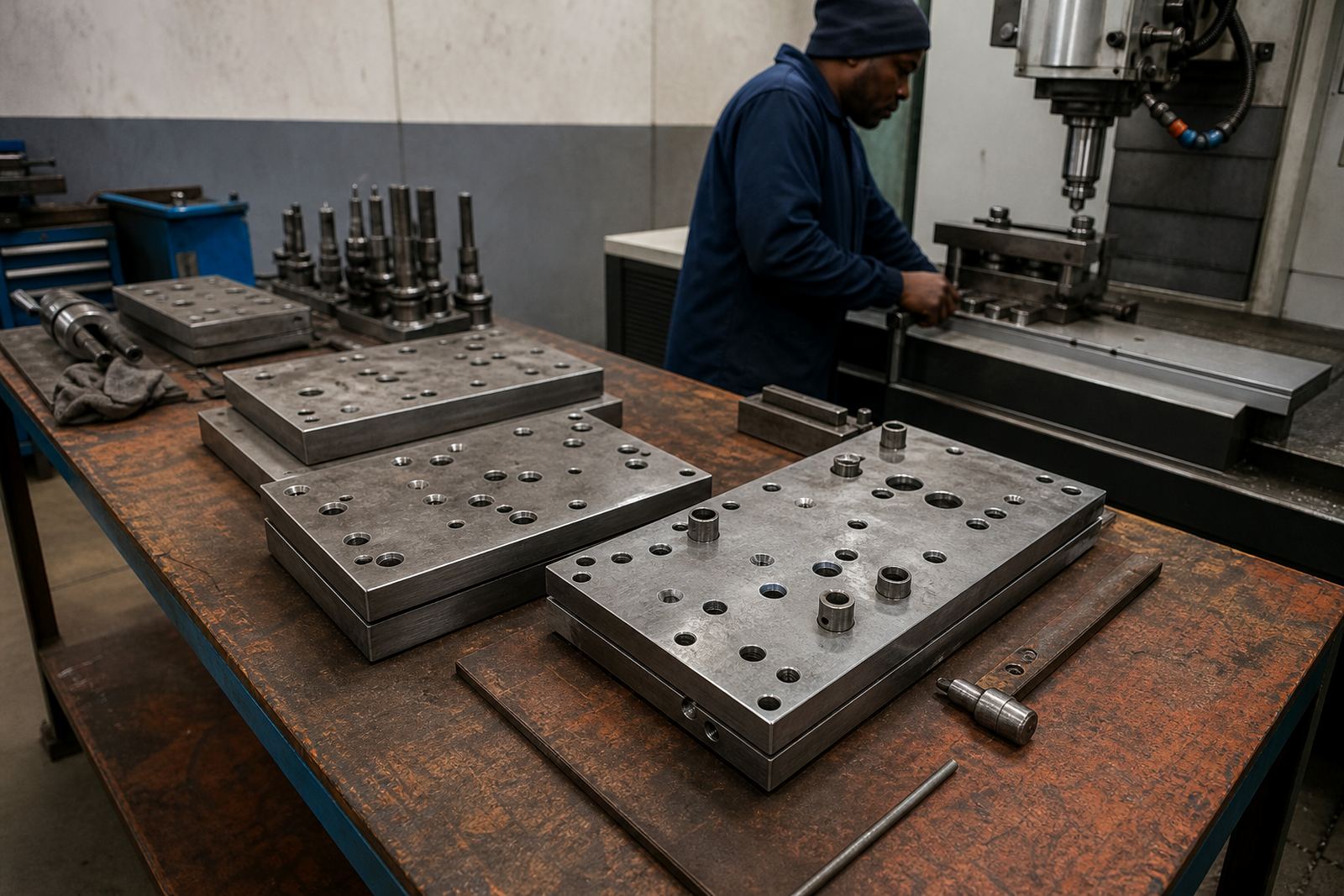
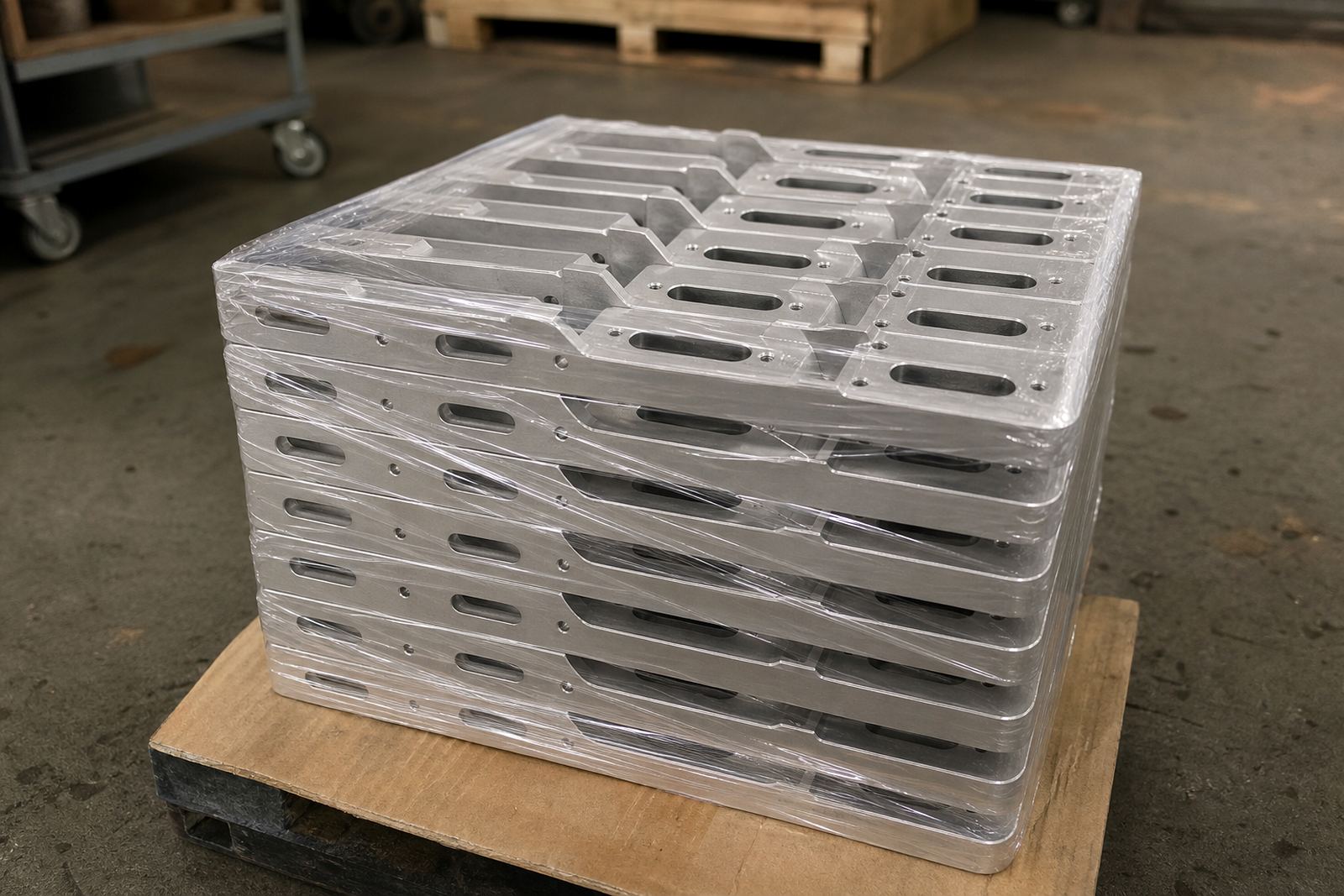
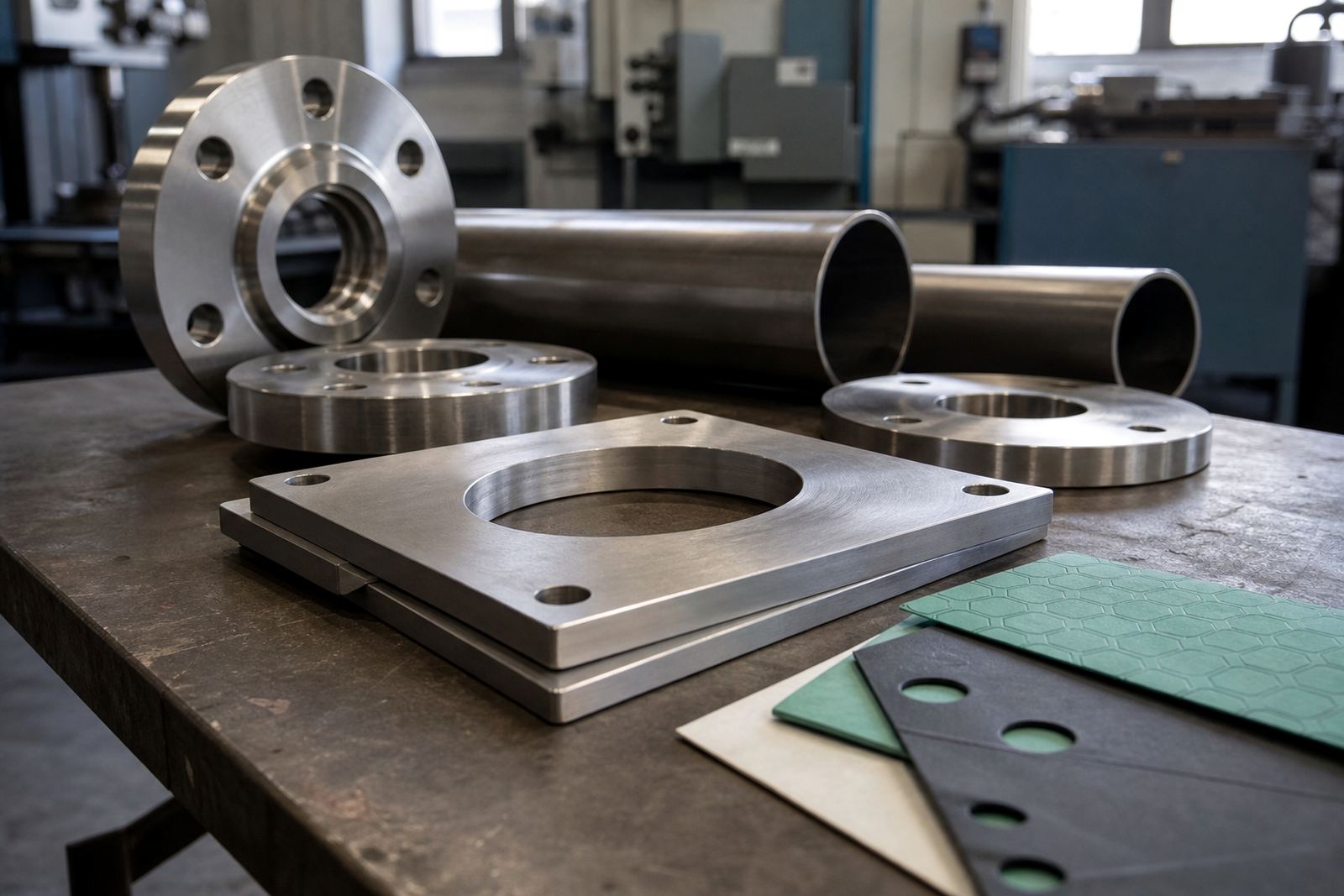
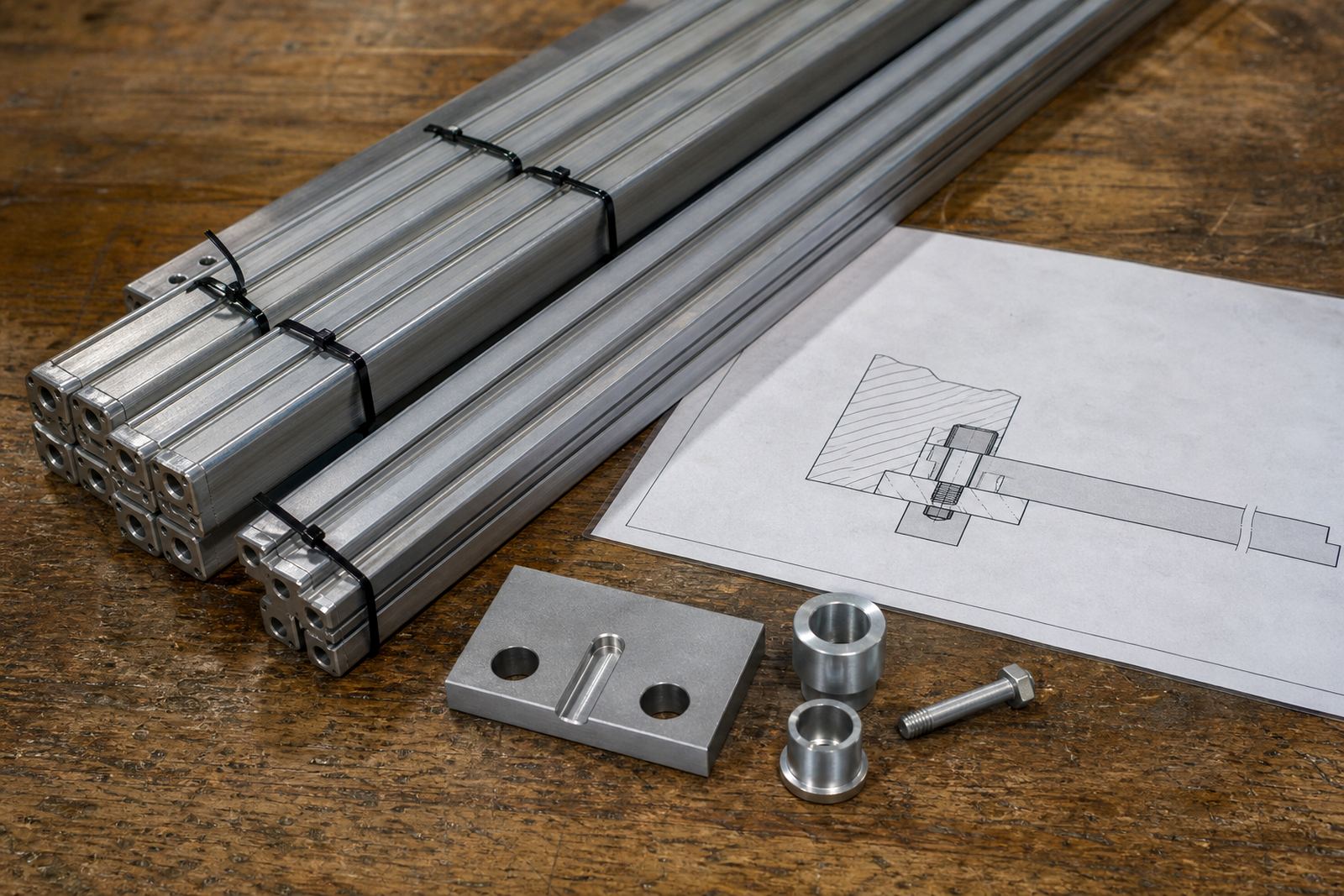
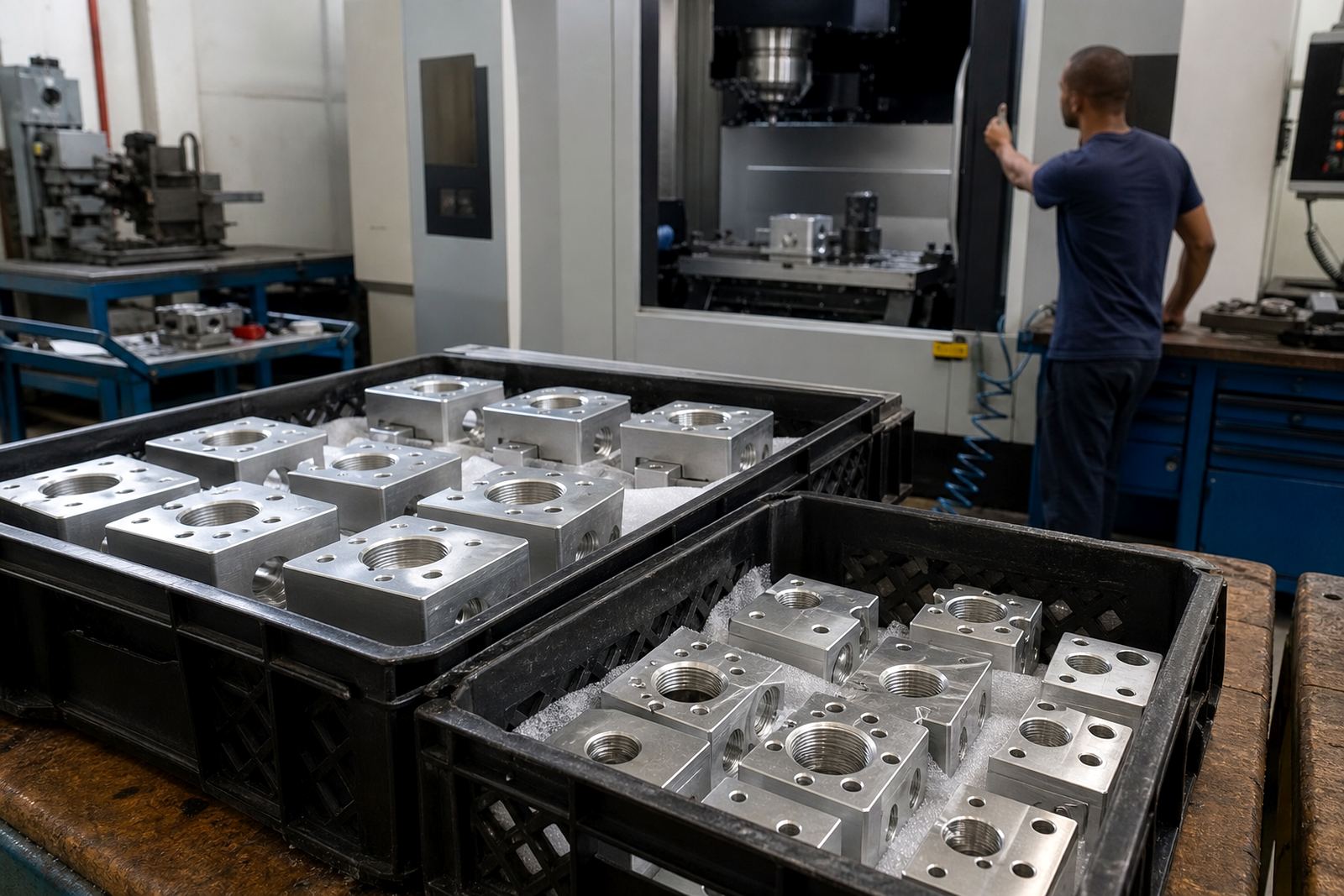
CNC milling is used for parts with flats, slots, pockets, holes and shaped faces. It suits brackets, covers, housings, mounting blocks and plates that need accurate hole positions and clean edges. In small-batch work, milling is often the quickest way to get a part that fits without hand finishing every item.
Typical value points in milling jobs include:
- Reworking a part from a damaged sample or a faded drawing
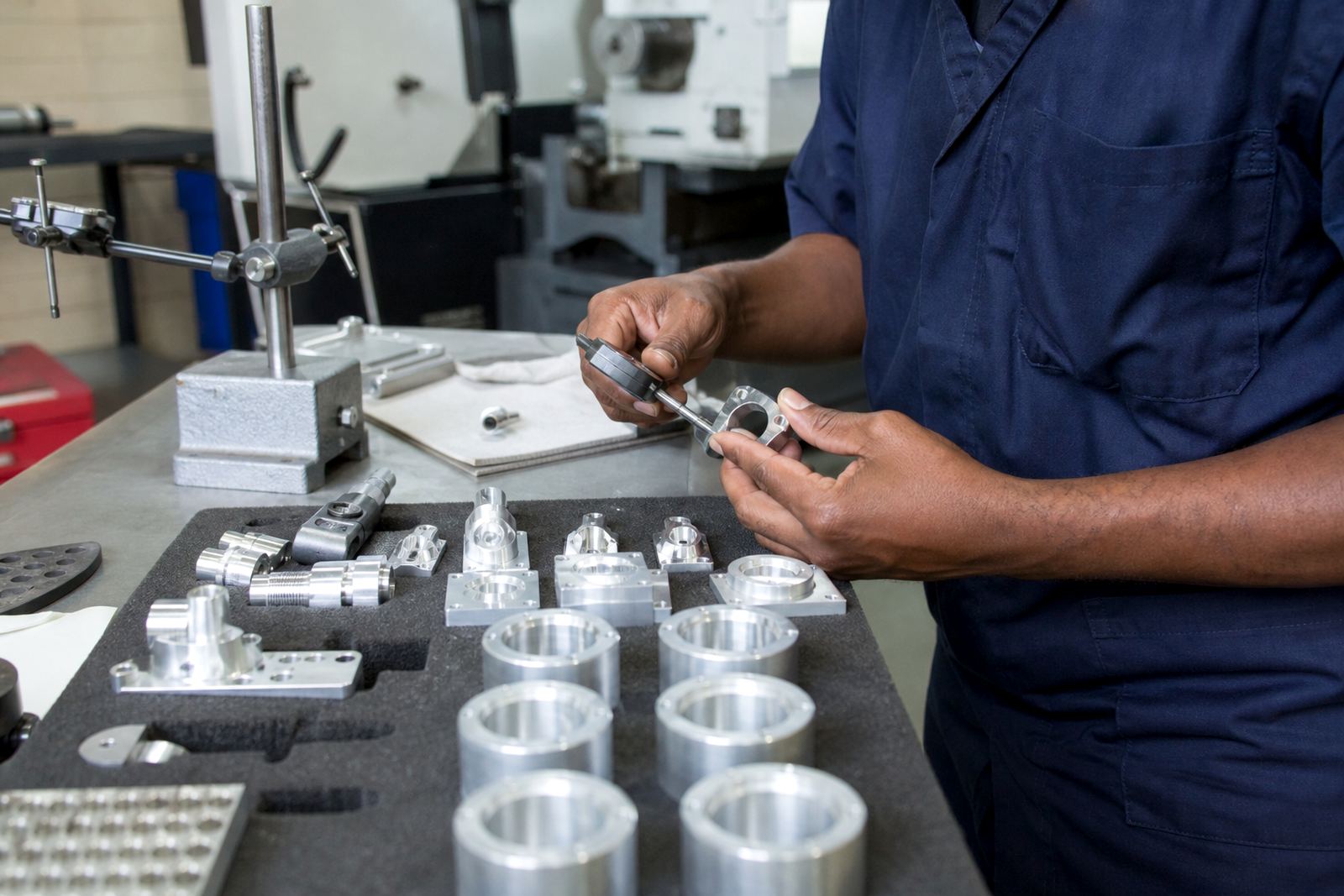
- Holding sensible tolerances for mating faces and hole patterns
- Choosing a material that suits the environment, whether dry inland use or coastal humidity
- Checking that the part still fits after coating, anodising or assembly
On the shop floor, load-shedding planning also matters. Short runs need steady process control so that parts made before and after an interruption stay consistent, which is important when a client wants the same result on a repeat order months later.
When CNC turning is the better fit
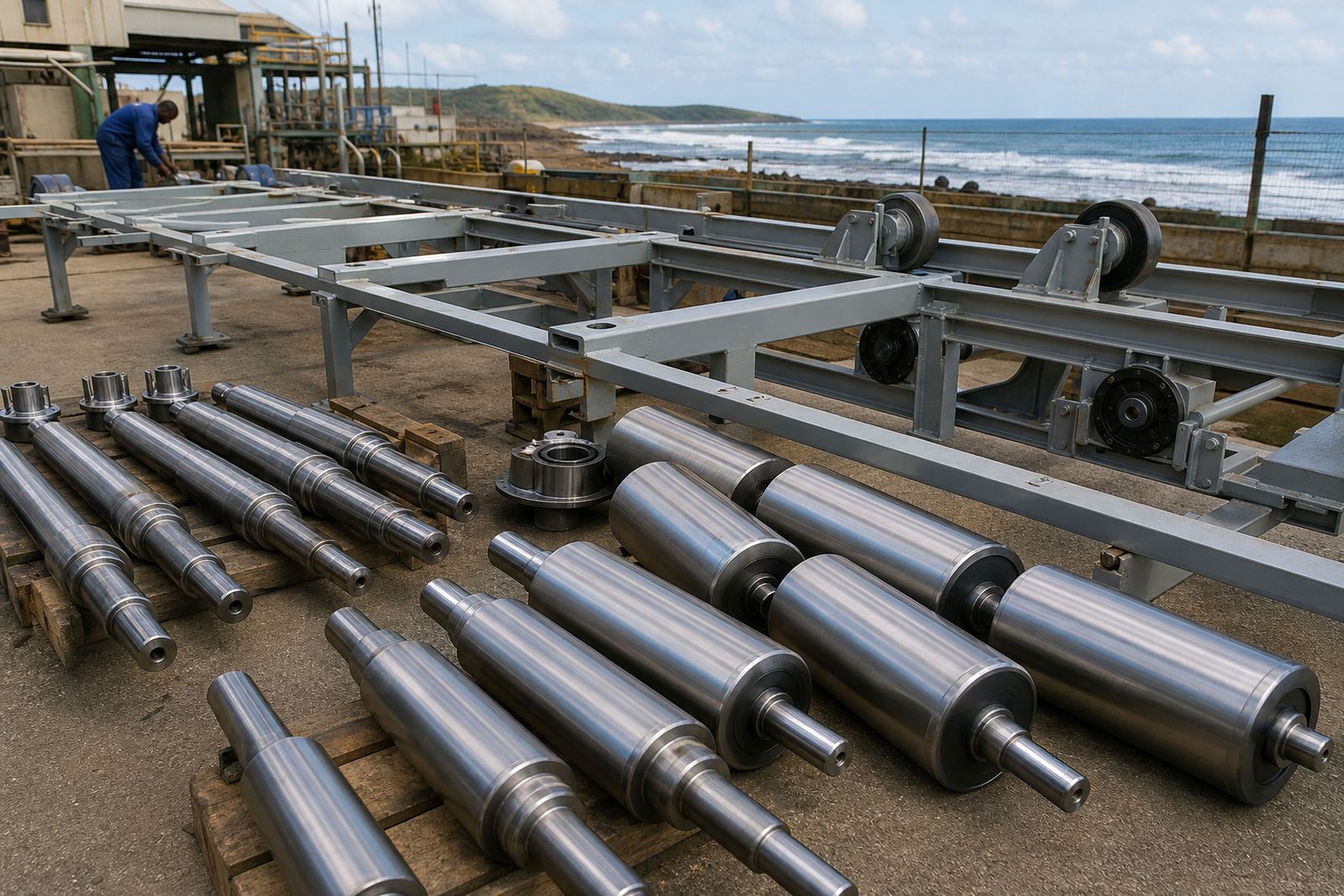
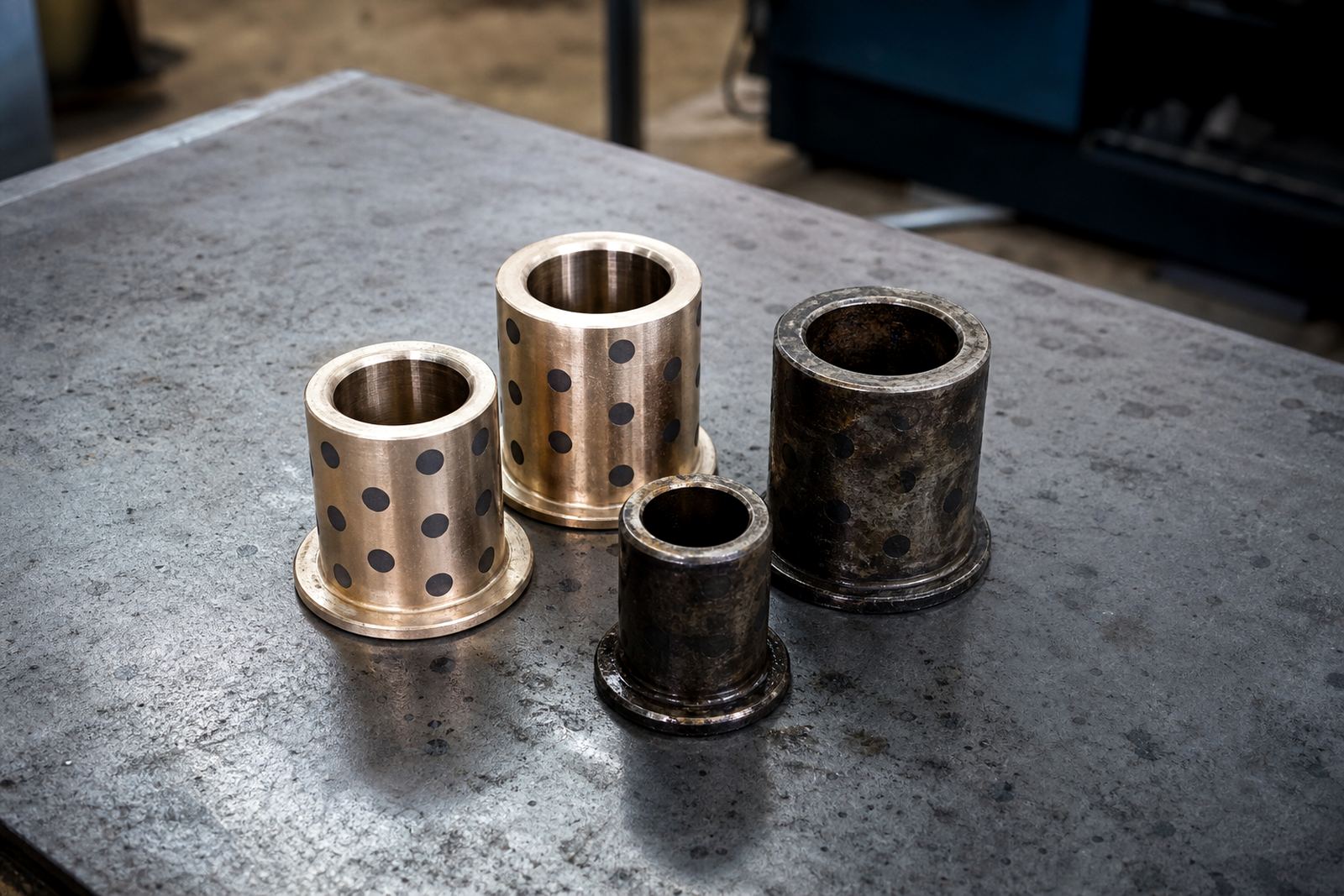
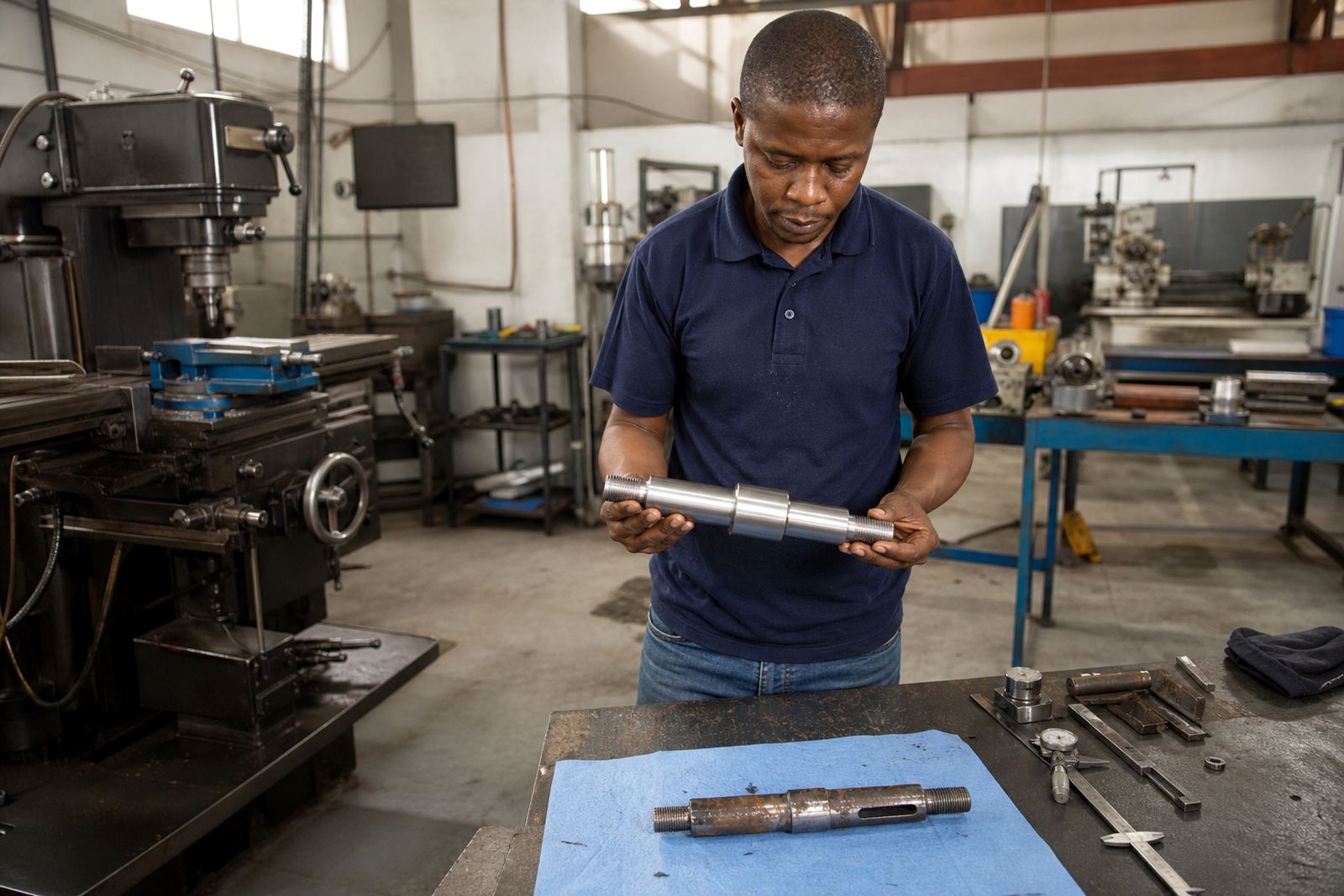
CNC turning is used for round parts such as shafts, bushes, spacers, collars, pins and threaded components. It is the natural choice when the critical dimensions are diameters, concentricity and shoulder positions rather than flat profiles. For many maintenance and replacement jobs, turning is what gets equipment back into service quickly.
Turned parts often need careful attention to material condition, finish and fit. A shaft that is too tight can damage bearings, while one that is too loose creates wear and vibration. PME CNC Machining’s job stories often show how a good repeat part protects the wider assembly, not just the single component.
Materials that come up again and again
Small-batch machining in South Africa usually calls for common engineering materials that can be sourced and machined reliably. The choice depends on strength, wear, corrosion resistance and the end use of the part. Coastal clients may favour materials that handle moisture better, while inland applications may focus more on cost and machinability.
- Mild steel for general brackets, frames and repair parts
- Stainless steel for corrosion-prone environments and washdown areas
- Aluminium for lighter parts where machining time and weight matter
- Engineering plastics for guides, spacers and low-friction components
These stories do not promise one material over another. They show how material selection changes the machining approach, from cutting method and tool wear to final inspection and fit checks.
What repeat work tells you about quality
Many job stories are less about a single part and more about what happens on the next order. A good first run is useful, but the real test is whether the same dimensions, hole positions and finishes can be repeated later without confusion. That is where drawing updates, sample part remake work and inspection reporting become important.
When a client across Durban, Pietermaritzburg or Johannesburg comes back with the same job, the shop must keep the process clear. Good notes on tolerance guidance, batch planning and assembly fit checks reduce avoidable rework. It also helps when an older component no longer matches the original drawing and the update has to be captured properly.
Choosing the right story for your own part
If you are comparing examples, focus on the problem that sounds most like yours. A worn bush points to turning. A mounting plate with multiple holes points to milling. A part that must match an assembly points to tolerance guidance and fit checks. A recurring order points to repeat order support and delivery coordination.
PME CNC Machining works from Pinetown and supports clients across KwaZulu-Natal and beyond, including Umhlanga, Richards Bay and Johannesburg. The job stories in this hub are meant to help you see how small-batch machining is approached in practice, from drawing review to the finished part ready for use.