Why Plastics Get Chosen Over Metal
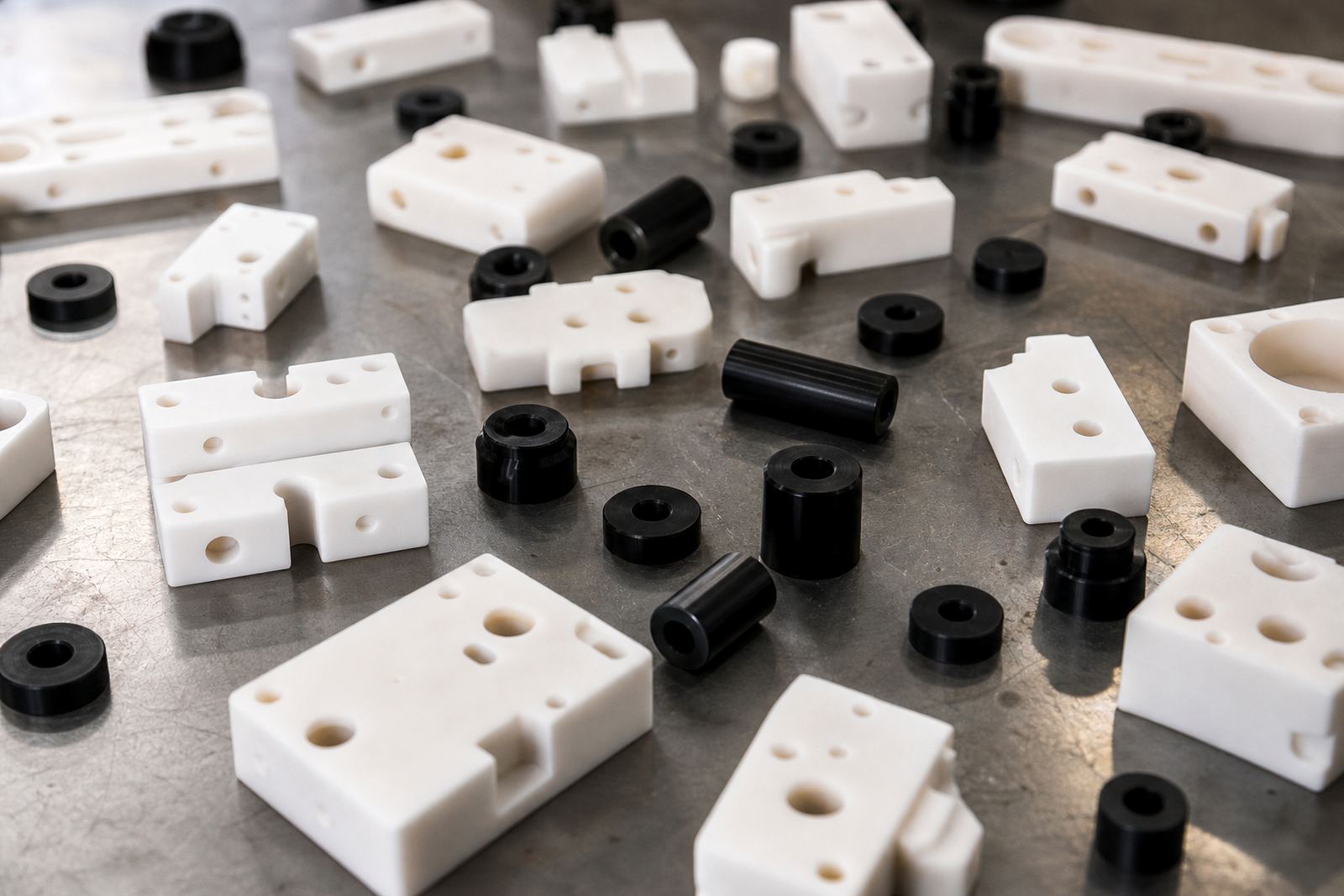
For many small-batch parts, plastics solve problems that metal cannot. They reduce weight, do not rust, and can run quietly where sliding contact is involved. That makes them useful for wear strips, guide components, electrical insulators, spacers, guards and handling parts that need to be easy on surrounding equipment.
In coastal areas like Durban and Richards Bay, moisture and salt in the air can be hard on exposed metal. A suitable engineering plastic can help reduce corrosion issues and avoid constant rework. The key is choosing a grade that suits the job, because not every plastic behaves the same once it is clamped, cut or left under load.
- Lower weight for easier handling and assembly
- Good electrical insulation for many applications
- Better resistance to moisture and some chemicals
- Often quieter than metal in moving assemblies
How CNC Milling And Turning Handle Plastic Parts
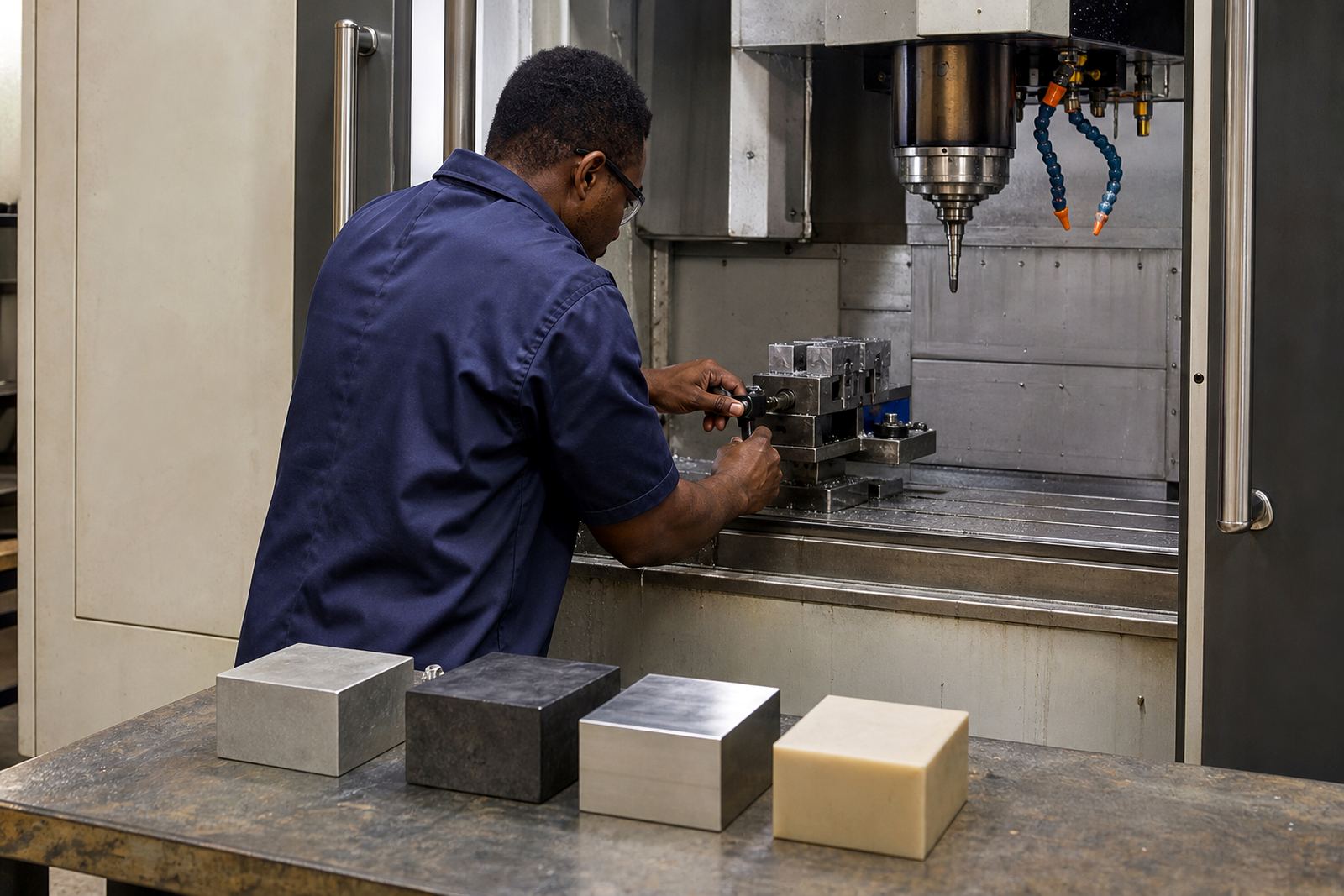
Plastics machine differently from steel or aluminium. They can soften with heat, move slightly after cutting, and show tool marks if the feed and speed are not right. CNC milling is used for profiles, pockets, slots and faces, while turning suits round components such as bushes, rollers, collars and spacers. With plastics, the setup matters just as much as the toolpath.
A clean cut and proper chip control help prevent melting, chatter and edge tearing. Clamping needs to be even, especially on softer materials that can distort if squeezed too hard. If a part must fit into an assembly, it is worth checking whether the finish size should be measured after the material settles, because some plastics release stress after machining and shift slightly.
For local manufacturing in Pinetown, that practical detail saves time. A part that looks right on the machine but binds in the field creates delays for maintenance teams in Pietermaritzburg or production lines in Johannesburg.
Choosing The Right Plastic For Wear, Heat And Fit
The best material depends on where the part works, what it carries and how it is loaded. Some plastics are chosen for wear resistance, others for electrical insulation, chemical exposure or low friction. In a shop job, the wrong choice can mean creep, cracking or premature wear. A part that sits under constant pressure may need a stiffer grade, while a spacer in a damp area may need better stability and moisture resistance.
Typical considerations include the working temperature, whether the part will slide against another surface, and whether it must stay dimensionally stable during long use. For sample part remake work, it is often wise to inspect the worn original before copying it exactly. The old component may have failed because the design, not just the material, was off.
- Wear strips and liners where friction is expected
- Insulating spacers and mounting pieces near electrical equipment
- Lightweight brackets and covers where mass matters
- Guide parts that must move smoothly without galling
Tolerances, Finish And What Clients Should Ask For
Plastic parts can be machined accurately, but the tolerance plan must suit the material. A tight fit that works in metal may be too aggressive in plastic if the part expands, flexes or changes slightly after cutting. That is why drawing review and tolerance guidance are useful before production starts. For some jobs, the best answer is not a tighter tolerance, but a clearer fit allowance or a small design change.
Surface finish also matters. A smooth face can help with sliding contact and cleaning, while a rough finish may trap dirt or create wear points. On drilled holes and mating faces, burr removal is important because plastic burrs can break loose and cause trouble in small assemblies. We often check whether the part is for a dry room, a washdown area or a warm plant room, since the environment changes what counts as acceptable.
When clients send a drawing from Durban or Westmead, it helps to include the actual working condition and not just the size. That information makes the machining more practical and less likely to need a second run.
Small-Batch Plastic Work For Maintenance And Production
Small-batch machining suits replacement parts, pilot runs and production support. It is common to need only a few pieces, but those pieces still need to fit properly and hold up in service. That is where prototype planning and batch planning make a difference. If a line in New Germany has a failed spacer, the fastest route is often to remake the sample, check fit, then repeat the order with any drawing updates.
In practice, the order may include a mix of turning and milling, plus inspection reporting and assembly fit checks. A local example is a plant in Pinetown needing nylon wear strips for moving guides, while a sister site in Johannesburg asks for the same part with a small hole position change. Keeping the drawing history clear saves confusion and helps repeat orders stay consistent.
- Prototype parts for testing before full roll-out
- Replacement items for maintenance shutdowns
- Short runs for line changes or equipment updates
- Repeat orders where consistency matters between sites
What To Send With A Plastic Machining Enquiry
A clear enquiry helps the job move faster and reduces back-and-forth. The more complete the information, the better the material choice and machining plan can be. If a part must fit an existing assembly, include the drawing, an old sample if available and any notes about heat, moisture, movement or electrical contact.
Helpful details include the preferred material if known, the quantity required, the finish you need and whether delivery is needed to Durban, Pietermaritzburg, Richards Bay or Johannesburg. If there is uncertainty about the grade, we can guide the choice and suggest practical changes before cutting starts. That avoids rework and keeps the batch on track, even when the lead time is tight and the site is running through load-shedding.
- Dimensioned drawing or sketch
- Existing sample part for comparison
- Application notes such as wear, heat or electrical use
- Quantity needed and delivery location
Why Local Machining Support Makes A Difference
Plastic parts are often small, but their impact on a machine can be big. A worn guide, cracked spacer or loose insulator can slow a line down quickly. Local machining support in Pinetown means the work can be discussed in practical terms, with attention to transport, turnaround and the realities of industrial sites across KwaZulu-Natal and Gauteng.
PME CNC Machining handles drawing review, material selection, part optimisation, inspection reporting and delivery coordination for small-batch work. For engineering plastics, that means making parts that are sized for the job, fit the assembly and stand up to the conditions they will face. When the part is right, it disappears into service and that is exactly what most clients want.