

Practical Support for Small-Batch CNC Work
When a part must fit first time, the drawing is only the starting point. PME CNC Machining supports clients across Durban, Pinetown, Pietermaritzburg, Richards Bay and Johannesburg with advice that helps turn a concept or revised drawing into parts that can be machined consistently. That includes CNC milling for flat faces, pockets, holes and profiles, as well as CNC turning for round parts, shafts, spacers, bushes and threaded items.
This support is especially useful for short runs, repeat orders and replacement parts, where small changes in geometry can affect cost, lead time or assembly. We look at the intended use of the part, how it will be fitted, and whether the design is practical for the material chosen. If a feature is difficult to machine, or likely to cause extra setup time, we point that out before production starts.
Drawing Review and Part Optimisation
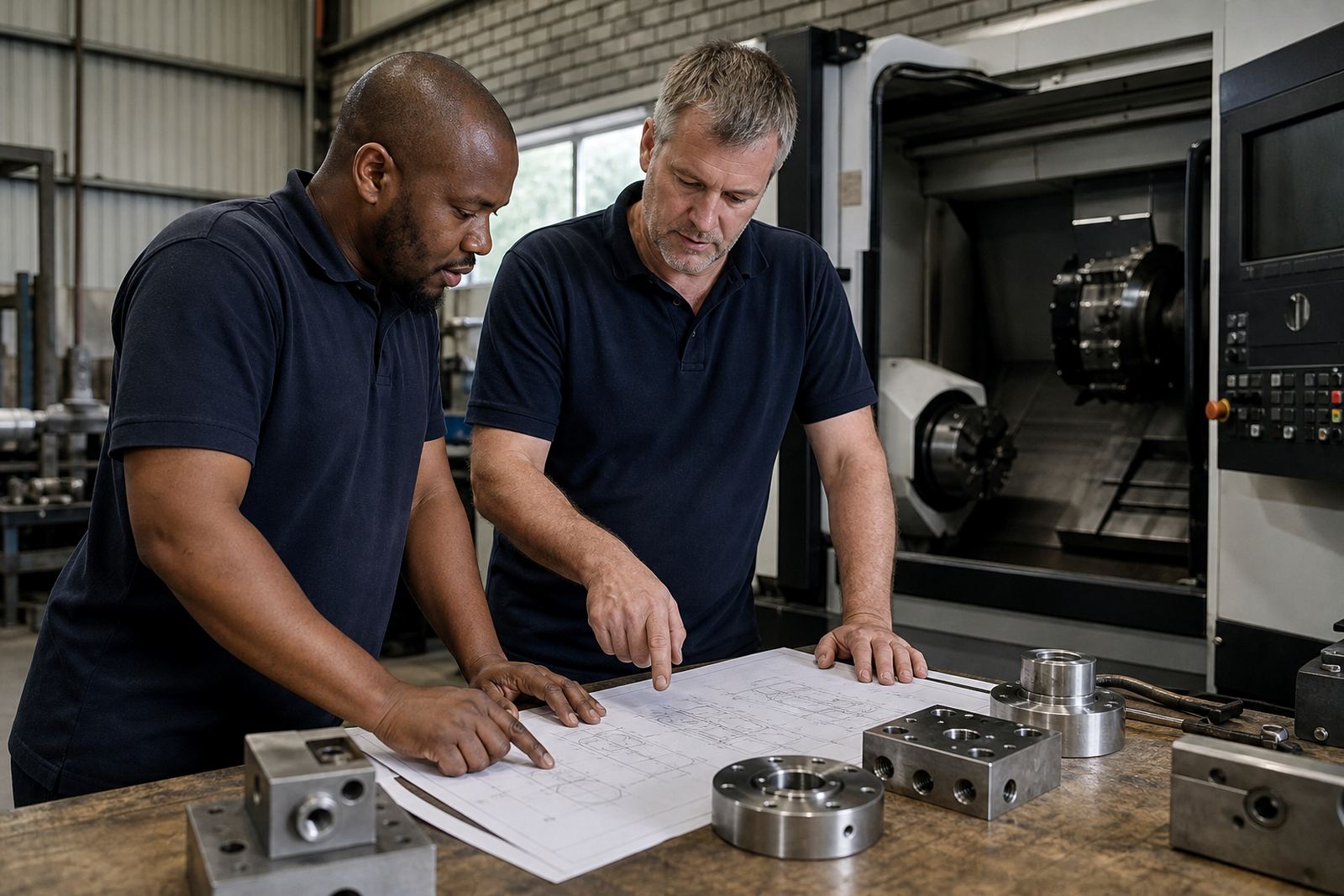
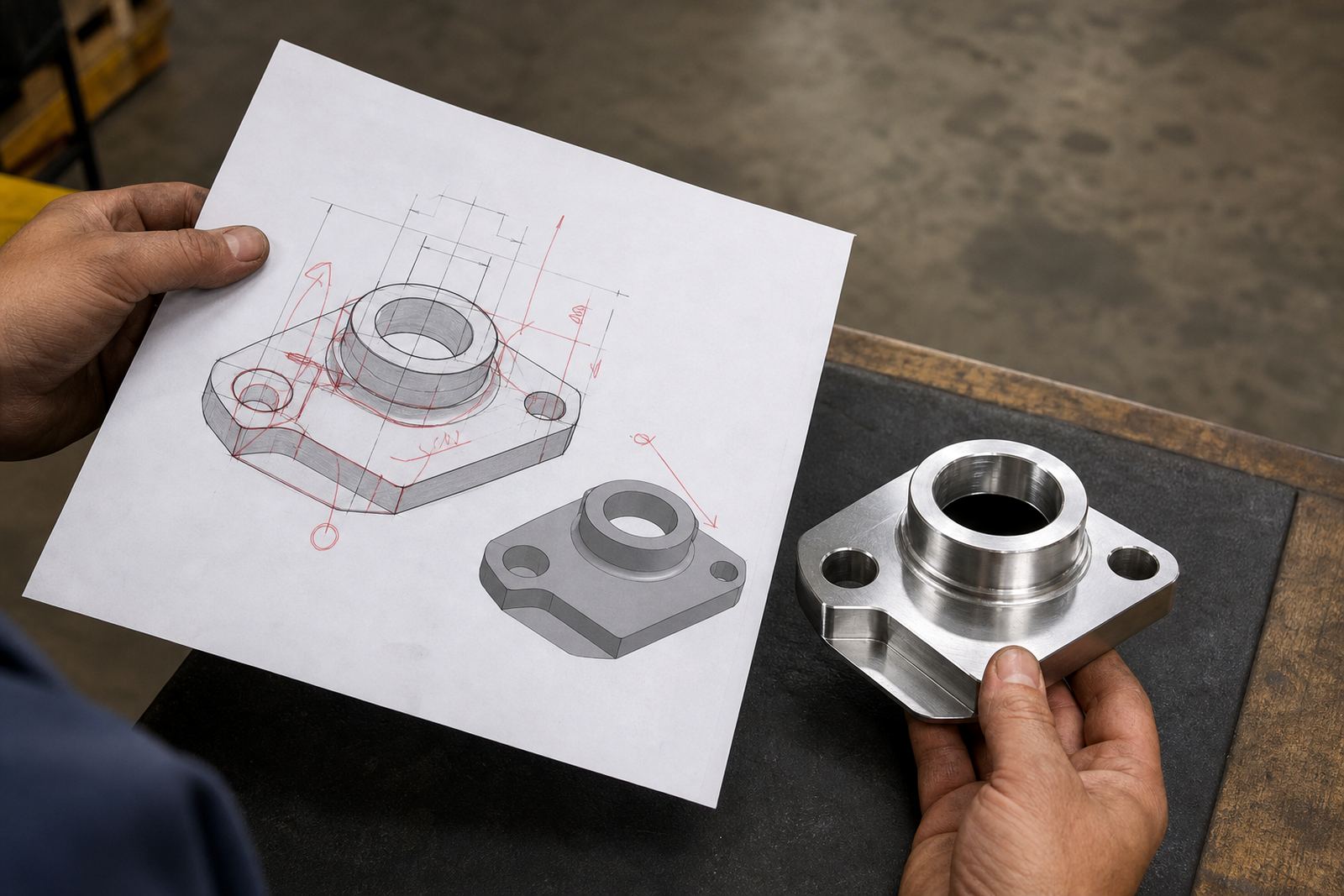
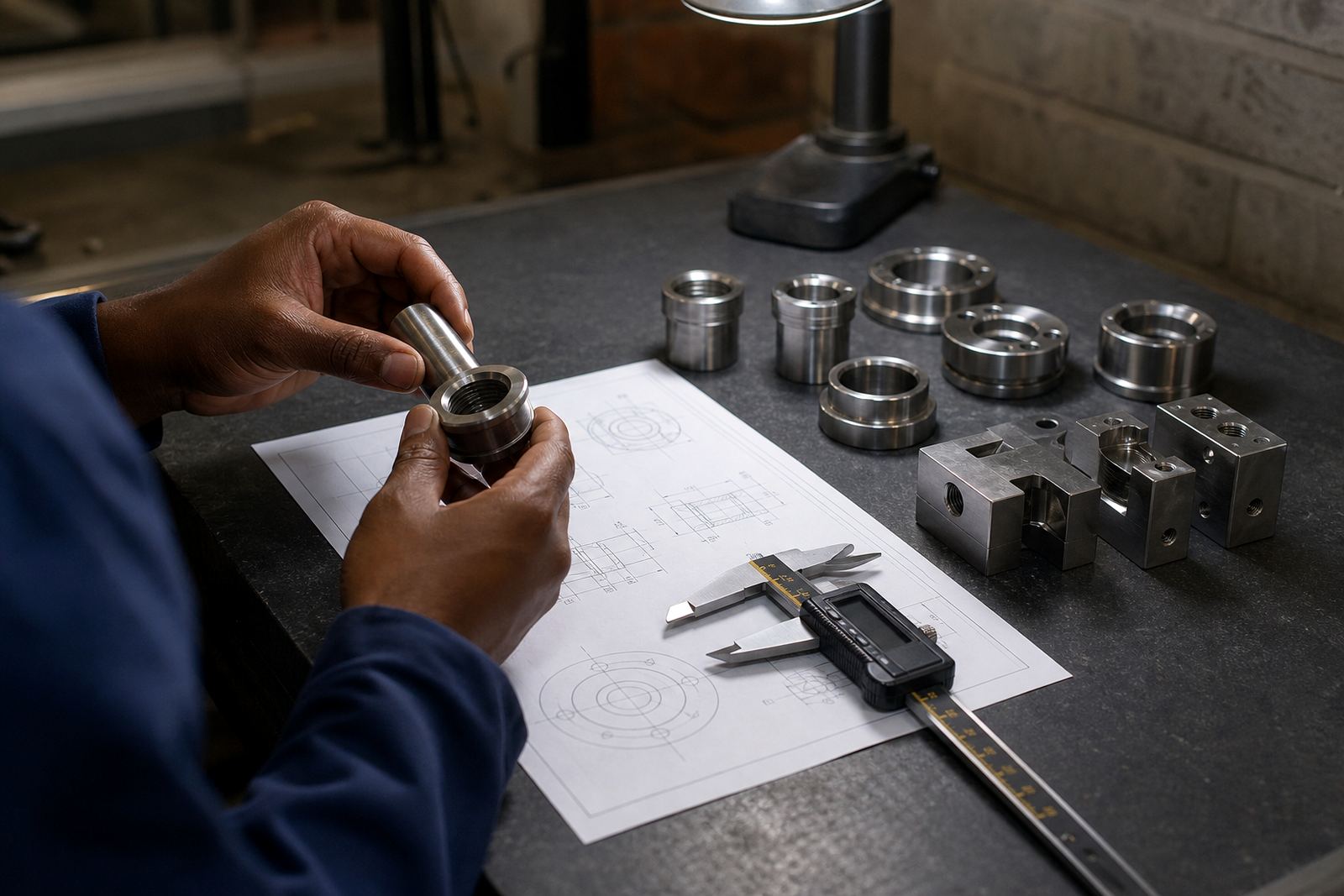
Clear drawings save time and reduce confusion. Our drawing review service checks the details that matter in day-to-day machining, including dimensions, notes, tolerances, hole callouts, thread sizes and surface finish requirements. If a drawing needs clarification, we can help identify the points that should be updated before the first part is cut.
Part optimisation is about making a design more practical without changing its purpose. That can mean adjusting a sharp internal corner, changing a deep pocket, simplifying a drilled pattern or improving access for tooling. In many cases a small change can make the difference between a difficult job and a repeatable one.
- Check dimension clarity and missing notes
- Review tolerances for practical machinability
- Flag features that increase setup time or scrap risk
- Suggest simple changes that improve manufacturability
Material Selection for Real-World Conditions
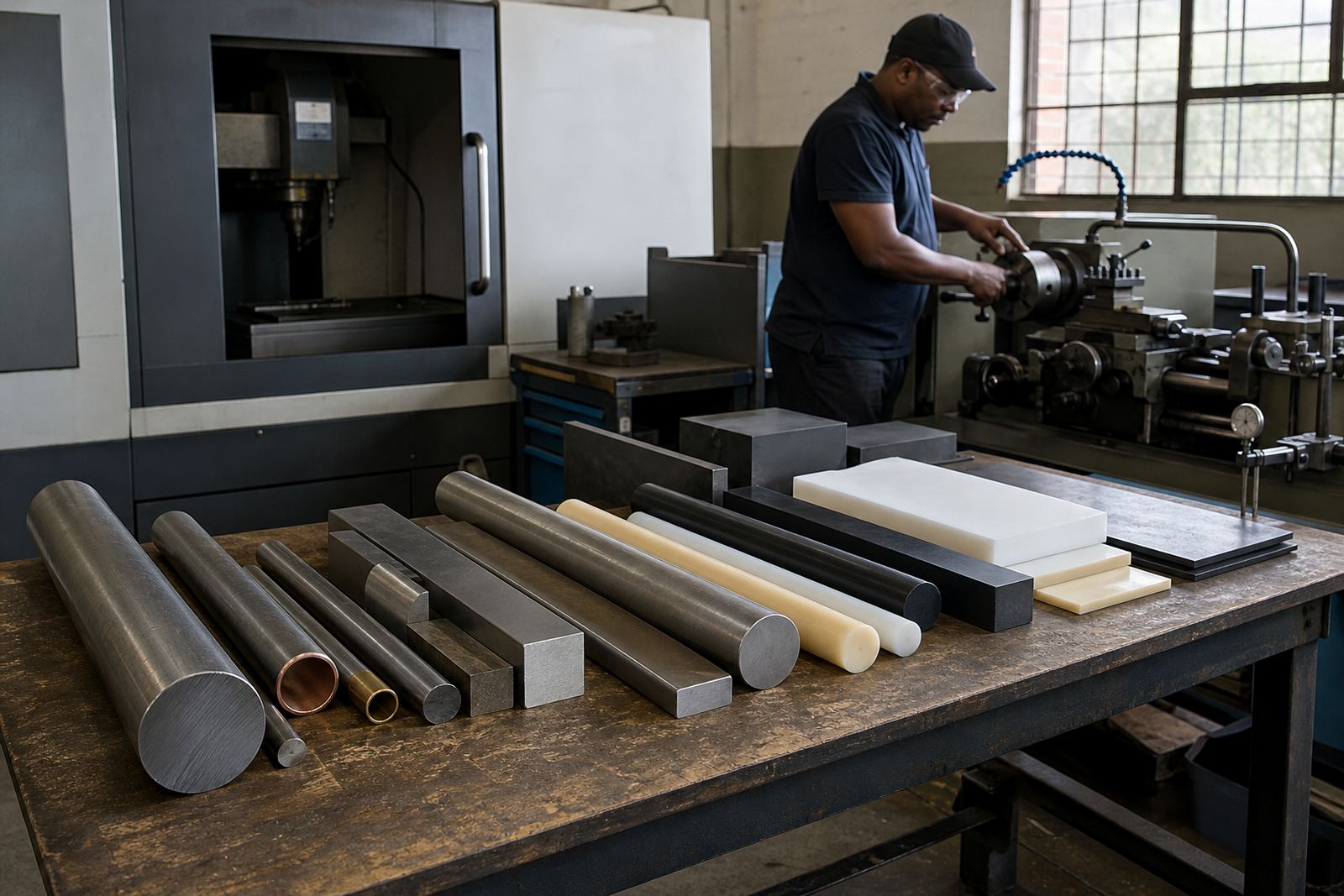
Material choice affects machining time, wear on tooling and how the finished part performs in service. We work with clients on material selection for parts that may face heat, vibration, moisture, dust or regular handling. In coastal areas such as Durban and Richards Bay, corrosion resistance can matter just as much as strength. In inland use, wear resistance or dimensional stability may be the main concern.
For each job, we consider the purpose of the part, the environment it will work in and whether the material is suitable for the required finish. Plastics and metals each have their place, but the wrong selection can lead to distortion, poor thread quality or a part that does not hold up over time. Good planning at this stage can prevent costly remakes later.
Tolerance Guidance and Fit Checks
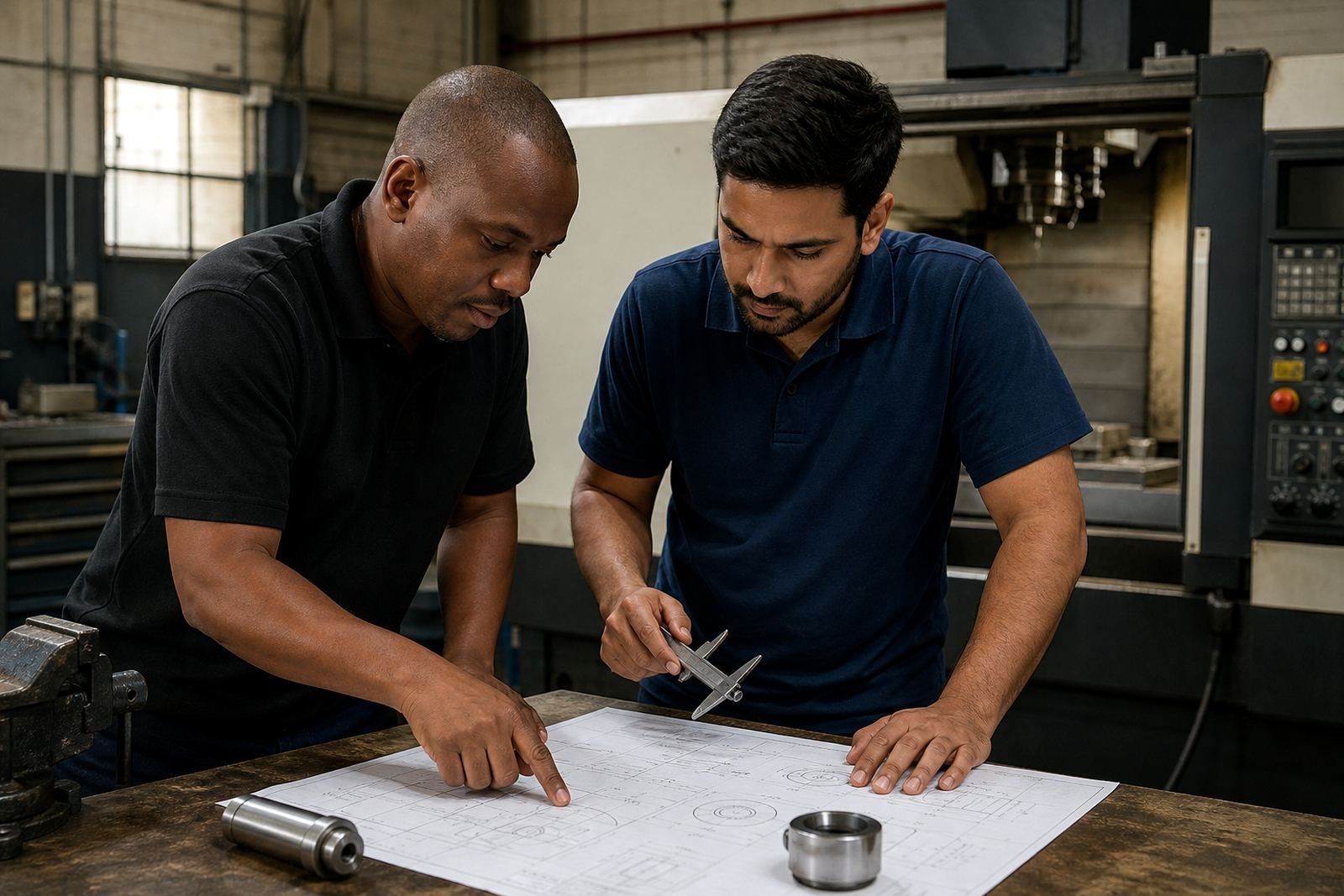
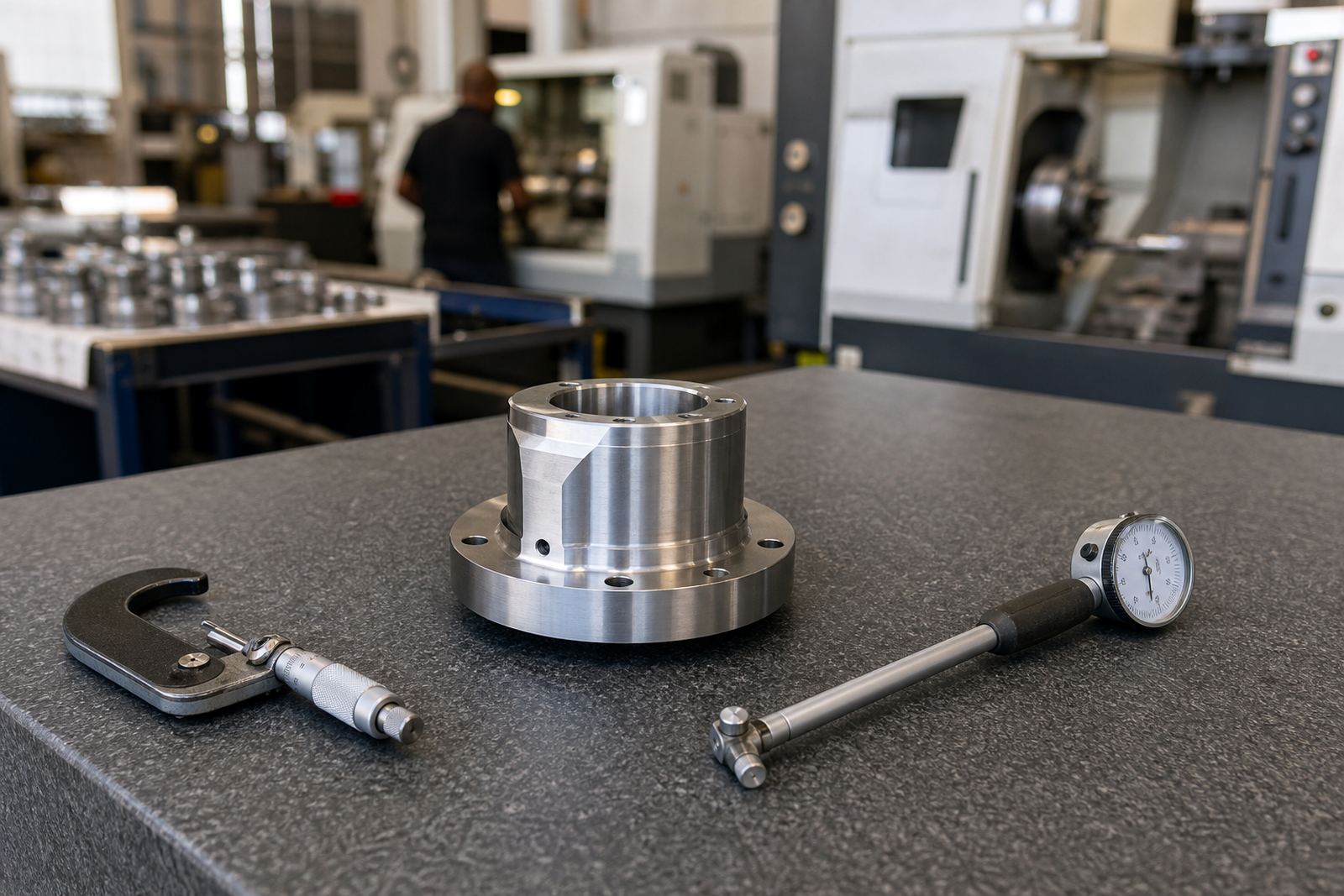
Tolerances should be chosen with the whole assembly in mind, not only the part itself. PME CNC Machining offers tolerance guidance so clients can decide where a tighter fit is necessary and where a standard machining tolerance will do the job. This helps avoid over specifying dimensions that add cost without improving performance.
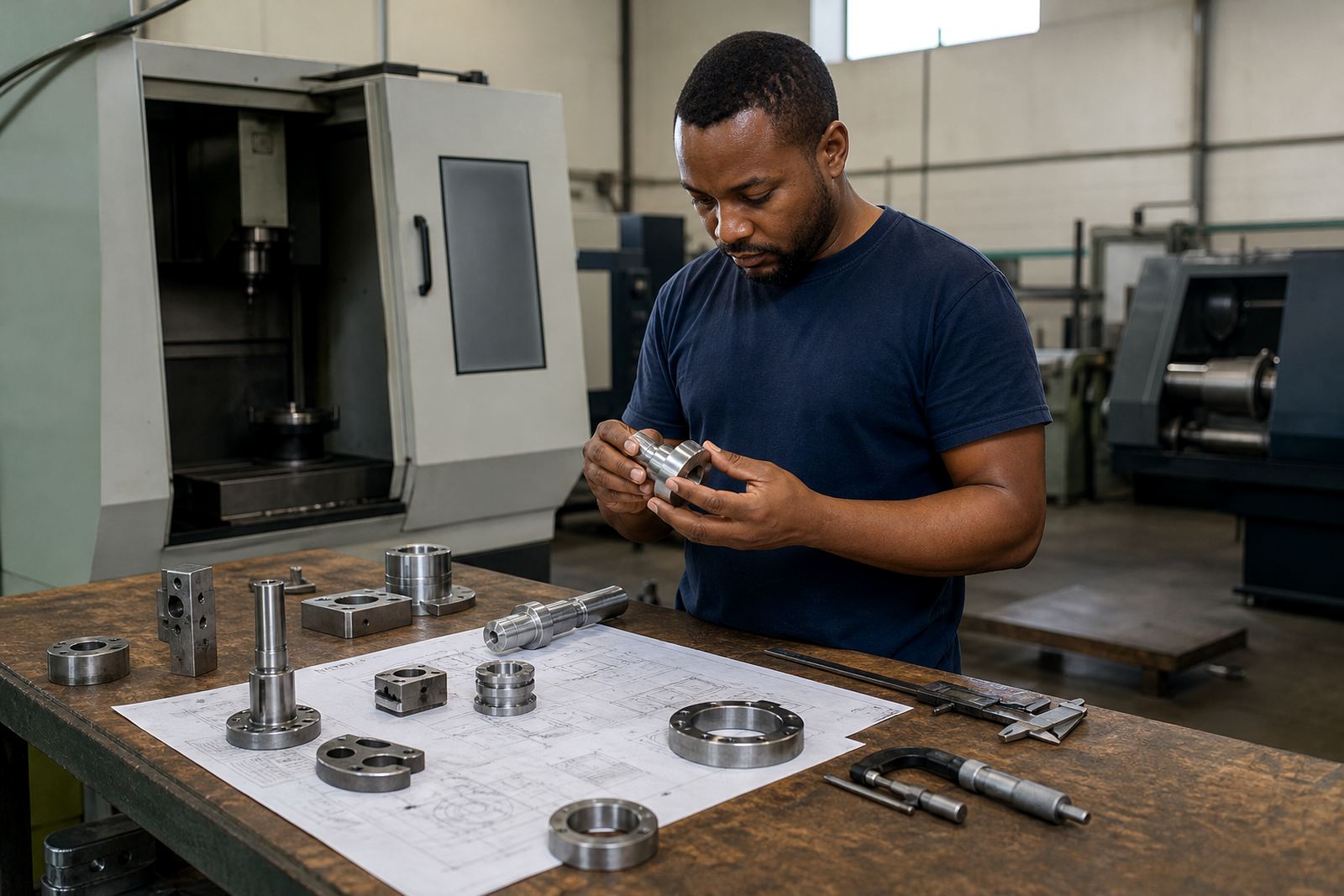
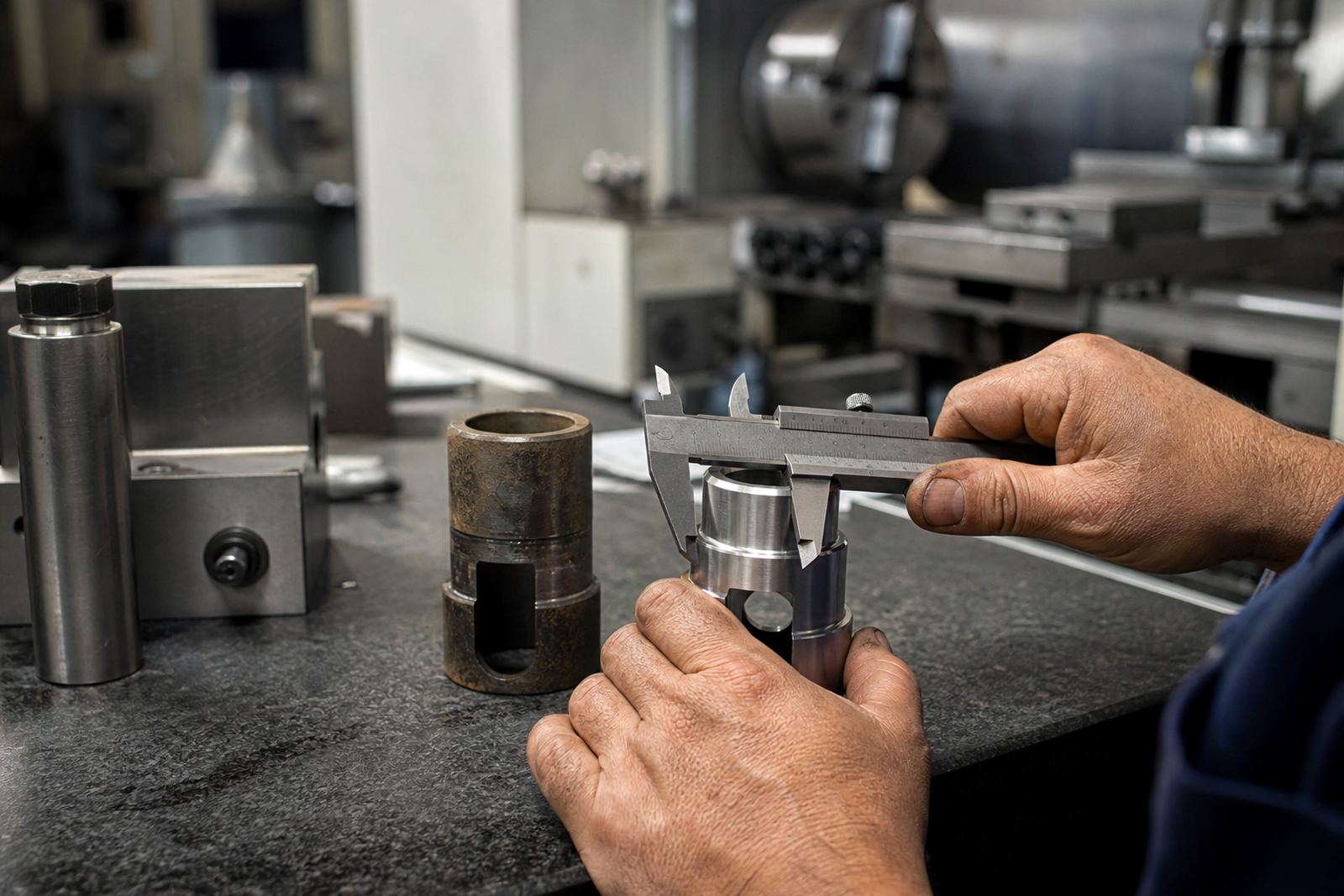
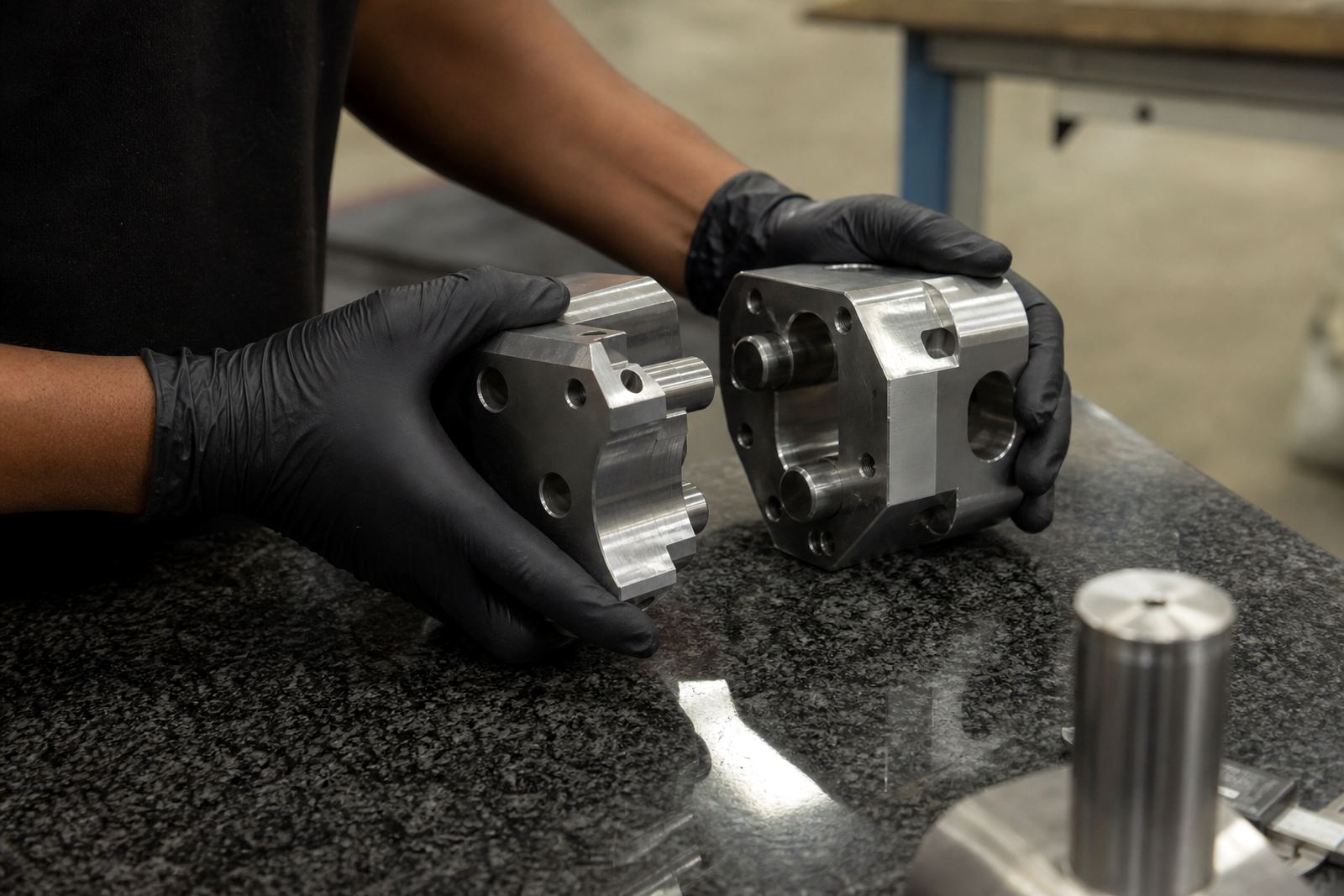
For assemblies with mating components, we can carry out assembly fit checks and sample part remake work where needed. This is useful for bushes, spacers, brackets, covers and other parts that must align correctly with existing equipment. If a repeat order is needed, keeping the same tolerances and note structure makes later batches easier to manage.
- Guide tolerances for functional and non-critical features
- Check fit on assembled components before repeat production
- Reduce guesswork on mating parts and interfaces
- Support sample remakes when the first version needs adjustment
Batch Planning, Repeat Orders and Delivery Coordination
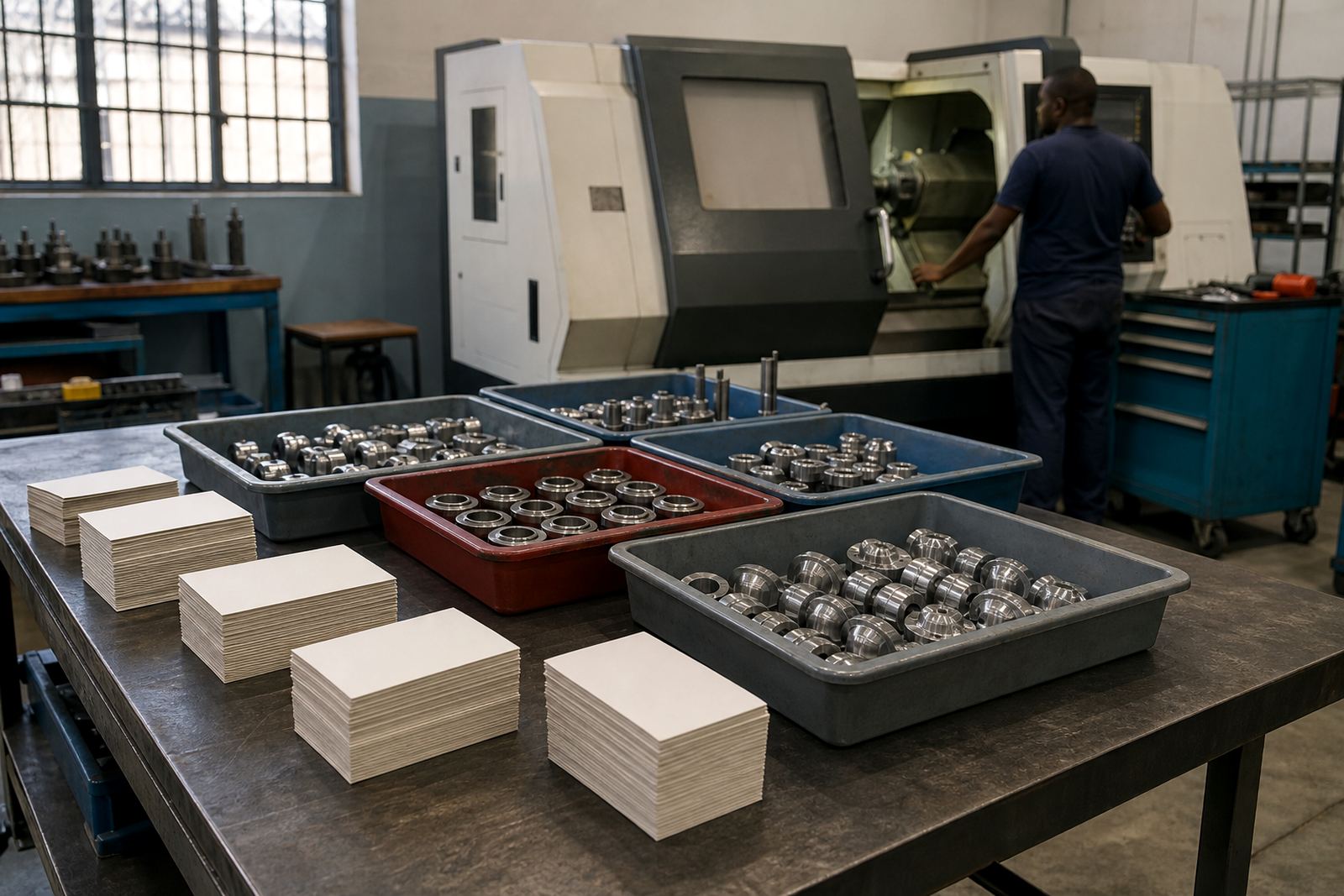
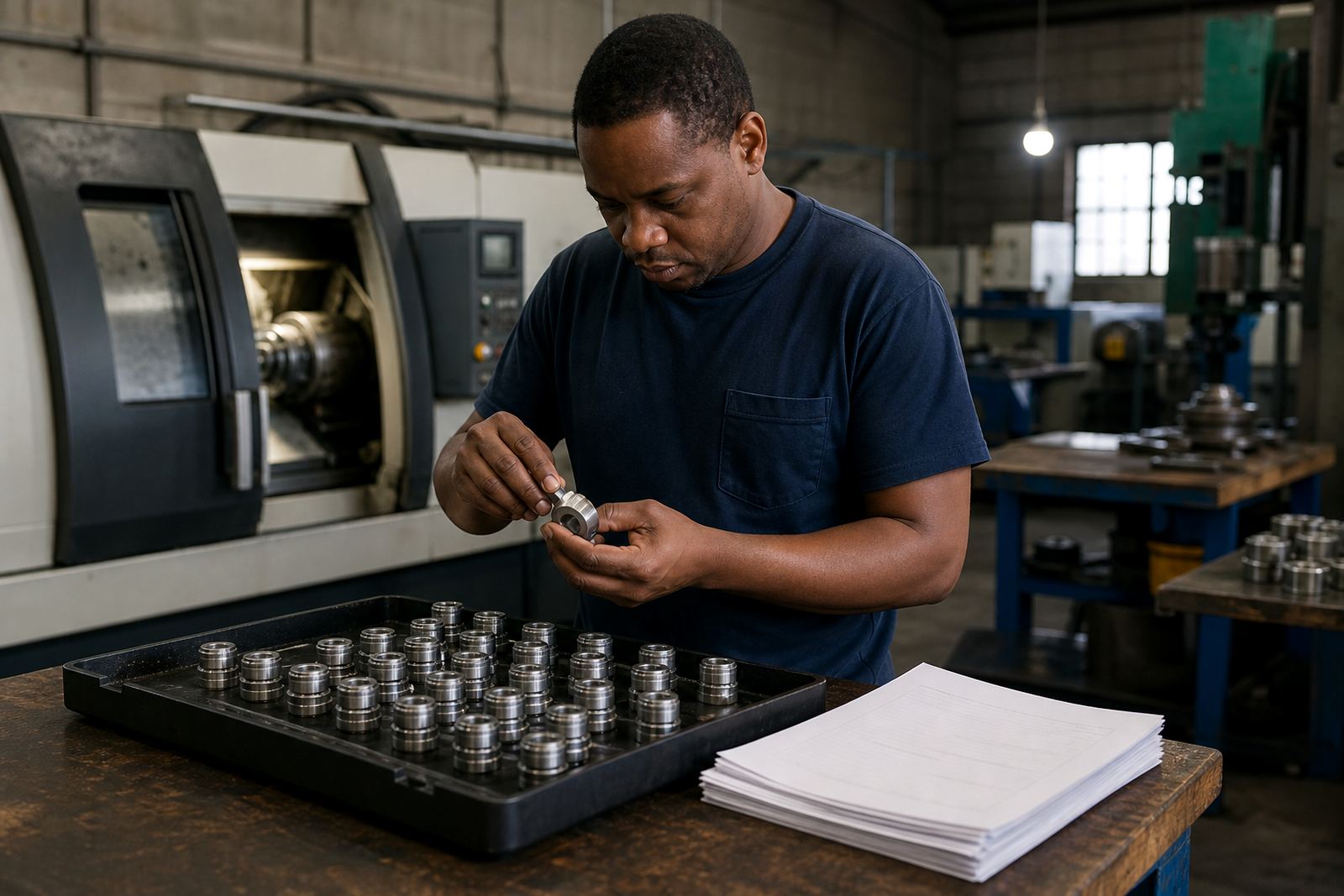
Small-batch production works best when the order is planned properly from the start. Our batch planning service helps with quantities, sequencing and repeatability, especially when a client needs a limited run now and more later. That matters for businesses balancing stock control, maintenance schedules and project work across South Africa.
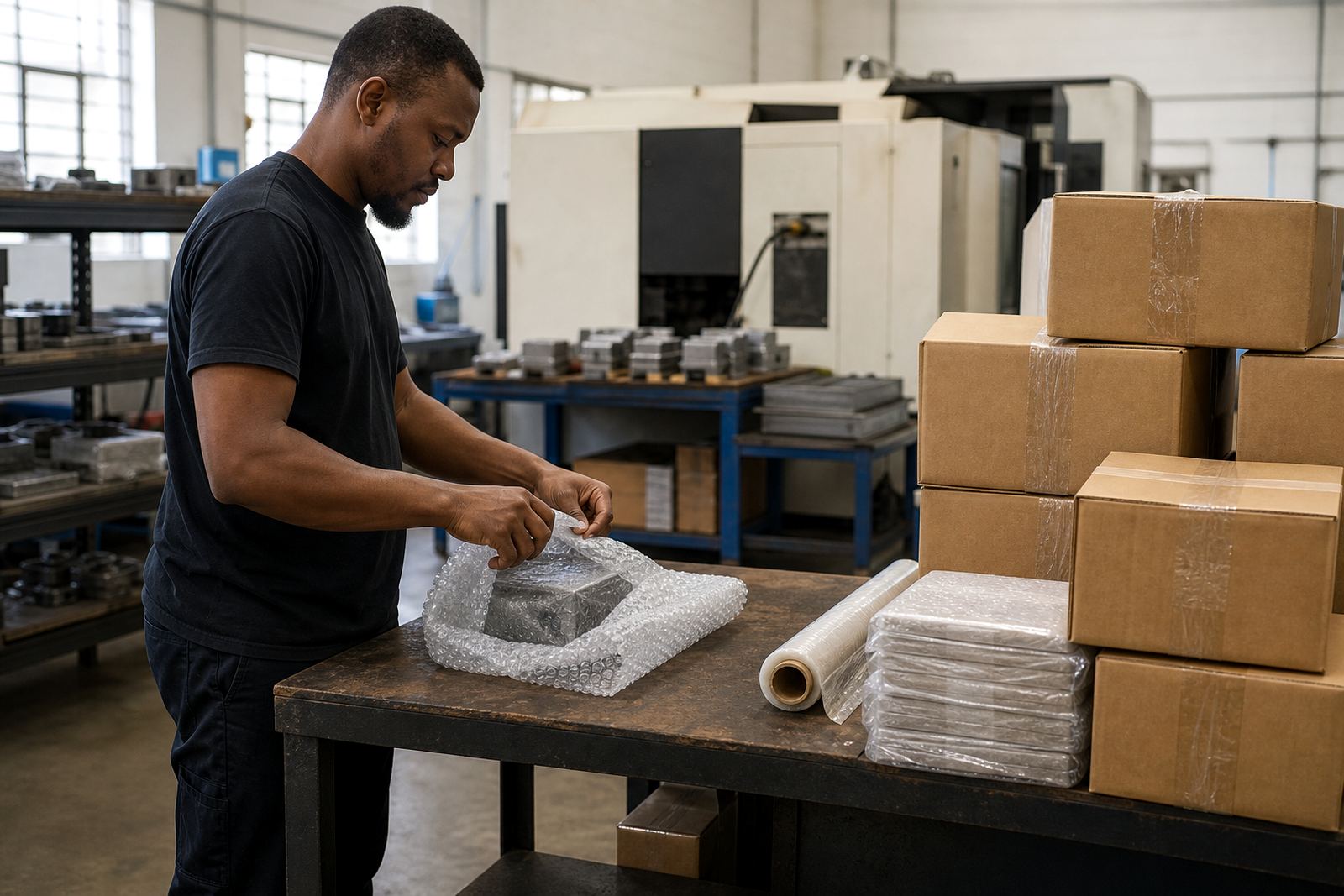
We also support repeat order work, drawing updates and delivery coordination. If a part has already been made and needs a small revision, we can help track the change so the next batch stays aligned with the latest version. This is useful for clients dealing with time pressure, site work or machinery that cannot wait for a drawn-out remake process.
How Clients Usually Start a Job
Most jobs begin with an enquiry through the contact page and a set of drawings, sketches or part details. From there, we assess the request, discuss the machining approach and advise on material, tolerances and any likely production issues. Clients in Pinetown, Westmead, New Germany, Umhlanga and further afield often come to us when they need a practical answer rather than a long report.
If the part is for a new build, a replacement item or a repeat order, the aim is the same: make the work straightforward to machine and dependable in use. The more complete the information, the easier it is to plan the job properly and avoid delays later on. A well prepared enquiry usually leads to better output and less back-and-forth.
- Send drawings, samples or photos with dimensions where possible
- State the material if it is already fixed
- Note how the part fits into the assembly
- Include any deadline or delivery requirements