Turning works best on parts that need to stay round
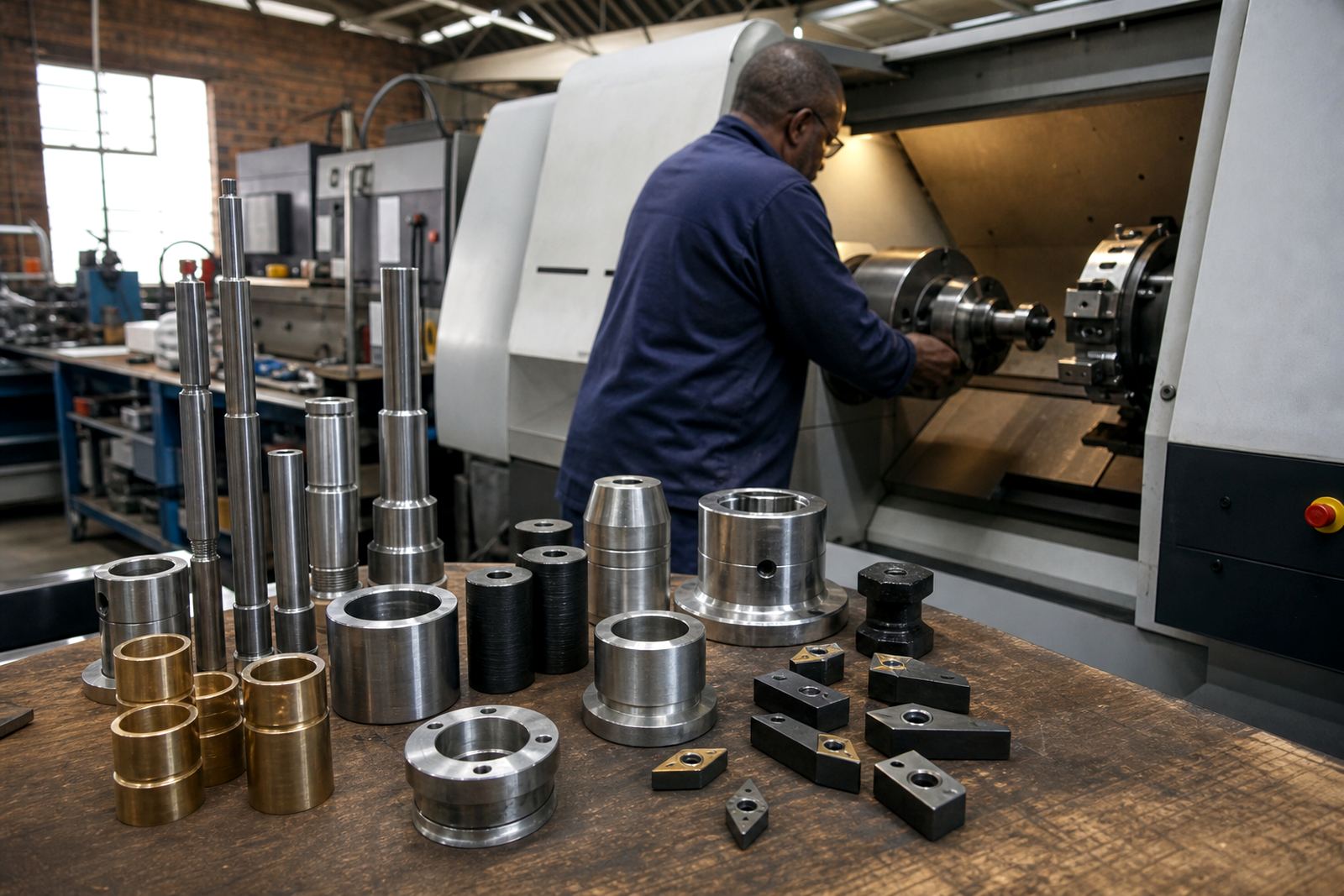
Turning is the machining process to choose when the part starts from round bar, tube or a pre-machined blank and the important features are all on the same centre line. In a CNC lathe, the workpiece rotates while the cutting tool removes material to form outside diameters, bores, shoulders, grooves, tapers and threads. That makes turning well suited to components that must run true, fit accurately and assemble without fuss.
If a part has mostly cylindrical geometry, turning is usually the more practical route than milling. It helps keep concentric features aligned, which matters for parts that must rotate smoothly or seal properly. For small-batch production, that can reduce extra handling and keep the job more predictable from first piece to repeat order.
Shafts, spacers and collars are natural turning jobs
Shafts are one of the clearest examples. Whether they carry a pulley, bearing, coupling or gear, a shaft often needs accurate diameters, clean shoulders and a good finish on the seating surfaces. Turning is also a sensible option for spacers and collars, where length control and face squareness matter just as much as the diameter.
- Shafts with bearing seats and keyway prep on the same job
- Spacers and standoffs for assembly spacing
- Collars with grub screw grooves or clamp features
- Stepped pins, bushes and sleeves with controlled diameters
When these parts are made on the lathe, the important surfaces are machined from the same setup where possible. That helps with alignment and reduces the chance of small cumulative errors creeping in across the batch.
Bushes, sleeves and rings need clean concentric control
Turned bushes and sleeves are common in equipment repair, light engineering and general maintenance. They often need a precise internal bore, a matching outside diameter and a face that sits square in the housing. If the bore is off centre or the walls vary too much, the part can wear unevenly or fit loosely. Turning makes it easier to hold the centre relationship between the outside and inside features.
Rings are another strong candidate for turning, especially when the job calls for a repeatable outside diameter and a smooth bore. That applies to wear rings, spacer rings, retaining rings and plain sealing rings. Depending on the application, the material might be mild steel, aluminium, stainless steel, brass or engineering plastic, with the final choice guided by wear, corrosion, weight and cost.
When turning is better than milling
Turning is not for every part, but it is the right call when most of the work is rotational. If you are deciding between turning and milling, ask whether the critical dimensions are measured from the centre line or from flat faces and edge locations. If the answer is mostly centre-based, turning usually makes more sense.
- Use turning for round parts with one main axis
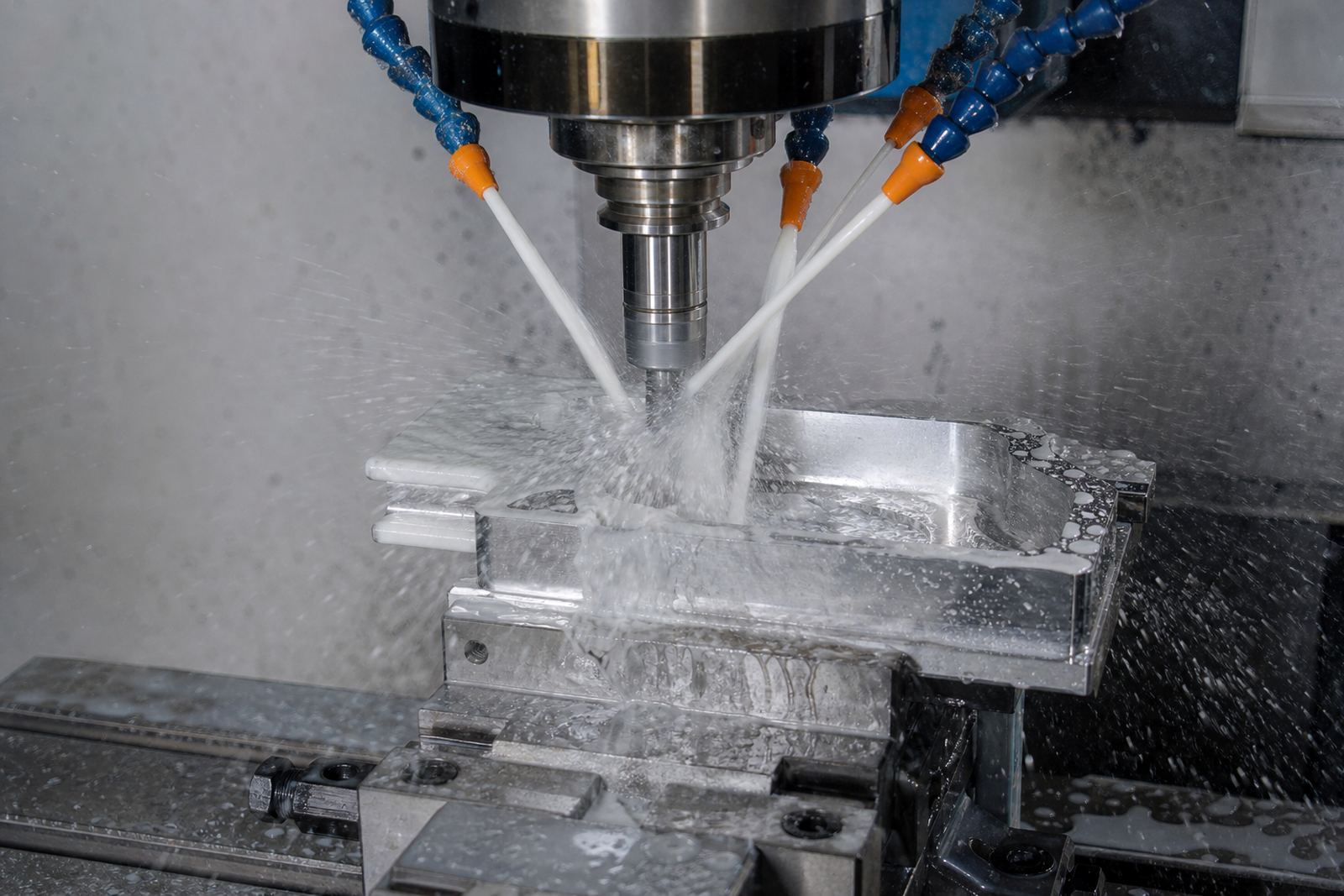
- Use milling when flats, pockets and off-centre holes dominate
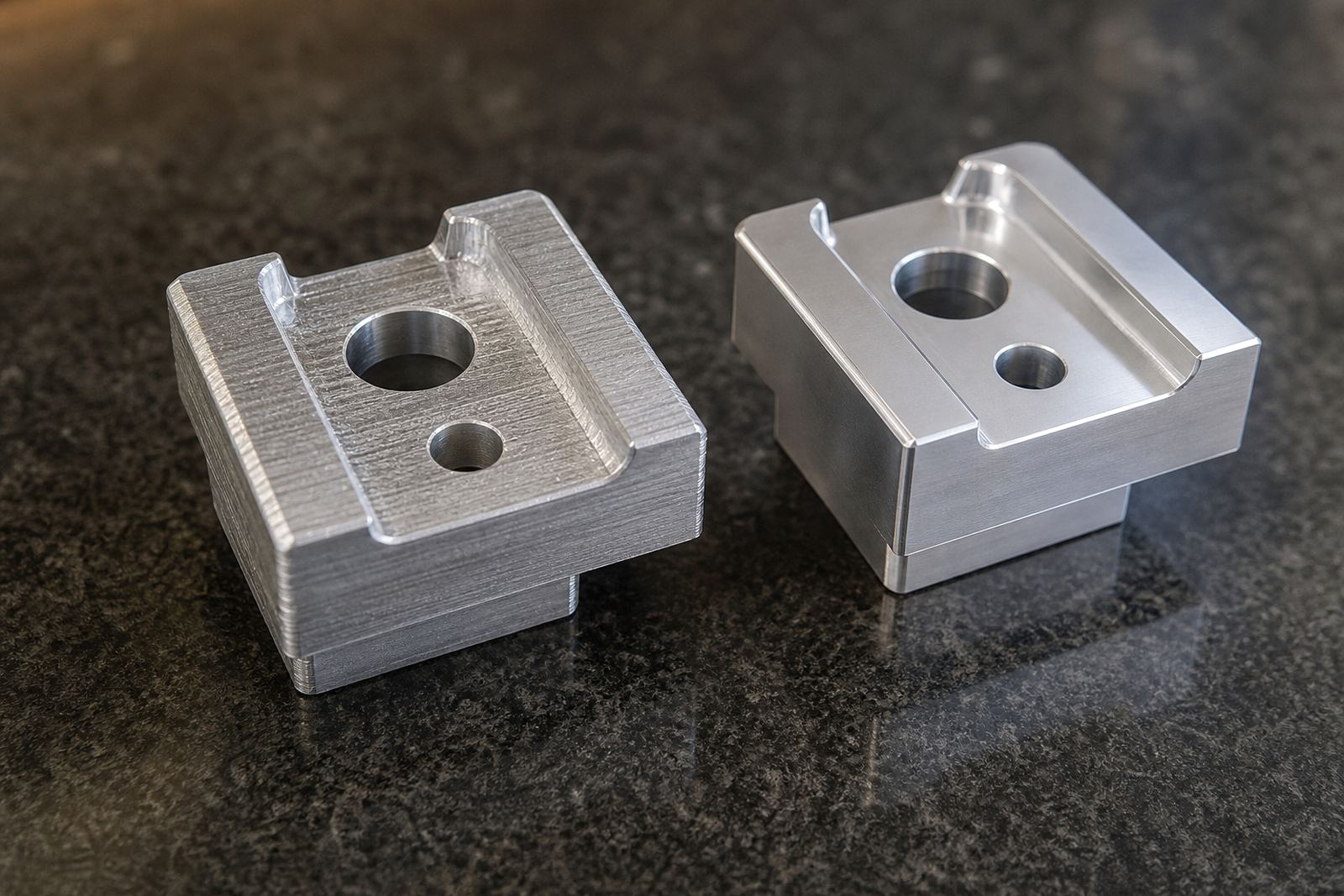
- Use both when a part needs a turned body plus milled features
- Use turning for better concentricity on bores, OD's and shoulders
Many jobs are mixed. A turned blank might be finished with milled slots, cross holes or drive flats after the main diameters are complete. That approach is common in small-batch work because it keeps the critical round features accurate before the secondary features are added.
Materials and tolerances should match the job, not the guess
Good turning starts with the right material choice and a realistic tolerance target. Some materials machine cleanly and hold size with less effort, while others need slower cutting, sharper tools or extra care because they are gummy, hard or prone to movement. A well chosen material can save time and improve consistency across a batch.
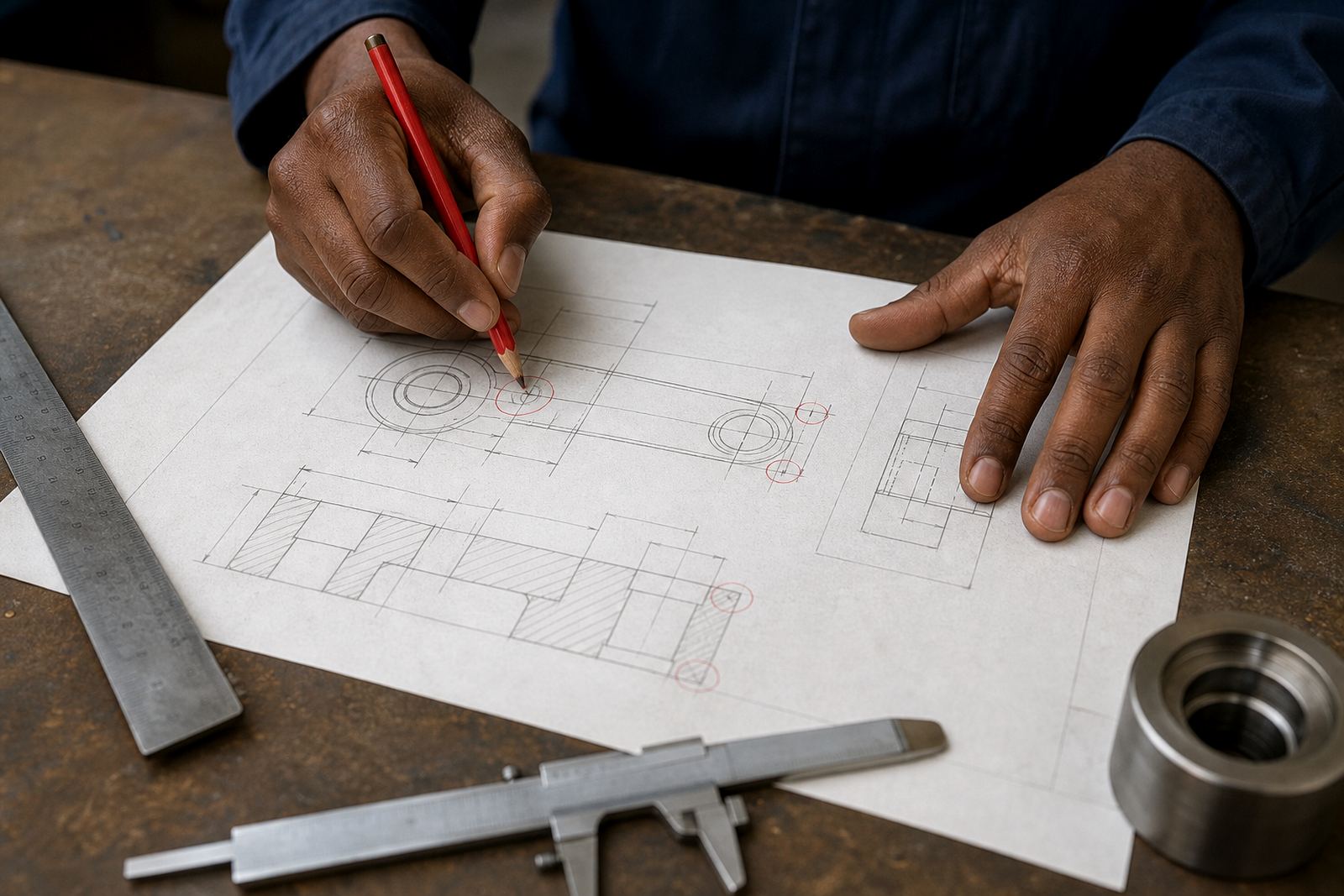
On the tolerance side, the part should be specified to suit how it will be used. A shaft bearing seat is not the same as a loose locating pin, and a running fit is not the same as a press fit. Rather than aiming for the tightest possible number, it is better to decide what the assembly actually needs. That is where drawing review and tolerance guidance help before material is cut.
- Check whether the part sees rotation, heat, vibration or corrosion
- Match the fit to the mating component and the assembly method
- Allow for surface finish where sealing or sliding is involved
- Review whether the part can be remade or adjusted later if required
A local example from Pinetown to Richards Bay
Picture a maintenance team in Pinetown needing a small batch of replacement rollers for a conveyor line. The rollers must run true, carry load evenly and fit into existing mounts without reworking the structure. Turning is the obvious starting point because the part is defined by its diameter, bore and face alignment. If the same job also needs a groove for a ring or a shoulder for a bearing, those features can be built into the turned setup.
For clients across Durban, Pietermaritzburg, Richards Bay and Johannesburg, this is often the practical path when downtime is costly and the order quantity is not large enough for mass production. A clear drawing, the right material and a sensible tolerance target usually matter more than trying to over specify every dimension. In coastal areas, material choice can also help with humidity and corrosion, especially where parts sit near washdown areas or exposed plant rooms.
How PME CNC Machining supports turned parts
PME CNC Machining in Pinetown handles small-batch turning for shafts, bushes, rollers, rings and other round components that need careful setup and repeatable results. The process usually starts with drawing review, then material selection and prototype planning if the part is new or being improved. From there, batch planning, inspection reporting and repeat order support help keep follow-on work consistent.
When a part needs a remake, a tolerance check or a drawing update, it is usually easier to sort that early rather than after a full batch has been released. Clients use the enquiry form on the contact page to send through drawings and requirements, and delivery coordination can be arranged for jobs going into Durban, Westmead, New Germany, Umhlanga, Pietermaritzburg, Richards Bay or Johannesburg.
The simple rule for deciding on turning
If the part is round, concentric and built around a centre line, turning is worth serious consideration. That covers many of the parts people replace most often in repair work and small production runs: shafts, bushes, rollers, rings, sleeves, spacers and collars. It is also a good option when you need clean fits and repeatable geometry without overcomplicating the job.
When the drawing is unclear or the part is being improved from an older sample, a short review before machining can save time and material. That is often the difference between a part that simply looks right and one that fits the machine the first time.