Why a worn sample is often the best starting point
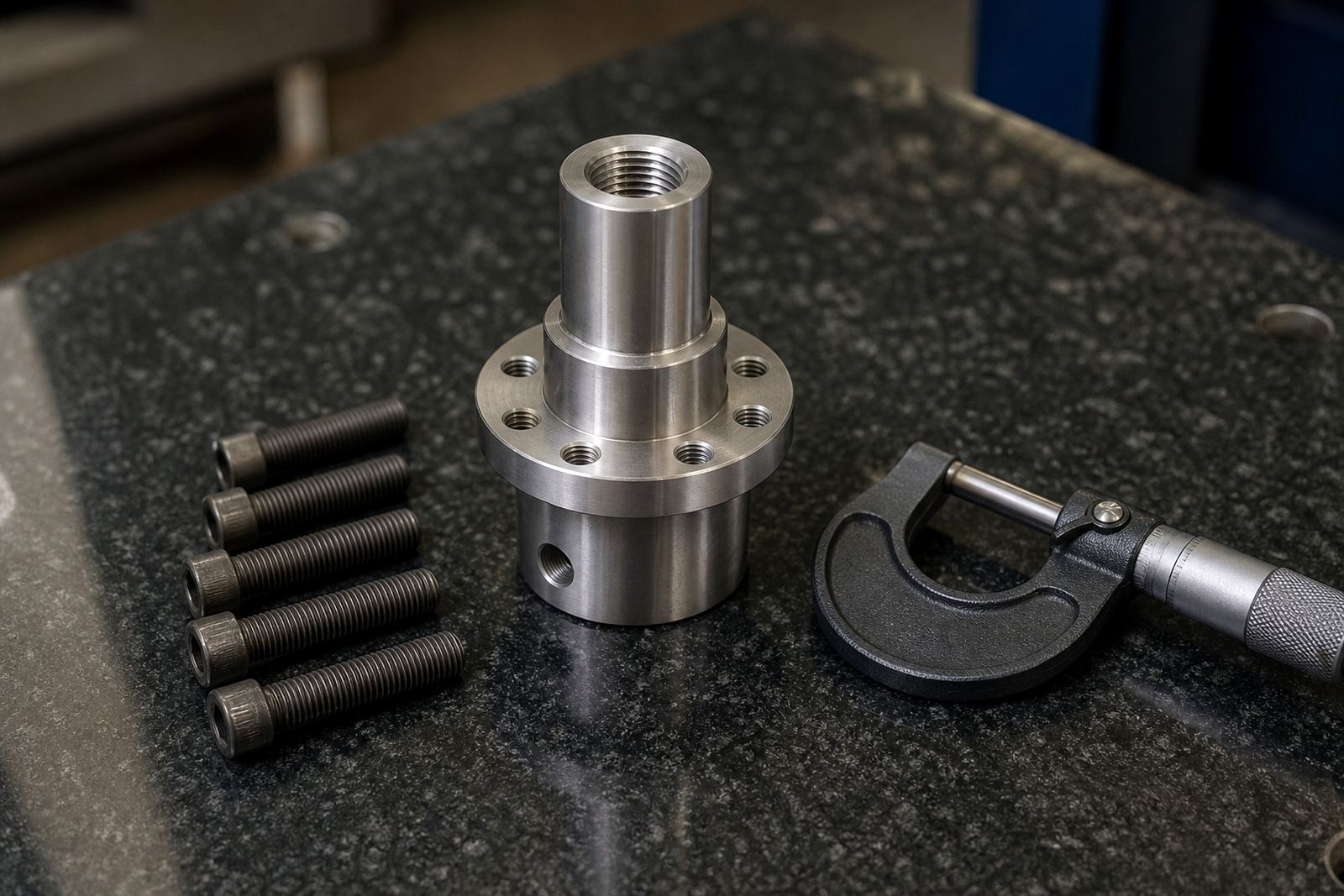
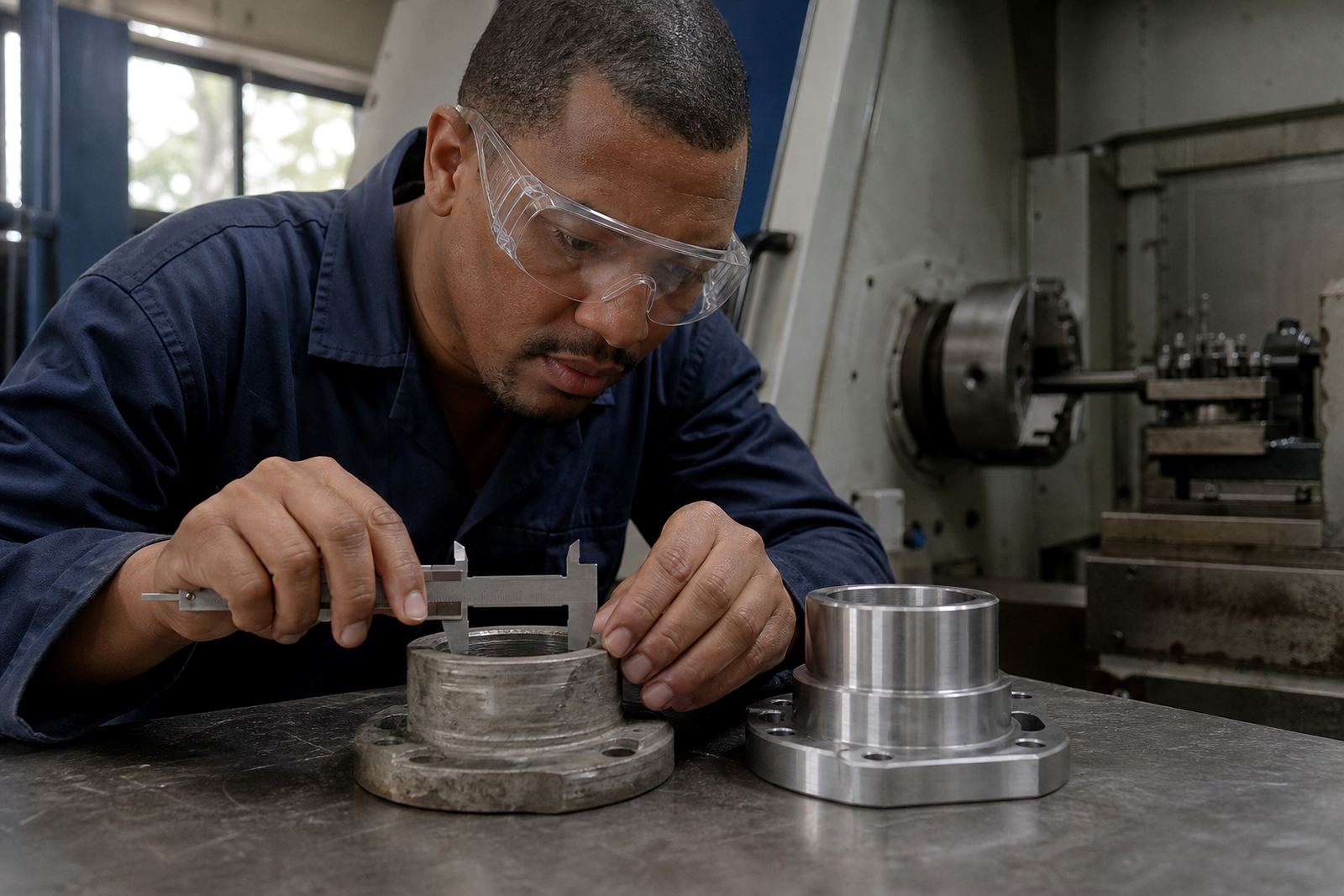
When a machine part has failed, the broken item is still useful. A sample gives the workshop a real reference for shape, wall thickness, hole spacing, thread type, and the way the part sits with the parts around it. That is often more helpful than a quick sketch, especially when the equipment has been in service for years and there are small changes from one production run to the next.
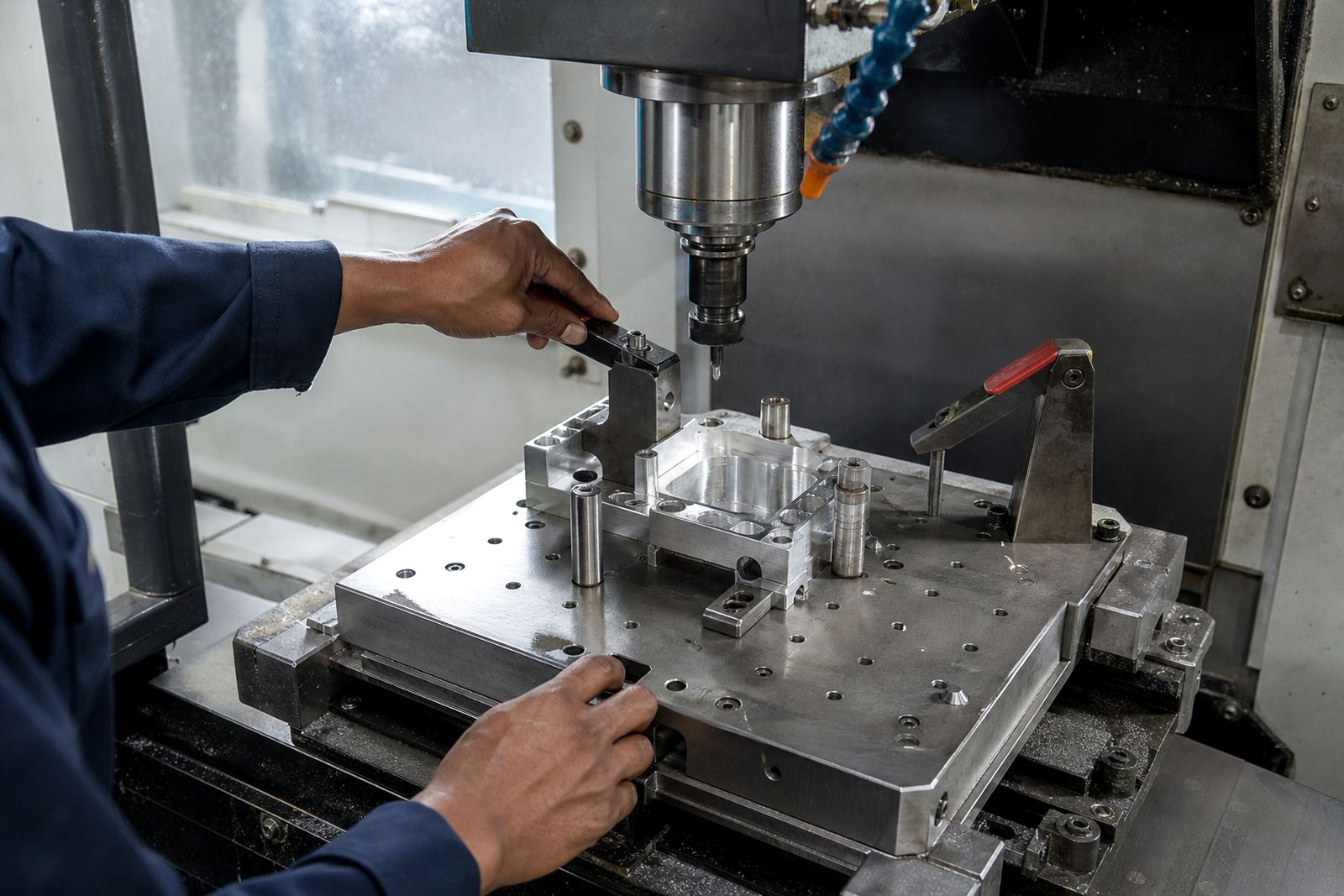
For small-batch CNC milling and turning work, a sample helps the machinist judge what matters most. Some parts need exact seating faces or bore sizes. Others must clear guards, carry light load, or match a seal. If a part has been repaired before, the sample can also show what was altered and what must be put back to original. On site in Pinetown, we often see parts from Durban, Pietermaritzburg and Richards Bay where the wear pattern tells the story better than a note ever could.
What to send with the sample so the remake is accurate
A sample alone is useful, but the best remake jobs come with a few clear notes. The more context the workshop has, the less guesswork there is when setting up milling, turning, drilling or finishing. If the part forms part of a larger assembly, a photo of how it fits in place can save time and prevent a part that looks right but sits wrong.
- Send the old part clean, with dirt, grease and loose swarf removed where possible.
- Mark any faces that must stay as machined faces or sealing faces.
- Include the machine or assembly name if you know it, plus the location of the part in the build.
- Point out broken corners, worn holes, bent tabs, or areas that were previously welded or packed out.
- If there is an original drawing, send that too, even if it is outdated.
For local maintenance teams in Westmead or New Germany, this is especially helpful where downtime is tight and the part needs to go straight back into service. A clear sample helps avoid a second round of fitting and rework.
How sample-based remake work supports practical tolerances
Every part has its own tolerance needs. A loose cover plate and a shaft with a bearing seat are not treated the same way. The workshop uses the sample to judge what is worn and what must be controlled more carefully. Sometimes the sample shows a part that has grown sloppy through wear, so the remake has to follow the original function rather than the damaged size.
This is where tolerance guidance matters. A good remake is not just about copying dimensions it is about matching fit, alignment and service life. For example, a bore that sees rotational wear may need a cleaner finish and closer size control than a spacer bracket. If the sample has been used in a humid coastal area like Durban or Umhlanga, corrosion marks can also show where a material change may help. The aim is a part that fits properly and holds up in actual use, not a part that only measures correctly on paper.
In small batch work, there is room to refine the remake if needed. A sample part remake can be adjusted after an inspection fit, especially when a machine has had several repairs over time and the final assembly no longer matches the first version exactly.
Material choice matters more than many owners expect
The sample can also point the workshop toward a sensible material. Some parts are best remade in mild steel, others in stainless steel, aluminium or engineering plastics depending on load, movement and exposure. A coastal site may need better corrosion resistance, while a dry inland plant in Johannesburg may be more concerned with wear and stiffness. The same part may need a different finish or surface treatment depending on where it runs and how often it is cleaned.
- Steel suits many structural and general-purpose mechanical parts.
- Stainless steel is often preferred where moisture, washdown or coastal air are part of the job.
- Aluminium can help where a lighter part is needed and the loads are moderate.
- Engineering plastics can work for guides, spacers and low-load wear items.
The sample usually gives clues from the old material itself, but there are times when the better decision is to change material during the remake. That decision should be based on the job and the service environment, not just on what the old part happened to be made from.
Using the old part to improve fit, assembly and repeat orders
A remake should not only copy the old part, it should make the next fitting easier. When the sample is checked properly, small improvements can be built in. That may mean clearer locating edges, cleaner thread engagement, better access for tools, or a more sensible allowance where heat or vibration is part of the job. In maintenance work, these small changes can save time every time the part is removed and refitted.
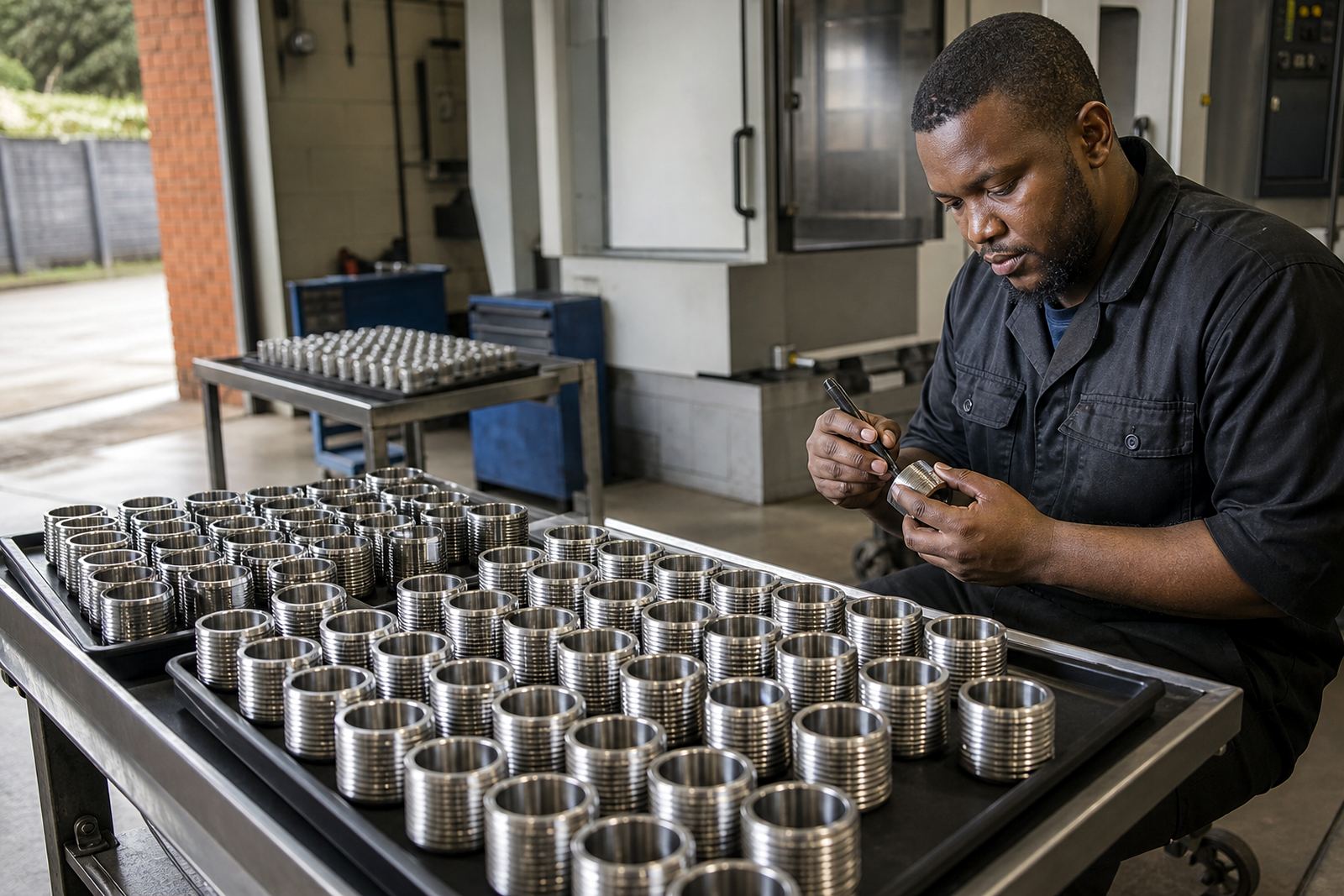
For repeat orders, the sample becomes a useful reference point for future batches. If the first remake is approved and installed, the workshop can keep the critical dimensions on file and reduce delays on later orders. That is useful for clients in Pinetown, Pietermaritzburg and Johannesburg who need a practical answer after a breakdown or planned shutdown. It also helps when drawings need updating after a field change or an assembly fit check.
A practical local example from Pinetown to Richards Bay
Consider a maintenance team with a worn spacer and guide part from a machine used in packaging work. The original drawing is missing, but the sample is still available. The part shows wear on one face, a slight oval hole and a scuffed edge where it has been rubbing against a neighbouring plate. With the sample in hand, the workshop can measure the live features, confirm the mounting pattern, and remake the part in the right material for the duty. If the first fit needs a minor tweak, that can be handled before the full batch is released.
That sort of job suits PME CNC Machining well because the process is practical and direct. Drawing review, material selection, prototype planning, batch planning and inspection reporting all work together, so the final part is based on what the machine actually needs. For businesses across Durban, Westmead, New Germany, Umhlanga and Richards Bay, the result is less back-and-forth and a better chance of getting the part right the first time, or as near as possible on the first run.
If you have a sample that needs to be remade, it helps to send it early and describe the service conditions as plainly as possible. A clean sample, a clear purpose and a few photos can go a long way.