Why edge breaks matter on machined parts
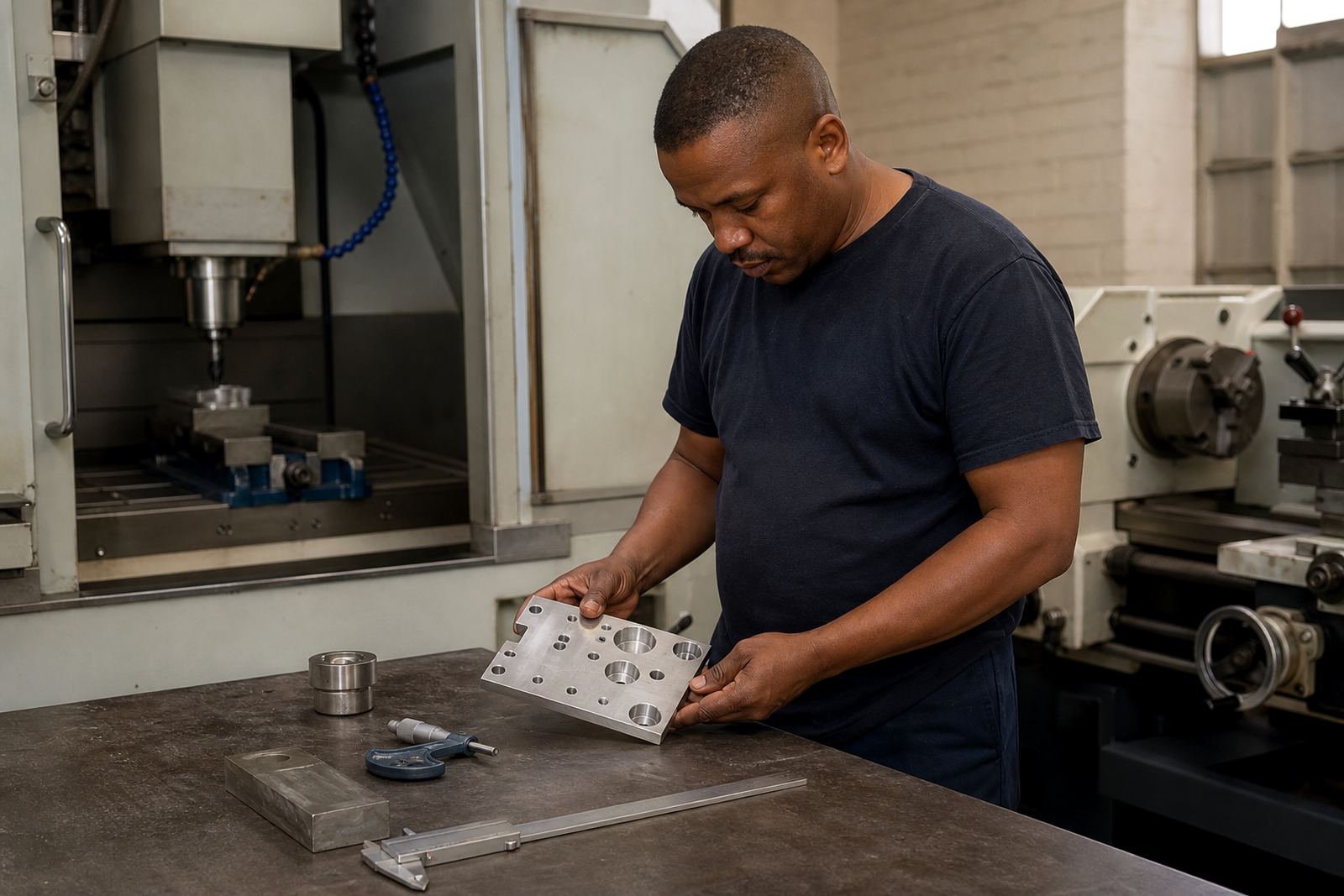
When a part comes off the machine, the edges are often sharper than people expect. A square corner can catch a hand, nick a cable, or make assembly awkward if the mating part has a slight burr or paint buildup. That is why edge breaks are not just a neat extra, they are a practical part of good machining.
For small-batch work, especially where parts are handled often, a simple chamfer or radius can reduce damage during transport, packing and fitment. It also helps with repeatability because the edge is less likely to chip during handling, which matters when a batch is going out to Durban one week and Johannesburg the next.
- Improves handling safety for installers and operators
- Helps parts locate better during assembly
- Reduces sharp corners that can chip or burr easily
- Can improve the service life of edges under light impact or vibration
Chamfers and radii are not the same thing
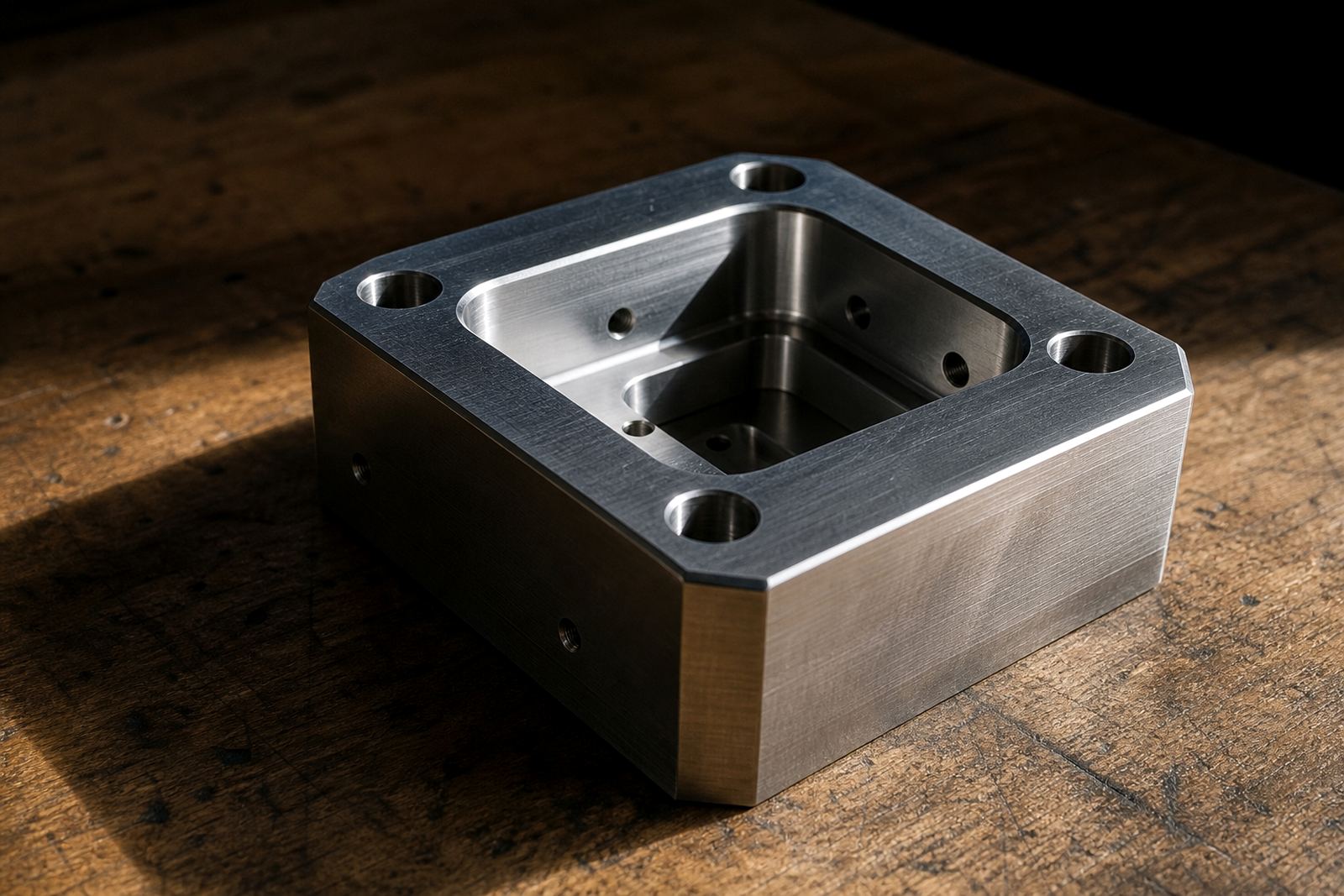
A chamfer is a straight angled cut on an edge, while a radius is a rounded corner. Both soften the edge, but they behave differently and suit different jobs. A chamfer is common where parts need a lead-in for screws, pins or housings. A radius is often better where stress relief and smooth handling are important.
On turned parts, a radius can help a shaft run more smoothly into a seat, while a chamfer on a milled pocket can make assembly less fussy. The choice usually depends on how the part will be used, what it fits into, and how it will be finished later. Sometimes the drawing calls for one, but a practical review shows the other would suit the application better.
- Chamfers suit lead-ins and easier assembly starts
- Radii suit stress reduction and smoother contact edges
- Both can be small, but their function is different
- Material type influences how crisp or durable the edge detail will be
How material choice changes the edge detail
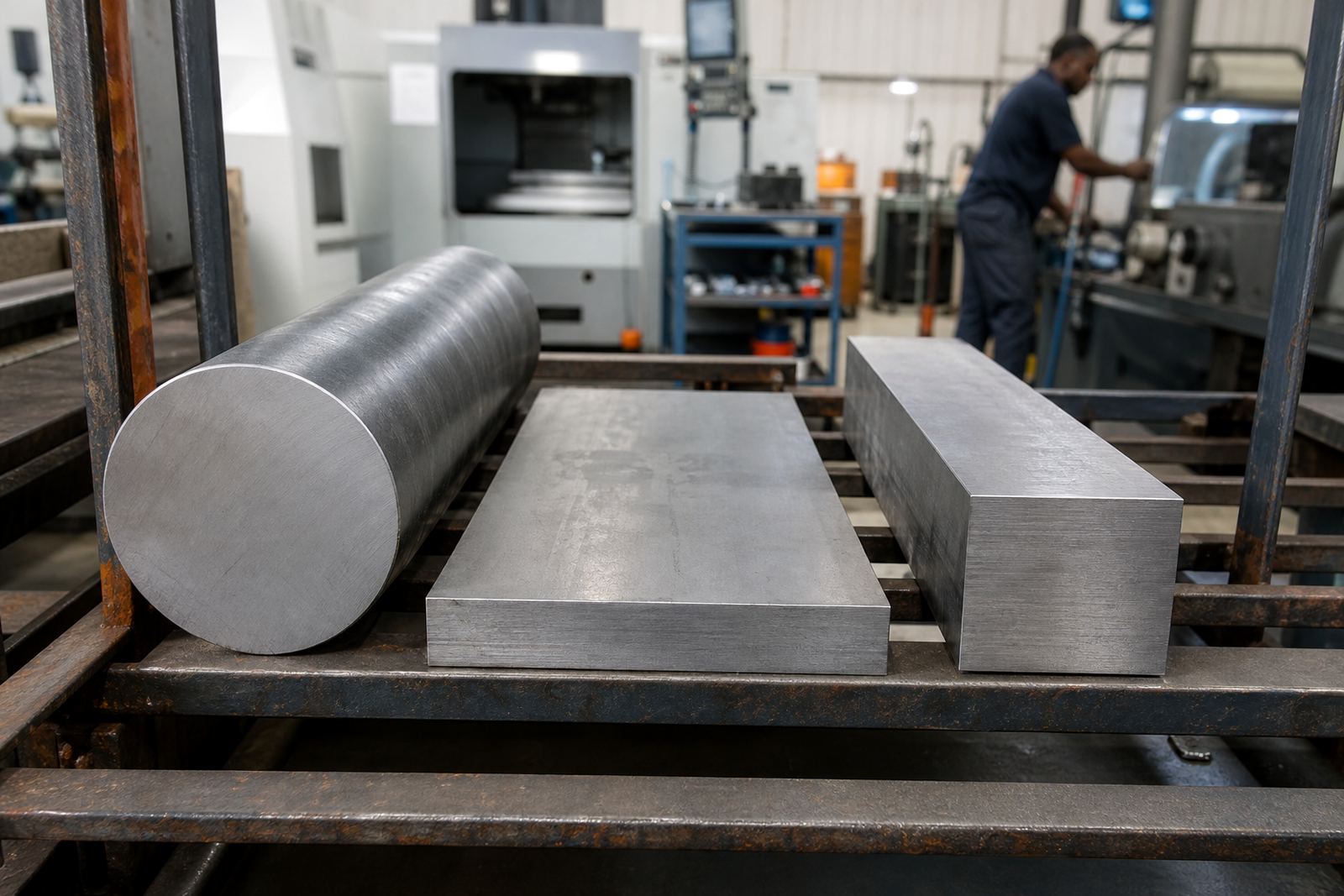
Different materials respond differently to edge finishing. Aluminium can machine cleanly but may form a fine burr if the cutter is dull or the feed is not set well. Mild steel is forgiving, though it can still leave a sharp edge that needs attention. Stainless steel can be tougher on tools and may need careful handling to avoid work hardening at the edge.
Plastics and softer non-metallic materials need special care too. A large radius can reduce cracking on brittle parts, while a too-aggressive chamfer may leave a thin lip that fails later. In humid coastal conditions around Pinetown, Durban and Umhlanga, the right edge detail can also help reduce moisture traps on certain parts, especially where paint, coating or cleaning routines are part of the job.
PME CNC Machining reviews the drawing, the material and the intended use before suggesting an edge detail. That way the final part is not only machined to size, but also more practical for the shop floor and the fit-up team.
Where chamfers and radii help most in small-batch work
In small-batch production, every part tends to do more than one job. It has to be machined accurately, inspected, packed and then fitted without giving trouble. That is where edge details become useful in a very direct way.
For example, a bracket used in a maintenance job in Westmead may need a slight chamfer so bolts start cleanly. A machined housing sent to Pietermaritzburg might need radiused corners where technicians will handle it during service. A part heading to Richards Bay may need a smoother edge to reduce wear where vibration is present. These are small changes, but they can save time during assembly and reduce rework later.
- Helps with bolt starts, pin alignment and assembly entry
- Reduces snagging on cables, seals and gloves
- Supports better fit when parts are painted or coated
- Can limit edge damage during repeated handling
What to check on the drawing before machining starts
Many drawing issues around edges are not about the machining itself, but about clarity. If a chamfer or radius is not specified clearly, the part can be made one way and expected another. That can lead to avoidable delays, especially when a client is trying to keep a small production run moving.
Useful checks include whether the edge detail is cosmetic or functional, whether it applies to all edges or only selected ones, and whether the size is tied to a fit condition. If the part is part of an assembly, the mating component should be considered as well. A radius that is too large can change contact, while a chamfer that is too small may not solve the assembly issue at all.
- Confirm which edges need the feature and which do not
- Check if the chamfer or radius affects assembly clearance
- Make sure the drawing uses one clear callout style
- Review the edge detail after any drawing update or remake
Practical machining support for South African clients
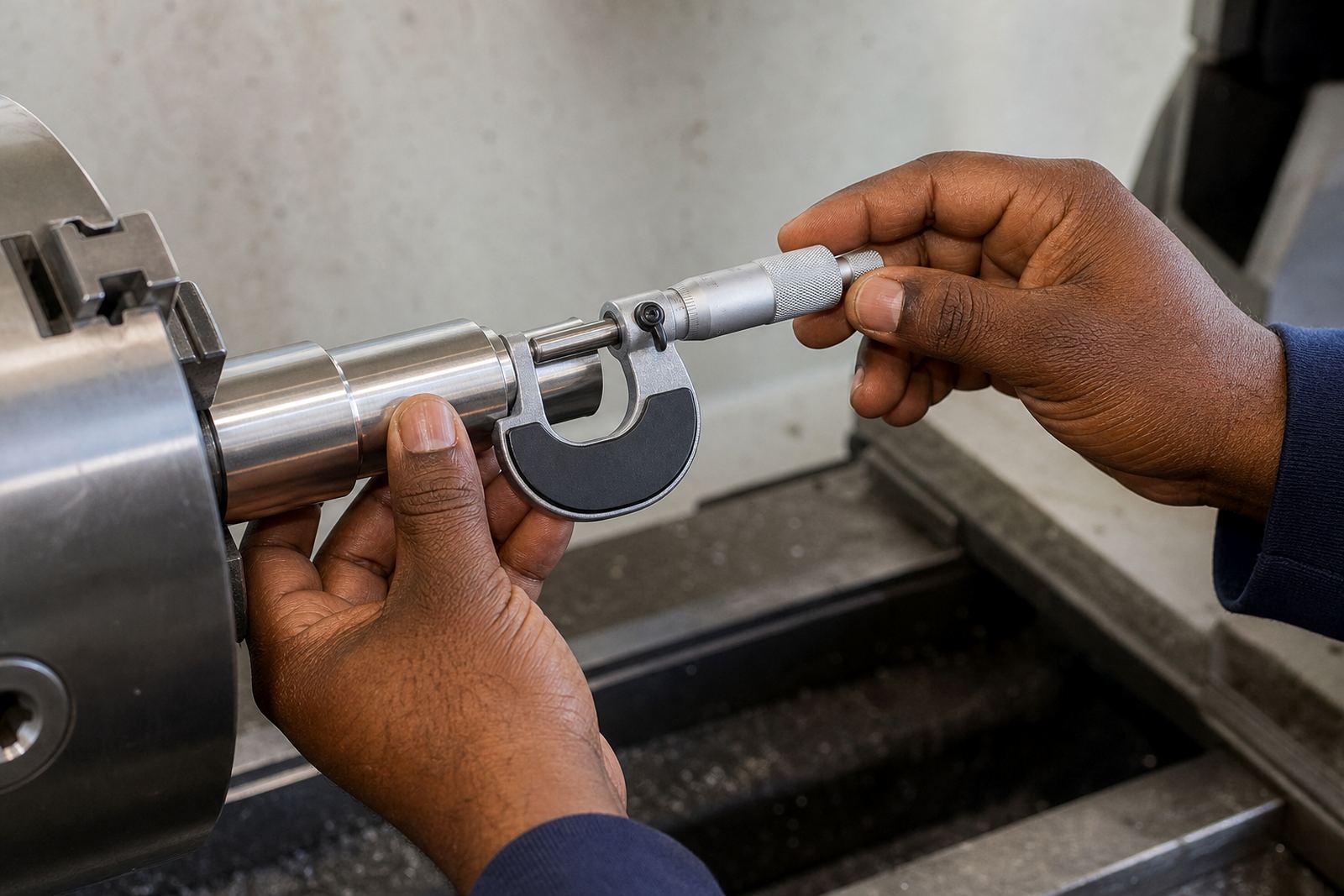
PME CNC Machining works with clients across Pinetown, Durban, New Germany, Pietermaritzburg, Richards Bay and Johannesburg on small-batch parts that need sensible, workable edge details. The team checks drawings, material choice and tolerance guidance before production starts, then follows through with inspection reporting, sample part remake support and repeat order coordination where needed.
That practical approach matters when a job has to move through workshop use, delivery and final fitment without fuss. A clean chamfer on one edge or a well-placed radius on another can be the difference between a part that goes straight in and one that needs hand finishing on site. For local workshops dealing with load-shedding, quick turnarounds and mixed material stock, those small details count.
Founded in 2008 and based in Pinetown, PME CNC Machining supports enquiries through the contact page for clients who need precise milling and turning work with proper attention to edge finish and assembly needs. The aim is simple: make the part work as intended, not just look machined.