What Deburring Does On A Machined Part
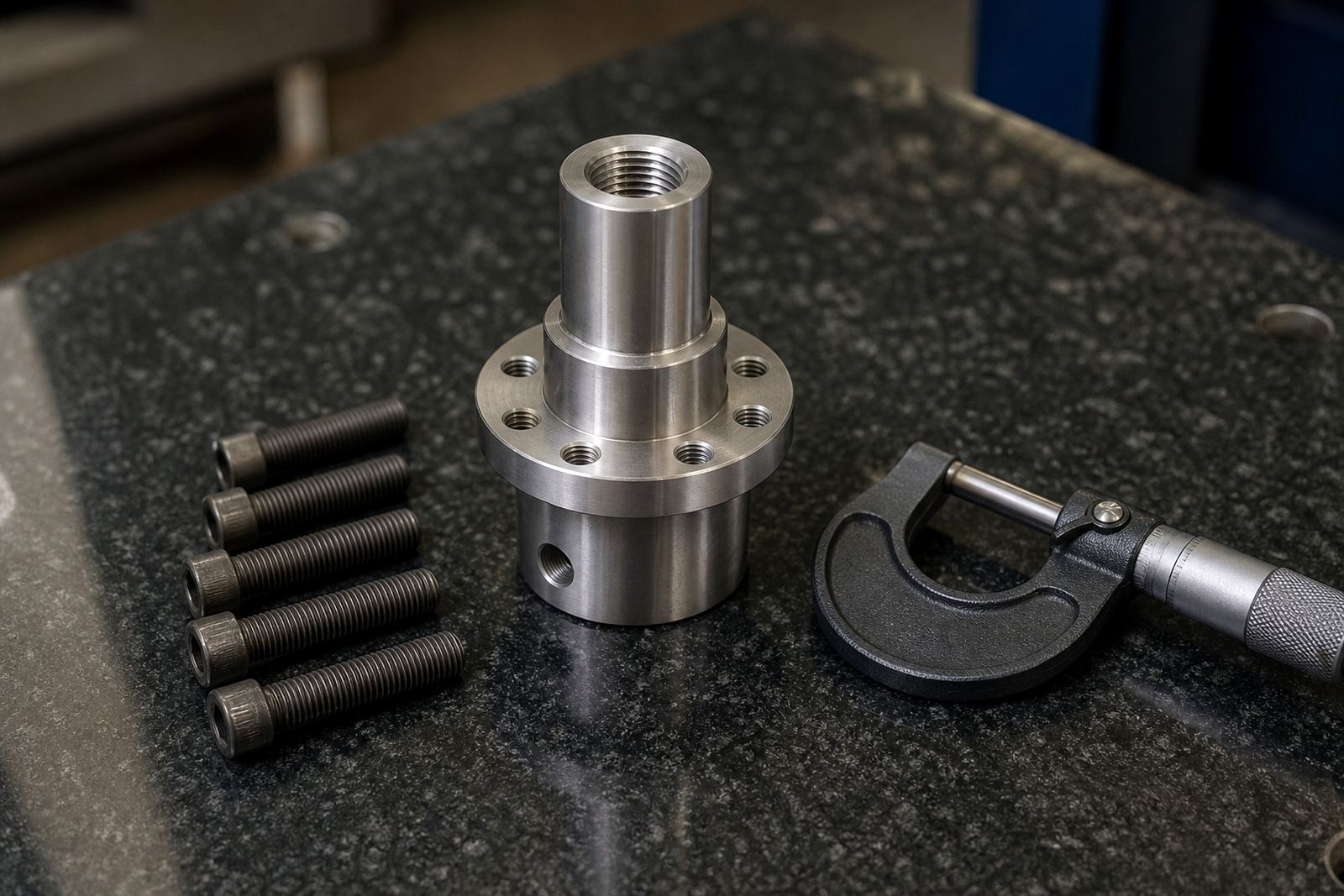
Deburring is the process of removing burrs, sharp edges and light raised lips left behind after CNC milling or turning. A burr can form where a tool exits the material, at intersecting holes, around slots, or on the edge of a turned diameter. It may be small, but it can affect how a part feels in the hand and how it fits with the next component.
In a job shop setting, deburring is part of good finishing practice rather than an extra luxury. A clean edge makes a part easier to inspect, safer to move around on the shop floor, and less likely to scrape a mating surface during assembly. On small batch work the difference is often noticed straight away, especially when a component is going into a fixture, housing or maintenance repair where fit matters.
Why Sharp Edges Cause Real Problems
Sharp edges do more than look untidy. They can cut fingers during handling, catch on packaging, and damage seals, wires or mating parts during installation. If a component has a burr near a threaded hole or a precision face, that small edge can stop the part seating properly. In some cases it can create false readings during inspection because the edge makes a dimension appear larger or the surface seem uneven.
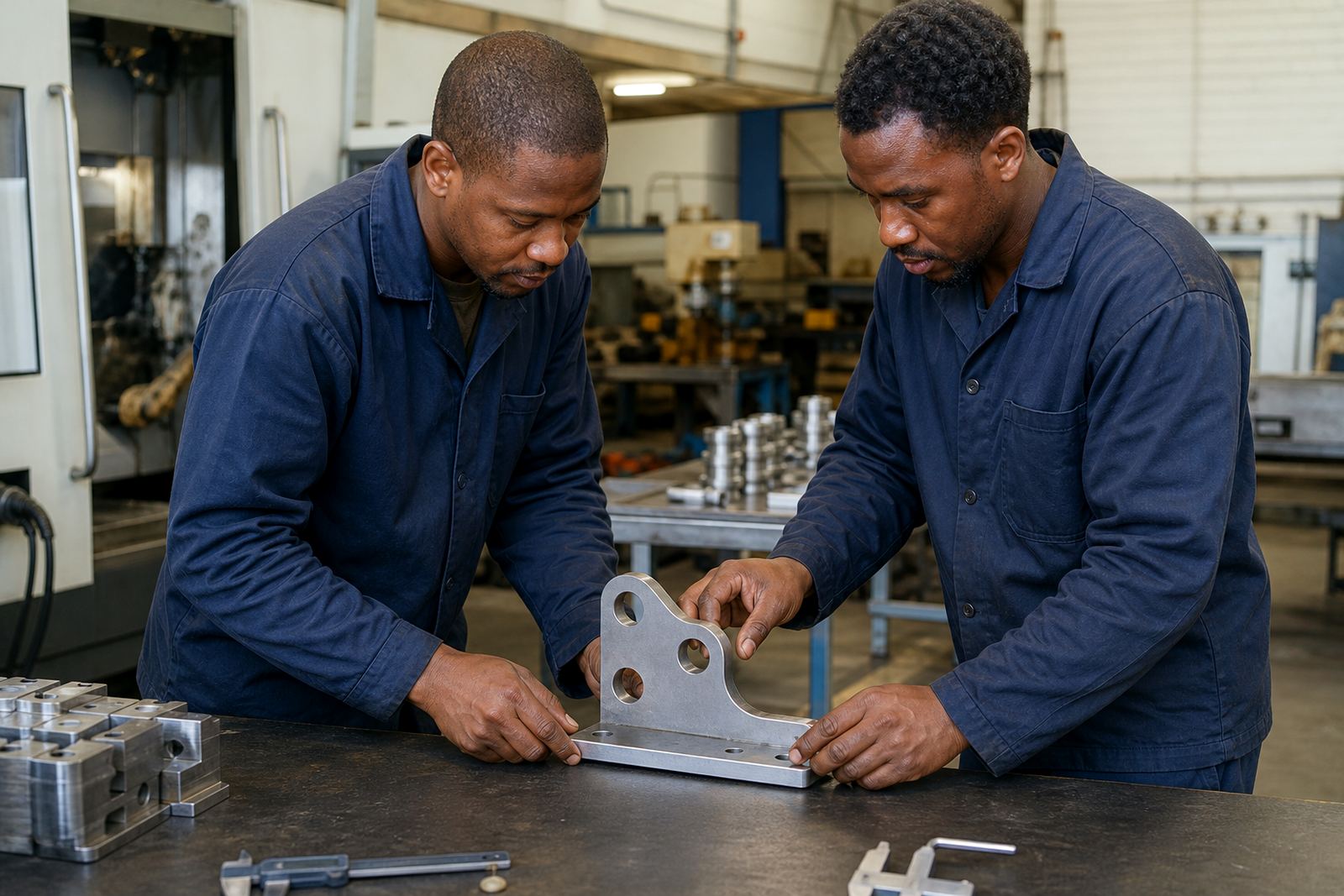
For clients working with repeated assemblies, edge quality matters because it affects consistency from one part to the next. A batch of ten parts can all measure correctly and still give trouble if the burr condition changes from item to item. That is why drawing review and tolerance guidance often go hand in hand with edge breaking and final cleanup.
- Reduce handling injuries for staff and fitters
- Improve part-to-part consistency during assembly
- Lower the risk of damage to seals, threads and contact faces
- Give the finished part a neater, more professional appearance
How Deburring Fits Into CNC Milling And Turning
On CNC milled parts, burrs often appear at corners, pocket edges, drilled holes and the exit side of a cutter path. On turned parts, they can show up on shoulders, grooves, cross holes and at the ends of shafts. The material type also affects how much burr forms. Aluminium can leave light feathering, mild steel may create tougher edges, and stainless can leave more stubborn burrs that need careful attention.
The method used depends on the shape and function of the component. Some edges only need a light break to remove the sharpness, while others need more detailed hand finishing. A good operator will think about the next stage of use before touching the part, because overworking an edge can alter the fit or make the edge look uneven. That is especially important on parts with close tolerances where too much removal is just as bad as too little.
- Light edge breaking on general outside corners
- Careful cleanup around holes and slots
- Attention to threads so they start cleanly
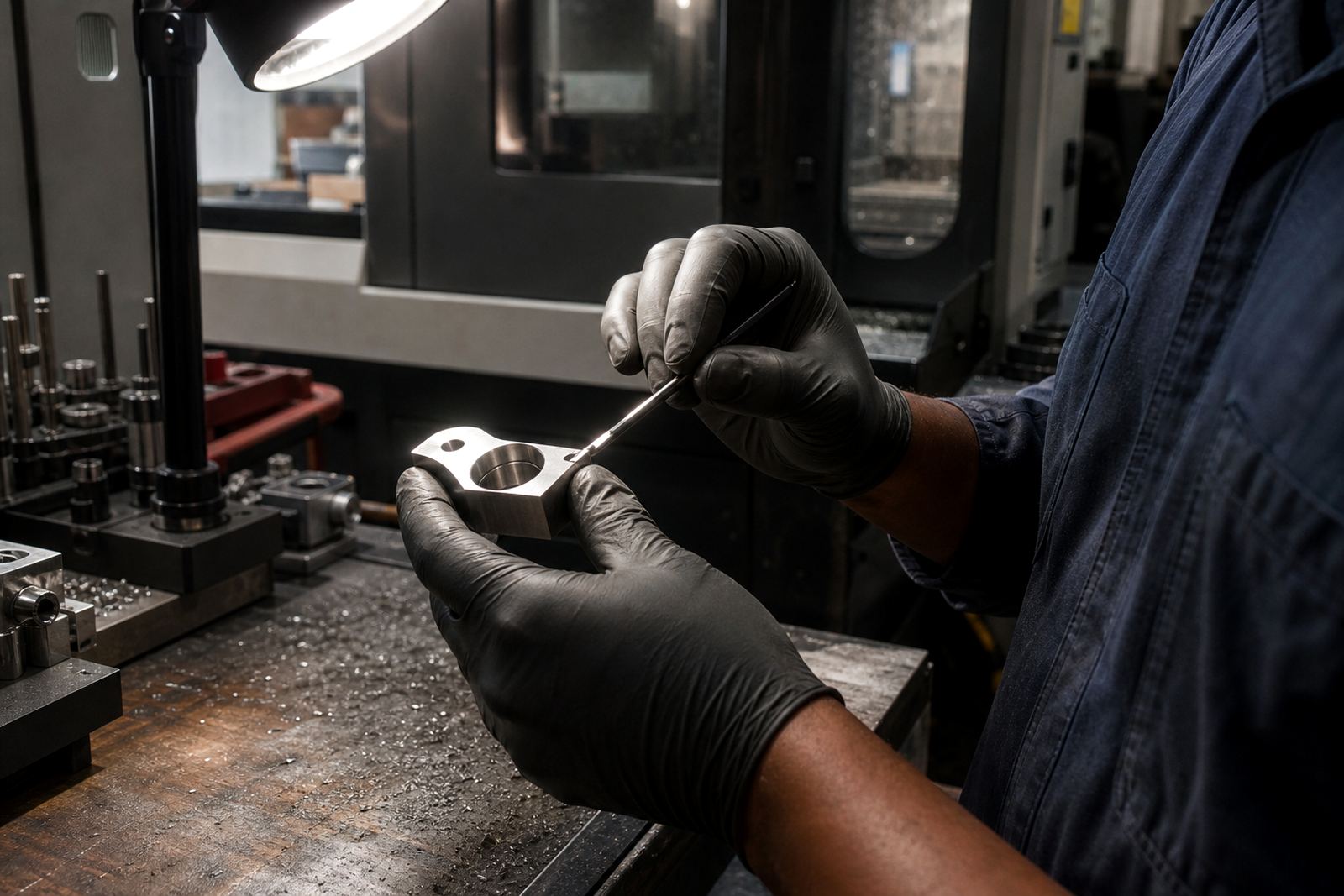
- Inspection of hidden edges that are easy to miss
What To Check Before A Part Leaves The Shop
Deburring should be checked as part of the final inspection, not left to chance. A quick visual pass is not always enough because some burrs fold over into recesses or remain on the underside of a feature. Where a part has several machined surfaces, the inspector should look at all edges that will be touched, clamped or assembled. If a drawing has a specific edge requirement, that note needs to be followed exactly.
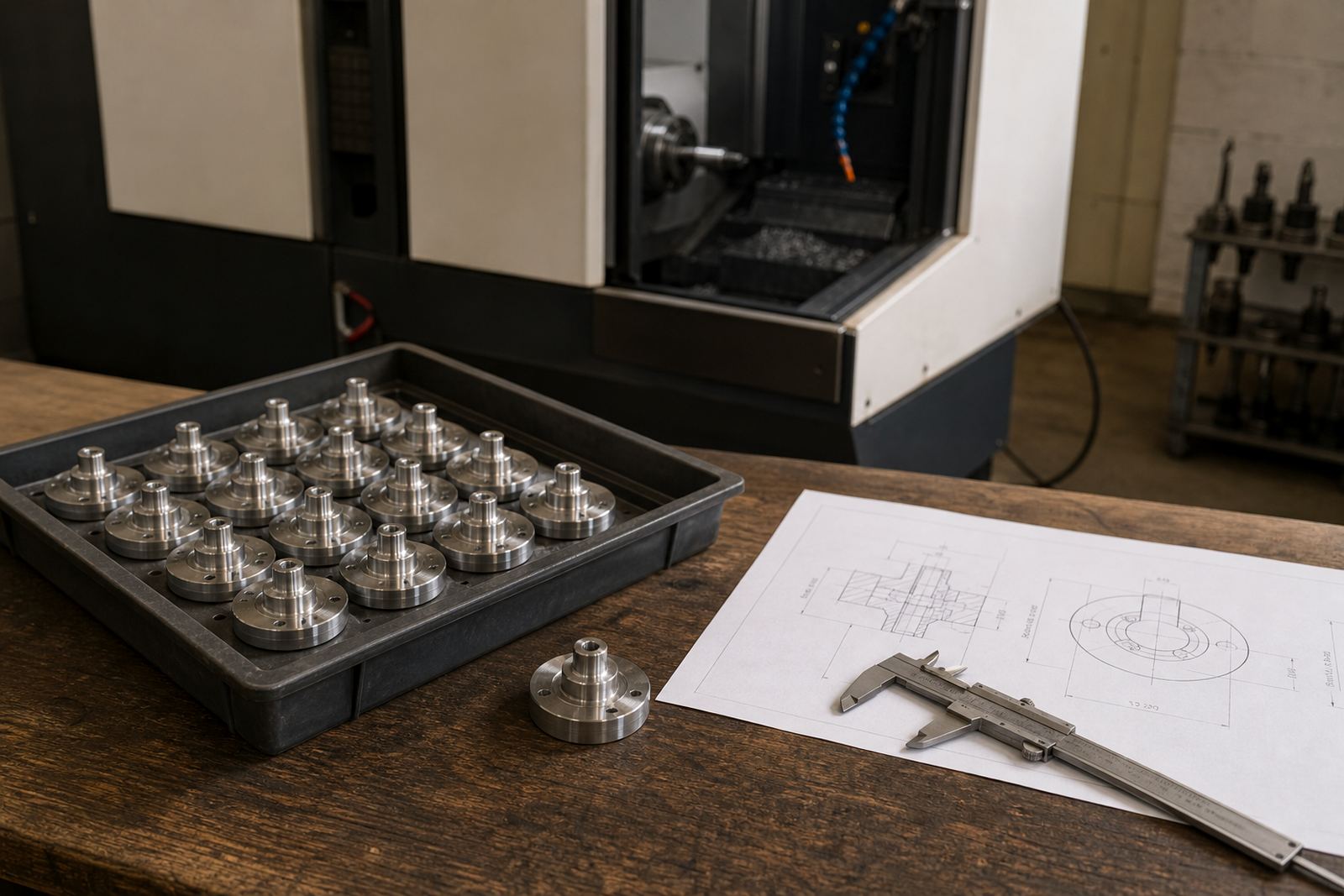
For repeat orders, it helps to record what was done on the first run so later batches stay consistent. That can include where edges were broken, which areas must remain crisp, and where a surface needs to stay untouched. Good inspection reporting supports this process and avoids confusion when the same part comes back months later for another run. It also helps if the customer needs a sample part remake or drawing update after a trial fit.
- Confirm sharp edges have been removed without changing critical dimensions
- Check threaded features for clean starts and no torn material
- Inspect contact faces for marks caused during finishing
- Make sure the part still matches the drawing after cleanup
Materials And Finishes Need Different Handling
Not every material responds the same way. Soft aluminium can smear if the wrong approach is used, while stainless steel may resist burr removal and need more patience. Brass, plastic and mild steel each have their own behaviour too. That means the same finishing method will not always suit every part, even when the drawing looks similar. A component that will be painted, anodised or plated may also need a cleaner edge than a raw part, because any remaining sharp lip can show through the final finish.
On coastal jobs around Durban or Richards Bay, moisture and salt air can make a rough edge even less desirable because exposed material can start to mark sooner if it is handled roughly or stored poorly. In inland work, especially where parts move between workshops and sites in Johannesburg or Pietermaritzburg, clean edges help keep packaging damage and assembly issues to a minimum. It is a simple step but it saves time later.
Why Small-Batch Work Still Needs Proper Edge Cleanup
People sometimes think deburring is only important on high-volume production runs. In practice, small-batch machining can be even more sensitive because each part may have a specific use and no room for trial and error. When a customer is waiting on prototype planning, sample part remake or assembly fit checks, a burr can stop the whole process. One rough edge can hide a fit issue that should have been spotted earlier.
For a Pinetown job shop serving Westmead, New Germany and the wider KwaZulu-Natal area, practical finishing matters because parts often have to go straight from machining to assembly or dispatch. If a component is going out to a site with load-shedding interruptions or tight shutdown windows, there is no benefit in sending a part that will snag, scrape or need rework on arrival. Clean finishing keeps the job moving.
A Practical Approach For Better Results
Good deburring starts with the right conversation before the first cut is made. If the drawing leaves any uncertainty, the machinist should review the edge condition, the material and the part’s end use. Some edges are functional and must stay defined, while others should be softened for handling. The aim is not to make every edge invisible, but to give the part the right finish for the job.
At PME CNC Machining, that kind of planning supports services such as drawing review, tolerance guidance, part optimisation and delivery coordination. When a part is intended for repeated use, it is worth deciding early how the edges will be treated so the first sample and later batches match. That saves time, reduces confusion, and gives the customer a cleaner component that is ready for the next step.
In simple terms, deburring is one of those finishing tasks that people notice most when it has been missed. When it is done properly, the part feels better in the hand, fits better in assembly and presents better on the finished job.