Why steel is often chosen for load-bearing parts
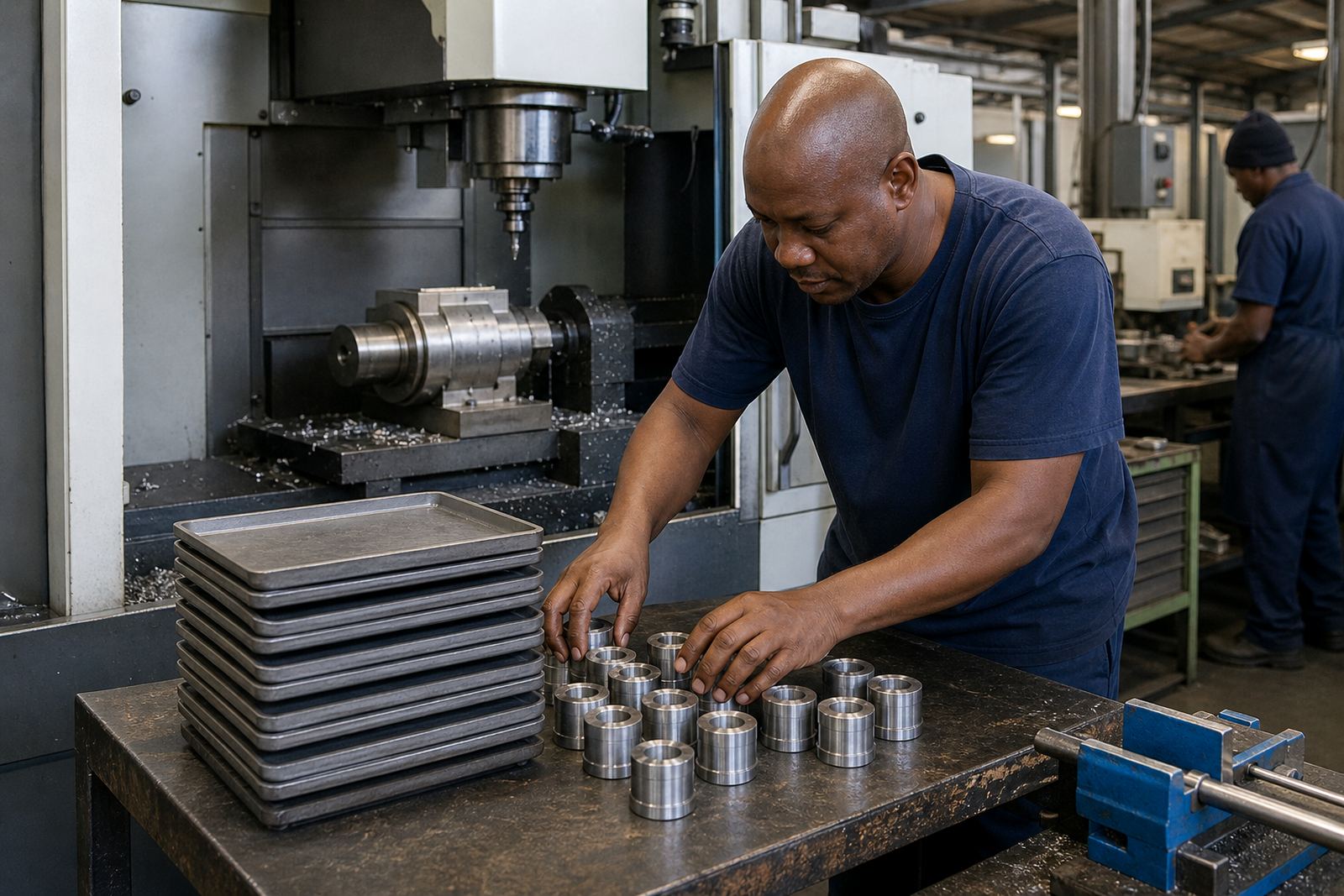
When a component has to carry load, resist impact, or keep working after repeated clamping and rotation, steel is usually the practical starting point. It is used for shafts, spacer blocks, mounting plates, bush housings, brackets, wear strips and many other parts that need more strength than aluminium or plastic can offer.
For small batch work, steel also gives good consistency from part to part if the material is selected properly and the drawing is clear. That matters in shops around Pinetown, Durban and Westmead where clients may need a few replacements now, then a repeat order later after a machine stops or a line is expanded. If the part sits in a humid coastal area or near dust and moisture, the surface finish and any protection after machining should be considered early.
Steel is not one material, though. Mild steel, medium carbon steel and alloy steel all behave differently in the machine and in service. Some cut easily and weld well, others are better for wear and strength but take more care on tool selection, feeds, cooling and clamping.
Match the steel grade to the job, not just the drawing
A drawing may specify a size, but the actual material choice decides how the part performs. A shaft that only carries light duty may not need the same grade as a shaft running under shock load. A plate that acts as a spacer is a different job from a wear plate that sees constant rubbing or sliding.
At PME CNC Machining, material selection is considered alongside the part function, available stock size, and the final method of assembly. In many cases it is better to choose a steel that machines cleanly and gives stable results than to pick a harder grade that creates extra tool wear, poor surface finish, or longer lead time.
- Mild steel is common for brackets, plates and general fabrication parts.
- Medium carbon steel is often chosen where extra strength or hardness after heat treatment may be needed.
- Free-machining steel can suit turned parts where fine finishes and quicker cycle times matter.
- Wear-prone parts may need a harder steel or a planned finishing process after machining.
In practice, the choice should be linked to the real operating conditions, including vibration, heat, corrosion risk and how the part is mounted.
Turning and milling each suit different steel features
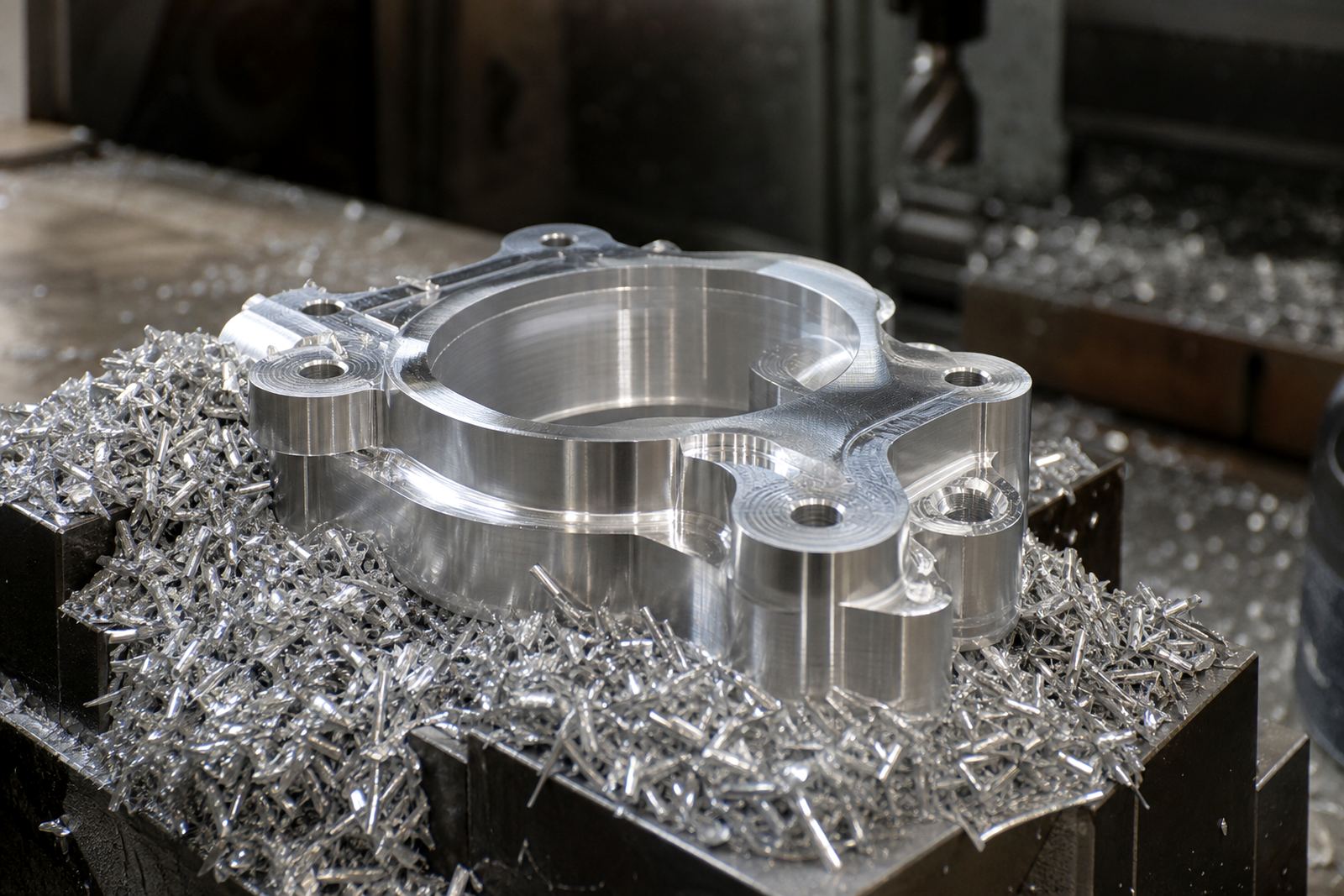
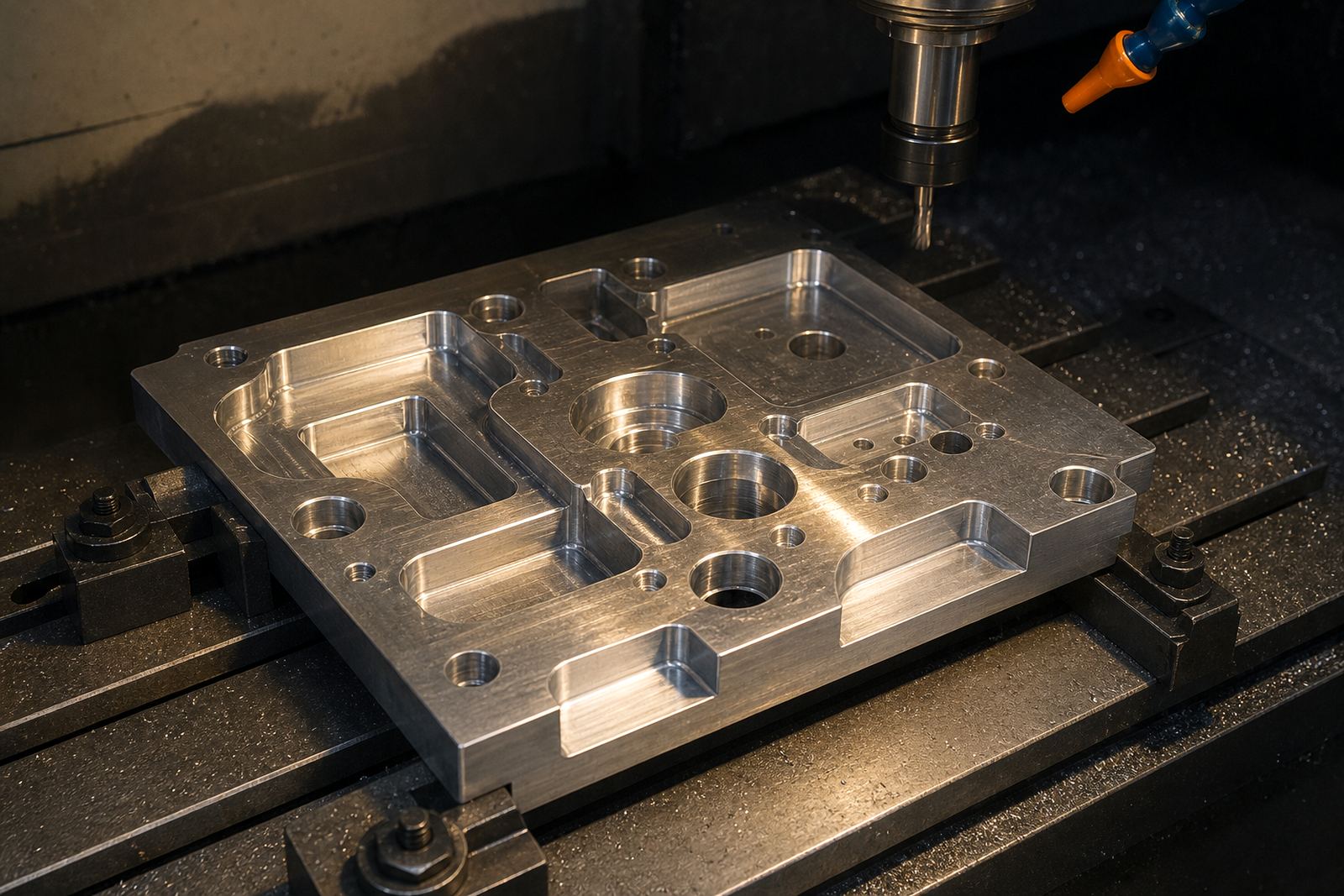
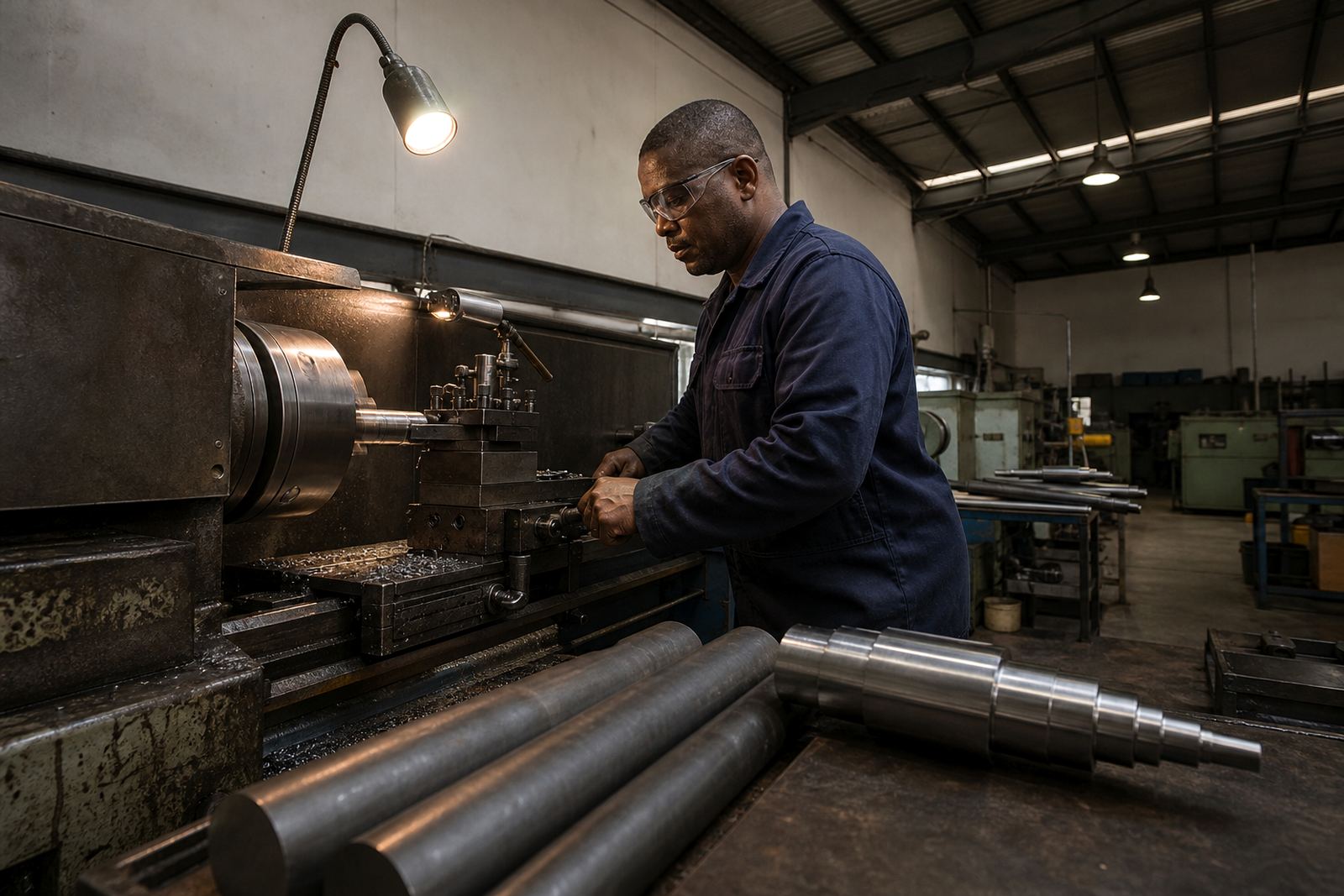
Steel shafts, pins and stepped parts are often turned first because turning is well suited to round features, grooves, threads and shoulders. Milling is better for flats, slots, pockets, bolt-hole patterns and faces that must sit square to each other. Many small batch parts need both processes in one job, especially when the component must fit into an assembly without extra fitting on site.
With steel, good setup is critical. A long shaft needs support so it does not deflect. A plate must be clamped evenly so it stays flat. If the part is thin in one area and heavy in another, the machining sequence should reduce movement as material is removed. That saves time and helps with repeatability, which is important for clients in Pietermaritzburg, Richards Bay and Johannesburg who need parts to match an existing assembly.
Tool condition, spindle speed, feed rate and coolant application all affect the finish. Steel can go from easy-cutting to difficult very quickly if the cut is too light, the tool is worn, or the chip evacuation is poor. On small batch work, the aim is not only accuracy but a sensible process that can be repeated when the next order comes in.
Tolerances should be specified only where they matter most
Tighter tolerances are useful, but not every feature on a steel part needs the same level of control. A bearing seat, locating bore or mating diameter may need close attention, while a non-critical clearance hole or outside edge can often be left with a standard machined finish. Putting fine tolerances everywhere can increase cost and make the job harder to complete consistently.
Clear drawing review helps identify which dimensions control fit, movement and alignment. It also helps avoid over-specifying a part that only needs practical service fit. For example, if a wear plate is bolted to a frame in New Germany, the hole spacing and flatness may matter more than a cosmetic edge. If a shaft is being remade for a machine near Umhlanga, the journal size and surface finish may matter more than the overall outside appearance.
- Identify the critical bore, shaft or face that controls the fit.
- Keep non-critical dimensions realistic so the part remains economical.
- Check whether the assembly needs sliding fit, press fit, or simple clearance.
- Confirm whether the part will be inspected with gauges, callipers or another method.
A sensible tolerance plan saves time at the machine and reduces problems during installation.
Wear parts need more than a hard material
Wear components are not just about hardness. A part can be hard and still fail early if the contact area is too small, the edge breaks down, or the mating part is out of line. For steel wear parts, the design should spread the load properly and avoid sharp stress points where cracking may start.
When a part is likely to rub, scrape or handle repeated impact, the surface finish and edge treatment become important. Burrs and sharp corners can create early wear, while a smoother finish can help with assembly and service life. In some cases the part may also need a simple drawing update so the next batch includes a better lead-in, a thicker section, or a changed hole position that improves fit.
Small batch work often benefits from a sample part remake. If the first piece is used to confirm fit, the second or third version can be adjusted for easier maintenance, better access for tools, or cleaner assembly. That is often the difference between a part that simply exists and one that works properly in the machine.
A Pinetown example: making a shaft and plate set for local equipment
A typical steel job in Pinetown may involve a replacement shaft and a matching mounting plate for equipment used in a workshop or production line. The shaft needs concentric turning so it runs true, while the plate needs milled faces and accurately placed holes so it bolts down without twisting. If the machine works in a humid area, a simple finishing plan may also be needed to reduce surface corrosion after machining.
For this kind of work, the production flow usually starts with a drawing review, then material selection, then prototype planning if the part is new or partly worn. After machining, inspection reporting confirms the key sizes, and assembly fit checks help make sure the shaft seats correctly and the plate lines up with the existing holes. If anything changes during the job, drawing updates can keep the next order consistent.
That practical process suits clients across Durban, Pietermaritzburg, Richards Bay and Johannesburg who need small batches rather than high-volume runs. It also helps when a part must be remade quickly because the old one has worn, bent, or no longer matches the machine after repairs.
What to send with an enquiry so the job starts cleanly
Good steel machining starts with the right information. A clear drawing is best, but even a rough sketch can help if it includes the main sizes, material preference, quantity and where the part is used. Photos of the old component and notes about the failure point are also useful, especially when the original part is damaged or no longer available.
- Send the overall size, thickness, diameter or length where relevant.
- Note which features are critical for fit or movement.
- State the material if it is already specified, or ask for guidance if it is not.
- Include the quantity needed for the first batch and any repeat order expectation.
- Mention whether the part is for indoor use, outdoor use, or a coastal environment.
At PME CNC Machining in Pinetown, enquiries come through the contact page form and are handled with the part’s actual use in mind. That keeps the focus on what matters most: getting a steel component machined to suit the job, fit the assembly, and hold up in service.