Why Wear Parts Should Be Planned Early
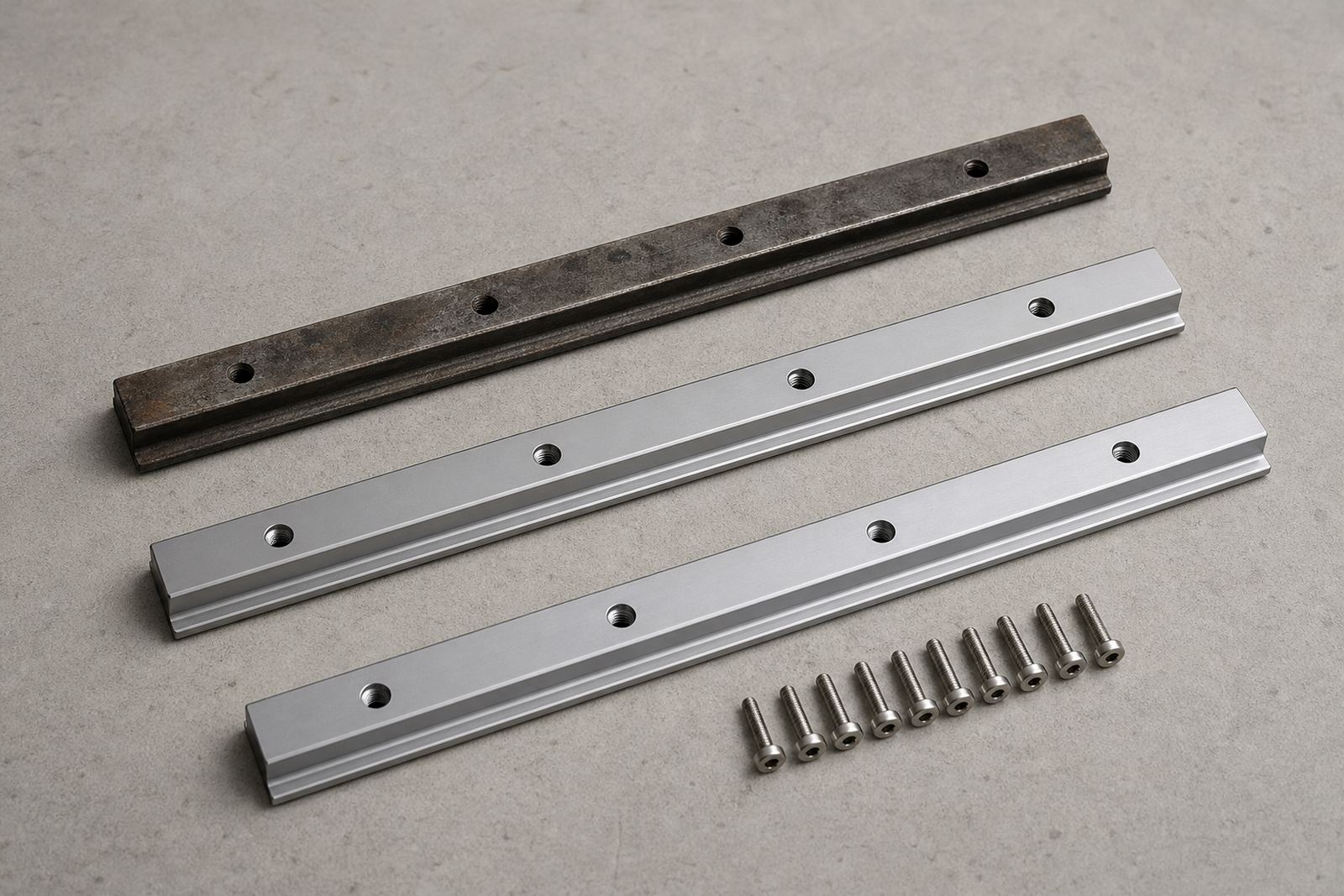
In CNC machining, a wear part is the section of a component designed to take the stress so the rest of the assembly can last longer. Instead of replacing a whole unit when one area wears down, the customer can change only the part that is meant to be sacrificed. That is often a practical choice for small batch work where service access matters and lead times need to stay under control.
Good wear part planning starts with the job drawing, then moves through material choice, fit, and the way the part will be removed or refitted. A well thought out wear item can save time during planned maintenance at a plant in Pinetown, a workshop in Durban or a site job in Richards Bay. It can also help when parts are exposed to vibration, dust, moisture or repeated sliding contact.
For many local users, the main aim is not only durability but ease of replacement. If a part can be changed without stripping half the assembly, that is usually money saved and less pressure on the maintenance team.
How CNC Milling and Turning Support Replaceable Parts
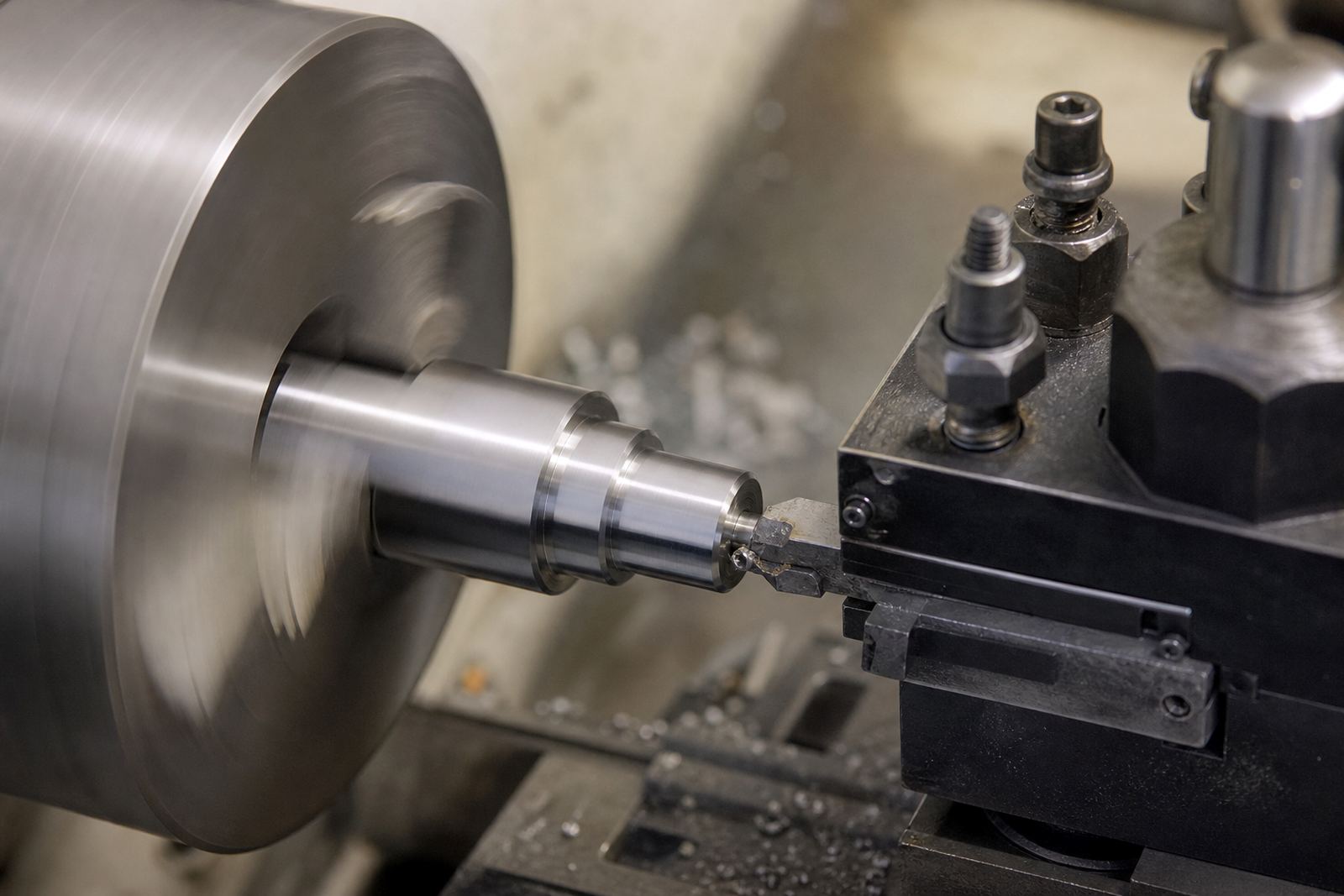
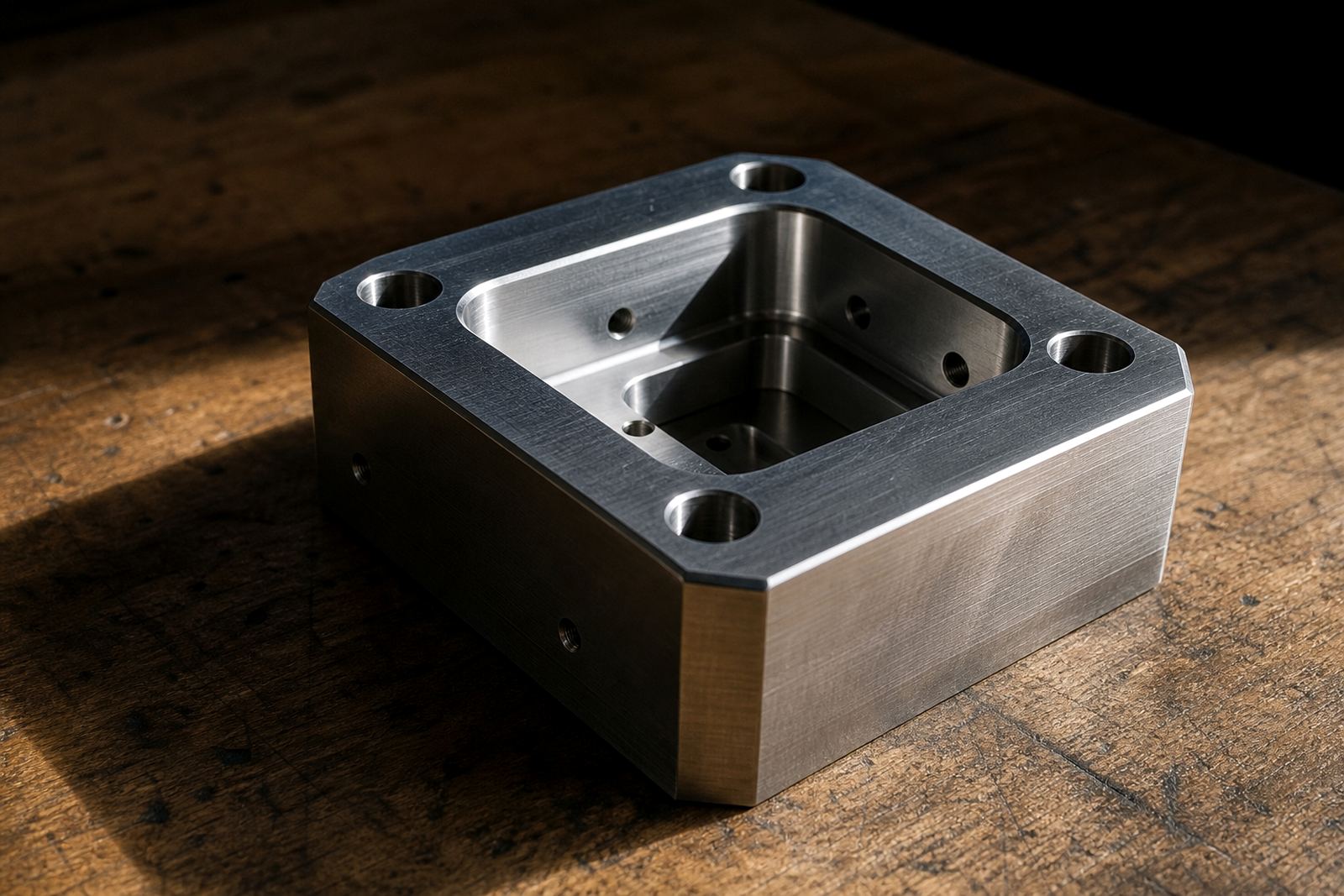
CNC milling and turning each suit different wear part shapes. Milling is useful for profiles, pockets, slots, flats and stepped forms. Turning suits round items such as bushes, spacers, sleeves, pins and collars. When a wear part is designed with one of these methods in mind, the geometry can be kept simple enough for repeat production while still holding the required fit.
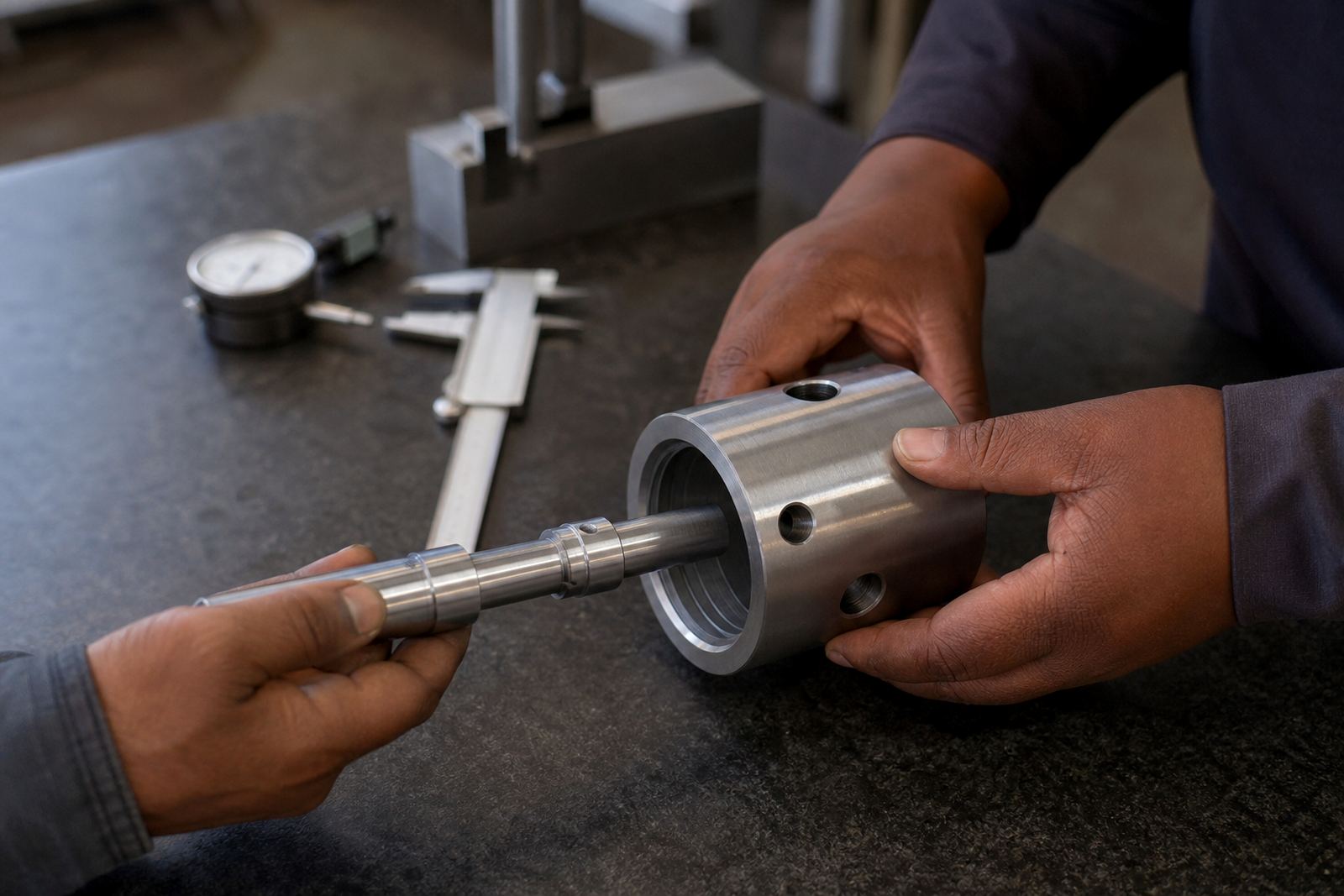
It is also worth thinking about how the part is handled in service. A turned sleeve may need a lead-in chamfer to help with assembly. A milled wear plate may need clearance holes placed so the fixing points do not become the first failure point. Small decisions like these make a difference when the part has to be changed on site with limited time and tools.
- Use the simplest shape that still does the job
- Keep critical faces easy to measure during inspections
- Avoid features that make removal awkward in confined spaces
- Allow for reordering with the same dimensions later
Choosing Materials for Service Life and Replacement
Material choice depends on what the part is doing. A wear item in a dry indoor assembly may need very different properties from one working near sea air in Umhlanga or humidity near the coast. Some applications call for metals with better abrasion resistance, while others need a material that machines cleanly and can be replaced economically.
When selecting material, the decision is usually about balancing wear resistance, cost, machinability and corrosion behaviour. In South African conditions that can matter a lot, especially where moisture, dust or chemical exposure are part of normal operation. A material that looks suitable on paper may not be the best choice once the part is fitted and working under load.
For certain wear duties, the right answer is not the hardest material available. It may be a material that is easier to machine accurately, then replace at set intervals. That keeps the overall system practical and avoids over specifying a part that is meant to be changed anyway.
Tolerances, Fit and the Risk of Over-Complication
Wear parts often need a careful balance between tight fit and serviceability. If tolerances are too loose, the part may rattle or wear unevenly. If they are too tight, replacement becomes difficult and the assembly may seize under heat or contamination. The right tolerance depends on the function, the mating parts and the environment.
On many jobs, the best result comes from setting a clear functional tolerance on the critical features and keeping non critical dimensions sensible. That helps the machinist focus on what actually affects performance. It also helps the maintenance team, because they know which surfaces matter most during inspection and which areas have a little more freedom.
For wear components, drawing notes should be plain and specific. If a bore, slot or face must match an existing assembly, that should be stated clearly. If the part may need a sample remake after first fit, the drawing should allow that without confusion. A small typo on a dimension note can create hours of extra work, so the information needs checking before cutting starts.
What a Good Wear Part Plan Includes
A practical wear part strategy is not only about the machined item itself. It also covers how the part will be inspected, replaced and reordered. The more repeatable the process, the easier it is for a business to stay ahead of stoppages.
- A drawing that identifies the wear surfaces clearly
- Material selection that matches the duty and environment
- Useful notes on assembly orientation and fixing points
- Inspection reporting so future wear can be compared
- Repeat order support for the same part when stock is finished
- Delivery coordination for planned shutdowns or maintenance windows
For some customers, a sample part remake is also useful after the first installation. That gives an opportunity to improve a feature that causes unnecessary wear, or to adjust a fit that is slightly too tight in practice. This kind of refinement can save time over the full life of the machine or assembly.
Local Example: Planning for Maintenance in KwaZulu-Natal
Consider a production site in Pinetown that uses a small machined insert at a point where packaging equipment makes repeated contact. If the insert is made as a defined wear part, the maintenance team can keep a spare on the shelf and replace it during a short shutdown instead of stopping the line for extended repairs. That is a simple example, but it shows why planning matters.
In coastal KwaZulu-Natal, corrosion and grime can make removal harder if a component has been left in service too long. In inland work, dust and vibration can be just as troublesome. The same principle applies in Pietermaritzburg, Westmead or New Germany as it does on a site in Johannesburg: make the part easy to identify, easy to fit and easy to replace when the time comes.
At PME CNC Machining, we support wear part projects through drawing review, prototype planning, tolerance guidance and repeat order support. When a part is meant to be replaced regularly, the drawing and the machining plan should both reflect that from the start.