What CNC milling actually does to a part
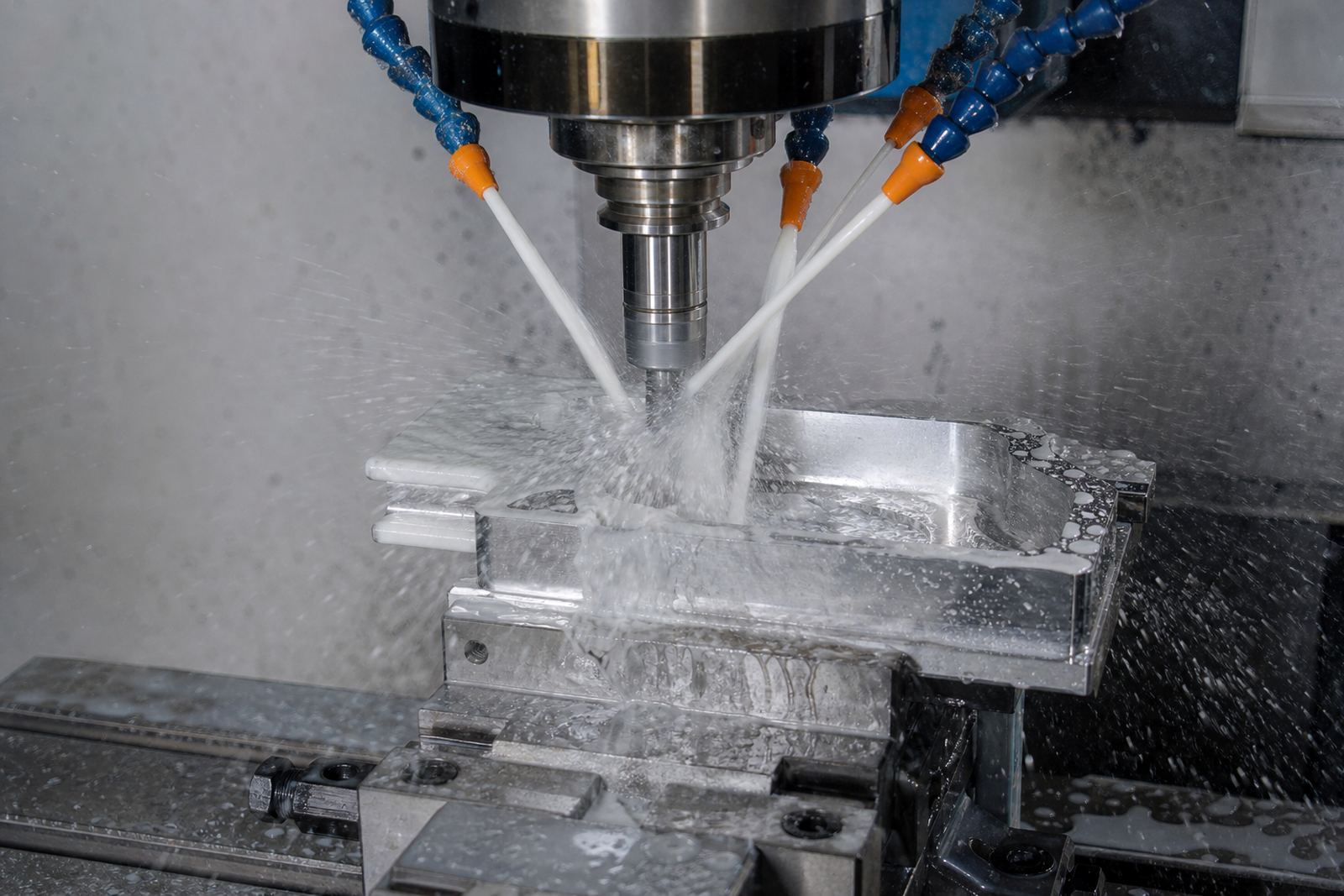
Milling removes material with a rotating cutter while the workpiece is held in place. That sounds simple, but it is what allows a machinist to produce flat faces, slots, pockets, steps and contoured surfaces with reliable consistency. For small-batch work, the aim is not just to make a part that looks right, but one that fits, locates and works the way the drawing intended.
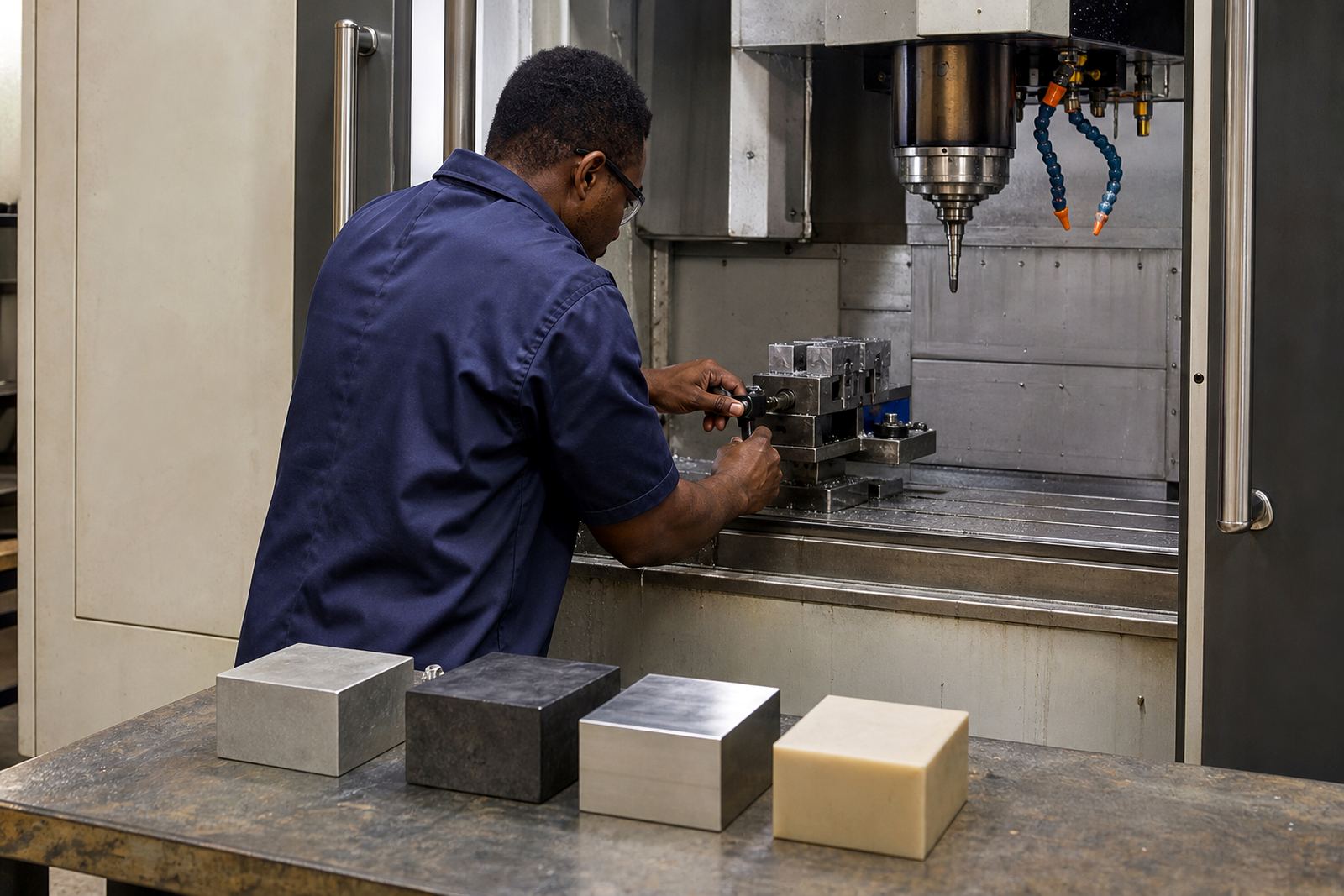
In practice, milling is used on aluminium, mild steel, stainless steel, brass and engineering plastics, depending on the application. A lighter material may be suitable for a prototype or cover plate, while a harder material may be needed for a wear surface, fixture or load-bearing component. The choice depends on what the part must do, where it will be used and how it will be assembled.
For clients in Pinetown, Durban and Westmead, milling jobs often start with a drawing, a sample or a worn part that needs to be remade. The earlier the geometry is checked, the easier it is to keep the job practical and avoid costly rework.
The main features milling is used to create
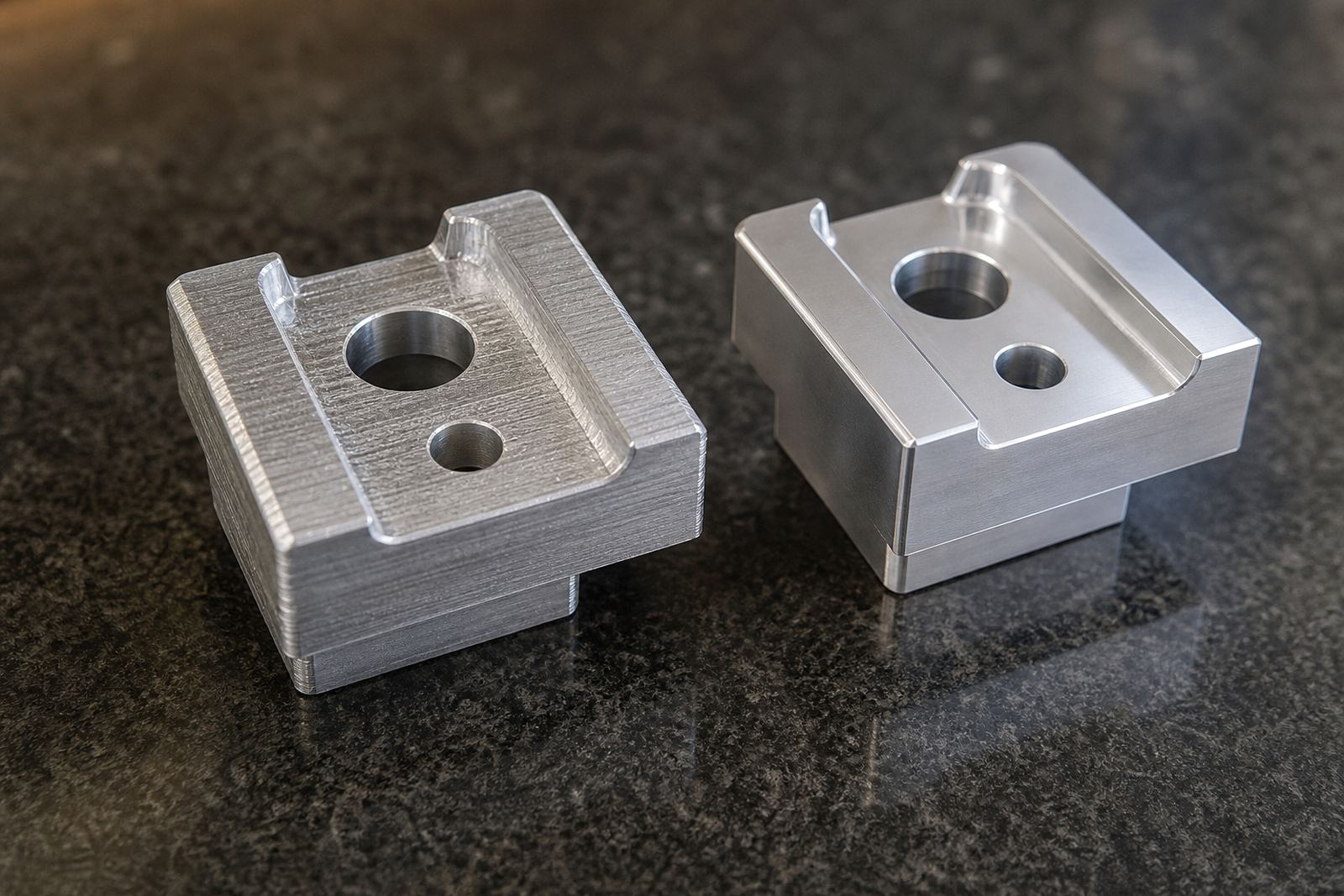
Most milling work in a job shop comes down to creating accurate geometry that other parts can reference. That may be a face that has to sit square, a pocket that must accept a component, or a contour that follows a specific profile. When a part needs more than one operation, the machinist plans the order carefully so the work stays stable and dimensions remain under control.
- Flat faces for mounting and alignment
- Pockets and recesses for fitment or clearance
- Slots and keyways for movement or location
- Contoured surfaces for shaped components
- Holes and tapped features made in the right position
On many small runs, the challenge is not making one piece, but making several pieces that behave the same. That is where careful workholding, repeatable setups and checking between operations matter. A component for a machine repair in Pietermaritzburg may need the same attention as a bracket for a production line in Johannesburg, even if the quantity is modest.
Why tolerances matter in small-batch milling
Tolerance is the amount of variation allowed on a dimension, and it is one of the first things to understand before any cutting starts. If a hole is too tight, the assembly will not fit. If a pocket is too loose, the part can move or vibrate in service. Good milling work is about finding the right balance between function, cost and manufacturability.
Not every feature needs a tight tolerance. Some surfaces only need a clean finish and a sensible fit, while others need closer control because they mate with another machined part. A practical drawing review helps separate the critical dimensions from the ones that can be left a little freer. That saves time and often makes the job more affordable too.
For example, a small batch of mounting plates for a KwaZulu-Natal factory may need accurate hole positions and consistent thickness, while the outer edges can be less exact if they do not affect fit. Clear tolerance guidance also helps when a part has to be remade later, because the measurement standard stays the same.
Material choice changes the way milling is planned
Different materials cut differently, even when the final part looks similar. Aluminium is often chosen where weight, machinability and corrosion resistance are useful. Mild steel is common for general engineering work and fixtures. Stainless steel is selected where the part needs better resistance to moisture, cleaning or coastal air. Plastics are often used for non-metallic spacers, guides or test pieces.
Material choice affects cutter wear, finish quality, heat build-up and the sequence of operations. Coastal humidity in Durban and Richards Bay can also influence storage and handling, especially for steel parts that may sit before assembly. That is why the job plan should consider not just the cut, but what happens before and after machining.
- Confirm the material grade before cutting begins
- Check whether corrosion resistance is needed
- Allow for finishing, deburring and inspection
- Keep stock stable and properly supported
A good drawing review can prevent a lot of wasted time, especially when the original part was made from material that is no longer suitable for the new application. Sometimes a stronger or more workable material is the better choice even if the shape stays the same.
How a good milling job is planned from the start
Planning is what turns a rough idea into a machineable part. A sound plan begins with the drawing, then moves to material selection, feature order and inspection points. If a part needs several faces machined, the setup sequence must be thought through so one operation does not disturb another. That matters in small-batch work where setup time can be as important as cutting time.
Prototype planning is especially useful when a client in New Germany or Umhlanga wants to test a design before committing to a larger batch. In that stage, it can be worth making a sample part first, checking assembly fit and then updating the drawing if needed. A sample part remake is often cheaper than finding a problem only after the full run is complete.
Useful planning checks include:
- Is the stock size suitable for the finished part?
- Which faces must remain as reference surfaces?
- Are there sharp internal corners that need relief?
- Will the part need secondary operations or assembly fit checks?
- Is a drawing update needed before repeat order support begins?
That sort of early discipline is what keeps a milling job practical, especially when the part has to be repeated months later for another site or machine.
A local example from a Pinetown job shop
Consider a small batch of bracket plates needed for equipment in a Durban workshop. The part may start as a flat blank, then need pockets to reduce weight, accurately spaced holes for fasteners and a milled edge that lines up with another component. If the bracket also carries a load, the face finish and thickness become part of the design, not just the appearance.
In a job like that, the team may review the drawing, confirm material availability, plan the sequence, machine a sample and check how it fits during assembly. If the first piece reveals that a hole is slightly off for the intended hardware, the drawing can be adjusted before the rest of the batch is cut. That saves time and keeps the job from becoming a batch of nearly right parts. It is practical work, and it is the sort of thing that matters when a production line cannot afford unnecessary downtime.
For clients in Pinetown, Pietermaritzburg, Richards Bay and Johannesburg, the biggest advantage of clear milling basics is that everyone knows what the part must do before metal is removed. That means fewer surprises, cleaner handover and better repeatability on future orders.
What to send with your milling enquiry
The best milling enquiries are simple, clear and complete. A good drawing, the quantity required, the material preference and the intended use give the machinist enough information to advise on tolerances and process choices. If the part is replacing an existing item, a sample or accurate measurements can help too.
When you enquire through the contact page, it helps to include:
- A dimensioned drawing or sketch
- The quantity needed for the batch
- Any critical fits or assembly concerns
- Material preference, if known
- Whether the job is a prototype, remake or repeat order
Good milling starts long before the cutter touches the work. When the drawing is clear and the purpose of the part is understood, the job shop can focus on producing components that fit properly and hold up in service.