Why a Part That Fits Is Worth More Than a Tight Number
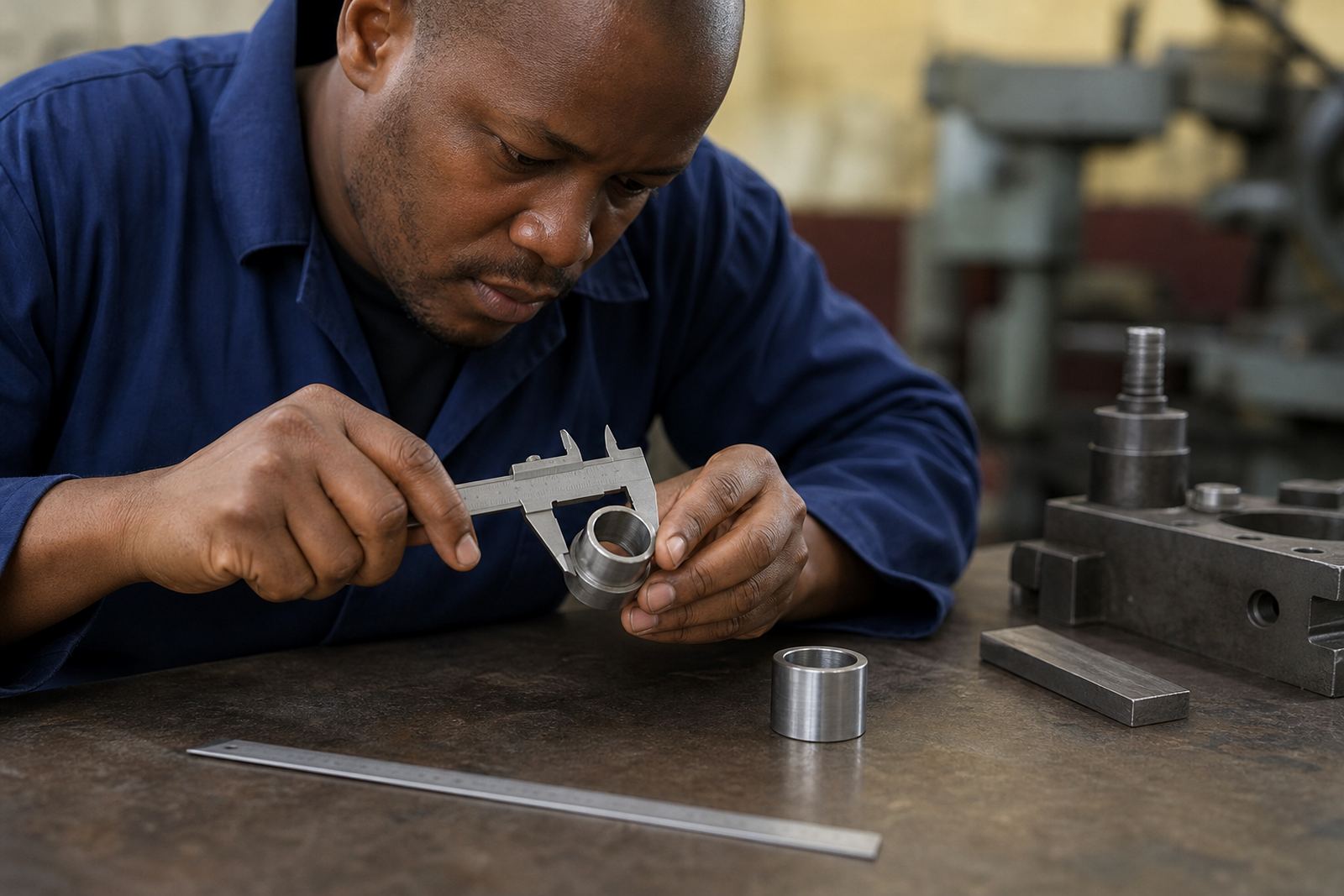
In CNC machining, a drawing tolerance is only useful if it supports the way the part will actually be assembled. A bore, boss, slot or face can all measure correctly on its own and still create trouble when it meets a mating part. Assembly teams notice this straight away: a pin will not start, a cover sits proud on one corner, or a bracket needs a hard push that should never be part of the job.
For small-batch work, the aim is not to chase the smallest possible number on every dimension. It is to choose tolerances that suit the material, the machine process, the finishing steps and the real use of the component. A sensible fit reduces handwork at assembly, keeps parts consistent from the first sample to the repeat order, and helps the whole job move faster through inspection and pack-out.
- Clear mating dimensions help assembly teams avoid force fitting and damage
- Practical tolerances reduce unnecessary machining time and inspection disputes
- Good fit planning supports repeat orders where parts must match earlier samples
Milling and Turning Need Different Fit Thinking
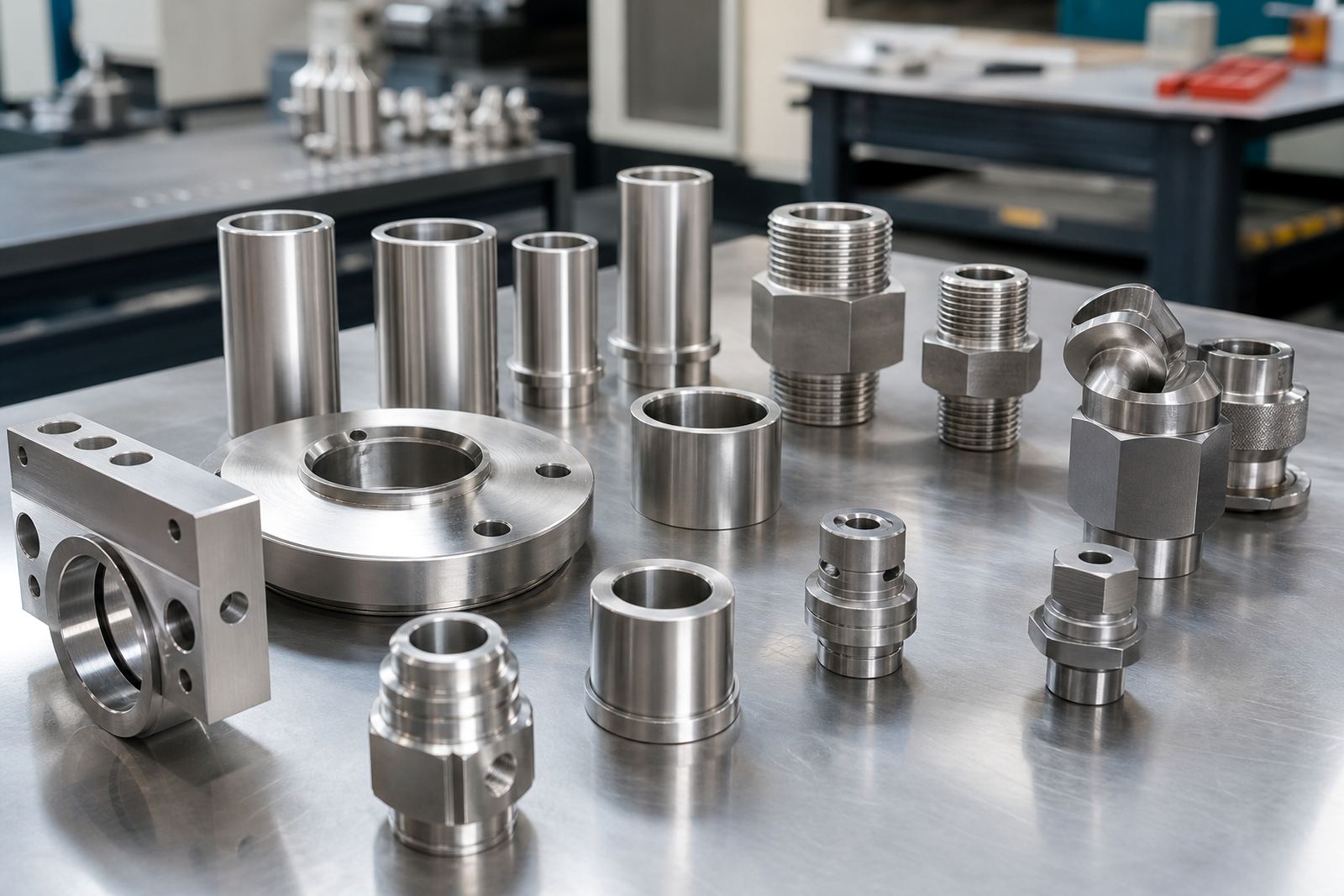
CNC milling and CNC turning both produce accurate parts, but they behave differently at assembly. Turned parts often control diameters, shoulders and concentric features, while milled parts usually control pockets, faces, slots and hole patterns. The way these features meet matters. A turned shaft with a clean diameter still needs the right finish and edge condition if it must slide into a milled housing. A milled plate can be square within tolerance, yet still foul a mating item if the corner breaks are ignored.
When PME CNC Machining reviews a drawing, the focus is on how the features work together, not only on the isolated dimensions. That includes checking whether a locating face should be machined in one setup, whether a hole should be opened up for easier assembly, or whether a chamfer is enough instead of a sharp edge. In practice, this is where many small jobs save time because the assembly issue is caught before the first cut. It is better to sort that out early than to have parts bouncing between the workshop and the fitting bay.
- Turned parts: bores, pins, shoulders and concentric surfaces
- Milled parts: slots, faces, pockets, edge breaks and hole patterns
- Interface review: how one component enters, seats or locates against another
Edge Breaks, Chamfers and Deburr Work Make a Real Difference
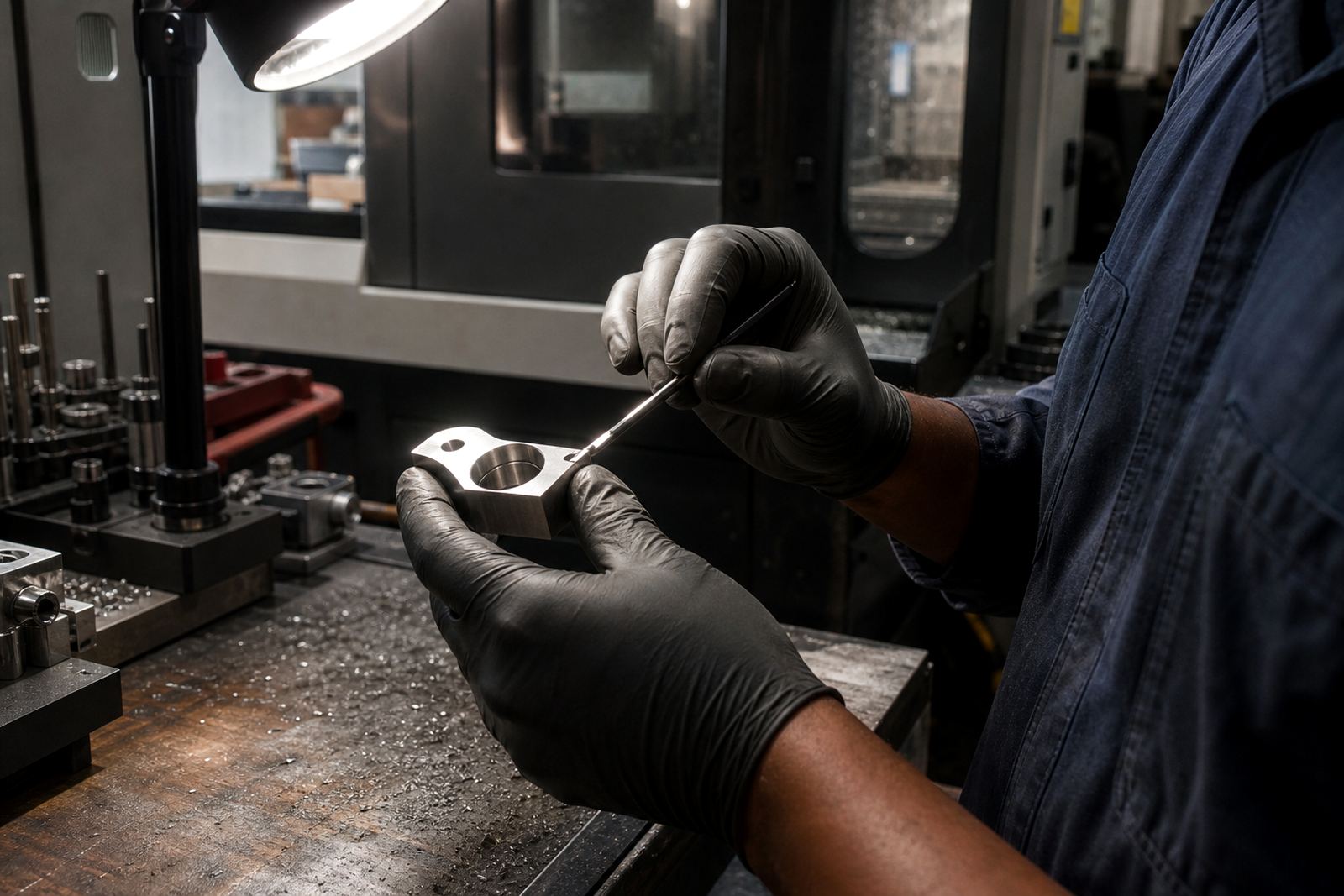
Sharp edges are cheap on paper and expensive on the bench. A burr, raised lip or tiny corner fragment can stop a part from seating fully, catch on a seal, or make a technician think the size is wrong when the real issue is finish. Good edge treatment is part of fit, not an afterthought. A proper edge break can protect hands during assembly too, which matters on site when teams are working quickly and handling multiple components.
For Pinetown and Durban customers, coastal humidity is another reason to think about finish. Bare edges and cut surfaces can show oxidation sooner if parts are left sitting around before assembly or transport. That does not mean every part needs special treatment, but it does mean the finish spec should match the storage and fit-up timeline. A clean deburr, a small chamfer, or a controlled radius can be enough to make the difference between a smooth build and a frustrating one.
- Deburr work helps parts seat properly and protects mating surfaces
- Chamfers guide fasteners, shafts and plugs into position
- Edge breaks reduce handling damage during transport and fitting
Tolerance Guidance Starts With the Assembly Method
There is no single tolerance that suits every job. A slip fit, press fit or location fit all ask for different thinking, and the assembly method should guide the drawing notes. If the part must be installed by hand on a factory floor in Richards Bay, it may need more room than a component that is assembled in a controlled bench setting. If it has to repeat across a batch and still match a mating component made weeks later, the tolerance plan should allow for that drift without turning the job into guesswork.
Material choice also affects fit. Aluminium, stainless steel and mild steel each move differently during machining and finishing. Thin sections can flex, long parts can move after roughing, and hole sizes can shift slightly after secondary operations. That is why drawing review and prototype planning are so important for small-batch work. A sensible approach can avoid expensive remake work later, especially where a part has several mating faces or one critical locating point.
- Assembly method affects the size and style of tolerance needed
- Material behaviour can change the final fit after machining or finishing
- Prototype checks help confirm whether a chosen fit will work in practice
A Local Example From Pinetown to Pietermaritzburg
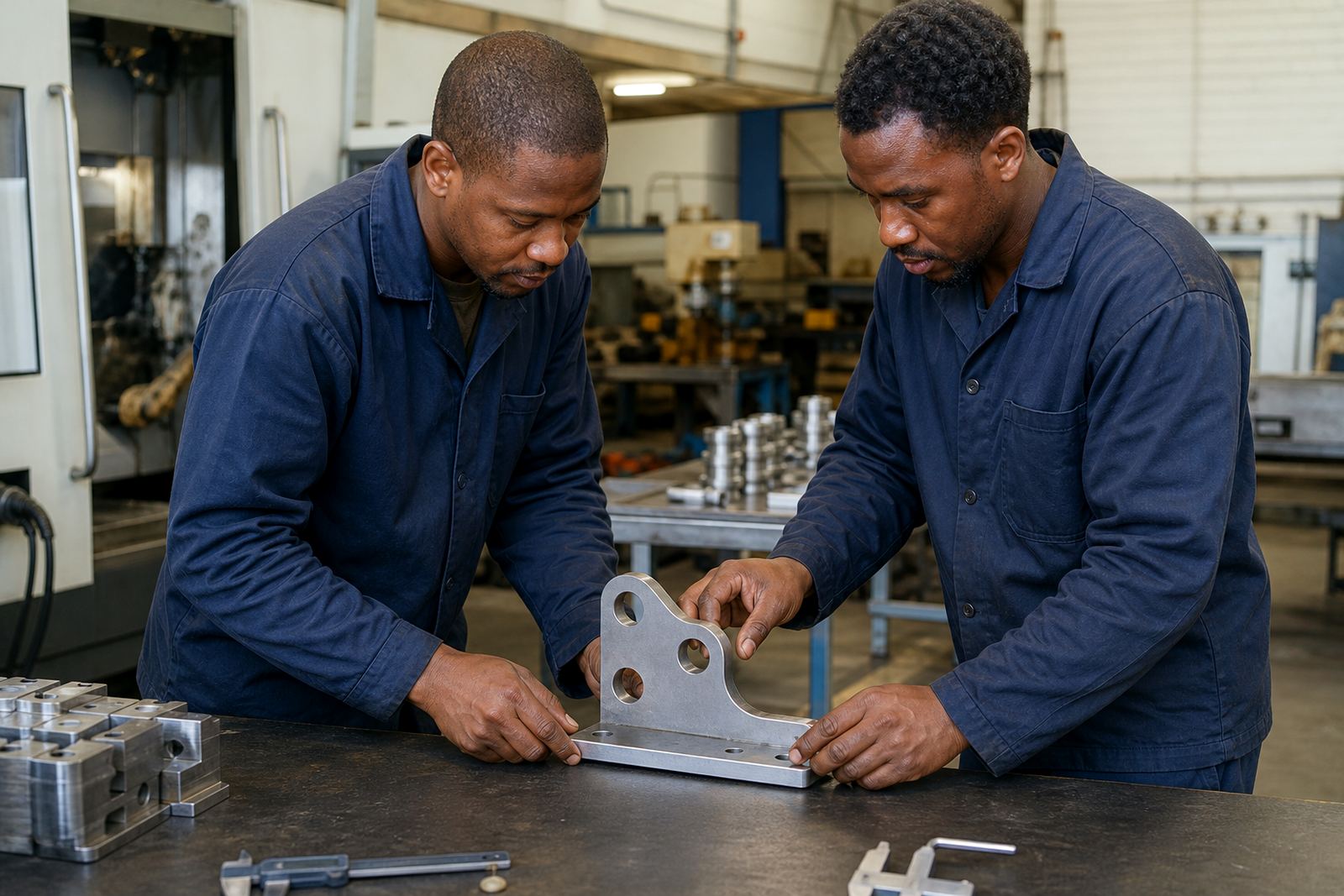
One common South African job involves a small bracket or housing part made in Pinetown and fitted into equipment in Pietermaritzburg or Durban. The drawing may call for several holes, a locating face and a machined slot. If the hole positions are right but the slot is left with a tight corner and no edge break, the fitter loses time on site. If the locating face is accurate but the tolerance stack is not considered, the part may sit skew and force the rest of the assembly out of line.
In that kind of job, the best outcome usually comes from a simple review before production starts. Check the mating dimension, confirm how the part will be held during assembly, and decide which surfaces matter most. That can lead to a cleaner sample part, fewer adjustments, and easier repeat work later on. It also makes delivery coordination smoother, because the finished parts can go straight to use instead of waiting for someone to file, shim or improvise a fix.
For clients across Durban, Westmead, New Germany, Umhlanga, Richards Bay and Johannesburg, the same principle applies. A part that fits first time saves transport, labour and delay. In a small-batch environment, that matters as much as the machining itself.
What PME CNC Machining Checks Before the First Run
Fit For Assembly begins with drawing review and ends with a part that can be used without unnecessary rework. PME CNC Machining looks at the drawing with the assembly in mind, then checks whether the selected material, setup and finish support the job. Where needed, tolerance guidance can be given on features that matter most, while less critical dimensions are kept practical so the work stays efficient.
That process may include sample part remake, inspection reporting, drawing updates and repeat order support when a client needs the same fit again. The goal is simple: make the part easier to assemble, not harder. A clear plan at the machining stage helps assembly teams work with confidence and keeps the next batch consistent too.
- Drawing review for mating features and practical tolerances
- Prototype planning to confirm fit before batch production
- Inspection reporting to track the dimensions that matter most