

How to use these machining guides
If you are sending out a small-batch job, the right guide can save time at quotation stage and prevent avoidable rework later. Start with the topic that matches your main concern, whether that is a drawing query, a fit issue, a material choice or a repeat order that needs the same part made again with consistent results.
These guides are written for buyers, production teams and engineers who need clear answers without unnecessary theory. They are useful for businesses in Pinetown, Durban, Pietermaritzburg, Richards Bay and Johannesburg, especially when the part must suit local working conditions such as coastal humidity, transport handling or load shedding related scheduling.
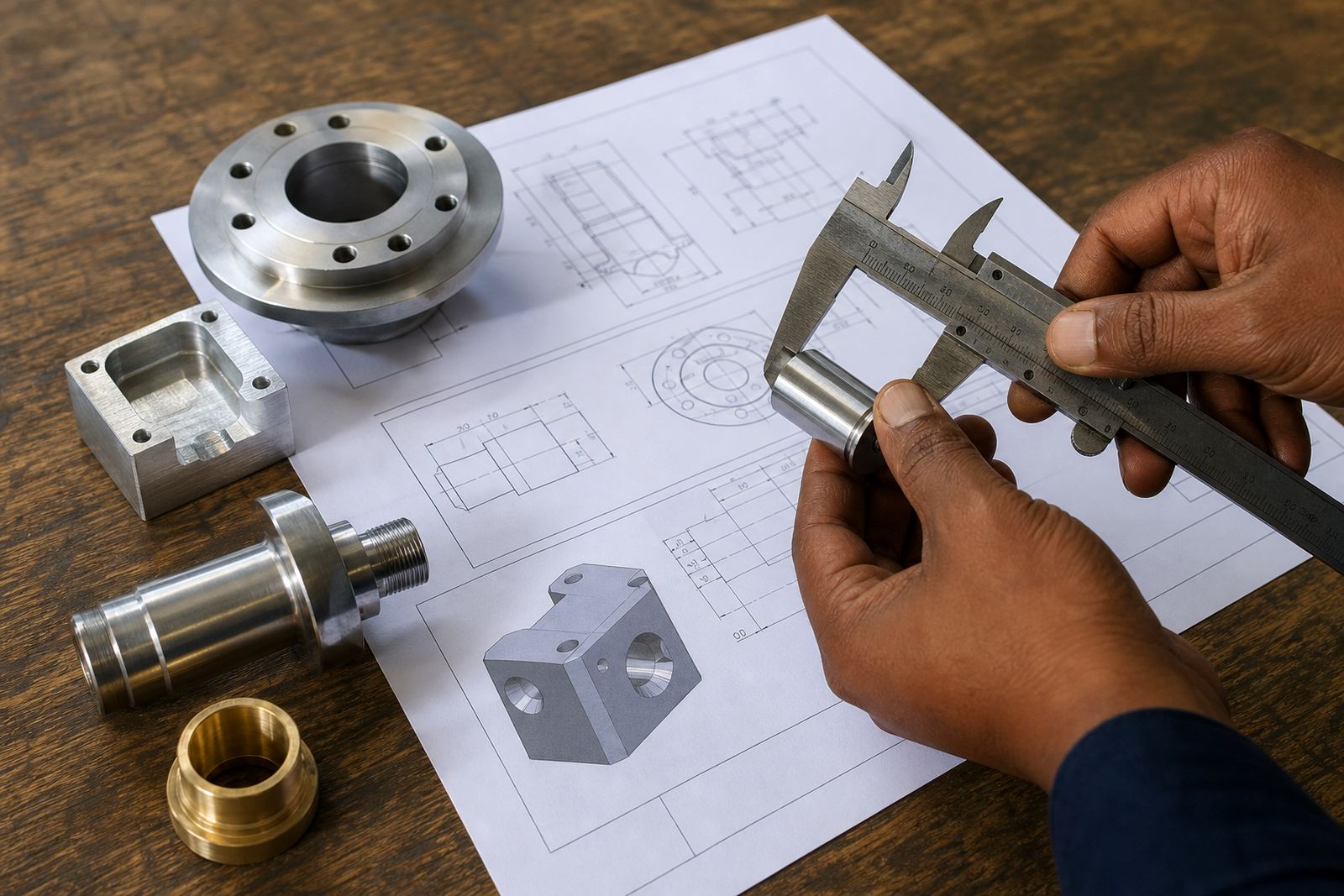
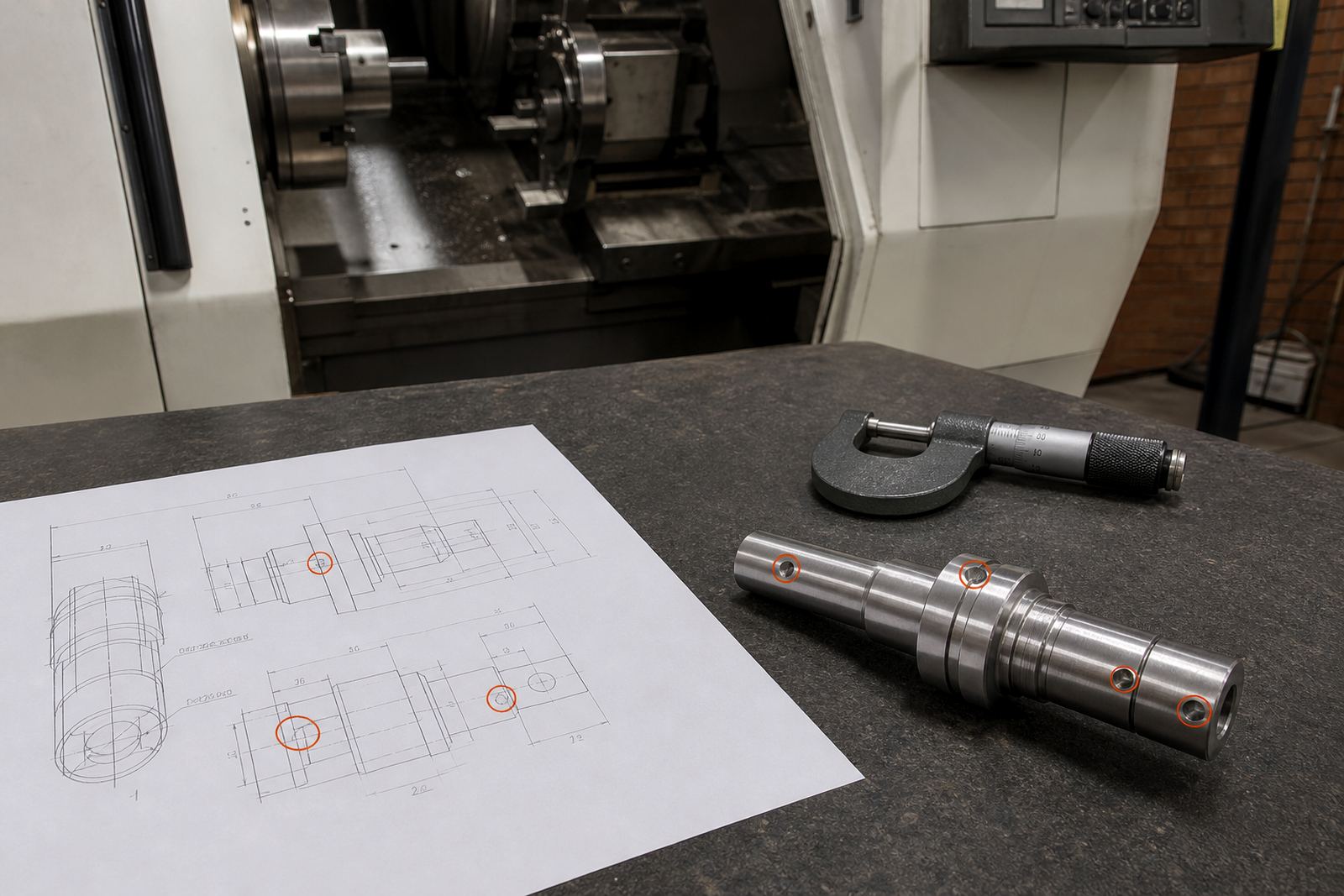
Drawing review before machining starts
A good drawing does more than show shape. It should make the part function clear, point out critical dimensions and show which faces, holes or threads matter most. If the drawing is incomplete, a proper review can flag missing notes, vague tolerances or features that may be difficult to machine economically.
- Check overall size and any critical dimensions first
- Identify the material and finish callouts
- Confirm tolerances on holes, shafts and mating faces
- Mark any deburring, edge break or surface requirements
- Ask whether the part must match an existing component
For small-batch work, a drawing update may be better than forcing assumptions into production. That keeps the job clearer for everyone and helps avoid issues on the second or third run.
Choosing between milling and turning
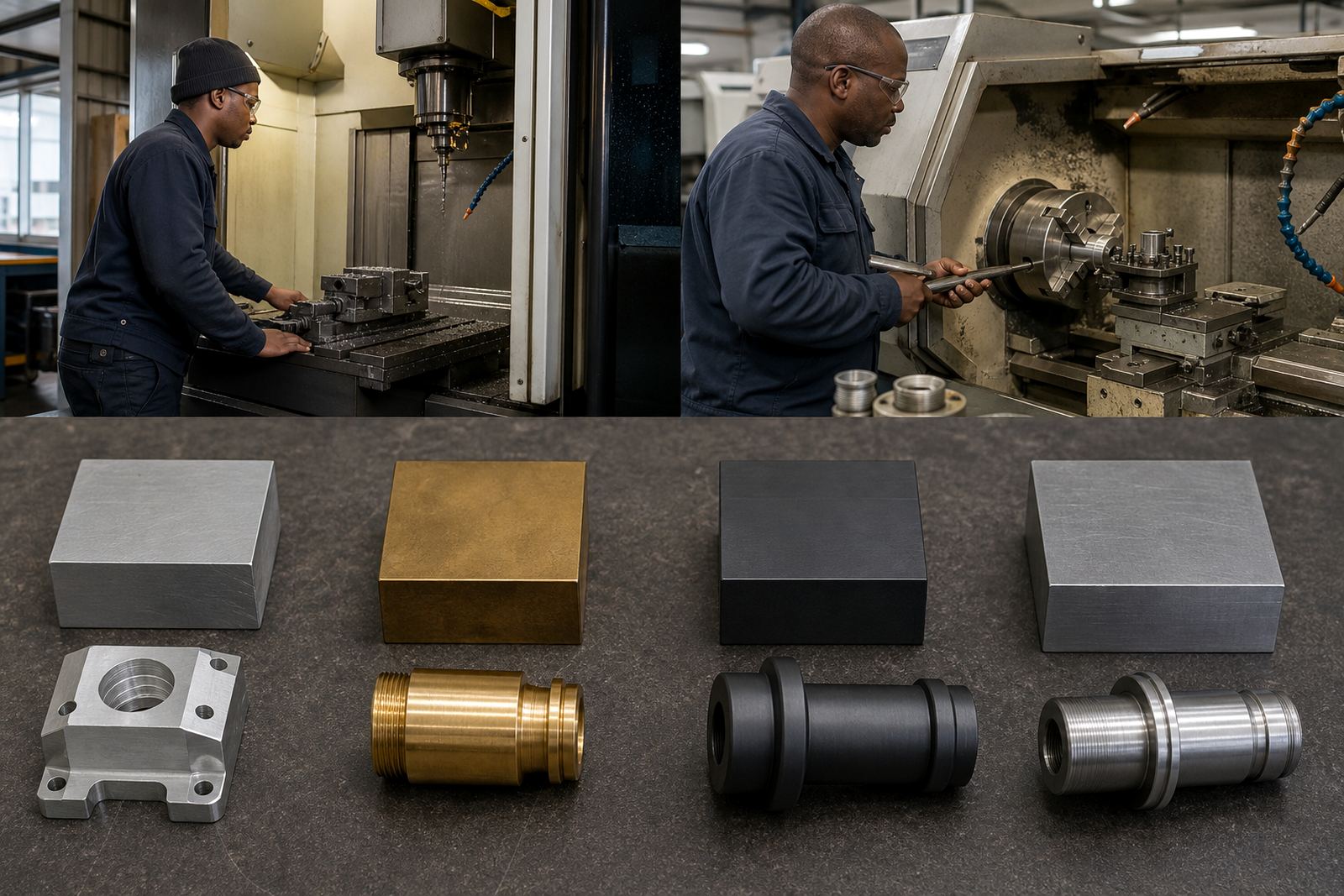
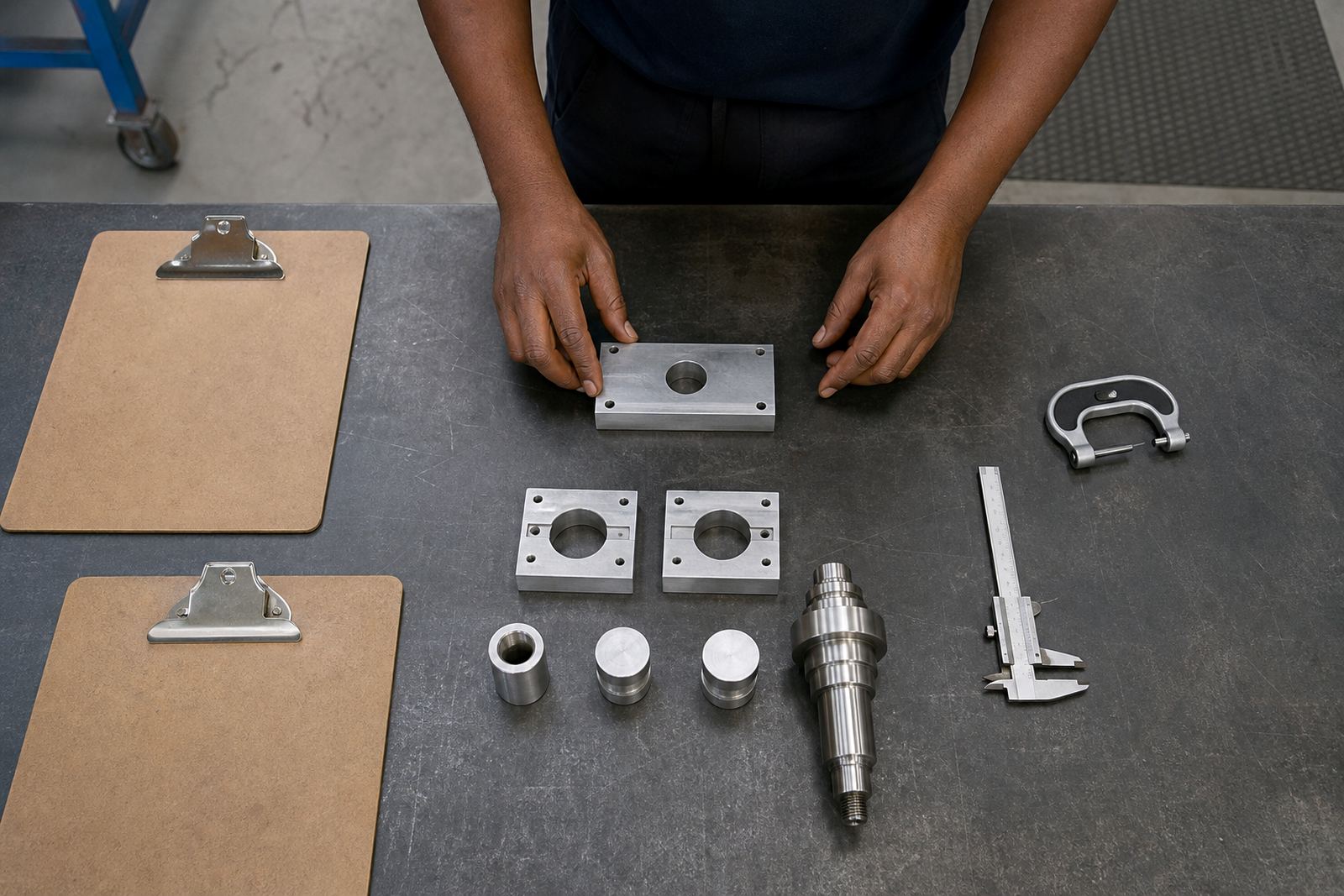
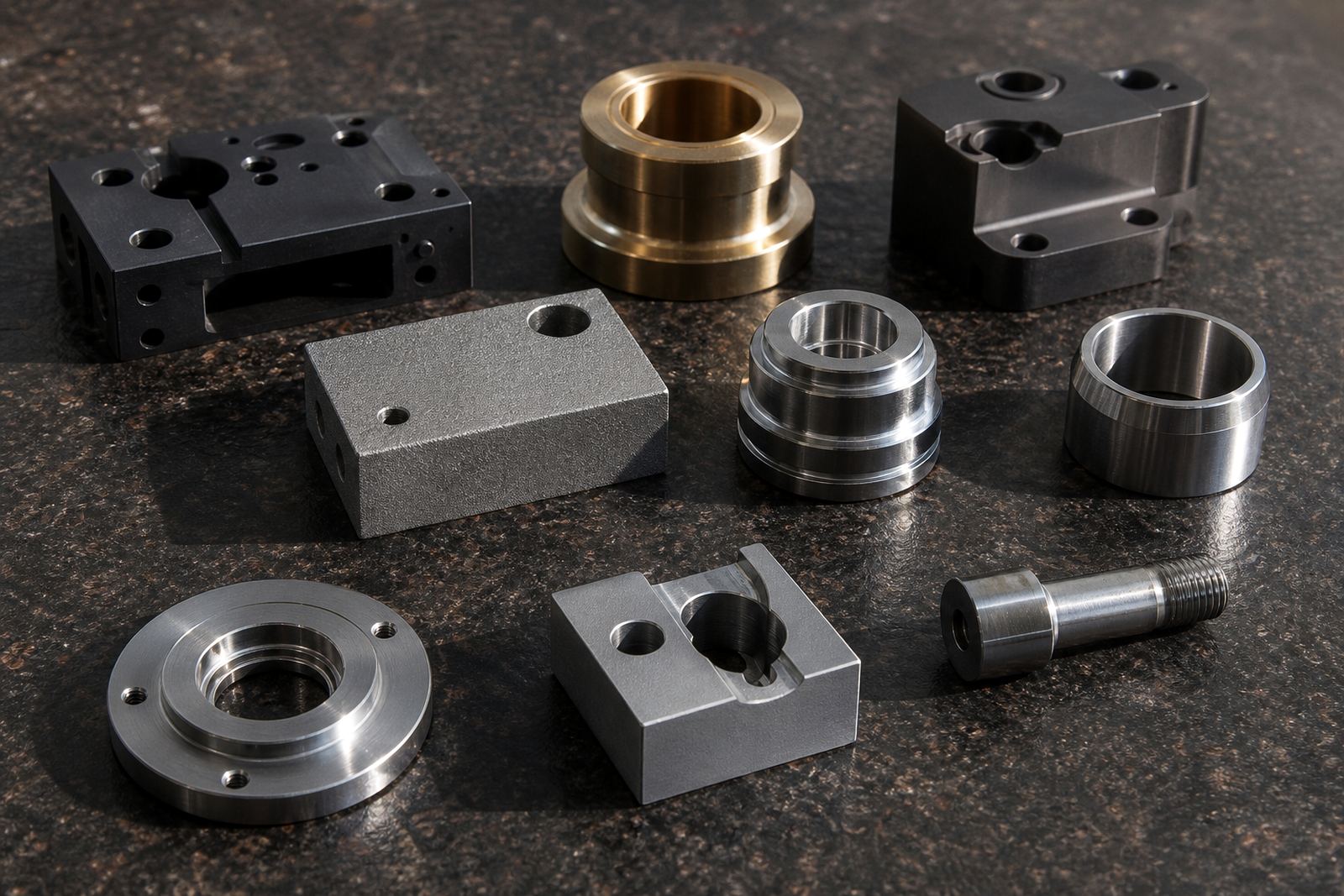
CNC milling and turning solve different problems. Milling is generally used for flat faces, pockets, slots, drilling patterns and shaped features on blocky parts. Turning is the better fit for round components such as bushes, spacers, shafts and stepped cylinders. Some jobs need both processes, especially when a turned body includes milled flats, cross holes or drive features.
If you are not sure which method suits the part, think about how it will be held, what surfaces need the tightest control and whether the design is mainly rotational or prismatic. A part that must seal, locate or rotate smoothly may need more careful tolerance guidance than a simple bracket or spacer.
Materials that suit small-batch production
Material choice affects machinability, wear performance, corrosion resistance and cost. In KwaZulu-Natal, coastal humidity can make corrosion control more important, while inland transport and storage may affect how parts are protected before installation. The right stock form also matters, because a bar, plate or billet can change both machining time and waste.
Common machining discussions often include aluminium, mild steel, stainless steel, brass, bronze and engineering plastics, depending on the part function. Each has its own behaviour in the machine and in service. Soft material can be quick to cut but may mark easily, while tougher grades can need slower feeds and sharper process control. Not every material suits every job, so selection should always follow the part duty and environment.
- Corrosion resistance for coastal or wet environments
- Strength and wear resistance for moving parts
- Machinability for tight batch turnaround
- Availability in the required stock size
- Compatibility with coating or assembly steps
Tolerance guidance for parts that must fit
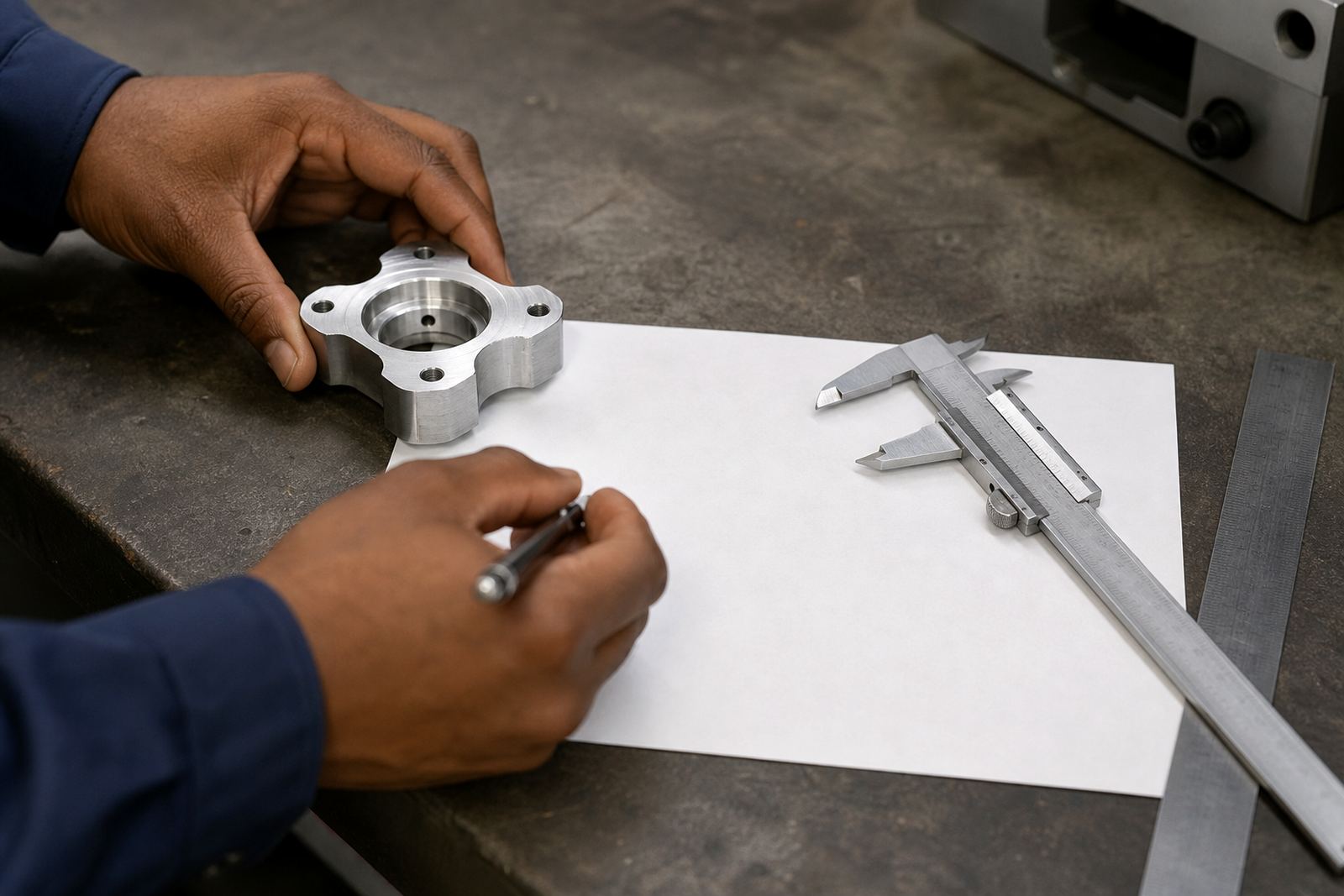
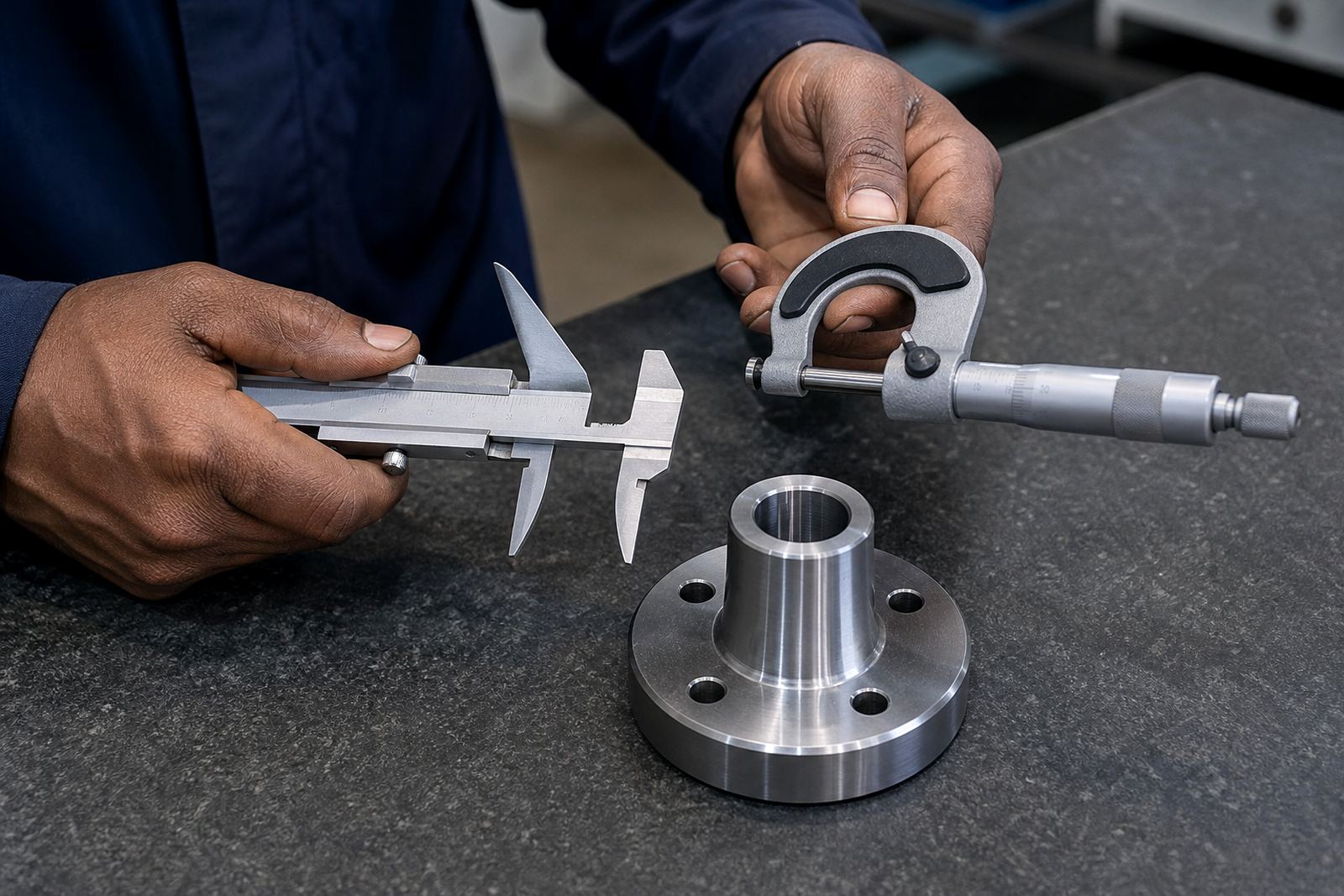
Tolerances are not just numbers on a drawing. They tell the machinist how much variation the part can accept and still work as intended. Tight tolerances can be important for bearing fits, locating faces, sealing surfaces and assemblies with no room for slack. Looser tolerances are often acceptable for non-critical features and can reduce unnecessary cost.
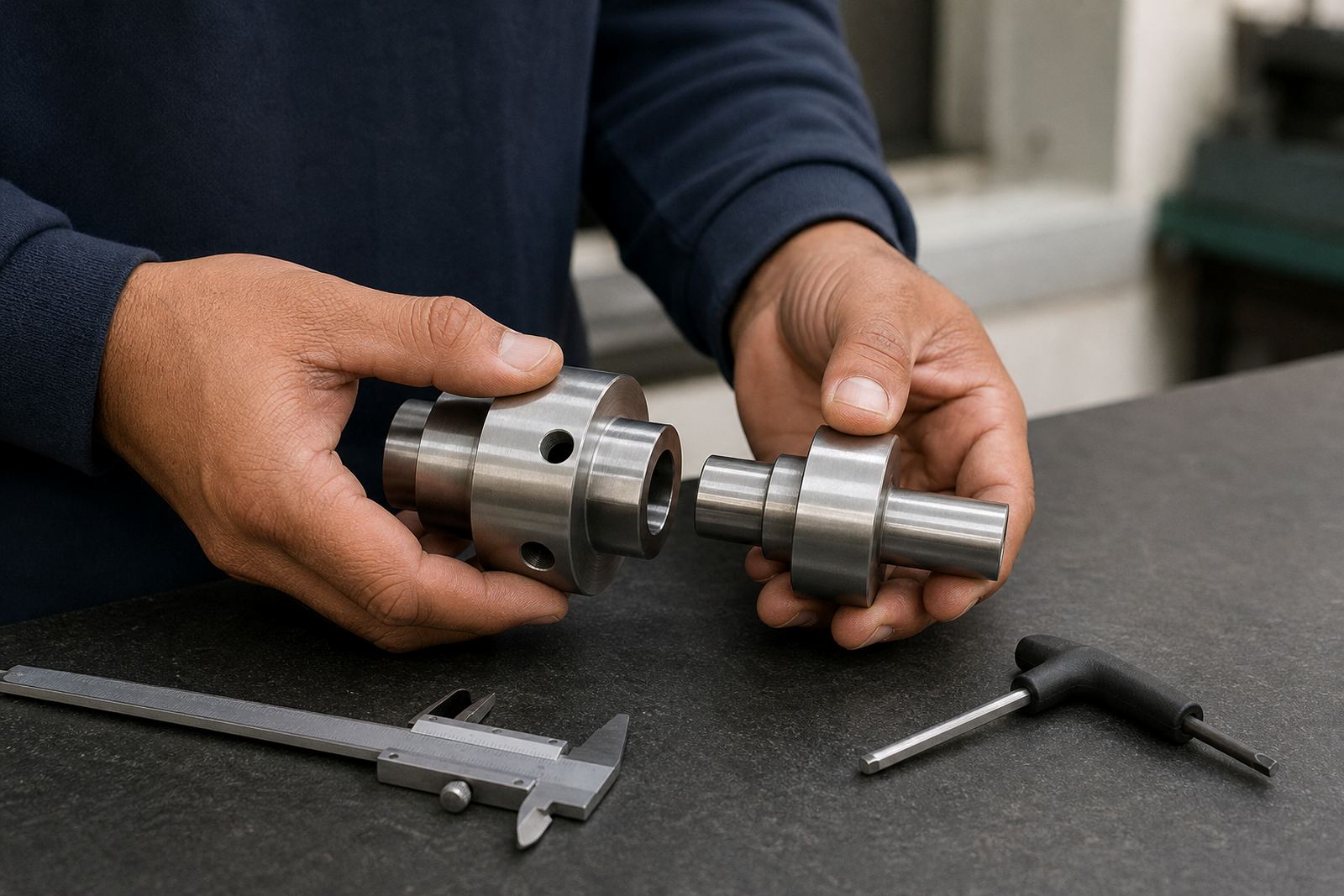
The best approach is to apply tighter limits only where the function needs them. That is often the difference between a part that assembles smoothly and one that keeps giving trouble on site. If a component must mate with another part already in service, a sample part remake or fit check can help before the full batch is released.
Planning batches, repeats and remake work
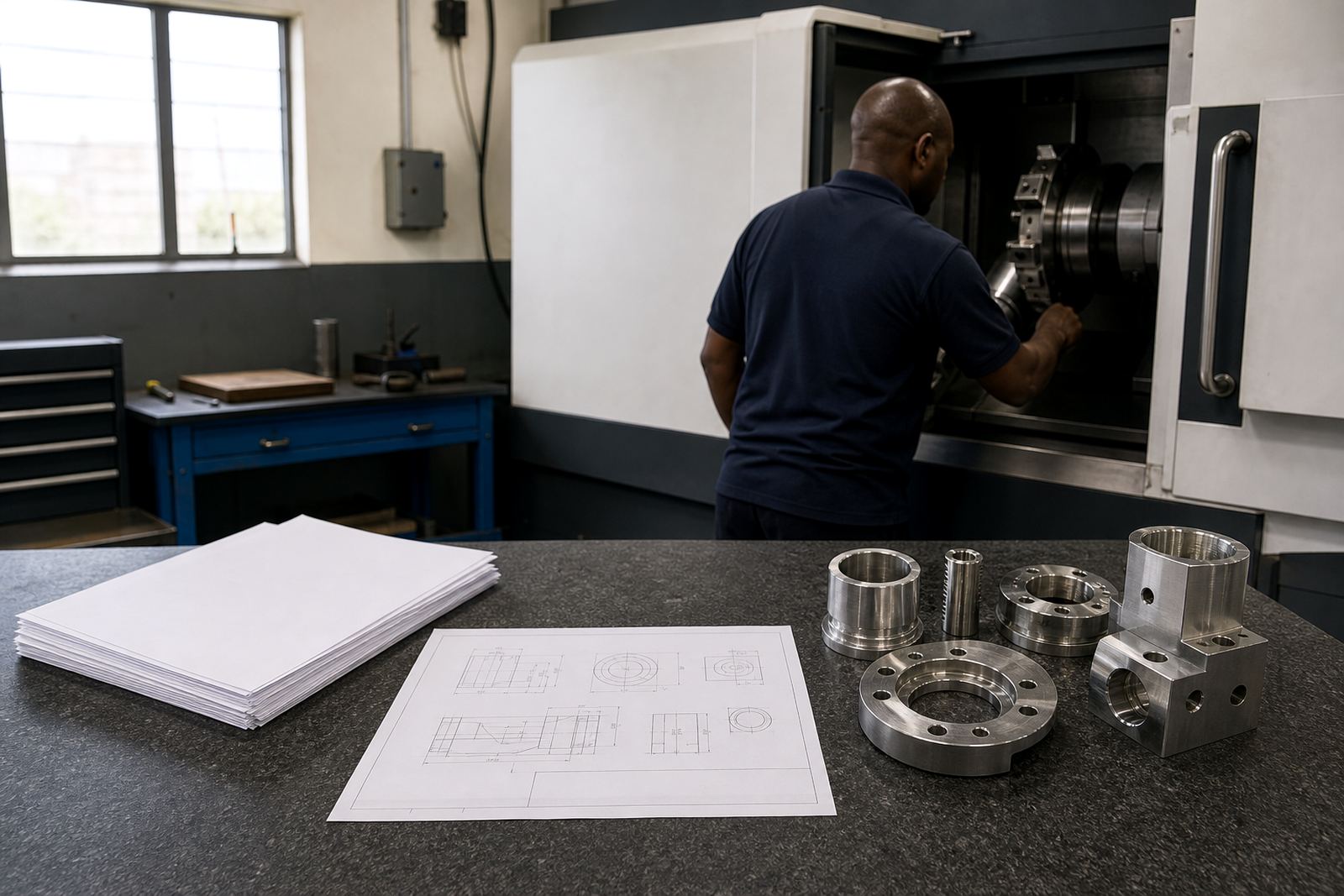
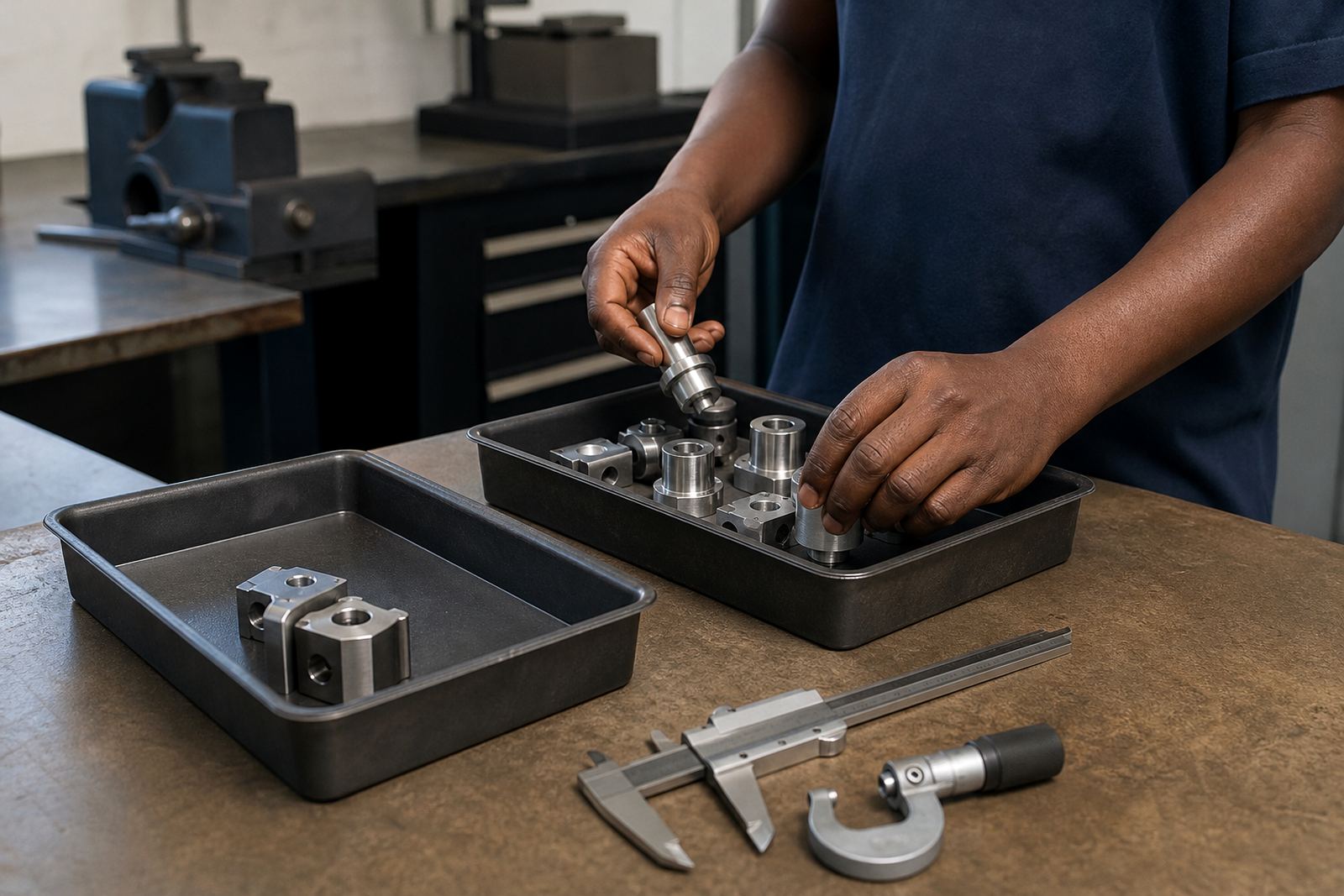
Small-batch production needs a different plan from high-volume manufacturing. Setup time, tool selection, inspection points and material yield all matter more when the order size is limited. Repeat orders benefit from keeping the drawing current and confirming any changes to finish, fit or packaging before the next run starts.
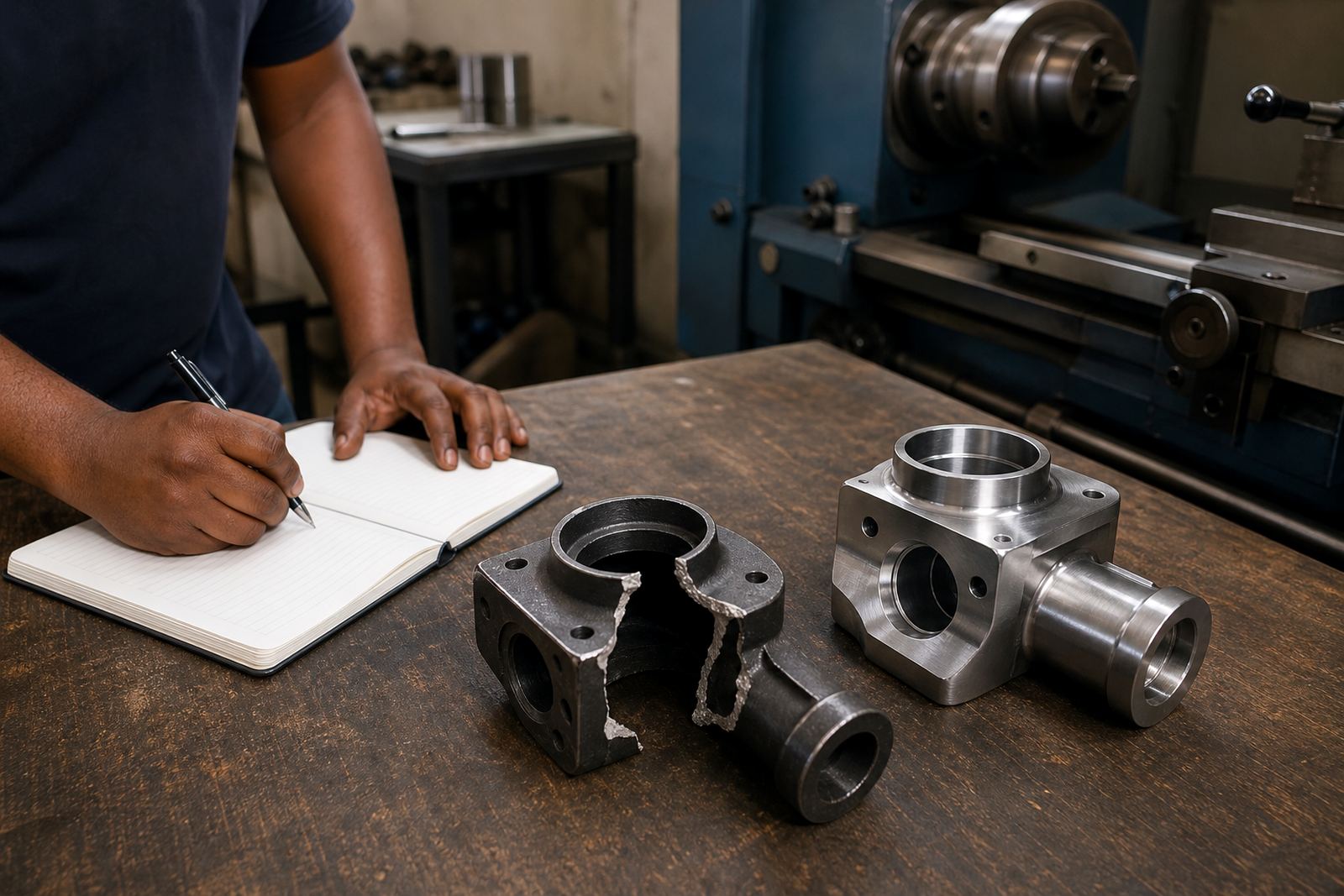
These guides also help when a sample part needs to be remade. Sometimes the issue is not the geometry itself but the fit, finish or assembly method. A clear record of what changed can save time on the next batch and reduce back-and-forth during production. It is also worth planning delivery timing around site readiness, especially if the parts are needed for shutdowns or maintenance windows.
- Prototype planning for first-off parts
- Batch planning for repeat runs
- Inspection reporting for critical work
- Assembly fit checks before release
- Delivery coordination across South Africa
When to contact PME CNC Machining
If you have a drawing, an old sample or only a rough idea of what the part must do, our enquiry process is the place to start. PME CNC Machining in Pinetown supports clients across Durban, Westmead, New Germany, Umhlanga, Pietermaritzburg, Richards Bay and Johannesburg with practical guidance before machining begins.
Our team includes Mandla Sibusiso Mkhize, Anele Nondumiso Dlamini, Johan Petrus van Wyk, Siyabonga Patrick Zulu, Naledi Refilwe Molefe and Kyle Brendan Naidoo. They work through drawing review, material selection, tolerance guidance, drawing updates and repeat order support so each job is handled with care from first query to final delivery.