What Actually Sets the Clock on a CNC Job
When a customer asks how long a job will take, the first question is not just how many parts are needed, but what the parts need to do. A simple spacer, a mounting plate or a shaft collar can move quickly if the drawing is clear and the material is on hand. A more detailed part with multiple faces, fine features or a tight assembly fit will naturally need more set-up time, programming time and inspection time.
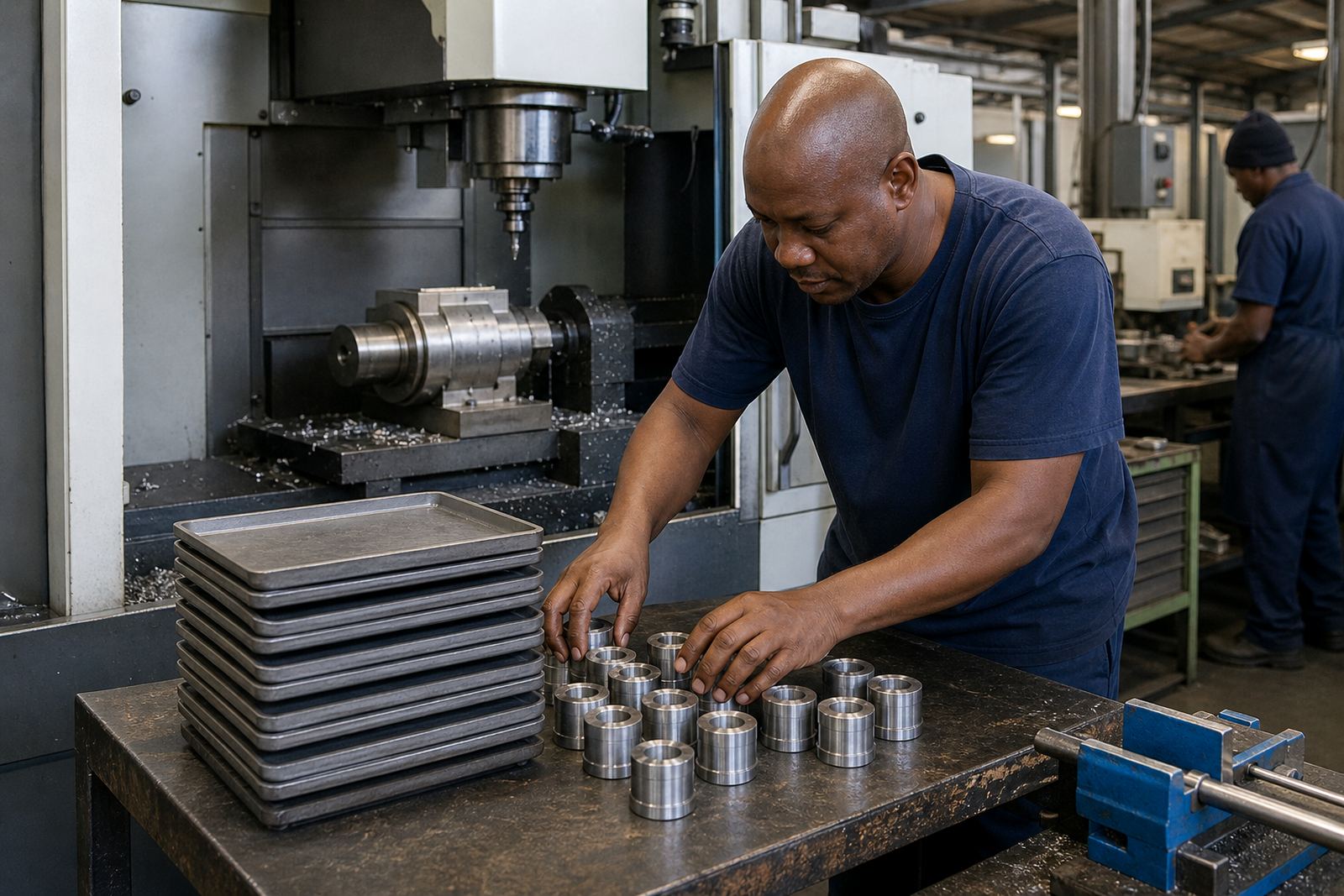
At PME CNC Machining in Pinetown, lead time is usually influenced by a few practical items: the condition of the supplied drawing, whether the material is standard or special order, the number of operations needed on the part, and whether the customer needs sample parts first. Small-batch work often moves faster than large production runs, but it still needs careful planning so the first part and the last part match. If a job is rushed without proper checks, it can cost more time in the end.
In KwaZulu-Natal, local traffic, supplier access and workshop load also matter. A job going to Durban or Umhlanga may be ready in good time, but if the material must be collected from another area or a replacement tool is needed, that can add a day or two. For clients in Johannesburg or Richards Bay, delivery timing becomes part of the lead time as well.
How Drawings and Tolerance Requests Change the Schedule
The clearer the drawing, the easier it is to plan the work. Missing dimensions, unclear notes or mixed units can slow everything down because the team must stop and confirm what is required. If the job is for a repeat part, even a small drawing update should be flagged early so the correct version is used.
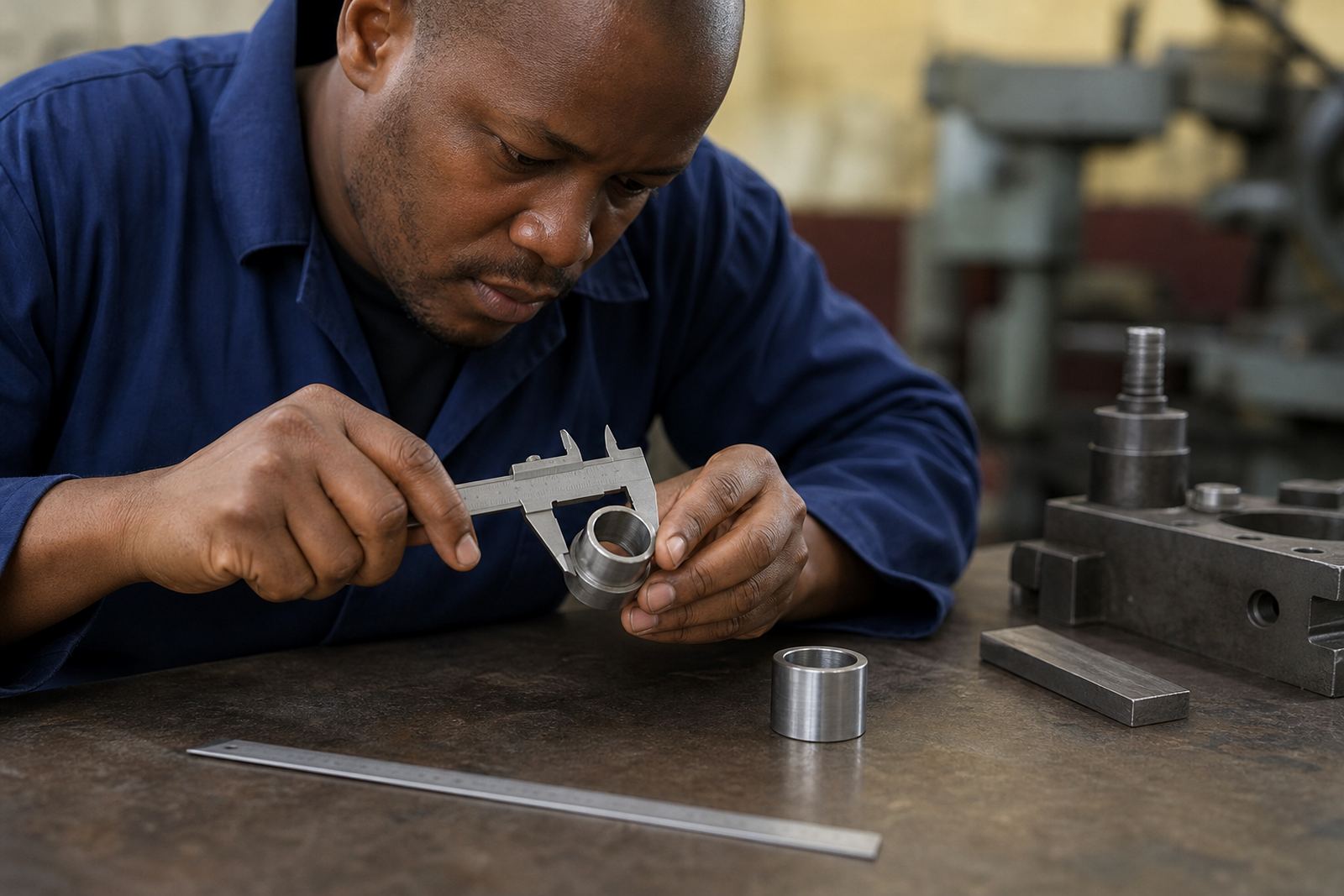
Tolerance guidance also plays a big role. A general machined component may be straightforward, but if a bore, slot or mating face must fit another part closely, the machining and inspection steps must be more controlled. That does not always mean the job is difficult, but it does mean there is less room for adjustment once cutting begins.
- Clean, fully dimensioned drawings reduce back-and-forth during quoting and planning.
- Closer tolerances usually mean more measuring, more tool checks and more time between operations.
- If a part must match an existing assembly, sample part checks help avoid remake work later.
- Changes made after production starts can affect both timing and cost, especially on small batches.
For job shop work, one unclear detail can hold up a whole queue. A missing hole depth or an unfinished surface callout might seem minor, but it can affect the cutter choice, the order of operations and the final inspection method.
Material Choice Can Speed Up or Slow Down the Job
Material selection is another major factor in lead time. Some materials are commonly available in standard sizes and are easier to source quickly. Others may need special ordering, extra cutting allowance or more careful handling during machining. The shape and size of the raw stock also matter, because a part that starts close to final size needs less waste removal than one cut from a larger block.
Different materials behave differently under the tool. Softer materials can machine quickly but may need attention to burrs and edge finish. Harder materials can take longer to cut and may require slower feeds, more tool changes or additional inspection. Coastal humidity in KwaZulu-Natal can also matter for storage and handling, especially where material needs to stay straight and clean before machining.
- Standard stock sizes are usually faster to start than special order material.
- Longer or heavier raw pieces can increase preparation and handling time.
- Materials that tool cleanly often move faster through repeat jobs.
- Surface condition and straightness can affect how quickly setup is completed.
For clients in Pinetown, Westmead and New Germany, a quick material check at the start often saves time later. It is better to confirm stock early than to discover halfway through that the wrong grade or size has been used, which can push a delivery date out by several days.
Prototype Work Usually Needs More Back and Forth
Prototype parts are often the slowest jobs to complete, not because they are large, but because they are being developed rather than repeated. A prototype may need drawing review, feature refinement, a sample part remake or a tolerance adjustment after the first test fit. That extra learning is normal. The purpose of the prototype is to confirm that the part works before more pieces are cut.
At this stage, prototype planning matters just as much as machining time. If the part will later be used in a machine assembly, bracket set or mounting arrangement, the team needs to understand how it will fit, what it will touch and where wear is likely to happen. Small changes to hole spacing, edge breaks or face flatness can have a major impact on how well the part performs. On a prototype, it is common for the first sample to lead to a better second version.
For urgent work, the fastest route is usually the clearest one: send the latest drawing, explain the function of the part and say which dimensions are critical. That helps the workshop decide what can be turned around quickly and what needs a more careful approach. In a city like Durban, where many jobs are tied to maintenance, downtime often costs more than the machining itself, so good early information saves time all round.
Repeat Orders Move Faster When the Record Is Good
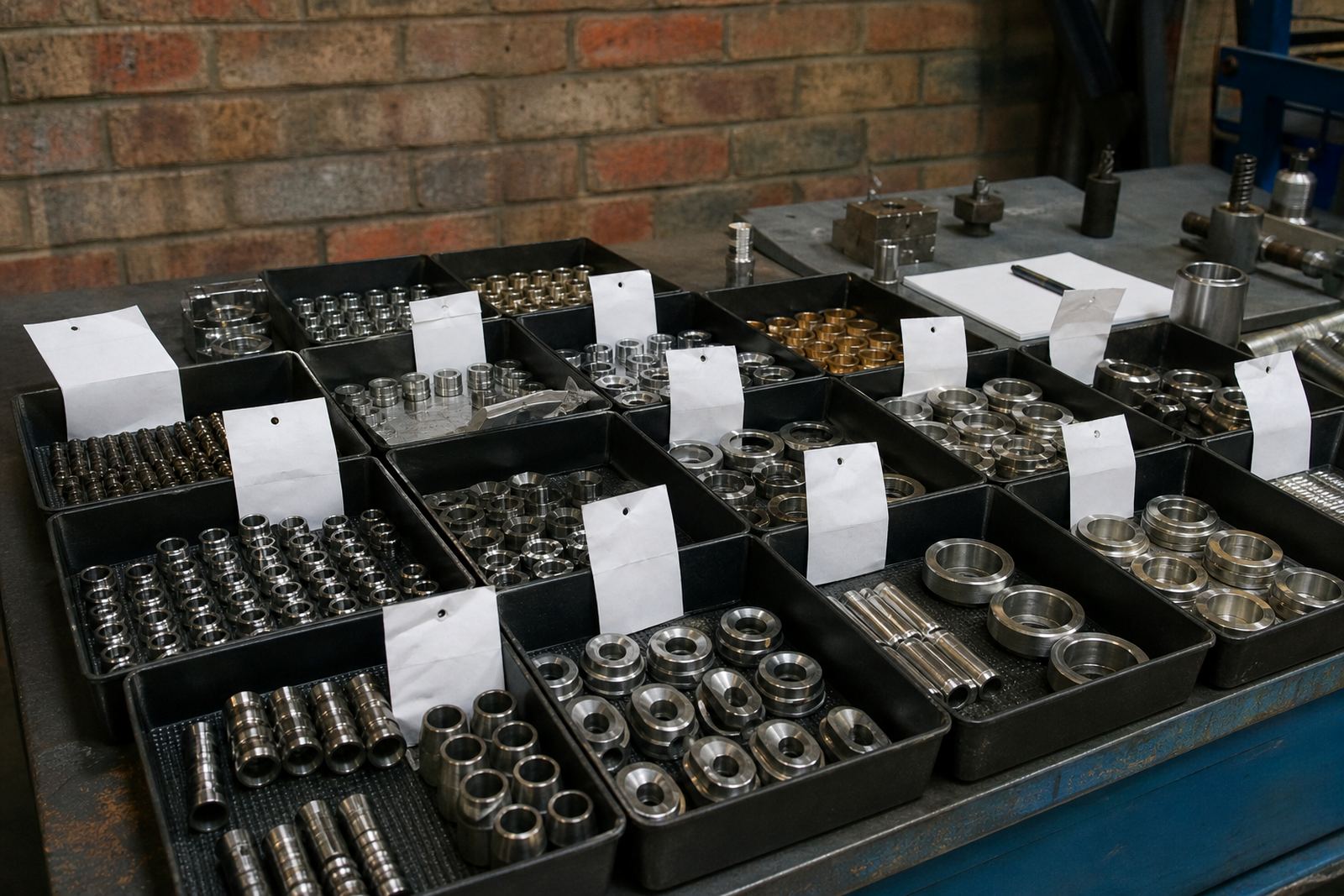
Repeat orders can be much quicker than first-off work, provided the records are clean. If the previous job had approved dimensions, known material, clear inspection notes and a stable process, the next batch can often be planned with less delay. That is why repeat order support is so important in a busy machining shop. The memory of one person is not enough, the job needs a proper record.
Even on repeat work, lead time can change if the customer wants a revised drawing, a different finish, a new quantity or a tighter fit. A part made six months ago might still be the same size on paper, but the real use on the floor may have changed. If the assembly has worn or the customer has altered another component, the machined part may need to be checked against the latest condition instead of the old one.
- Keep the latest approved drawing version with the order history.
- Record any fit issues from the last batch before the new batch starts.
- Note the material grade and any special finishing steps used previously.
- Tell the workshop if delivery dates are linked to shutdowns or planned maintenance.
That kind of record keeping is especially useful for customers across Pinetown, Pietermaritzburg and Richards Bay, where repeat maintenance jobs often arrive with limited notice and short windows for installation.
Urgent Workshop Work Needs Clear Priorities
Urgent work is not only about speed. It is about deciding what must happen first, what can wait and what needs sign-off before machining begins. A rush order may be possible, but it still needs the same controls as any other job. The difference is that the steps must be arranged with less slack between them.
When a time-sensitive part comes in, the team will usually look at the drawing quality, stock availability, machine time and whether inspection can be completed without delay. Sometimes a job can be moved ahead because it is simple and the material is ready. Other times the correct answer is to split the job into stages, for example a sample part first, then the remaining batch once the fit is confirmed. That approach often protects the delivery date more than trying to force the whole batch through too quickly.
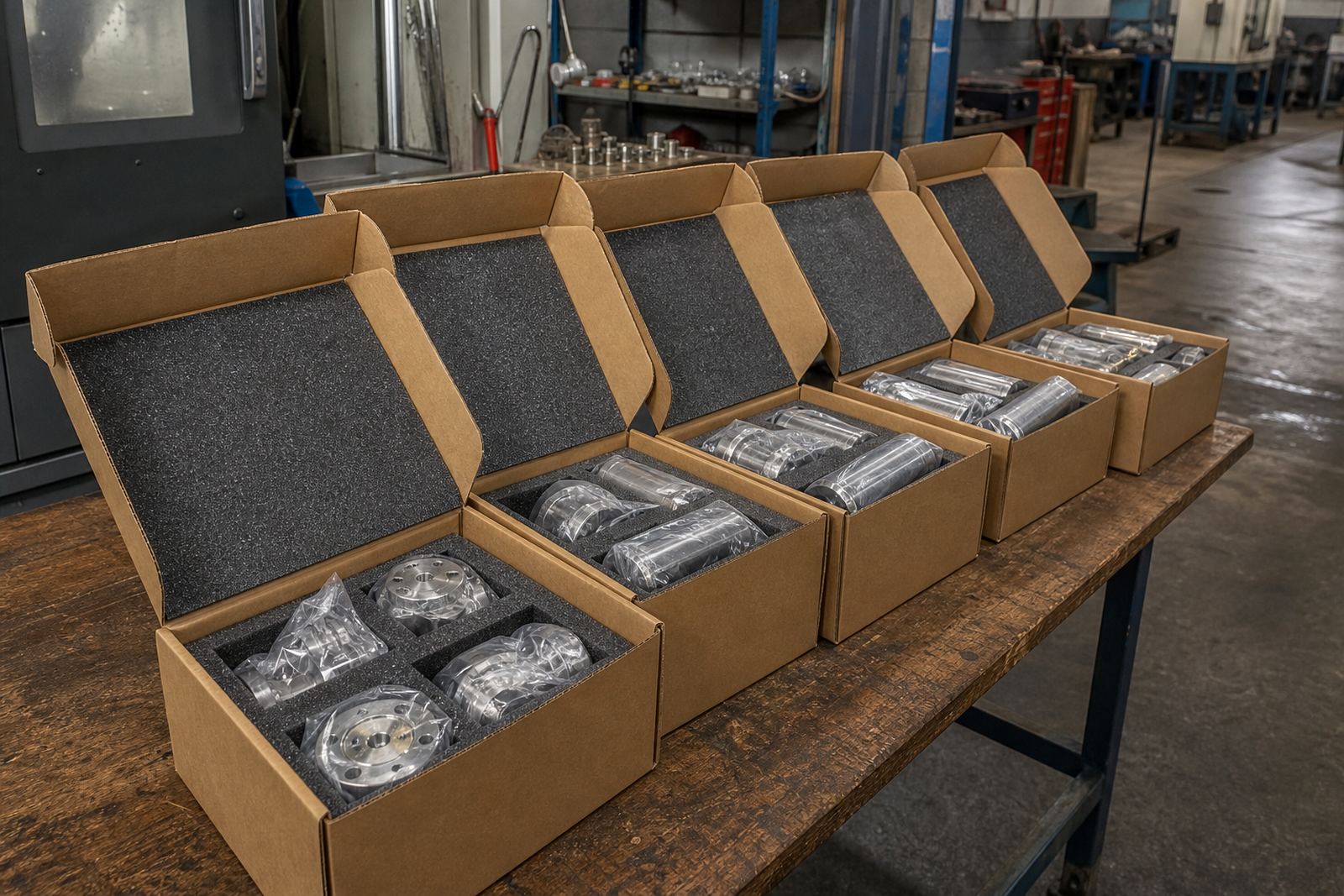
Local customers in Johannesburg may need a courier plan arranged alongside the machining job, while a client in Pinetown may prefer collection from the workshop. Either way, delivery coordination should be part of the schedule from the start, not added at the end. It avoids last minute pressure and gives everyone a clearer view of when the parts will actually be in hand.
A Practical Way to Shorten Lead Time Before You Enquire
Good lead time control starts before the first cut. If you are sending a new job, the fastest enquiry is usually the one that includes the right basics from the beginning. That helps the workshop review the part, suggest any improvements and decide whether a prototype, a repeat batch or an urgent turnaround is the best route.
Useful information to include:
- The latest drawing, with units and any revision clearly marked.
- The material you want, or the environment the part will work in.
- The quantity required and whether more batches are likely later.
- Critical tolerances, fit notes and any assembly checks needed.
- The delivery area, whether Pinetown, Durban, Umhlanga, Pietermaritzburg, Richards Bay or Johannesburg.
When that information is in hand, the job can be planned properly from the start. In machining, the shortest path is not always the quickest one if it leads to remake work. A little clarity at enquiry stage often saves days later, and that is true for prototypes, repeats and urgent workshop work alike.