Why Finish Matters on Small-Batch CNC Parts
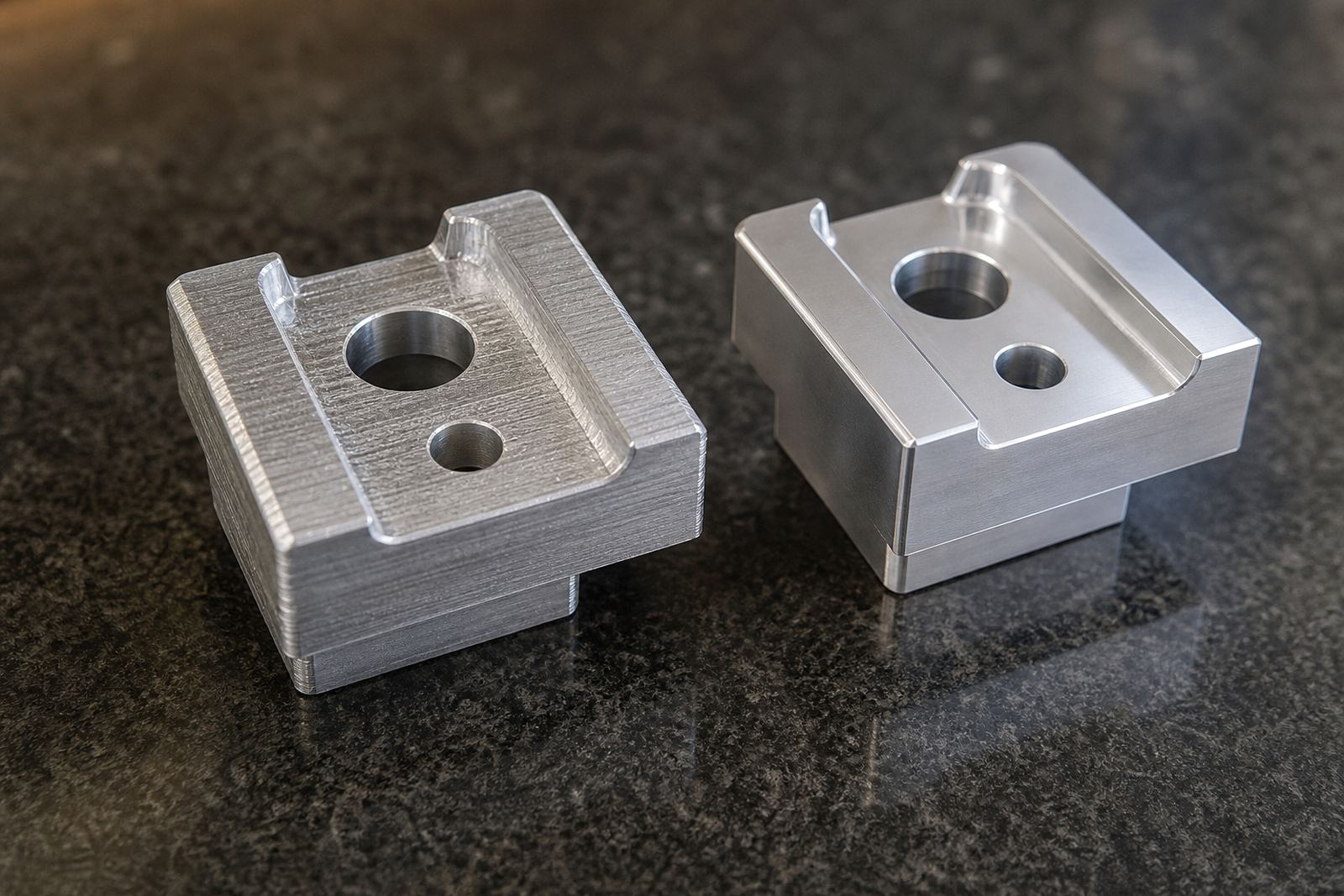
On a turned bush, a milled bracket or a shaft with a critical sealing face, the finish can change how the part performs in service. A smooth enough surface can help with sliding contact and gasket seating, while a rough or torn surface can make assembly harder and shorten the life of the part.
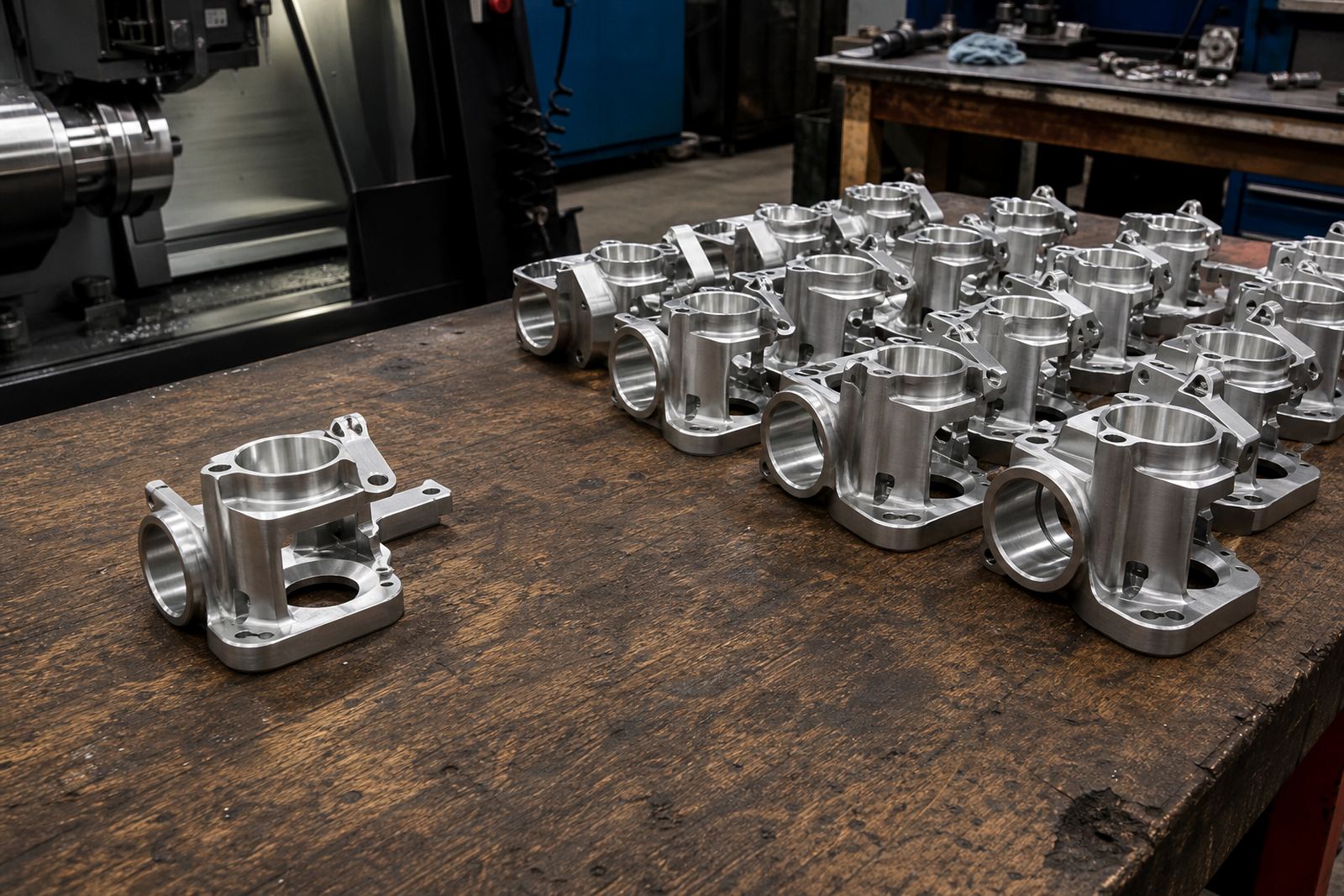
For small-batch work, this matters because there is often less room to hide variation. If a customer in Pinetown needs repeat parts for a maintenance job, the finish on the first part should be close to the finish on the last one, not just in size but in feel and appearance too.
Toolpaths Set the Tone Before Cutting Starts
The way a cutter moves over the material has a direct effect on the marks it leaves behind. Stepover, feed rate, spindle speed and the direction of the cut all play a role. A finer stepover can leave a better-looking face, but it also adds machining time, so the right balance depends on the part and the drawing requirements.
Toolpath choice also helps control chatter and tool marks. In practice, a stable toolpath with the right support and cutting conditions will usually give a cleaner finish than trying to force a heavy cut through the job. That is true whether the part is being milled in aluminium or turned in mild steel.
- Smaller stepover usually improves visual finish on flat surfaces
- Consistent feed helps reduce visible tool marks
- Climb milling can improve finish in suitable materials and setups
- Stable workholding matters as much as the cutter itself
Material Choice Changes How a Surface Comes Out
Different materials respond in different ways. Aluminium often machines cleanly, but it can mark easily if the cutter is worn or the chip load is wrong. Mild steel generally gives a dependable finish when the setup is sound, while stainless steel can show more heat, work hardening and tool wear if the process is not controlled well.
Plastics need a different approach again because some can melt, smear or leave burrs if the cut is too aggressive. Brass and copper alloys may finish neatly, yet they can still show tearing or poor edge quality if the tool is blunt. A good finish starts with knowing how the material behaves under load and heat, not just what size the drawing calls for.
Turning, Milling and the Marks They Leave Behind
Turning and milling leave different surface patterns. A turned part usually shows a circular finish from the tool movement around the diameter, while milling often leaves linear marks from the cutter path. Neither is automatically better. The right result depends on where the surface sits in the assembly and what it must do once installed.
For example, a shaft journal might need a finer, more even turned finish for bearing contact. A milled mounting face might need a clean, flat finish so the part sits square and does not rock. If the finish is wrong, the part may still measure correctly but fit badly in the real world.
- Turning is often used for round features, shoulders and diameters
- Milling is common for flats, pockets, slots and mounting faces
- Edge break and burr removal can be as important as the face finish
- A drawing note should say where finish matters most, not just on the whole part
Tolerance and Finish Are Related but Not the Same Thing
A tight tolerance does not automatically mean a better surface finish, and a good finish does not guarantee correct size. The two have to be managed together. A part can be perfectly smooth yet still be out of size, or it can be within size but leave a poor sealing face that causes trouble later.
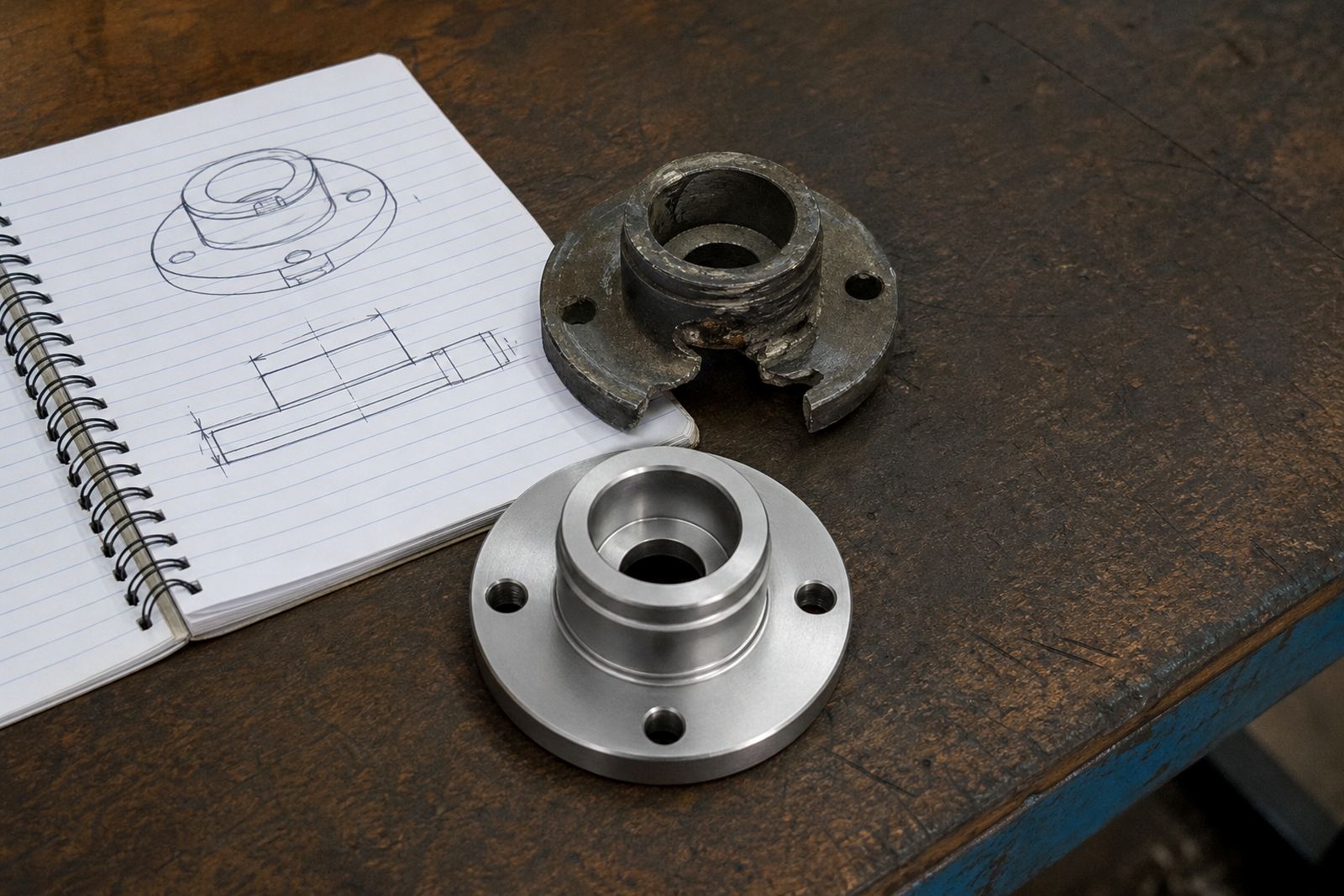
That is why drawing review is useful before machining starts. If a customer asks for a close fit, the team should check whether the tolerance, the finish requirement and the material all make sense together. Sometimes the smarter option is to adjust a feature, change the toolpath or remake a sample part before the full batch is started, so there is less scrap later.
A Practical Durban Example
Consider a small batch of spacer plates for equipment used near the Durban coast. The material is exposed to humidity, handling and regular cleaning, so the finish needs to be neat enough to resist dirt build-up and burr problems, but not so expensive that every face is over-machined. In a case like that, the shop would look at the material, the hole quality, the edge break and whether any face is a seating surface.
For a local job like this, practical finish choices can save time on assembly. If the parts are going to fit into a frame in Pinetown or go out to a site in Richards Bay, a cleaner edge and consistent face finish can make the difference between a quick install and a call back. That is especially true when parts are being made in small batches and one bad setting can repeat the same issue across the run.
- Check which surfaces are cosmetic and which are functional
- Ask for sample part review before repeating the batch
- Confirm whether burr-free edges are required for assembly safety
- Keep delivery and packaging in mind if parts travel between towns
How PME CNC Machining Approaches Finish Control
At PME CNC Machining in Pinetown, finish control starts with the drawing and the intended use of the part. The team looks at material selection, prototype planning, batch planning, tolerance guidance and part optimisation before cutting the first piece. That way, the process suits the job instead of relying on guesswork.
After machining, inspection reporting and assembly fit checks help confirm whether the surface condition supports the final use. If a repeat order comes in for Durban, Pietermaritzburg, Westmead, New Germany, Umhlanga, Richards Bay or Johannesburg, the earlier records can help keep the finish consistent from one batch to the next. Small-batch work needs that kind of follow-through, because the same drawing can behave differently if the setup drifts even a little.
Clients can send enquiries through the contact page form when they need drawing updates, sample part remake support or delivery coordination. A careful finish is not an extra at the end of the job. It is part of how the part works once it leaves the machine shop.