What custom rollers are used for in a process line
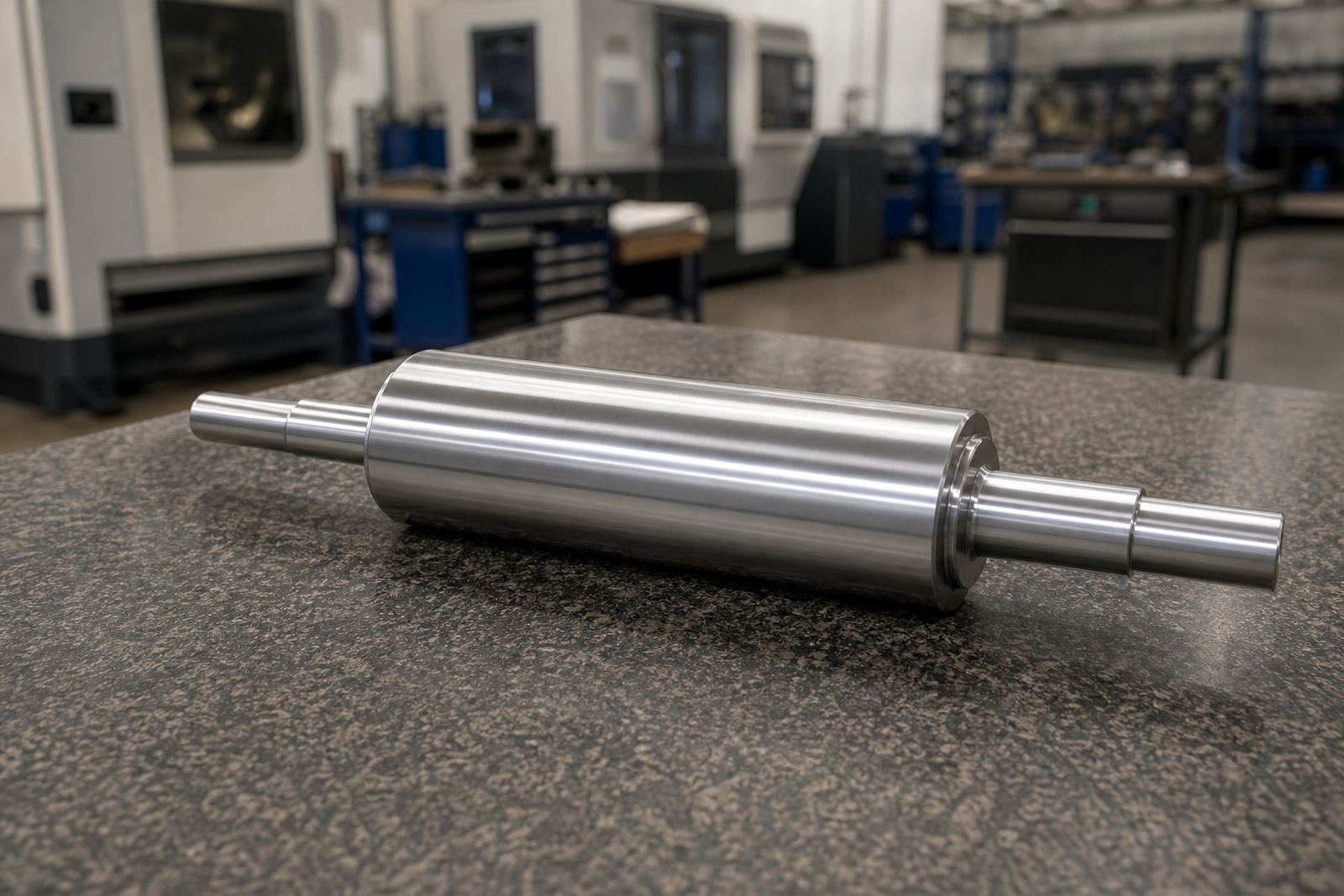
Custom rollers are machined cylindrical parts used to move, guide or support material as it passes through a machine or line. In practical terms, they help keep product tracking straight, reduce drag and support weight where a belt, sheet, strip, carton or component needs controlled movement. Depending on the application, a roller may be a simple support roller, a driven feed roller or a guide roller with a specific surface finish or groove pattern.
We machine rollers for small batch production where the dimensions, shaft arrangement and bearing fit need to suit one particular machine or line. That includes replacement rollers for older equipment, modified rollers for a new product size, and repeat orders where the original part needs to be matched more closely than a general off the shelf item can manage.
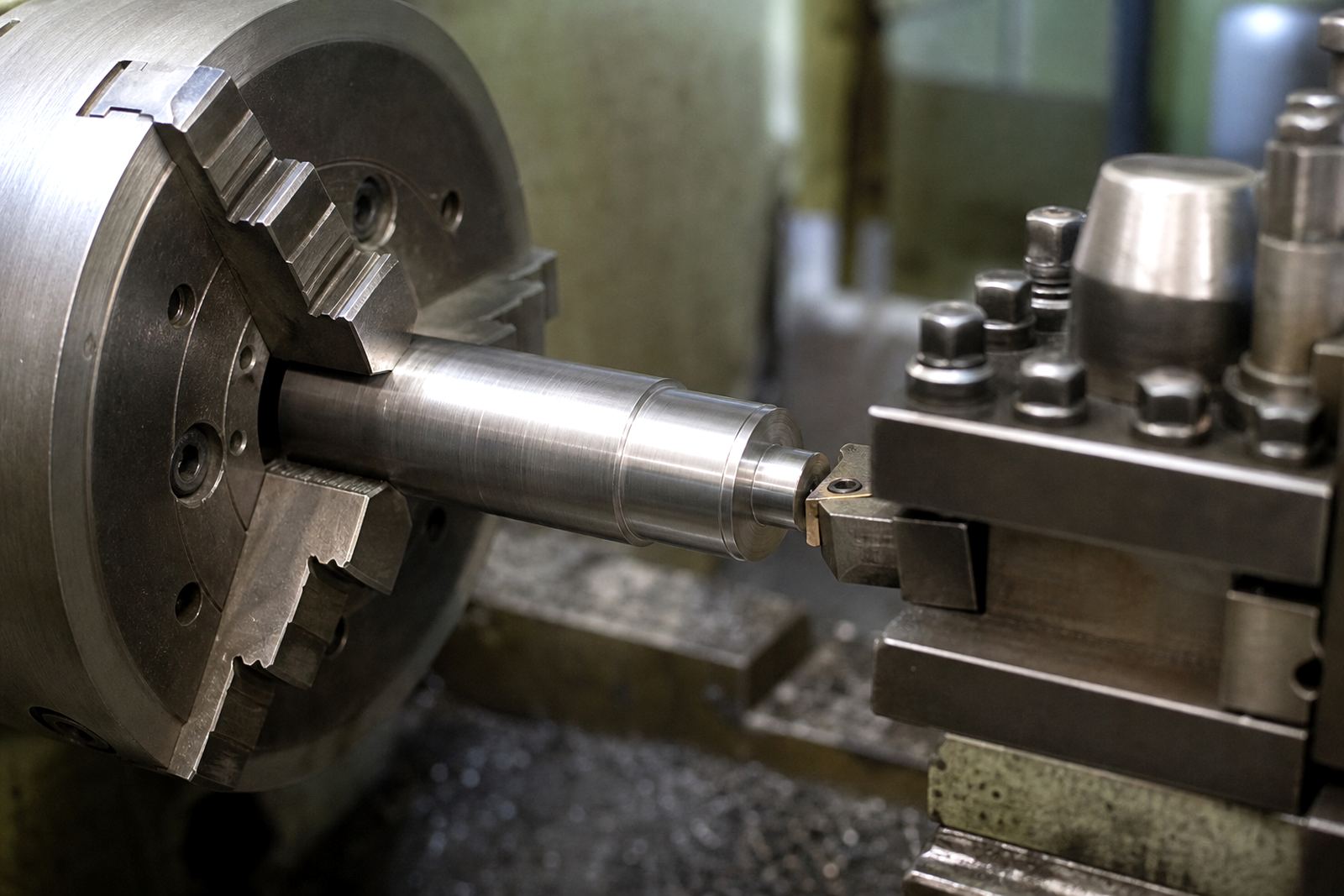
Because rollers often run for long periods, the details matter. Roundness, concentricity, surface finish and end fit all affect how a roller performs. If a roller runs out or wears unevenly, it can mark the product, pull the line off centre or create vibration. Careful CNC machining helps keep those issues under control.
Machined sizes, finishes and build options
Rollers are usually made to the machine they serve, so there is no single standard size that suits every line. We work from the drawing, sample or worn part and machine to the required length, outside diameter and shaft detail. For many jobs, the key dimensions are the barrel diameter, overall length, journal size, bearing seat and any end features needed for mounting or drive transfer.
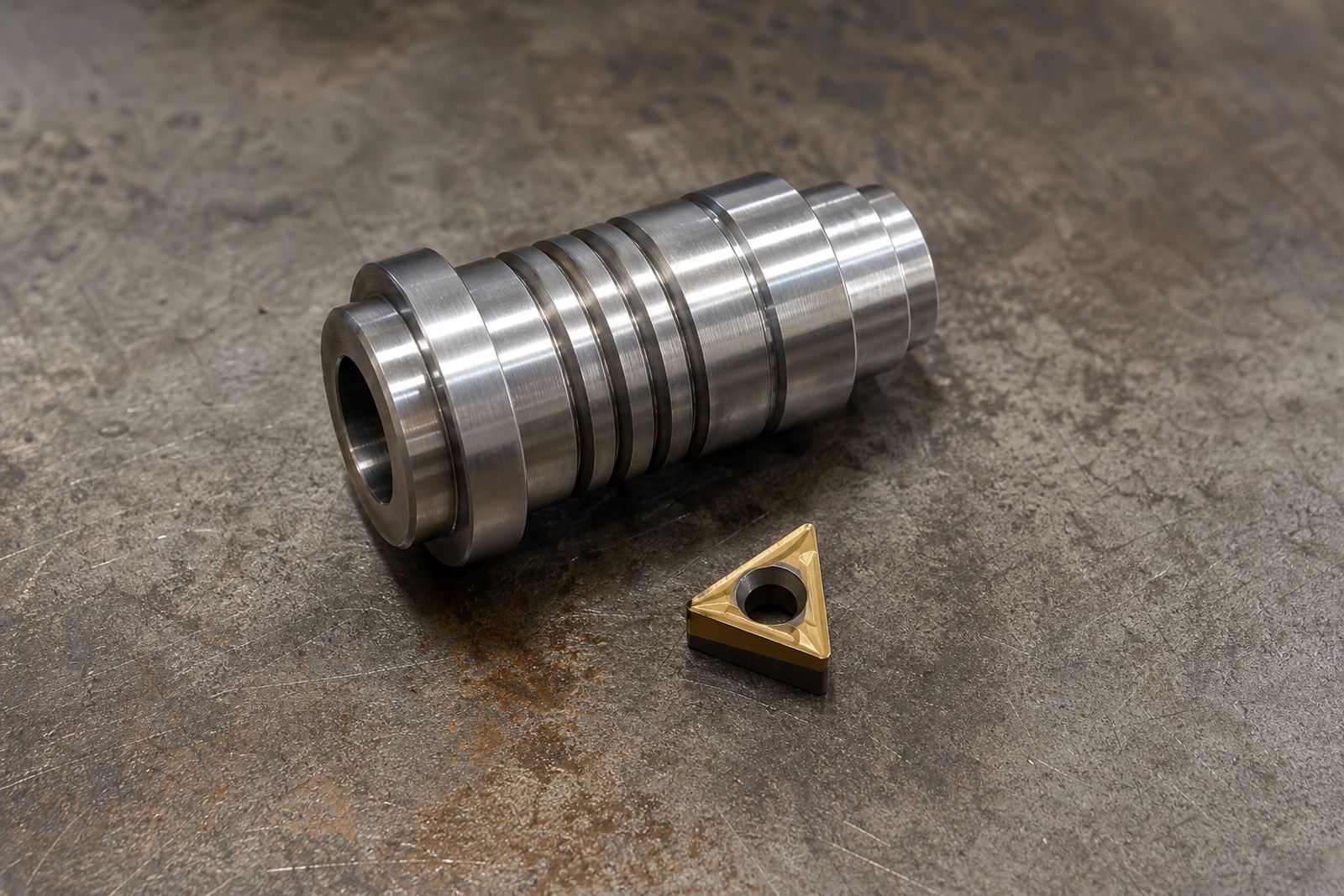
Common options include plain rollers, stepped rollers, rollers with shaft ends, grooved rollers and rollers with specific surface textures. In some cases a smooth finish is best for clean transfer or low marking. In other cases a light pattern or relieved section helps grip material, reduce slip or clear debris. For installations where moisture or washdown is present, material choice and finish need extra attention so the part handles corrosion better over time.
- Outside diameter and length matched to the machine layout
- Solid or sleeved construction depending on the application
- Ground or turned journal sections for bearing fit
- Plain, grooved or profile features where required
- Surface finish selected for product contact and wear
Where custom rollers suit best
Custom rollers suit process lines that need reliable feed and consistent positioning. They are common in packaging, handling, light manufacturing, material transfer, printing-related equipment, film and sheet handling, and general plant equipment where product must move in a controlled way. If the roller is part of a wider assembly, we also check how it fits with adjacent shafts, bearings, supports and guards so the part works as intended once installed.
For clients in Durban, Pinetown, Westmead, New Germany, Pietermaritzburg, Richards Bay, Umhlanga and Johannesburg, the most common reason for a custom roller is replacement after wear or damage. Coastal humidity can affect exposed metal parts, while dust and intermittent load-shedding can add wear if a line stops and starts often. A correctly machined replacement roller can help keep a machine running with less adjustment after installation.
If the line sees regular cleaning, heat, fine dust or product residue, those conditions should be mentioned early. They affect the material, finish and any allowance needed for bearings or seals. Small batch machining lets us tailor the part to the actual operating conditions instead of forcing a general part into service.
Installation details and service conditions to plan for
Most rollers do not need power or gas themselves, but the machine they sit in may depend on drive systems, sensors or pneumatic equipment. That means the roller should be checked against the full assembly, not only the part drawing. If a roller is driven, the shaft ends, keyways, flats or coupling features must match the machine drive arrangement. If it is idler mounted, bearing housing fit and alignment are usually the main concerns.
Before installation, it helps to confirm how the roller will be loaded. Some lines put pressure only on the top face, while others load the roller from one side or through a driven contact. That affects wear and may call for a harder material or a different wall thickness. On older equipment, we often see variations from the original drawing, so a sample check or drawing review can save time later.
- Confirm shaft diameter, length and end detail
- Check bearing type, housing size and mounting method
- Note direction of rotation if the roller is driven
- Share the product type and any contact pressure
- Mention heat, moisture, washdown or abrasive conditions
Care, servicing and signs a roller needs attention
Rollers last longer when they are kept clean, aligned and free of grit build-up. Regular inspection should look for scoring, flat spots, vibration, wobble and uneven contact marks. If a roller starts leaving marks on product, the problem may be wear on the surface, a bearing issue or a shaft fit that has changed over time.
In many plants, a simple service routine is enough to spot trouble early. Clean away residue, check for loose fixings, listen for bearing noise and compare the roller movement to a known good part. If the machine is used in a coastal area or near dusty production zones, more frequent checks may be needed. Corrosion and contamination tend to show up first on the ends, seats and exposed contact surfaces.
For repeat order support, we can compare the failed part against the original sample or updated drawing and remake the roller with the corrected dimensions. If the issue is linked to wear on the mating assembly, drawing updates and tolerance guidance can help the next batch fit better and reduce rework.
What to send when ordering rollers
The most useful starting point is a clear drawing or a sample roller, even if it is worn. Please include the overall length, outside diameter, shaft details, material if known and any notes about the machine it runs in. If the part failed, tell us how it failed. That helps with material selection and part optimisation before machining starts.
If you do not have a full drawing, send what you do have and we can work through the missing details during the enquiry process. For small batch work, a careful drawing review is often the difference between a part that simply fits and one that fits properly and performs as expected. Clients can reach us through the enquiry form on our contact page for Drawing Review, Prototype Planning, Batch Planning, Sample Part Remake, Inspection Reporting and Delivery Coordination.
- Sample part or clear dimensions
- Material preference or operating environment
- Bearing and shaft details
- Quantity needed and repeat order expectations
- Any packaging, marking or assembly fit requirements
Key facts
| Product type | Custom machined rollers for guiding, feeding and supporting product flow |
|---|---|
| Process | CNC turning with milling where the design calls for flats, keyways, grooves or end features |
| Typical size range | Made to order from small rollers to longer line rollers, based on drawing or sample |
| Materials | Common engineering metals and selected wear resistant options, depending on duty and environment |
| Fit and finish | Turned, ground or profiled features with attention to concentricity and surface finish |
| Order type | Small batch production, repeat orders and sample part remakes |