What machined brackets are used for
Machined brackets are precision parts used to hold, space, align or support other components. In a workshop, factory or plant setting they may carry sensors, guards, cable trays, frames, covers, panels or moving assemblies. The main job is to keep the part where it should be, with repeatable hole positions and a clean fit against the mating surface.
For small batch work, a machined bracket is often the better choice when a folded or laser cut part will not give enough stiffness, hole accuracy or edge control. CNC milling and turning can be used together to produce mounting faces, bores, standoffs, pockets and threaded features that suit the final assembly. It also helps when the bracket must match an existing part on site, especially where a replacement has to be fitted quickly with no major rework.
We work from drawings, samples or marked up sketches where needed, then review the tolerances, material and fixing method before production starts. That saves time later and reduces the risk of a bracket that fits the plate but not the machine.
Sizes, fixing styles and material choices
Bracket size depends on the load, the span, the fixing pattern and how much room is available around the equipment. Smaller brackets may be palm sized for light supports, while larger units can carry longer arms, wider bases or multiple fixing points. We can machine one off samples or repeat small batches where the same part has to be installed across several machines or sites.
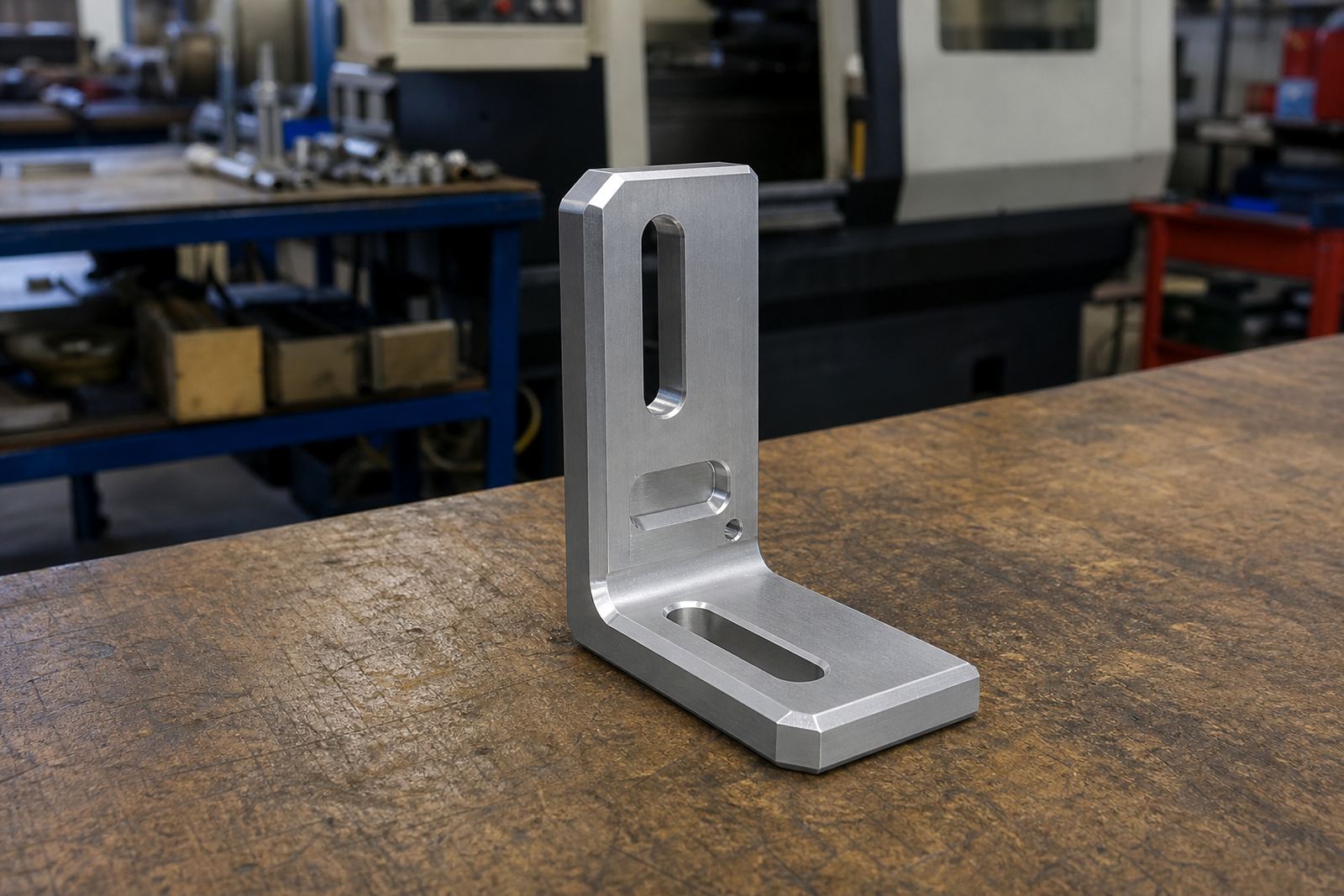
Common options include straight brackets, L shaped brackets, offset brackets, spacer brackets, angle blocks and custom mounting plates. Features can include drilled and tapped holes, counterbores, slots for adjustment, locating faces, and machined edges for clean assembly. When the job calls for a close fit, the bracket can be made with controlled flatness and hole position so the installer is not forcing parts into place.
- Aluminium for lighter weight parts and general industrial mounting
- Mild steel for strength, wear resistance and cost conscious production
- Stainless steel where corrosion resistance is needed indoors or outdoors
- Engineering plastics for insulation, low friction or non metal contact points
Material selection depends on the environment. In coastal areas like Durban and Richards Bay, humidity and airborne salts can influence the choice of material and finish. In hotter plant areas, the material must also cope with heat, vibration and regular cleaning. A good bracket should suit the site not only the drawing.
Where these brackets suit best
Machined brackets are used across a wide range of equipment and support applications. They suit general manufacturing, maintenance work, process plants, packaging equipment, electrical enclosures, conveyor systems, guards, inspection rigs and custom assemblies. They are also useful in retrofit work where old parts have worn out and the new bracket must match existing hole centres and installation points.
In Pinetown, Westmead and New Germany, many jobs are for small batches that keep production lines moving or support one repair at a time. In Durban and Umhlanga, brackets often need to handle coastal conditions and frequent cleaning. In Pietermaritzburg and Johannesburg, the focus may be on repeatable fit, stable mounting and quick replacement when equipment is down. Every site has its own conditions and the bracket should be matched to that use.
- Positioning and support for control boxes, housings and covers
- Repeatable installation on jigs, frames and machine sub assemblies
- Replacement parts for worn or damaged mounting hardware
- Custom fit parts where standard angle iron or plate will not do the job
CNC milling and turning on bracket jobs
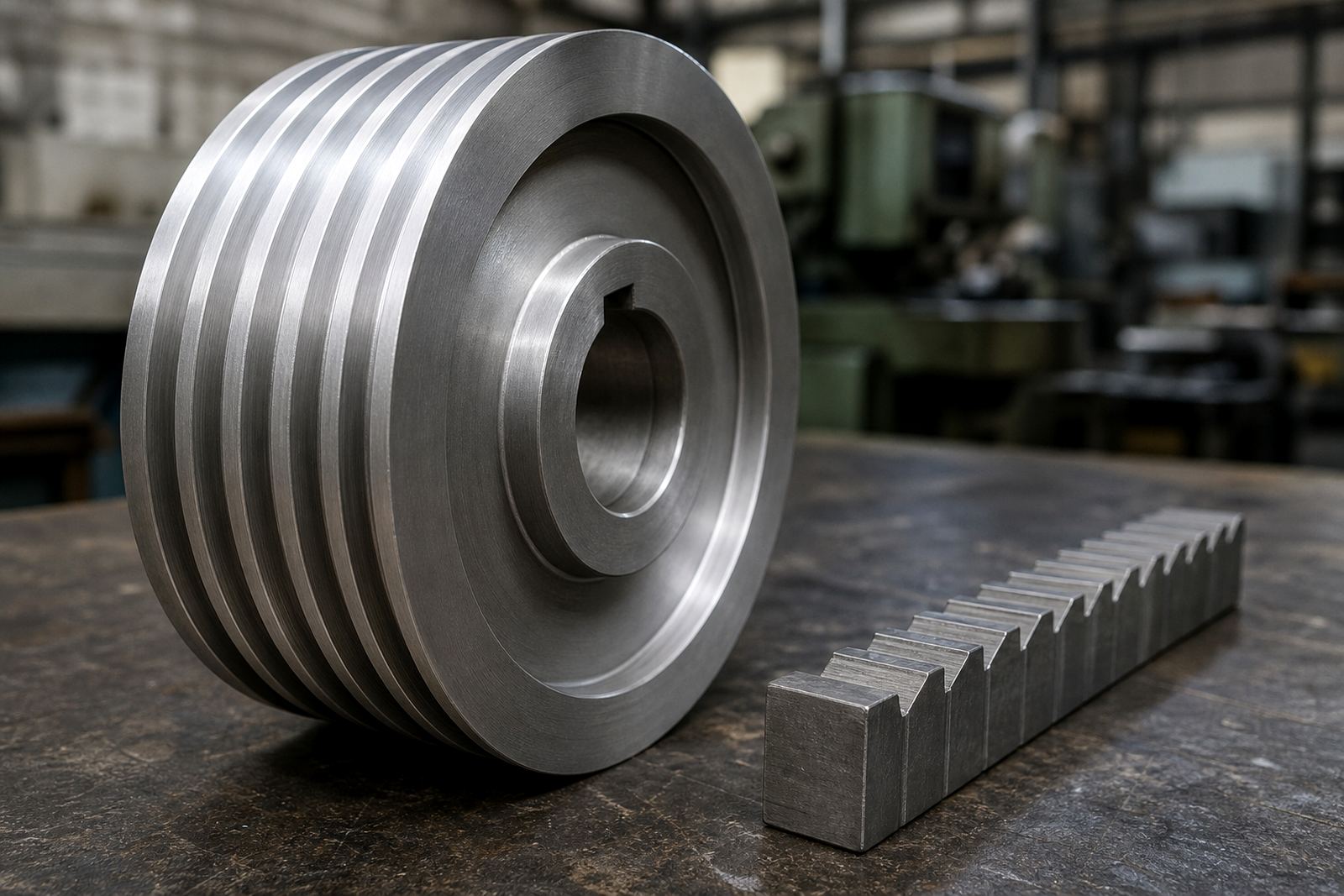
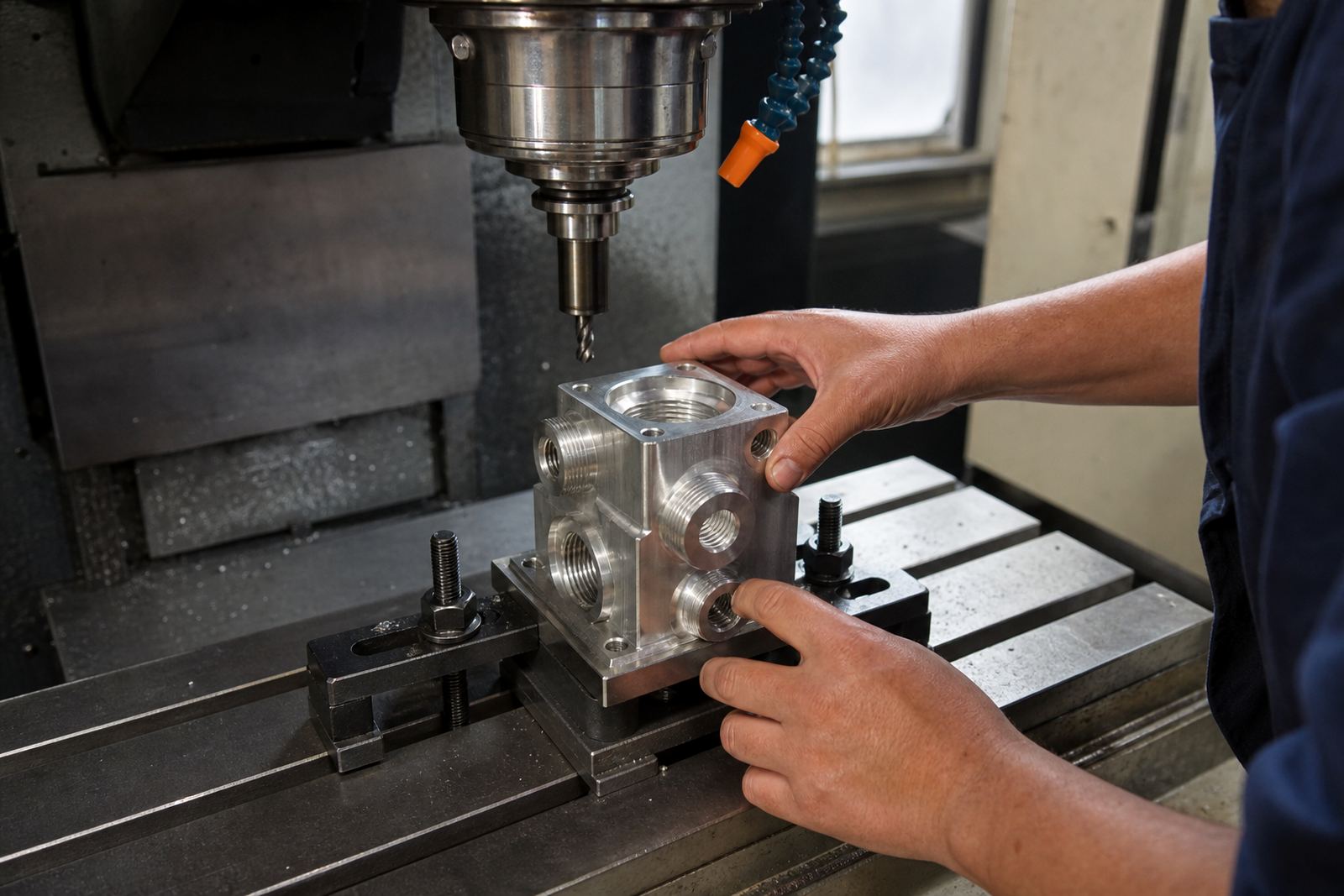
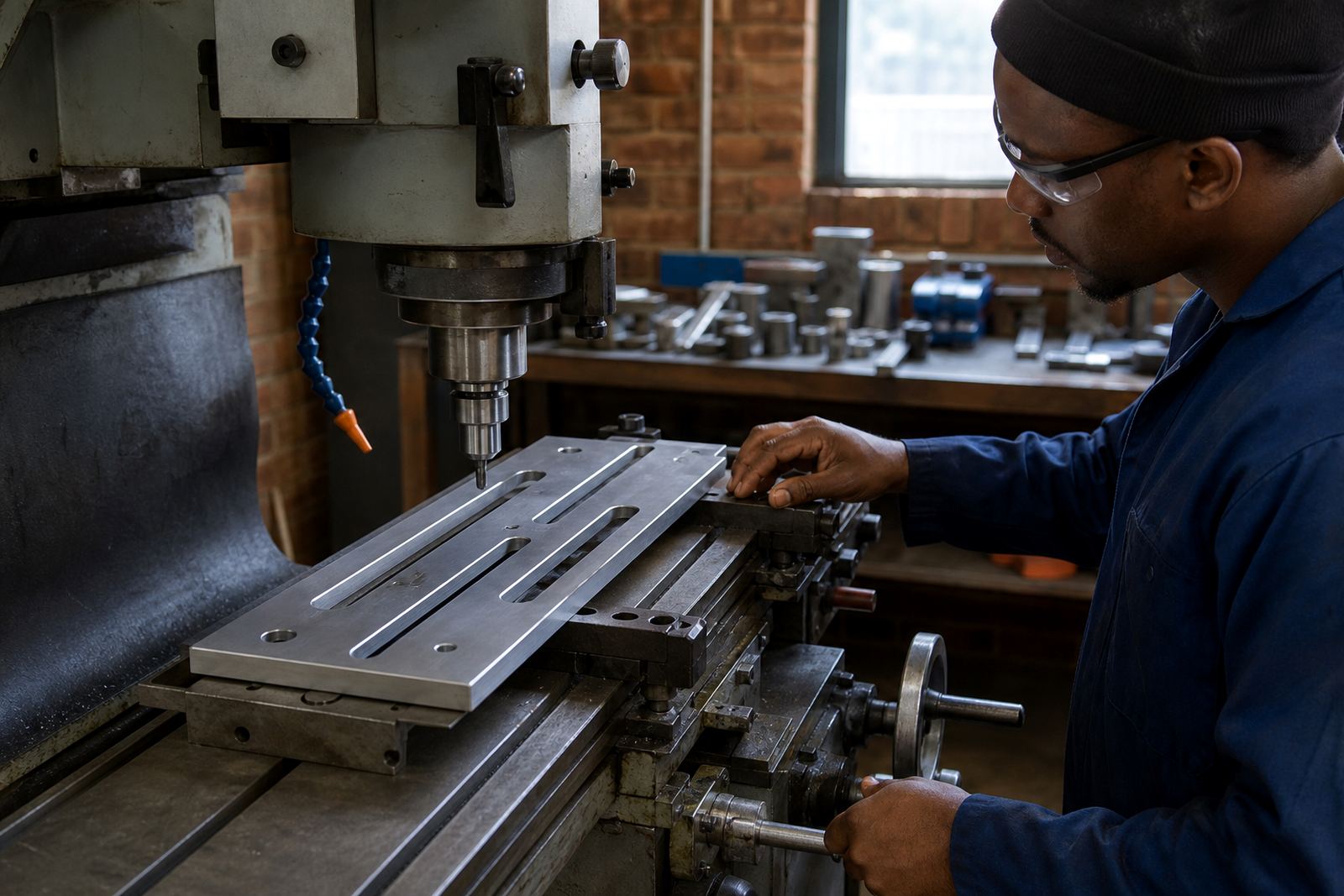
CNC milling is normally used to cut profiles, faces, pockets, slots and hole patterns into plate or solid stock. CNC turning is used where a bracket includes round spacers, bosses, sleeves or threaded standoffs. On some jobs both processes are needed, especially where the bracket has a machined base plus turned locating parts. That mixed approach gives better control over the finished fit.
Small batch work benefits from careful setup because each bracket may need to fit with other parts already in service. We look at the drawing, the mounting surface and the expected load path before cutting begins. If the part will see vibration or repeated removal, the fixing details matter as much as the outer shape. A bracket that is simple to make is not always simple to install.
When required, we also assist with drawing review, tolerance guidance and part optimisation. If a feature can be changed slightly to improve strength or reduce machining time, that is discussed before the first piece is made. This is often useful on sample part remake jobs where the first version needs a better hole position, thicker section or cleaner clearance around a cable or pipe.
Installation, power and site conditions
Most machined brackets are installed with bolts, screws, studs or dowels, depending on the application. Some need thread locking or spring washers. Others are fixed into tapped metal, welded sub frames or existing machine structures. The installer should check access for tools, clearance for tightening and whether the bracket must be fitted before adjacent parts go in. On tight assemblies, a millimetre matters.
Brackets themselves do not need power or gas to operate, but the equipment they support may have electrical, pneumatic or hydraulic connections nearby. That means installation should allow for cable routing, pipe bends and service access. In plant rooms and workshops, load shedding can interrupt commissioning so it helps to have the bracket fit tested and ready before the final equipment connection. Where the area is exposed to dust, moisture or washdown, the fixing method and material finish should suit those conditions too.
- Check mounting hole centres against the actual machine or frame
- Confirm the required stand off, offset or clearance to nearby parts
- Allow room for fastener access and future maintenance
- State whether the bracket must match an existing part or a new drawing
Care, inspection and repeat order support
Care for machined brackets is usually straightforward. Keep the fixing faces clean, check for loosened hardware during planned maintenance, and inspect for wear where parts rub or where vibration is high. In humid or coastal conditions, periodic inspection is worth the effort because corrosion can begin at edges, cut outs and fastener holes. If a bracket carries a moving load, inspect it more often and replace it before the wear becomes a problem.
For repeat orders, it helps to keep the original drawing, sample part or approved revision on file. That makes follow up work easier when the same bracket is needed again months later. We also assist with drawing updates, inspection reporting and delivery coordination for clients across South Africa. If a part is worn, bent or no longer available, we can often remake it from the sample and note any changes needed for a better fit.
Our team in Pinetown supports clients from Durban, Pietermaritzburg, Richards Bay and Johannesburg, with enquiries handled through the contact page form. From first review to repeat order support, the aim is a bracket that fits properly, installs cleanly and does the job without extra site work.
Key facts
| Product | Machined brackets for positioning, support and repeatable installation |
|---|---|
| Process | CNC milling, CNC turning and small batch machining |
| Common materials | Aluminium, mild steel, stainless steel and engineering plastics |
| Typical features | Drilled holes, tapped holes, slots, pockets, counterbores and locating faces |
| Use cases | Mounting, spacing, support, alignment, retrofits and replacement parts |
| Service area | Pinetown, Durban, Westmead, New Germany, Pietermaritzburg, Richards Bay and Johannesburg |