What Prototype Parts Are Used For
Prototype parts are trial components made from an approved drawing or sample so a customer can confirm dimensions, assembly fit and working clearances before committing to a full run. They are commonly used when a part needs to be checked in the hand, on a jig, inside a housing or against another component and it is better to find an issue early than after a larger batch has been cut.
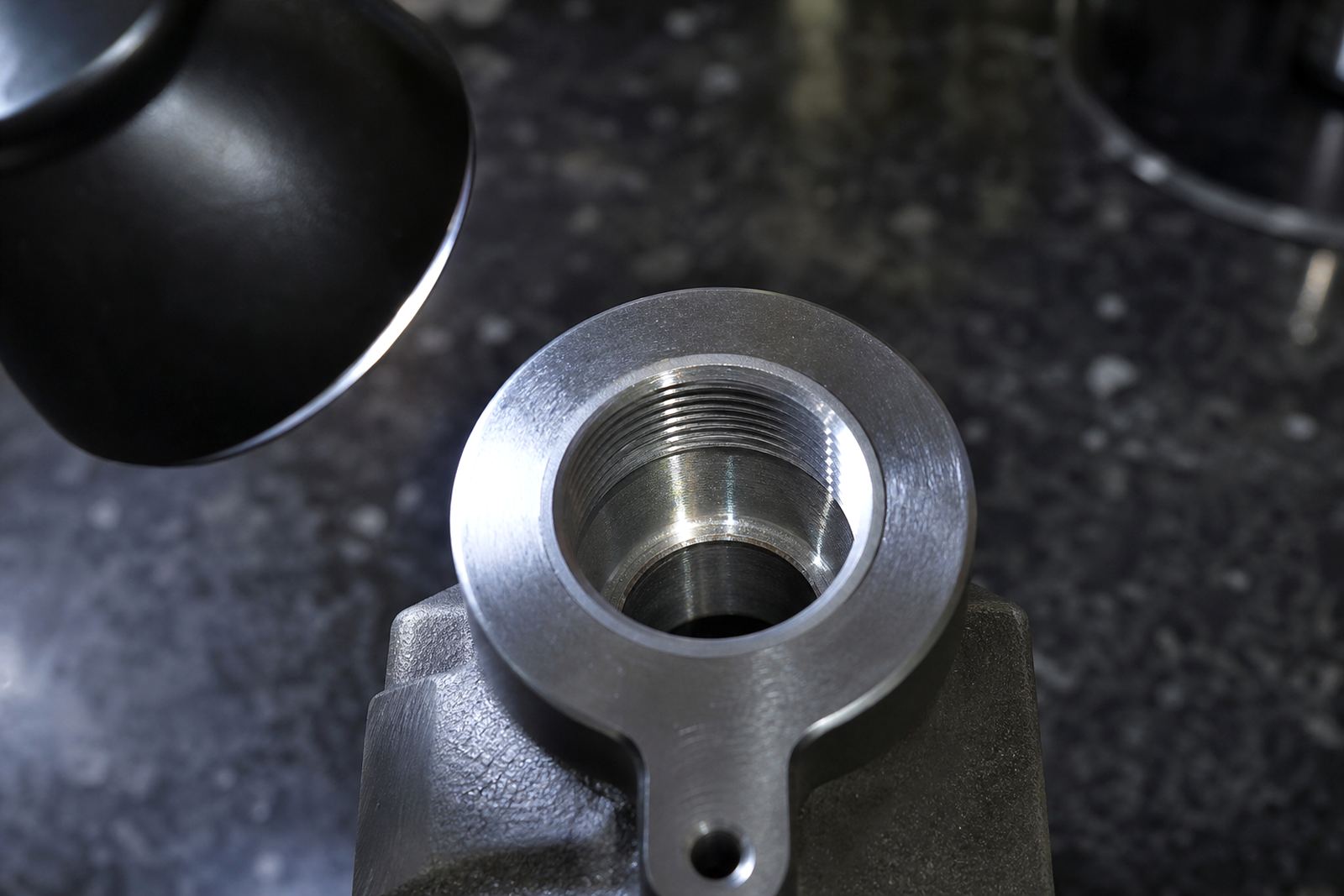
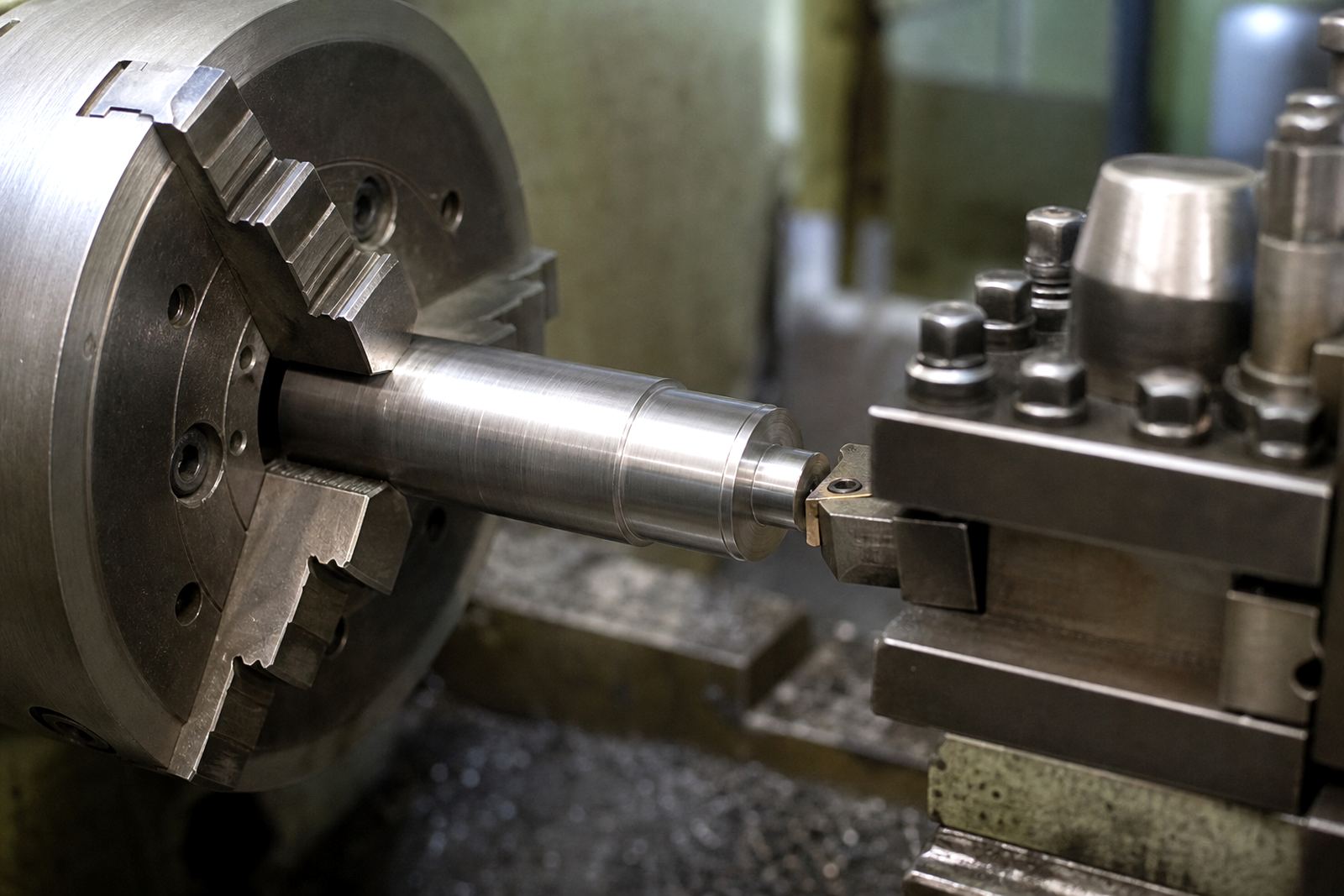
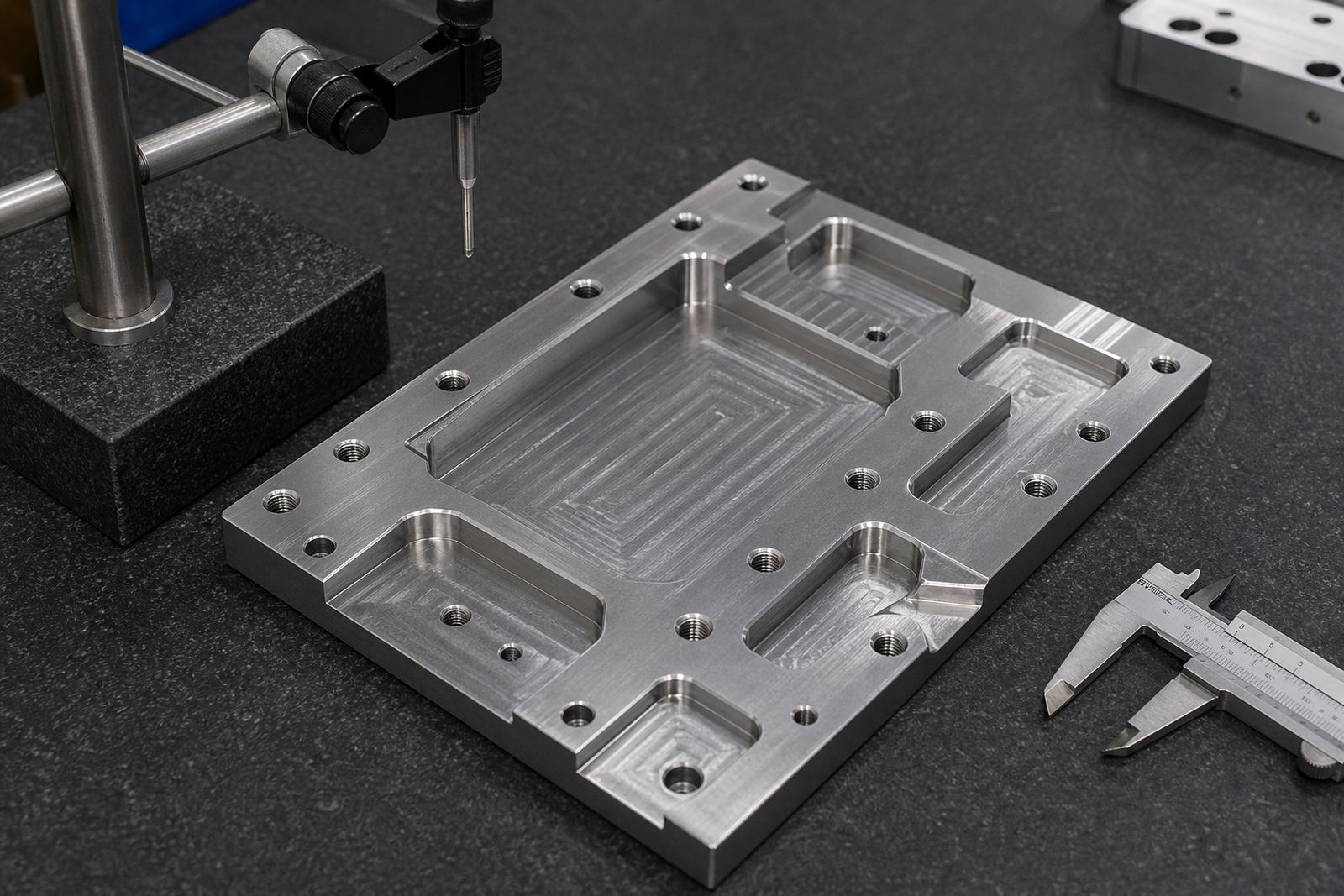
For small-batch work, CNC milling and turning are both suitable depending on the geometry. Milling is used for flats, slots, pockets, drilled features and shaped surfaces, while turning is used for round parts, bushes, spacers, shafts and threaded features. In practice, many prototype jobs use a mix of both, especially when a part has both cylindrical and machined face features.
Sizes, Materials And Build Options
Prototype parts can be made as single samples, a short pre-production run or a few matched pieces for fit testing. The right size depends on the drawing and the material, but most jobs start from customer-supplied dimensions, a sketch, or an existing sample that can be measured and checked against the intended use. If a drawing needs adjustment after the first sample, drawing updates can be handled before the next piece is cut.
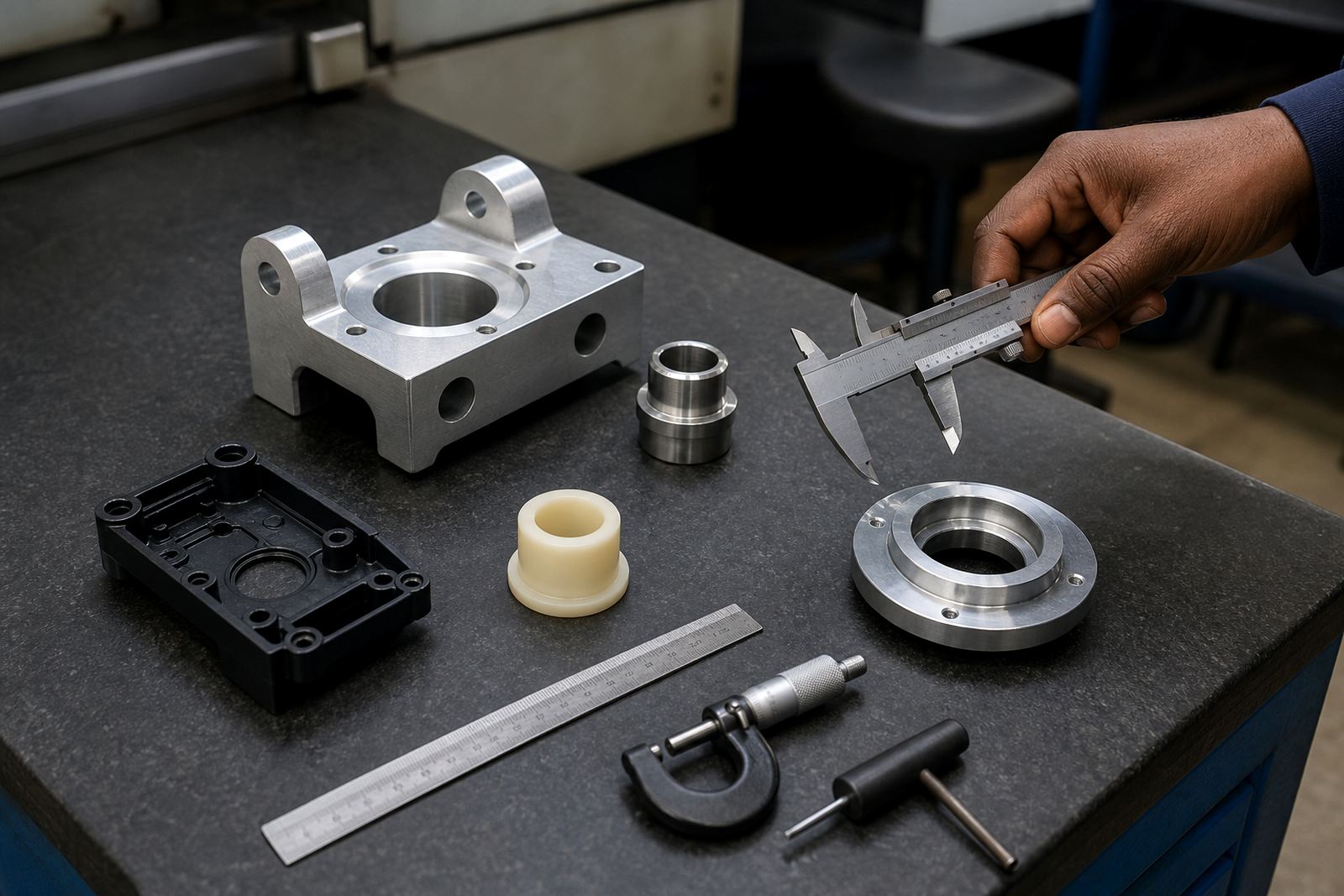
Material choice matters because prototype work should behave like the final part as closely as possible. Common options include aluminium for lighter components, mild steel for general engineering work, stainless steel where corrosion resistance is needed, and engineering plastics for non-metal parts, insulating parts or wear checks. Material selection also affects machining time, surface finish and how the part will react to heat, vibration and load.
- Single prototypes for first-fit checks
- Small pre-production batches for line trials
- Matched sets for assemblies and fixtures
- Reworked samples when a previous part needs correction
Where Prototype Parts Suit Best
Prototype parts suit equipment builders, maintenance teams, fabricators, product developers and engineering firms that need a practical sample before ordering more pieces. They are useful for brackets, housings, spacers, shafts, end fittings, adaptor plates, clamping parts and other items that must align properly with other components. If the part will be used in a coastal workshop, a humid plant room or a job site with dust and vibration, the trial piece can also show whether the material and finish are suitable for that environment.
For clients in Durban and along the coast, corrosion risk and salt air are often part of the brief. In inland areas such as Johannesburg or Pietermaritzburg, the concerns may be wear, service access, heat or repeated handling. Prototype work helps identify these issues before repeat orders are planned, and it saves time when the final part needs only small changes, not a full redesign.
- Machine components and replacement parts
- Assembly checking for new products
- Tooling, guides and support parts
- Trial parts for modifications to existing equipment
Machining Accuracy And Tolerance Guidance
Prototype parts are often made to relatively close tolerances where the drawing and material allow it, but the correct tolerance depends on size, geometry and the function of the part. A fit check for a bearing housing is treated differently from a cover plate or a cosmetic trim piece, so tolerance guidance should be discussed at the start. If the drawing is too tight in one area and too loose in another, the part can be reworked before repeat production begins.
Surface finish is also part of the prototype decision. A part that needs to slide, seal or locate accurately may need a better machined finish than one used only for visual checking. During inspection, dimensions, hole positions, parallelism and thread quality are checked against the drawing and the sample, and any concerns are recorded in the inspection report. That way the client gets practical feedback not just a cut piece.
Installation, Power And Site Requirements
Prototype parts do not usually need special installation in the way a machine does, but they do need the correct interface data before they are fitted. That means the mating part, fixing method, hole pattern, thread size and clearances should be confirmed first. If a part is going into a machine that is sensitive to vibration, heat or misalignment, the sample should be tested under those conditions before the batch is released.
For the machining job itself, the workshop requires stable electrical supply for CNC equipment and inspection tools, and load-shedding planning can affect lead times. No gas supply is normally required for CNC milling or turning, although some finishing or ancillary processes may depend on the job spec. On-site fitting at the customer side may need basic hand tools, clean surfaces and access to the assembly area, especially where parts are being trialled in a plant or workshop in Pinetown, Westmead or New Germany.
Care, Servicing And Repeat Order Support
Once a prototype has been fitted, it should be handled as a reference sample. Keep it clean, store it away from moisture and note any wear marks, thread damage or contact points after testing. If the part has been through a heat cycle, vibration test or assembly trial, that feedback is useful for the next revision and should be shared before the repeat batch is released.
For repeat orders, the same dimensions can be used again or the drawing can be updated with approved changes. PME CNC Machining supports sample part remake, repeat order support and delivery coordination, which helps when a customer is moving from one-off trials into a small production run. The process is practical and direct, with the focus on getting the part to fit and perform as expected, not on overcomplicating the job.
- Wipe parts clean after testing or handling
- Store samples with the drawing and revision note
- Report wear, looseness or interference quickly
- Confirm any revised dimensions before reordering
What To Check Before You Order
Before ordering prototype parts, check the exact use of the part, the material you want, the quantity needed and the critical dimensions that must be held. If the part interfaces with another component, send both sets of measurements if possible. It also helps to confirm whether the part needs threads, surface finishing, deburring, marking or an assembly fit check. A clear brief at the start saves rework later, and it makes the first sample more useful.
Clients in Durban, Pinetown, Umhlanga, Richards Bay, Pietermaritzburg and Johannesburg can submit their enquiry through the contact page form with a drawing, sample photo or notes on the problem to be solved. PME CNC Machining reviews the request, checks the material and tolerance needs, and then plans the prototype around the intended application so the first piece has a proper chance of working as it should.
Key facts
| Product type | CNC machined prototype parts for fit, function and manufacturability checks |
|---|---|
| Typical process | CNC milling, CNC turning, drilling, tapping and secondary fitting work |
| Materials | Aluminium, mild steel, stainless steel and engineering plastics, subject to the job |
| Batch size | Single samples, short trial runs and small pre-production quantities |
| Use case | Assembly trials, design verification, replacement trials and pre-production review |
| Base area | Pinetown, KwaZulu-Natal, with work supplied across South Africa |