What Threads And Bores Do In A Machined Part
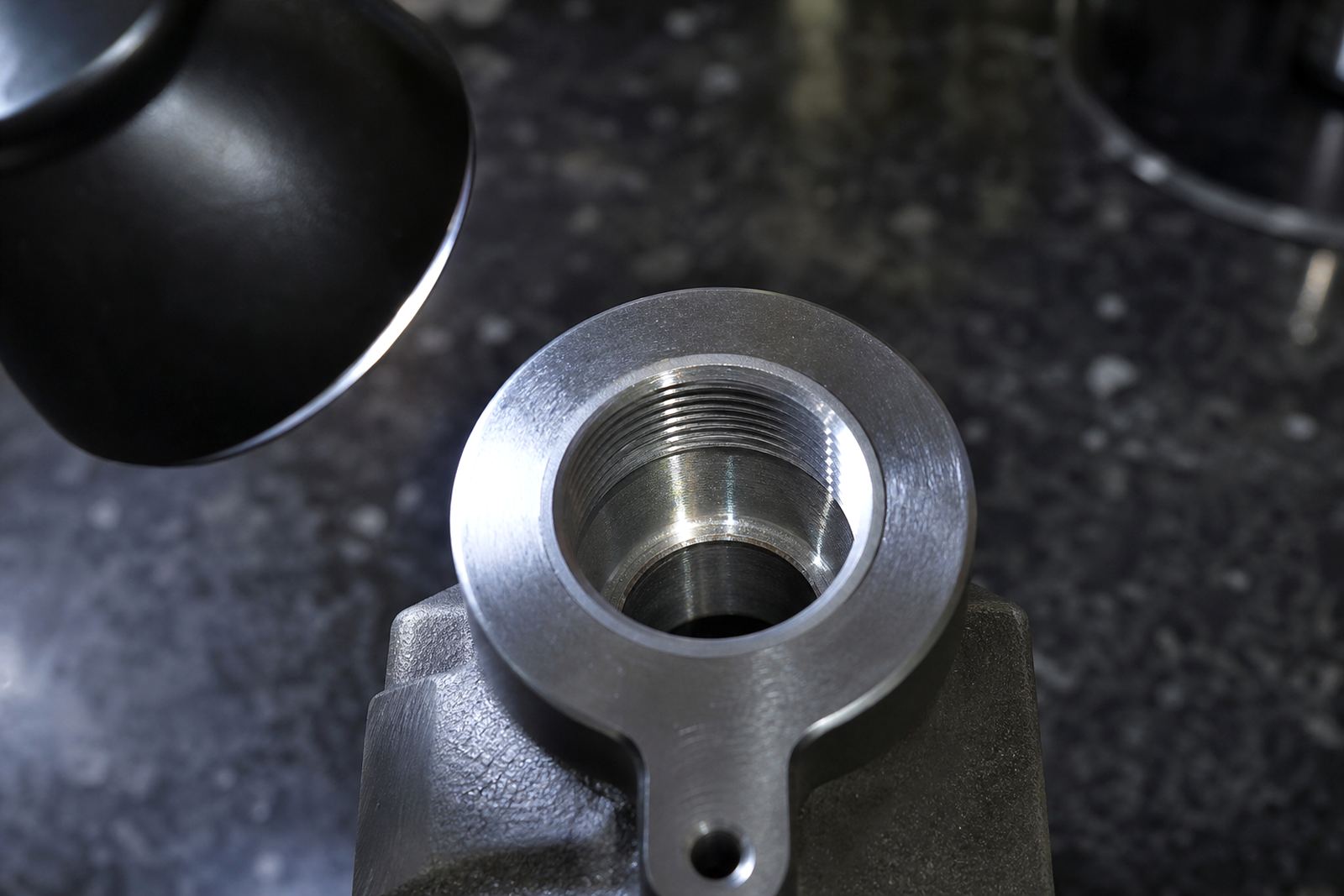
Threads and bores may look simple, but they often decide whether a component fits, holds torque, aligns correctly or leaks. A threaded hole gives a controlled fastening point for bolts, studs or plugs, while a bored feature creates a precise internal diameter for pins, shafts, sleeves, bushes or sealing elements. In practice, the two often work together. A housing might need a bored cavity for a bearing seat and a threaded section for covers, brackets or service access.
At PME CNC Machining, these features are produced as part of CNC milling and turning work, or added during a rework job when an existing part needs restoration, resizing or correction. That can include pilot holes, tapped holes, counterbores, spotfaces, stepped bores and threaded inserts where the drawing calls for them. The job is always driven by the drawing, the intended fit and the material on hand.
For small-batch production, consistency matters. One thread that starts too tight or one bore that runs off size can affect assembly across the whole batch. That is why drawing review and tolerance guidance are part of the service, especially when parts are going into assemblies with mating components made elsewhere.
Sizes, Forms And Fit Options
Threads and bores are not one-size-fits-all features. The right size depends on the fastener, the mating part, the service load and the material being machined. PME CNC Machining works from supplied drawings, sample parts or approved measurements to produce features suited to light-duty assemblies, mechanical housings, maintenance spares and prototype parts.
Typical options include standard metric threads, fine pitch threads, tapped blind holes, through holes, clearance holes, reamed bores, counterbores and threaded holes with entry chamfers. Bores can be finished for slip fit, running fit or a tighter locating fit, depending on the application. If the drawing needs a shoulder, relief or thread depth control, that is handled during the machining process so the part can assemble properly first time.
- Threaded holes for bolts, studs, grease points or service covers
- Blind bores for bush seating or controlled depth engagement
- Through bores for shafts, pins and alignment hardware
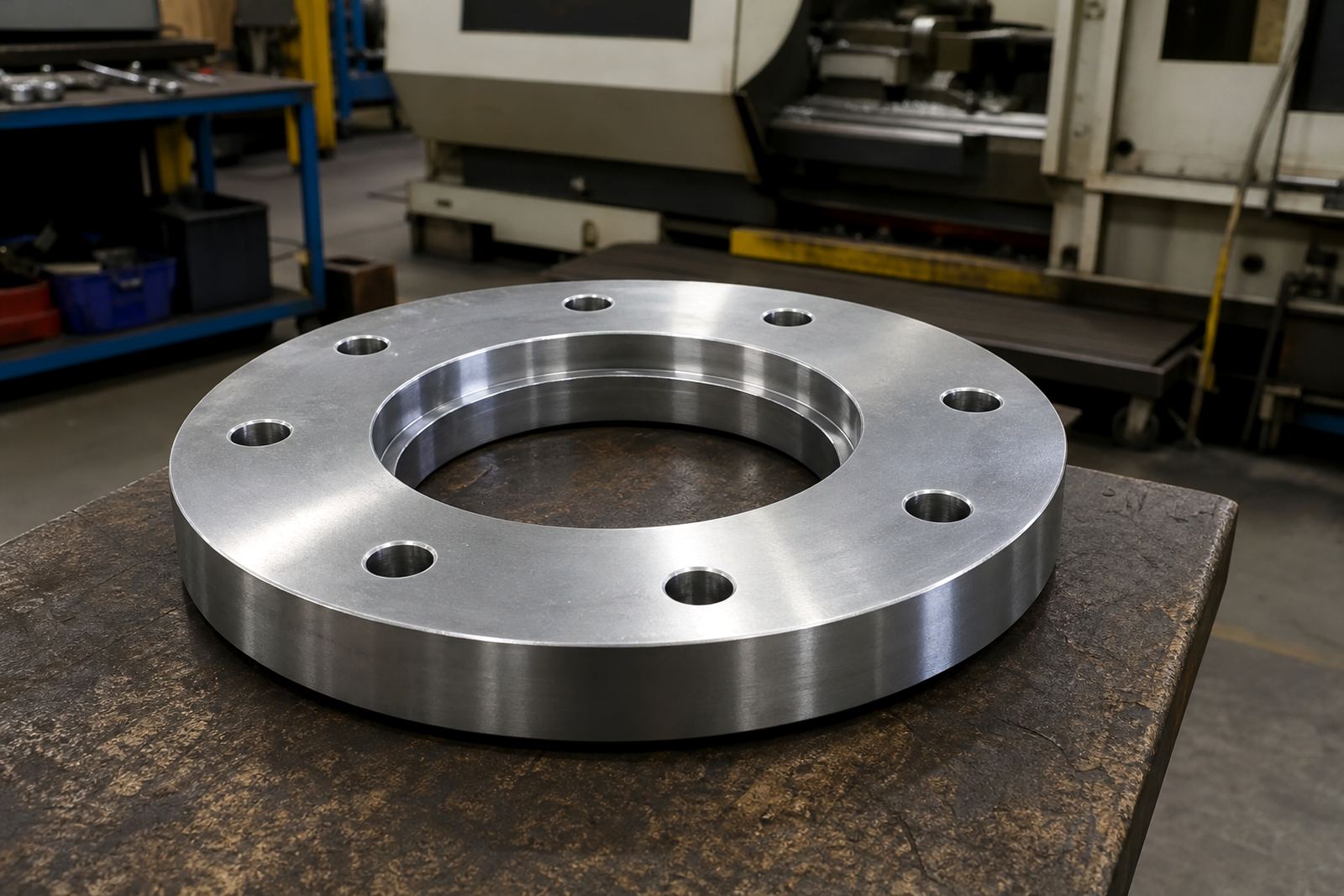
- Counterbores and spotfaces for flush seating and cleaner assembly
Working sizes are confirmed during the enquiry stage, because the material, wall thickness and remaining section around the feature all affect what can be done safely. Thin walls, cast material and previously used parts need extra care to avoid breakout or distortion.
Where Threads And Bores Suit Best
These features appear across many South African workshop and industrial applications. They are common in machinery spares, custom brackets, enclosures, mounting plates, hydraulic housings, drive components, jigs, fixtures and repair parts. In Durban, Pinetown, Westmead and New Germany, the work often supports maintenance teams who need a quick turnaround on a part that has worn or stripped. In Pietermaritzburg, Richards Bay and Johannesburg, it often forms part of a planned batch for production or repair.
Threads and bores are useful when a part must be assembled, removed and serviced repeatedly. A properly cut thread helps reduce cross threading and damaged fasteners. A correctly bored hole helps control alignment and bearing life. In coastal conditions around Durban and Umhlanga, the choice of material and the accuracy of the feature can matter even more, because corrosion, vibration and moisture can make poor fits fail sooner than expected.
They also suit prototype work, where the first sample needs enough accuracy for fit checks before the rest of the batch is made. That is often where batch planning and sample part remake support save time, since small changes can be made before full production starts.
Materials, Tolerances And Machining Method
Threads and bores can be machined in common engineering metals and selected plastics, provided the drawing and part design allow it. The practical choice depends on strength, wear, corrosion resistance and how the part will be used. Softer materials may need careful tool selection to avoid tearing, while harder or tougher materials can need slower feeds and tighter process control.
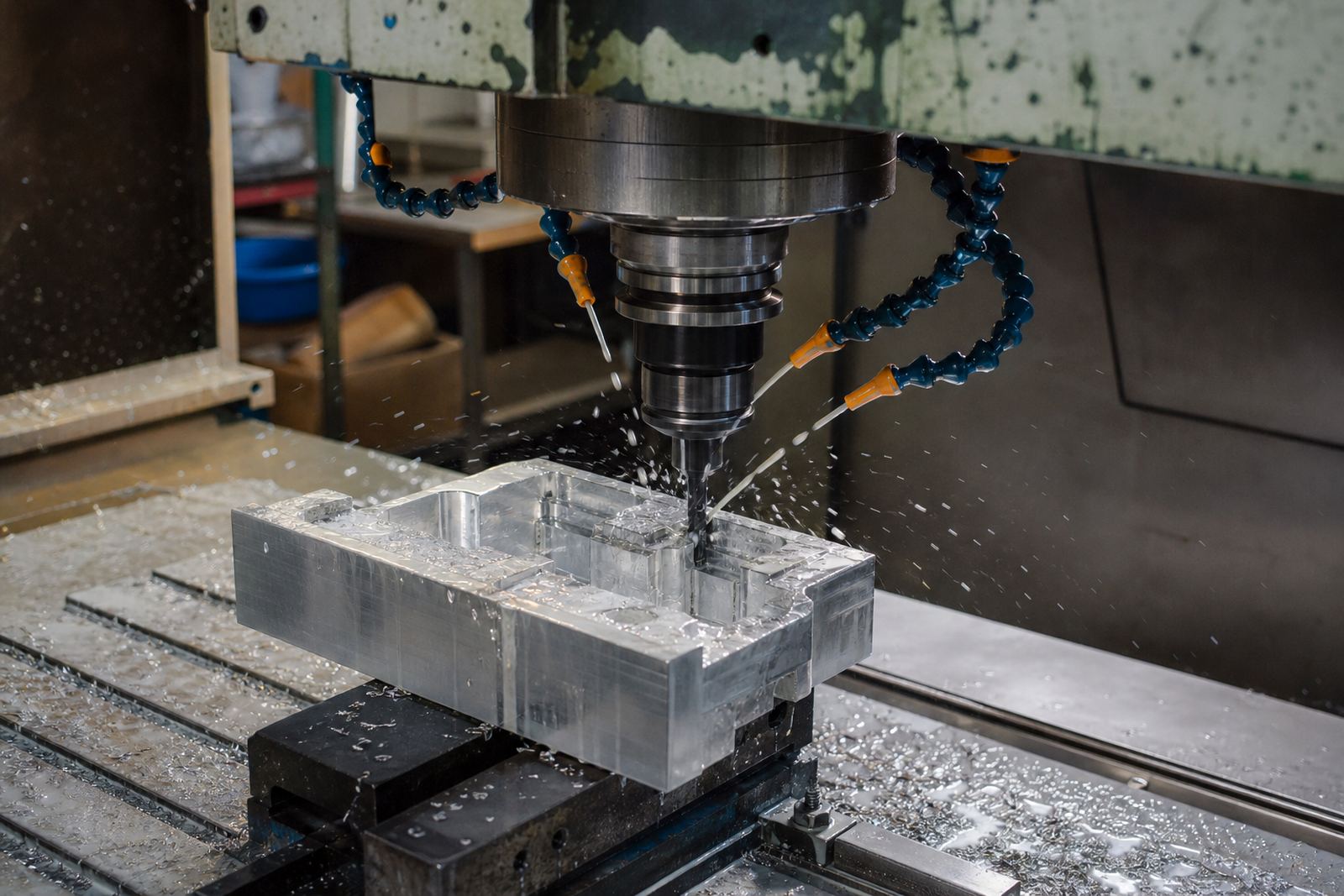
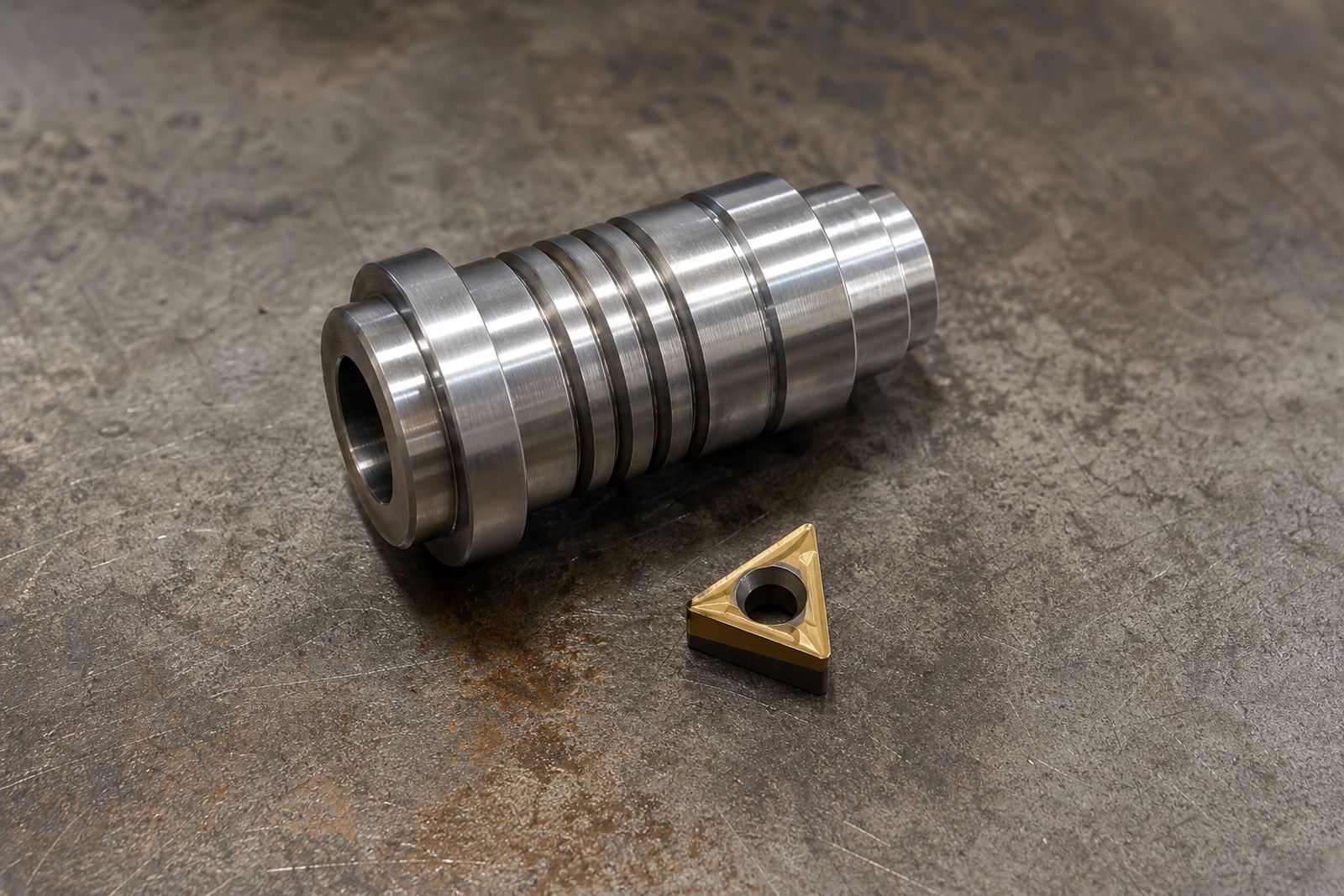
For bores, the finish and size must suit the mating part. For threads, the pitch diameter, depth and thread clean-up all affect engagement. PME CNC Machining uses CNC milling for flat, pocketed and prismatic parts and CNC turning for round parts, sleeves and components where internal or external cylindrical features are needed. In many jobs, a combination of both methods gives the best result.
Indicative capability is normally discussed against the drawing rather than promised as a blanket figure. Tolerance targets, surface finish and inspection method are set according to the part, the material and the fit required. Where needed, inspection reporting can be supplied so the customer can check dimensions against their own assembly requirements.
- Material selection based on strength, wear and corrosion exposure
- Thread and bore size matched to the mating component
- Allowance for heat, wall thickness and post-machining stability
- Inspection checks against drawing dimensions and fit points
Installation, Power Needs And Site Conditions
Threads and bores themselves do not need power or gas once the part is made, but the environment they go into can affect how they should be specified. If the part is part of a machine assembly, check whether it will sit near vibration, heat, washdown, dust or coastal moisture. These conditions influence whether a thread should be deeper, whether a bore should allow for retention or whether a locating feature needs extra wear allowance.
During installation, clean mating surfaces matter. Threads should be free of swarf, burrs and damage before assembly, and bores should be checked for correct diameter and depth before fitting pins, bushes or bearings. If a part is being remade after stripping or wear, the original hole may need to be measured in several places to confirm whether it can be repaired, re-bored or needs a different approach.
For parts used on equipment with electrical, hydraulic or pneumatic functions, the bore and thread design may need to leave room for cabling, fittings or seals. If an assembly is subject to municipal, industrial or workshop safety rules, those should be followed before the part is returned to service. In many cases a small change in thread depth or bore size can make maintenance much easier later, and that is worth checking before the order is released.
Care, Servicing And What To Check When Ordering
Threads and bores usually need simple care, but they are sensitive to damage from poor handling. Keep threads protected during transport, do not force fasteners into a dry or dirty hole, and check bores for burrs or contamination before assembly. On parts that will be stripped often, it helps to use the right lubricant, avoid over-tightening and inspect the feature after each service interval. A worn thread may still look usable until the fastener starts to slip, so regular checks are worthwhile.
When ordering, the key details are the feature size, thread form, depth, hand of thread if relevant, required tolerance and the material of the part. If the feature is part of a repair, supply the old part or clear measurements showing what has worn. If the feature must align with another component, send both drawings where possible. That avoids guesswork and helps confirm whether a standard tap size, a bored fit or a custom feature is the right answer.
- Send the drawing, sample part or measured sketch
- Confirm thread size, pitch, depth and handedness if applicable
- State the bore diameter, finish and fit requirement
- Include the material, quantity and any mating part details
- Note whether the part is new, repaired or reworked
Clients reach PME CNC Machining through the enquiry form on the contact page. From there, the team can review the job, check the material choice, plan the batch and arrange delivery coordination to Durban, Pinetown, Pietermaritzburg, Richards Bay, Johannesburg and surrounding areas.
Key facts
| Service type | CNC machined threaded and bored features for new and reworked parts |
|---|---|
| Machining methods | CNC milling and CNC turning |
| Typical features | Tapped holes, blind bores, through bores, counterbores, spotfaces and reworked openings |
| Materials | Common engineering metals and selected plastics, subject to drawing and application |
| Batch size | Small-batch production and repeat orders |
| Location | Pinetown, KwaZulu-Natal, with service support across South Africa |