What a Simple Manifold Does in a Machined Assembly
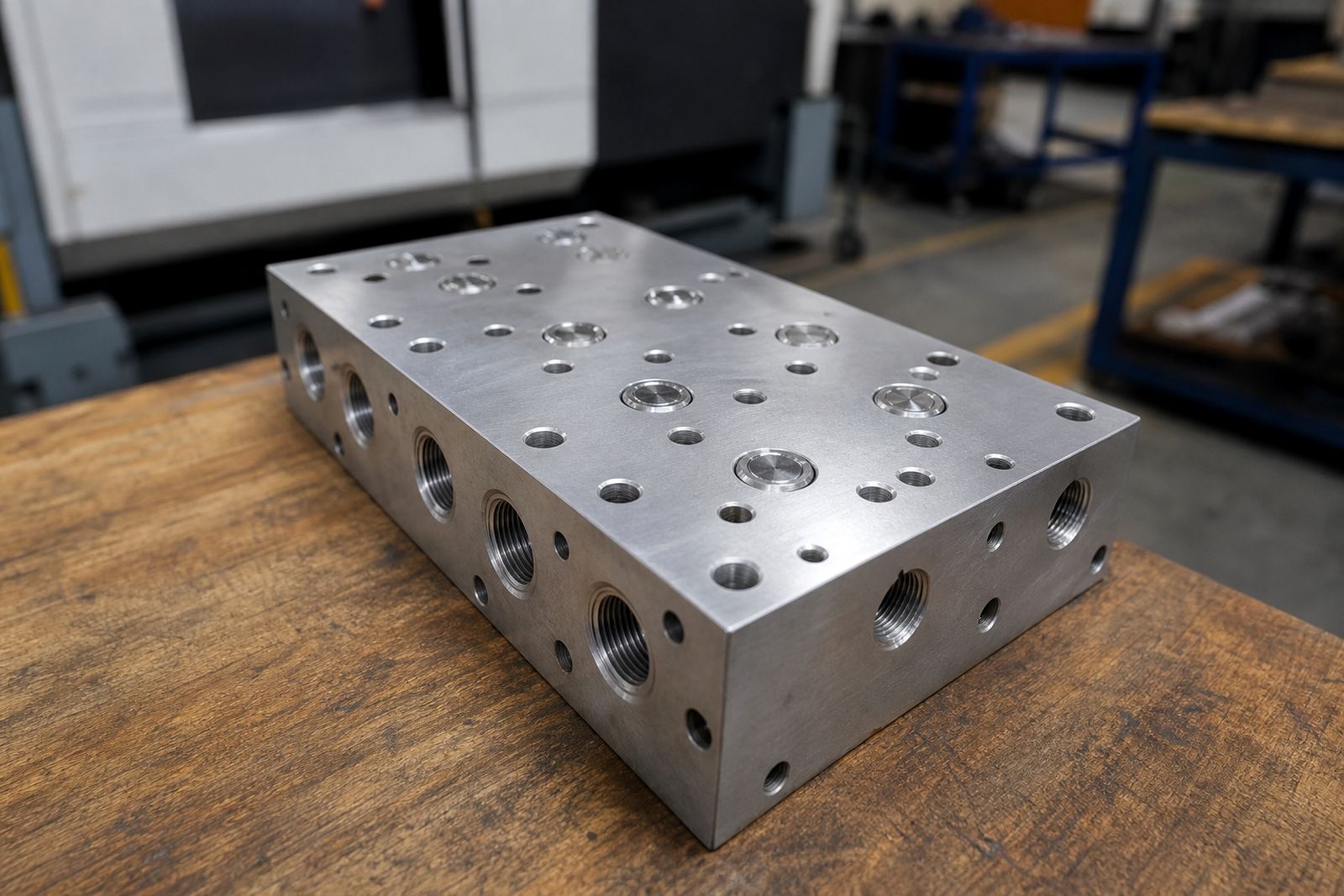
A simple manifold is a machined block or body that connects several lines, ports or devices in one compact part. Instead of running separate fittings and loose plumbing between points, the manifold gives you a controlled route through internal drilled passages and accurately cut threaded ports. That makes it useful where spacing is tight, routing has to stay neat, or the assembly needs fewer joints to check during service.
For small-batch work, the main value is consistency. Once the drilling pattern, port positions and sealing faces are set, the same part can be repeated with the same fit and flow path. That is important in workshop builds, test rigs, plant maintenance jobs and custom equipment where one-off changes often create leaks or awkward pipe runs. A good manifold also helps reduce clutter around valves and instruments, which makes inspection easier when the power is off or the system is being isolated for maintenance.
Sizes, Porting Options and Material Choices
Simple manifolds are usually made to suit the application rather than a fixed shelf size. We commonly work from customer drawings, sketches or sample parts and produce small batches where each body needs the same port pattern and face layout. Typical factors include overall length, width, thickness, number of ports, port thread size, sealing face style and the depth of drilled passages.
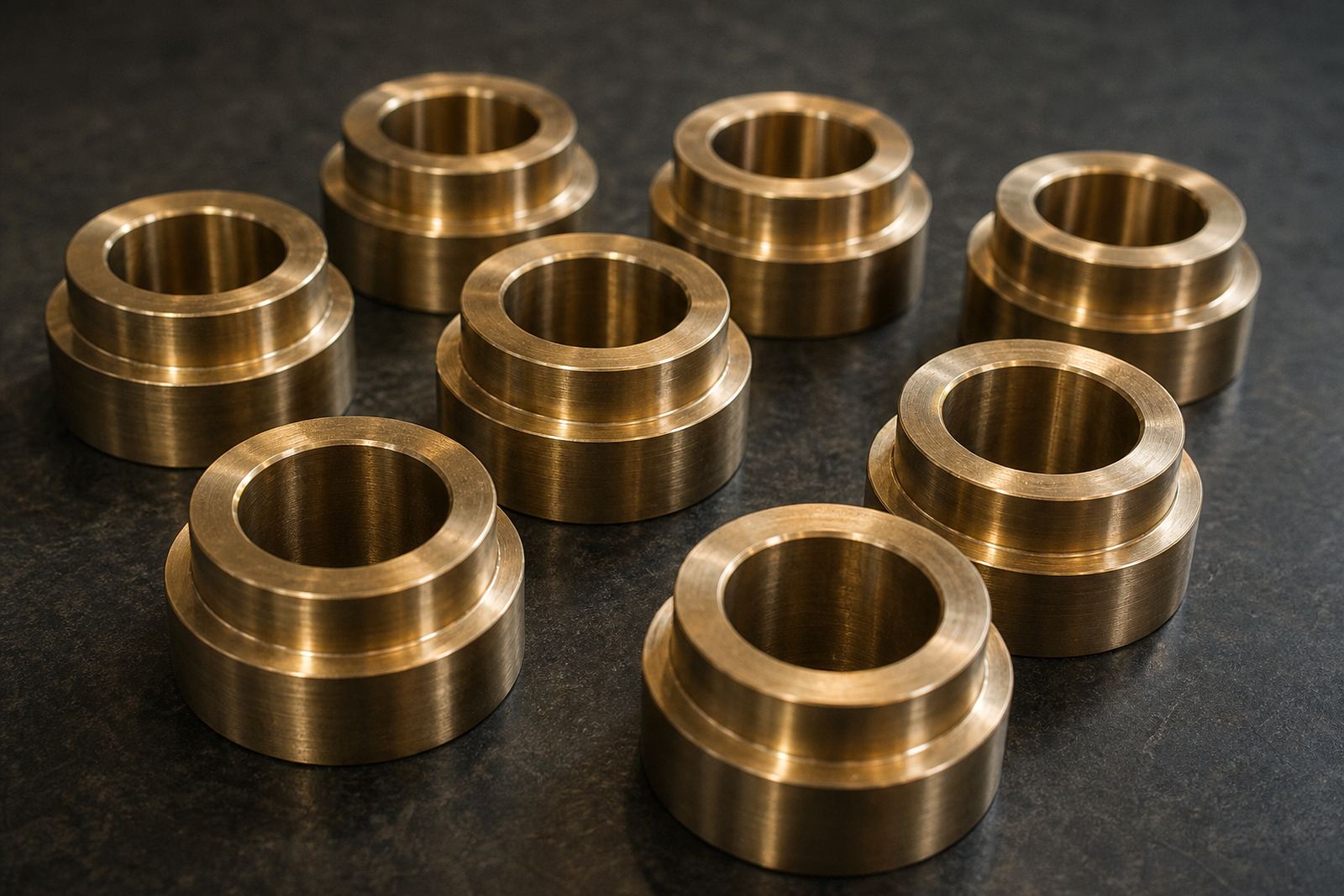
Material choice depends on the medium, pressure, environment and the way the part will be mounted. Aluminium is often selected where weight matters and the service conditions are moderate. Mild steel and stainless steel are common where strength, wear resistance or corrosion resistance are needed, especially near coastal areas like Durban or Richards Bay where humidity can be hard on exposed metal. Brass and other machinable metals may be suitable for lighter duty controls, provided the medium and duty cycle are compatible. We can also help compare material choices when the same design must behave differently in dry inland conditions and on the coast.
- Single or multi-port layouts for routing fluid or air lines
- Threaded ports in common metric or imperial sizes, depending on the drawing
- Through passages, cross-drilled routes and blind drilled pockets where required
- Mounting holes, alignment features and flat sealing faces
- Surface finish and edge break suited to the final assembly
Where Simple Manifolds Are a Good Fit
These parts suit systems that need controlled distribution or collection of a fluid, gas or oil path without a lot of extra fittings. They are used in compact machinery, test equipment, maintenance jigs, workshop fixtures and custom plant assemblies. If a job needs fewer hoses, fewer adapters and a cleaner route from one point to the next, a machined manifold often makes sense.
They are also helpful when the assembly is going to be taken apart and checked often. In that case, a well made manifold can simplify fault finding because the ports are fixed in the same place every time. For clients in Pinetown, Westmead, New Germany, Durban and Pietermaritzburg, that can save time in busy workshops where space is tight and shutdown windows are short. It is especially useful when parts must be fitted before the next shift starts and there is no room for trial and error.
- Compressed air routing
- Low to medium pressure fluid distribution
- Hydraulic control blocks and accessory bodies
- Instrumentation and test setups
- Custom plant and maintenance assemblies
Installation Needs, Power and Gas Considerations
A simple manifold itself does not need power, but the system around it often does. If it forms part of a machine, the ports, seals and connected lines need to suit the working pressure, temperature and medium. Where air or gas is used, good sealing and clean mating faces matter because even a small leak can affect performance and create noise. If the system is exposed to dust, washdown or coastal moisture, the port arrangement should allow for access without trapping grime in awkward corners.
When fitting the part, check that the mounting surface is flat and that the connecting lines are supported properly. Over-tightening can damage threads or distort sealing faces, especially on smaller bodies. If the manifold is part of a gas line, the installer should confirm the local safety rules, isolation method and leak test procedure before commissioning. In plant settings around Durban and Johannesburg, we often see issues caused by rushed installation rather than by the machined part itself, so it pays to leave space for tools and inspection. A clean install also helps if the site is affected by load-shedding and the system has to restart quickly after an outage.
Care, Cleaning and Repeat Servicing
Manifolds last longer when the ports stay clean and the sealing faces are protected from damage. If the part is used in a dirty workshop or outdoor setting, check for blocked passages, thread wear and marks around the sealing areas. On stainless and aluminium parts, surface corrosion is usually less of a problem than contamination around the ports, but coastal air can still leave residue if the part is not wiped down properly.
For servicing, remove the line pressure first, then inspect the part for score marks, thread galling or evidence of fluid tracking around the ports. If a port insert or fitting has been removed repeatedly, the thread should be checked before reassembly. Repeating the same torque and assembly method helps more than forcing the fitting tighter each time, which is where many small leaks start. We can also assist with sample part remake work when an older manifold has wear, a modified port layout or a drawing that needs updating.
What to Check Before Ordering a Manifold
Clear information at the start makes the machining job much easier and reduces the chance of an expensive remake. If you already have a drawing, send it through with the required quantity and any notes on the sealing method. If you only have a sample part, we can help with drawing review and practical checks before production begins. It is worth confirming the thread form, port depth, overall envelope and whether the part must match an existing assembly exactly or just fit within a given space.
Before you place an order, check the following:
- Overall size and mounting hole spacing
- Number of ports and their positions
- Thread type, size and depth
- Material preference and any corrosion concerns
- Required finish, edge breaks and sealing face details
- Whether inspection reporting or drawing updates are needed
If the manifold has to match existing piping or equipment in Westmead, Umhlanga, Richards Bay or Johannesburg, tell us what is already in place so the part can be planned around the actual fit. That helps avoid surprises when the first piece is assembled and can also guide batch planning if there are several related parts to make.
Key facts
| Product type | Simple machined manifold for controlled routing through drilled passages and threaded ports |
|---|---|
| Typical production | Small-batch CNC milling and turning work |
| Common materials | Aluminium, mild steel, stainless steel and brass where suitable |
| Port options | Threaded ports, cross-drilled passages, blind holes and mounting features |
| Typical fitment | Compact fluid, air, oil and control applications |
| Service area | Pinetown, Durban, Westmead, New Germany, Pietermaritzburg, Richards Bay, Johannesburg and Umhlanga |