What a milled plate is and how it is made
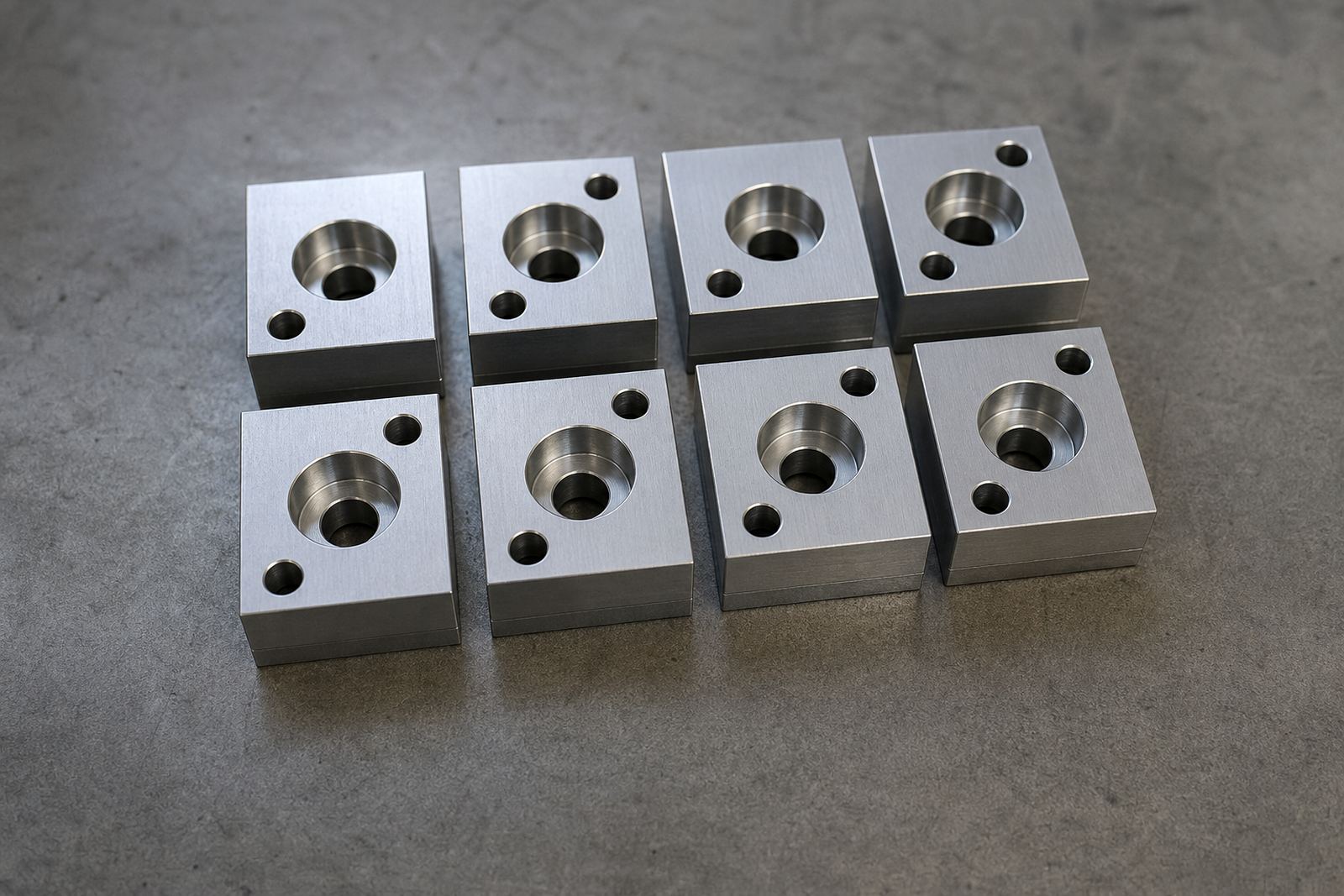
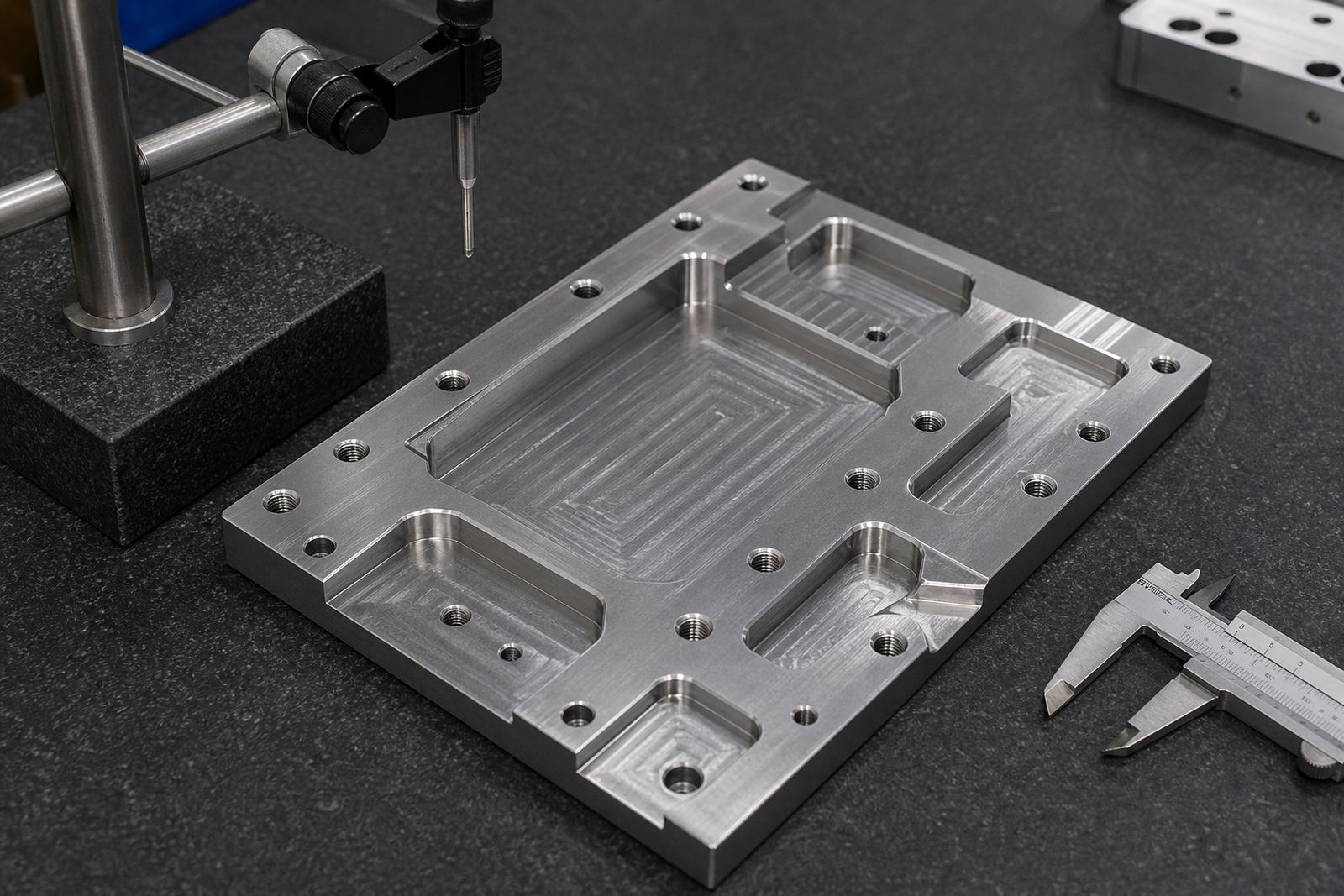
A milled plate is a flat metal component that has been cut and machined to size, then finished with holes, slots, pockets, counterbores or edge details to suit a specific assembly. It is often used where a plain plate is not enough and the part must locate other components accurately or carry fixings in the right positions.
We machine plates on CNC milling equipment from your drawing or sample, using controlled toolpaths to keep faces square and features consistent from part to part. For small batches, this is useful when you need repeatable parts without the cost of large production runs or special tooling.
- Flat faces for accurate mounting
- Drilled and tapped hole patterns
- Pockets for recessing parts or weight reduction
- Edge details such as chamfers, radii or datum edges
Common sizes, thicknesses and material choices
Milled plates are usually made in thicknesses that suit the load, fixing method and available space. Light-duty brackets may only need a thinner plate, while machine fixtures, base plates and structural assemblies often call for thicker stock to reduce flex.
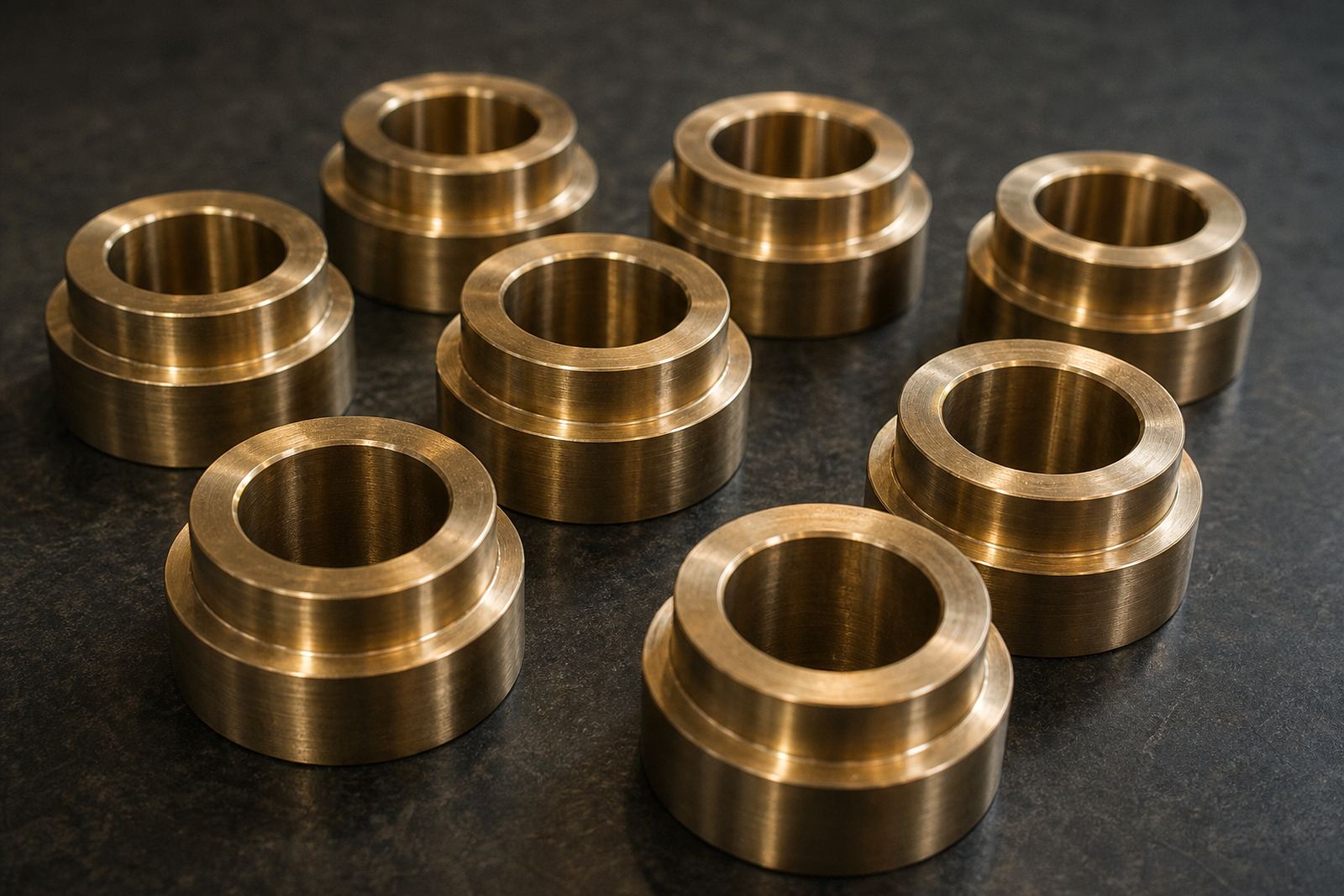
We work from supplied material or source material to suit the job, depending on what the application calls for. Common machining materials include mild steel, aluminium, stainless steel, brass and engineering plastics. The final choice depends on strength, corrosion exposure, weight and how the part will be used in service.
- Small plates for brackets, jigs and covers
- Medium plates for mounting and alignment work
- Larger plates for fixtures, bases and holding frames
- Material choice matched to indoor, outdoor or coastal use
Where milled plates suit best
These parts are used where a flat, accurately machined component is needed to support, locate or connect other items. That can include fabrication assemblies, production fixtures, machine mounts, inspection aids, control panels and special-purpose hardware.
In KwaZulu-Natal, clients often ask for plates that can handle coastal humidity and workshop wear, especially when the part will be used near Durban, Pinetown, Westmead or Umhlanga. For inland sites and transport-heavy work, the focus may be on stiffness, hole accuracy and ease of fit-up on site.
- Assembly plates and spacer plates
- Fixture plates for repeat work
- Machine base and mounting plates
- Locating plates for jigs and gauges
Tolerances, hole positions and finish details
On a milled plate, the important points are usually the overall size, flatness, hole position and the relationship between faces and edges. Those details affect whether the plate fits first time or needs adjustment during installation.
We can machine to the tolerance shown on the drawing, and where dimensions are critical we will review them before production so the part can be planned sensibly. If the drawing is unclear, we can discuss drawing updates, part optimisation and tolerance guidance before cutting begins. That helps avoid problems later when the plate has to line up with other parts.
- Overall length, width and thickness
- Hole diameter and spacing
- Counterbore depth or pocket depth
- Edge breaks, chamfers and finish requirements
Installation needs and what the plate itself requires
A milled plate does not need power or gas on site. Once machined, it is fitted into the assembly using bolts, fasteners, locating pins, weld prep if required, or other fixing methods shown on the drawing. The practical issue is usually not power supply but access, alignment and the condition of the mating parts.
Before fitting, check that the mounting surface is clean, level and free from burrs. On site work, especially in plants and workshops with load-shedding or limited shutdown time, it helps to have the mating parts ready and checked before the plate arrives. That cuts rework and keeps the job moving.
- No electrical or gas connection required for the plate itself
- Check access for tools and fasteners
- Confirm the mating face is flat and clean
- Allow for coating, plating or paint build-up if relevant
Care, servicing and repeat orders
Most milled plates need very little servicing once installed. Regular checks usually involve looking for fretting, loose fasteners, wear around holes and any distortion caused by vibration or overload. If the plate is used in a dirty or humid environment, a simple cleaning routine and corrosion protection can make a real difference.
For repeat orders, we keep the drawing and job details on file so the next batch can follow the same requirements. If the original part needs a small change after trial fit, we can assist with sample part remake, inspection reporting and drawing updates. That is useful for production lines, plant maintenance and replacement parts where exact fit matters.
- Keep the plate clean and dry where possible
- Inspect fasteners after initial installation
- Touch up coating or protection if the environment is harsh
- Recheck critical dimensions when reordering after a design change
Key facts
| Product type | CNC milled flat plate |
|---|---|
| Typical features | Holes, pockets, slots, counterbores, chamfers |
| Common materials | Mild steel, aluminium, stainless steel, brass, engineering plastics |
| Typical use | Fixtures, mounts, assembly plates, machine parts |
| Order type | Small batch production and repeat runs |
| Location | Pinetown, KwaZulu-Natal with delivery coordination across South Africa |