What Dowel Pins Do in a Machined Assembly
Dowel pins are plain cylindrical parts used to locate one component to another, keep a repeatable position, or act as a pivot and retention feature in tooling. In a CNC setting they are often used where two plates must meet in the same position every time, or where a jig needs a fixed reference point that will not shift under clamping load.
On the shop floor, a dowel pin may look simple but its fit matters. A pin that is too loose can allow movement, while one that is too tight can damage the bore or make assembly difficult. For that reason, the finished diameter, roundness and surface condition are all important. Where parts are fitted into steel, aluminium, plastic or composite components, the right match depends on the drawing, the hole preparation and the duty of the part in service.
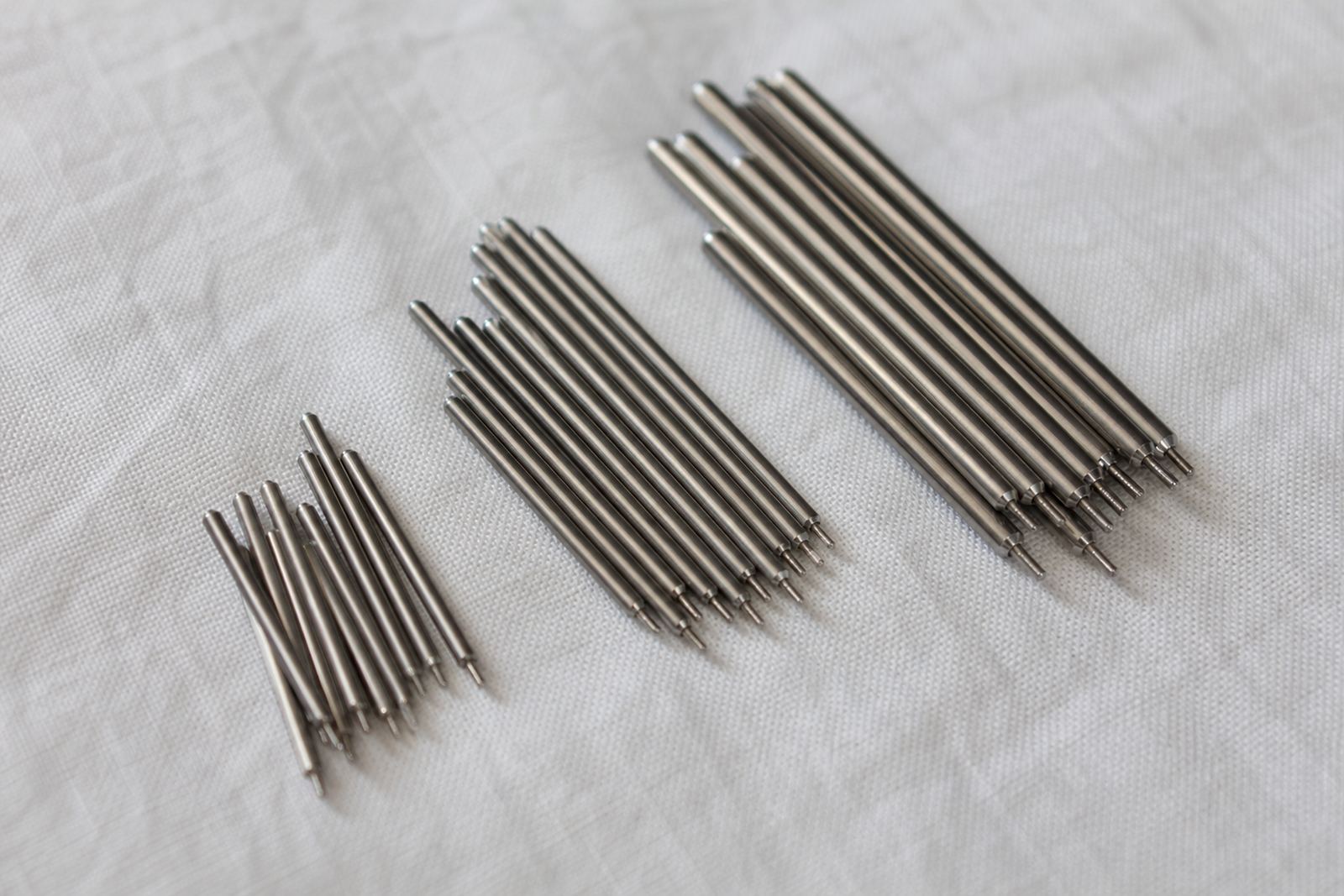
PME CNC Machining supplies custom pins for small batch production, prototypes and replacement work. We work from supplied drawings, sample parts or updated sketches when a job needs a practical adjustment before it is remade.
Typical Sizes, Materials and Finish Options
Dowel pins can be made in a range of lengths and diameters depending on the application. Common requests include short locating pins for compact fixtures, longer guide pins for equipment frames and stepped or special-end versions where the pin has to seat in a particular way. Ends may be chamfered, radius relieved or left square depending on how the pin is inserted and removed.
Material choice depends on wear, corrosion risk and the environment around the machine. For dry indoor use, hardened steel may suit the task. In coastal KwaZulu-Natal, where humidity can affect exposed metal, stainless material or a suitable surface finish may be considered. Where weight matters, aluminium or non-ferrous material can be discussed, though the final choice must still suit the load and wear conditions.
- Diameter options to suit drilled, reamed or fitted holes
- Lengths matched to the stack height or engagement depth
- Chamfered, radiused or plain ends
- Material selection based on wear, corrosion and handling
- Surface finish to suit insertion and service conditions
For repeat work, keeping the same pin geometry across batches helps with interchangeability and assembly planning. If a drawing needs clarification, our drawing review and drawing updates support can help keep the part practical to make.
Where Dowel Pins Suit Best
Dowel pins are widely used in jigs and fixtures, press tools, inspection aids, assembly stations and general production equipment. They are useful where a part must return to the same position after dismantling, or where a cover, plate or locator needs accurate alignment during repeated use.
In machine shops and maintenance environments, pins also help with sample part remake work and assembly fit checks. That is especially useful when a worn pin has caused play in a fixture and the replacement needs to match the existing hole pattern without a full redesign. We also see them used in conveyors, clamping plates, holding devices and light mechanical assemblies.
- Location of plates, brackets and tool halves
- Pivot points in simple moving assemblies
- Retention in removable fixtures and clamps
- Repeat positioning in inspection and setup tools
- Replacement for worn or bent pins in service equipment
For clients in Durban, Pinetown, Westmead, New Germany, Pietermaritzburg, Richards Bay, Umhlanga and Johannesburg, the common thread is the same: the pin must fit the job and the job must keep its alignment under use.
How We Make and Check Small-Batch Pins
Small-batch machining gives room for careful setup, which is important when a pin needs to fit a specific hole pattern or support a controlled assembly. CNC turning is commonly used for round profiles, while milling may be involved where flats, reliefs or special features are required. The process depends on the shape on the drawing and how the pin must function in the assembly.
Checks may include diameter, length, end finish and general fit against the intended mating part. Where a tolerance is specified, that drawing requirement is followed and reviewed before cutting. If the drawing is unclear, we can advise on practical tolerance guidance so the pin is not made tighter than the application needs. That can save time on fitting, especially where the part is going into a production fixture that must be assembled and removed often.
Our production coordinator and machining supervisor work closely with the programmer and quality administrator so the job is tracked properly from drawing review through to inspection reporting. It is practical work and there is no point pretending otherwise, the fit has to work first time or the pin becomes a problem instead of a solution.
Installation, Lubrication and Power Needs
Dowel pins themselves do not need power or gas. Any powered requirement belongs to the equipment they are used in, or to the machining process that produced them. Installation is usually manual, although a controlled press fit or assembly aid may be used depending on the hole condition and the material pairing.
When fitting pins, the main concerns are bore cleanliness, correct orientation and protecting the mating surfaces from burrs. Light lubrication may help during assembly in some applications, while other assemblies must remain dry for process reasons. If a pin is used in a place exposed to washdown, outdoor weather or coastal air, that should be mentioned upfront so the material and finish can be considered before manufacture.
- Confirm whether the pin is a press fit, slip fit or light locating fit
- Check if the assembly will be opened often or kept fixed
- Consider corrosion exposure, especially in humid or coastal locations
- Make sure surrounding parts are reamed or prepared as required
- Tell us if lubrication, dry running or a clean assembly is needed
Care, Servicing and Repeat Orders
Dowel pins are simple parts, but they still benefit from occasional inspection. A bent pin, worn surface or fretted bore can affect alignment and lead to poor repeatability. If a fixture is used daily, it is worth checking the pins during routine maintenance alongside the surrounding holes and clamps.
Replacement work is often straightforward if the old pin is available as a sample. When that is not possible, measurements from the drawing or from the assembly can still help. We support repeat orders, sample part remake and batch planning so the next set is consistent with the first. Where a part has changed over time, a revised drawing update may be the cleaner option than copying a worn component exactly.
For clients moving parts between plant and site work, delivery coordination can also help keep small batches moving without unnecessary delays. Our base in Pinetown gives us a practical position for work into Durban, the surrounding industrial areas and further afield when needed.
Key facts
| Product type | Custom dowel pins for location, pivoting and retention |
|---|---|
| Manufacturing method | CNC turning with milling where special features are required |
| Typical forms | Plain, chamfered, radiused, stepped and special end forms |
| Material options | Steel, stainless, aluminium and other suitable machinable materials |
| Fit guidance | Slip fit, press fit or drawing specified tolerance as required |
| Supply scope | Prototype pieces, small batches, remakes and repeat orders |