What a turned shaft is and how it is made
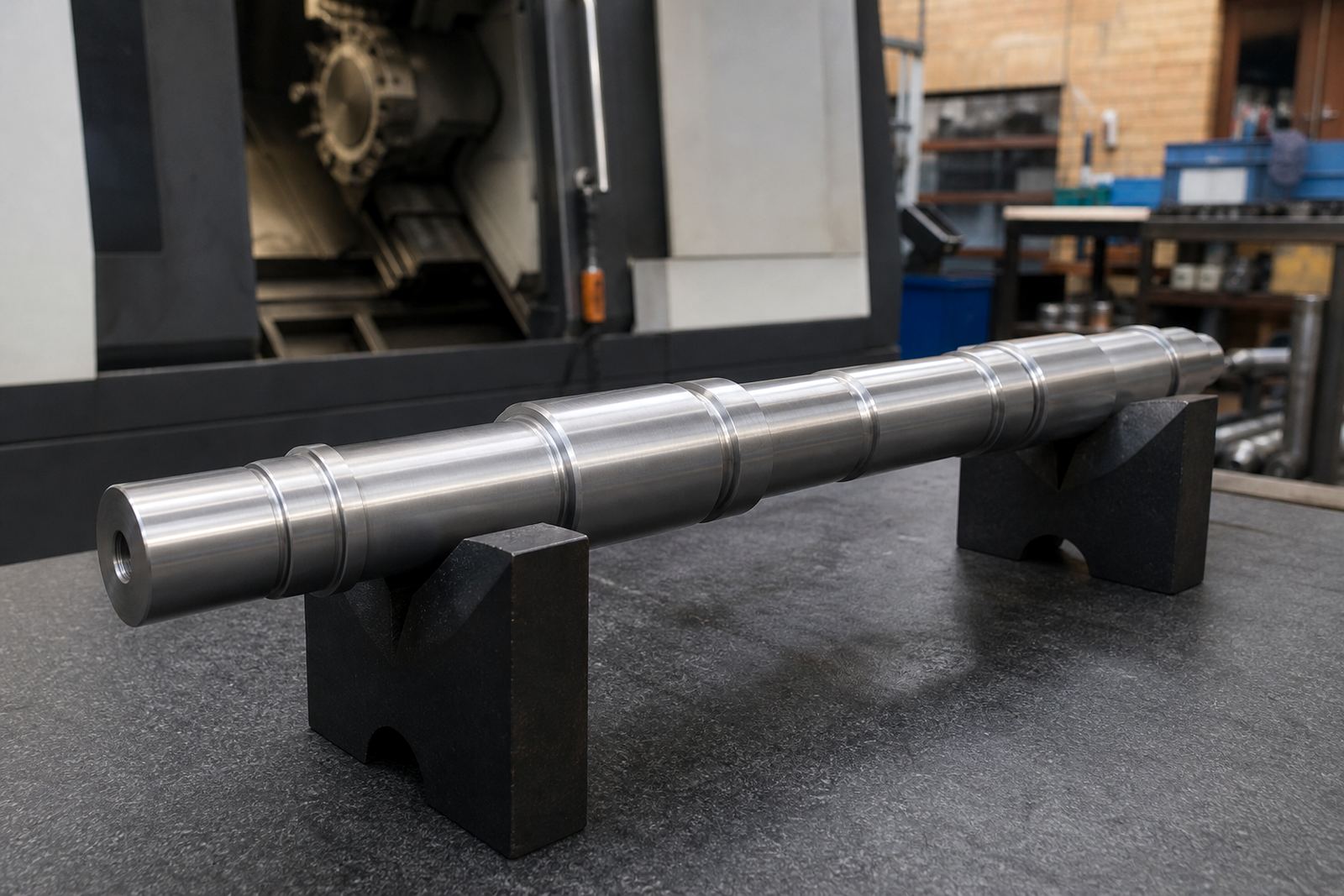
A turned shaft is a round component machined to carry rotation, support load or transmit movement in a machine assembly. In practical terms it may include steps, grooves, shoulders, reliefs, thread sections or keyway related features, depending on how the part must sit in the final assembly. Turning is normally used to produce accurate diameters, clean concentric features and a steady surface finish. Milling may then be used where flats, cross holes or secondary cuts are needed.
For small batch work, the main advantage is control. Each shaft can be made to match the drawing rather than being forced to suit a standard size that almost fits. That matters when a shaft runs with bearings, couplings, pulleys or rollers and the fit must be right first time. Small errors in diameter or shoulder location can cause vibration, wear or poor alignment, so the setup and inspection stage matters just as much as the cutting stage.
Typical shaft sizes, steps and finish options
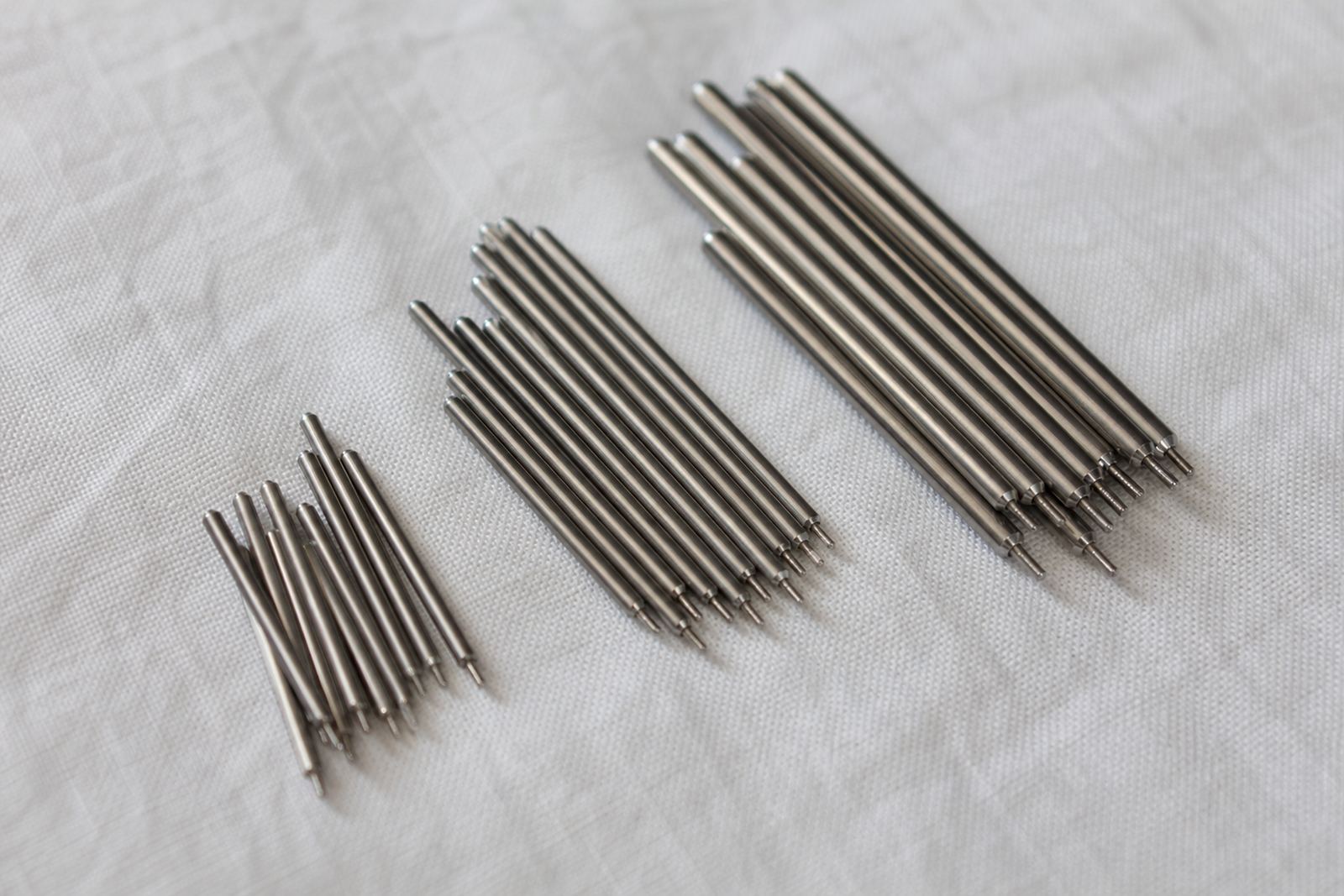
We machine shafts in a range of diameters and lengths suitable for light duty equipment through to heavier mechanical assemblies. The exact size depends on the drawing, the material and the function of the part. Some shafts are simple straight rounds, while others need multiple turned steps, undercuts, retaining grooves or thread ends for nuts and collars.
- Stepped shafts for bearing locations and drive interfaces
- Plain shafts for rollers, spacers and rotating supports
- Grooved shafts for clips, seals or retaining features
- Threaded ends for fastening or adjustment
- Shouldered shafts where accurate locating faces are needed
Surface finish can be adjusted to suit the application. A finer finish is often preferred where the shaft runs in a bearing or seal area, while a standard machined finish is usually suitable for general mechanical use. If a part needs later grinding, plating or further fitting, that can be allowed for during the drawing review stage so the finished size is planned properly.
Materials commonly used for turned shafts
Turned shafts are commonly produced from mild steel, carbon steel, stainless steel, aluminium and engineering plastics, depending on the application and the environment. Coastal conditions around Durban, Umhlanga and Richards Bay may call for better corrosion resistance, while indoor plant and workshop equipment may suit more general grades. Heat, moisture and dust all affect service life, so the material choice should match the real working conditions not just the drawing.
Material selection can also influence machining time, finish and wear resistance. Some grades cut cleanly and are suited to repeat work, while others need slower feeds or extra care to manage heat and tool wear. If a shaft is part of a drive system, roller frame or coupling arrangement, we check the stock size, grain direction where relevant and whether the material can still be machined to the required shoulder and groove locations without unnecessary waste.
- Mild steel for general purpose shafts and machine parts
- Carbon steel for stronger drive or load carrying parts
- Stainless steel for moisture, washdown or coastal exposure
- Aluminium where lighter weight is needed
- Engineering plastic for low load, non-corrosive applications
Where turned shafts are used in industry
These parts suit conveyor systems, rollers, pumps, gearboxes, agricultural equipment, packaging machinery, workshop jigs and general mechanical assemblies. They are also used where a shaft must be remade because wear, scoring or bending has affected the original part. In many cases the part is not complex, but it must be accurate. A shaft that is out by a small amount can cause a bearing to fail early or make a coupling run rough.
We supply small batch quantities for maintenance teams, equipment builders and repair jobs where one-off replacement pieces or short runs are needed. That includes projects in Pinetown, Westmead and New Germany as well as broader delivery into Durban, Pietermaritzburg, Richards Bay and Johannesburg. If your job involves several similar shafts with only minor differences, we can help separate the common features from the special ones so the batch is easier to repeat later.
Installation fit and power needs on site
Turned shafts themselves do not need power or gas once they are supplied, but the equipment they fit into often does. Before fitting, the receiving assembly should be clean, aligned and checked for wear in the bearings, housings, keys, collars or couplings. A shaft that goes into a worn housing may still fit but the machine can continue to run poorly, so the mating parts should be assessed at the same time.
For installation, allow for normal workshop handling, correct lifting where the part is long or heavy, and any locking method required by the assembly. If the shaft is part of a driven system, confirm the direction of rotation, bearing spacing and any guard requirements under site rules or municipal safety practice. In areas affected by load shedding, production scheduling may be adjusted so jobs that need inspection, marking or final fitting are handled without rush, which helps reduce avoidable errors.
Care, servicing and signs of wear
Once installed, a turned shaft should be kept clean, properly lubricated where required and checked for early signs of wear. Grooves, shoulders and seal runs are common points where damage can start if the mating parts are not maintained. Rust, scoring, vibration and noise are all warning signs. On coastal sites, surface protection matters more because humidity and salt air can attack exposed metal faster than expected.
- Inspect for scoring or polishing on bearing and seal areas
- Check for end play, vibration or uneven rotation
- Keep seals, collars and retaining parts in good condition
- Remove dust, moisture and chemical residue during routine servicing
- Replace or remake a shaft if bent, worn or out of spec
If a shaft needs to be remade, bringing the worn sample helps a lot. Even when the drawing is missing, a physical part can show the true shoulder spacing, groove width and thread detail. We can also assist with sample part remake and drawing updates when a part has been modified over time and the paperwork no longer matches the actual machine.
What to check before sending an enquiry
The more complete the information, the easier it is to plan the job correctly. For turned shafts, the important details are usually the overall length, shaft diameter, step positions, groove sizes, thread details, material preference and any critical fit dimensions. If there is a bearing, seal, pulley, collar or coupling involved, that information helps us confirm how the shaft should be finished and where tolerances need the most attention.
- Overall length and all stepped diameters
- Groove, shoulder and thread dimensions
- Material or environment constraints
- Quantity needed for the small batch
- Any drawing, sketch, old sample or worn replacement part
- Required finish areas and fit critical features
Clients reach us through the enquiry form on our contact page and we use that information for drawing review, tolerance guidance, part optimisation and delivery coordination. If the part is for repeat order support, it helps to note what changed from the last run so the next batch can be planned without confusion.
Key facts
| Service type | CNC turned shafts for small batch production |
|---|---|
| Typical operations | Turning, facing, stepping, grooving, shoulders and secondary milling where needed |
| Materials | Mild steel, carbon steel, stainless steel, aluminium and engineering plastics |
| Batch size | Single replacements to small repeat runs |
| Common uses | Drives, rollers, couplings, bearings and mechanical assemblies |
| Service area | Pinetown, Durban, Westmead, New Germany, Pietermaritzburg, Richards Bay and Johannesburg |