What slide plates do in a machine
Slide plates are machined components that allow one surface to move against another with better control, less binding and more predictable wear. In many assemblies they act as a bearing surface, a setting plate, a wear plate or a change part where a machine needs adjustment during setup or maintenance. They are often used where a sliding motion must stay square and stable, or where a replaceable surface is easier to service than the full machine body.
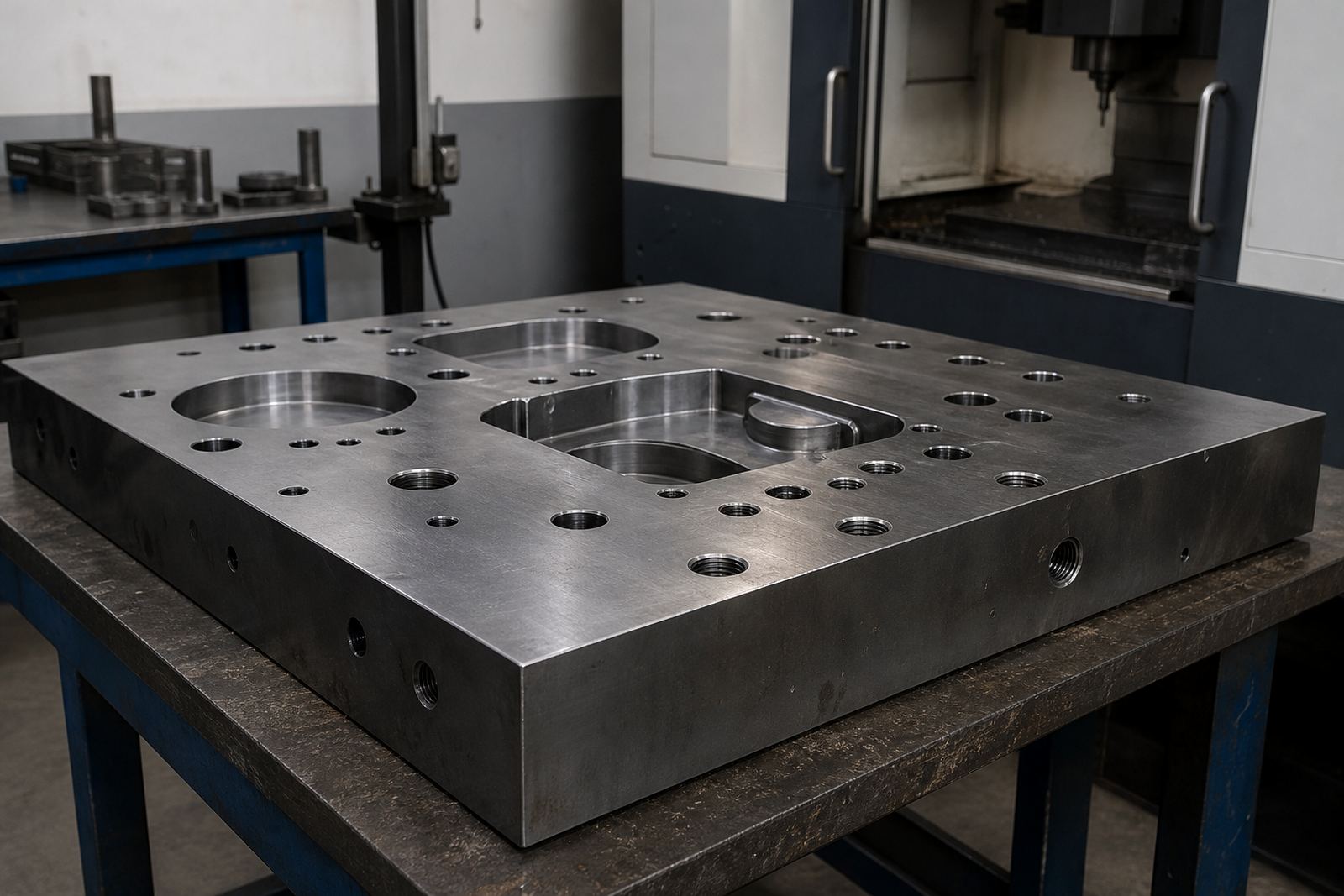
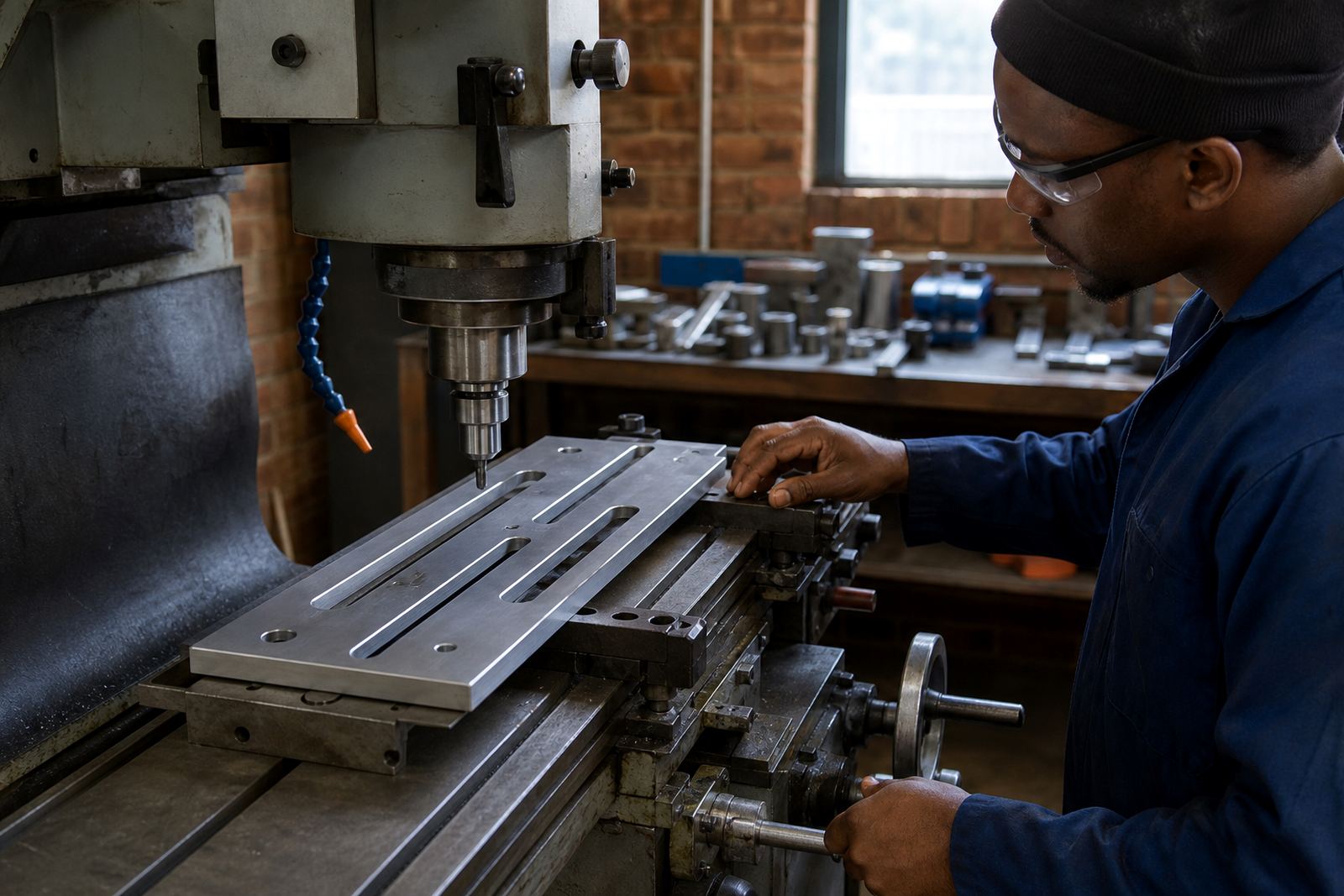
For small-batch production, slide plates are usually made to match an existing drawing, a worn sample or a dimensional requirement from the machine itself. That can include holes, slots, counterbores, pockets, edge breaks and ground or machined faces. We can review the drawing first, then advise on material choice, practical tolerances and any fit issues that may affect installation or repeat use.
- Used for adjustment, spacing and wear control
- Suitable where parts need to slide with limited play
- Often supplied as replacements for worn or damaged plates
- Can be made from plate, bar or billet material depending on the job
CNC milling and turning for plate manufacture
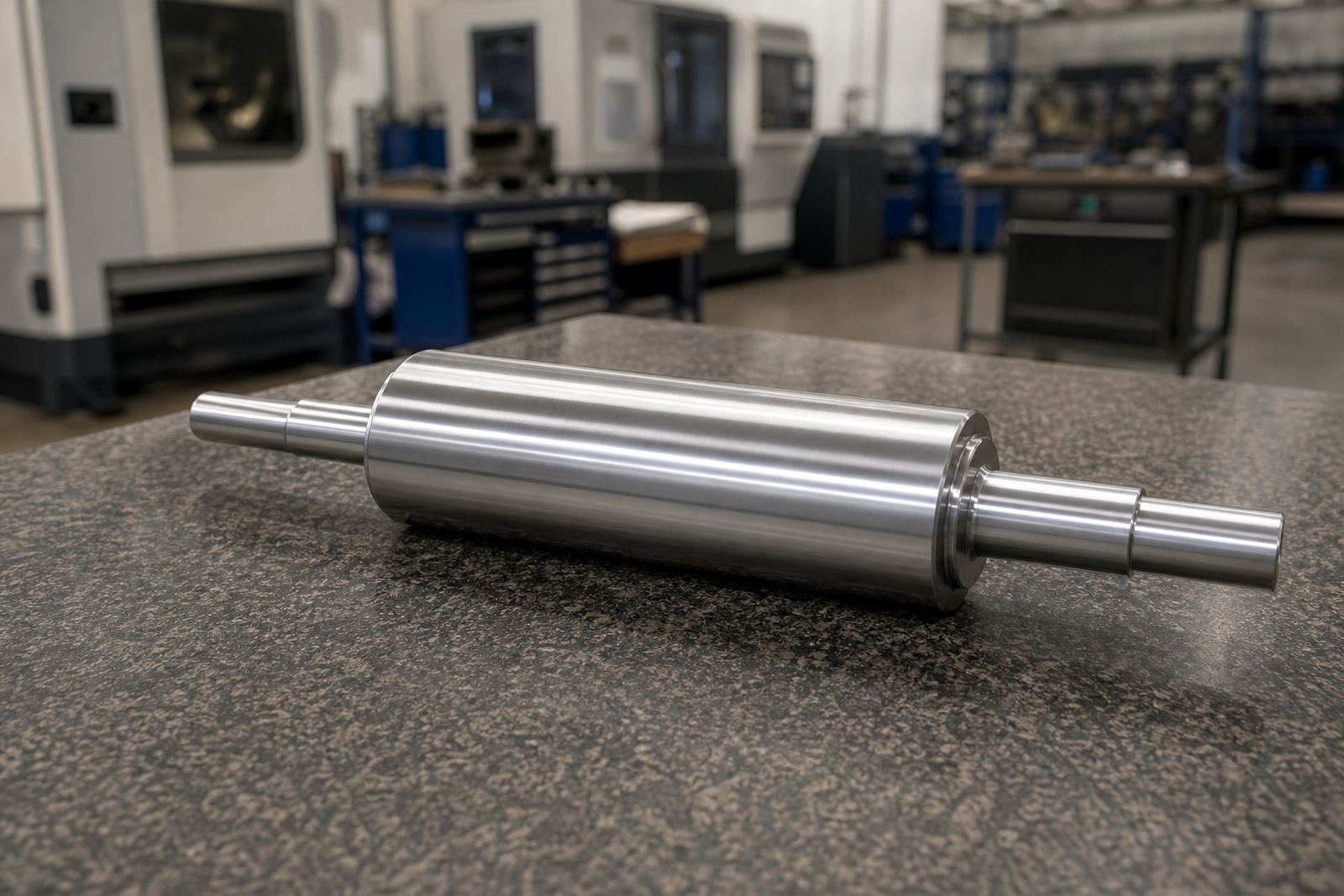
Most slide plates are produced by CNC milling, especially where the part needs flatness, slots, holes or a repeated hole pattern. Milling suits rectangular plates, shaped profiles and machined recesses. If the slide plate includes cylindrical spacers, bushes, shoulders or threaded inserts, CNC turning may also be used to make the matching round features. On some jobs both processes are combined so the finished part fits first time without extra handwork.
In practical terms, the right process depends on the size of the part, the material and the way it carries load. A small plate for a light-duty machine is treated differently from a wear plate on a heavier line or a part that sees dust, coolant or coastal humidity. We machine for fit and repeatability, not just for a clean finish, and we check the drawing against what can actually be held and measured accurately in the shop.
- Milling for flats, slots, pockets and mounting features
- Turning for round inserts, bushes and spacer sections
- Suitable for one-off replacements and repeat batches
- Dimensional checks can include thickness, hole position and parallel faces
Sizes, materials and finish options
Slide plates can be made in a range of sizes, from compact service parts through to larger plates used in machine bases, guides and support assemblies. Thickness depends on the load and the mounting arrangement, while the finished size depends on the available material and the allowance needed for machining. If a plate must run against another face, surface finish and flatness become important, especially where movement is frequent or lubrication is limited.
Common material choices include mild steel, stainless steel, aluminium and engineering plastics, depending on wear, corrosion exposure and the job environment. In coastal parts of KwaZulu-Natal, for example, material selection may take salt air into account if the plate is close to washdown areas or outdoor equipment. We can also work with customer-supplied material where the spec is already fixed. No part is treated as generic, because a slide plate that runs smoothly in a factory near Pinetown may need different treatment from one heading to a humid site in Richards Bay.
- Plate sizes can be scaled to the machine and mounting area
- Material choice can suit wear, corrosion or weight limits
- Finish can be adjusted for sliding contact or simple locating duty
- Edge breaks, deburring and chamfers help reduce handling damage
Where slide plates are typically used
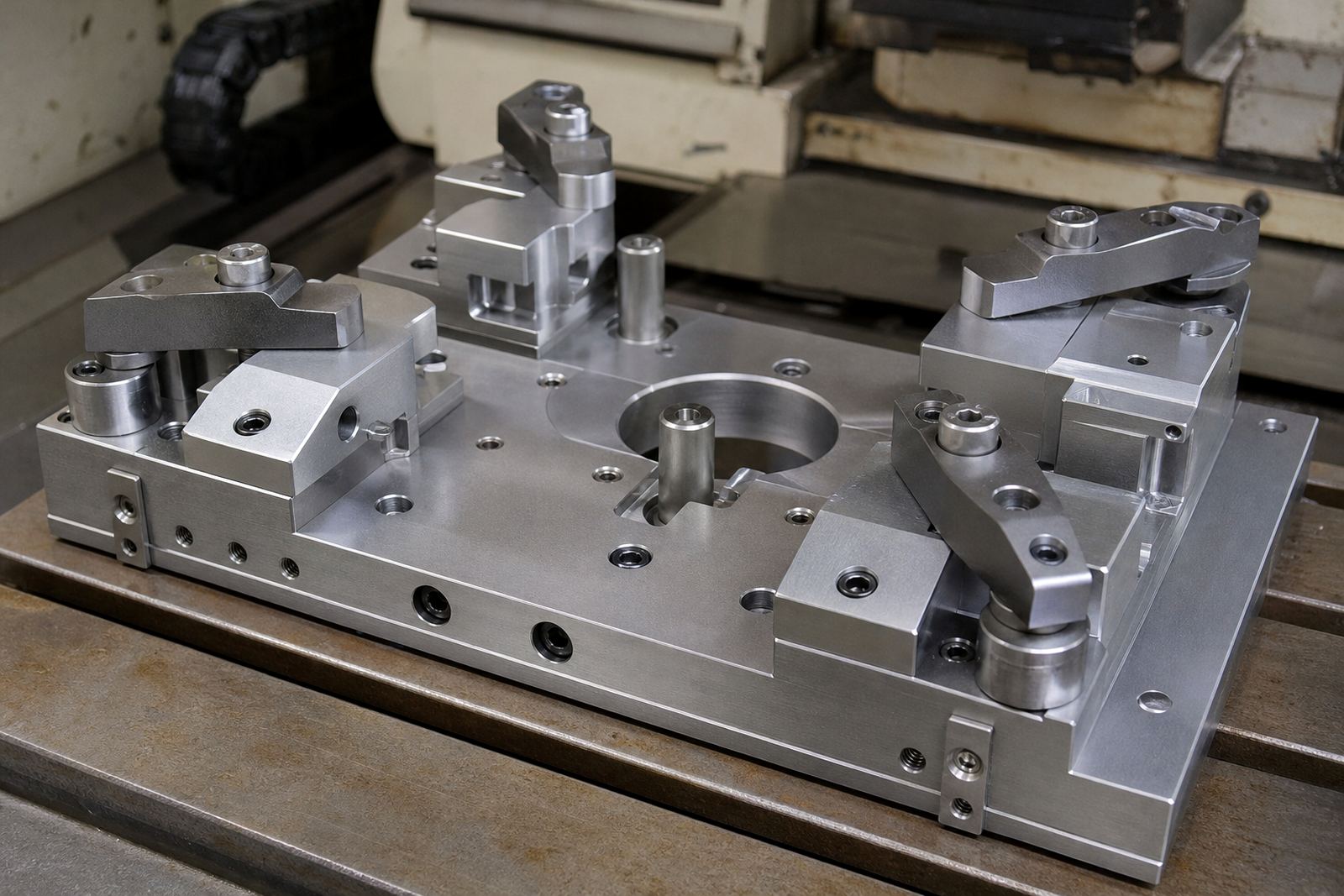
Slide plates are used across general engineering and production equipment, especially where parts must align, guide or shift position under control. They suit jigs, fixtures, feed systems, maintenance assemblies, tool positioning units and change parts where repeat setup matters. Some customers need a direct replacement for a damaged part, while others need a better made version of an existing plate that has worn unevenly or become difficult to adjust.
We regularly support small-batch work for businesses in Durban, Westmead, New Germany, Pietermaritzburg, Richards Bay and Johannesburg. That includes parts for workshops, plant maintenance teams and makers who need a few accurate components rather than a large production run. If a plate must fit around existing bolts, stops or guides, we can work from a sample, a sketch or a drawing with dimensions marked clearly. The key is to understand how the plate moves in service and where it must hold position under load.
- Machine guides and adjustment assemblies
- Wear interfaces on moving equipment
- Jigs, fixtures and part location systems
- Replacement change parts for maintenance stock
Installation details and what the machine needs
Slide plates normally need no power or gas supply of their own because they are passive mechanical parts. Installation usually depends on the fixing method, the alignment of the mounting face and whether the plate runs dry or with lubrication. A well made plate should sit properly on its mating surface without rocking, high spots or forcing the bolts into place. If the plate is part of a moving set-up, the clearance and guide condition must be checked as well.
When ordering, it helps to confirm whether the plate is bolted, slotted, dowelled or captured in a frame. Also note if the machine is exposed to coolant, oil, vibration, washing down or dust. Those details matter because they affect material choice, coating needs and the final allowance on holes or slots. In some cases the fit can be improved by checking the surrounding parts too, since the plate may be fine but the worn mating face is what causes trouble.
- No power or gas is normally required
- Fixing method should be stated on the order
- Lubrication or dry running should be noted
- Existing wear on the mating parts should be checked before manufacture
Care, servicing and repeat order support
Slide plates last longer when they are kept clean, aligned and inspected before wear gets excessive. If the plate runs in a dusty or oily area, debris should be removed during planned servicing so abrasive build-up does not score the sliding face. For stainless or coated parts, routine cleaning helps preserve the surface. For mild steel parts, a light protective film may be useful if the machine stands idle for periods or if the site sees damp conditions.
For repeat orders, it is useful to keep the drawing up to date and record any changes made during installation. A worn original can be a good reference, but we often recommend updating the dimensions after the first fit so the next batch does not inherit the same problem. PME CNC Machining offers drawing updates, inspection reporting and repeat order support, which helps when a plant in Pinetown or a workshop in Johannesburg needs the same part again but with a small adjustment. That saves rework and keeps replacement planning straightforward.
- Keep sliding faces clean and free of grit
- Check for scoring, edge wear and loose fasteners
- Record any changes after the first installation
- Use the updated dimensions for future batches
Key facts
| Product type | Machined slide plates for adjustment, wear interfaces and change parts |
|---|---|
| Manufacturing method | CNC milling, with CNC turning where round features are needed |
| Typical materials | Mild steel, stainless steel, aluminium and engineering plastics |
| Typical features | Holes, slots, counterbores, recesses, chamfers and machined faces |
| Finish options | Machined finish, deburred edges and application-specific face prep |
| Order size | Small-batch production and repeat order work |