What a machined base plate does
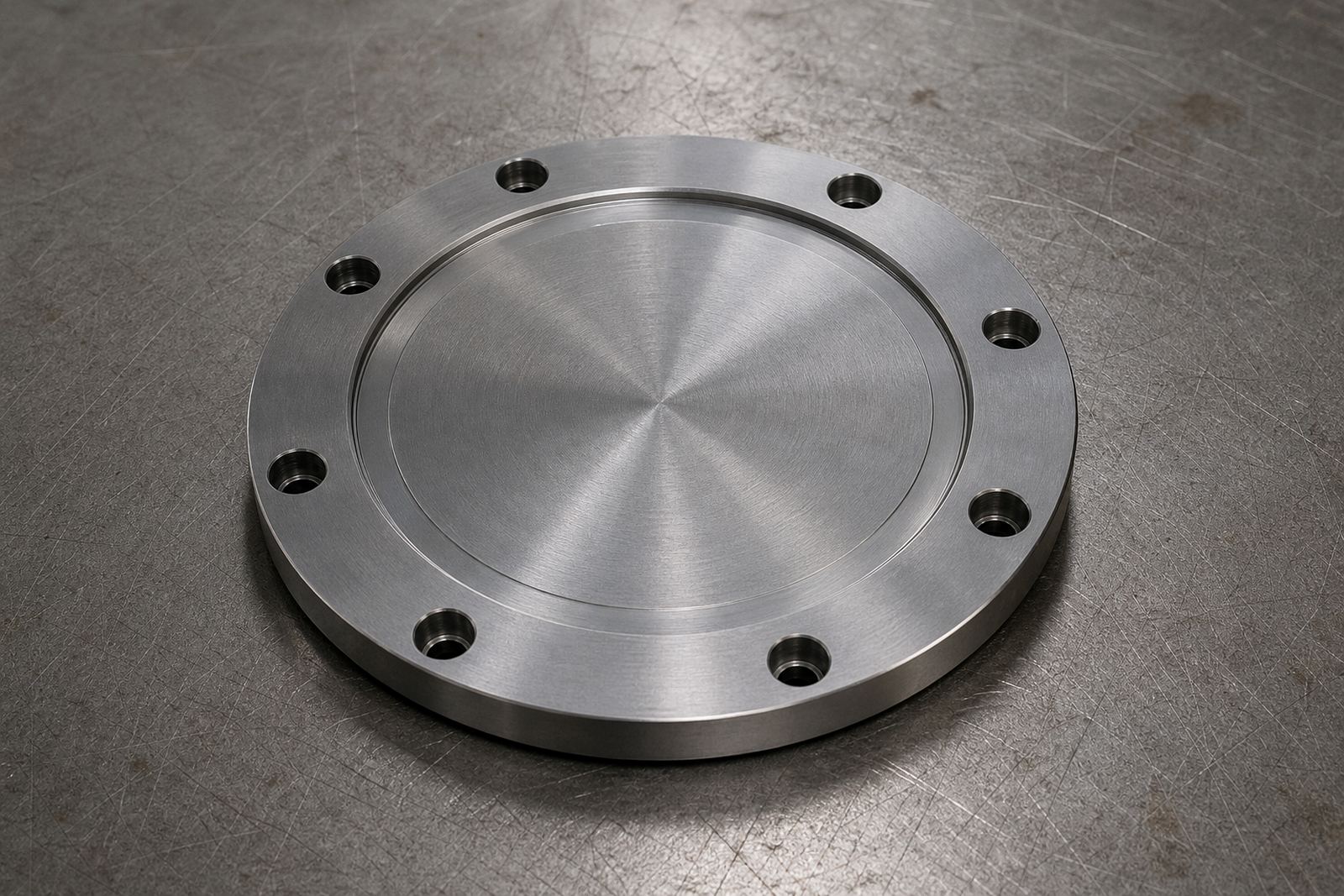
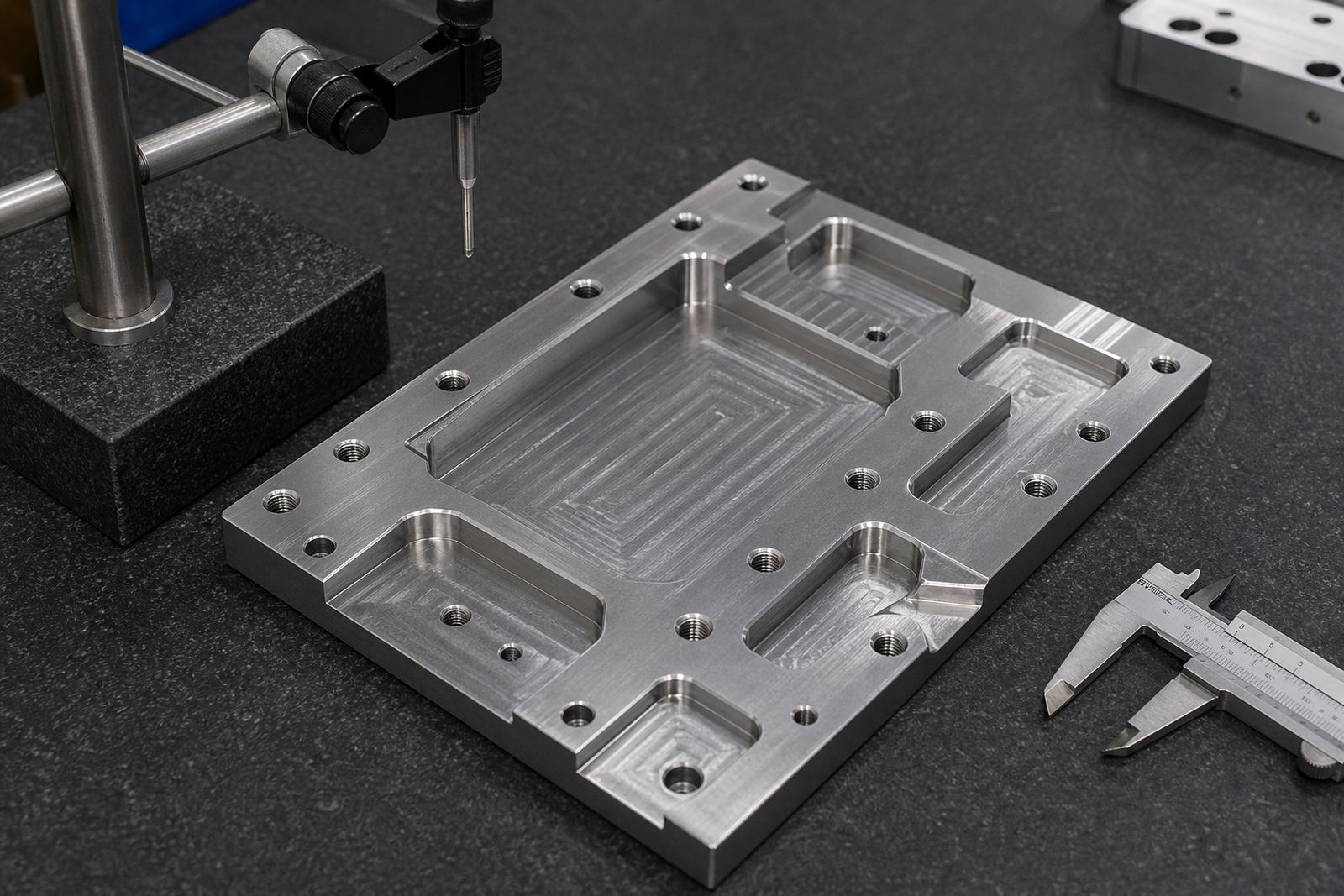
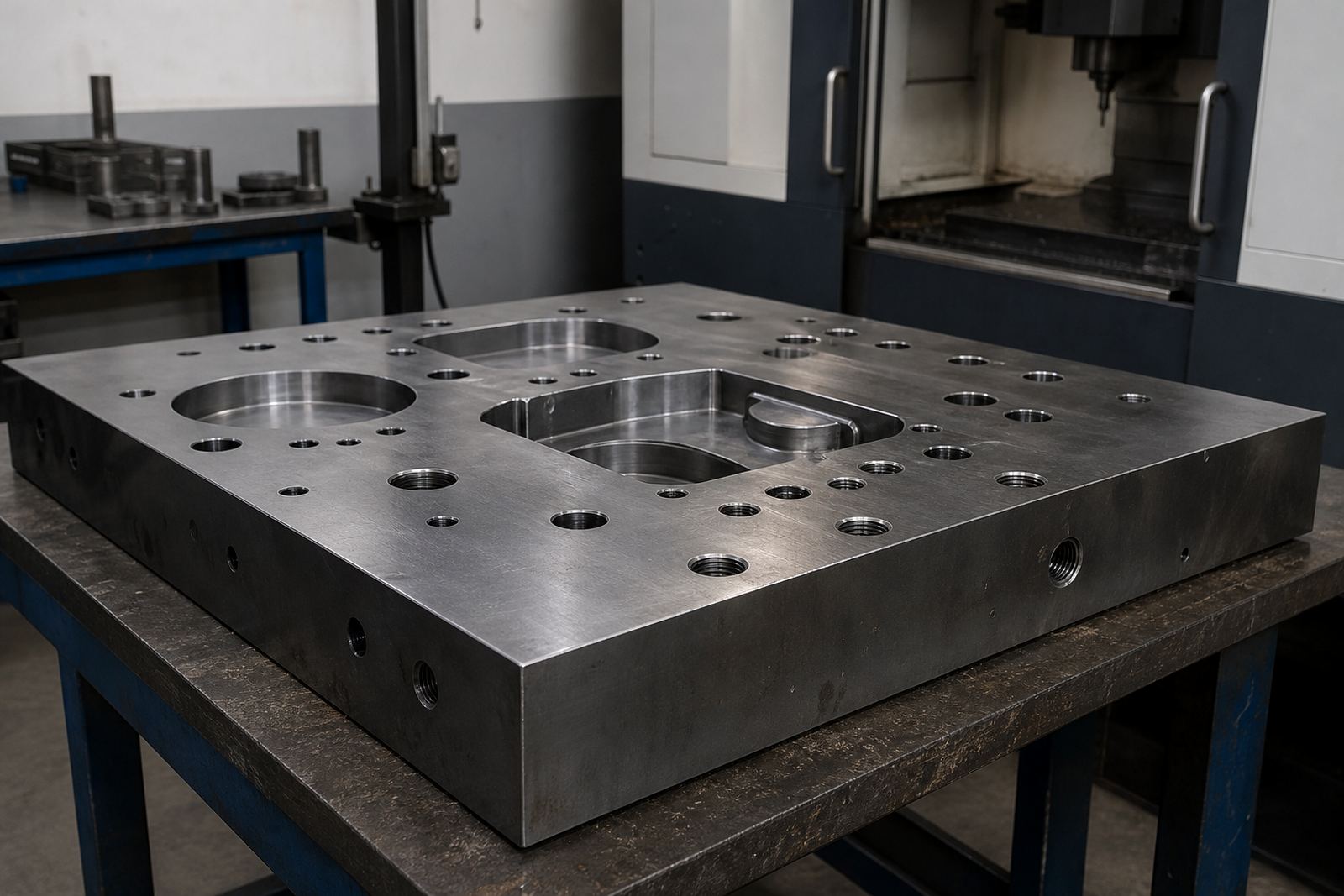
A base plate is the flat, load-bearing part that gives equipment a stable mounting surface. It is commonly used where a machine, frame, motor, gearbox or assembly needs accurate positioning on a foundation, skid or support structure. In CNC work, the plate is cut, faced and drilled to match the drawing so that fit-up is cleaner and assembly time is reduced. Where alignment matters, the plate can also be machined with register edges, slots, pockets or locating holes to help keep parts in position during installation and service.
For industrial users in KZN and inland sites alike, the main value is consistency. A plate that sits flat and is machined square helps avoid stress on bolted joints, uneven loading and unnecessary wear. That matters on equipment used in workshops, processing plants, packaging lines, maintenance yards and fabrication environments, especially where vibration, dust or coastal humidity can affect performance.
Sizes, thicknesses and machining options
Base plates are usually made to drawing, so the practical size depends on the job. Common factors include overall length and width, plate thickness, hole pattern, edge finish and whether the part needs surface machining on one side or both. We also look at how the plate will be handled during transport and installation, because a large plate with thin sections may need extra care to stay flat.
Typical options include:
- Plain cut plates for general mounting
- Face-machined plates for better flatness and contact
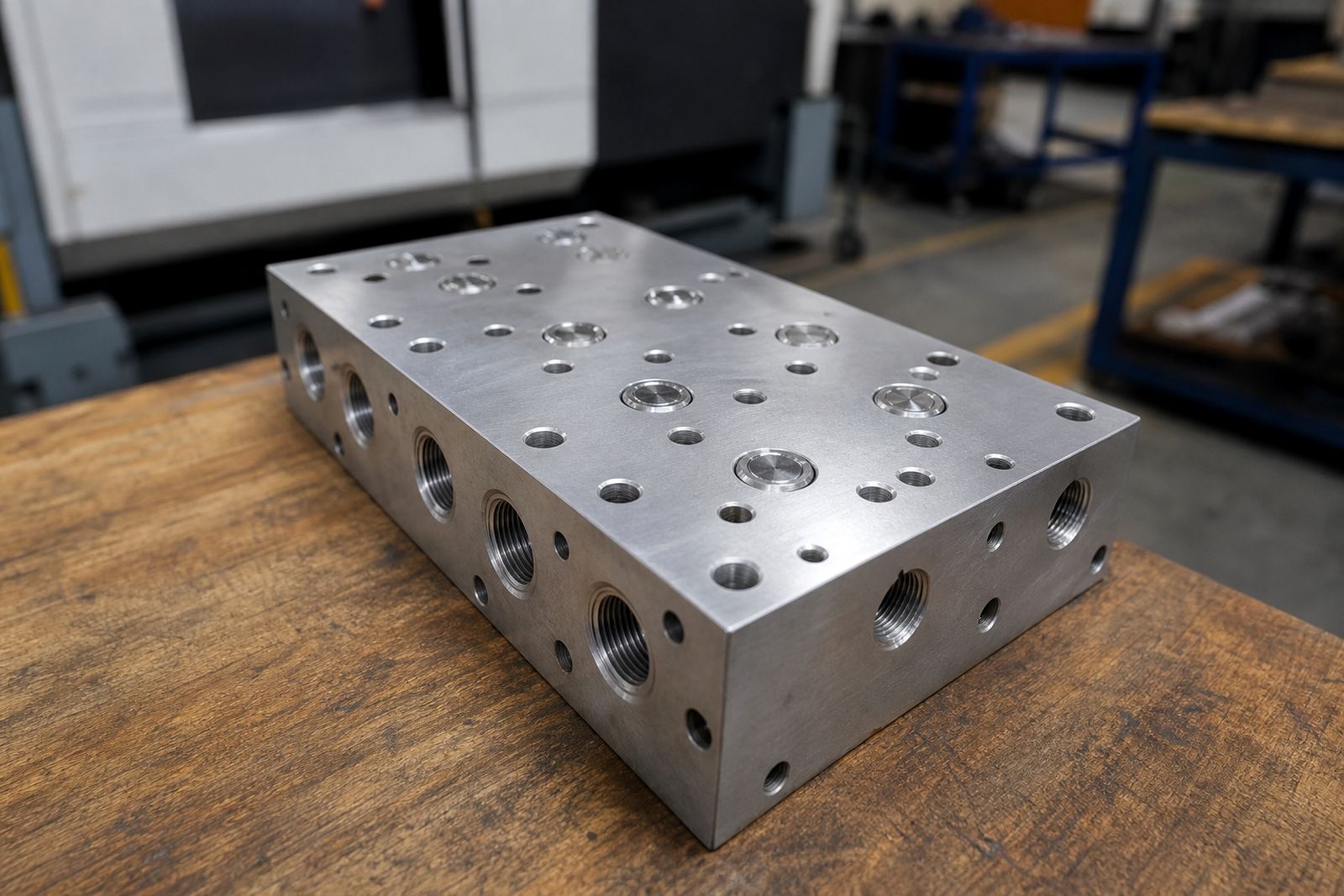
- Drilled and tapped hole patterns
- Counterbored or countersunk fixing points
- Slots for adjustment during alignment
- Pockets, recesses and locating features
- Edge chamfers to reduce handling damage and sharp corners
Depending on the application, the plate may be machined from mild steel, stainless steel, aluminium or other suitable stock specified by the customer or selected during drawing review. Material choice affects weight, corrosion resistance, machining time and how the plate behaves in service. In coastal areas such as Durban and Richards Bay, material selection is often guided by humidity and exposure to salt-laden air.
Where base plates are used in practice
Base plates are suited to equipment that needs a solid and repeatable mounting point. They are used in new builds, maintenance work and replacement parts where the original plate is worn, bent or no longer suits the installation. In many cases, the plate forms the link between the machine and the floor, frame or sub-assembly, so accuracy at this stage is important.
Examples of common use include machine foundations, conveyor supports, pump frames, bracket assemblies, test rigs, structural skids and fabricated equipment mounts. They are also useful when a client needs a small batch of identical parts for different sites, or when an existing unit needs a remake with minor improvements to holes, clearances or service access.
- Alignment and levelling support
- Mounting for rotating or vibrating equipment
- Structural reinforcement on frames and skids
- Replacement plates for worn or damaged assemblies
- Custom interfaces between manufactured parts
Because each site is different, we often assist with part optimisation and drawing updates so the finished plate suits the way the equipment is actually used. That can save time during assembly and make later maintenance easier.
Installation, fit-up and utility requirements
Most base plates do not need power or gas once supplied, although the equipment they support may have its own electrical or hydraulic requirements. During installation, the plate may be bolted down, shimmed, grouted or welded in place depending on the structure and the method specified by the client. We normally check whether the mounting surface is level, whether fixing holes line up and whether any service access needs to be kept clear.
Good installation practice includes checking the drawing before drilling or welding on site, confirming the bolt grade and hole size, and making sure the plate is seated properly before final tightening. In workshop conditions, care should be taken when lifting plates with slings or fork tines because even a simple plate can distort if handled badly. If the part is part of a larger assembly, assembly fit checks are useful before final dispatch so any adjustments can be made before the job reaches site.
- No direct gas supply is usually needed for the plate itself
- Electrical needs depend on the machine or assembly that uses it
- Site fixing method should be confirmed before machining starts
- Foundation flatness and bolt pattern should be checked early
Care, servicing and repeat order support
Base plates are not complicated parts, but they do benefit from sensible care. On steel plates, the main issue is corrosion, especially where moisture collects around bolt heads or under machine bases. Regular cleaning, touch-up coating where appropriate, and checking for movement or fretting marks can extend service life. Where a plate supports vibrating equipment, it is worth inspecting fasteners at planned maintenance intervals and checking for any change in level or alignment.
We can assist with repeat order support if a plate wears out, gets damaged during handling, or needs a revised drawing after site changes. This is useful for clients who run more than one branch or maintain equipment at different locations, because the same pattern can be reproduced with the same fixing points and dimensions. Where required, inspection reporting can also be supplied for record keeping and handover purposes.
What to check before ordering base plates
To avoid delays, it helps to send a clear drawing or a sample plate with the enquiry. If the original part is unavailable, measurements should be checked carefully and the intended use explained. A plate for light mounting is not always the same as a plate carrying a heavy, vibrating load, so the job needs to be understood before machining starts.
Useful details to confirm include material, finished size, thickness, hole pattern, surface finish and whether the plate needs to be flat-machined on one or both sides. If the part must fit into an existing frame, include critical centre distances, edge offsets and any clearance requirements for bolts, welds or service access. It is also worth noting whether the plate will be used indoors, outdoors or near the coast, because that affects material and protection choices.
- Overall dimensions and thickness
- Material grade or preferred material type
- Hole sizes, positions and thread requirements
- Flatness, squareness and tolerance needs
- Finish requirements, such as bare metal or coated
- Installation environment and any exposure to moisture
Our drawing review, tolerance guidance and prototype planning services are often useful at this stage, especially where a plate must fit first time and there is limited room for site rework. Clients across Durban, Pinetown, Westmead, New Germany, Pietermaritzburg, Richards Bay, Johannesburg and Umhlanga can send the enquiry through the contact page for follow-up.
Key facts
| Product type | CNC machined base plates for mounting, alignment and support |
|---|---|
| Typical processes | Milling, turning where required, drilling, tapping, counterboring and face machining |
| Material options | Mild steel, stainless steel, aluminium and other customer specified stock |
| Common features | Bolt holes, slots, pockets, locating edges, chamfers and machined faces |
| Batch size | Small batch production and repeat order work |
| Service areas | Pinetown, Durban, Westmead, New Germany, Pietermaritzburg, Richards Bay, Johannesburg and Umhlanga |