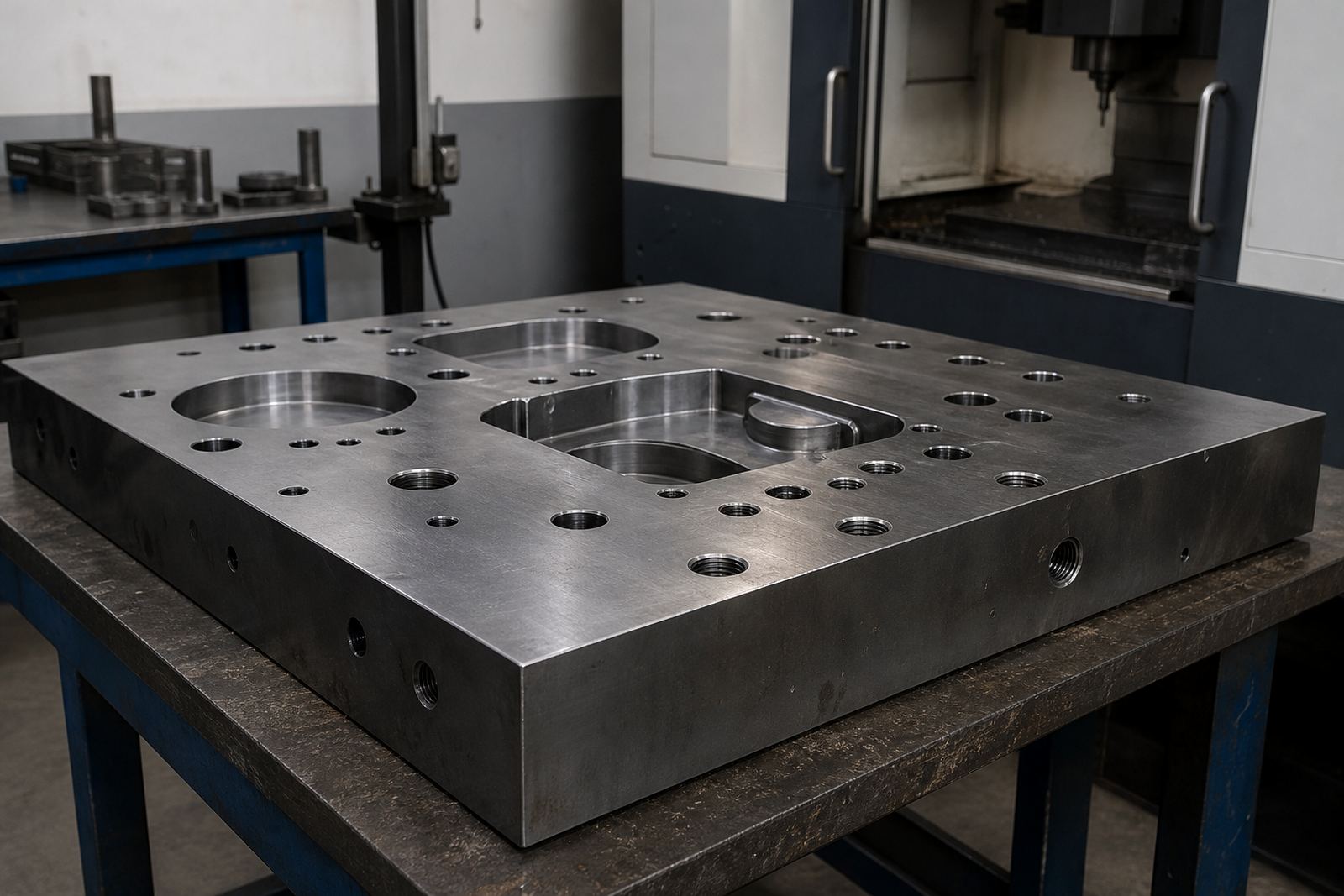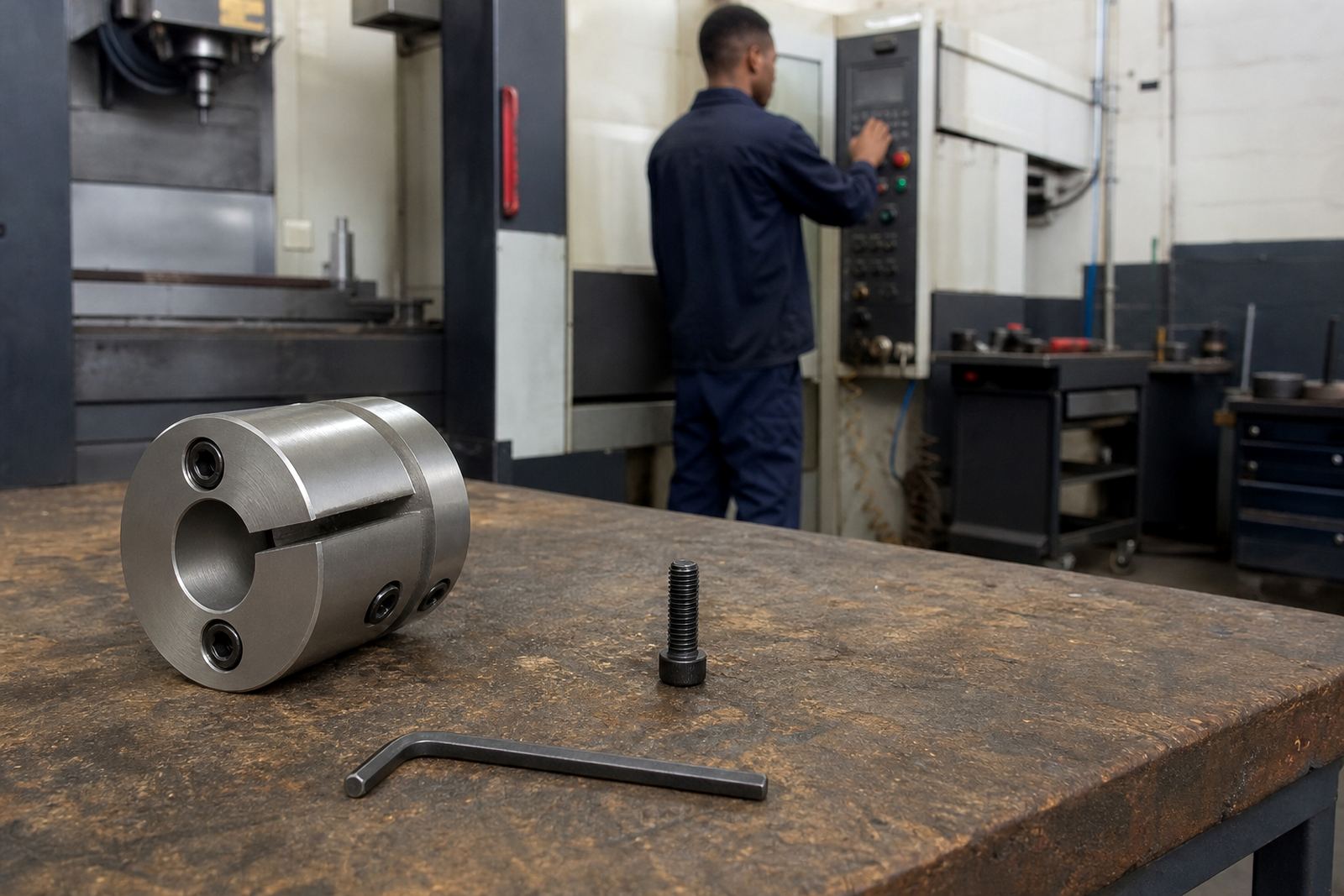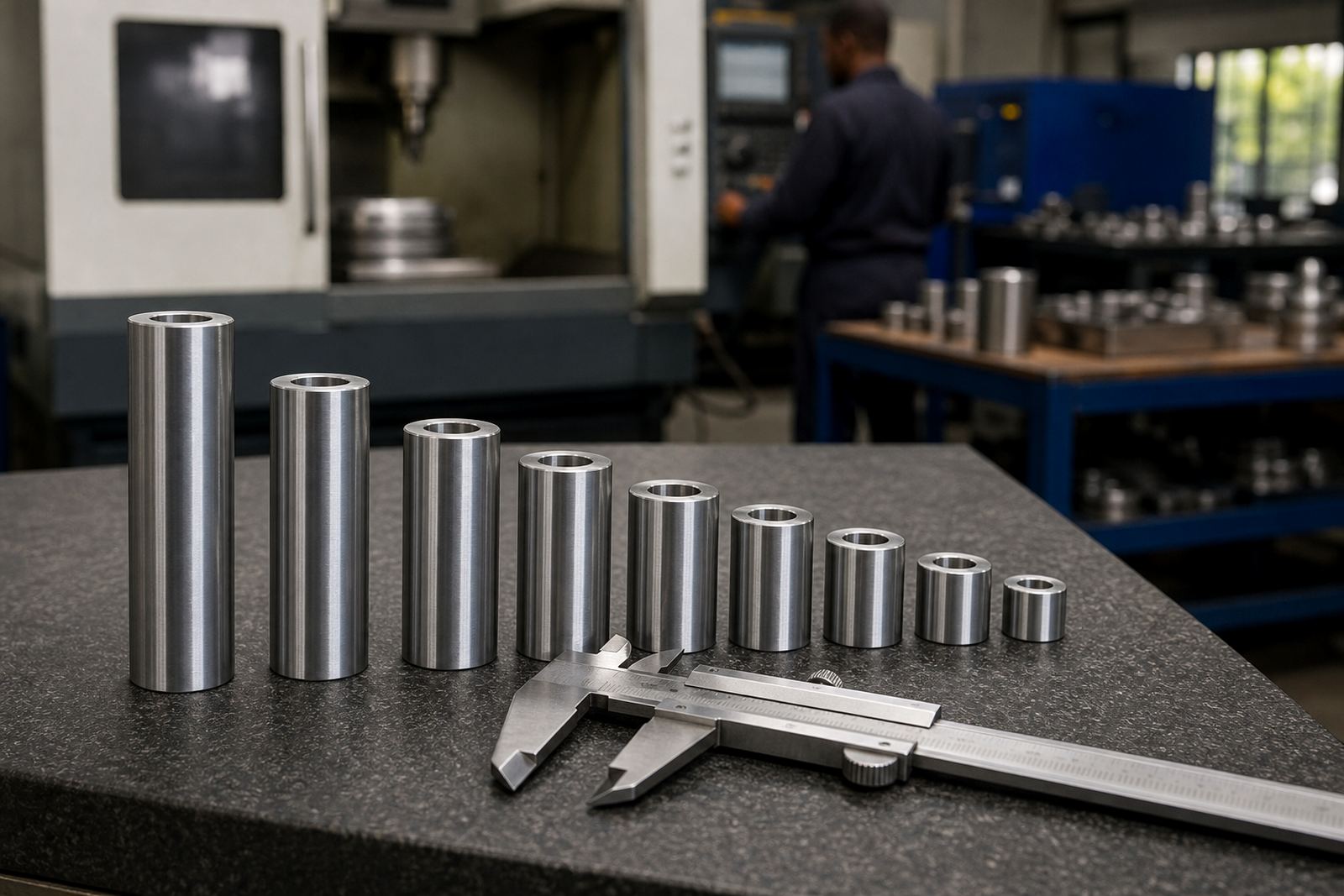
What tooling clamps do in a workshop fixture
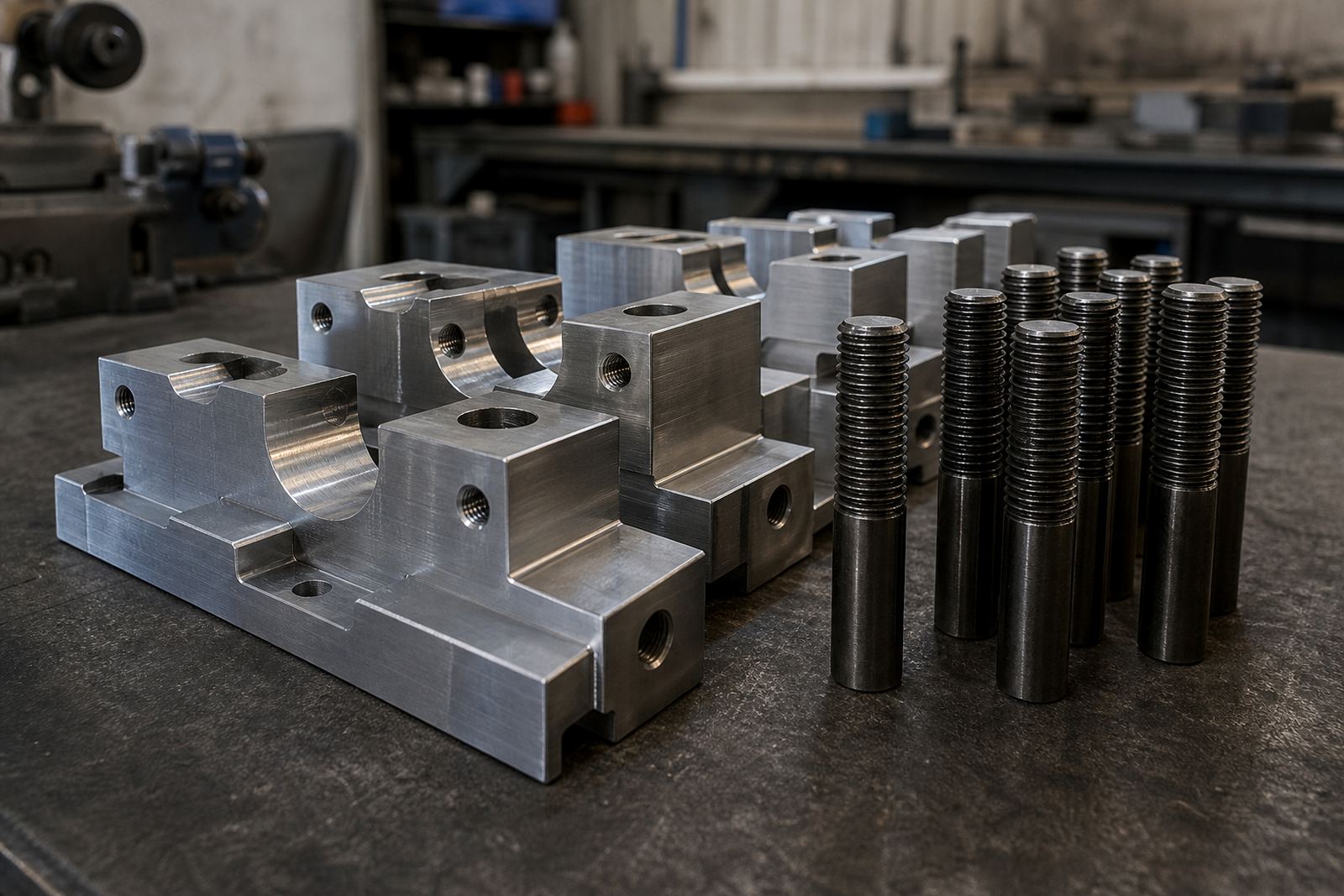
Tooling clamps apply controlled holding force so a component stays put while machining, marking out, assembly or maintenance work is carried out. In CNC milling, turning support setups, drilling jigs and repair fixtures, the clamp is there to stop movement, lift-off and chatter. That matters when you are working with short runs and need every part to sit in the same position from one job to the next.
These parts are commonly used on workshop fixtures, welding aids, inspection stations and maintenance tooling for plant and truck shops. They can be made as simple strap clamps, step clamps, toe clamps, side clamps or custom hold-down pieces shaped for a specific body, plate or bracket. The right choice depends on the load, access and how often the setup will be opened and reset.
- Used to secure workpieces during milling, drilling and assembly
- Suitable for repeatable setups where location matters
- Can be made as standard shapes or to suit a drawing
Common sizes, shapes and material choices
Tooling clamps are usually made to suit the fixture rather than a fixed retail size. Typical dimensions may range from small clamp arms for light brackets through to heavier hold-downs for larger plates and welded assemblies. Hole size, slot length, arm width and overall reach are selected to match the fastener pattern and the amount of adjustment needed on the jig. For some jobs the clamp only needs a few millimetres of movement, for others a longer slot is useful to alighn with varied part widths.
Material selection depends on service conditions. Mild steel is often used for general workshop duty because it machines well and is straightforward to weld or finish. For higher wear or repeated tightening, thicker sections or harder wearing material may be specified. In coastal areas such as Durban and Richards Bay, corrosion exposure also needs attention, especially where tooling is stored near open doors, salt air or wash-down zones. A plated, painted or treated finish can help slow surface rust, depending on how the tooling will be used.
- Small light-duty clamps for brackets and maintenance plates
- Medium and heavier clamps for fixture bases and hold-down bars
- Custom slot lengths, hole centres and arm profiles available to drawing
Where these clamps suit best across South African sites
Tooling clamps suit any shop that needs accurate holding without wasteful setup time. That includes CNC machining rooms, maintenance departments, fabrication bays, packaging lines, automotive repair areas and general engineering shops. In Pinetown and Westmead, they are often used for batch work where the same fixture sees repeated use. In Johannesburg and Pietermaritzburg, they are useful where parts move between teams and the hold-down arrangement has to be obvious and reliable.
They are also practical for mobile maintenance tooling and in-house jigs where a technician needs a simple, strong clamp that can be replaced or duplicated later. If a clamp is likely to be exposed to dust, coolant mist, vibration or frequent handling, the design should take that into account. A clamp that works on paper can still be awkward in the real world if the wrench access is poor or the fastener path is blocked.
- Workshop fixtures and assembly jigs
- Maintenance tooling and service benches
- Light manufacturing and prototype holding setups
Installation, fasteners and power requirements
Most tooling clamps do not need any electrical or gas supply. They are mechanical parts fixed with bolts, nuts, washers or threaded inserts, so installation is usually simple. The important detail is matching the clamp to the fixture base and allowing enough access for the operator to tighten and release it safely. If the fixture sits on a moving cart or is used near production lines, the clamp layout should be kept clear of snag points and protected edges where possible.
When a clamp is part of a larger tooling system, the mounting pattern should suit the base plate, T-slot, tapped holes or welded frame already in use. Clear documentation helps here. A drawing with hole centres, material thickness and any heat treatment or finish note makes future replacements easier. PME CNC Machining can review the drawing and suggest practical changes before machining starts, which is useful when the first version needs a small tweak after trial fitment.
- No power or gas required for the clamp itself
- Needs compatible fasteners and a suitable mounting surface
- Drawing review helps avoid rework on hole spacing and reach
Care, servicing and wear checks
Clamps should be inspected for burrs, bent arms, worn slots and damaged threads. If a clamp is over-tightened or struck during handling, it may still look usable but lose proper clamping force. On busy sites, a simple check before each shift can prevent a loose fixture from causing scrap or tool damage. In humid coastal conditions, wipedown and storage matter too because rust can build up quickly on untreated surfaces.
Basic servicing usually includes cleaning swarf and coolant residue, checking the holding face, and verifying that bolts and washers are still in good order. If the clamp is reused on different jobs, keep a note of which fixture it belongs to and whether any spacer or support block is needed with it. A small amount of preventative attention usually saves time later, especially where the same tooling is moved between Pinetown, Durban and other sites.
- Check for wear on slots, threads and contact faces
- Remove swarf, oil and coolant after use
- Store dry to limit corrosion on steel parts
What to check before ordering tooling clamps
Before ordering, it helps to confirm the clamp length, reach, thickness and fixing points. If the part is replacing an existing clamp, send the old piece or a clean sketch with key measurements. If it is for a new jig, include the workpiece size, fixture base detail, expected clamping force and how often the setup will be used. That gives enough information to judge whether a standard arrangement will work or whether the shape needs to be altered.
Also note the material, finish, quantity and any tolerance guidance needed for the mating parts. For example, if the clamp sits beside a machined pocket or a locating boss, the fit may need tighter control than a general workshop bracket. PME CNC Machining handles drawing updates, sample part remake and repeat order support for small-batch work, so once a clamp pattern is approved it can be reproduced with the same hole centres and geometry. That consistency matters when a site wants spares on hand and does not want each replacement to need a fresh adjustment.
- Overall length, reach and clamp thickness
- Hole centres, slot size and fastener type
- Material, finish and quantity required
Key facts
| Product type | Tooling clamps and hold-down parts for fixtures, jigs and maintenance tooling |
|---|---|
| Typical materials | Mild steel, with other machinable metals considered to drawing |
| Common forms | Strap clamps, step clamps, toe clamps, side clamps and custom shapes |
| Finish options | As-machined, deburred, plated, painted or treated depending on use |
| Supply format | Small-batch production with repeat order support |
| Power or gas need | None for the clamp itself; mechanical fastening only |