Replacement Parts Machined To Match The Job
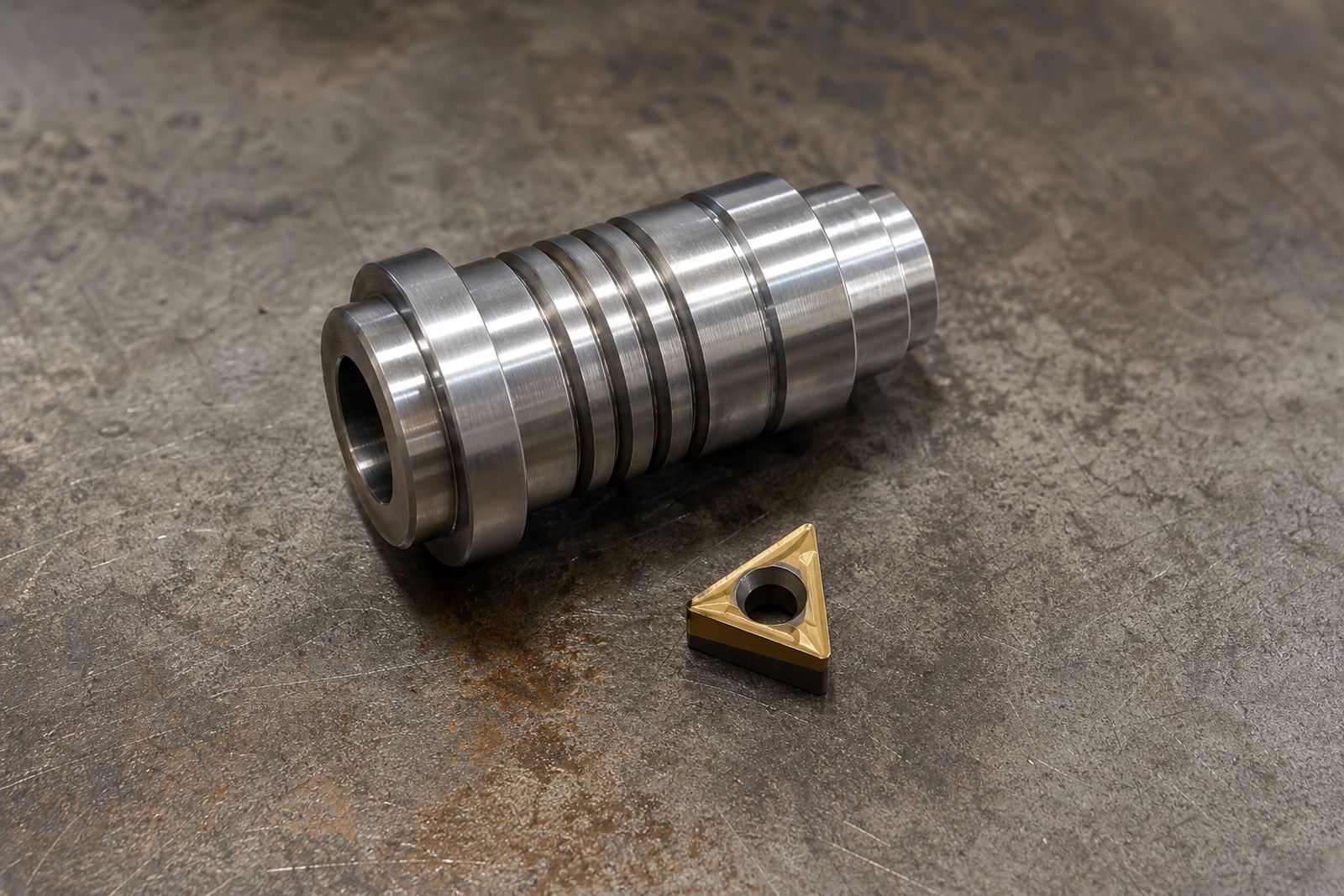
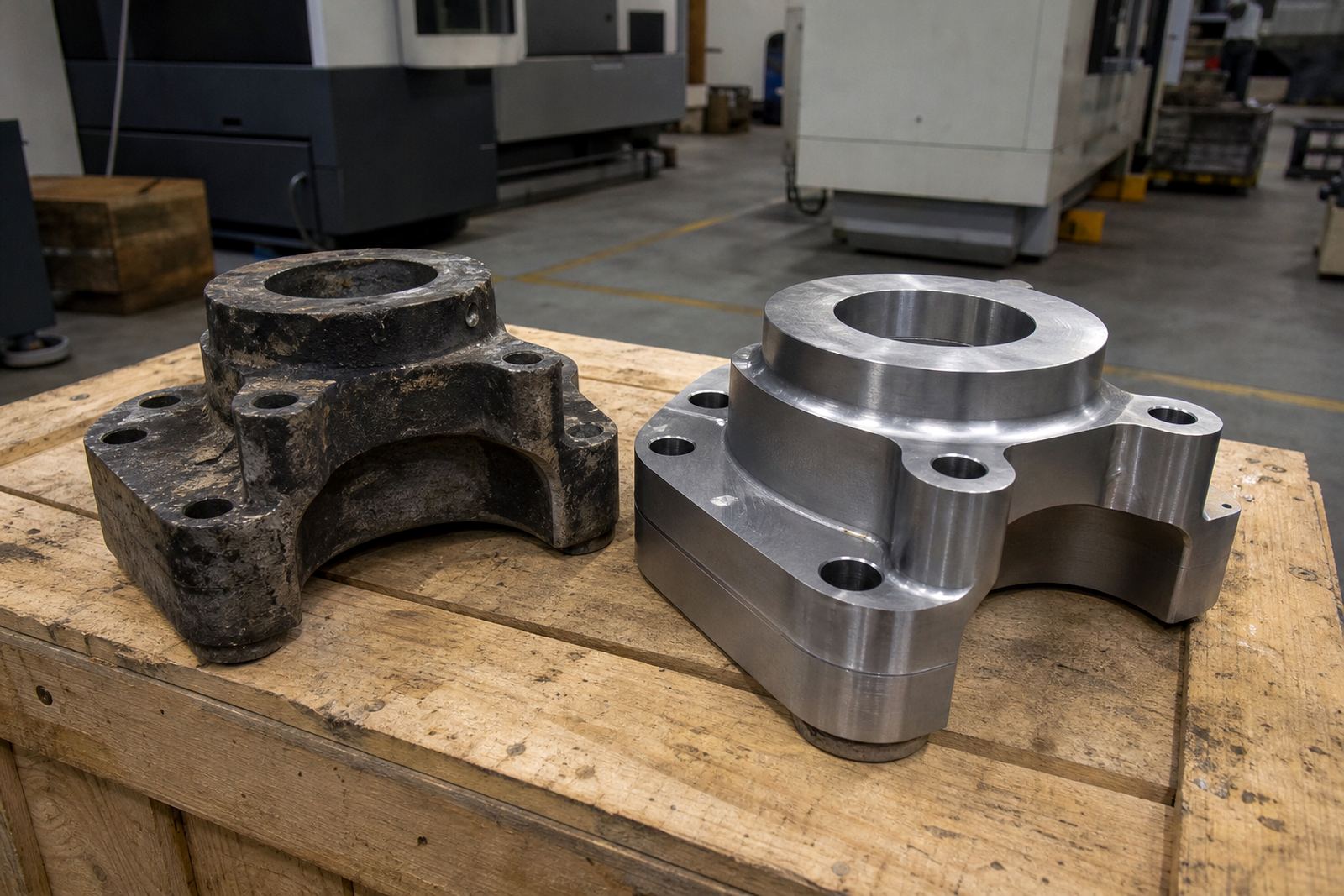
Replacement parts are made when a machine item has worn out, cracked, been modified over time, or is no longer supplied in the original form. At PME CNC Machining we reverse-make components from a sample part, a sketch, a measurement sheet, or an engineering drawing. That can include shafts, bushes, spacers, brackets, flanges, housings, adaptor pieces and other small to medium components used in plant, workshop, processing and general mechanical equipment.
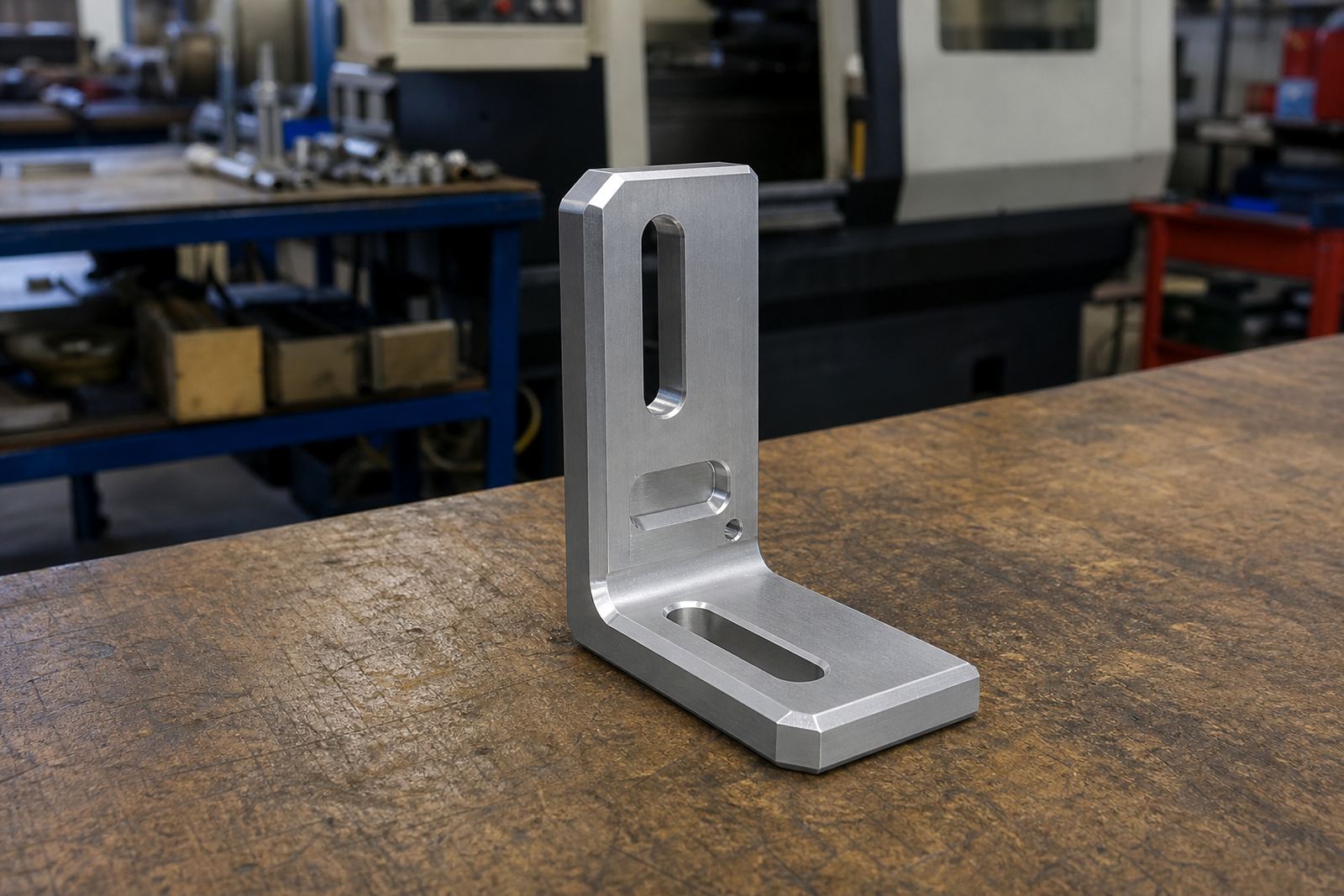
CNC milling is used for flat faces, slots, pockets, bolt patterns and shaped profiles. CNC turning is used for round parts such as pins, sleeves, collars, spigots and stepped shafts. For replacement work, the main focus is fit, finish and repeatability so the new part sits correctly with the surrounding assembly. Where needed, we also check how the part will be mounted, sealed, aligned or retained in service.
We work from Pinetown and support job requests across KwaZulu-Natal and Gauteng. If a part is difficult to identify, a clear photo, dimensions and a worn sample often help more than people expect.
Common Sizes, Shapes And Batch Options
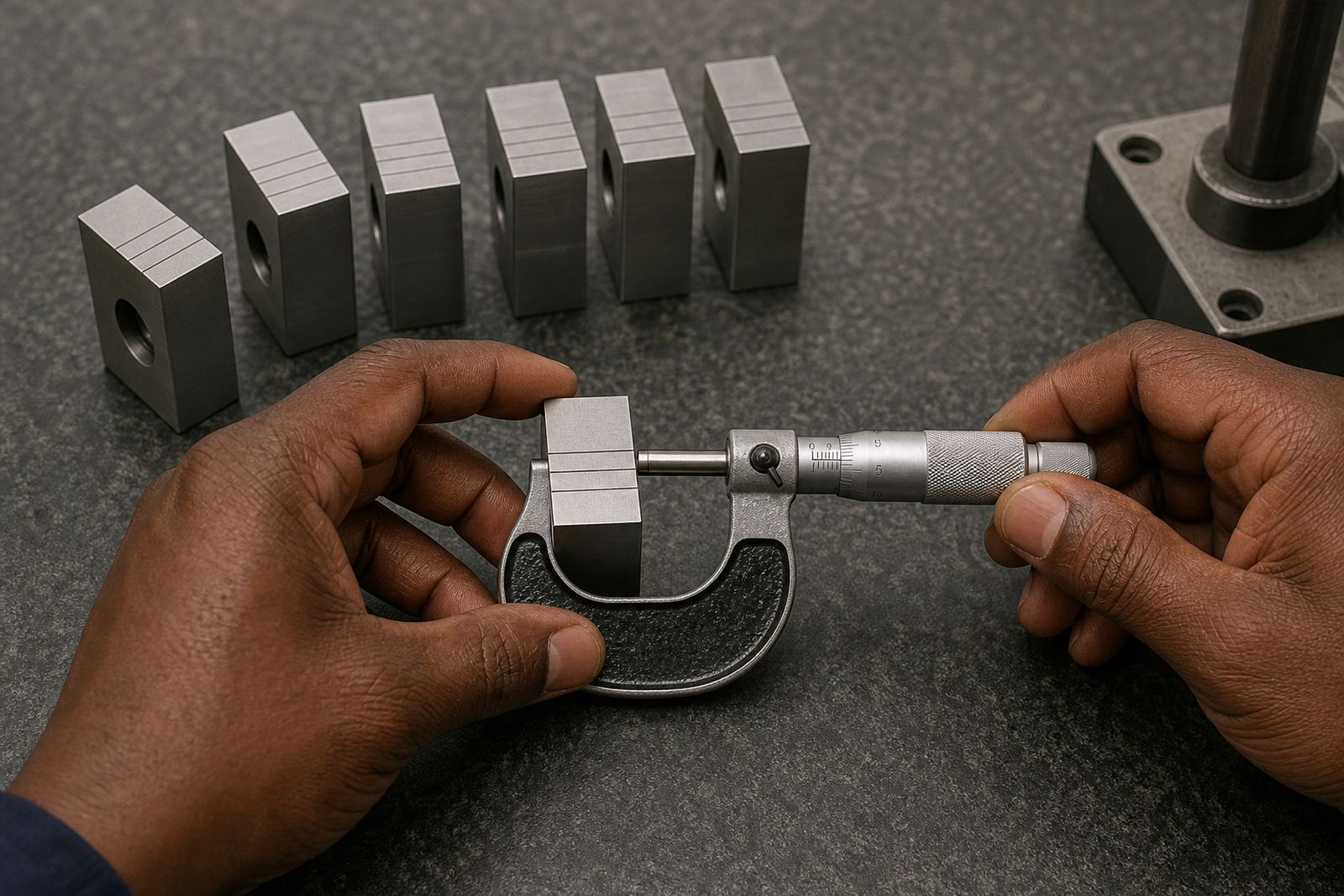
Replacement parts are usually ordered as one-off items, short runs, or small batches for multiple machines on the same site. The exact size depends on the application, but most jobs fall within practical CNC job shop ranges for small to medium components. We can work from compact fittings through to larger parts that still suit workshop machining and handling.
- One-off remake for a broken or missing item
- Small batch runs for maintenance stock
- Variant parts for different machine models
- Modified sizes where the original has been discontinued
- Matching parts for left and right hand sides
Where the original part has worn unevenly, we can often remake it to the intended dimensions rather than copying the worn profile exactly. That helps when the old item has oval wear, damaged threads, chipped edges or elongated holes. In some cases a small design correction is added to improve fit or reduce repeat wear, subject to the machine’s layout and duty cycle.
Materials That Suit Wear, Heat And Coastal Conditions
Replacement parts can be machined from a range of common engineering materials depending on strength, wear resistance, corrosion exposure and cost. Steel is often used for structural parts, shafts and brackets. Aluminium suits lighter fittings and covers. Stainless steel is useful where moisture, washdown or coastal air is part of the environment. Brass, bronze and engineering plastics may be used for bushes, spacers, guides and low friction applications.
In coastal KwaZulu-Natal, humidity and salt air can shorten the life of poorly chosen parts. On sites near Durban, Umhlanga, Richards Bay and other coastal areas, material selection matters just as much as the shape of the part. In hotter industrial spaces, heat, dust and vibration can also affect how long a component lasts. If the original part failed early, the replacement may need a different grade or a small geometry change to improve service life.
We can guide material choice when the original material is unknown or unavailable. If the part runs against another surface, carries load, or sees frequent movement, that should be mentioned early in the enquiry.
Where Replacement Parts Suit Best
Replacement parts are used in many kinds of equipment, especially where downtime is costly and the original item is no longer easy to source. They are common in maintenance workshops, production lines, plant rooms, fabrication shops, processing facilities and service fleets. Small-batch machining is useful when a supplier no longer carries the part, or when the machine is older and the manufacturer drawing is missing.
- Mechanical plant and general workshop equipment
- Production machinery with worn or modified fittings
- Assembly aids, mounting points and alignment pieces
- Legacy equipment with obsolete spares
- Custom fit parts for repair and maintenance teams
We regularly support requests from Pinetown, Westmead, New Germany and wider Durban industrial areas, as well as Pietermaritzburg, Richards Bay and Johannesburg. Delivery coordination can be arranged to suit site schedules and receiving times, which helps when a shutdown window is tight or the repair team is working after hours.
Installation, Fit-Up And Power Or Gas Needs
Most replacement parts are supplied as machined components ready for fitting, not as complete powered assemblies. In many cases there is no power or gas requirement at all because the part is meant to be installed into an existing machine or structure by the client’s maintenance team. If the item is part of an assembly, the important points are usually hole alignment, thread fit, seal contact, bearing fit, clearances and the correct orientation.
Before ordering, it helps to check how the part is fixed in place. Ask whether it uses bolts, set screws, press fit, keyways, weld preparation or locating shoulders. If the part sits near heat, lubricant, coolant or vibration, that should be noted because it can change the material and finish choice. If the original part has electrical or pneumatic links, the mechanical replacement still needs to leave enough clearance for those connections.
For more involved jobs, we can look at drawing review, tolerance guidance and part optimisation before machining starts. That saves time when a sample part is already damaged and measurements need careful checking.
Care, Servicing And What To Check When Ordering
Replacement parts last longer when they are installed cleanly, aligned properly and checked during routine maintenance. Any burrs, dirt or damaged mating surfaces should be removed before fitting. Where parts move against each other, lubrication and regular inspection matter. A good replacement can still fail early if the surrounding assembly is worn, misaligned or overloaded.
When ordering, it helps to send the right information up front. The more complete the detail, the easier it is to machine a part that suits the job first time.
- Sample part, drawing, sketch or clear photos
- Critical dimensions, thread sizes and hole centres
- Material preference if known
- Whether the old part is worn, broken or modified
- How the part fits into the wider assembly
- Any urgency linked to shutdowns or repair schedules
If you only have a damaged sample, we can work from what is left and discuss the missing details. That is often the case with parts that have cracked at a shoulder, stripped a thread or worn down on one side.
Small Batch Support For Repeat Repairs
Many maintenance teams need more than one replacement part, especially when the same machine runs in shifts or there are several units on site. PME CNC Machining supports repeat order work, sample part remake and drawing updates for parts that need a better long-term fit. This is useful where the first batch proves the dimensions, then a small adjustment is needed for the next run.
Our Pinetown job shop setup suits short lead times and practical communication. Mandla Sibusiso Mkhize leads the business, with support from Anele Nondumiso Dlamini, Johan Petrus van Wyk, Siyabonga Patrick Zulu, Naledi Refilwe Molefe and Kyle Brendan Naidoo. Enquiries come through the contact page enquiry form, and from there we can review the part, confirm the machining approach and plan the next steps.
Whether the need is a single worn item or a small batch for ongoing maintenance, the aim is simple: make the part fit the machine it is meant for and keep the repair moving.
Key facts
| Service type | CNC machined replacement parts from drawing, sample or worn original |
|---|---|
| Process | CNC milling and CNC turning for small batch work |
| Materials | Steel, stainless steel, aluminium, brass, bronze and engineering plastics |
| Typical order size | One-off pieces through to short repeat batches |
| Fit focus | Threads, bores, faces, centres, clearances and mounting points |
| Service area | Pinetown, Durban, Westmead, New Germany, Pietermaritzburg, Richards Bay, Johannesburg, Umhlanga |