What Mounting Blocks Do in a Machine or Plant Setup
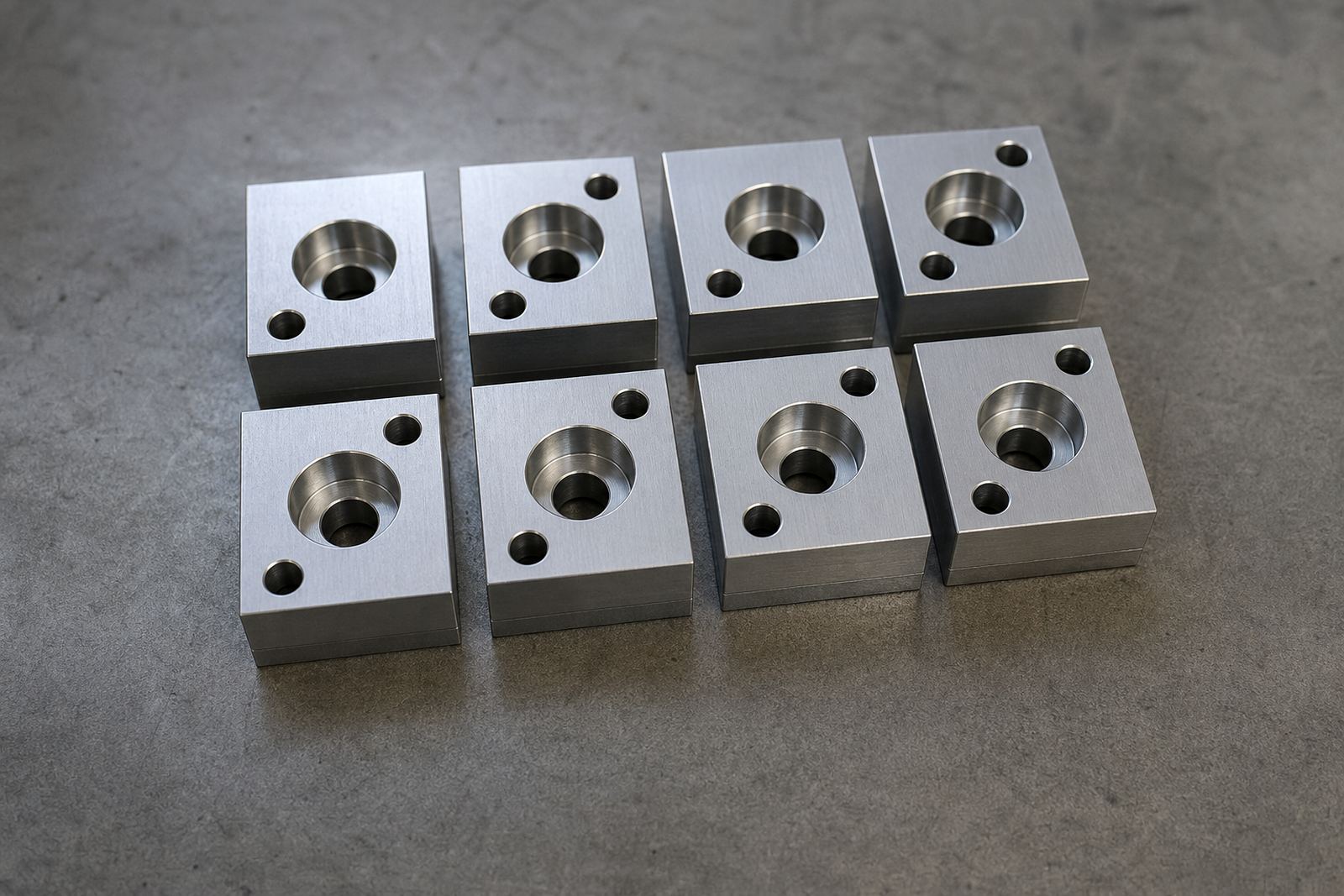
Mounting blocks are machined blocks that create a fixed point for attaching components, setting height, or keeping parts in line. They are commonly used for sensors, brackets, guards, guides, small fittings and light mechanical assemblies where a plain flat plate is not enough. In many setups the block also acts as a spacer, so the component sits at the correct offset from a frame, panel or machine body.
Because these parts are usually part of a wider assembly, the hole positions and face to face dimensions matter just as much as the outside size. A block that is a fraction off can leave a sensor misaligned, a guard sitting proud, or a part under strain. That is why CNC milling is often preferred for mounting blocks, since it gives repeatable edges, square faces and consistent hole spacing for small batch production.
In workshop and plant use, these blocks are often chosen when a simple off the shelf spacer will not meet the drawing requirements. They can be made to suit stainless, aluminium, mild steel or engineering plastic applications depending on load, corrosion exposure and the environment around the machine.
CNC Milled and Turned Options for Different Mounting Needs
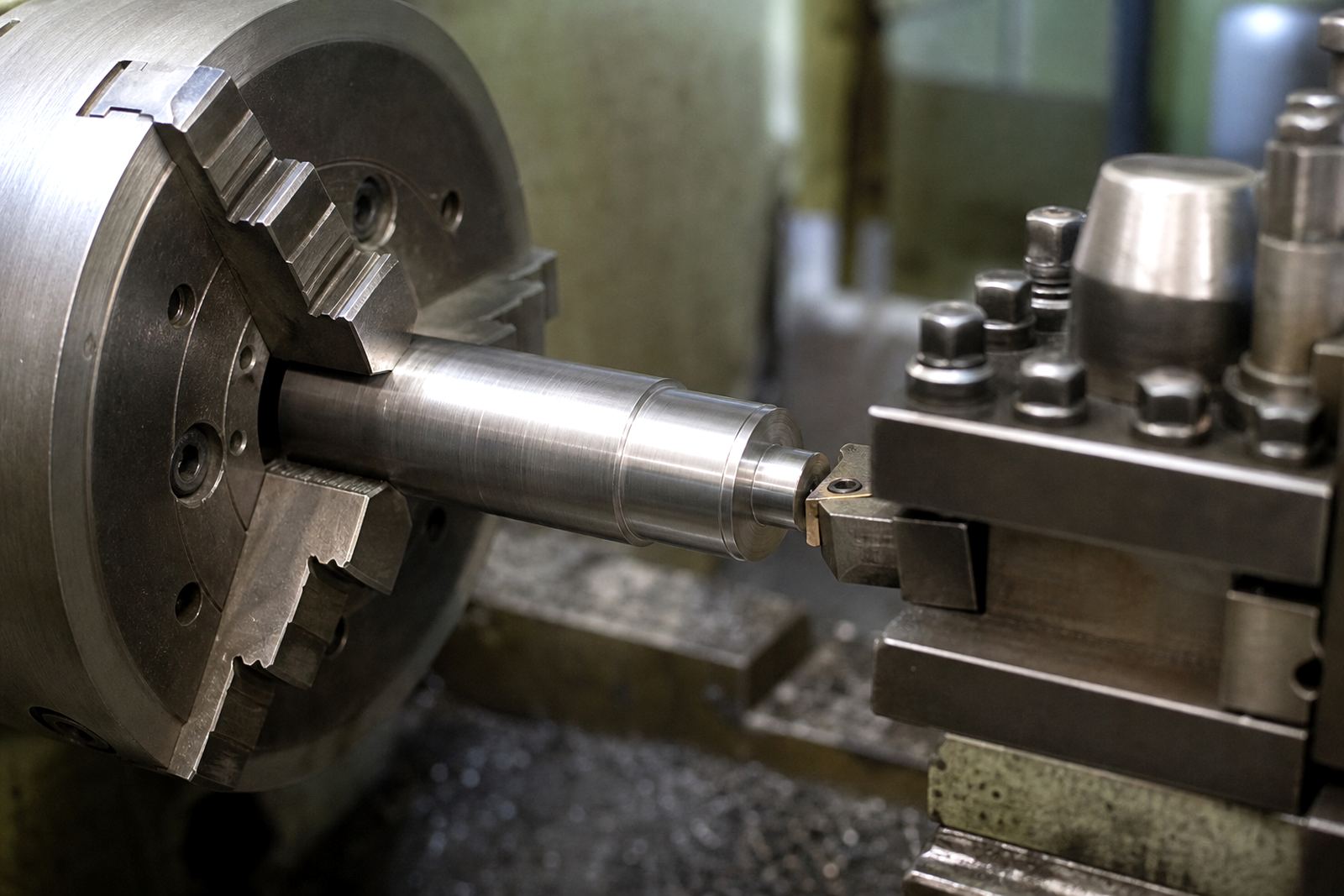
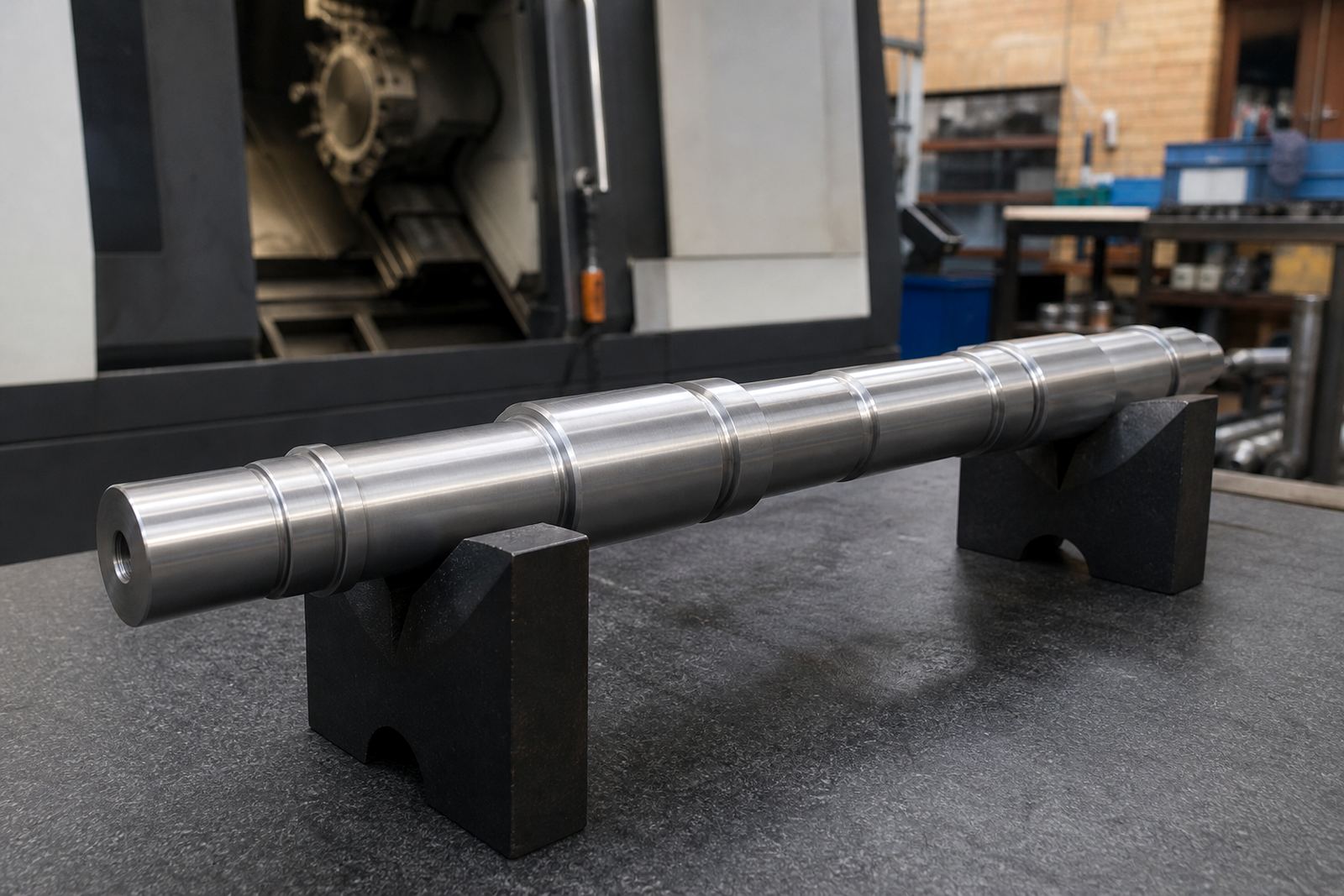
Most mounting blocks are CNC milled from flat or square stock, especially when the part needs pockets, stepped faces, threaded holes or exact edge locations. Milling suits rectangular blocks, right angle supports and blocks with several fixing faces. Where a cylindrical shape is required, or where the part needs a concentric boss, turned features or a round shoulder, CNC turning can form the body before secondary milling completes the fixing details.
For small batch jobs, the best method depends on the drawing, the way the part is fixed in service, and whether the part needs repeat production later. PME CNC Machining handles drawing review, part optimisation and tolerance guidance before cutting starts, so the block is practical to machine and practical to install. That can save time when a customer needs a sample part remade or a repeat order matched to an earlier job.
- Common shapes include square blocks, stepped blocks, spacer blocks and blocks with mounting ears
- Typical features include drilled holes, tapped holes, counterbores, counter sinks and location faces
- Edge breaks and chamfers are often added to help handling and reduce burrs during assembly
- Finish can be left machined, deburred or prepared for coating where the application calls for it
Sizes, Materials and Finish Choices That Suit Real Work
Mounting blocks are usually made in compact sizes, but the exact dimensions depend on the component being fitted and the space available on the machine or structure. Small blocks may suit light sensor mounts, while larger blocks are used where extra spacing, stiffness or thread engagement is needed. For most small batch work, material selection is guided by load, exposure to moisture, vibration and the type of fasteners used.
Material choice also matters in South African conditions. Coastal humidity around Durban and Richards Bay can push a customer towards corrosion resistant material or a protective finish. In hotter inland areas, stable machining and careful thread cutting still matter, especially where parts are mounted near moving equipment or in dusty environments. For aluminium blocks, weight is often a benefit. For steel blocks, strength and thread holding are often the main reason for choosing them. Some applications call for engineering plastic where electrical isolation or low marking is important.
Finishes are selected according to use, not for looks alone. A block used indoors on a guarded machine may only need deburring and inspection. A block exposed to spray, washdown or coastal air may need a finish suitable for the environment. If the block will be fitted in a plant with load shedding related restart cycles, repeated vibration checks and easier access for maintenance should be considered during the design stage.
Where Mounting Blocks Suit Best
These parts suit a wide range of small assemblies across manufacturing, maintenance and equipment build work. They are often used when a sensor must sit at a set distance from a target, when a guard needs to be lifted off a surface, or when a component needs a solid locating point on a frame. They can also be used as stop blocks, guide blocks or mounting spacers in jigs and light fixtures.
We regularly support small batch machining jobs for clients in Pinetown, Durban, Westmead, New Germany, Pietermaritzburg, Richards Bay, Umhlanga and Johannesburg. Because every site has different conditions, the same basic block may need a different hole layout, thickness or material. A block used in a food or packaging plant will not be specified the same way as one fitted to general fabrication equipment in a workshop.
- Sensor mounting and position setting
- Guard and cover attachment
- Spacing between frame members or panels
- Jig and fixture support
- Light machine component location
Installation Requirements and What the Part Needs On Site
Most mounting blocks do not require power or gas themselves. They are passive machined parts and are installed with bolts, screws, threaded studs or through fasteners. What matters is the fixing method, the clearance around the part and whether the mating surfaces are flat and clean. If a block is part of a machine rebuild, the installer should check that the surrounding structure is sound and that the fixing points are not distorted or worn.
During installation, alignment is critical. A block can be machined correctly but still fail in service if it is mounted on a warped surface or tightened unevenly. If the part carries a sensor, the final position should be checked with the machine stopped and then again after initial running. In vibration prone areas, thread locking or lock washers may be needed depending on the assembly. For outdoor or coastal sites, corrosion control around fasteners is also worth planning before the first fitment.
PME CNC Machining can assist with drawing updates, assembly fit checks and delivery coordination when a customer is building a small batch of blocks for several machines at once. That helps keep the parts consistent from one job to the next, and it reduces last minute changes on site.
Care, Servicing and Repeat Order Support
Mounting blocks usually need very little servicing, but the surrounding assembly should be checked from time to time. Look for loose fasteners, wear on locating faces, corrosion around bolt holes and movement caused by vibration. If a block is carrying a sensor or guide, the mounting points should remain square and clean. In dusty or oily areas, routine wipe down and inspection is usually enough to keep the part working as intended.
If a block is removed for maintenance, it is best to keep the holes clear and avoid damage to the machined faces. Threaded holes should be protected from dirt and from cross threading during reassembly. Where a customer needs a repeat batch later, keeping the original drawing, measurements and sample part helps us match the part more closely. That is especially useful when the block has been adjusted in service and the improved version needs a small drawing update.
- Check for loose fasteners during planned maintenance
- Inspect for rust, scoring or crushed edges
- Keep threaded holes clean and protected
- Confirm alignment after any machine movement or rebuild
- Store a sample part for future repeat orders
What to Send With Your Mounting Block Enquiry
To quote and machine the right block, send the drawing if you have one, or a clear sketch with overall size, hole centres, hole type and any critical faces. If the block is for a sensor or bracket, include the component that will sit on it and note any clearance needed around cables, fittings or moving parts. If the block must match an existing part, a sample or accurate measurements are useful for checking the fit before production.
It also helps to state the material preference, quantity required and where the part will be used. A block for Richards Bay with coastal exposure may be approached differently from one going into a dry indoor plant in Johannesburg. If the job needs tolerance guidance, part optimisation or inspection reporting, include that up front so the machining and checking process can be set correctly from the start. Clients can reach PME CNC Machining through the enquiry form on our contact page for small batch mounting blocks, repeat orders and related machined parts.
Key facts
| Product type | CNC machined mounting block for small batch use |
|---|---|
| Manufacturing methods | CNC milling, CNC turning where applicable, drilling and tapping |
| Common materials | Aluminium, mild steel, stainless steel, engineering plastic |
| Typical features | Through holes, tapped holes, counterbores, counter sinks, stepped faces |
| Finish options | Deburred, machined finish, protective finish where specified |
| Supply areas | Pinetown, Durban, Westmead, New Germany, Pietermaritzburg, Richards Bay, Umhlanga, Johannesburg |