What Gauge Blocks Are Used For
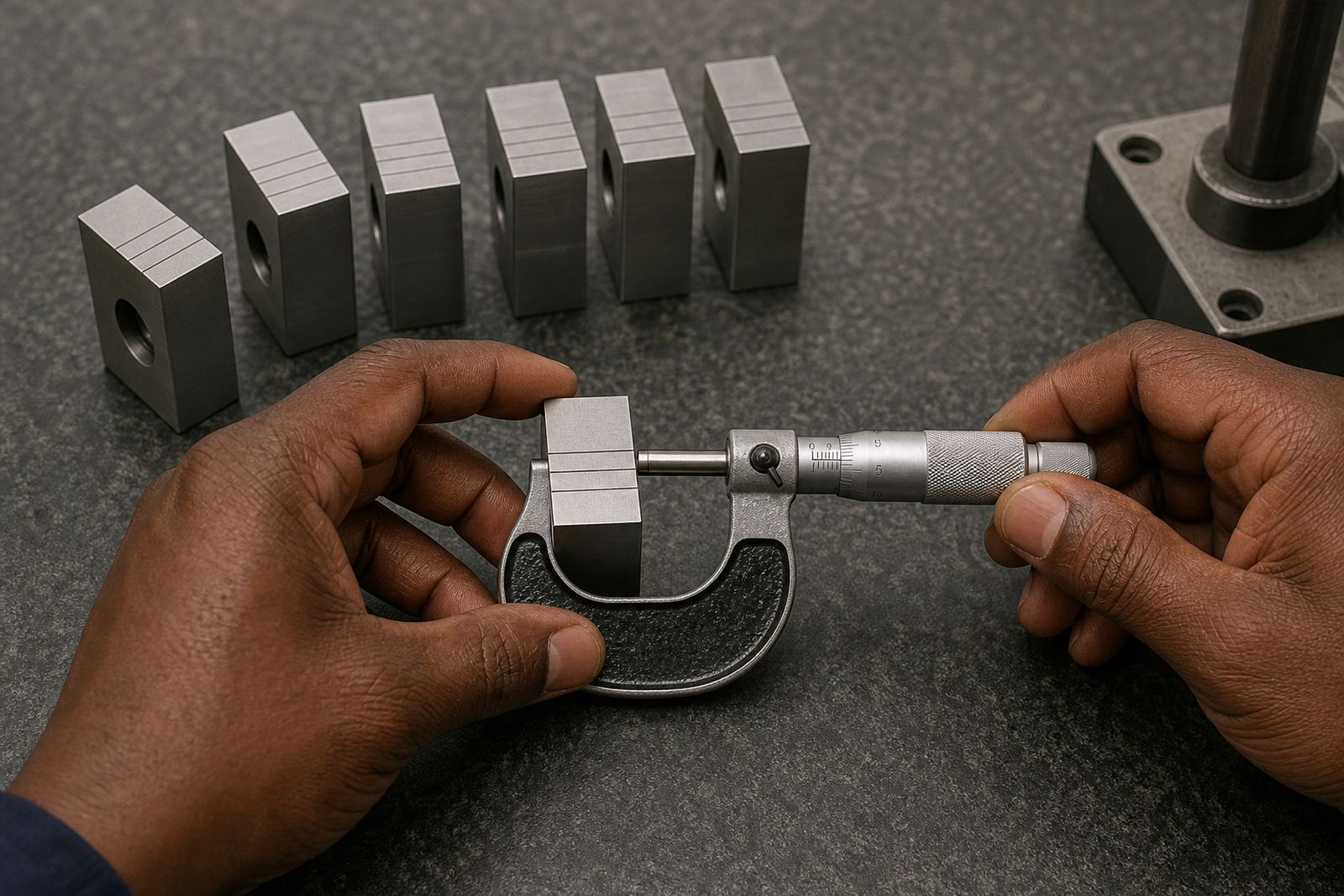
Gauge blocks are precision setting pieces used to check a dimension, set a machine or confirm that a part will assemble as intended. In a workshop, they are often used as a reference during inspection, jig setup, fixture setting or repeat checks on production parts. They are not a one-size-fits-all item, because the value of the block depends on the job, the tolerance band and the way the measurement is used on the floor.
For CNC milling and turning work, gauge blocks are useful when a client needs repeatable clearance checks, offset comparison or a physical reference for a finished part. They can be made to suit a particular drawing, a fit check or a sample remake where the original part is no longer available. In practice, this helps reduce guesswork and keeps batch work consistent, especially when parts are moving between machining, assembly and final inspection.
Sizes, Forms and Material Choices
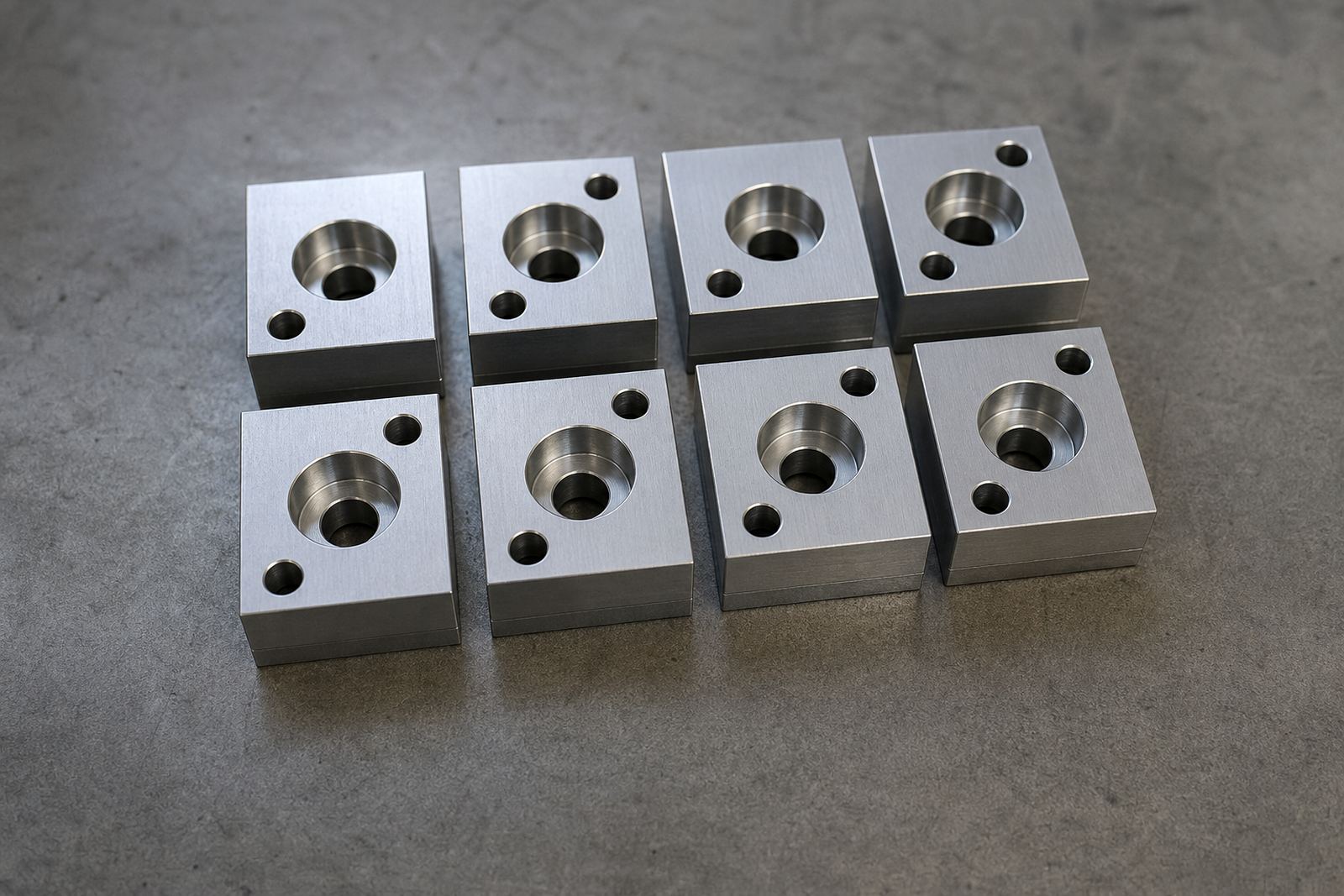
Gauge blocks can be supplied in simple rectangular forms, stepped forms or other custom setting pieces depending on the application. The size depends on what needs to be checked, whether that is a spacer dimension, an offset, a face-to-face distance or a repeat assembly height. Common requirements include short blocks for compact fixtures and longer pieces for layout or setup work, with edges and faces finished to suit handling and measurement.
- Custom length, width and thickness to suit the drawing
- Flat faces for direct reference or contact checking
- Chamfers or eased edges where handling is frequent
- Marked or identified pieces for repeat use on the same job
- Material selected for wear resistance, corrosion resistance or general workshop use
Material choice normally follows the use case. Steel may suit general workshop use, while aluminium can be chosen where a lighter piece is needed. Stainless material is often preferred where humidity, coastal air or handling in busier inspection areas could affect finish. For KwaZulu-Natal sites close to the coast, this is worth discussing early, because corrosion and surface marking can become a problem if the wrong material is used.
Where Gauge Blocks Suit Best
These parts are useful in machine shops, fabrication rooms, assembly benches and inspection areas. They suit repeat jobs where the same spacing or offset must be checked more than once, as well as prototype work where dimensions are still being refined. For Durban and Pinetown based operations, they are often used in general engineering, spares manufacture and fixture work. They also help with jobs sent from Pietermaritzburg, Richards Bay and Johannesburg where a sample part or a reference piece needs to be matched before the full batch runs.
Gauge blocks are especially handy when the job includes a fit check with mating parts, a jig stop or a component that must return to the same position each time. They are also practical for small batch work because they let the shop confirm a dimension without setting up larger measurement systems every time. That saves time and can reduce rework, which is valuable when the order is short-run and the client expects consistent repeat parts.
- Prototype and sample part checking
- Fixture and jig setup
- Repeat assembly verification
- Clearance and offset checks
- Workshop inspection support
Setup Needs and Working Conditions
Gauge blocks do not need power or gas to function, but they do need a clean handling environment. A flat workbench, basic inspection tools and a sensible storage method are enough for most uses. If the block is being used in a machining area, it should be kept away from swarf, coolant splash and heavy knocks. Clean cloths and light protective oil are commonly used where the material allows it.
In South African workshops, load-shedding and interrupted production schedules can make simple, dependable reference pieces more useful than complicated setup methods. A gauge block that stays accurate in storage and is easy to pick up for a quick check can save time when machines come back on line. For coastal areas like Durban and Umhlanga, care is needed with moisture, while inland sites such as Johannesburg should still keep blocks free from dust and grit. It seems simple, but small handling habits make a big difference.
- No electrical supply required
- No gas supply required
- Store in a dry, closed container where possible
- Keep away from chips, coolant and rough contact surfaces
Care, Servicing and Repeat Checks
Gauge blocks are best treated as precision reference items. Before use, wipe the contact faces clean and check for scratches, burrs or raised marks. If the block is used for regular shop checks, it should be inspected on a routine basis so wear does not creep in unnoticed. A small amount of damage on a reference face can affect the reading and lead to the wrong call on a part.
Servicing usually means cleaning, checking the faces and confirming that the piece still matches the intended dimension. Where a block is used for repeat orders, it can be remade or updated if the drawing changes or if the assembly requirement is altered. PME CNC Machining also supports drawing updates, sample part remake and inspection reporting, which helps when a client needs the same setting piece after a production change. On the workshop side, simple care is often enough, but it must be consistent and not left to chance.
What To Check When Ordering
When ordering gauge blocks, the most important detail is the exact function of the piece. A block for clearance checking may differ from one used for height setting or repeat assembly fit. The drawing should show the size, material, finish and any special edges or identifying marks. If there is an existing part to match, a sample or clear sketch helps with part optimisation and tolerance guidance.
- Finished dimensions and any acceptable tolerance band
- Material preference and exposure to moisture or coolant
- Surface finish requirements for contact faces
- Whether the block is for a single setup or repeated use
- Any marking, numbering or orientation needs
- How the part will be checked in assembly or inspection
If the block is part of a larger batch job, it helps to state whether it must match an existing fixture, a drawing revision or a sample piece that has already been approved. This avoids confusion and keeps the order aligned to the right use. PME CNC Machining works from Pinetown and supports clients through the enquiry form on the contact page, with delivery coordination available for orders across Durban, Westmead, New Germany, Pietermaritzburg, Richards Bay, Johannesburg and Umhlanga.
Key facts
| Product type | Custom gauge blocks and setting pieces |
|---|---|
| Primary use | Clearance checks, offsets and repeat assembly dimensions |
| Typical forms | Rectangular, stepped or drawing-specific custom pieces |
| Materials | Steel, aluminium or stainless material as specified |
| Finish options | Machined faces, eased edges and marked identification where required |
| Supply focus | Small-batch CNC machined parts for South African clients |