What equipment covers are used for
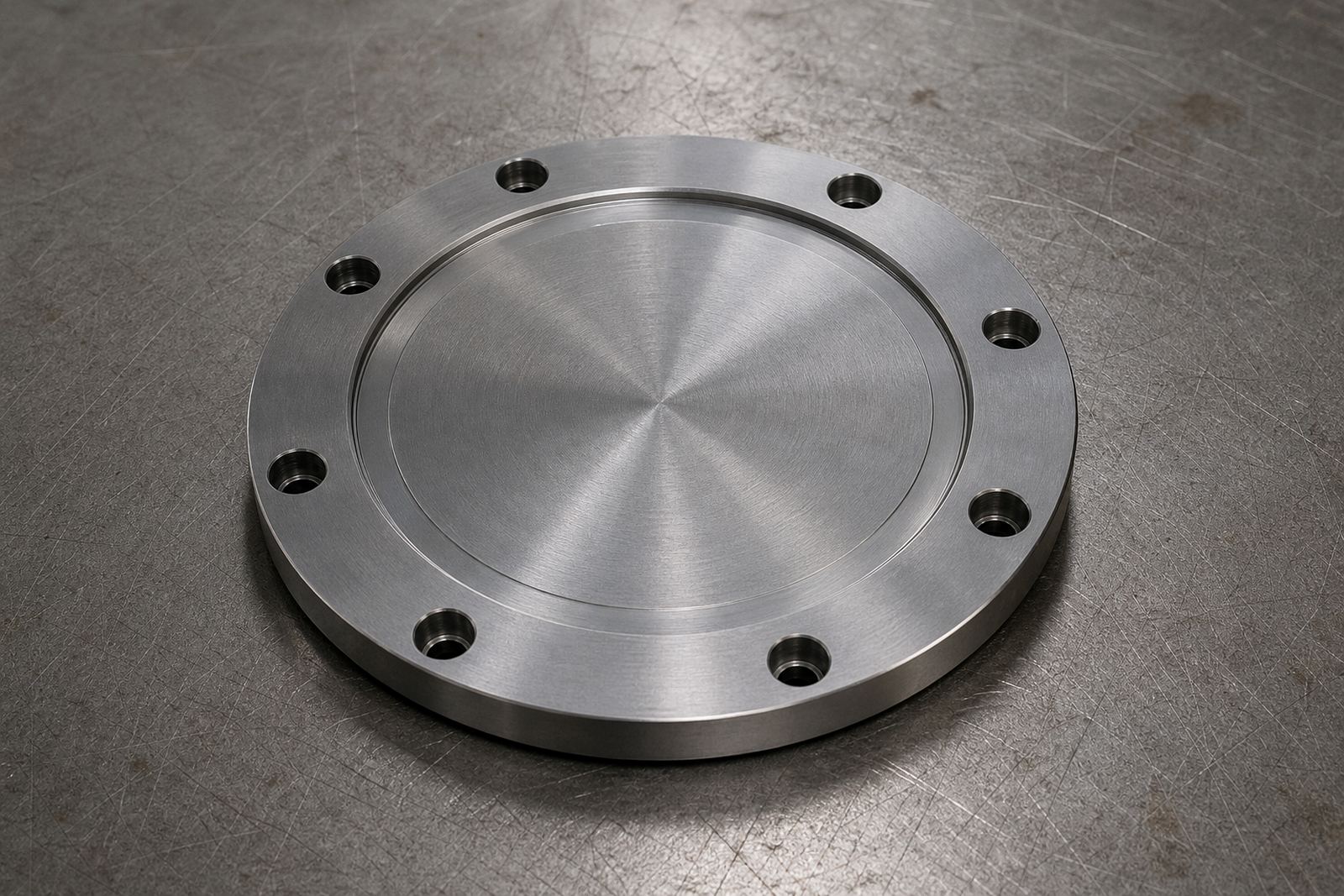
Equipment covers are machined closure parts that protect openings, housings, control areas and exposed interfaces on machines and production equipment. They are often made to match an existing face, flange, bolt circle or cut-out where a standard off-the-shelf part is not a good fit. In practice that means the cover must line up with the machine, sit flat, seal correctly where needed, and still come off without damaging the surrounding frame or fasteners.
Our work suits small-batch replacement parts, equipment modifications, sample builds and repeat orders where the original drawing is missing or the part has worn over time. We handle covers for general industrial use, including panels, plates, inspection covers and simple closure parts that need accurate hole positions and neat edge finish. If the part must work around vibration, humidity or frequent cleaning, the material choice and fixing method matter just as much as the shape.
CNC milling and turning for cover parts
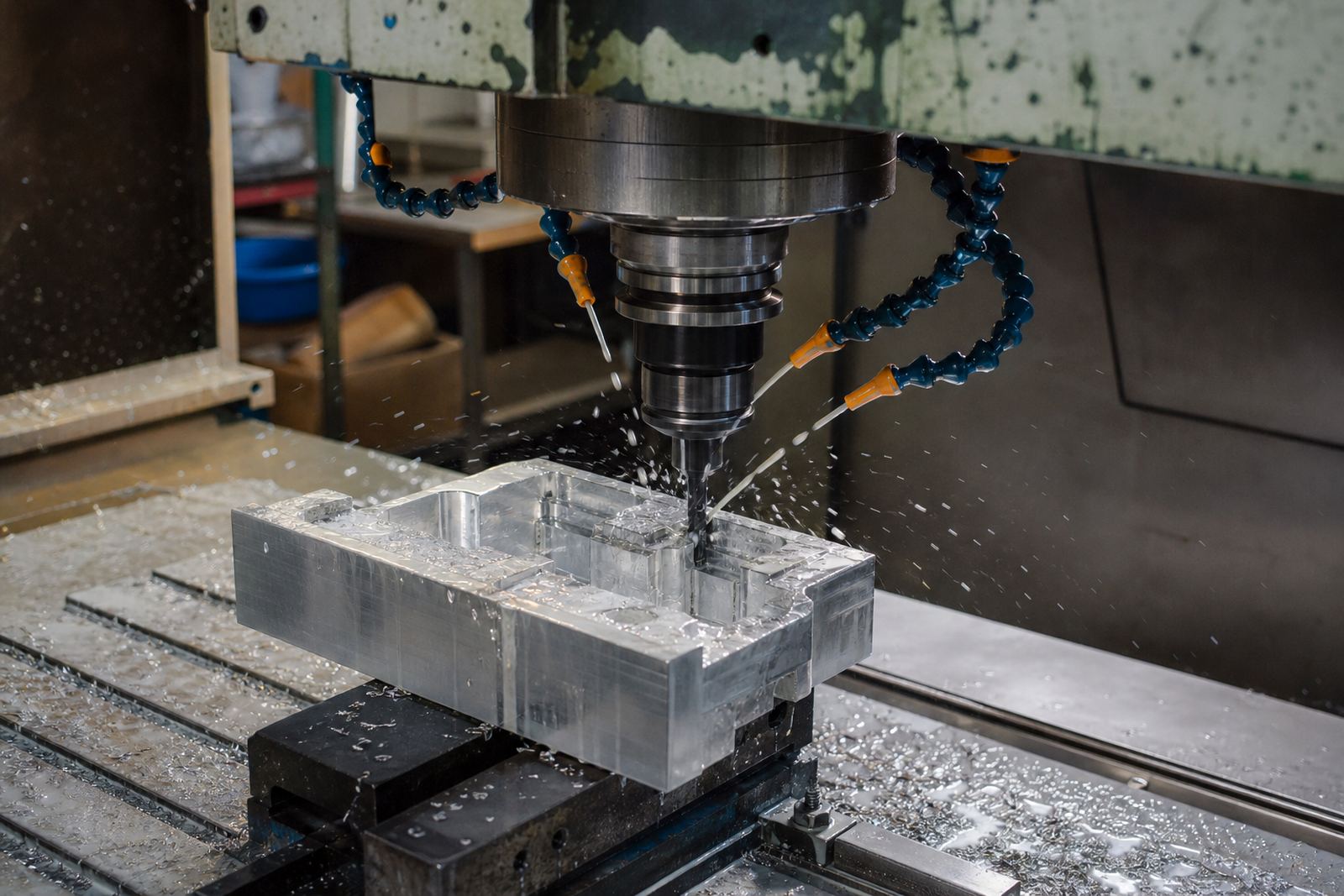
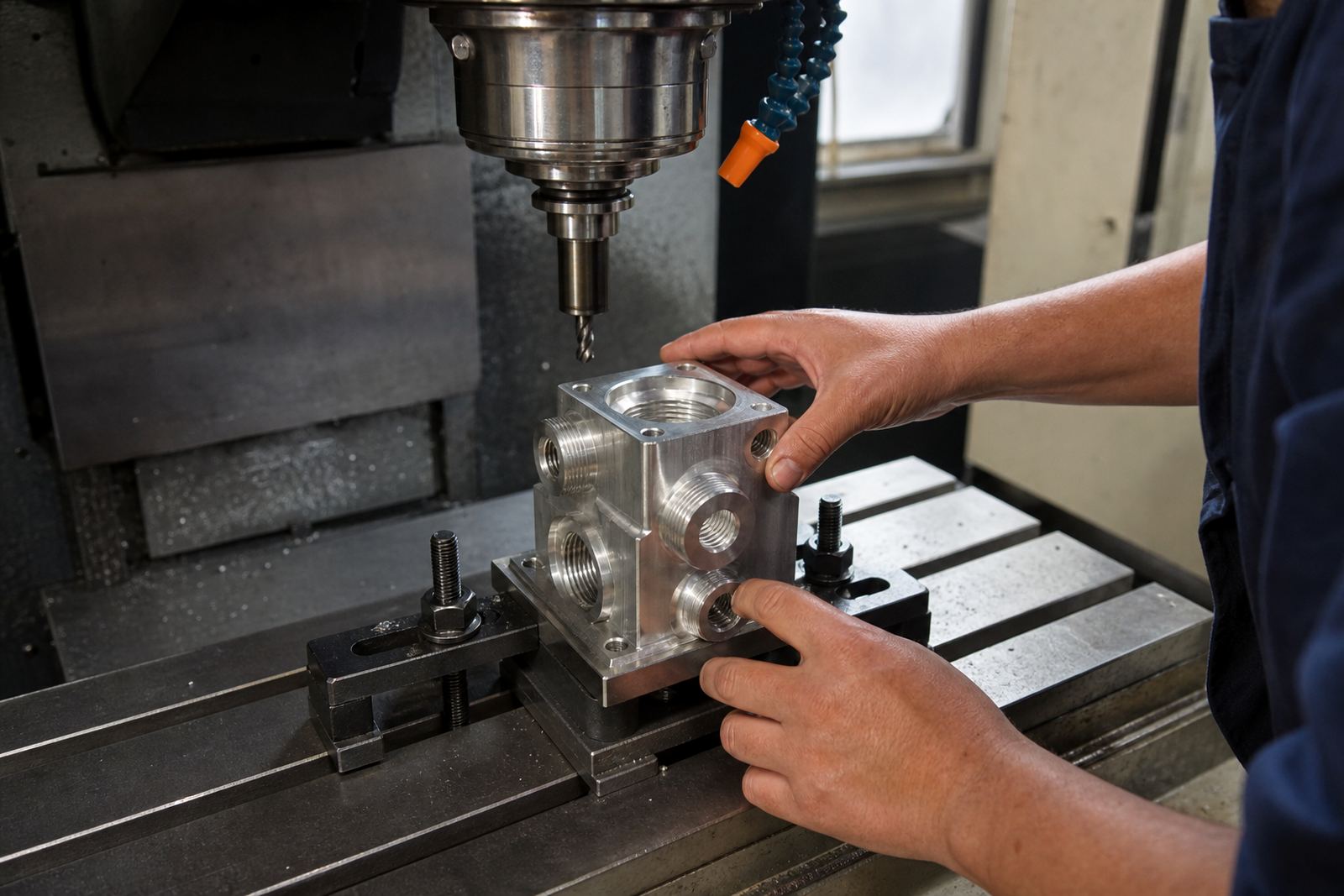
CNC milling is used for flat or contoured covers with pockets, slots, drilled holes and shaped edges. It is suitable when the part needs a clean profile, a recess for sealing, or a pattern of fixing holes that must match the existing equipment. CNC turning is used where the cover includes round features, collars, spacers, plugs or cylindrical closures that need accurate outside and inside diameters.
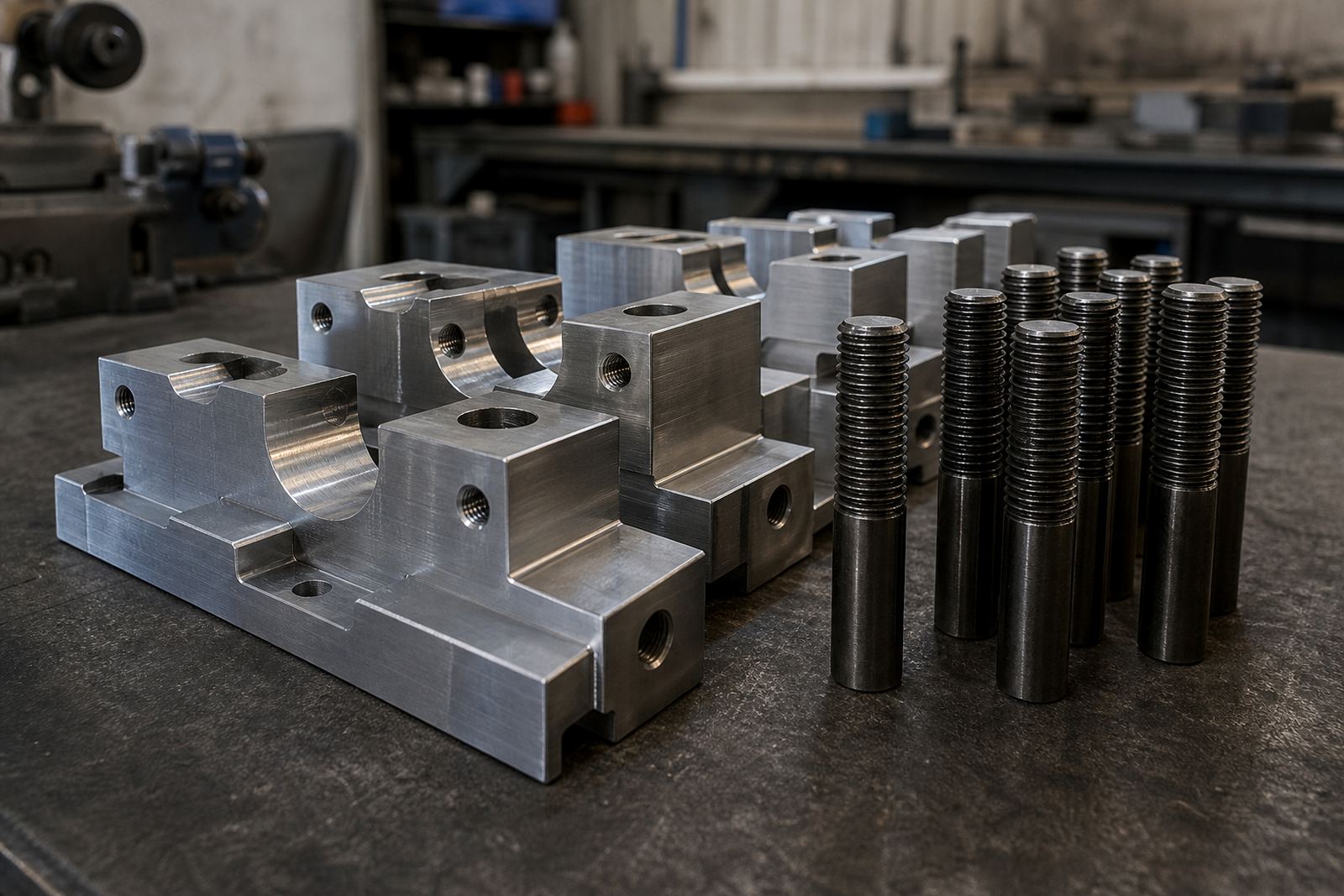
For many jobs, a cover part is made by combining both methods. A plate may be milled from sheet or block material, while turned components handle the locating shoulder, centre bore or threaded section. We work from drawings, samples, measurements or physical parts for remake work. Commonly checked features include:
- overall length, width, thickness or diameter
- bolt hole spacing and countersinks
- locating steps, lips and recess depths
- thread sizes and engagement lengths
- clearance for hinges, guards, cables or fittings
Sizes, materials and finish options
Equipment covers are usually made in small batches, one-off replacements or repeat runs of the same part. Sizes depend on the machine layout, but the main point is repeatable fit rather than volume. We can machine simple covers from compact parts through to larger plates used on industrial equipment, provided the geometry can be measured clearly and the fixing pattern is known.
Material selection depends on the environment and what the cover is doing. In Durban or other coastal areas, corrosion resistance is important because salt air and humidity can affect unprotected metal. In dusty inland sites, hard-wearing materials and a clean edge finish help reduce wear. Typical material choices for machined covers include:
- aluminium for lighter covers and general service access parts
- mild steel for stronger structural covers and brackets
- stainless steel for wet, humid or washdown areas
- engineering plastics where electrical insulation or reduced weight is needed
Finish options may include deburring, surface clean-up, drilled and tapped holes, and where requested, a finish suitable for painting or further treatment by the client. Final tolerances depend on the material, the drawing and the function of the part, so we work to the requirement rather than promising the same figure on every job.
Where these parts suit best
Machined covers are used wherever an existing machine needs a replacement closure that matches what is already in place. That can include production machinery, light fabrication equipment, pump housings, guarding interfaces, inspection openings, instrument housings and service access points. They are also useful when an in-house maintenance team needs a part altered after a layout change or equipment upgrade.
Our Pinetown job shop supports clients across Durban, Westmead, New Germany, Umhlanga, Pietermaritzburg, Richards Bay and Johannesburg. Because every site has its own operating conditions, we usually ask about heat, vibration, cleaning methods and whether the equipment runs continuously or only in shifts. That helps with part design and material selection, especially where there are power interruptions, load-shedding recoveries or a need to open and close covers quickly during maintenance windows.
Installation, fit and site requirements
Most equipment covers are supplied as bolt-on or screw-fastened parts that can be installed by a maintenance fitter, artisan or site technician. For a clean fit, the mating surface should be free from burrs, paint build-up and damage from the old part. If the cover sits over a gasket or seal, the sealing face should be inspected before fitting, because a poorly prepared surface can cause leaks, rattling or uneven clamping.
Power and gas needs are usually not part of the cover itself, but the equipment around it may influence the design. If the cover sits near electrical fittings, cable routes or pneumatic lines, we need to know the clearance requirements. If the machine is part of a gas-fed process or a pressurised system, the cover must not interfere with the existing safety layout. Before ordering, it helps to confirm:
- how the part is fixed, including screw, bolt or clamp details
- the location of any holes, slots, cut-outs or access windows
- whether the cover needs a gasket face or sealing allowance
- if the equipment is exposed to heat, oil, coolant or washdown
- any safety labels, guards or inspection points that must stay visible
Care, servicing and repeat order support
Machined covers are straightforward to maintain if they are cleaned regularly and checked for loose fasteners, corrosion or damage around the fixing holes. In industrial settings, vibration can gradually enlarge holes or loosen screws, so periodic inspection is worthwhile. Stainless steel and aluminium can give good service in the right conditions, while mild steel may need coating or more frequent attention in damp areas.
If a cover needs to be remade later, a good reference set helps. Keep the old part, note the machine position and record any changes made during installation. We can assist with repeat order support, drawing updates, inspection reporting and sample part remake when a part has worn or the original layout has changed. That is especially useful where the machine is still in service and downtime has to be kept short.
What to send with your enquiry
To price and plan an equipment cover properly, we need clear information about the part and the machine it fits. A photo helps, but it should be supported by measurements and any available drawing or sketch. If there is an old part to copy, send that with the enquiry or provide a full set of dimensions. The more detail we have at the start, the faster we can confirm whether the part is a direct remake or needs adjustment for fit.
Useful details include the equipment name or type, the material preference if known, the fixing pattern, and whether the cover must allow for access during servicing. If the part is part of a small batch, tell us how many are needed and whether they must all match the same layout. You can send your enquiry through the contact page and our team will review it in Pinetown before advising on the next step.
Key facts
| Product type | Machined equipment covers and closure parts |
|---|---|
| Manufacturing method | CNC milling and CNC turning |
| Typical materials | Aluminium, mild steel, stainless steel, engineering plastics |
| Fit method | Bolt-on, screw-fastened or clamp-fixed depending on layout |
| Typical use | Service access, protection, inspection openings, closures |
| Supply scope | One-off replacements, small batches, sample remakes and repeat orders |