What Grooved Parts Are Used For
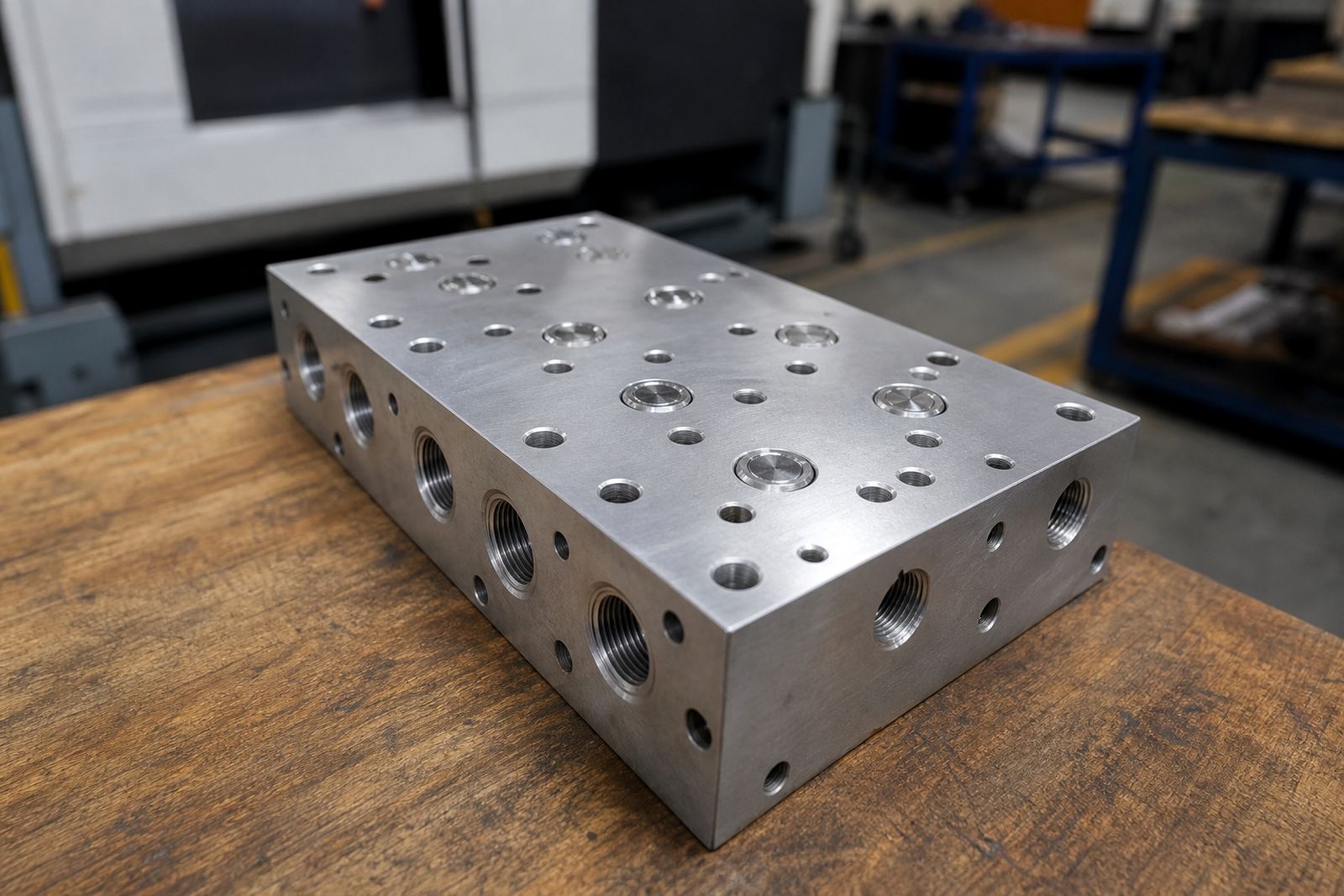
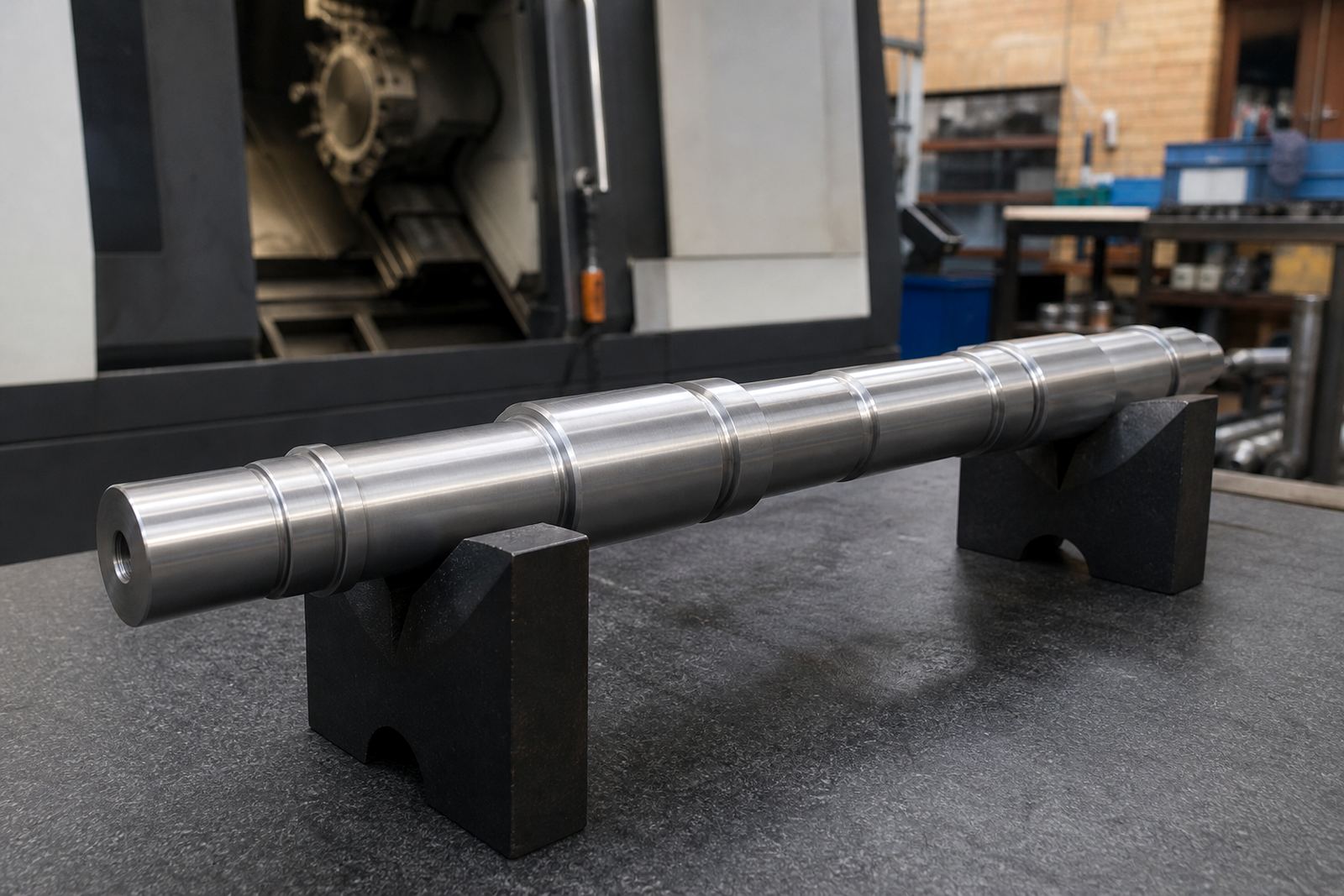
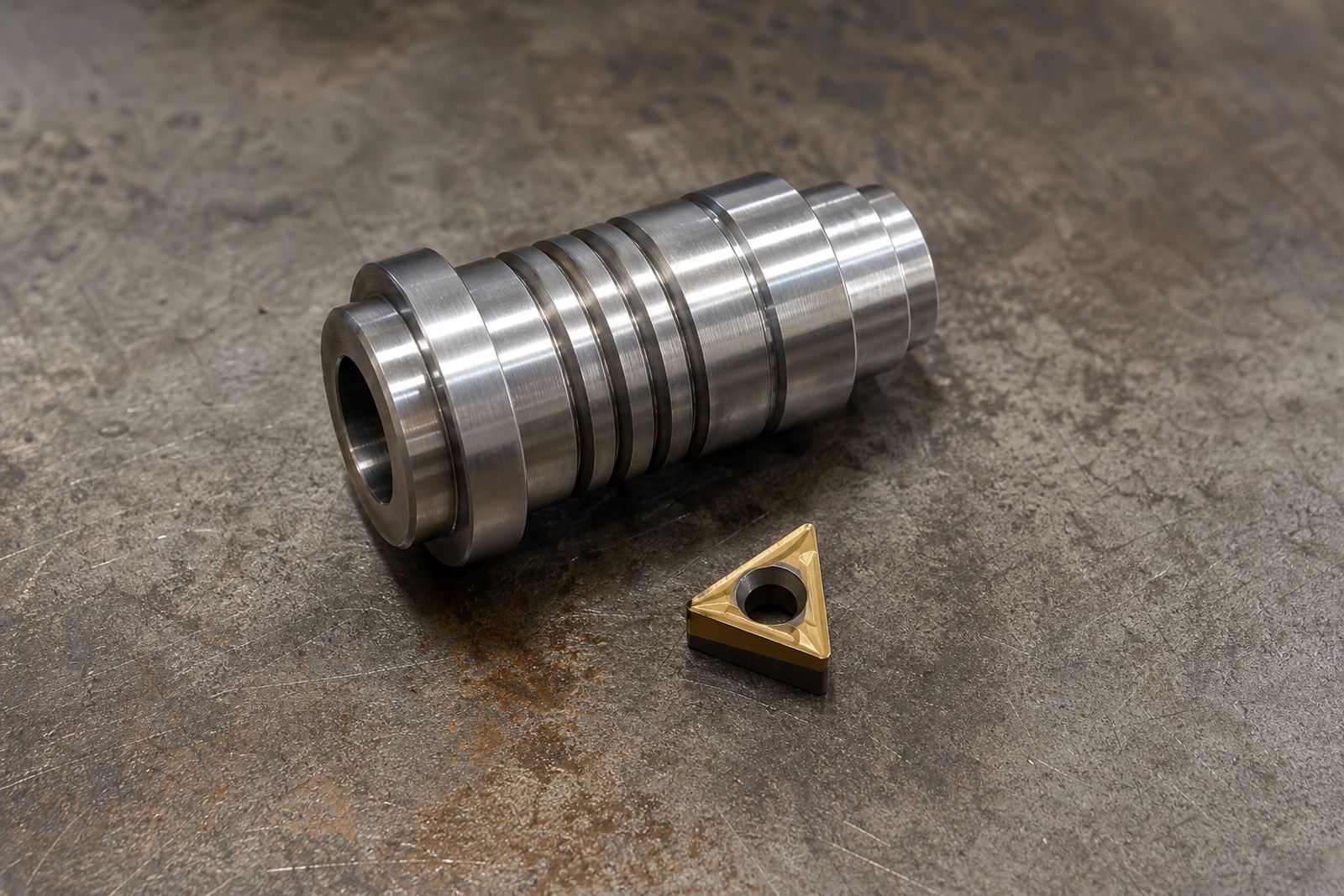
Grooves are machined recesses placed on the outside, inside or face of a part to do a specific job. On a turned shaft they may hold a seal or an O-ring. On a pulley or roller they can guide a belt. On a housing or spacer they can help with locating, clipping, locking or controlled fit-up during assembly.
In practice, a grooved part is only as good as the drawing, the material and the finish. A groove that is too shallow may not hold the seal properly. One that is too deep can weaken the section or affect how the part runs in service. We review the job first so the groove suits the working load, mating part and the method of fitting.
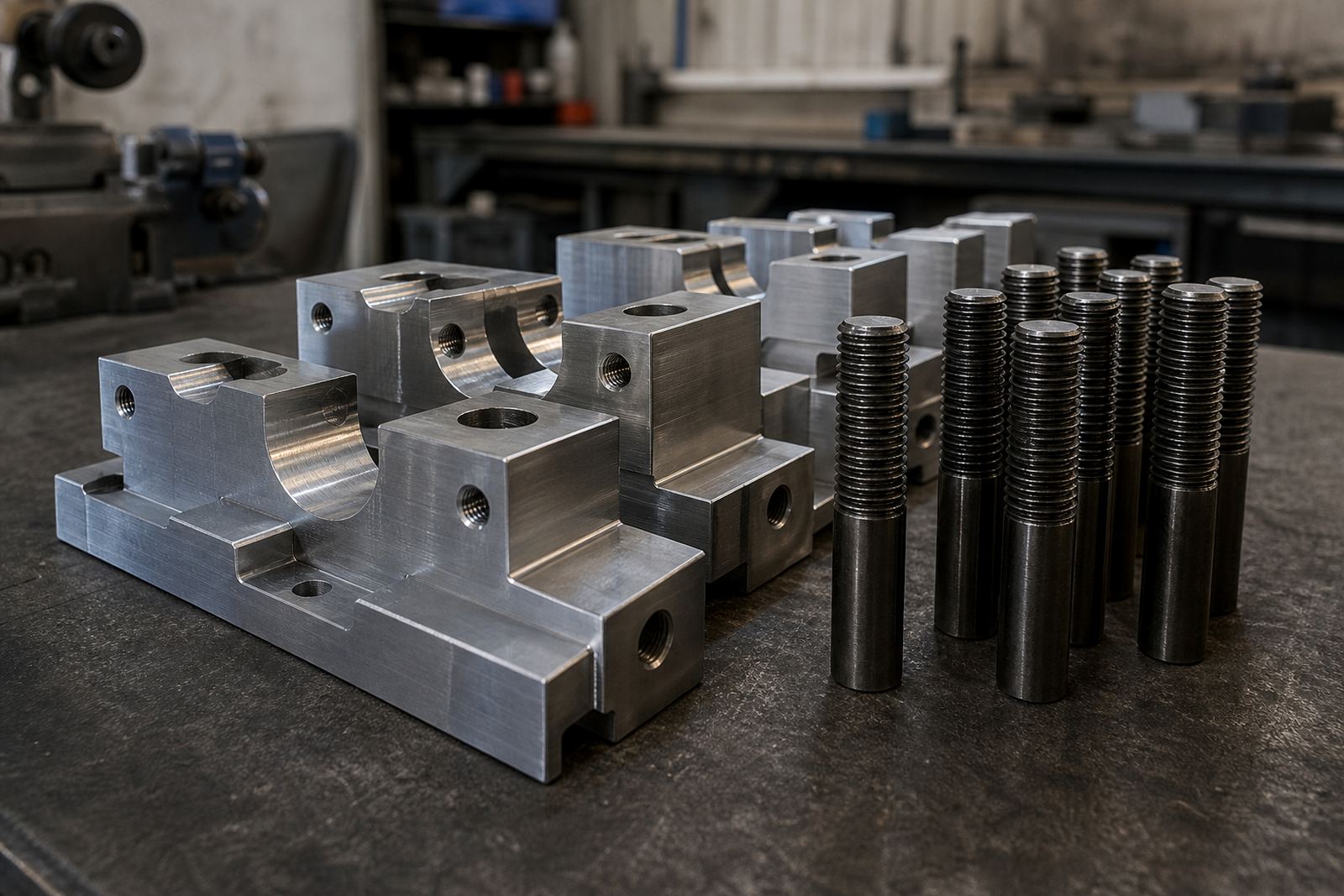
PME CNC Machining handles grooved components for small-batch work where repeatability matters and each piece may still need a little checking by hand. That includes replacement parts, trial runs, short production batches and parts that need to match an existing component.
Typical Groove Sizes, Profiles And Tolerances
Groove size depends on the part diameter, the seal or retaining ring being used, and how the component will be loaded. Grooves may be narrow and shallow for light locating duties, or wider and deeper where retention or sealing is more demanding. Internal grooves, external grooves and face grooves are all common, and each one needs a different tool path and inspection method.
We work from the supplied drawing or sample part and confirm the following before cutting:
- groove width, depth and side wall angle
- diameter and concentricity requirements
- surface finish needed for sealing or sliding contact
- clearance to nearby shoulders, threads or bores
- whether the groove must be rough machined, finished in one pass, or remade to match an existing part
Tolerances are handled according to the job and the material. Some grooves need a close fit for sealing or retention, while others allow a little more room for movement or thermal expansion. We do not quote fixed tolerances as a general promise because the right figure depends on the application, the material and the drawing notes.
Materials Commonly Used For Grooved Components
Grooved parts can be made from a wide range of machinable materials, depending on wear, corrosion and load. Common options include aluminium, mild steel, stainless steel, brass, copper, engineering plastics and other machinable bar stock or billet material. The material choice affects the tool path, chip control, finish and how the groove behaves over time.
For coastal conditions around Durban, Westmead, New Germany and Umhlanga, corrosion resistance can matter a lot. In hotter inland areas like Johannesburg or when a part is exposed to moisture, dust or washdown, the material and finish should be chosen carefully. On some jobs a simple plated or protected finish is enough, on others the part must be left ready for further treatment by the client.
Our team checks whether the groove will be used on a static seal, a rotating shaft or a part that sees regular dismantling. That helps with material choice and also with deciding whether the component should be machined from solid, turned first and then grooved, or milled from a pre-cut blank.
Where Grooved Parts Suit Best
Grooved components are used in many workshop, plant and maintenance settings. They suit replacement work, prototype runs and repeat batches where a reliable fit is needed but the part may not justify full-volume production. Common applications include pumps, housings, rollers, spacers, shafts, collars, guides and assemblies that need a positive locating feature.
They are also useful where a client needs a sample part remade after wear or damage. If the original groove is worn, chipped or altered during repair, we can inspect the remaining features and reproduce the groove as closely as the part allows. Sometimes the old part needs a drawing update or a small design adjustment to improve service life.
Grooved parts are often ordered for machines and assemblies that must keep running during load-shedding or irregular power supply, because maintenance teams want spare parts ready before downtime becomes a problem. Keeping a few correctly made parts on hand can reduce last minute pressure.
Installation, Fit-Up And Power Needs
Most grooved parts are installed as part of a larger assembly, so the groove itself must suit the seal, ring or mating component that will sit in it. During fit-up, check alignment, shoulder contact and whether the mating part enters cleanly without forcing. If the groove is used for sealing, the mating surfaces must be clean and free from burrs, chips or dents.
Our machining work does not require the client to provide power or gas. The finished part is supplied ready for fitting, and any additional welding, painting, plating or heat treatment is handled separately if needed by the client or their own supplier. For parts used in plant maintenance or site repairs, it helps to confirm whether the job will be installed indoors, outdoors or in a damp area because that affects the material and finish choice.
- confirm the groove location against the mating part before installation
- check for burrs on both sides of the groove
- use the correct seal, ring or insert size
- do not force a part into a bore or housing if the fit feels tight
- recheck after first run if the part works under heat or vibration
Care, Servicing And Ordering Details
Grooved parts should be kept clean and inspected during scheduled servicing. On rotating parts, look for wear marks, polishing, cracking or groove distortion. On sealing grooves, check for nicks, corrosion and any flattening that may affect the seal. If a groove is part of a retention feature, inspect the shoulders and edges because damage there can matter as much as the groove itself.
For ordering, please send the drawing, sample part or clear dimensions through the enquiry form on our contact page. The key details are groove width, depth, diameter, material, quantity, finish requirements and whether the part must match an existing item. If the part is for a small batch, say so at the start so we can plan the job properly and advise on batch size and remake needs.
PME CNC Machining works from Pinetown and serves Durban, Pietermaritzburg, Richards Bay, Johannesburg and surrounding areas through careful drawing review, material selection, batch planning, inspection reporting and delivery coordination. If you need a grooved part remade or adapted from an existing sample, we can look at the wear, fit and machining allowances before starting.
Good grooved parts are not just cut, they are checked against how the assembly will actually work in service. That is what saves time later, even if the first step is just a drawing and a few clean measurements.
Key facts
| Service type | CNC turning and milling for grooved parts |
|---|---|
| Part style | Internal, external and face grooves |
| Typical use | Sealing, retention, belt tracking and assembly fit |
| Materials | Aluminium, mild steel, stainless steel, brass, copper and machinable plastics |
| Batch size | Small-batch production and repeat orders |
| Base location | Pinetown, KwaZulu-Natal |