Round flanges for pipework, covers and machine mounting points
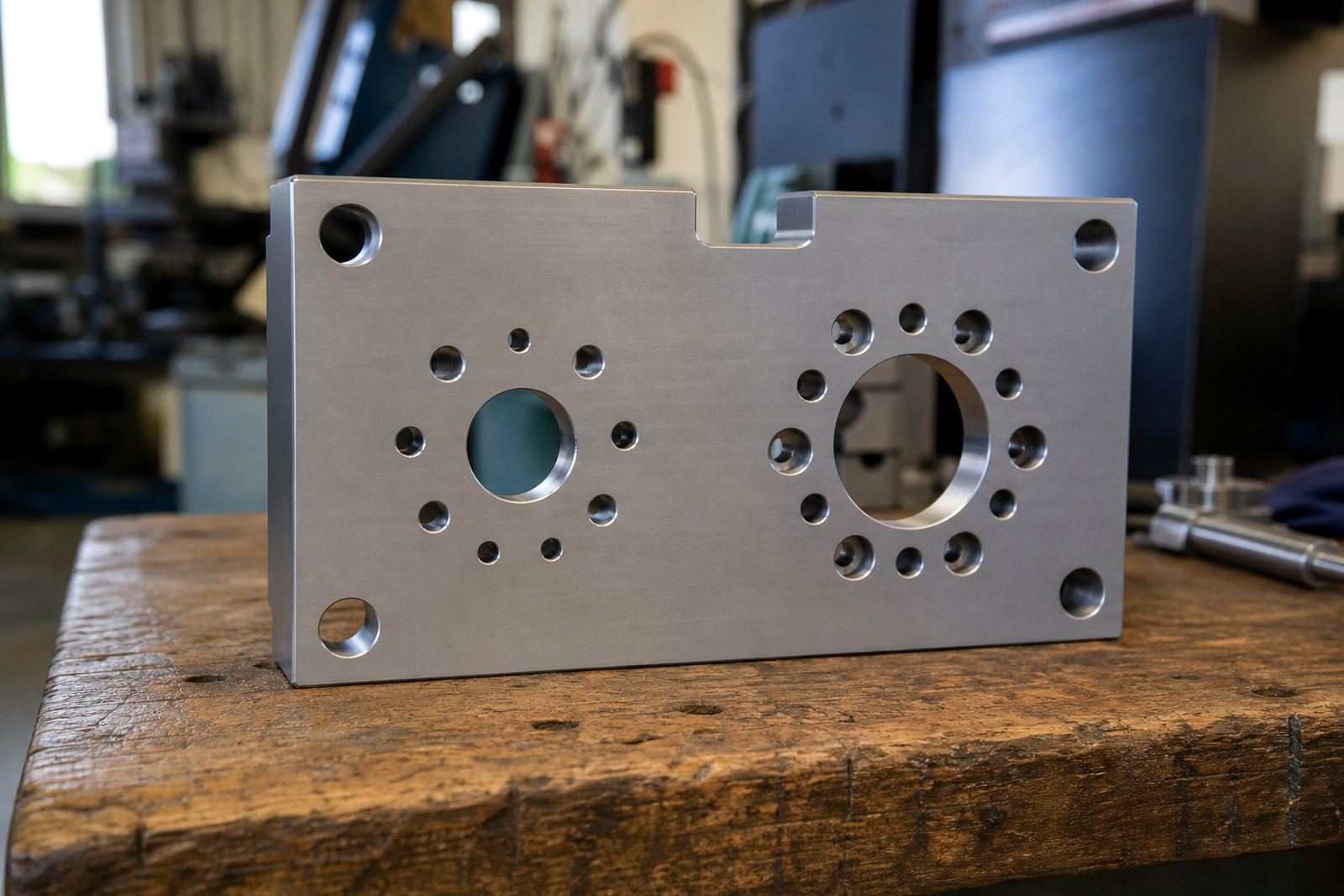
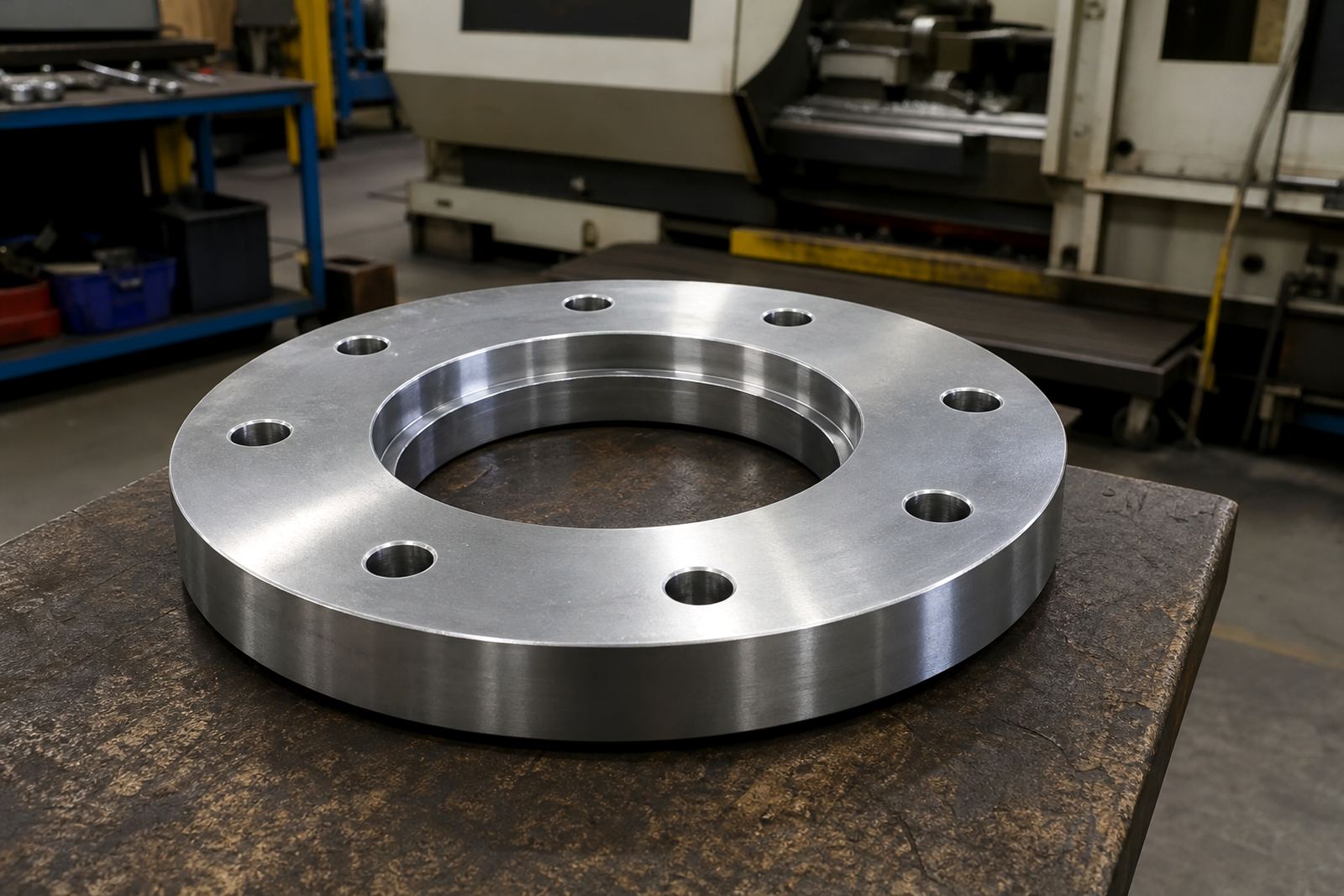
A flange is a round connecting part used to join pipework, close off an opening, or provide a bolted interface on a machine assembly. The key features are the outside diameter, centre bore or raised face, thickness, bolt circle and drilled holes. On some jobs the flange carries pressure, on others it acts as a cover plate or mounting plate, so the cut geometry and finish have to suit the duty. If the face is wrong, or the hole spacing is off, the fit-up becomes difficult and sealing suffers.
We machine flanges for small-batch requirements where repeatability matters more than volume. That includes replacement parts, one-off interfaces, sample runs and short production batches. For Durban and Pinetown workshops, as well as inland sites in Johannesburg or Pietermaritzburg, we also take account of handling, transport and the fact that a part may need to slot into an existing setup without extra rework.
Common sizes, hole patterns and material choices
Flanges can be made in a wide range of diameters and thicknesses, from compact utility sizes to larger interface plates. The workable limits depend on the drawing, the material and the required machining steps. Typical options include plain drilled flanges, counterbored holes, tapped holes, spigots, recesses and seal grooves where the design calls for it. We can also help with sample part remake when an old part has worn, bent or been modified over time.
- Outside diameter, bore size and overall thickness matched to the drawing
- Bolt circle drilled for evenly spaced fasteners
- Plain face, raised face or machined recess where needed
- Options for through holes, tapped holes or counterbores
- Material selection based on corrosion, wear and machining needs
Material selection usually depends on the service environment. Mild steel suits general fabrication and non-corrosive settings. Stainless steel is often chosen where moisture, washdown or coastal air is a concern, especially near Durban and Richards Bay. Aluminium is lighter and easier to handle on some machine interfaces. We also work with other machinable metals when the drawing or application calls for them.
Where flanges suit best in local workshops and plants
Flanges are used across many industries because they are practical and easy to service. On pipework, they allow sections to be joined and later separated for inspection or maintenance. On covers, they help seal access points and protect openings from dirt, splash or debris. On machines, they can provide a flat bolted interface between housings, brackets or adapters. In jobs where alignment matters, the hole pattern and face flatness are just as important as the outside size.
In KwaZulu-Natal coastal conditions, a flange that sits in humid air or near chemical washdown may need a material and finish that handles corrosion better than basic mild steel. Inland, the bigger issue may be dust, vibration or frequent maintenance breaks caused by load-shedding related downtime. We regularly assist clients who need repeat orders for the same drawing, or a small design update after a fitting issue has shown up on site.
- Pipework joints and removable spools
- Equipment covers and access plates
- Pump, valve and housing interfaces
- Fixture plates and mounting faces
- Replacement parts for maintenance shutdowns
CNC milling, turning and hole accuracy on flange work
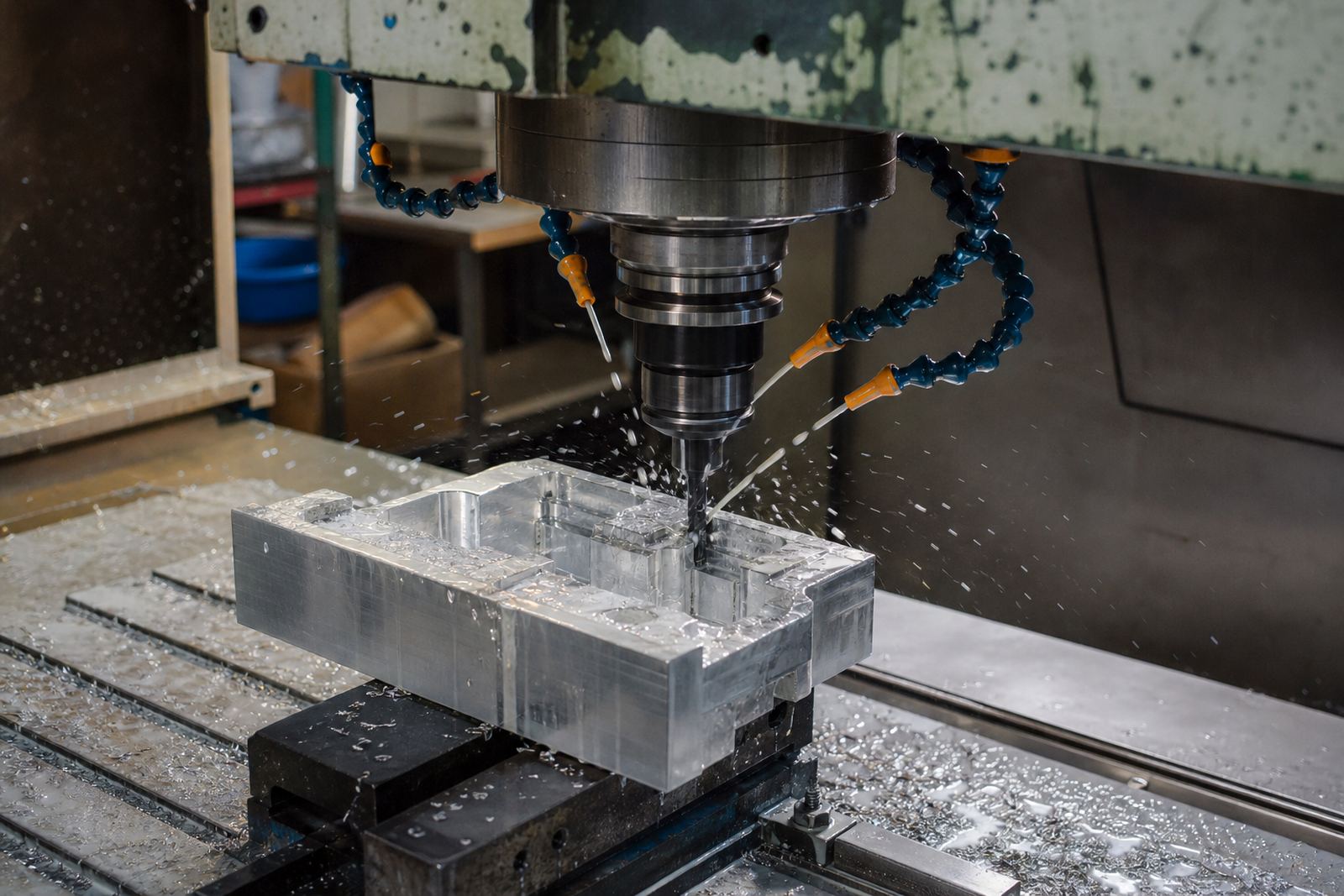
Flange manufacture usually combines CNC milling and CNC turning, depending on the shape. Turning suits round outside profiles, bores and concentric features. Milling is used for bolt circles, flats, pockets, key details and face features. When the part needs a tight fit, the relationship between bore size, hole position and face squareness needs careful control. That is why drawing review is important before cutting starts.
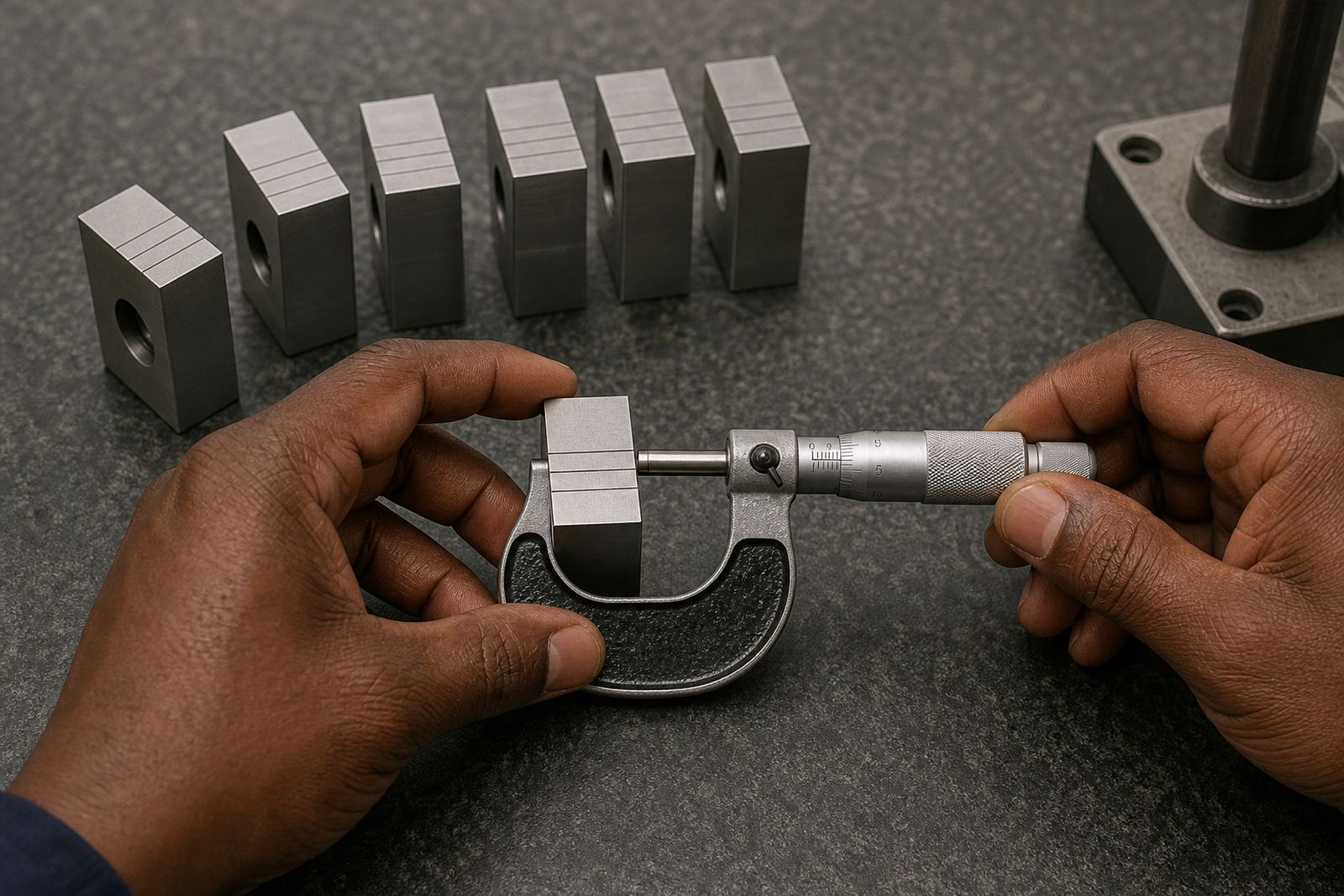
Tolerances should always be based on the job drawing and the function of the part. A sealing flange or precision machine interface may need closer control than a simple cover plate. We do not promise a fixed tolerance for every job because the material, diameter and finish all affect what is practical. Instead, we check the drawing, confirm the critical dimensions and plan the machining sequence so the part stays true enough for the application.
Our production process also supports tolerance guidance, part optimisation and drawing updates where a client needs help making a part more workable without changing its function. That can save a second round of fitting issues, which is handy when the job must move quickly between Durban, Pinetown and sites further afield.
Installation, shutdown planning and utility needs
Flanges themselves do not need power or gas to function, but the installation process around them often does. A flange on pipework may require the line to be isolated, drained or depressurised before fitting. On machine assemblies, the mating faces should be clean, and the fasteners should be tightened in a pattern that keeps the face even. If the part is part of a pressurised system or hot service, the installer should follow the site procedure and any municipal or plant rules that apply.
For maintenance teams, planning matters. A flange supplied with the wrong bolt circle or incorrect thickness can hold up an entire shutdown, especially when only a short window is available. We assist with batch planning, delivery coordination and repeat order support so replacement parts arrive ready for fitment. If the application is near the coast, fasteners and mating faces may need a little extra care to prevent seizure over time.
- Confirm the line is safe, empty or isolated before removal
- Check face condition, gasket seat and bolt pattern before assembly
- Use the correct fastener grade and tightening sequence
- Protect machined faces during transport and storage
- Keep the part dry if it will sit before installation
Care, servicing and what to check before ordering
Flanges usually need little day-to-day care, but they do benefit from proper handling. Machined faces should be kept clean, and holes should not be damaged during stacking or transport. On service intervals, check for pitting, distortion, wear around bolt holes and marks on sealing faces. If a flange is part of a recurring maintenance item, it helps to keep the drawing, a sample part or a clear dimensional record for the next order.
When you send an enquiry through the contact form, include the critical details so we can review the job properly. The most useful items are dimensions, material, face type, hole count, hole size, centre bore, thickness and any special finish requirement. If you have an existing part, a clear photo and a marked-up sketch can help too. For short runs, a small change in the drawing can make the job easier to machine without affecting fit, but that should always be checked against the application first.
We support clients across Pinetown, Westmead, New Germany, Umhlanga, Durban, Pietermaritzburg, Richards Bay and Johannesburg with drawing review, inspection reporting and delivery coordination. That keeps the process practical from first enquiry to final fit-up, even when the part is small but the consequence of getting it wrong is not.
Key facts
| Product type | CNC machined round flange |
|---|---|
| Typical use | Pipework, covers, machine interfaces and bolted mounting faces |
| Common features | Bolt circle, drilled holes, bore, thickness, face finish |
| Material options | Mild steel, stainless steel, aluminium and other machinable metals |
| Production size | Small-batch and repeat orders |
| Service area | Pinetown, Durban, Pietermaritzburg, Richards Bay and Johannesburg |