What a machined housing does in a mechanical assembly
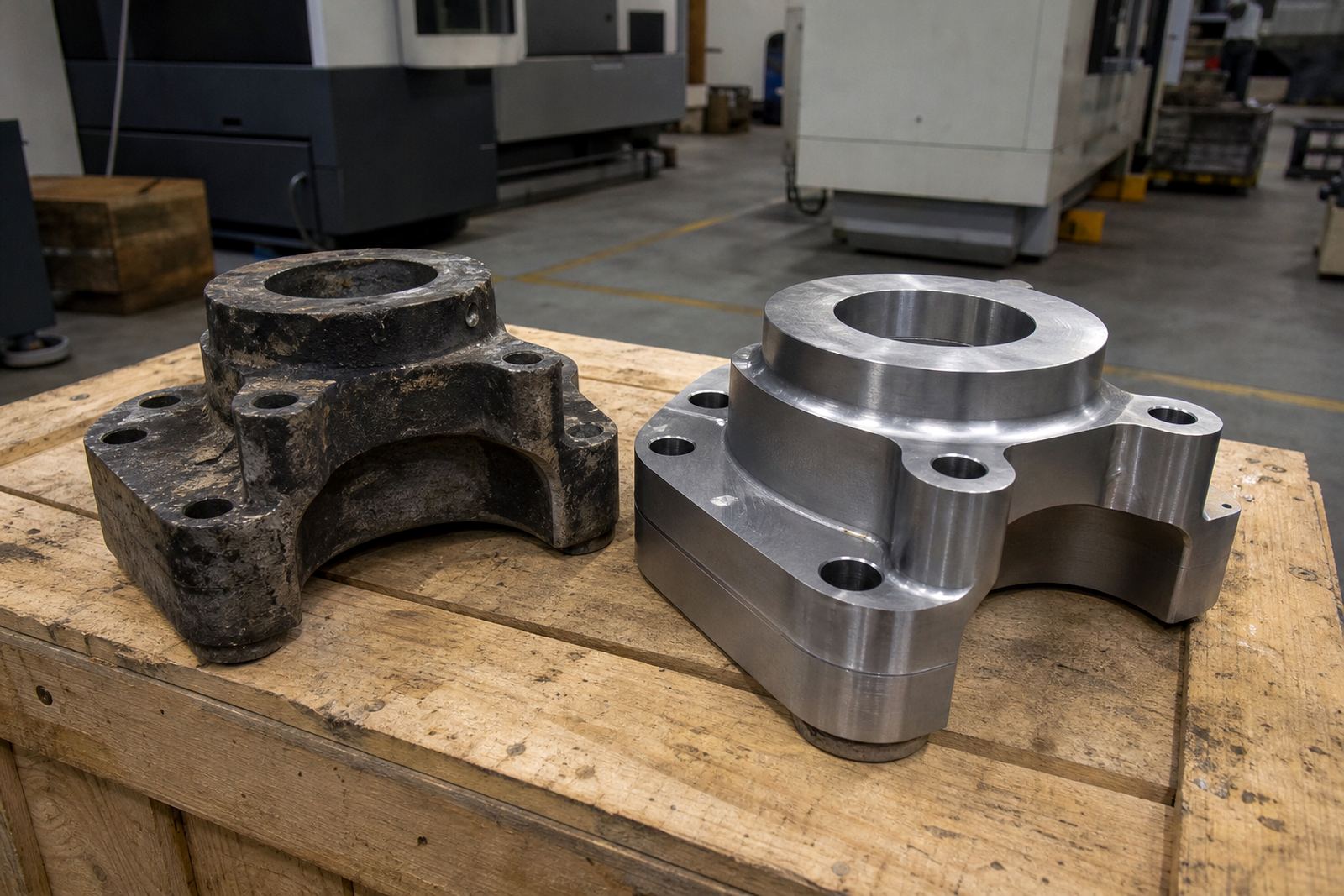
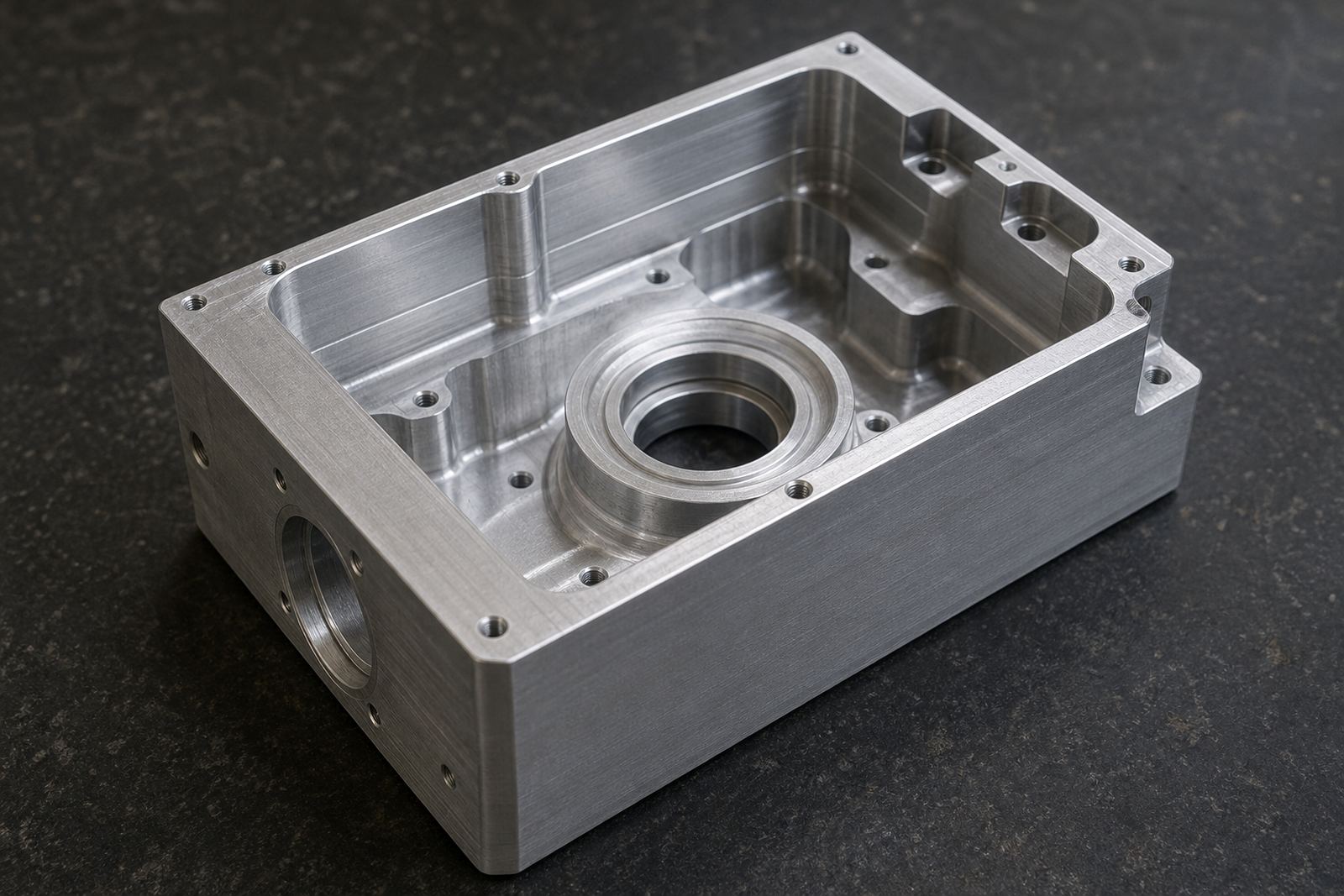
A machined housing is the body that holds internal parts in the right position and keeps them working as one unit. It usually carries bored seats, mounting faces, tapped holes and locating features so bearings, shafts, covers, seals or inserts can sit correctly. In practice, the housing helps control alignment, reduce movement and make later servicing easier.
We machine housings for small-batch work where the part has to fit properly first time, not after a lot of fettling on site. That matters on mechanical subassemblies used in plant rooms, workshop equipment, control systems, light industrial machinery and maintenance spares. For coastal jobs around Durban or Richards Bay, material choice and surface finish also need to suit humid conditions, especially where the part may sit near spray, dust or washdown areas.
Typical sizes, forms and machining options
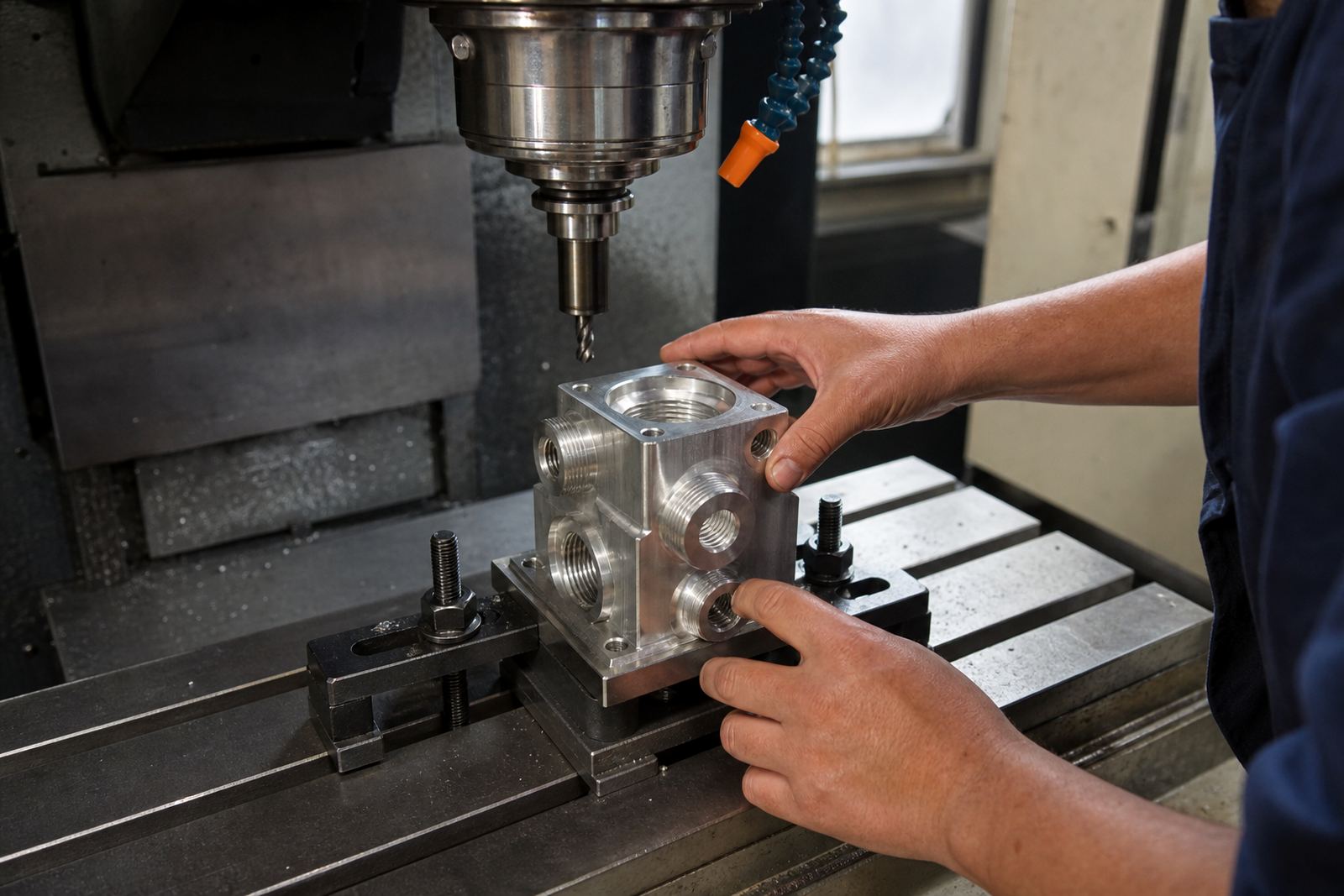
Machined housings can be made in compact one-off sizes or in repeat batches with the same critical dimensions carried through. The final shape depends on the function of the assembly, but the common elements are the same: flat mounting pads, drilled and tapped fixing points, accurately bored internal seats and edge details that allow the part to locate cleanly in a machine frame or skid.
- Single-cavity or multi-feature housings for compact assemblies
- Round, square or irregular external profiles
- Through-bores, stepped bores and counterbores
- Tapped holes, reamed holes and dowel locations
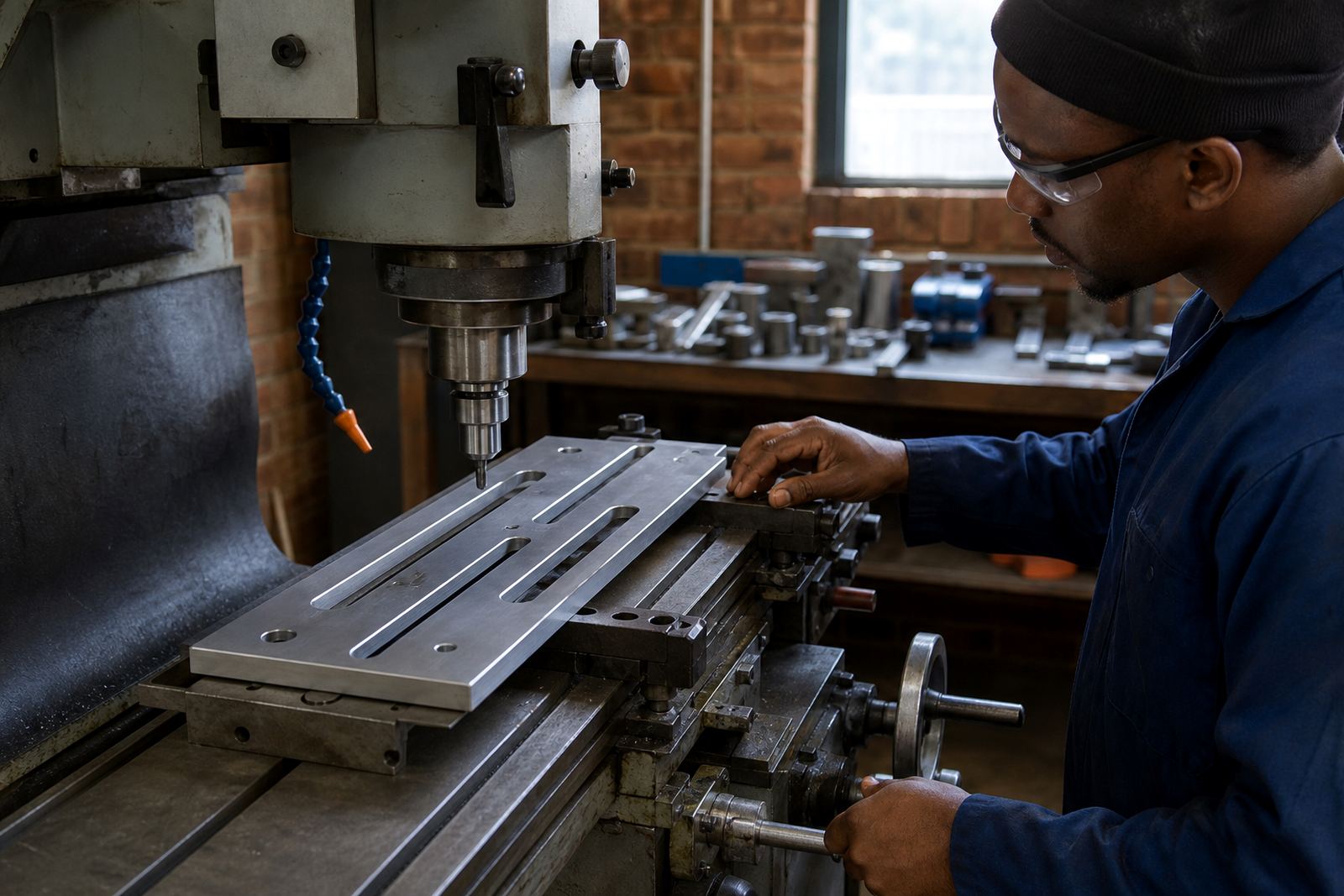
- Face milling for mounting and sealing surfaces
We also help with part optimisation where a drawing needs practical adjustment for machining access, tool clearance or better clamping. If a design is being repeated for a second batch, we can assist with drawing updates and sample part remake work to keep the same fit and function across production runs. Small changes to fillets, wall thickness or hole placement can make the part easier to machine and less expensive to keep making.
Materials and tolerances for housing parts
Housings are commonly machined from aluminium, mild steel, stainless steel, brass and engineering plastics, depending on load, weight, corrosion exposure and how the assembly will be used. Aluminium is often chosen where weight matters and the part needs good machinability. Steel suits heavier-duty assemblies. Stainless steel is used where moisture, cleaning or coastal air may affect service life. Plastics can suit insulating or low-load applications, though care is needed around heat and thread strength.
Tolerance requirements depend on the mating parts, the bore size, and whether the housing carries bearings, sleeves or seals. Some features may need tighter control than others, while non-critical areas can be left with more standard machining allowances. We give tolerance guidance from the drawing and application, rather than promising every dimension the same way on every part. That approach helps clients in Pinetown, Westmead, New Germany and further afield plan realistically for fit, assembly and inspection. A housing that is too loose in one location and too tight in another causes grief later on, so the drawing needs to be clear from the start.
Where machined housings are used
These parts suit mechanical subassemblies that need accurate location and repeatable assembly. They are common in maintenance spares, custom equipment, production aids and small machine builds where the housing forms part of a larger unit. For clients in Durban, Umhlanga, Pietermaritzburg, Richards Bay and Johannesburg, the usual driver is small-batch supply with a reliable fit, not mass production.
- Bearing supports and shaft support bodies
- Sensor and actuator mounting blocks
- Gearbox and drive-related housings
- Valve, pump and fluid-handling subassemblies
- Fixture bodies and machine mounting interfaces
Installation is usually straightforward if the mounting face is flat, the bolt pattern is correct and the mating parts are clean. The housing may need shims, seals, thread locking compound or a specific torque sequence depending on how it sits in the assembly. If the part is exposed to vibration, regular fastener checks are sensible. For outdoor or plant-floor use, it helps to consider drainage, corrosion protection and whether the design needs covers or inspection access.
Power, air and site requirements for installation
Most machined housings themselves do not need power or gas to operate, but the full assembly around them often does. If the housing forms part of a machine, check the electrical, pneumatic or hydraulic requirements of the unit it supports. That includes clearance for cables, hoses, gland plates, seals and maintenance access. In workshop environments, a poor layout can make a simple housing difficult to service once it is bolted down.
For installations in South Africa, it is worth checking whether the site has any municipal or workplace rules affecting noise, spill control or drainage. In coastal areas, humidity can also affect fasteners and mating faces, so protection during transport and storage matters. If the housing is going into a machine that sees load-shedding related stops and restarts, the assembly should be checked for any movement, slack or alignment shift after power returns. A quick inspection after shutdowns saves trouble later on.
Care, servicing and repeat order support
Good care starts with keeping mating faces clean and checking that the housing is not carrying stress from a misaligned shaft, warped bracket or loose mounting points. On a service schedule, inspect tapped holes for damage, look for scoring around bores and check that seals or inserts are still seating properly. If the part works in a dusty or coastal setting, cleaning intervals should be shorter and corrosion checks more frequent.
We support repeat order work, sample part remake and inspection reporting so the same housing can be made again without guesswork. If a previous batch had a fit issue, the drawing can be reviewed against the installed part and adjusted before the next run. That saves time on rework and keeps the assembly line moving. For some clients a small dimensional tweak makes all the difference, and it is better to sort that out before a batch is cut.
What to check before you order machined housings
Before sending an enquiry, it helps to confirm the part’s job, the mating components and any critical dimensions on the drawing. Clear information reduces the risk of a housing being made to the wrong fit or with features that clash during assembly. If the part must match an existing unit, provide the sample, the old drawing or measured details where possible.
- Overall size, bore size and mounting hole pattern
- Material preference and any corrosion concerns
- Required tolerances on seats, faces and thread sizes
- Whether the part must fit an existing assembly
- Quantity needed for prototype or small-batch work
- Any special finish, deburr or inspection notes
Clients can reach us through the enquiry form on our contact page for drawing review, prototype planning, batch planning and delivery coordination. Based in Pinetown since 2008, PME CNC Machining works with businesses across South Africa that need practical machining support and careful attention to fit, finish and repeatability.
Key facts
| Product type | Machined housings for mechanical subassemblies |
|---|---|
| Common features | Bored seats, mounting faces, tapped holes, locating details |
| Materials | Aluminium, mild steel, stainless steel, brass, engineering plastics |
| Typical work | Prototype quantities, small batches, repeat orders |
| Finishing options | Deburring, inspection reporting, fit checks, drawing updates |
| Service area | Pinetown, Durban, Westmead, New Germany, Pietermaritzburg, Richards Bay, Johannesburg, Umhlanga |