What CNC Milling Is Used For
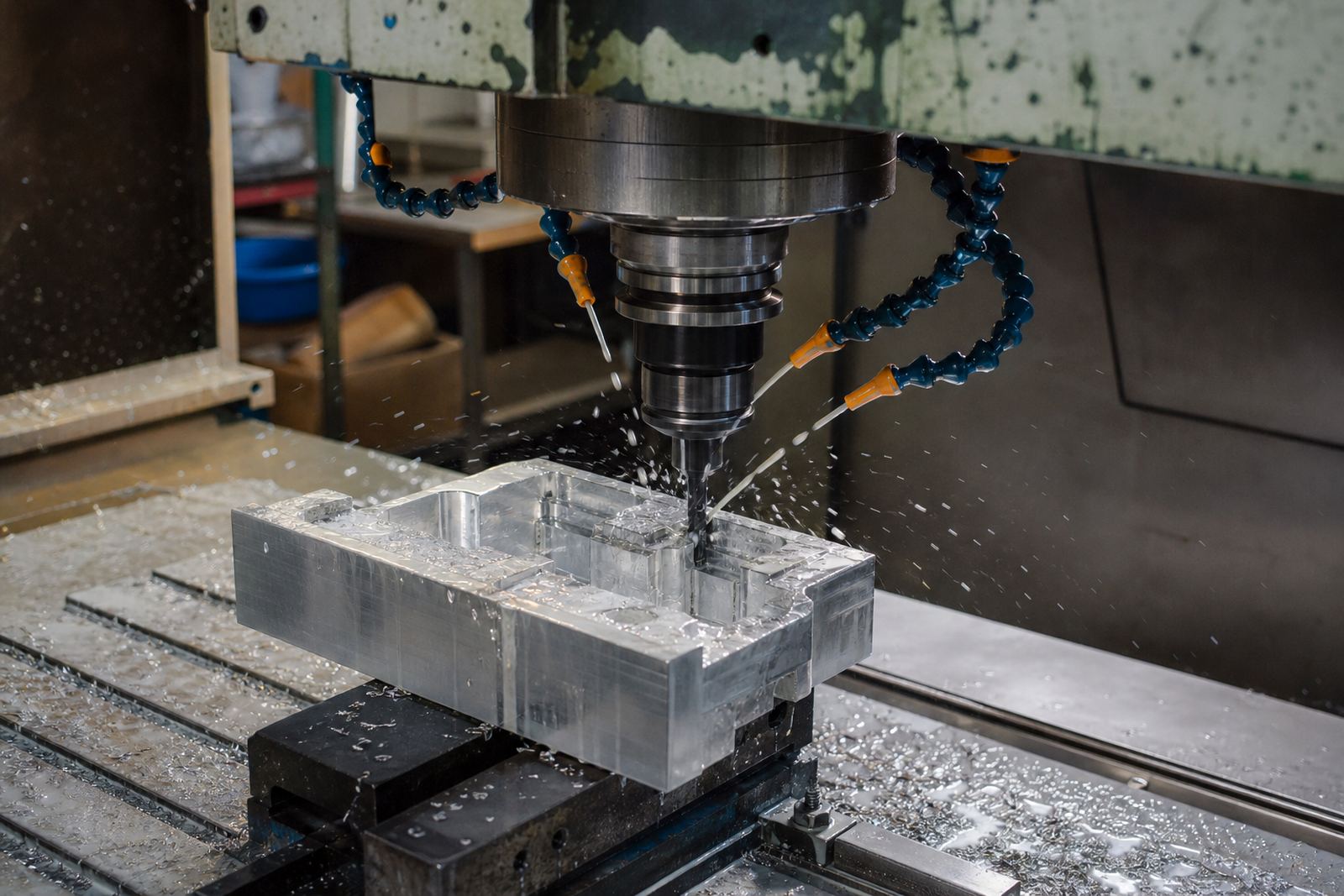
CNC milling is the controlled removal of material from a block, plate or cut blank to create a finished part with flat faces, steps, holes, pockets and shaped edges. It is well suited to prismatic parts where the geometry is built from lines, planes and drilled features rather than a round turning profile.
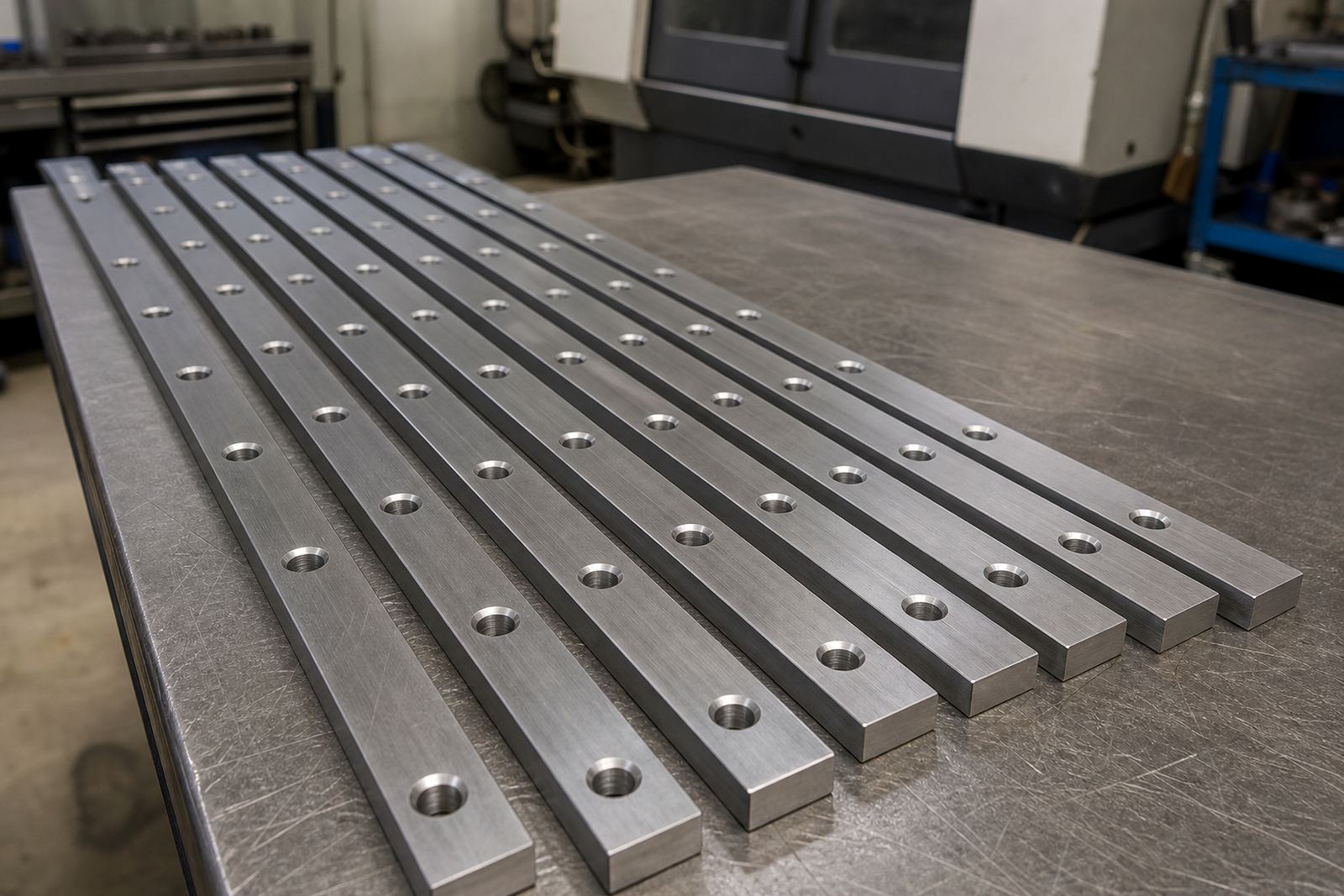
For small-batch work, milling is a practical choice when you need repeatable parts without committing to high-volume production. It is commonly used for brackets, housings, plates, mounts, adapters, covers, fixtures and machine components that must fit cleanly with other assemblies. In a job shop setting, the value comes from careful setup, sound programming and checking each operation before the next cut is made.
Milling also helps when a drawing has multiple faces that must relate accurately to one another. If the part needs slots aligned to holes, pockets set to a certain depth or a machined face that becomes a reference surface, CNC milling gives the control needed for that kind of work.
- Faces, steps and square shoulders
- Pockets, slots and channels
- Drilled and tapped features
- Profiles, contours and cut-outs
Typical Part Sizes, Materials and Finishes
CNC milling covers a wide range of part sizes, from small hand-sized components through to larger plates and fixtures, depending on the material and geometry. The practical limit is shaped by the workholding method, the available travel of the machine, tool reach and the stability of the part during cutting. Thin sections, deep pockets and long overhangs need extra care so the finish and dimensions stay under control.
Common milling materials include aluminium, mild steel, stainless steel, brass, engineering plastics and some tool steels. Each material behaves differently. Aluminium machines quickly but can mark if the tool or clamping is not right. Stainless steel needs a steadier approach because heat builds up. Plastics can move with heat as well, so feeds, speeds and holding methods matter. Coastal humidity around Durban, Westmead and Umhlanga can also affect storage and surface condition on certain materials, especially if parts are left unprotected.
- Material selection based on strength, weight and wear needs
- Surface finish options from as machined to secondary finishing where needed
- Hole sizes, thread forms and edge breaks matched to the drawing
- Batch repeatability supported by drawing review and setup control
Where CNC Milling Suits Your Job
Milling suits parts that must assemble cleanly with other components, especially where there are multiple faces or features that need to line up. It is a good fit for machine shops, maintenance teams, fabricators, equipment builders and product developers who need a small run of accurate parts rather than a full production order.
In KwaZulu-Natal, milling jobs often come in for repairs, replacement parts and new prototypes where time matters and the drawing may still need a few practical adjustments before cutting. In Johannesburg and other inland areas, customers often need repeat batches sent on a dependable schedule so stock or assembly work does not stop. PME CNC Machining handles these kinds of requests through drawing review, prototype planning, part optimisation and repeat order support.
If the component has mostly cylindrical geometry, turning may be the better process. If it needs flat surfaces, slots, pockets or hole patterns, milling is usually the first process to consider. Many jobs use both milling and turning across separate operations when the part needs a combination of round and square features.
- Brackets and mounting plates
- Fixture parts and machine accessories
- Housings, covers and adapter plates
- Prototype parts and short production runs
Tolerance Guidance and Drawing Review
Tolerances are the difference between a part that fits first time and one that needs rework. For milling, the correct tolerance depends on the material, the size of the feature, the machine setup and how the part will be used in assembly. A tight tolerance on a large plate may be unnecessary, while a locating hole or a matched slot may need more careful control. The drawing should state what matters most so the machining can be planned around that requirement.
PME CNC Machining offers tolerance guidance before cutting begins, which helps avoid unrealistic calls on a drawing and reduces the risk of fit problems later. If a dimension needs to be held closely, it is worth checking whether the part has enough material around it, whether a secondary operation is needed and whether inspection should focus on a specific datum. For small-batch work, these choices can save time and avoid a remake.
The same applies to drawing updates. If a detail is missing or unclear, it is better to correct it at the review stage than to guess during production. A proper check on features, threads, radii, chamfers and finish notes helps keep the order moving and reduces confusion during inspection.
- Confirm the critical dimensions and datums
- Check thread sizes, hole depths and countersinks
- Note any finish requirement or deburring instruction
- Agree which features are functionally important
Setup Needs, Power and Workshop Practicalities
CNC milling is a workshop process, so it needs a stable work area, suitable power supply and proper handling of coolant, chips and swarf. The machine setup itself is usually carried out in a controlled shop environment rather than on site. For the customer, the main concern is supplying a clear drawing, correct material specification and any fit or assembly details that affect the job.
Power needs vary by machine and shop layout, but a milling job shop generally relies on stable electrical supply for machine control, spindle operation and chip removal systems. Load-shedding can affect production planning in South Africa, so it helps when orders are planned with realistic lead times and any urgent sequence is flagged early. No gas supply is normally required for milling itself, although some jobs may need coolant or air for cleaning and chip management.
Where parts are going into coastal installations or outdoor equipment, it is wise to mention exposure to moisture, salt air or washing down. That can influence the choice of material, finish and the need for protective packaging after machining.
- Clear drawing or sample part for reference
- Material grade and any substitute material approvals
- Quantity required for the batch
- Any special packaging or delivery instruction
Care, Inspection and Repeat Orders
After machining, parts should be inspected for size, flatness, burrs and fit on the features that matter most. A good milling job is not only about making the shape, but also about making sure edges are deburred, holes are clean and the part will assemble without forcing. If the component is going into a moving assembly, it is also important to check for sharp edges and any surface marks that could affect wear.
For repeat orders, keeping the drawing and approved sample consistent makes the next batch easier to reproduce. PME CNC Machining supports repeat order work with inspection reporting, sample part remake where needed, and drawing updates when a part has been refined after the first run. That is useful for businesses that need the same part again months later and want the next batch to match the last one closely.
Customers from Pinetown, Durban, New Germany, Pietermaritzburg, Richards Bay and Johannesburg can submit an enquiry through the contact page when they need a milling quote or want to check whether the part is a good candidate for CNC machining. The more complete the information, the better the setup and the cleaner the result.
- Ask for inspection notes if the part is function critical
- Keep one approved sample for future batches
- Note any assembly fit issue as soon as it appears
- Flag changes early so the drawing can be updated properly
Key facts
| Process | CNC milling for prismatic parts, faces, pockets, slots and drilled features |
|---|---|
| Batch Size | Small-batch production and repeat orders |
| Materials | Aluminium, steel, stainless steel, brass and engineering plastics |
| Typical Work | Brackets, plates, housings, fixtures, adapters and machine parts |
| Support | Drawing review, tolerance guidance, inspection reporting and delivery coordination |
| Service Area | Pinetown, Durban, Westmead, New Germany, Pietermaritzburg, Richards Bay and Johannesburg |