What A Workholding Fixture Does On The Shop Floor
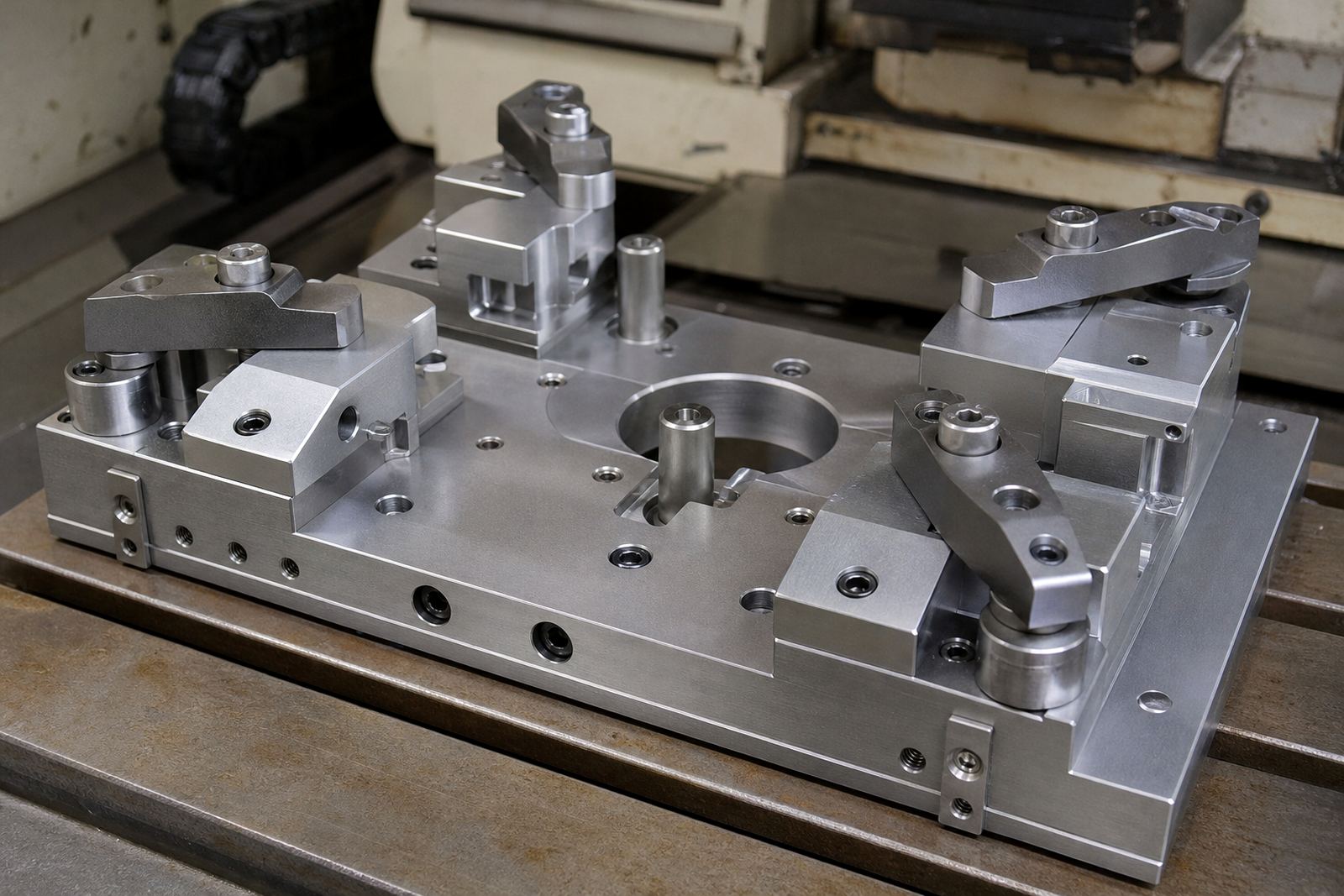
A workholding fixture is a purpose made device that holds a component in a fixed position while machining, inspection or assembly takes place. It can reduce manual setting time, improve part location and make it easier to keep holes, faces and reference edges in the same relationship from one item to the next.
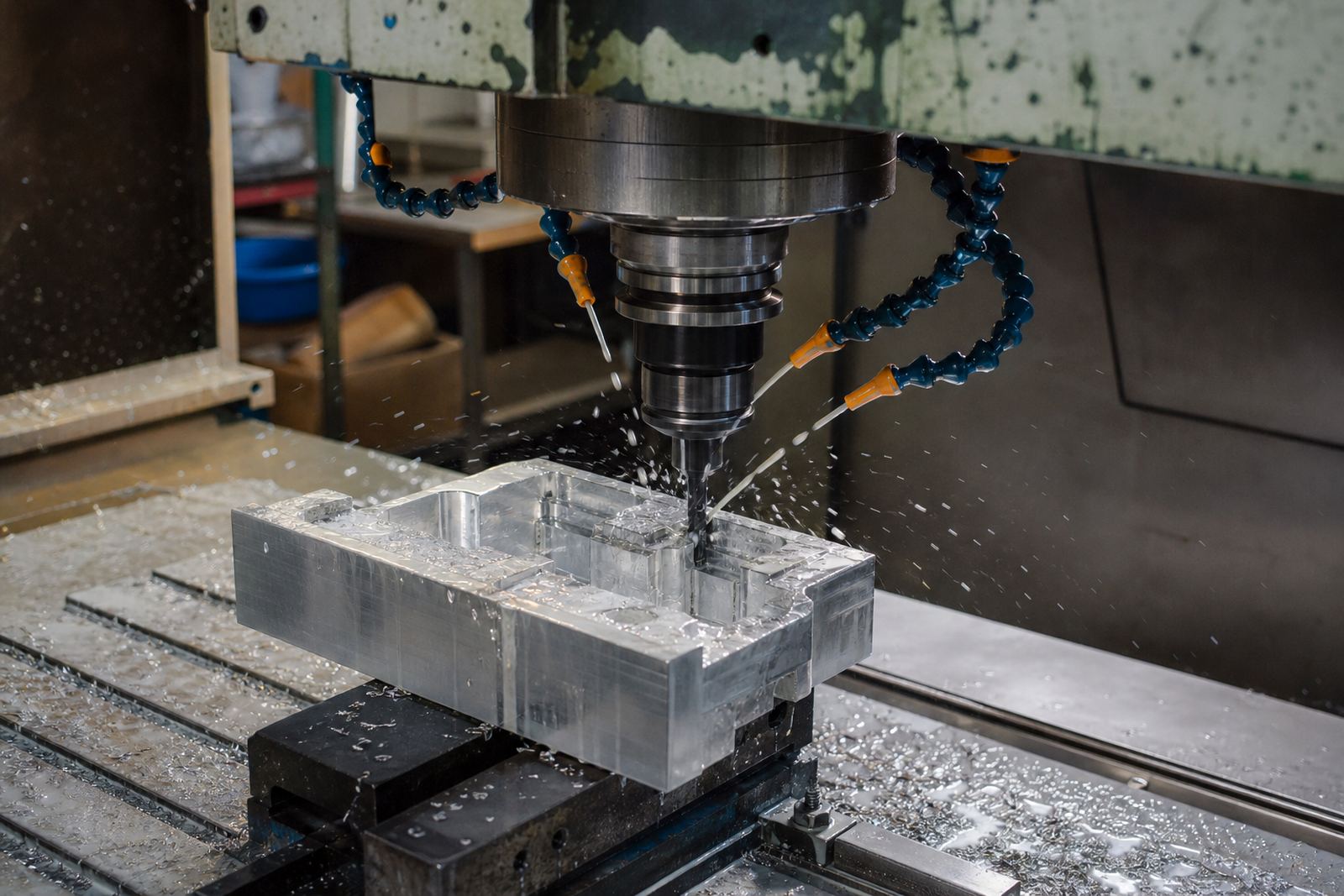
For CNC milling and turning work, a fixture is normally built around the part geometry and the process sequence. That may mean locating pins, stops, clamps, nests, soft jaws or a pallet style base, depending on the job. The aim is simple, steady location and practical access to the cutting tool or measuring point. On a busy line, even a small improvement in clamping and repeatability can save a lot of time over the run.
Fixture Types And Size Options For Small Batch Work
PME CNC Machining supplies fixtures for one off prototypes, short production runs and repeat orders where consistent setup is important. The exact size depends on the component envelope, the machine table or chuck arrangement, and how the part must be supported during loading. Some jobs need compact fixtures for small turned parts, while others need wider plates or multi pocket nests for several components at once.
- Simple location plates for repeat drilling or milling
- Soft jaw sets for turning jobs where the part profile changes
- Pocketed nests for assembled parts or delicate components
- Clamp assisted fixtures for awkward shapes and thin sections
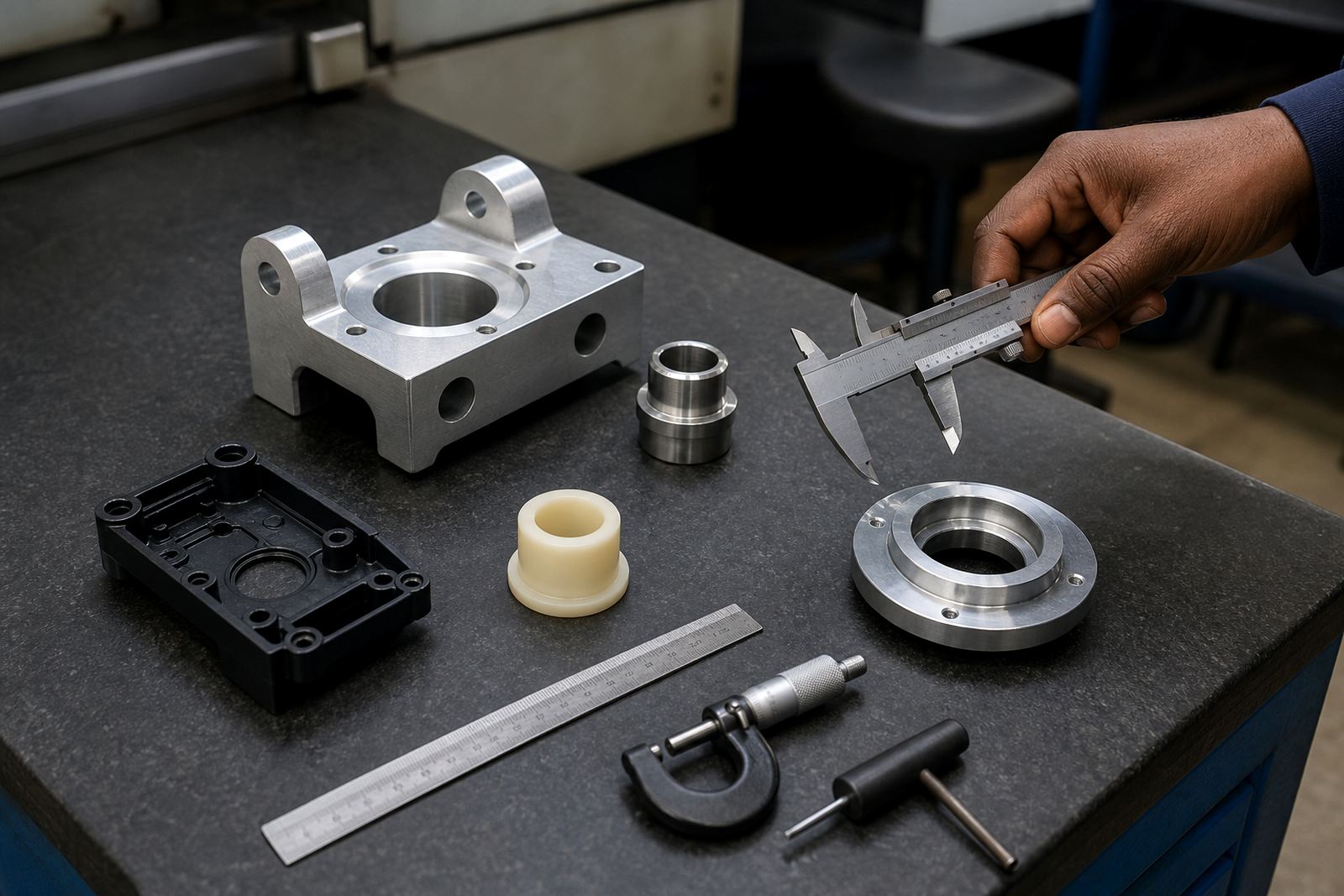
- Reference and gauging fixtures for checking fit before dispatch
Sizes are usually planned around the component, not a standard shelf size. That means the fixture can be kept practical for the actual part, instead of forcing the part to suit the fixture. For coastal clients in Durban and Richards Bay, material choice may also take humidity and corrosion risk into account.
Where These Fixtures Suit Best
Workholding fixtures suit shops that need to make the same part more than once without starting from scratch each time. They are useful in machining, light fabrication, assembly support, inspection benches and rework stations. If a part must align with another component, the fixture can help keep the fit consistent and reduce the risk of scrap from poor location.
They are especially helpful where parts are small, thin, oddly shaped or prone to movement under cutting load. That includes brackets, housings, covers, bushings, locating blocks and other components where hand holding would be unreliable. For factories in Pinetown, New Germany and Westmead, fixtures often fit into the routine of small batch work where flexibility matters more than high volume automation.
- Small batch CNC milling and turning
- Prototype and sample part remake work
- Assembly fit checks and pre fit verification
- Repeat order support for existing jobs
- Inspection reporting and drawing updates where needed
Installation, Setup And Utility Needs
Most fixtures are installed as part of the machine setup or work station arrangement. That may involve bolting the base plate down, aligning locating features to the machine datum, checking clearances and confirming that clamps do not interfere with tooling. On turning jobs, the fixture or soft jaws must be set square and checked before cutting starts.
These fixtures do not usually need power or gas by themselves. However, the process around them may need compressed air for chip blow off, coolant for cutting control, or machine power as per the CNC mill or lathe in use. If the fixture includes a pneumatic clamp, then compressed air supply and line pressure become part of the ordering discussion. It is worth confirming whether the workshop has stable power too, especially where load shedding or voltage dips can interrupt setup.
In some cases a fixture is only useful when the surrounding work area is organised properly. That means enough access for loading, clear marking of the datum, and a safe way to remove swarf without disturbing the part. A tidy setup often matters more than fancy hardware.
Care, Servicing And Repeat Use
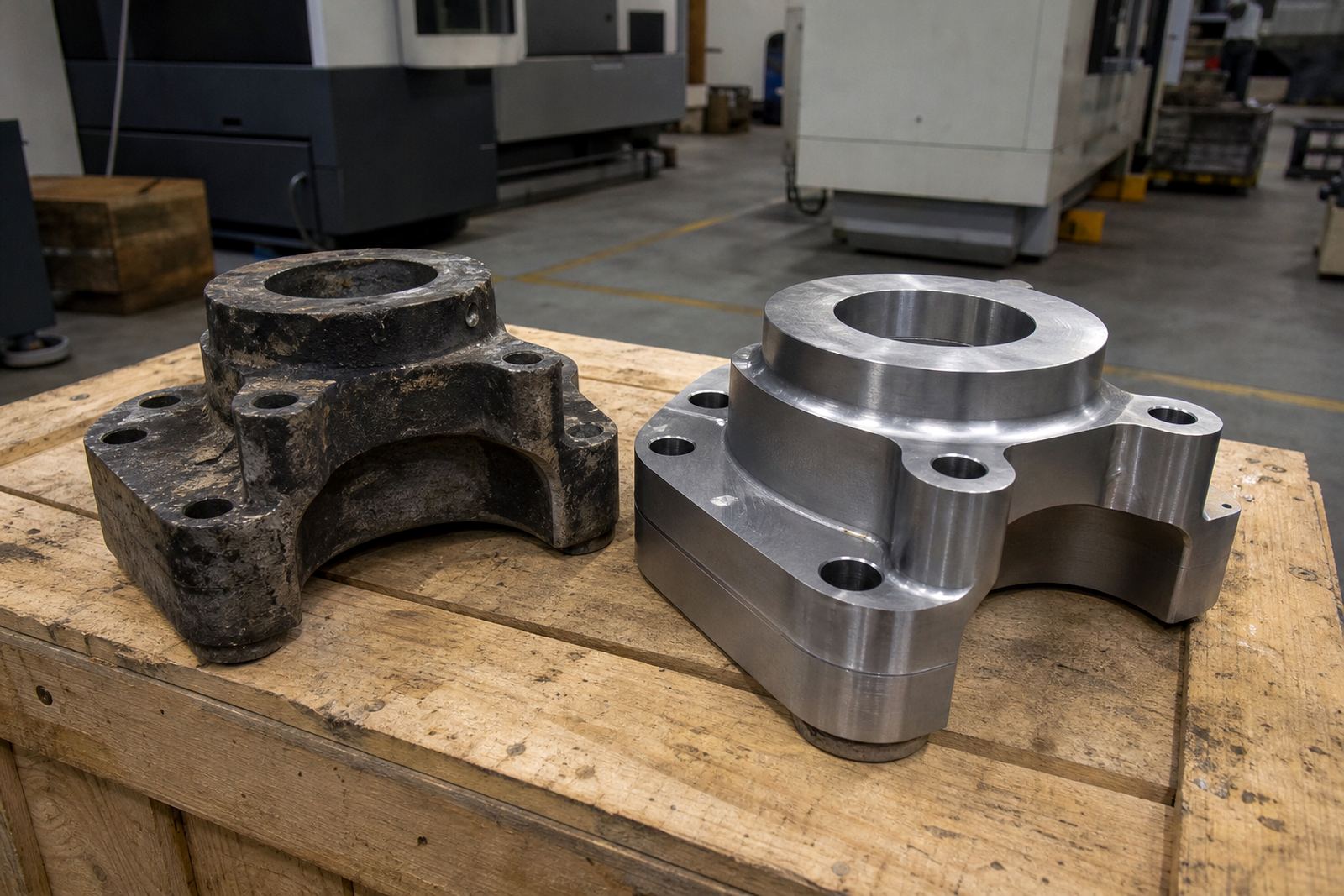
A well made fixture should be checked regularly for wear, looseness and damage to the locating surfaces. Clamps, pins and contact faces can pick up burrs or marks over time, and those small changes affect repeatability. Cleaning after use is important, especially in coastal areas where moisture can encourage surface corrosion if parts are left dirty or wet.
Basic servicing usually includes cleaning chips away, checking fasteners, inspecting jaws or pads, and confirming that any movable parts still run smoothly. If a fixture starts to show inconsistent seating, it may need reworking rather than replacement. PME CNC Machining can support repeat order reviews, sample part remake work and drawing updates when the original arrangement needs adjustment.
- Keep locating faces free of burrs and swarf
- Check clamp pressure and fastener tightness
- Store fixtures dry and clearly labelled
- Review wear marks after repeated runs
- Reconfirm fit if the component drawing changes
What To Check Before You Order
Before ordering a workholding fixture, it helps to gather the part drawing, the material, the target tolerance and the operation sequence. The more clearly the job is defined, the easier it is to plan the fixture around the actual process instead of guessing at the final use. If the part will be machined, assembled and then inspected in the same holding method, that needs to be stated up front.
Check whether the fixture must suit a milling machine, lathe, inspection station or assembly bench, and whether manual clamping or air assisted clamping is preferred. Also confirm the envelope size, the heaviest part weight, the number of parts per cycle and any access limits around the tool path. If the part has thin walls or critical faces, say so early because support points and clamp positions matter. One missed detail can throw the setup off.
- Part drawing and revision level
- Material type and surface finish requirements
- Machining or assembly operation sequence
- Desired repeatability and tolerance guidance
- Machine type, table size and available clamping method
Pinetown Support For Small Batch Fixture Work
PME CNC Machining is based in Pinetown, KwaZulu-Natal and supports clients across Durban, Pietermaritzburg, Richards Bay, Johannesburg and surrounding industrial areas. The team handles drawing review, material selection, prototype planning, batch planning, part optimisation and delivery coordination for small batch production jobs that need practical fixture support.
Founded in 2008, the business is led by Mandla Sibusiso Mkhize with a team that includes production, programming, supervision, quality and client support roles. That setup helps keep fixture discussions practical, from the first drawing review through to inspection reporting and repeat order support. If your process needs a better way to hold, locate or check a part, PME CNC Machining can help plan it with the job in mind.
Key facts
| Product type | Workholding fixtures for CNC milling, turning and assembly support |
|---|---|
| Typical use | Small batch production, repeat parts, inspection and fit checks |
| Material options | Common fixture metals and engineering materials selected to suit the job |
| Tolerance guidance | Set to the drawing and process requirements, confirmed per order |
| Size range | Built to suit the component envelope and machine setup |
| Utility needs | Usually none, unless pneumatic clamping or machine air supply is specified |