What a Shaft Coupling Does in a Machine Assembly
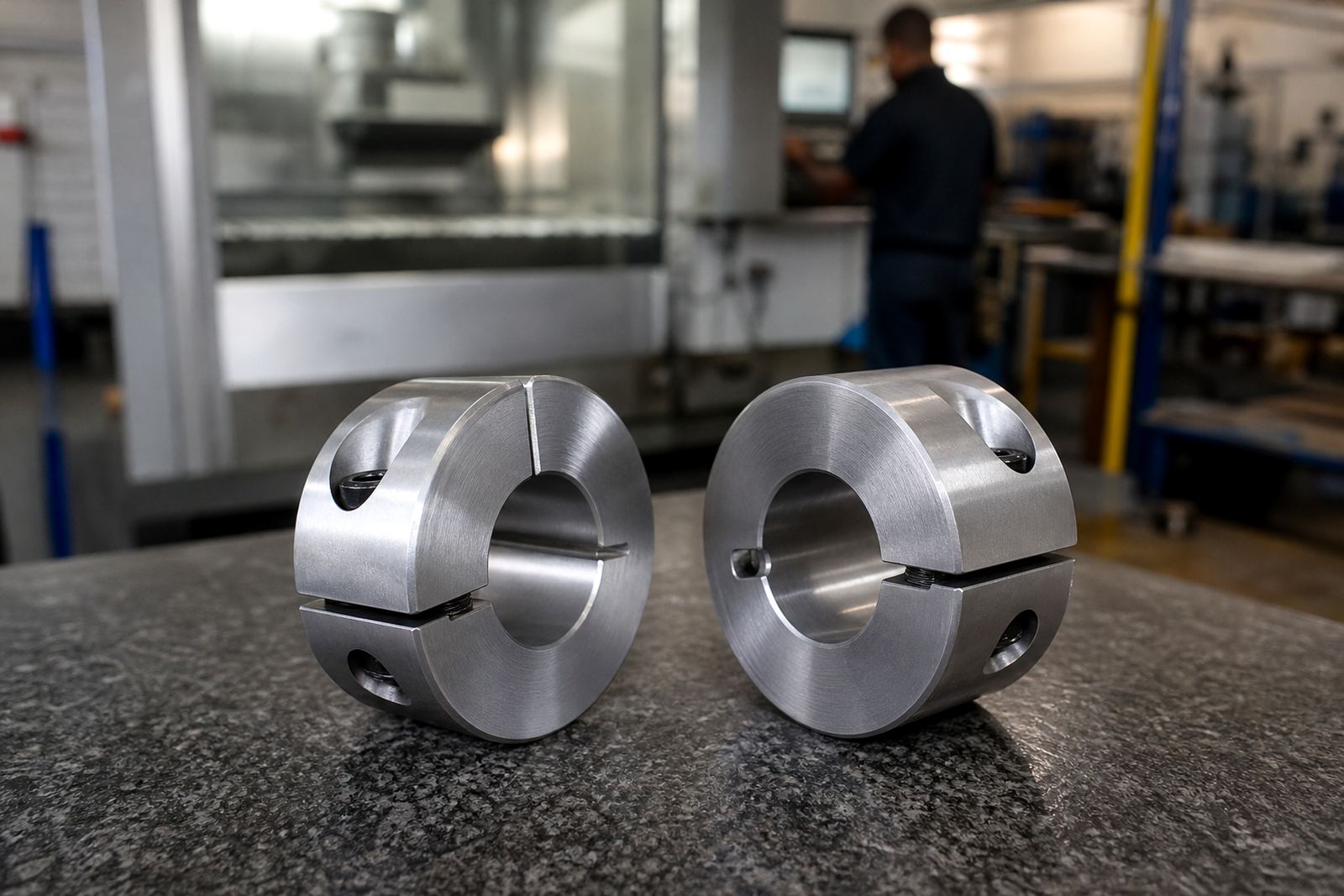
A shaft coupling joins two shafts so power can be transmitted from a motor, gearbox, pump or driven unit without unnecessary play. In practical terms, it helps keep the drive line working while allowing for a small amount of offset, end float or vibration depending on the coupling style and the application.
For many local plants and workshops, a well-machined coupling saves time during maintenance because the part can be made to the exact shaft diameter, keyway and bolt pattern required. That matters on equipment in Durban’s humid coastal conditions, as well as inland sites where dust, heat and load-shedding can all affect machine uptime.
We machine coupling components in small batches for new builds, repairs, replacements and repeat production. If a part has worn from constant service, a damaged bore or a poor previous fit, we can work from a drawing, sample, or measured part and help put the dimensions back in line.
Sizes, Bore Options and Machining Features We Commonly Handle
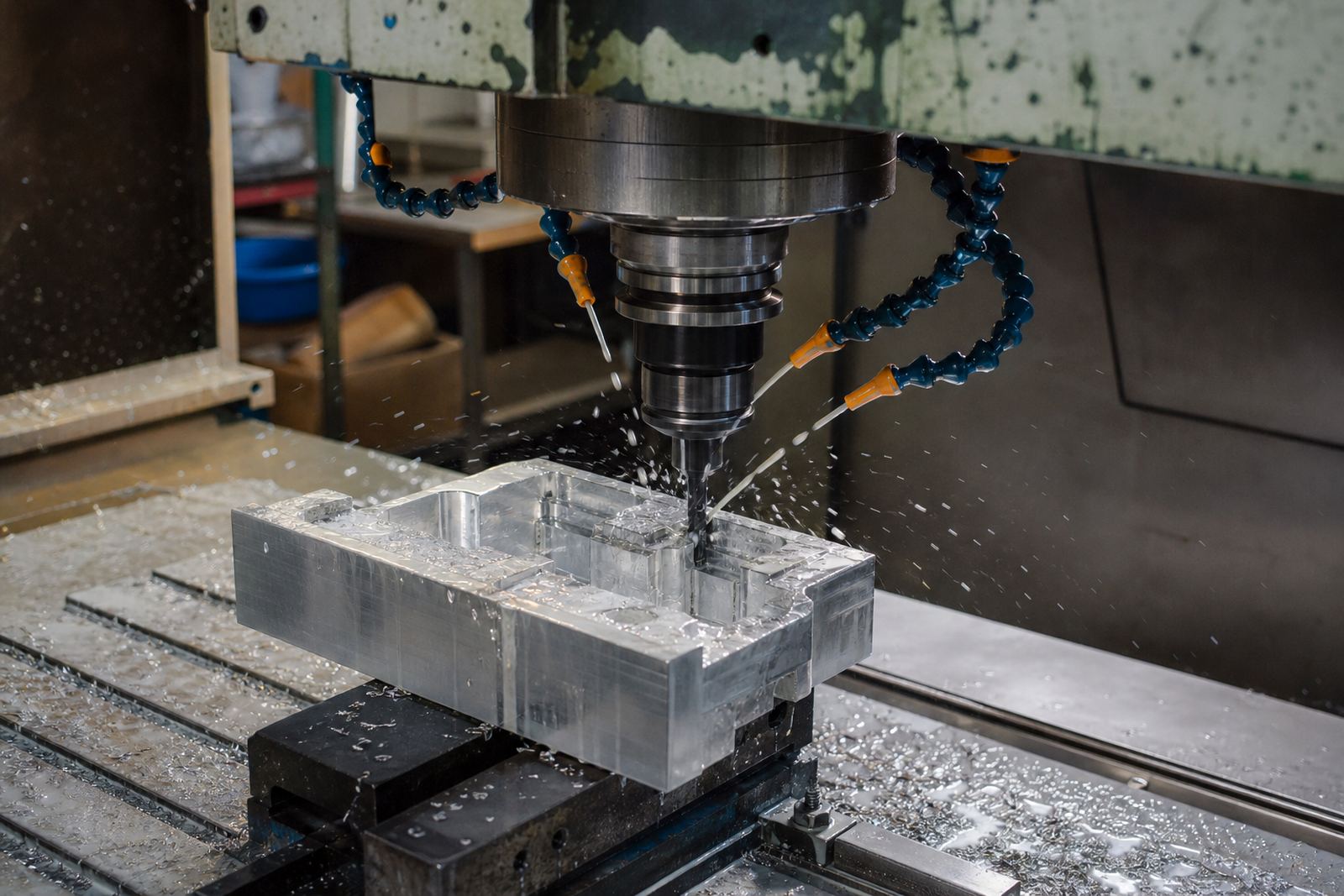
Shaft couplings are not one-size-fits-all. We machine parts to suit the shaft diameter, hub length, flange arrangement and fixing method needed for the machine. Depending on the job, that may mean a straight bore, stepped bore, taper fit, keyway, grub screw positions, bolt circle drilling, recesses or faced ends for proper seating.
Typical work covers compact couplings for smaller equipment as well as larger assemblies where the hub section and face need careful control. We machine for small-batch production, so if you need a few test pieces first and then a repeat run after checking fit, that process can be handled in stages.
Where a customer already has a worn or damaged coupling, we can also work from the original part so the replacement matches the existing shaft and housing arrangement. That is often the simplest route when the machine is already installed and downtime needs to stay as short as possible.
- Bore sizes matched to shaft measurements from sample or drawing
- Parallel, stepped or faced hub sections
- Keyways and fixing features as required by the job
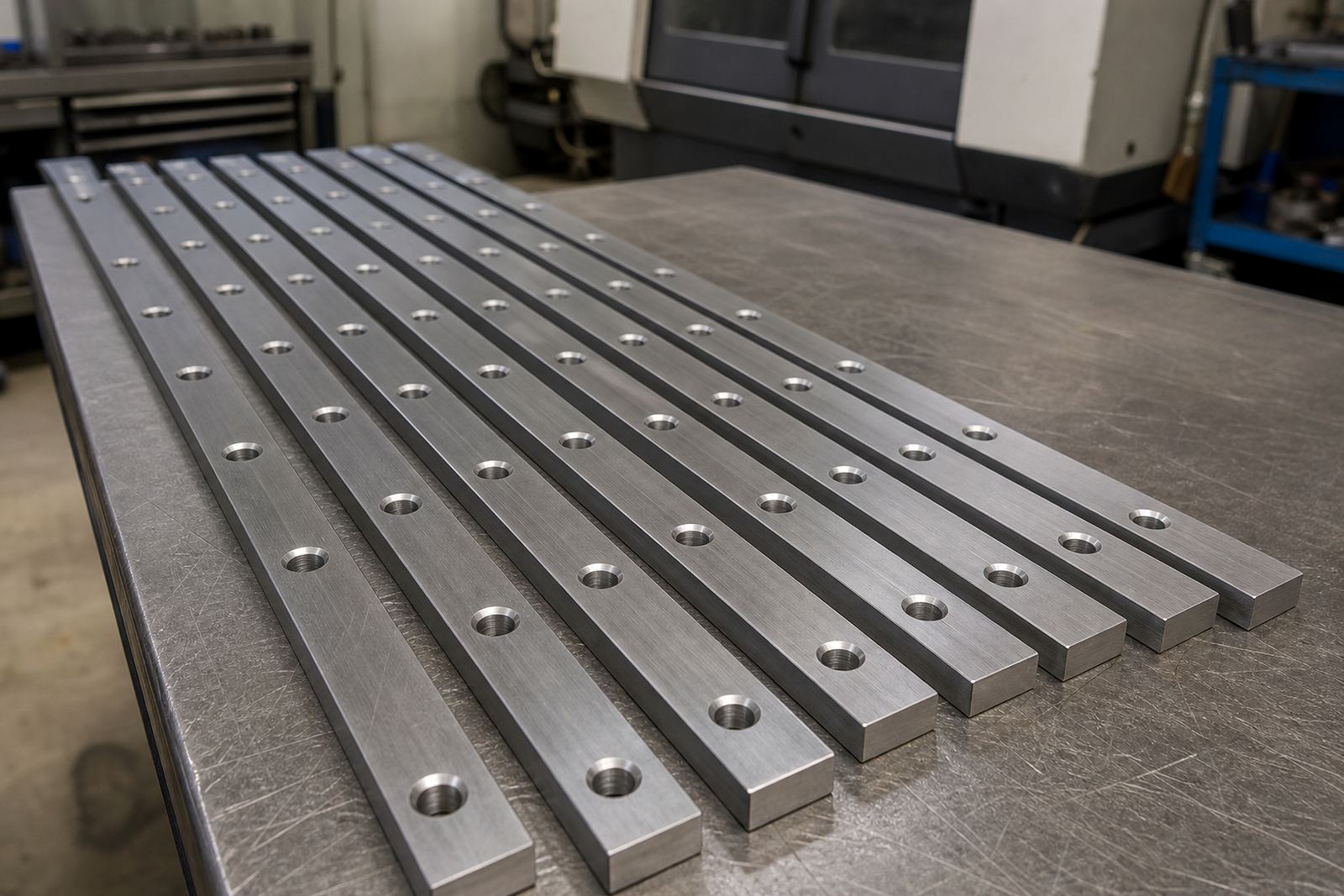
- Flange drilling patterns for bolted assemblies
- Repeatable batches for spare stock and maintenance use
Materials and Tolerances for Real Workshop Conditions
Material choice depends on load, wear, corrosion exposure and the surrounding equipment. For shaft couplings, common machining stock can include carbon steel, alloy steel, stainless steel and engineering plastics for lighter duty or special fitment needs. The best choice is usually the one that matches the service conditions rather than simply the hardest material available.
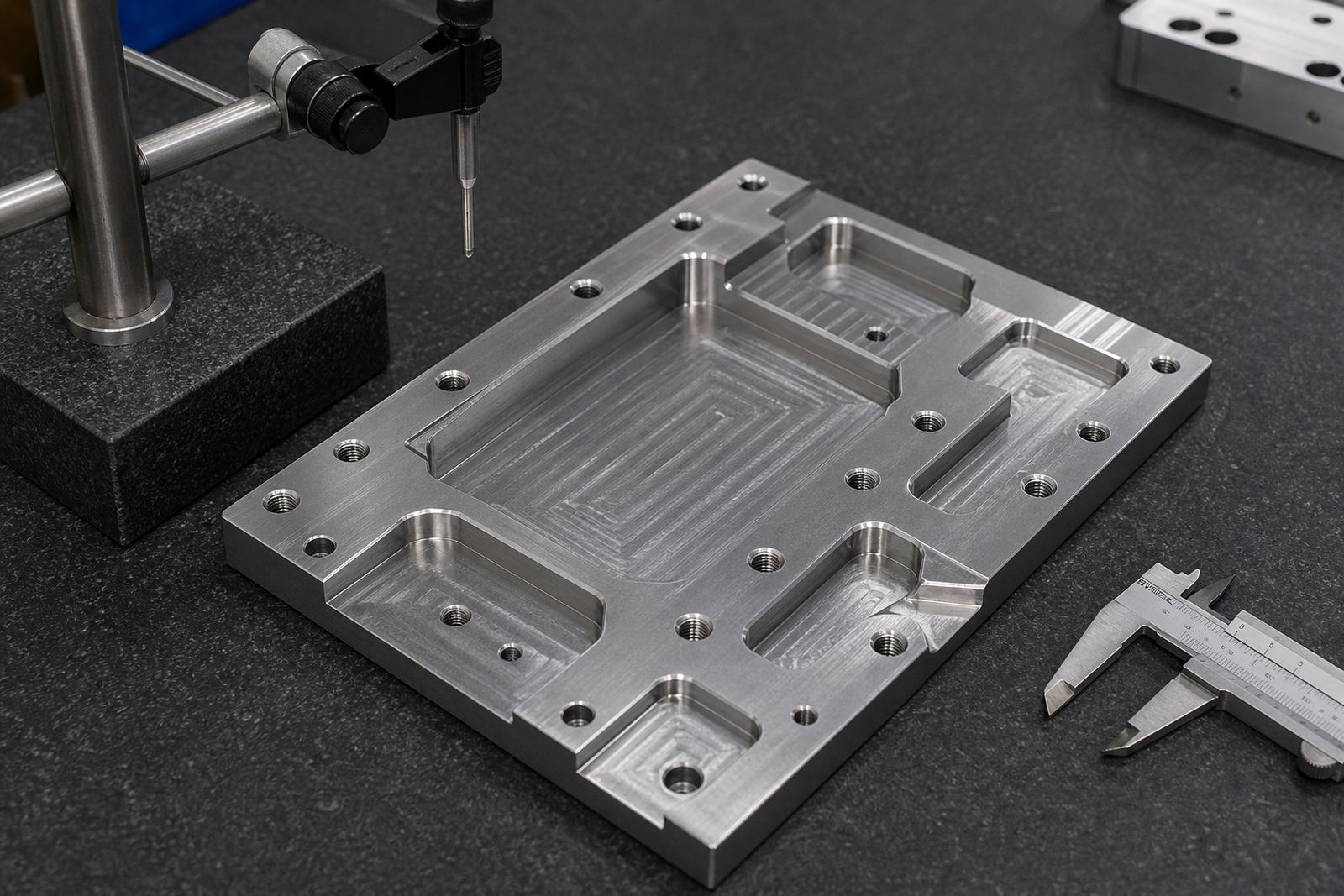
Tolerance control matters because a coupling that is too tight can make installation difficult, while one that is too loose can introduce movement, wear and noise. We work to the drawing requirement or the measured fit needed for the application, and where the job needs it we can discuss practical tolerance guidance before production starts. On shafts that run continuously, that attention to fit can make a real difference to service life.
Coastal humidity around places like Umhlanga, Durban and Richards Bay can influence material selection and finishing. In some cases, a more suitable material or surface finish may help reduce corrosion or fretting where the coupling sees frequent removal and refitment.
Where Shaft Couplings Suit Best
We see shaft couplings used in general engineering, maintenance departments and plant repair work across South Africa. They suit jobs where two shafts must be joined cleanly and kept in line enough for the machine to run properly. That includes conveyor drives, pump sets, mixers, packaging lines, light fabrication equipment and other rotary machinery.
Because PME CNC Machining focuses on small-batch work, we are often called on when a standard shelf part is not available in the right size or does not match an existing assembly. The Pinetown location makes it practical for work across Westmead, New Germany and greater Durban, while we also support clients sending in drawings and samples from Pietermaritzburg, Richards Bay and Johannesburg.
For many customers, the advantage is being able to specify only what is needed, without over ordering. That can be useful where a maintenance team needs a short run of spares, or where an OEM is proving out a new build and needs a few trial parts before freezing the drawing.
Installation, Fitment and Power Considerations
When fitting a shaft coupling, the key points are shaft alignment, correct fastening and suitable clearance around the assembly. If the coupling is being installed into an existing drive line, the condition of the shafts, keyways, bores and fasteners should be checked before final assembly. A poor fit can create extra vibration, heat and wear on nearby bearings or seals.
Most coupling jobs need mechanical fitment rather than any special gas supply. If the equipment forms part of a powered system, the machine may be tied into an electrical drive or motor arrangement, but the coupling itself is a machined component and does not usually require a separate power or gas connection. What matters most is that the installed part can carry the expected load and still be serviceable later.
Where access is tight or the machine is frequently stopped and started, it is worth asking for assembly fit checks before release. That can save time on site, especially when municipal sites, factories or workshops need work completed within a planned shutdown window.
Care, Servicing and Repeat Order Support
Shaft couplings should be checked during routine maintenance for looseness, fretting, wear around the bore, damaged keys, cracked faces and signs of misalignment. If a coupling keeps loosening, the cause is often found in the installation or the surrounding drive line rather than only in the machined part itself.
For equipment that runs through long shifts, cleaning and inspection are important because dirt and moisture can work into contact surfaces over time. In coastal areas, a bit of extra attention to exposed steel parts can go a long way. If the coupling needs a replacement after wear or damage, we can support repeat orders from the original drawing, updated measurement set or approved sample.
Our team in Pinetown, including Mandla Sibusiso Mkhize, Anele Nondumiso Dlamini, Johan Petrus van Wyk, Siyabonga Patrick Zulu, Naledi Refilwe Molefe and Kyle Brendan Naidoo, handles drawing review, sample part remake, inspection reporting and delivery coordination so the job moves in a practical order from enquiry to completion.
Key facts
| Product type | Custom machined shaft couplings for torque transmission and equipment connection |
|---|---|
| Typical work | Small-batch production, replacement parts, prototype pieces and repeat orders |
| Machining operations | Turning, milling, boring, keyway work, drilling and face machining as required |
| Materials | Carbon steel, alloy steel, stainless steel and selected engineering plastics |
| Fitment factors | Shaft diameter, keyway, alignment, bolt pattern, torque and duty cycle |
| Service area | Pinetown, Durban, Westmead, New Germany, Pietermaritzburg, Richards Bay and Johannesburg |