Project brief from Durban North
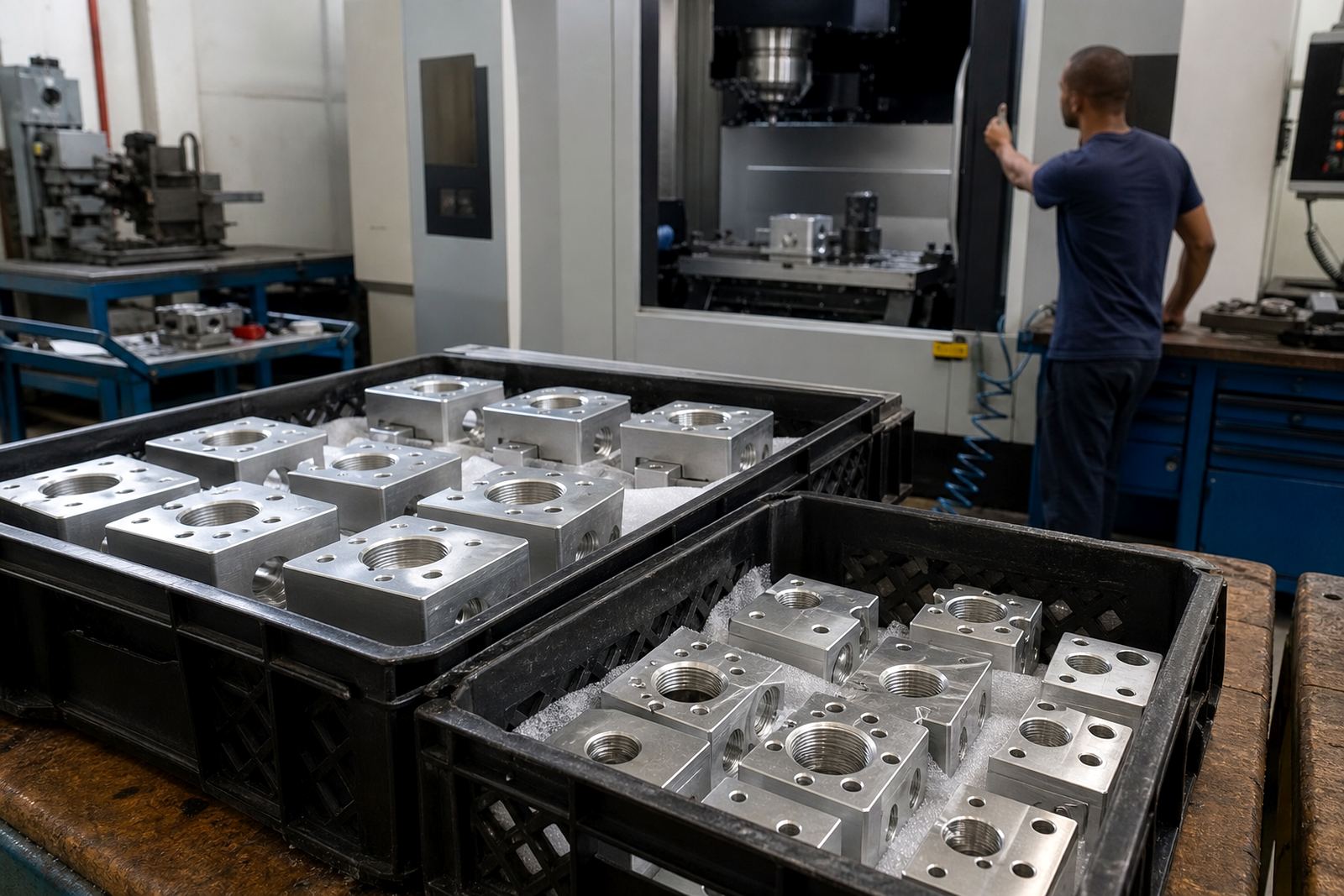
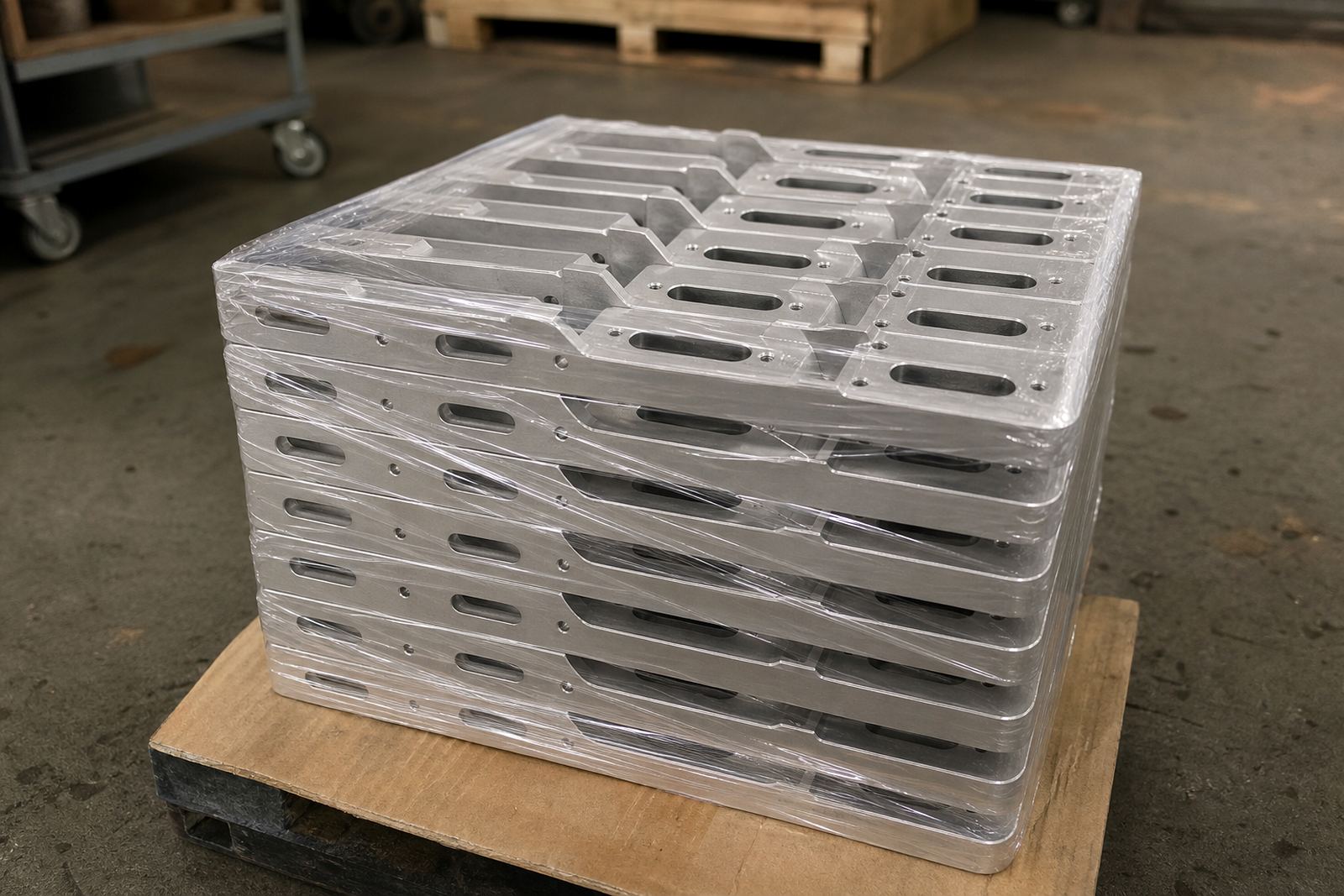
The client was a Durban North equipment owner carrying out an upgrade on a compact mechanical assembly. The original brackets were no longer suitable for the revised layout, so the brief called for neat replacement parts in small quantities, made from aluminium and matched to existing fixing points. The parts had to support a cleaner fit without forcing changes to the rest of the assembly.
We started with the drawing review and a quick check on the critical dimensions, hole positions and edge conditions. For this type of job, the main risk is not the raw machining itself, but the small errors that creep in when a bracket has to land in a tight position and still line up with surrounding components. One hole a fraction out can create unnecessary rework on site.
- Client type: equipment owner in Durban North
- Job type: small-batch replacement brackets
- Material: aluminium
- Purpose: equipment upgrade and fit correction
- Primary concern: hole pattern, edge finish and repeatable fit
What the job needed to cope with
Although the order was small, the parts still had to behave like production components. The brackets would be fitted to existing hardware, so the spacing and flatness had to work with the assembly rather than against it. We also had to keep the edges clean for handling and installation, with no burrs that could interfere with mating parts or create sharp points for the installer.
Because the parts were intended for a Durban coastal environment, material choice and finish were discussed early. Aluminium is a practical option for many bracket applications because it machines well and keeps the part weight down. For exposed use near humid air, we look carefully at surface condition, contact points and any areas where moisture could sit. It is simple enough work on paper, but the little details matter.
- Neat geometry for a revised equipment layout
- Suitable fit on existing mounting points
- Clean deburring for safe handling
- Practical material choice for a humid coastal area
How we planned the machining
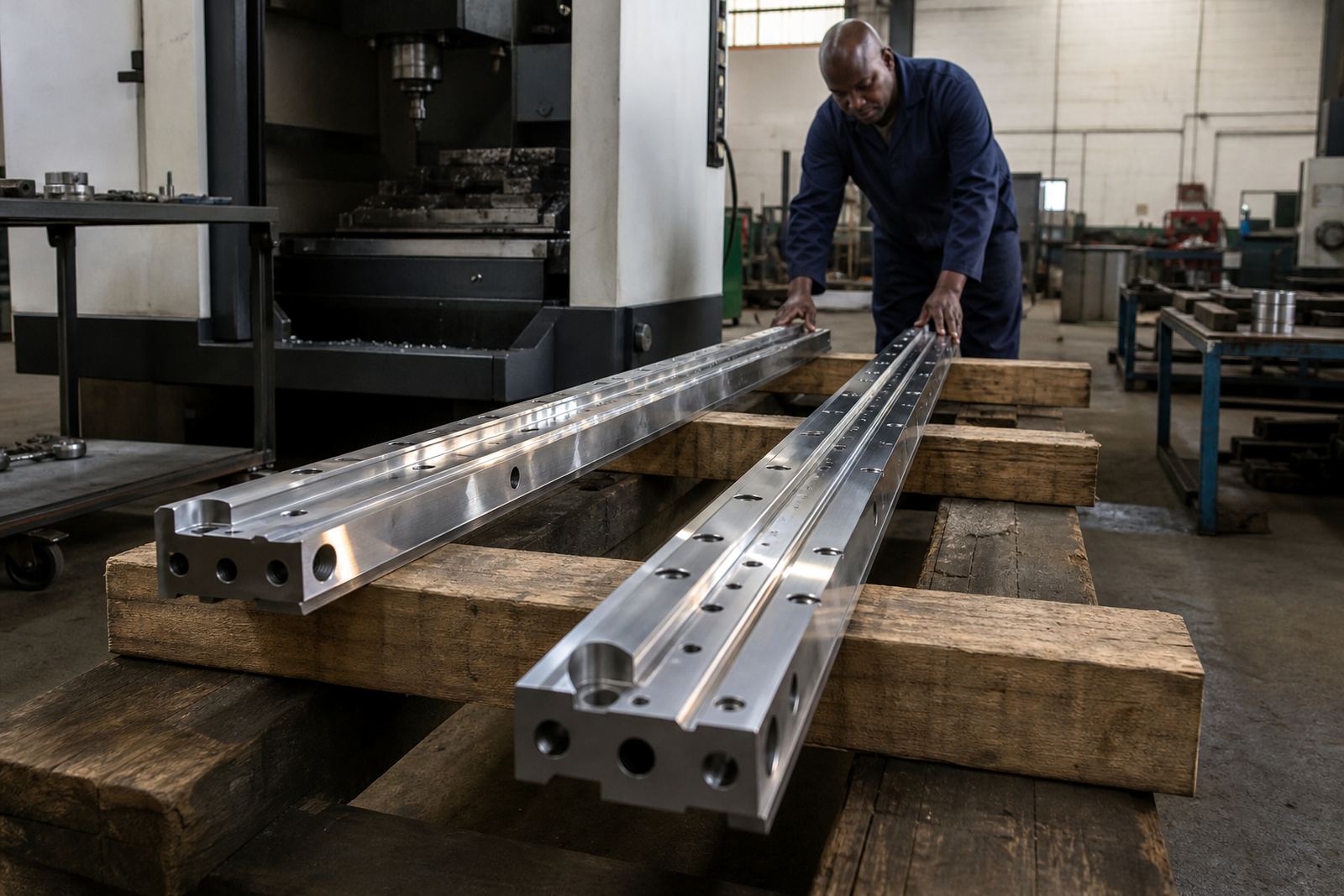
The parts were planned as a combination of CNC milling and turning where needed for the hardware interface. Milling suited the bracket profiles, faces and hole positions, while turning was used only where a round spacer or related feature needed to be controlled accurately. We kept the process simple and efficient so the work could move through the shop without unnecessary handling.
For small batches, setup discipline is just as important as cycle time. We checked datum points, clamping access and tool reach before cutting the first part, then confirmed the pattern against the drawing and the physical reference points supplied by the client. Where tolerances are tight, the safest approach is to control them by process and inspection rather than by assumption.
- Drawing review before cutting
- Process split between milling and turning where required
- Setup checks for datum and clamp access
- First-off inspection before the batch continued
Machining, checking and part finishing
The brackets were machined in Pinetown over a short two week turnaround, with the first parts checked before the remaining pieces were completed. After cutting, each component was deburred and inspected for hole position, face finish and overall consistency. We also checked that the parts seated properly against the mating surfaces, because a bracket can look fine on the bench and still cause trouble once bolted in place.
Inspection reporting formed part of the job handover, along with notes on any areas that could benefit from a drawing update on future repeats. That kind of feedback is useful when a customer plans to reorder later or wants to simplify the fit next time. It saves time and reduces the chance of a repeat mismatch, especially on small batches where every part counts.
- Turnaround: two weeks
- Deburring and edge cleanup completed on all parts
- Fit checked against the supplied assembly points
- Inspection notes prepared for the client
Results on site
The finished brackets gave the client a tidy set of replacement parts that matched the upgrade requirements and slotted into the assembly without forcing a redesign. The clean hole pattern and controlled fit helped the installation go ahead with less adjustment on site, which is often the difference between a quick job and a frustrating one. The small batch format also meant the client did not have to hold excess stock.
For us, the result was straightforward: a well-defined aluminium bracket job completed to the drawing, with the practical checks in place that make repeat fitting easier. Jobs like this are common in Durban and the surrounding areas where small equipment changes need parts that are accurate but not overcomplicated. That is the kind of work we prefer, because it rewards careful planning more than fancy claims.
- Neat replacement parts for an equipment upgrade
- Less on-site adjustment needed
- Small quantity production matched to actual demand
- Ready for repeat order support if needed
What we would do again on a similar job
For a similar Durban North bracket order, we would follow the same approach: review the drawing first, confirm the mounting conditions, choose the material with the environment in mind, and machine a first-off sample before releasing the balance of the batch. That sequence keeps the job practical and avoids waste. It also makes it easier to respond if the customer later wants a small change to a hole position or edge detail.
We would also keep the communication direct from the start. Small-batch machining is best when the client can explain the application clearly, and we can translate that into usable part geometry. It is not about overcomplicating the process, it is about making sure the finished parts do the job properly in the field.
- Review the application before machining starts
- Confirm mounting details and material choice
- Check the first part before completing the batch
- Keep drawing updates ready for future repeats
Key facts
| Project location | Durban North, KwaZulu-Natal |
|---|---|
| Workshop base | Pinetown, KwaZulu-Natal |
| Part type | Aluminium brackets |
| Batch size | Small quantity production |
| Process | CNC milling with turning where required |
| Turnaround | Two weeks |