Pump maintenance parts for a busy Isipingo site
The work came from a local industrial site in Isipingo that needed a small batch of pump spacers and sleeves to support planned maintenance. The client did not need a large production run, just dependable parts that would slot into the existing assembly without extra rework.
In pump maintenance, even a simple spacer can cause trouble if the face lengths are off, the bore is not concentric, or the finish is too rough. We treated the job as a fit and function project first, then set out the machining process around that. The brief was practical: keep the parts consistent across the batch, match the existing drawing requirements as closely as possible, and make sure the maintenance team could install them without wasting time on site.
Brief, constraints and what had to be watched
The main constraint was time. The client was working to a maintenance window, so the parts had to move through drawing review, machining, inspection and collection in a controlled sequence. There was also the usual issue with older plant hardware: sometimes the drawing is not the full story, and the actual measured part on site tells a different story.
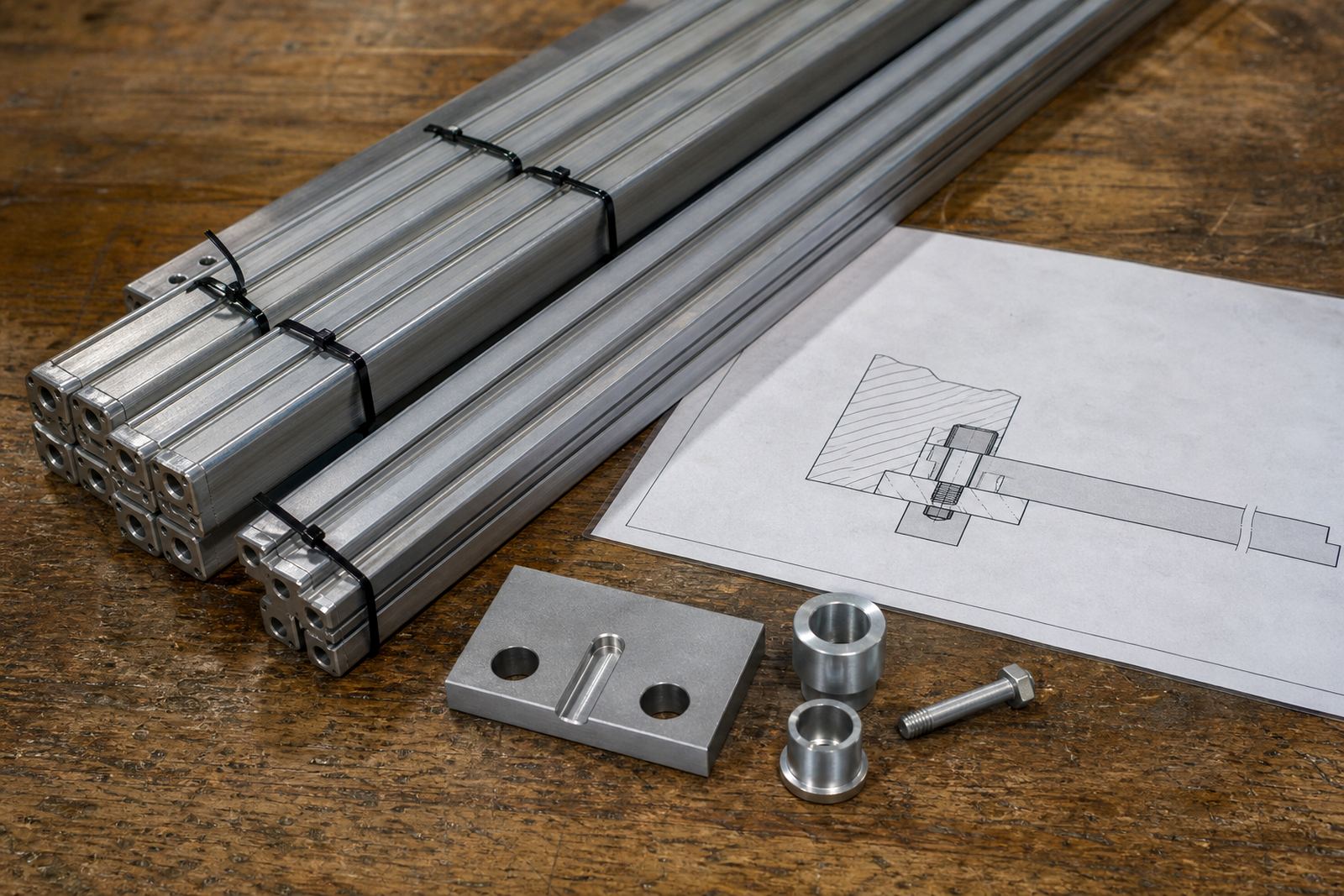
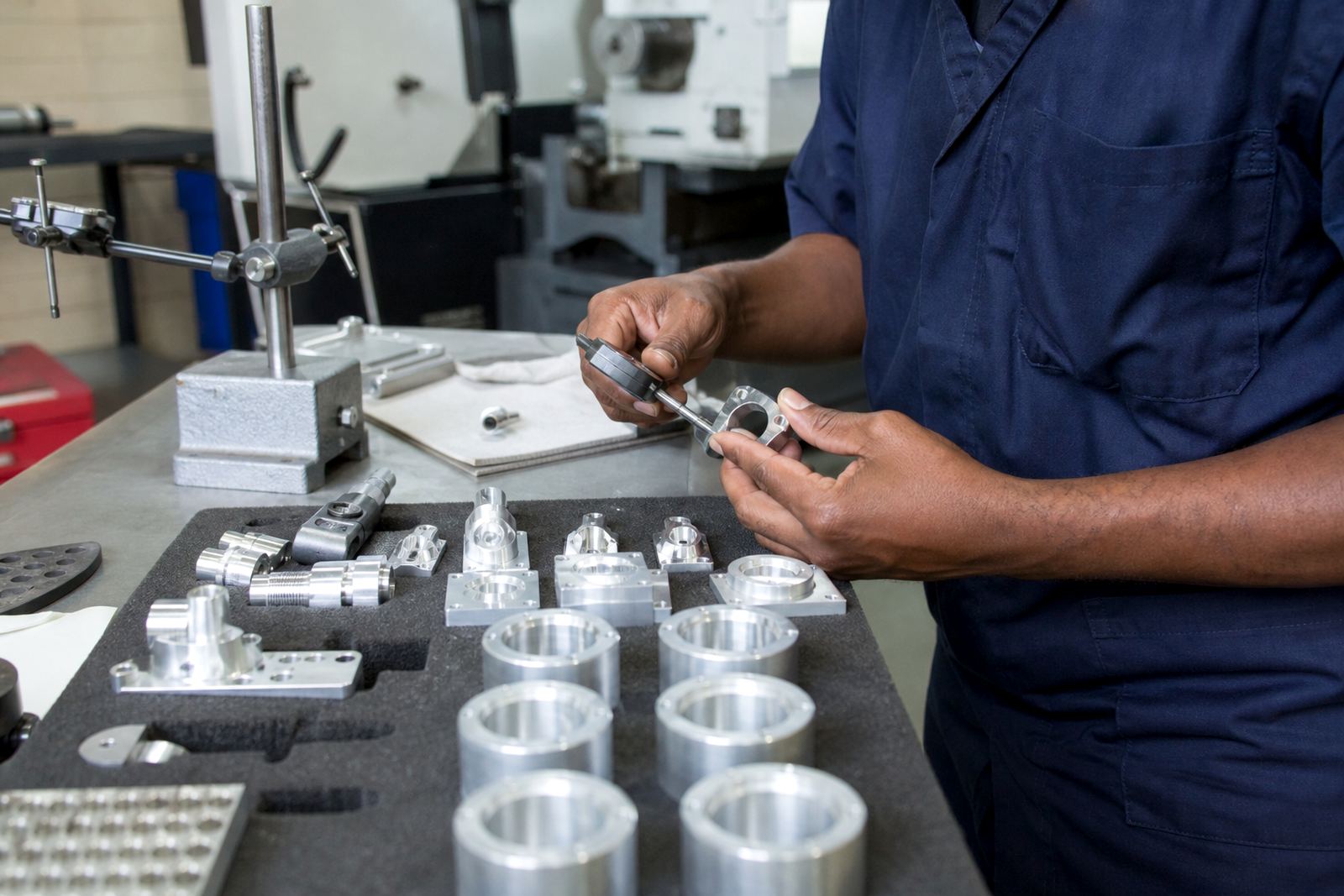
We reviewed the supplied information and checked the dimensions that matter most on a spacer or sleeve, including outer diameter, bore size, face length and squareness of the cut faces. Where needed, we guided the client on tolerance risks and material suitability for a pump environment. In coastal KwaZulu-Natal, humidity and general exposure can matter as much as the load on the equipment, so material choice and finish both needed attention.
- Short-run quantity for maintenance use
- Fit to existing pump components
- Controlled face length and bore alignment
- Repeatable parts across the batch
- Inspection before dispatch
CNC milling and turning used on the job
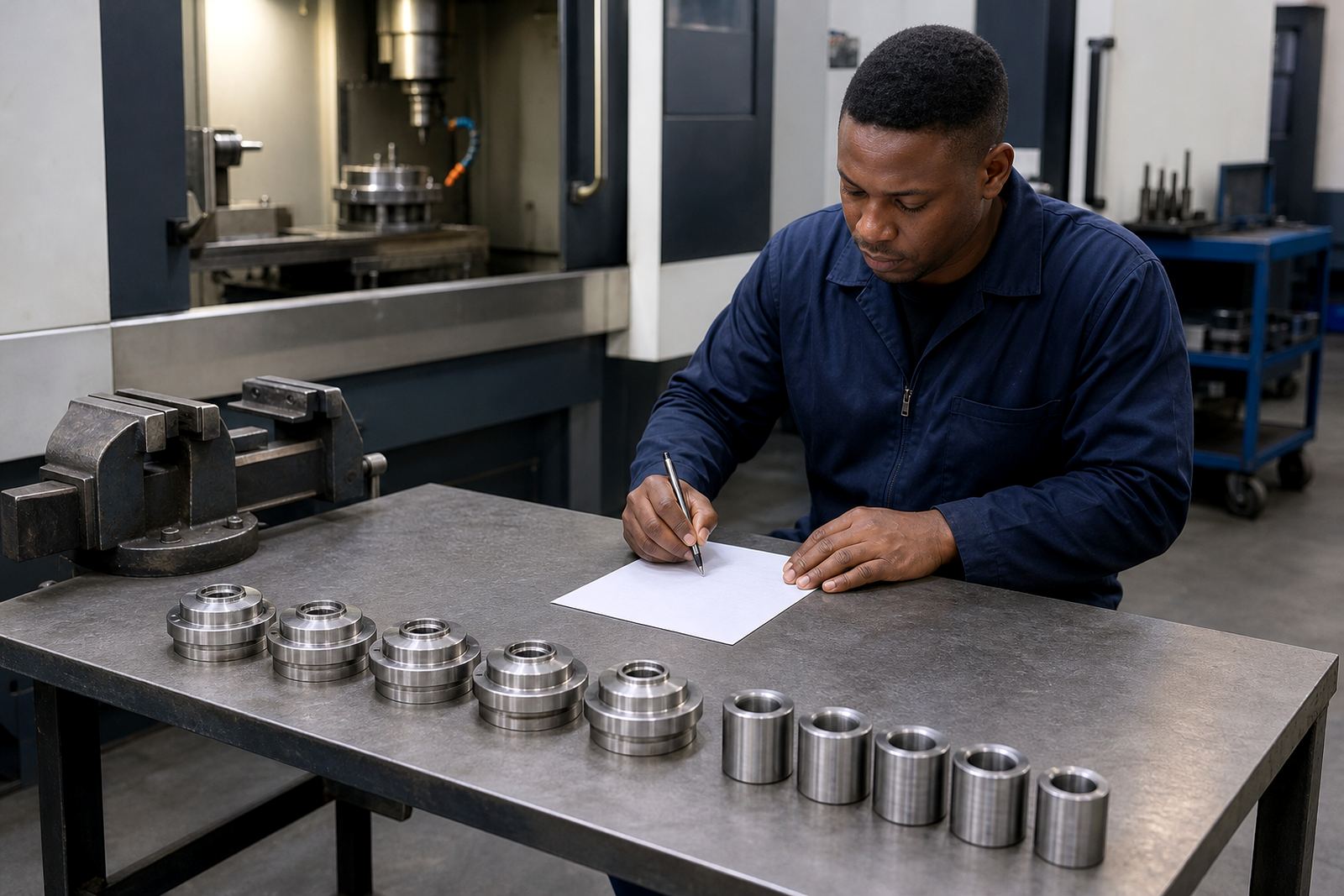
This project used standard CNC milling and turning methods suited to small-batch work. Turning was the right approach for the sleeve style parts, where the outside diameter, bore and end faces needed to stay true to one another. Milling supported any flats, slots or secondary features that had to line up with the assembly.
We do not promise the same tolerance on every job, because each component, material and setup changes what is sensible, but the aim is always to work to the drawing and the measured requirement on the day. For a pump spacer or sleeve, clean concentricity and a good surface finish are often more important than trying to overcomplicate the process. That is the practical side of small-batch machining, and it saves time later when the maintenance team is trying to get a machine back online.
Materials, finish and key specs
The parts were produced from general engineering material selected for machining stability and service suitability. For this type of work, we typically consider metals that machine cleanly, hold dimensions well and suit the operating environment. If a job is exposed to moisture, heat, vibration or regular washdown, material choice becomes part of the job rather than an afterthought.
For the Isipingo pump spacers, the key specs centred on fit and repeatability rather than fancy extras. The batch was made as matched parts so the maintenance team could install them with less checking on site. A clean deburr and consistent face finish were included because those small details matter when a spacer sits between pump parts and helps maintain the correct alignment.
- Part type: spacer and sleeve components
- Use: pump maintenance and assembly fit
- Production type: small batch, short run
- Processes: CNC turning, CNC milling and deburring
- Finish: clean machined finish with inspected edges
- Control focus: length, concentricity and fit
Timeline from drawing check to dispatch
The job moved through our normal small-batch workflow over a short turnaround measured in weeks, not months. The first stage was drawing review and confirmation of the critical dimensions. After that we planned the setup, confirmed the material, cut the parts and carried out inspection before release.
Because the batch was small, the process had to stay efficient without rushing the checks. That balance matters in shop work. If you skip the check, the rework costs you later. If you overcomplicate a simple spacer job, you lose time for no gain. We kept the sequence tight and manageable, and that helped the client stay on schedule for the maintenance window.
- Week 1: brief review and dimension check
- Week 1 to 2: material selection and machining setup
- Week 2: production and first-off inspection
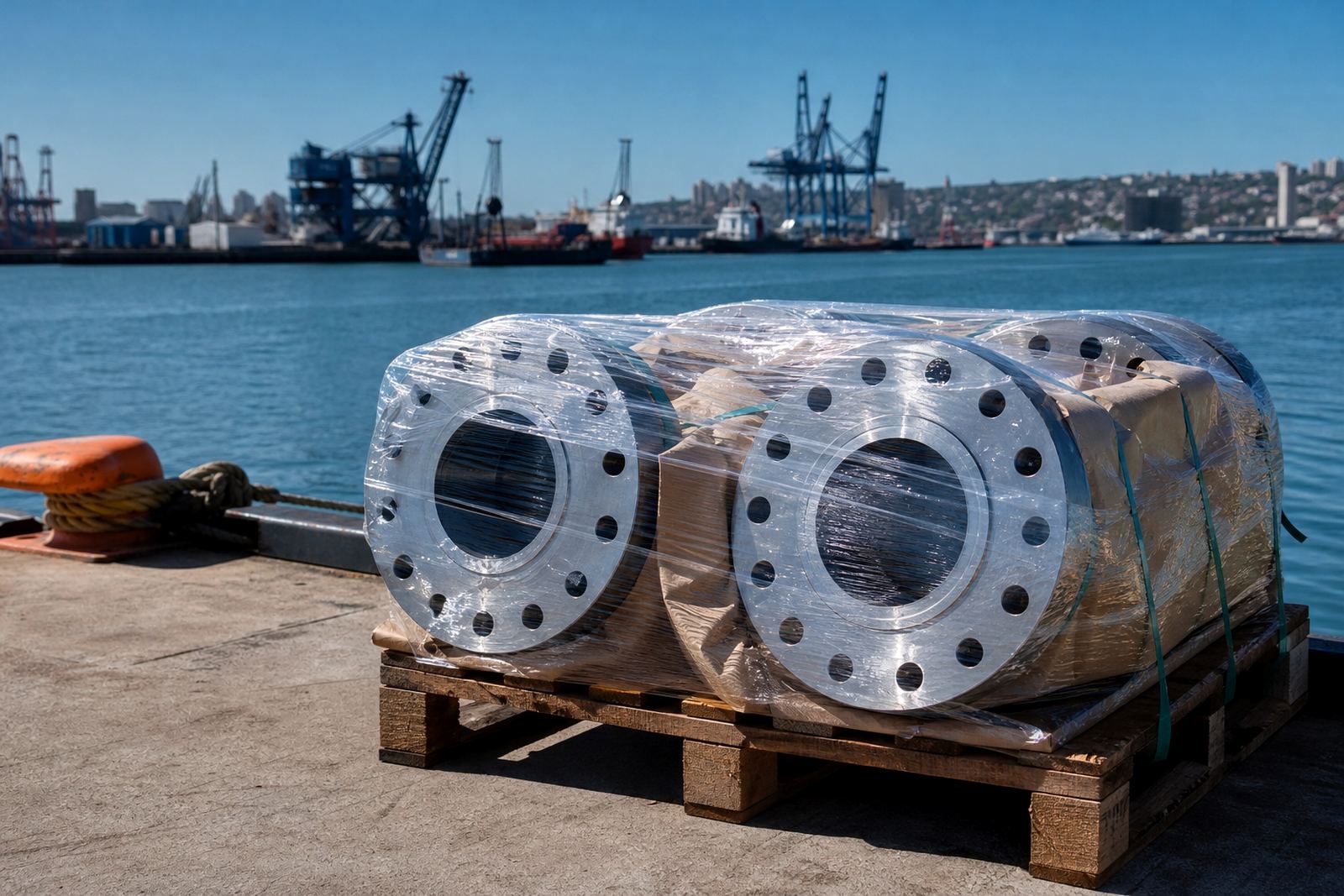
- Week 2 to 3: batch completion, final inspection and dispatch
What the client gained on site
The result was a set of spacers and sleeves that supported the maintenance team without slowing the job down. The parts arrived ready for assembly, which reduced fitting time and removed the uncertainty that comes with worn or mismatched components. For a plant team, that means less time spent checking and shimming, and more time getting the system back into service.
It also gave the client a cleaner reference point for repeat maintenance. When a short-run batch is made properly, the next order is easier to plan because the drawing notes, fit requirements and finished part details are all clearer. That helps on future shutdowns, especially where parts are needed across Durban, Pinetown and the wider KZN industrial belt. The site could keep its maintenance schedule moving, and that was the main win.
What we would do again for a repeat order
If the same Isipingo job came back, we would follow the same approach: confirm the actual measurement requirements first, review any worn sample parts if they are available, and lock in the tolerance guidance before production starts. That is the best way to avoid surprises when a pump assembly has already seen years of service.
We would also keep the ordering process simple for the client team. Small batches work best when the drawings are clear, the critical dimensions are marked, and any revision notes are captured before machining begins. That leaves less room for back-and-forth later. For this kind of work, clear communication and careful setup are usually worth more than any fancy claim.
Key facts
| Project | Isipingo pump spacers and sleeves |
|---|---|
| Location | Isipingo, KwaZulu-Natal |
| Client type | Industrial maintenance team |
| Service scope | Drawing review, machining, inspection and dispatch |
| Production type | Short-run, small-batch CNC job |
| Primary focus | Fit, concentricity, face length and repeatability |