Project brief for a Prospecton factory support team
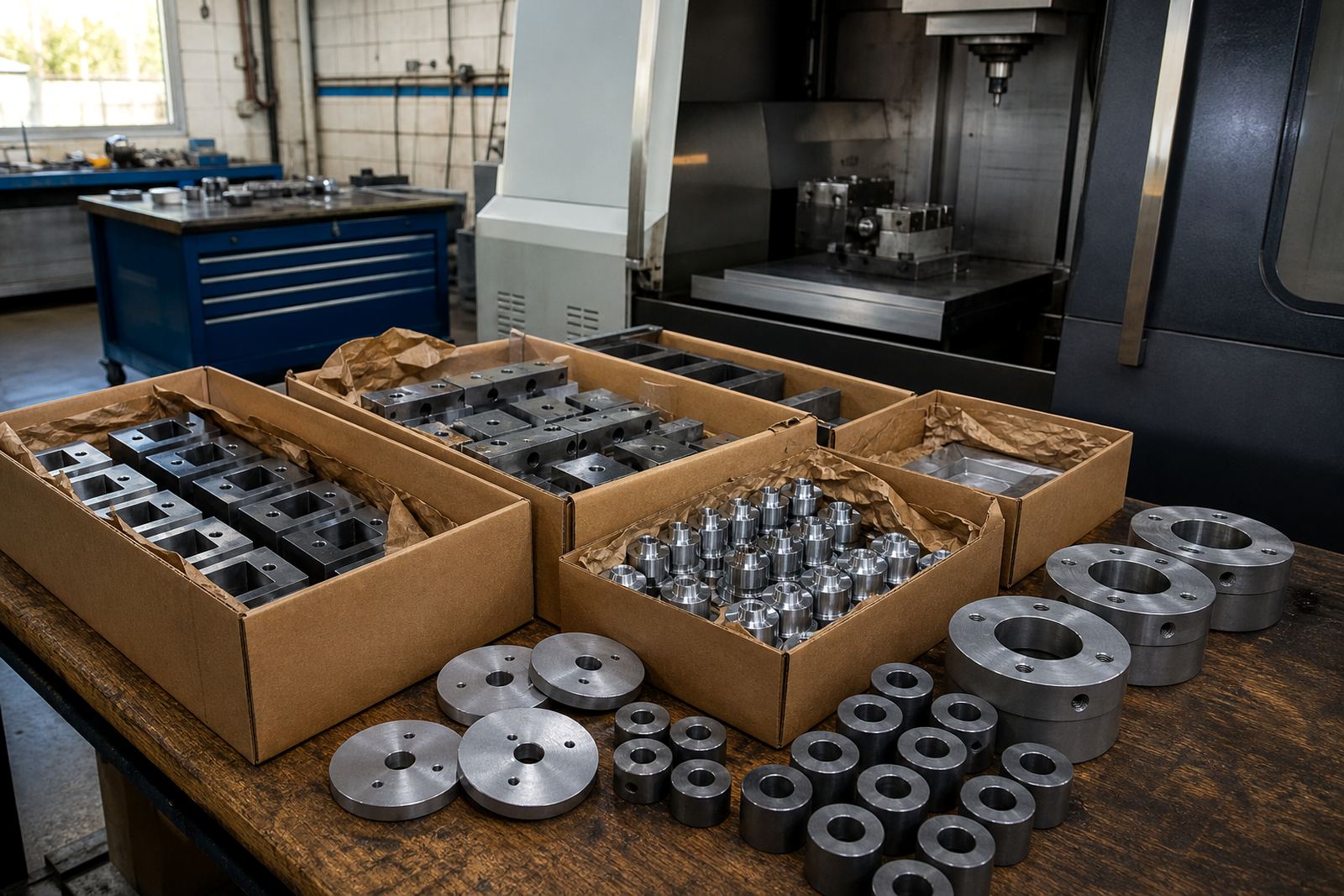
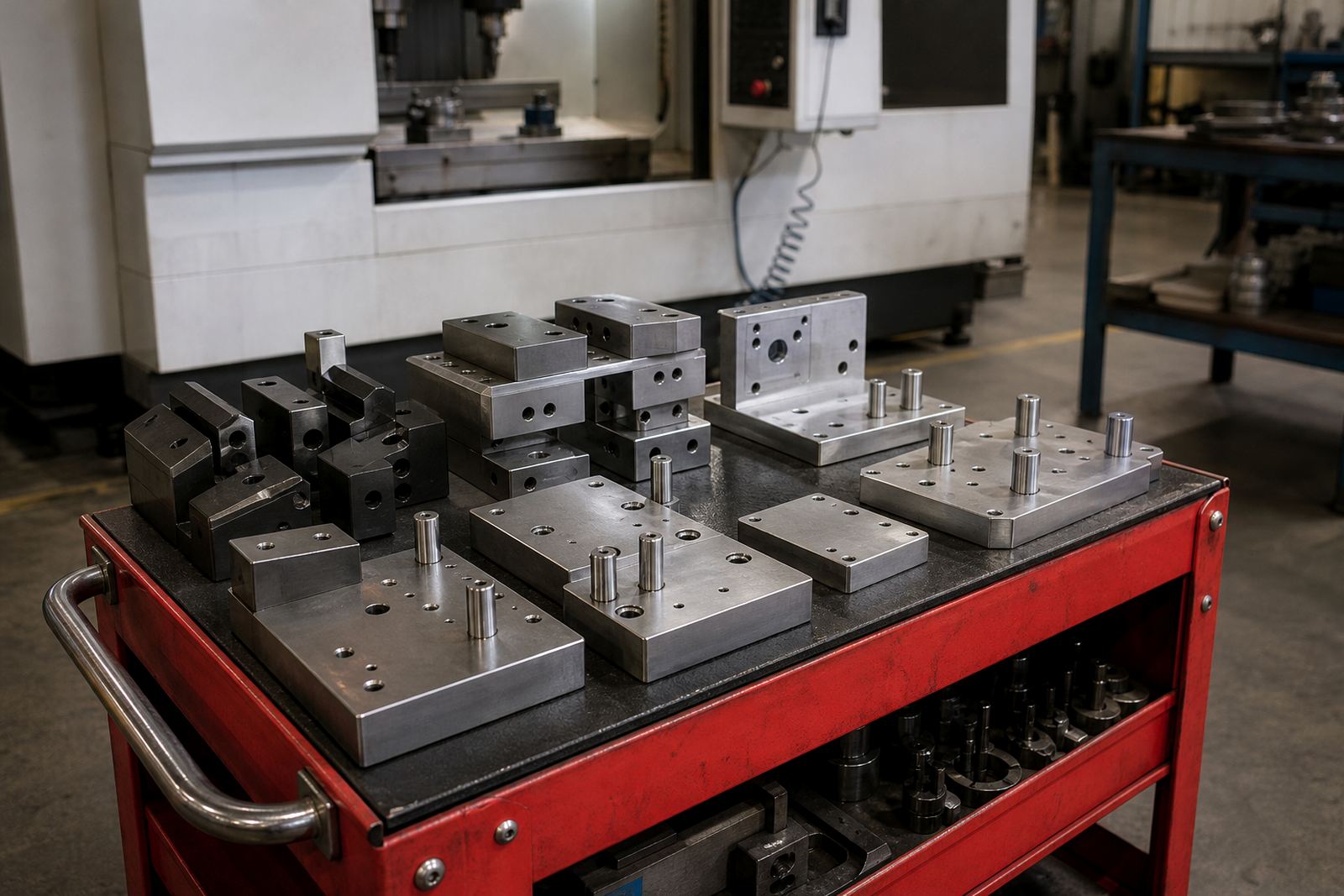
The request came from a factory support team in Prospecton that needed a dependable set of jig blocks for repeated positioning during a production support task. The parts had to help operators set up in the same place each time, with enough consistency to reduce adjustment at changeover and keep the workflow moving. It was a small-batch job, so the emphasis was on accuracy, repeatability and sensible part handling rather than high volume output.
The brief called for machined blocks that could be used regularly in an industrial setting near Durban, where coastal humidity and daily wear can affect how parts hold up over time. The blocks needed clean faces, stable reference surfaces and dimensions that made sense for fixture work. We also needed to keep the parts practical for maintenance and replacement, because support equipment on a factory floor often gets used hard and moved around often.
- Client type: factory support and production assist team
- Town: Prospecton, KwaZulu-Natal
- Part type: machined jig blocks for setup repeatability
- Job size: small batch production
What the blocks had to solve on the shop floor
The main issue was inconsistency during setup. If a workpiece or support component lands slightly out of position, the operator spends extra time correcting alignment and checking fit. Over a shift, that adds up. The jig blocks were intended to give a repeatable physical reference so the setup process could be carried out the same way each time, with less manual trial and error.
We treated the job as a machining and fit problem first, then a handling problem. The blocks had to be easy to locate, easy to inspect and suitable for routine use in a working plant. Because the application was in Prospecton, we also kept in mind the environment around Durban, where warmth, moisture and dust can affect storage and surface condition. That meant sensible material choice, careful finishing and clear marking for the end user. One small error in a locating face can throw a whole setup off, so the geometry had to be kept neat and practical.
- Repeatable location for setup work
- Suitable for routine industrial handling
- Machined faces for reliable contact and alignment
- Finish and geometry planned for everyday use
Machining approach and materials used
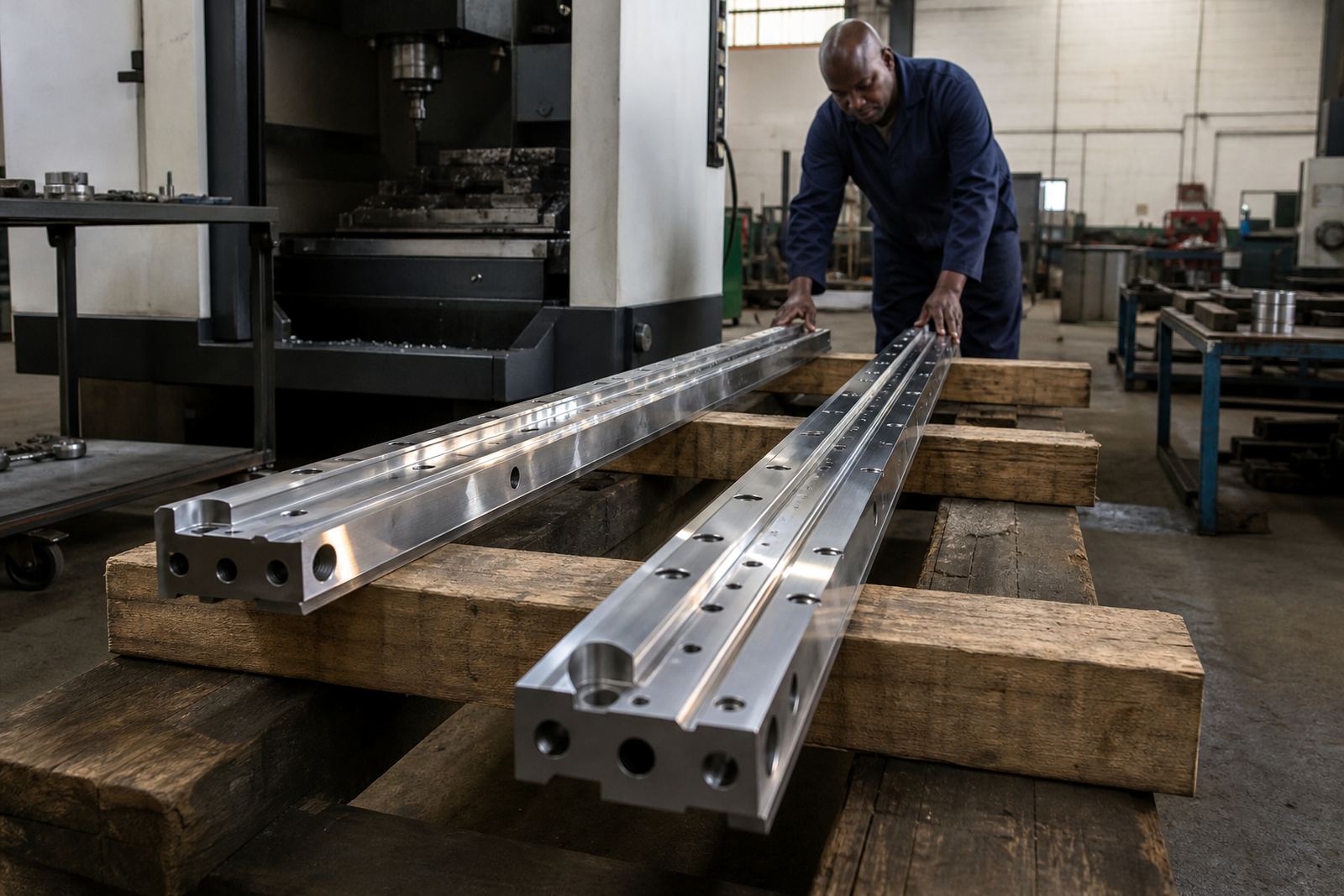
We reviewed the drawing intent and discussed how the blocks would be used before machining began. For a job like this, CNC milling is commonly used to create flat faces, steps, pockets and precise edges, while CNC turning is used where round features, spacers or concentric details are required. The actual part shape determined which operations were needed, but the approach stayed the same: keep the critical faces accurate and the non-critical areas sensible for manufacture.
Material selection was guided by the application, the expected wear and how the blocks would be handled on site. For jig work, material choice often depends on whether the part needs extra rigidity, corrosion resistance or easier machinability. We do not treat tolerances as a blanket promise, because every component has its own practical limit, but we do work to the drawing requirement and check the fit points that matter most for assembly. For a support job like this, that means paying close attention to flatness, spacing and location from one part to the next.
The blocks were then machined in small batches, measured during the process and checked again after finishing. This helped catch any drift early and kept the set consistent. The end result was a group of parts that could be used in the same way across repeated setups without the usual back-and-forth adjustment.
Timeline from drawing review to finished set
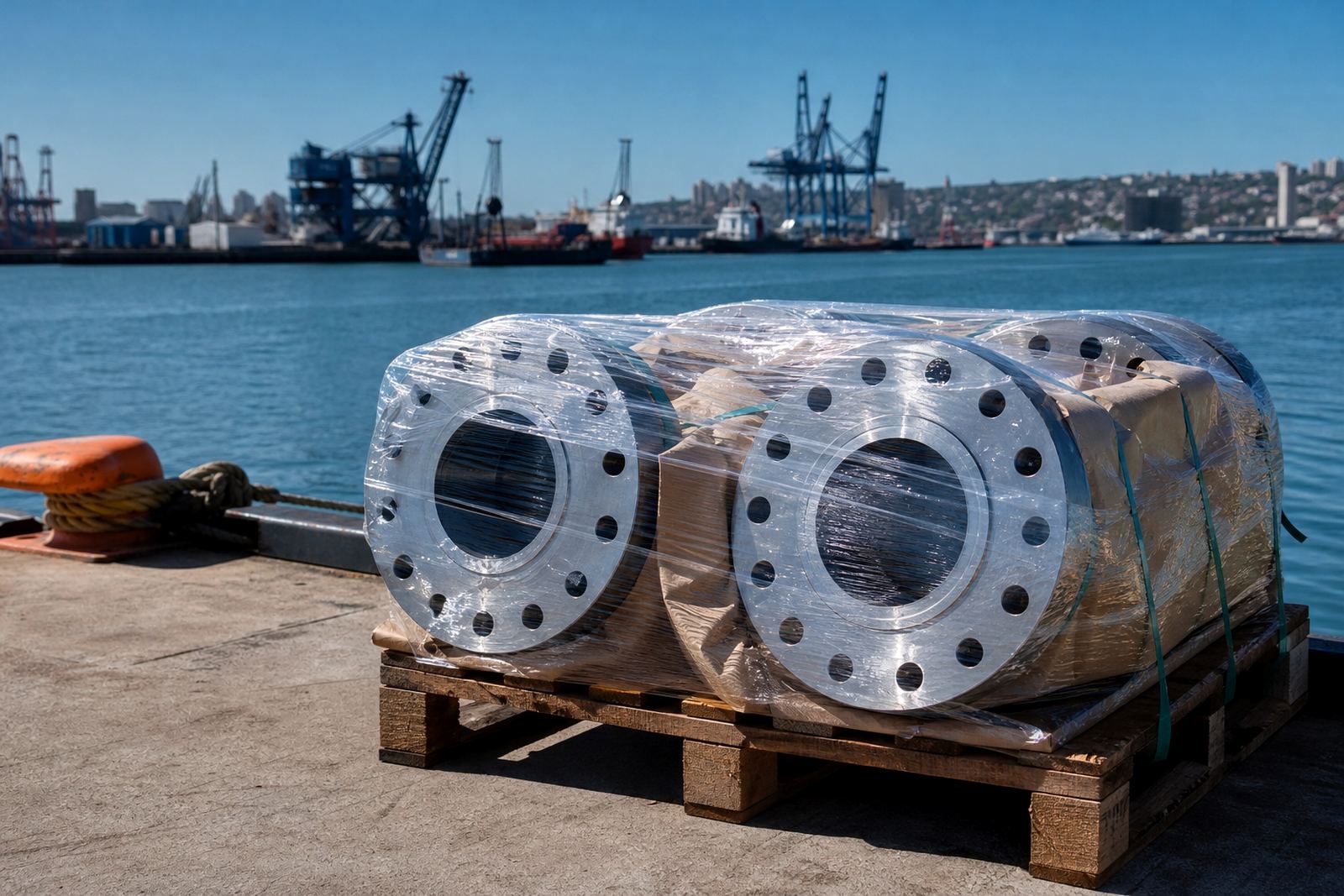
The project ran over a short, controlled schedule of three weeks from first review to delivery coordination. Week one covered drawing review, material selection and confirmation of the key location points. Week two was machining and in-process inspection. Week three covered final checking, part identification and release for delivery. That structure suited a small-batch job because it kept communication tight and allowed us to confirm the setup before cutting the full set.
For production jobs like this, timing matters because the parts often support another process. If the fixture parts arrive late or need rework, the whole line can wait. We kept the schedule practical and gave the client a clear view of progress at each stage. The work was managed by our Pinetown team, with coordination across production, programming and inspection so the project did not stall between steps.
- Week 1: drawing review and material confirmation
- Week 2: CNC machining and in-process checks
- Week 3: final inspection and delivery coordination
Measured results after installation
Once the jig blocks were in use, the client had a more repeatable setup method and less variation from one run to the next. The main improvement was consistency at the point where the operator positions the component and starts the process. That kind of improvement is often practical rather than dramatic, but in a working factory it matters because it reduces adjustment time and makes the job easier to hand over between shifts.
The blocks also gave the team a firmer base for maintenance and repeat use. Cleanly machined support parts tend to hold their value better because they can be inspected, cleaned and replaced without much confusion. In this case the result was a neater setup flow and better confidence in the reference points used on the floor. The job showed why careful milling, turning where needed, and proper inspection still matter on even a small batch order.
What stood out most was that the parts were built for daily use, not just first-fit approval. That is the difference between a part that simply looks right and one that helps the job run properly.
What we would repeat on the next jig block job
If we were asked to produce a similar set again, we would keep the same approach: early drawing review, clear identification of the critical faces, and a practical check on how the parts will be handled during changeover. For jig blocks, that upfront discussion often saves time later because it prevents guesswork around which edges carry the load and which dimensions are only there for reference. A clean drawing with the right callouts makes the machining work much more direct.
We would also continue to separate the fit-critical elements from the general body features so the operator gets a part that is easy to use and simple to maintain. That matters on a busy floor where parts may be cleaned, swapped or stored between shifts. For clients across Pinetown, Durban, Pietermaritzburg, Richards Bay and Johannesburg, this kind of work is best handled as a measured job rather than a rushed one. The aim is always the same: a useful component that fits the application and supports the production team without drama.
- Keep critical dimensions clear before machining starts
- Plan for handling, storage and repeat use
- Check location points during production, not only at the end
- Match the finish to the working environment
Key facts
| Project | Prospecton Jig Blocks |
|---|---|
| Location | Prospecton, KwaZulu-Natal |
| Client type | Factory support team |
| Job type | Small-batch CNC machined jig blocks |
| Process | CNC milling and turning as required by the part geometry |
| Timeline | 3 weeks from review to delivery coordination |