The brief for a new line size in Ballito
The client came to us with a straightforward production issue. Their line was running well on the old size, but a new pack format and a revised hold position meant the existing change parts no longer guided, supported or released product cleanly. They needed replacement parts made to suit the new size, with enough accuracy to keep changeovers quick and reduce nuisance stoppages.
As a small-batch CNC job shop in Pinetown, we handle this type of work often for factories and processors across Durban, Ballito, Pinetown, Pietermaritzburg, Richards Bay and Johannesburg. For this project the main priorities were fit, repeatability and practical wear resistance. The line could not afford parts that needed constant trimming on site or turned sticky under coastal humidity.
- New size accommodation for a small production line
- Short lead time for planned changeover work
- Parts that could be fitted with minimal machine downtime
- Materials suitable for regular cleaning and day to day handling
What we checked before cutting metal
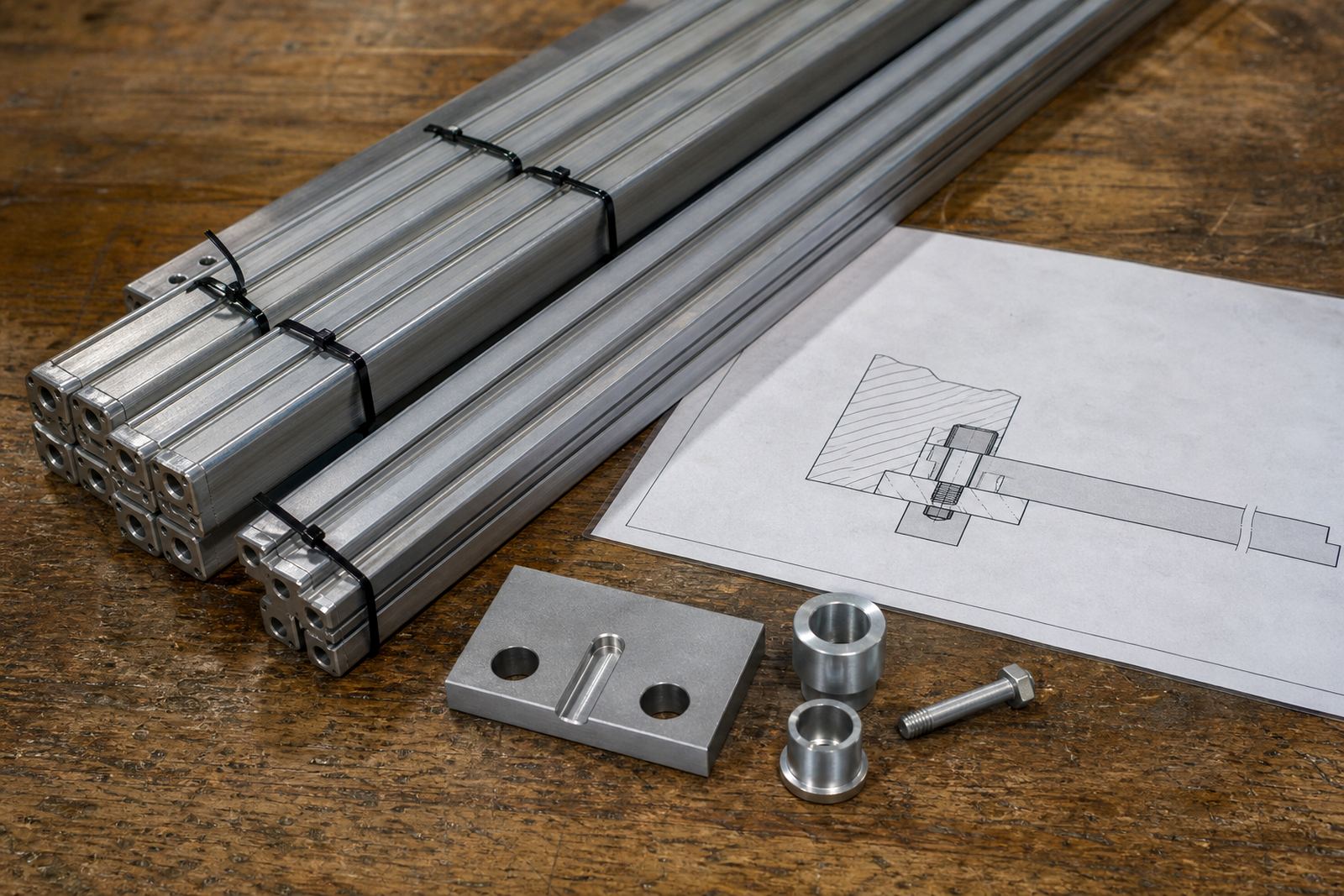
We started with drawing review and a full check of the existing samples and measurements supplied by the client. Where a line change involves guides, spacers, locators or support features, small errors can cause jams, skewed product or uneven wear. Our approach is to check the functional faces first, then confirm which dimensions are critical and which can be adjusted for the realities of the machine.
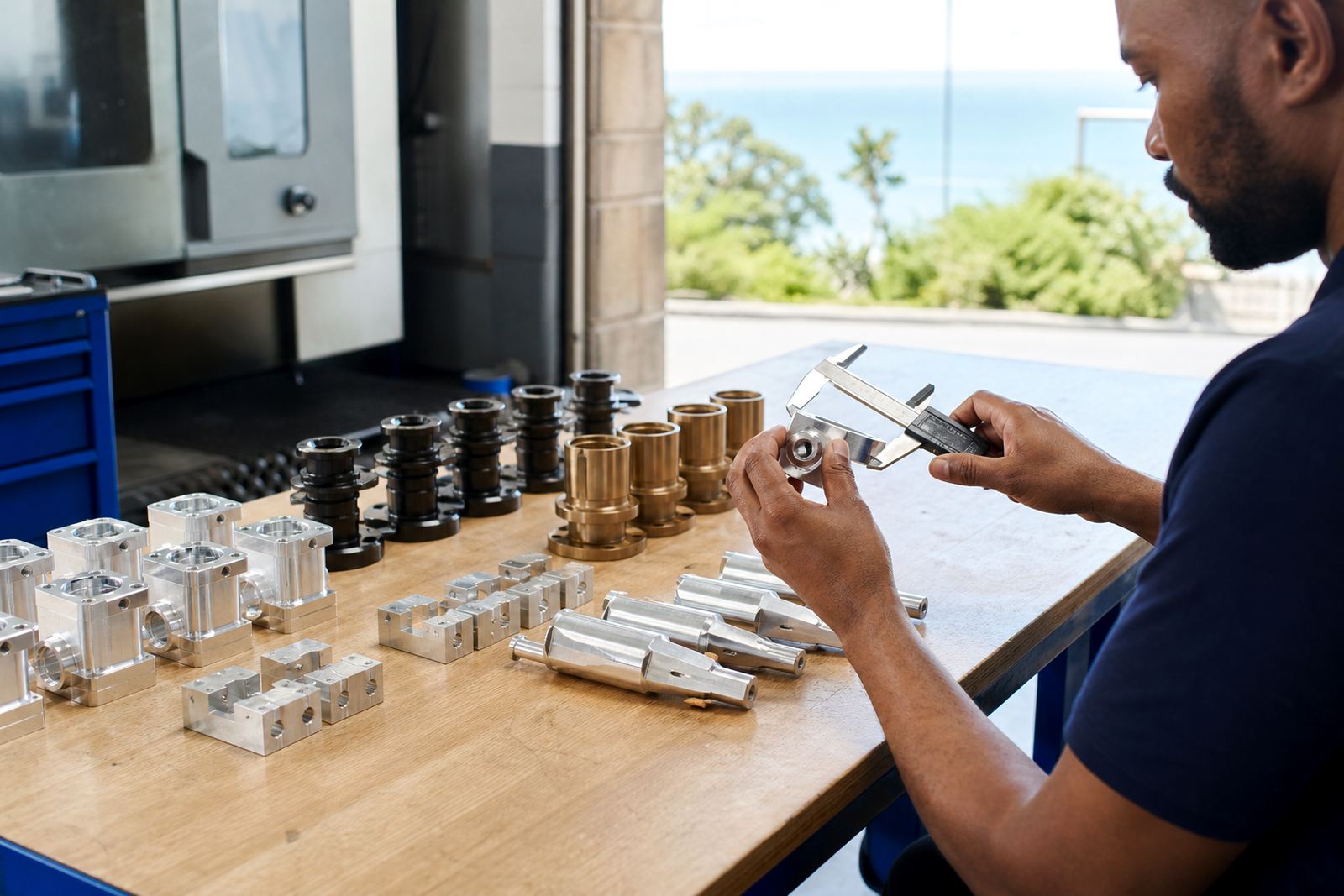
Anele coordinated the job flow while Johan handled the CNC programming and Siyabonga oversaw machining and in process checks. Naledi managed the inspection records, and Kyle kept the client updated on progress and delivery coordination. That made it easier to get decisions quickly when a minor drawing update was needed during the first stage of the work.
- Drawing review and tolerance guidance
- Material selection based on wear and cleaning requirements
- Prototype planning before full batch work
- Fit review against the existing machine setup
CNC milling and turning for the change parts
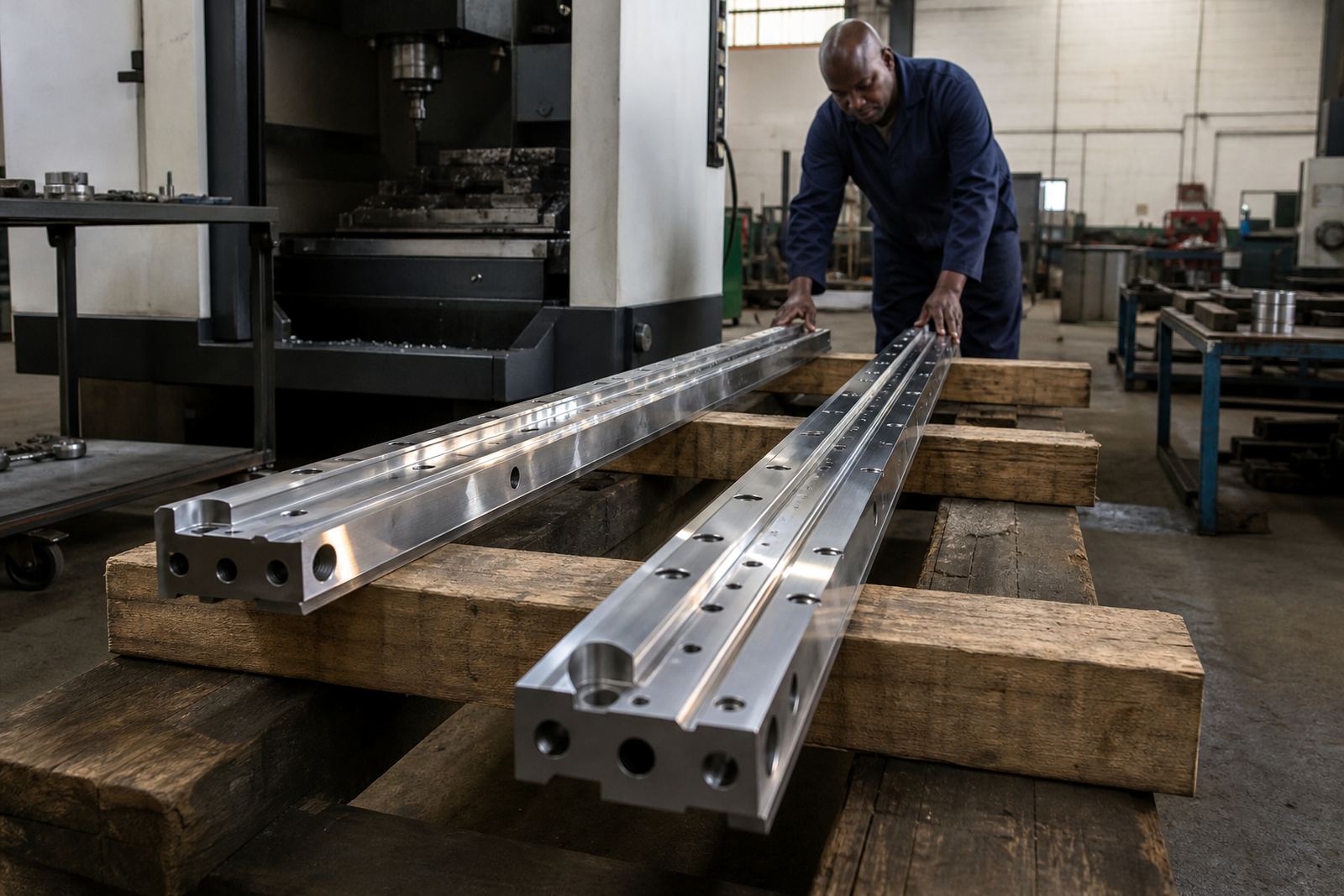
The parts were produced using CNC milling and turning, depending on the feature set of each item. Milling was used for slotting, pockets, faces and profiles that needed accurate alignment, while turning suited round sections, shoulders and stepped diameters. In a line change project, both methods are often needed because the final part has to locate properly and still move or clamp in a controlled way.
We worked to sensible production tolerances for the function of each piece, rather than chasing numbers that add cost without helping the line. For moving or locating parts, smooth finishes and square faces matter just as much as size. Where a surface would see repeated contact, we kept the machining consistent so the parts would seat properly and not mark the product path.
- Machined locating faces for reliable alignment
- Clean edges and deburred contact points
- Attention to concentric features on turned sections
- Checked fit on critical interfaces before release
Materials chosen for cleaning, handling and wear
The Ballito site needed parts that could handle regular washdown and general plant handling without unnecessary corrosion or early wear. Depending on the function of each component, we considered common machining materials used in industry for guides, brackets, spacers and support pieces. In coastal KwaZulu-Natal, that matters because humidity and cleaning routines can quickly expose weak material choices.
We also looked at how the parts would be handled during changeovers. If a part is removed often, the edges must stay stable and the mounting points must not loosen under routine use. For some features, a simpler design is better than an over complicated one because it is easier to clean, inspect and replace if the line changes again later.
- Material choice matched to the duty of each part
- Consideration for coastal humidity in Ballito
- Practical design for cleaning and maintenance
- Reduced chance of wear at mounting and contact points
Lead time, sample remake and batch support
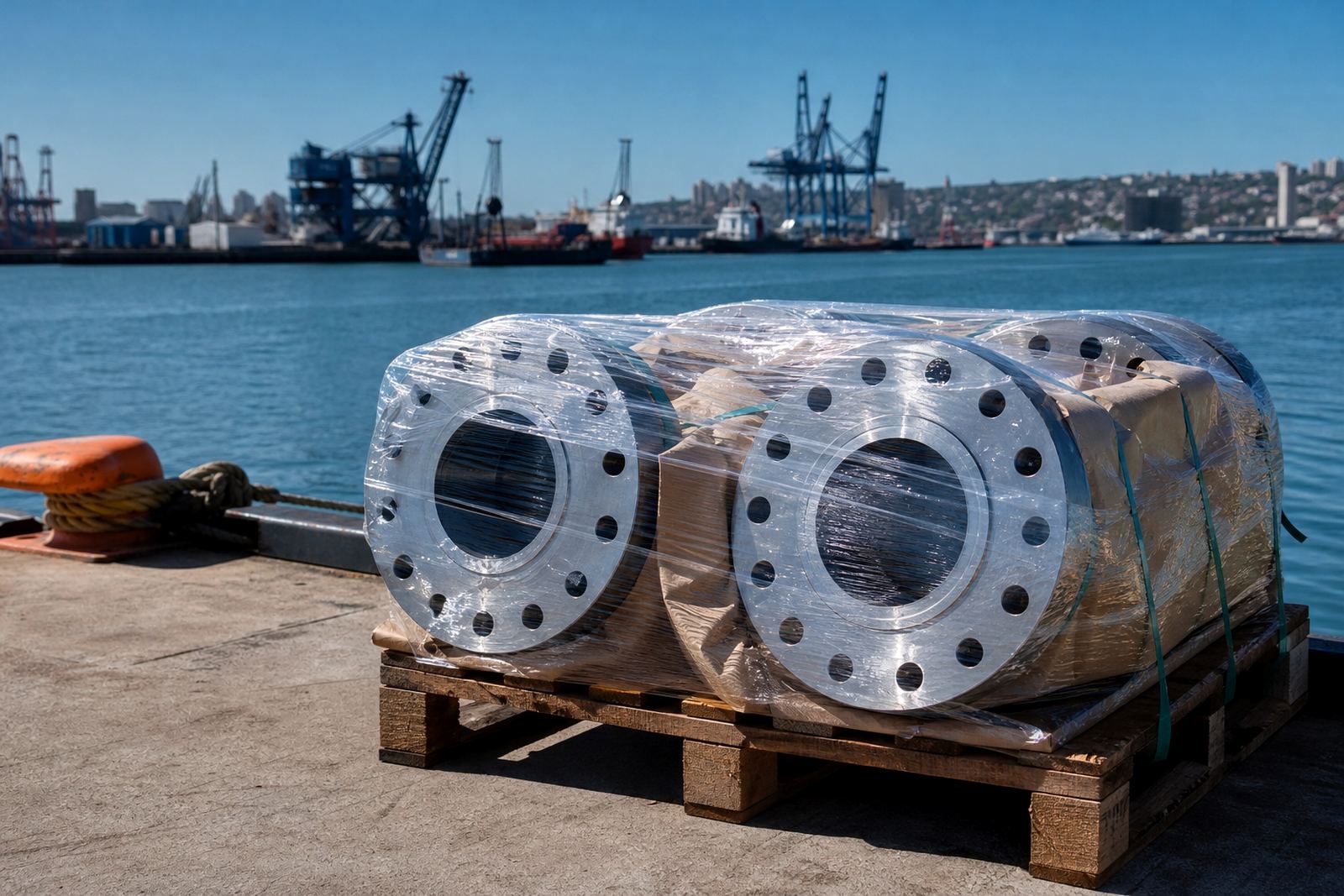
The job was completed over three weeks from initial review to final supply. The first week was used for measurements, drawing review and prototype planning. In week two we completed the sample parts and carried out a remake on one feature after checking the fit against the machine setup. Week three covered the remaining batch parts, inspection reporting and delivery coordination.
Because this was a small production line, the client did not need a large run. What they needed was confidence that the parts would work in sequence, and if one needed a small correction the remake would match the revised dimension without affecting the rest of the batch. That is where sample part remake and batch planning save time on site.
- Week 1: review, measurements and planning
- Week 2: sample parts and fit correction
- Week 3: batch completion and delivery coordination
- Inspection notes supplied with the finished parts
What changed once the new parts were installed
After installation, the line was able to handle the new size with cleaner changeovers and fewer manual adjustments. The client wanted parts that would reduce fiddling during a shift, and that was the main gain here. With the new change parts in place, the product sat correctly through the critical stages and the team could get back into production faster after format changes.
If we were doing the same job again, we would follow the same method: check the machine condition first, confirm the actual working dimensions on site, then machine a first set with enough allowance to fine tune where needed. That approach works well for change parts because plant conditions, wear and operator practice often matter just as much as the drawing.
- Faster and cleaner changeover on the line
- Improved product location during operation
- Less hand adjustment by operators
- Better support for repeat production of the same size
Key facts
| Project | Ballito change parts for a small production line |
|---|---|
| Work type | CNC milling and turning |
| Location | Pinetown, KwaZulu-Natal |
| Timeline | 3 weeks from review to delivery |
| Service focus | Drawing review, prototype planning and repeat order support |
| Areas served | Ballito, Durban, Pinetown, Pietermaritzburg, Richards Bay and Johannesburg |