Coastal flange work for planned maintenance
The enquiry came from a Richards Bay maintenance team planning replacement and support parts for plant work near the coast. The parts were not for a one-off display job, they had to slot into an existing maintenance schedule, match the mating faces already in use and cope with the realities of a humid, salty environment. That meant the job started with drawing review, not cutting metal straight away.
We first checked the flange style, bolt pattern, face condition and any note that could affect fit-up on site. Where a drawing left room for doubt we raised it early and confirmed the intended use, because a flange that is slightly off on the face or pitch circle can turn a quick maintenance stop into a longer one. For this job the client wanted confidence that the parts would land on schedule and fit without extra rework.
Brief, constraints and working method
The client needed small-batch flange components for maintenance planning, with attention to corrosion risk and consistent dimensions across the batch. The work was based on existing drawings with a few points that needed clarification before machining. We also had to allow for material availability and keep the sequence practical for a job shop that handles other urgent work at the same time.
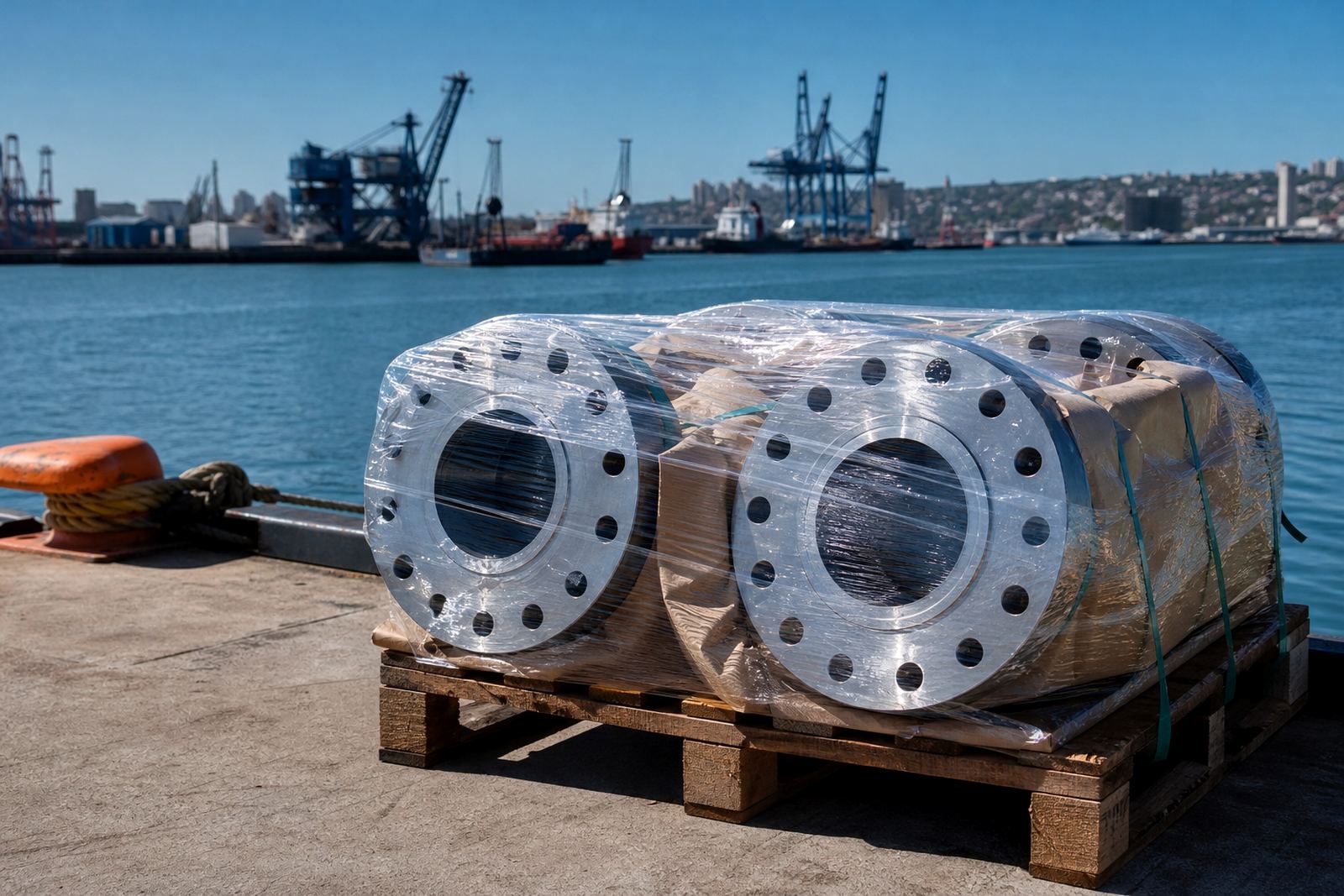
Because this was for a coastal site, we treated storage and handling as part of the job. Materials were kept dry, wrapped and identified clearly so there was no mix-up before cutting. On the machining side, the work called for CNC turning on round features and CNC milling on bolt circles, slots, faces and any secondary detail. The aim was not just to make a part that looked right but one that could be fitted, checked and put into service without drama.
- Material selection with corrosion in mind
- Drawing review before first cut
- Batch planning for repeat parts
- Tolerance guidance where the drawing needed a practical check
What we supplied and how we machined it
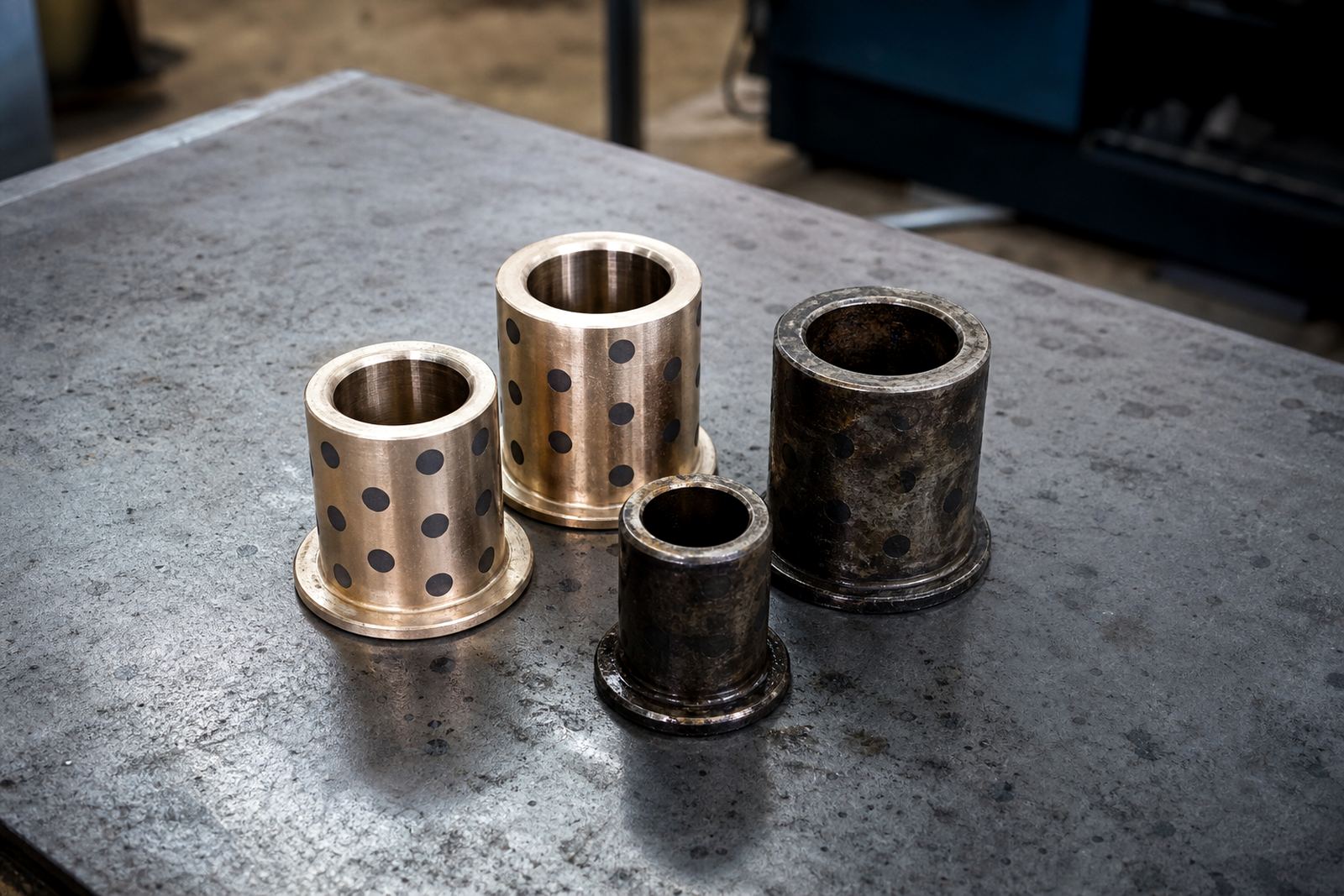
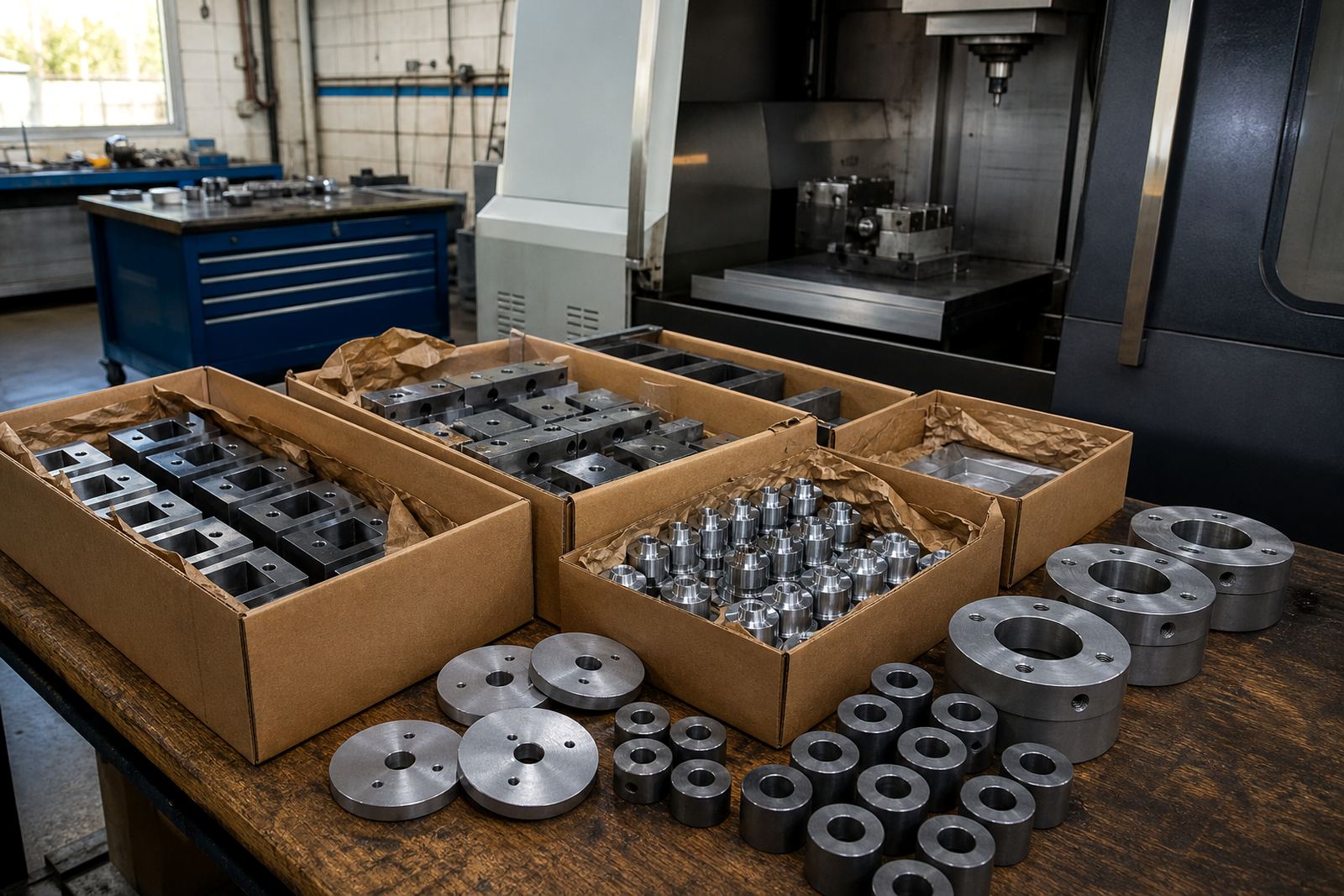
We supplied flange components machined to the agreed drawing detail, with attention to face finish, concentricity and bolt-hole placement. Depending on the part geometry, the work combined turning for round sections and milling for the flat and drilled features. Where a part needed a machined sealing face, we kept the approach careful and measured so the mating surface would be suitable for assembly.
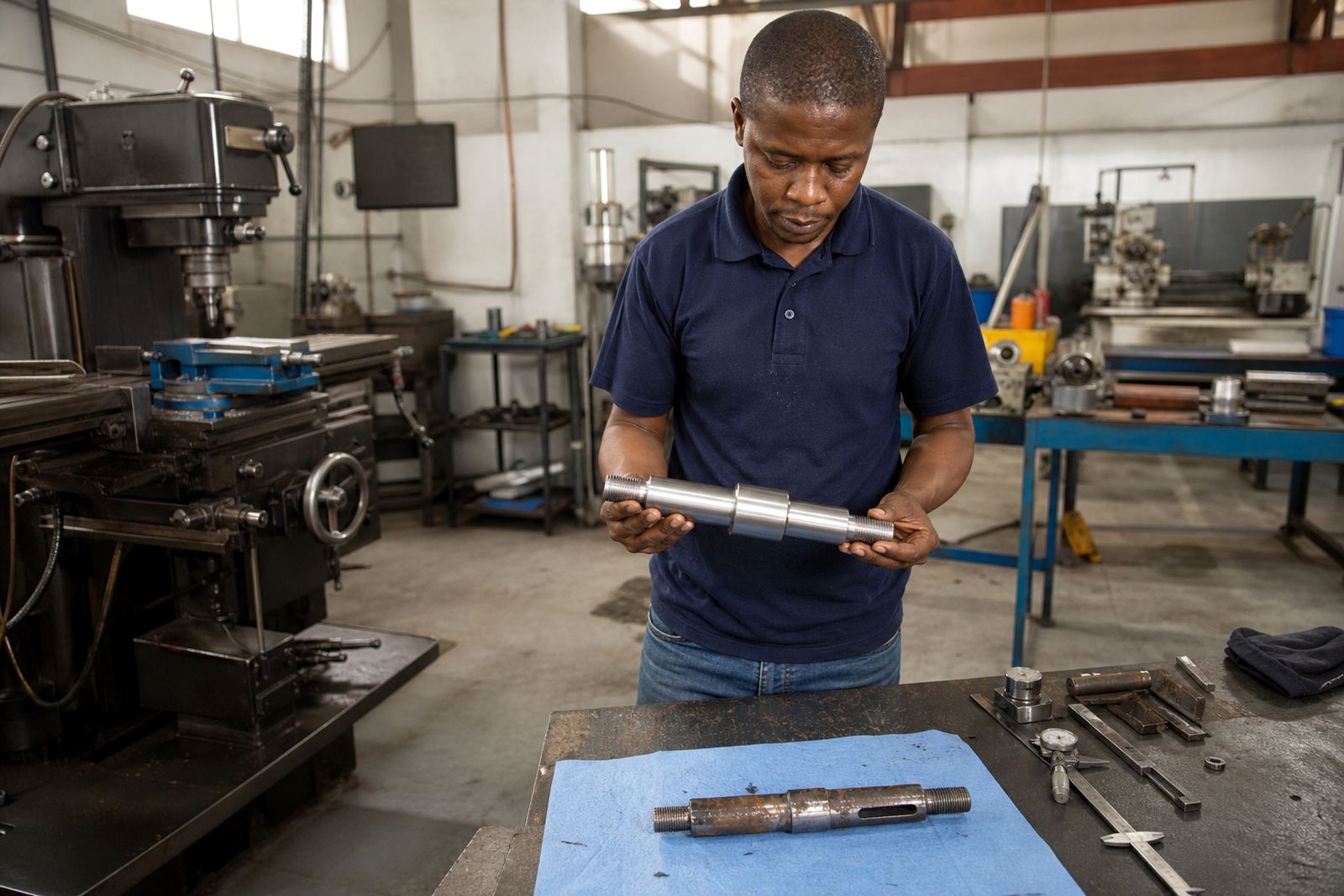
As with most small-batch CNC work, the value was in the process as much as the final piece. We checked the first part against the drawing, confirmed the setup and then carried the batch through with repeat checks. If anything on the drawing looked likely to cause a fit issue on site, we discussed it before making the full quantity. That approach helps avoid scrap and keeps the maintenance team from receiving a batch that only partly works.
- CNC milling for bolt patterns and face features
- CNC turning for round bodies and concentric sections
- Inspection at setup and during the batch
- Batch identification for easier site tracking
Timeline and coordination from Pinetown
The job was handled over three weeks from confirmed brief to dispatch coordination. Week one covered drawing review, material confirmation and any needed clarification. Week two covered machining and in-process inspection. Week three covered final checks, packing and delivery coordination to suit the client’s maintenance window.
Being based in Pinetown helps with this kind of work because we are used to dealing with clients across KwaZulu-Natal and further inland, including Durban, Pietermaritzburg, Richards Bay and Johannesburg. For a job like this, timing matters just as much as cutting accuracy. If a shutdown date moves, or a site team needs parts in a different sequence, we can work through the batch plan and arrange dispatch accordingly. That practical coordination is part of the service, especially for maintenance work where delays cost more than the parts themselves.
Checks that mattered on this flange order
Quality control on flange work usually comes down to a handful of points that must be right first time. We checked key diameters, bolt hole spacing, face condition and overall consistency from part to part. For a coastal client, we also paid attention to handling marks and storage so the finished pieces would not pick up unnecessary surface issues before they reached site.
The client needed parts that could be fitted without extra filing or field correction. That is where inspection reporting helps. It gives the maintenance team a clear record of what was checked and lets them compare the machined part to the drawing without guessing. For repeat orders, those notes save time because the next batch can follow the same verified setup with fewer unknowns.
- Visual check for machining marks and edge condition
- Dimensional checks against the drawing
- Fit awareness for mating surfaces and bolt pattern alignment
- Inspection reporting for the maintenance file
What we would do again on a repeat order
If this same Richards Bay flange job came back tomorrow, we would take the same route: confirm the drawing, check the material choice against the service environment, then machine a first part and verify it before continuing. That sequence works well for small-batch jobs where the client needs parts that are fit for maintenance planning, not just generic blanks off a shelf.
For repeated flange work we would also keep the setup notes, inspection points and batch sequence together so the next order moves faster. Where needed, we can support drawing updates, sample part remake and repeat order support, which is useful when a maintenance team discovers a small change after the first installation. In a coastal area like Richards Bay, that kind of follow-through matters because corrosion and wear often show up at the exact wrong time.
Key facts
| Project | Richards Bay flanges |
|---|---|
| Client type | Coastal maintenance team |
| Location | Richards Bay, KwaZulu-Natal |
| Process | CNC milling and turning |
| Timeline | 3 weeks |
| Founded | 2008 |