Packaging Changeover Parts for a Busy Pinetown Workshop
The client was a local packaging workshop in Pinetown handling frequent line changes for mixed runs. Their existing guide parts and spacers were wearing unevenly, which led to awkward set-ups, extra adjustment time, and the occasional fit issue when the same job came back through the workshop. They needed repeat parts that could be made in small batches and supplied as needed, not a one-off batch that would then be hard to support later.
The brief was straightforward but detailed. We were asked to produce milled guide parts and spacer sets that would match existing equipment interfaces, keep changeovers predictable, and suit a workshop that works under normal South African conditions, including heat, dust and the stop-start effect of load-shedding on some production schedules. The job also had to allow for repeat ordering, so the drawings and part notes needed to stay clear from the first run onward.
- Client type: packaging workshop
- Location: Pinetown, KwaZulu-Natal
- Work type: small-batch CNC milling for repeat use
- Main requirement: stable fit during changeovers
What Had to Be Resolved Before Cutting Metal
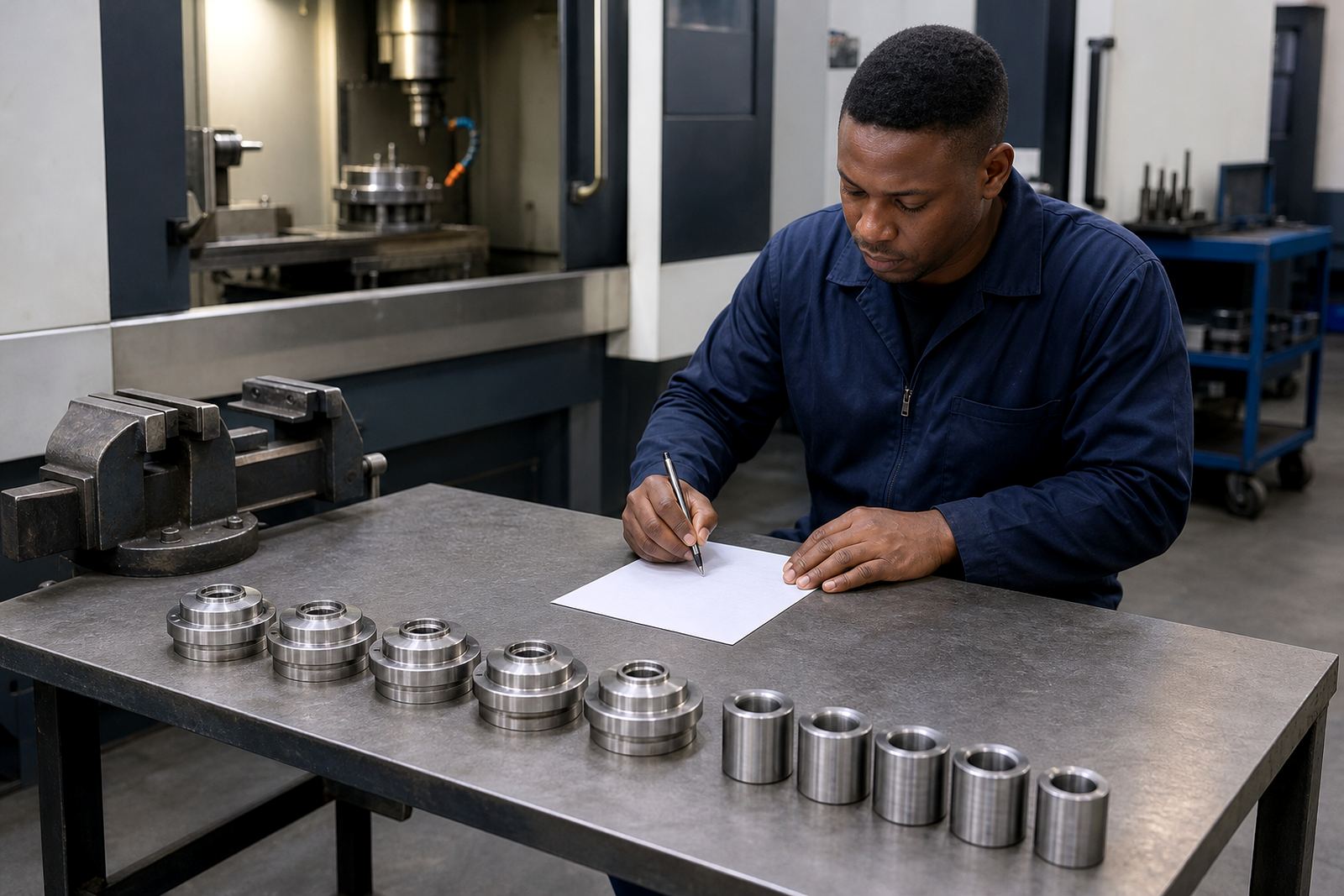
Before machining began, we reviewed the drawings and the existing sample parts together with the client. The main issue was that some of the old parts had been made over time from slightly different dimensions, so there was no single clean pattern to follow. In a case like this, it helps to check the mating faces, hole positions and spacer stack height before any cutting starts. That avoids making a part that looks right on paper but does not sit correctly in the actual assembly.
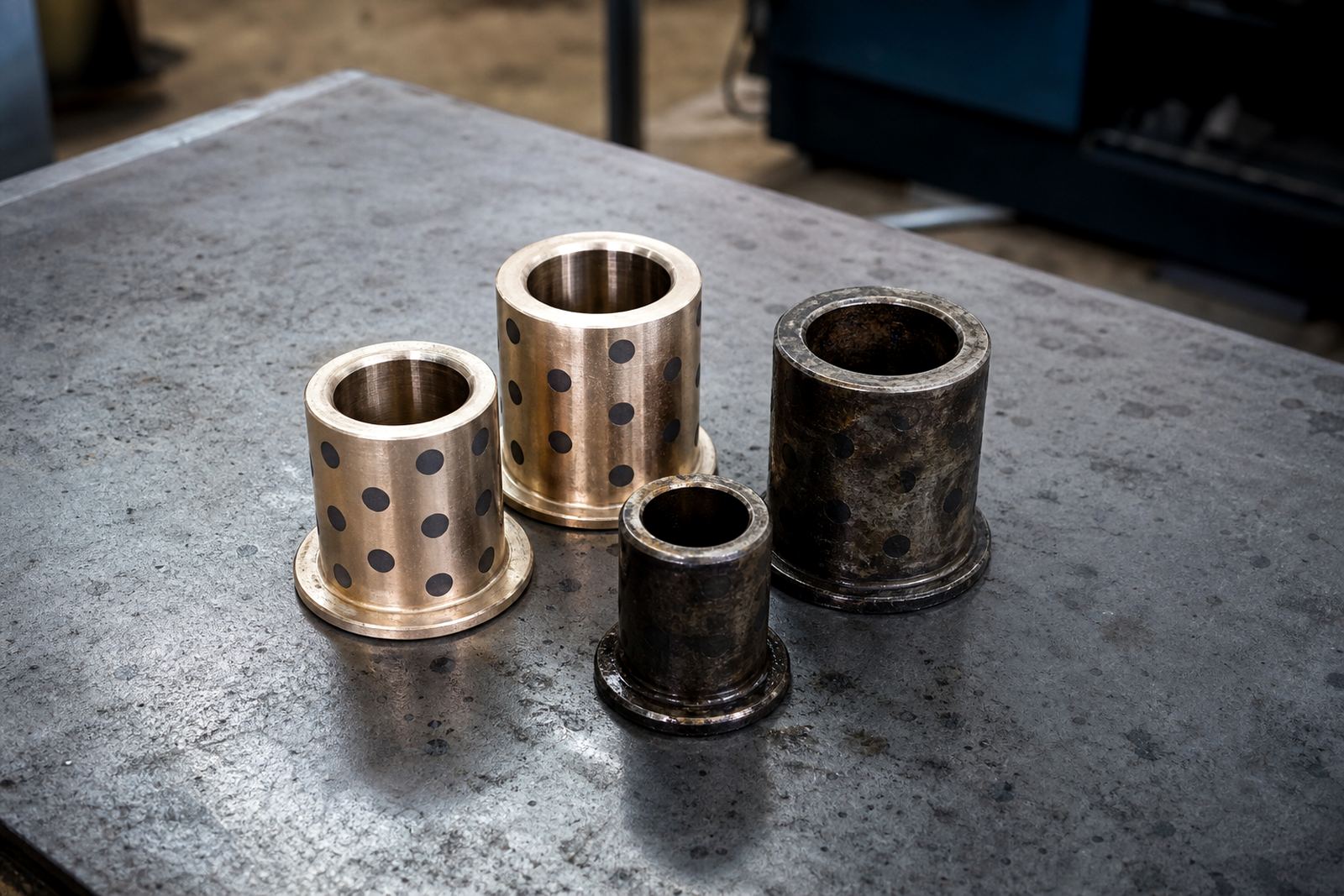
Material choice mattered as well. Packaging environments often see repeated handling, vibration, cleaning and contact with fixed guides or frames, so the parts had to be chosen with wear and stability in mind. We discussed suitable materials based on the application, the operating load and how often the parts would be removed for maintenance. For small-batch work, that kind of material planning can save time later because it reduces the chance of remake work or ongoing adjustment.
- Old parts were mixed from previous runs and not fully consistent
- Hole centres and spacer thickness had to suit the existing assembly
- Wear resistance and ease of replacement were both important
- Parts had to remain practical for repeat orders over time
CNC Milling and Turning Work Supplied
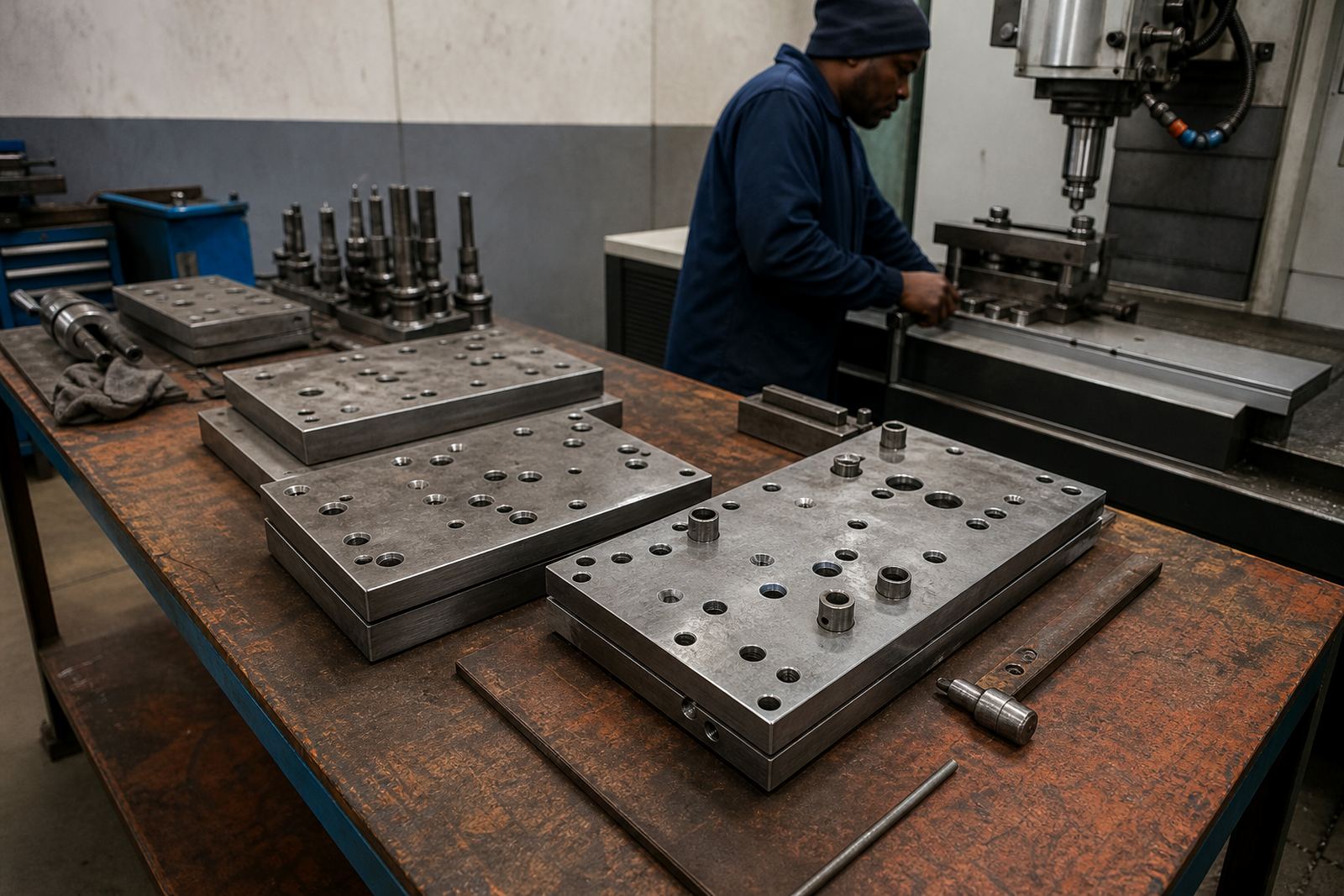
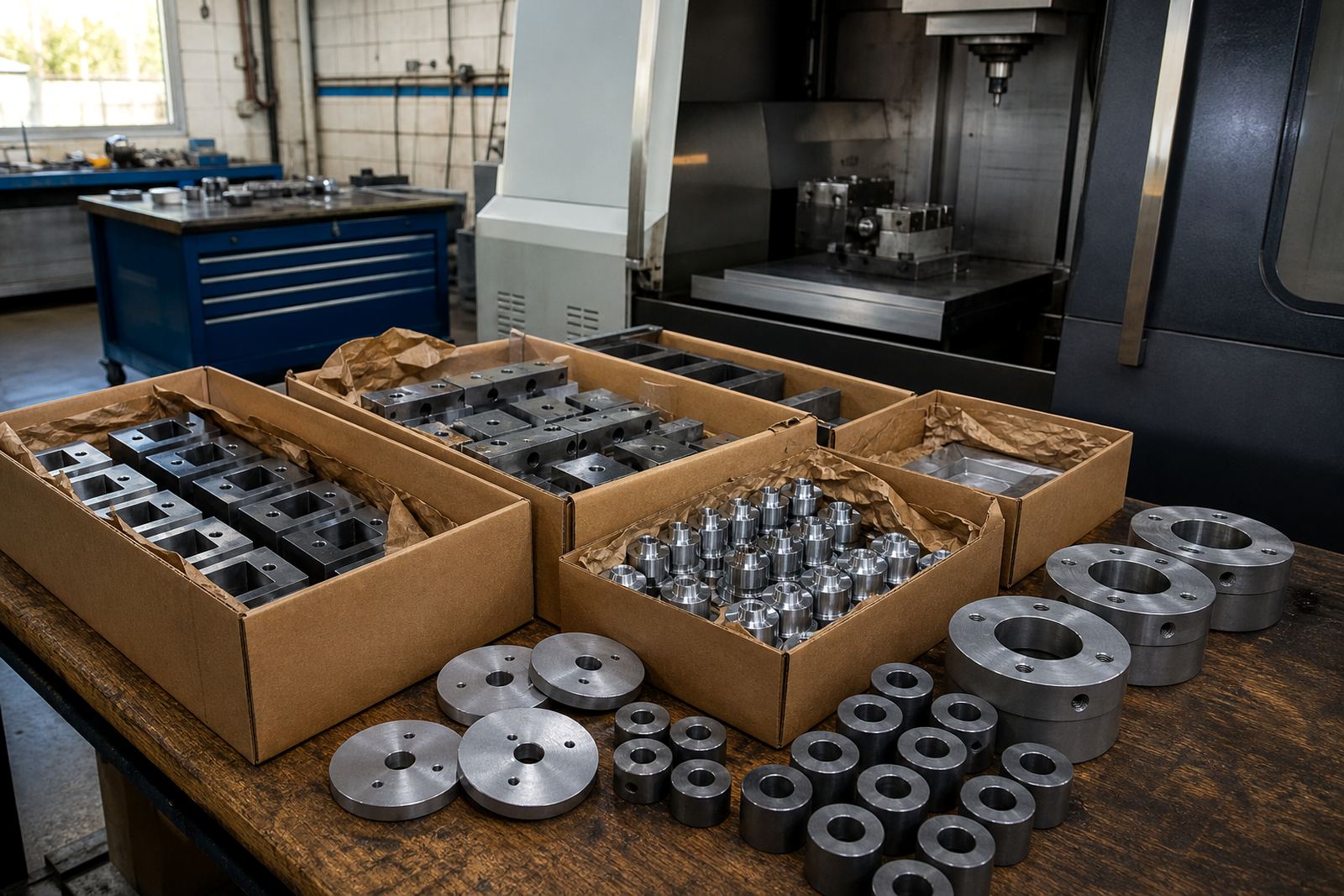
The job was split into a few practical stages. We completed drawing review, checked the fit-critical dimensions, then planned the batch so the parts could be made in a sensible sequence. The guide parts were CNC milled to keep faces square and the profiles consistent, while the spacer sets were made to match the required stack dimensions and contact surfaces. Where a turned feature was needed for alignment or seating, we used CNC turning methods to keep the part concentric and repeatable.
We also carried out sample part remake work where needed to confirm fit against the client’s existing setup. That is often the safest route when a workshop is replacing older components that may have drifted over time. Tolerance guidance was given around the sizes that mattered most, such as fixing points, mating widths and spacer thickness, while less sensitive areas were kept practical for manufacture. The result was a set of parts that matched the intended assembly without forcing unnecessary rework on the client side.
- Drawing Review for fit-critical dimensions
- Prototype Planning for the first sample set
- Part Optimisation to reduce unnecessary machining
- Assembly Fit Checks before release
Timeline, Checks and Delivery Coordination
The project ran over three weeks from review to delivery. Week one was used for drawing checks, material selection and confirming the dimensional approach. Week two covered machining and in-process inspection, with attention paid to the areas that would affect changeover accuracy. Week three was used for final checks, inspection reporting and delivery coordination so the finished parts could get back to the workshop without delaying their production schedule.
Quality control was kept practical. We checked key sizes against the agreed drawing notes, confirmed fit on the sample set, and recorded the measurements that matter for repeat runs. For a job like this, the important thing is not to overcomplicate the paperwork but to make sure the next order can be made the same way. That is especially useful for a packaging workshop that may need replacements at short notice after wear or accidental damage.
- Lead time: 3 weeks total
- Checks included critical dimensions and fit points
- Delivery was coordinated for the client’s production timing
- Records were kept to support repeat orders
What Changed on the Shop Floor
Once the new guide parts and spacer sets were in use, the workshop had a cleaner changeover process and less time spent nudging parts into place. The repeatability of the new batch made the setup process easier for operators, which is exactly what a packaging site needs when jobs move through quickly. It also reduced the chance of confusion between old and new parts because the dimensions were standardised and documented properly.
For the client, the biggest value was practical. They had parts that fit as intended, could be reordered without starting from scratch, and were suitable for the kind of day-to-day handling that happens in a busy packaging environment. If a replacement is needed later, the drawing notes and batch records give a clear path back to the same spec, rather than guessing from a worn component. That saves time and avoids avoidable stoppages.
- Quicker changeovers after fit was standardised
- Less manual adjustment during setup
- Clear records for future repeats
- Better control over replacement parts
How We Would Approach the Next Run
If we were to do the job again, we would approach it the same way: check the mating assembly first, confirm the actual wear points, and set the drawing notes around the sizes that matter most. That includes confirming hole locations, spacer stack requirements and any surfaces that need a cleaner finish for seating. For repeat packaging parts, that early review is the difference between a fast turnaround and a lot of avoidable back-and-forth.
We would also keep the batch planning flexible enough to cover future repeats across Pinetown, Durban and the surrounding areas if the client needs extra sets later on. Small-batch CNC work is often about supporting the next order as much as the first one. When the part records are clear and the fit checks are done properly, the next run is usually smoother for everyone involved.
- Recheck the wear pattern before every repeat run
- Keep the drawing notes consistent for future batches
- Allow for replacement sets in small quantities
- Confirm delivery timing against production demand
Key facts
| Project type | Packaging workshop repeat parts |
|---|---|
| Location | Pinetown, KwaZulu-Natal |
| Process | CNC milling and CNC turning |
| Main parts | Guide parts and spacer sets |
| Timeline | 3 weeks from review to delivery |
| Support services used | Drawing Review, Prototype Planning, Assembly Fit Checks, Inspection Reporting, Repeat Order Support |