Workshop Bushes for a No-Stop Environment
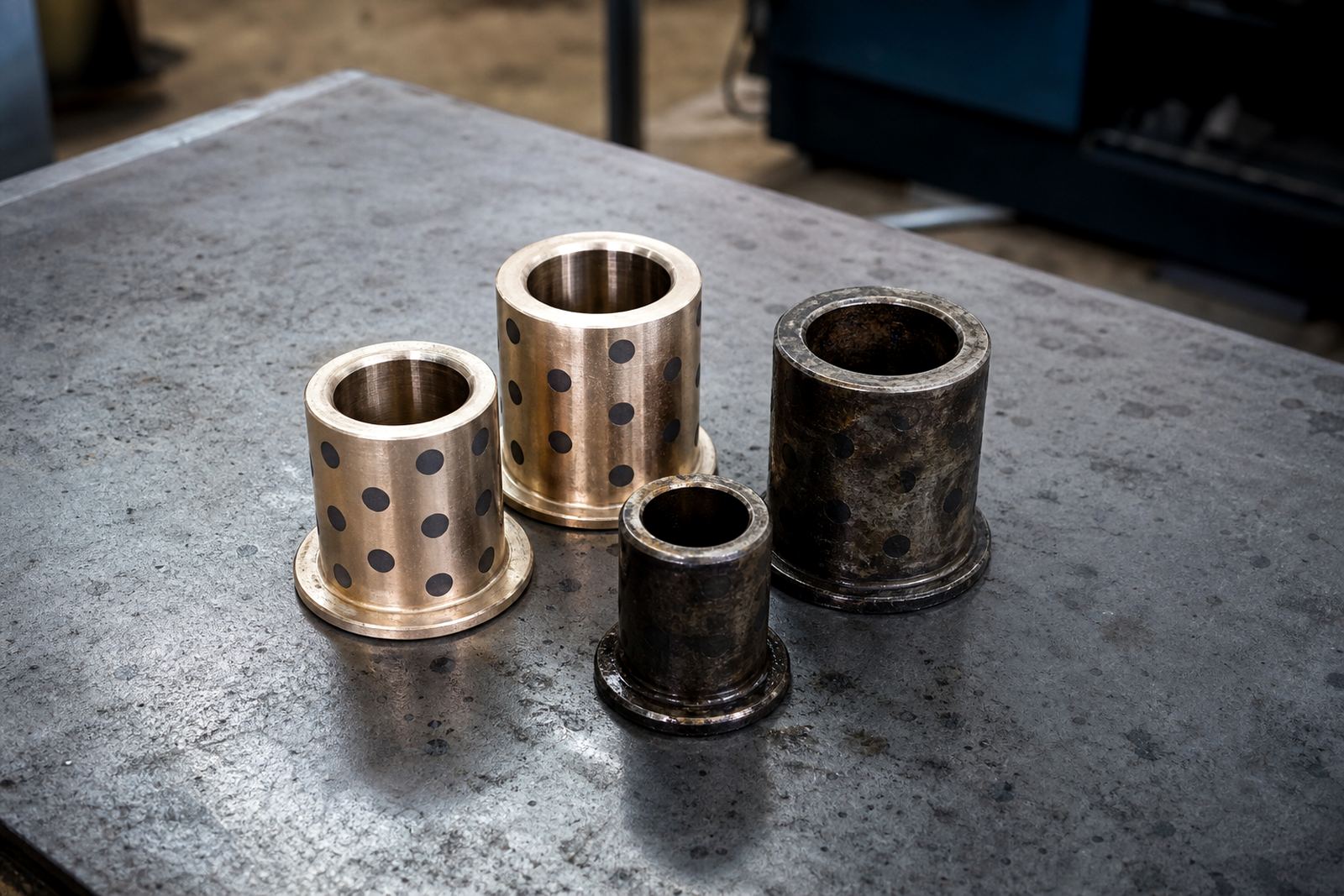
The client was a local workshop in New Germany handling day-to-day mechanical maintenance and repairs. Their original bushes had worn past serviceable limits, which led to excessive play, poor alignment and more frequent changeovers than anyone wanted in a busy production space.
The brief was straightforward on paper but not in practice: make replacement bushes that matched the existing arrangement closely enough to fit the assembly properly, while improving consistency across the batch. The parts had to work in a setting where dust, vibration and regular handling were part of normal use. We also had to account for the fact that the equipment was already in service so the replacements needed to be made from the available samples and drawing notes, not from a full redesign.
What We Measured and Matched
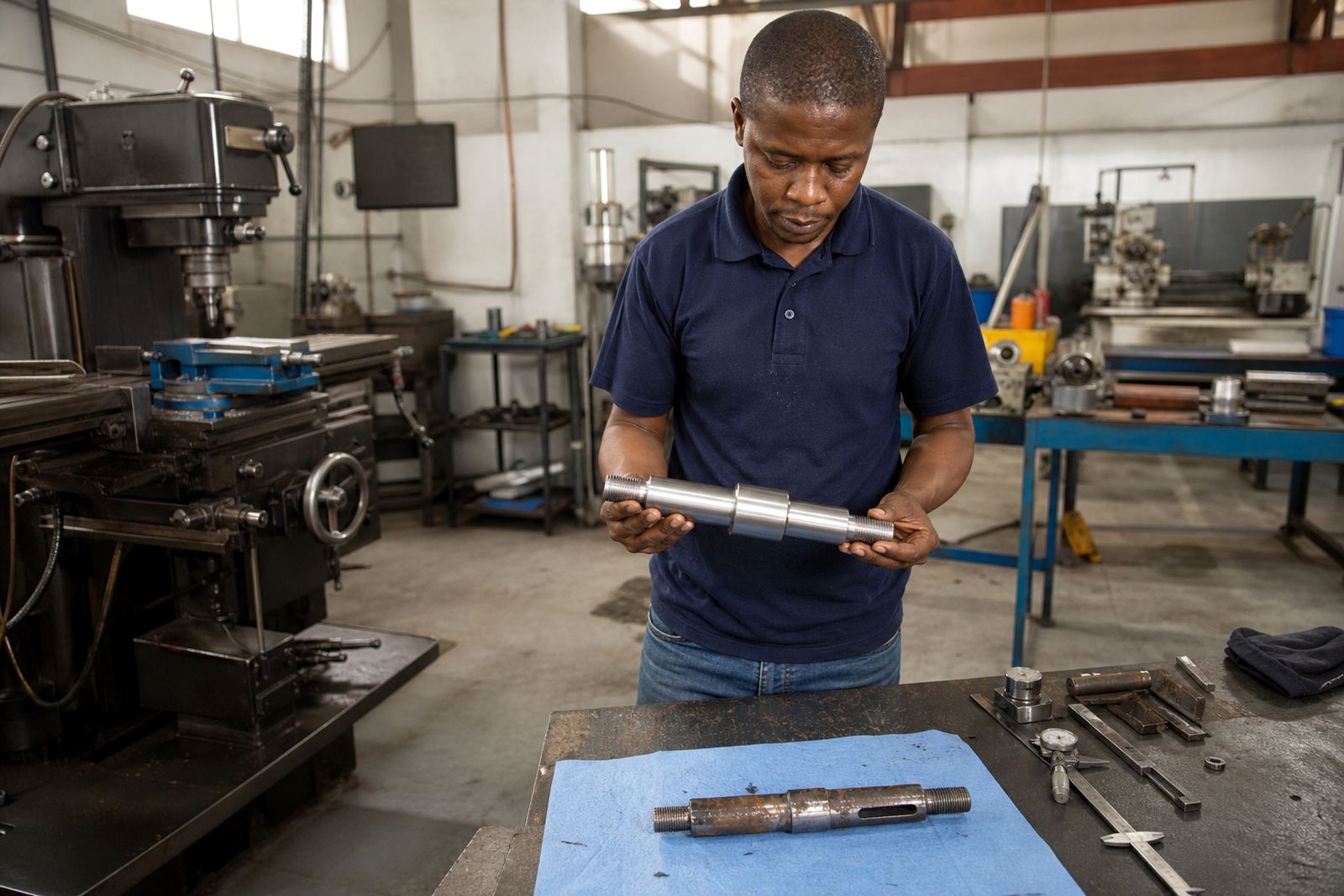
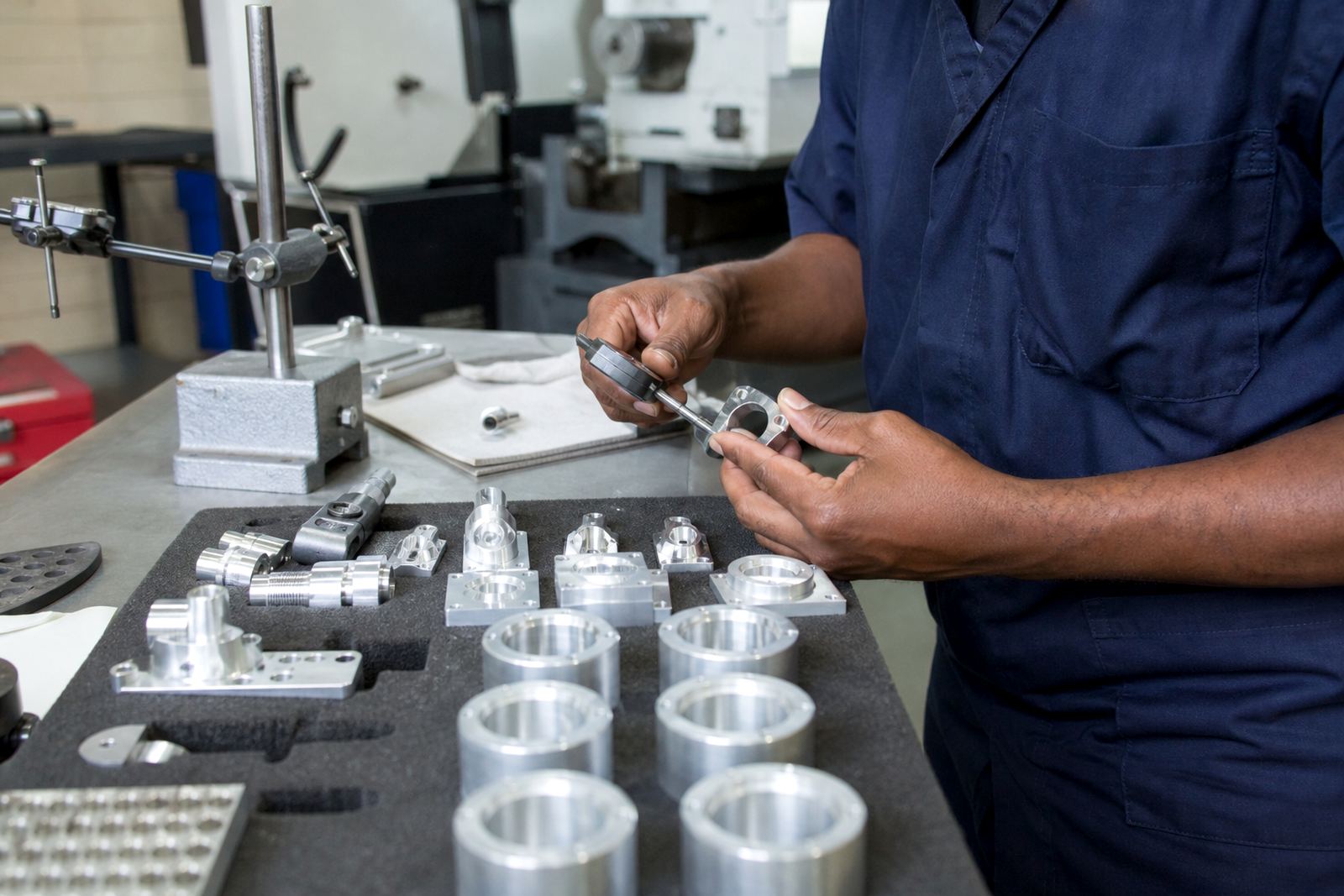
We started with drawing review and sample part assessment, then checked the worn bushes against the housing and mating shaft dimensions provided by the client. On this type of job, the main issues are usually outside diameter, inside diameter, face width, shoulder location and any clearance needed for smooth movement without excessive slop. We also look at whether the original part failed because of wear, heat, poor lubrication or the wrong material choice.
- Key dimensions were taken from the sample parts and verified against the assembly fit.
- Tolerance guidance was given around the working faces and bore sizes so the parts would run as intended.
- Material selection was based on wear resistance, machinability and the service conditions in the workshop.
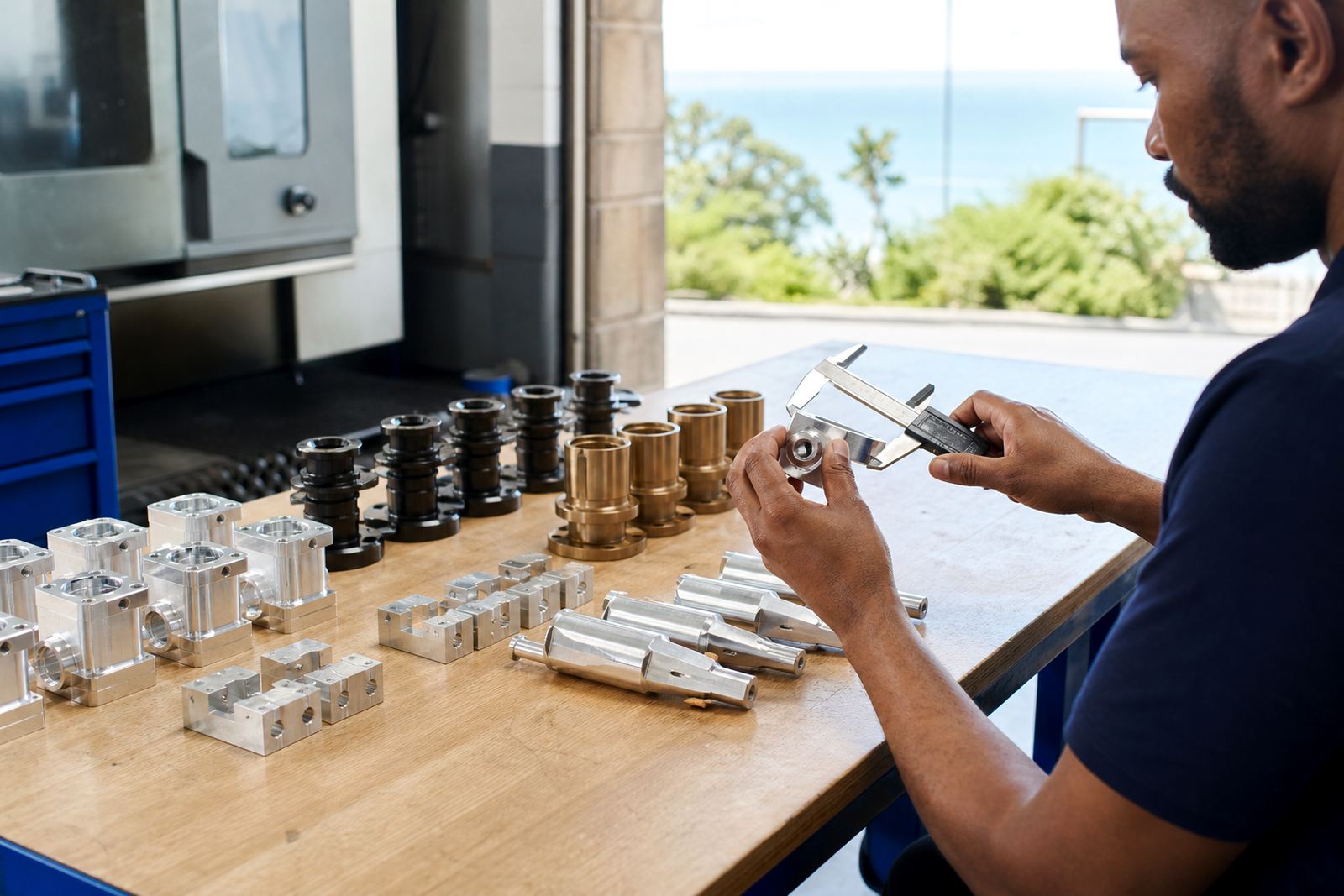
Because the bushes were for a repeat-use environment, we focused on consistency from part to part. That matters just as much as the first sample fitting correctly. If the first piece is right but the rest vary too much, the job creates fresh problems later on.
CNC Turning for Bush Geometry
The bushes were produced mainly through CNC turning, which suits round parts with clean concentric features and controlled diameters. For this kind of component, turning helps maintain a consistent bore and outer profile, with clean shoulders and a repeatable finish on every piece. Where needed, we also checked the faces and edges so the parts would seat properly without burrs or rough contact points.
The job was kept to a small batch size, which is often the best route for replacement parts in South Africa. Small runs let us respond to actual measured conditions rather than force a standard size that only works on paper. It also makes it easier to adjust for wear on the original component, provided the mating parts are still within acceptable condition.
We do not treat tolerance claims as a promise for every job because every component and application differs, but this type of work is typically handled with close attention to fit, concentricity and surface condition. On workshop bushes, a small variation can be the difference between a part that runs smoothly and one that binds or wears out too soon.
Material Choice and Practical Wear Factors
For bushes in a hard-working environment, material choice is as important as the machining itself. Depending on the application, a bush may need to cope with sliding contact, vibration, light contamination and repeated assembly. We consider the service duty, lubrication method and whether the part is likely to be exposed to moisture, heat or cleaning chemicals.
- We check if the replacement should prioritise wear resistance, low friction or ease of future replacement.
- We consider coastal humidity and workshop grime where those conditions can affect service life.
- We look at the surrounding hardware too, because a bush only works well when the shaft and housing are still serviceable.
In this case, the replacement approach was aimed at keeping the maintenance team moving without unnecessary rework. The client needed parts that could be installed and used with confidence, not something that would need constant shimming or adjustment after the first fitting.
From Sample to Supply in Three Weeks
The job moved from first assessment to completed batch within three weeks, including measurement checks, machining, inspection and collection coordination. That timeline suited the client because the workshop could plan around the changeover and avoid a last-minute scramble. It also gave enough time to confirm the fit before the full batch was finished.
We supplied the bushes with inspection reporting so the client had a record of the measured features and the final part checks. For repeat orders, that record is useful because it gives the production team a known reference point. If the same part is needed again later, the setup work is quicker and the risk of drift is lower.
The result was a cleaner fit in the assembly, less noticeable play and a practical replacement path for future maintenance. The workshop could return the equipment to service with less interruption, which is the real goal on a job like this.
What We Would Repeat on the Next Order
If we were doing the same job again, we would keep the same process: review the sample parts, confirm the critical dimensions, and check the mating components before cutting the batch. That approach is especially useful when the original parts have worn unevenly, because it stops the replacement from copying damage instead of correcting it.
For a follow-up order, we would also keep the drawing updates, assembly fit checks and repeat order support aligned so the next batch can be made with less turnaround time. That matters for clients in New Germany, Pinetown, Durban and further afield who depend on practical replacement parts and clear communication.
- Drawing updates help keep the same part available for future maintenance cycles.
- Batch planning keeps the parts consistent when a workshop needs a small run, not a full production order.
- Delivery coordination helps parts arrive when the site is ready to fit them.
For businesses dealing with worn bushes, spacers or similar turned parts, a measured approach saves time later. It also keeps the maintenance schedule predictable, which is important when the line cannot sit still for long.
Key facts
| Project location | New Germany, KwaZulu-Natal |
|---|---|
| Client type | Busy workshop environment |
| Part type | Custom replacement bushes |
| Process | CNC turning with fit checks and inspection |
| Timeline | Completed in 3 weeks |
| Service focus | Small-batch repeatable machining and delivery coordination |