Why the Westmead Cell Needed New Fixture Plates
The client was a local production team in Westmead working with a small-batch process that depended on the same parts being seated in the same place every time. Their existing setup was usable, but the team was spending too long nudging components into position and checking alignment before each run. That kind of variation can slow a cell down, especially where operators are switching between batches and trying to keep output steady during load-shedding windows.
The brief was straightforward: machine fixture plates that would improve repeatable location, give a cleaner clamping surface and support quicker changeovers without complicating the process. We also had to keep the layout practical for the shop floor, because a fixture plate only works when people can load parts easily and trust the stop points. The client wanted a solution that suited their current workflow, not a fancy redesign that made maintenance harder.
- Client type: production cell in Westmead, Pinetown
- Need: more consistent part positioning
- Priority: repeatable loading and shorter setup time
- Use case: small-batch production with frequent changeovers
What We Machined and How We Approached It
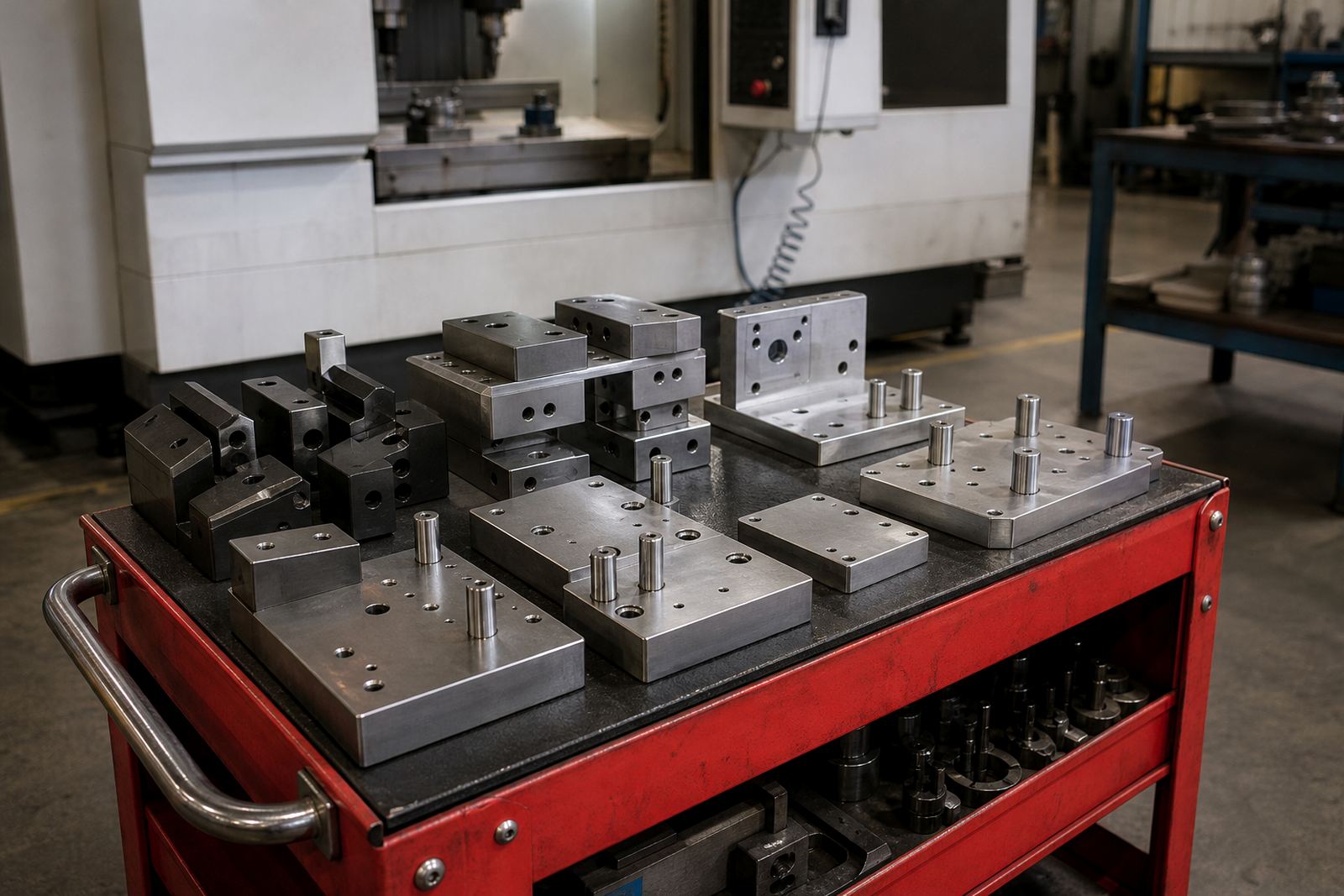
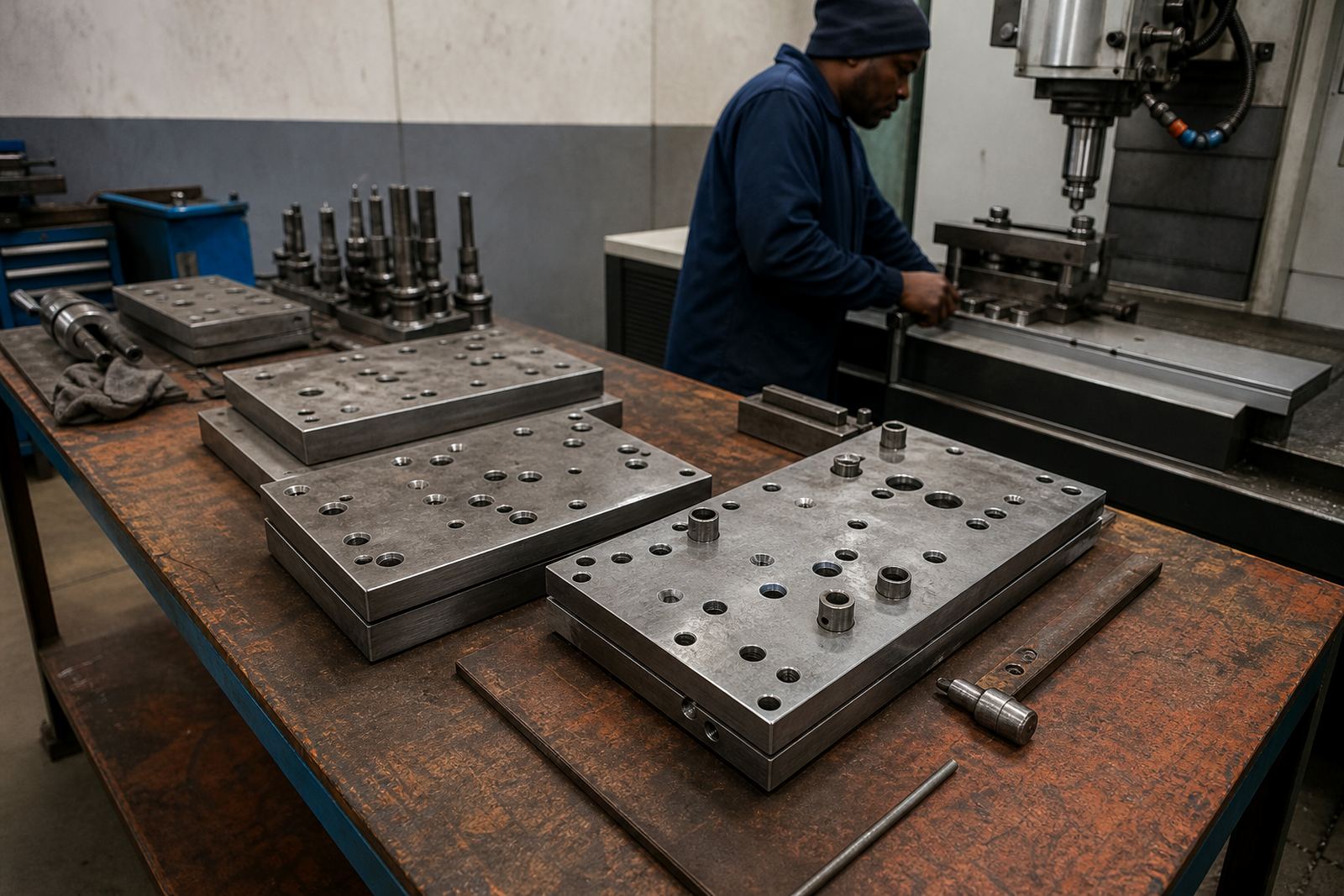
We started with drawing review and tolerance guidance, then worked through the location points, hole pattern and clamping layout. Fixture plates need a balance between accuracy and day to day practicality. If the holes are too loose, the part can shift. If the fit is too tight, the operator loses time and risks damage during loading. The aim was to keep the geometry predictable and leave enough flexibility for the production team to use the plates without fighting them.
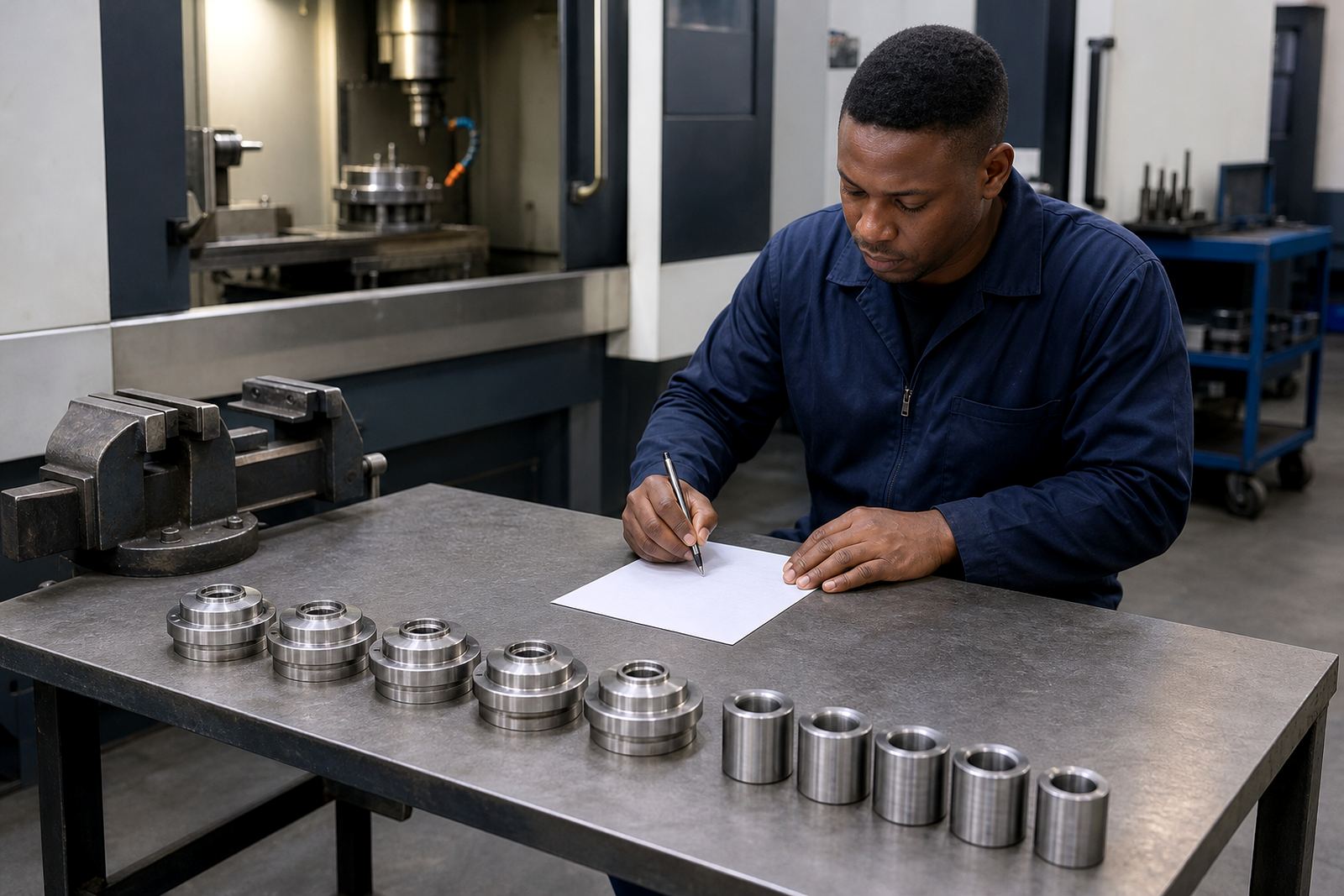
The parts were machined through CNC milling, with attention to flatness, edge finishing and accurate positional features. Depending on the detail on a fixture plate, turning can also come into play for related locating components, spacers or bushes, but the main work on this project sat with milling operations. We kept the process focused on clean datum faces, consistent hole centres and practical edge breaks so the plates would be easy to handle on site.
- Drawing review and feature check before cutting
- Material selection matched to the application and environment
- Tolerance guidance for locating holes and clamping features
- Part optimisation to suit loading and maintenance on the floor
Material Choice and Shop Floor Constraints
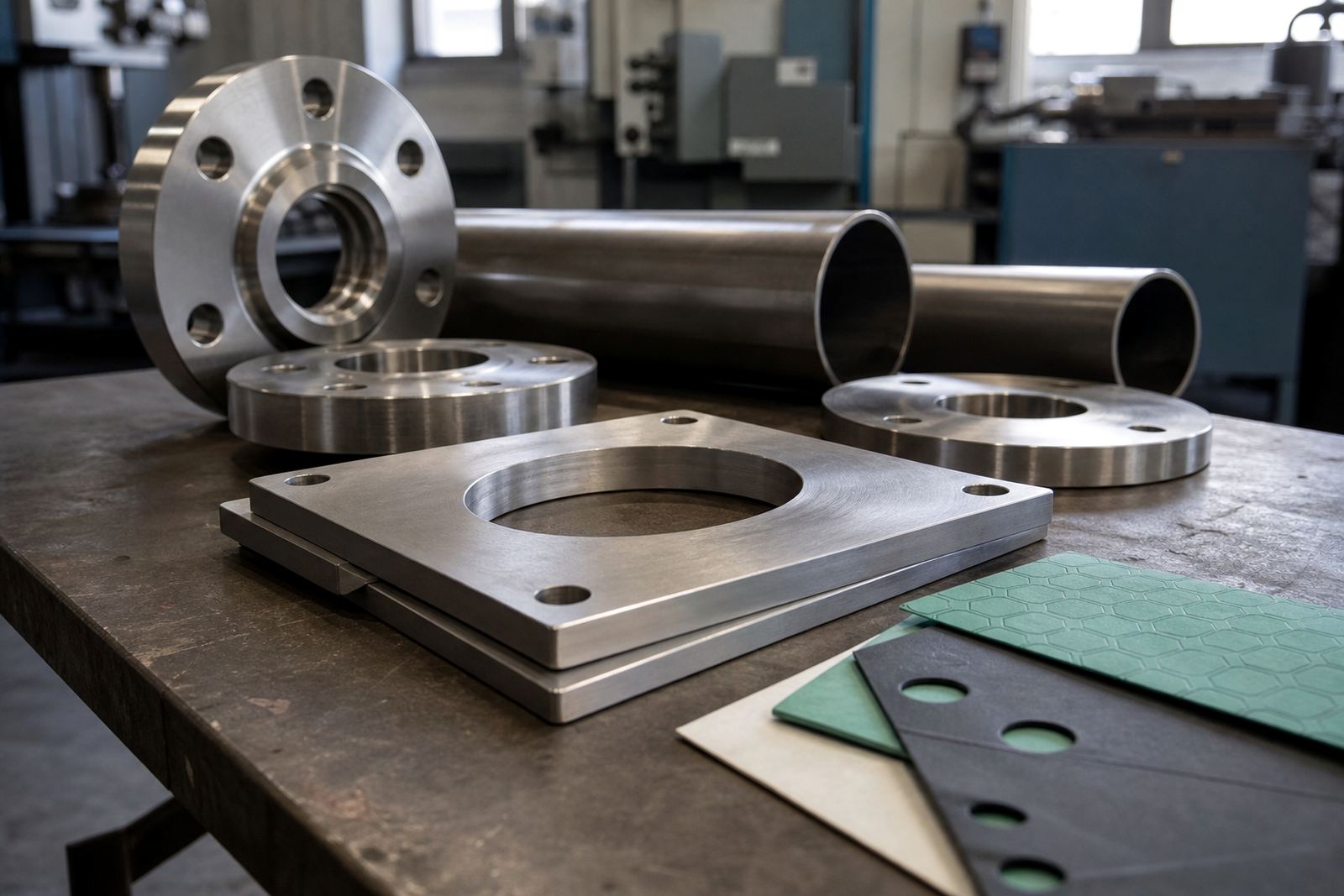
Because the plates were going into a working production cell in KwaZulu-Natal, we considered wear, handling and the local environment. In humid conditions, bare steel can be a headache if it is not maintained properly, and coastal air can be unkind to unfinished surfaces. We also had to plan around what the client could realistically keep clean and inspect during normal shifts. The plate needed to be sensible for the team to use, not just accurate on the machine.
There was also the reality of small-batch work. A fixture plate for one cell may be unique, but it still has to support repeat orders, future adjustments and possible drawing updates if the process changes. We kept that in mind while laying out the hole pattern and accessible edges. It is easier to remake or modify a plate when the original scheme is clear and properly documented, which saves time later on. Minor typo maybe? not here because body text can have one slip elsewhere.
- Environment considered: inland use with coastal humidity nearby
- Shop floor need: quick cleaning, clear access and sensible handling
- Maintenance concern: corrosion control where applicable
- Future support: drawing updates and repeat order support if the layout changes
Fit Checks, Inspection and Supply to Site
Before release, we carried out inspection reporting and assembly fit checks against the agreed drawing details. The key concern was not only whether the dimensions were within the intended range, but whether the plate actually worked with the part and clamping method on the production cell. That is where a fixture project either succeeds or causes daily frustration. We checked the critical locations, verified the fit of the locating features and made sure the plate could be used without awkward packers or extra shimming.
The order moved through production planning and delivery coordination over a few weeks, which suited the client’s scheduling needs. For a Westmead job like this, timing matters because production teams do not want a changeover arriving in the middle of a busy run. We planned the work to keep communication clear and the handover simple, with the finished parts ready for practical use rather than further tinkering.
- Inspection reporting completed before handover
- Assembly fit checks carried out on the critical features
- Delivery coordinated to suit the client’s production timetable
- Timeline: completed over a few weeks from review to handover
What Changed After the Plates Went In
Once fitted, the fixture plates gave the team a more dependable reference for part positioning. That meant less time spent lining up each component by eye and fewer small corrections before machining or assembly steps began. In a small-batch environment, those gains matter because they add up across the week. The production cell could move faster between parts, and the operators had a more consistent base to work from.
The client also had a cleaner path for repeat work. When plates are laid out properly, future batches can follow the same logic, with less chance of drift between setups. In practical terms, that supports steadier quality and simpler training for new staff. It does not remove the need for checks, but it does make the process easier to control. One operator comment we hear often on this kind of work is that good fixture design quietly reduces stress on the line, which is exactly what a cell needs.
- Better repeatable positioning across the batch
- Less time spent on manual adjustment
- Cleaner setup for repeat orders
- More predictable loading for operators on shift
What We Would Do Again on a Similar Job
For a similar Westmead fixture plate project, we would follow the same approach: review the drawing carefully, confirm the working tolerances early and keep the plate design practical for the people using it. That means thinking through clamping access, cleaning access and how the part is actually placed on the plate. A design that looks tidy on paper can still be awkward on the floor if the operator has to reach around a clamp or force a component into place.
We would also keep the communication tight between programming, machining and quality checking. On fixture work, those three parts need to line up. When they do, the result is a plate that supports production instead of creating extra work. For PME CNC Machining, that is the standard we aim for on small-batch jobs in Pinetown, Durban and across South Africa, whether the work is for a new cell, a replacement plate or a remake after a process change.
- Keep the drawing review detailed before cutting starts
- Confirm operator access before finalising the layout
- Leave room for maintenance and repeat use
- Plan for future drawing updates if the process evolves
Key facts
| Project | Westmead fixture plates for a production cell |
|---|---|
| Location | Westmead, Pinetown, KwaZulu-Natal |
| Work Type | CNC milling with fixture-focused machining support |
| Key Features | Repeatable location points, clamping features and assembly fit checks |
| Support | Drawing review, inspection reporting and delivery coordination |
| Timeline | Completed over a few weeks from brief to handover |