1. Start With the Drawing, Not the Guesswork
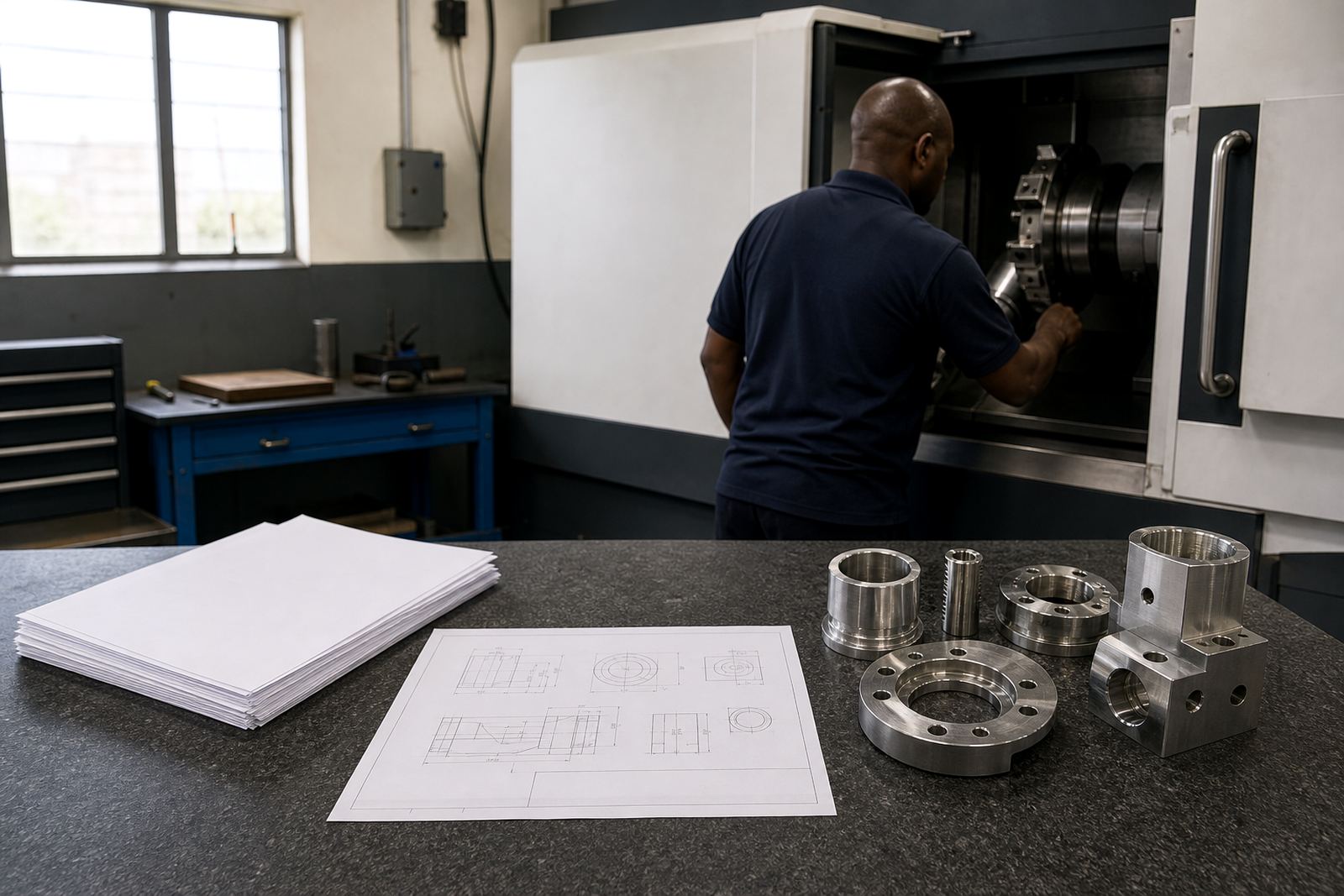
A solid prototype starts with a clean drawing or model. Check overall dimensions, hole sizes, thread callouts, radii, chamfers and any critical face-to-face measurements before a single cut is made. If the part mates to another component, mark those interfaces clearly so the machinist knows what matters most.
For CNC milling and turning jobs, small note changes can affect the whole setup. A part may look simple on paper yet need careful clamping, tool access or a different order of operations. At PME CNC Machining in Pinetown, we often use drawing review at this stage to confirm what can be made as shown and what may need a practical change before batch work begins.
2. Confirm the Material for Real-World Use
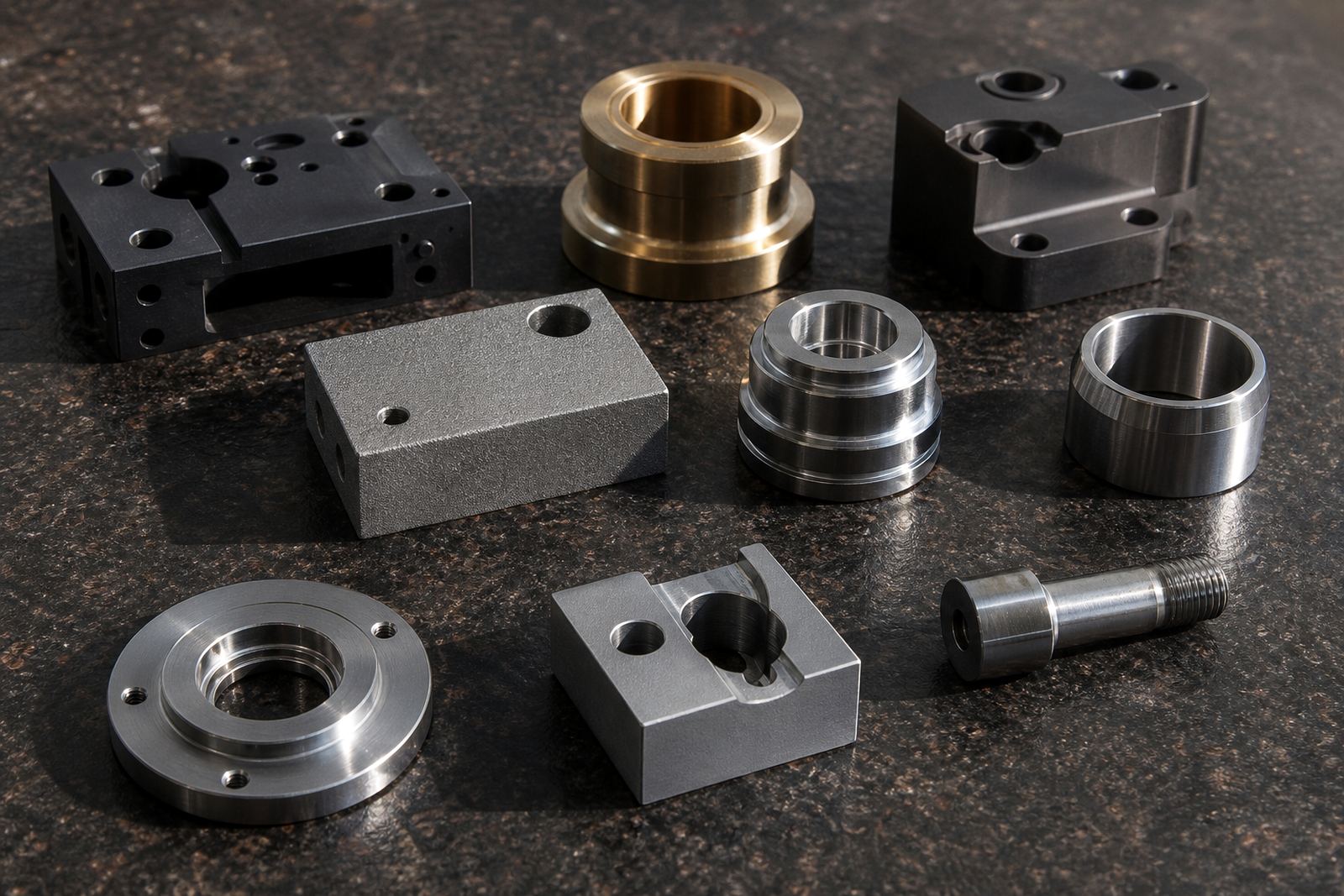
Prototype material should reflect the final application as closely as possible. If the part will face wear, heat, corrosion or vibration, the test piece should be made from a material that shows those conditions properly. A soft substitute can hide problems, while a harder or denser material may reveal them sooner.
- Match the prototype material to the final service conditions where possible
- Check whether the part needs good machinability, strength or corrosion resistance
- Confirm if the finish will change after anodising, plating, painting or other treatment
- Ask whether the part may be exposed to coastal humidity in places like Durban, Richards Bay or Umhlanga
For suppliers serving KwaZulu-Natal and Gauteng, this step matters because one material may be fine for an indoor assembly but unsuitable for an outdoor or marine-adjacent application.
3. Set Tolerances Where They Matter Most
Not every dimension needs the tightest possible tolerance. A good prototype checklist separates critical dimensions from general dimensions so the job is priced and machined properly. Running every feature to a very tight limit can add cost, setup time and inspection work without improving the part.
Look closely at fits, moving parts, sealing surfaces, locating features and anything that affects assembly. If the prototype will be used for sample part remake or assembly fit checks, mark the dimensions that must be held closely and those that can be left a little freer. That makes it easier to move into batch planning later without surprises.
A practical tolerance review also helps with repeat order support. If the first sample proves workable, the notes from that job should carry through into the next run so the same decisions are not made twice.
4. Check the Part for Machining Practicality
Some ideas are sound in theory but awkward on the machine. Deep pockets, thin walls, narrow slots and hard-to-reach faces may need extra care. For turned parts, long slender sections can flex. For milled parts, undercuts and tight internal corners can limit tool choice.
- Look for tool access issues on internal faces and deep features
- Check whether wall thickness is suitable for the material selected
- Confirm if the part will need more than one setup
- Review whether sharp inside corners should be relieved for practical machining
- Ask if the design can be simplified without affecting function
A machining supervisor and programmer will often spot these issues early. That saves time later, especially on small-batch work where each setup has to count.
5. Plan How the Prototype Will Be Measured
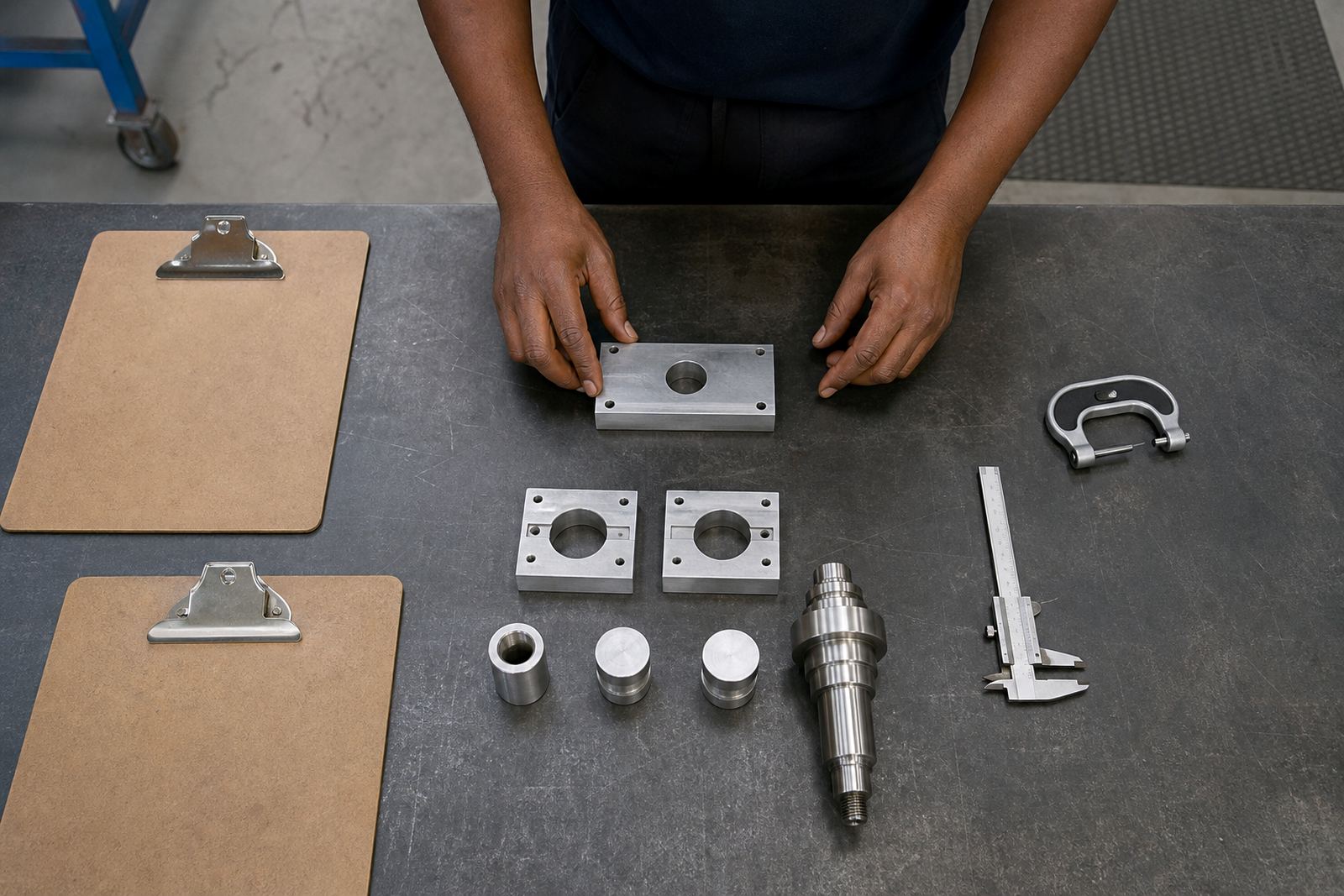
A prototype is only useful if it can be checked properly. Decide what will be measured, how it will be measured and what the acceptance criteria are. If the part has threads, fits into an assembly or needs to seal against another face, define the inspection method before production starts.
Inspection reporting should be planned around the features that matter to the client. That may include diameter checks, depth checks, squareness, hole positions or surface condition. If the first sample comes back with a minor issue, a drawing update may be needed before the next piece is cut. That kind of note taking is part of good batch planning, even when the job is only a single prototype.
6. Decide What Happens After the First Sample
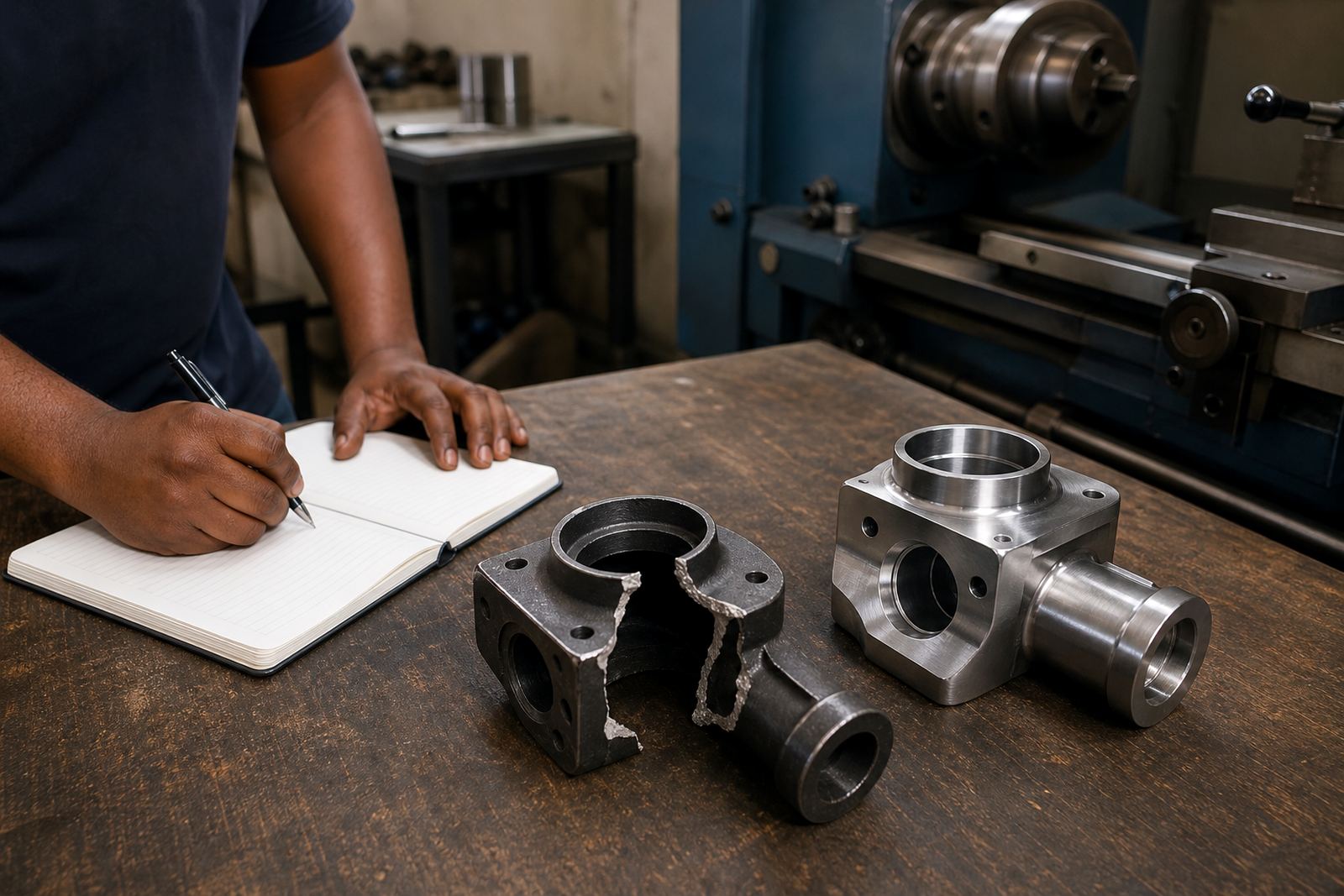
The best prototype checklist ends with a clear next step. If the part works, what changes are needed before batch work starts? If it does not work, is the issue in the drawing, the material, the fit or the function? That answer should be written down before the job moves on.
- Confirm whether the prototype passed fit and function checks
- List any drawing updates needed before repeat production
- Note packaging or delivery needs for future orders across South Africa
- Record the preferred contact person for repeat order support
- Keep the approved sample with the job notes for later reference
In a job shop environment, good handover notes help the team stay aligned. Mandla Sibusiso Mkhize and the PME CNC Machining team use that kind of practical record keeping to make future runs more predictable for clients in Pinetown, Durban, Pietermaritzburg, Richards Bay and Johannesburg.