Start With the Part Use and the Re-order Plan
Before any machining starts, define what the part must do in service. A good batch plan begins with the end use, the fit on assembly, the expected wear, and whether the part will be replaced often or kept in stock for longer periods. If the part is going into equipment used in Durban humidity, inland heat in Johannesburg, or mixed conditions around Richards Bay, that can affect material choice and surface protection.
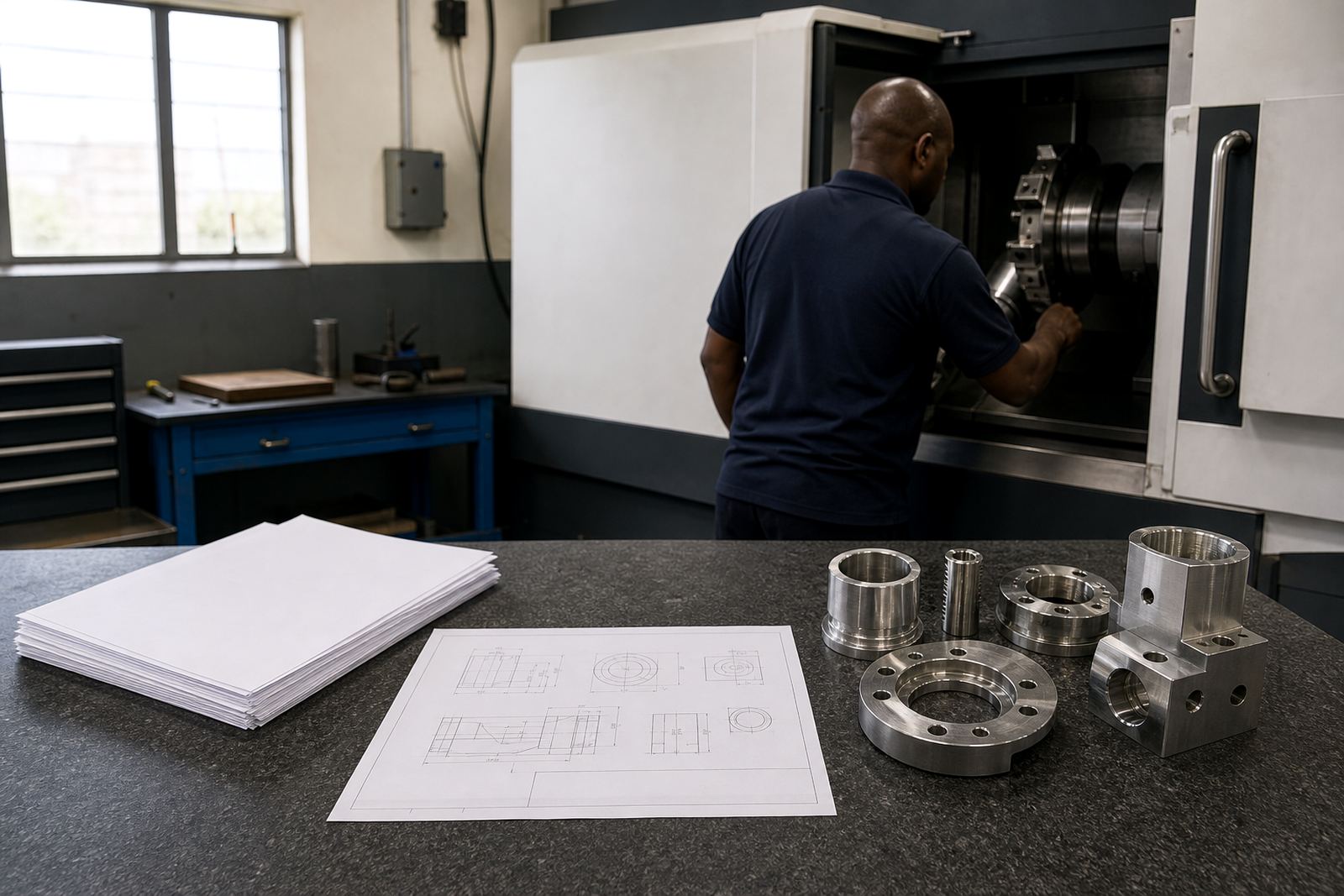
For small batches, it helps to separate the first run from later repeat runs. The first run can include a sample part, drawing review and fit check so the batch is set up correctly. That saves time later when you need the same item again, because the tooling notes, setup order and inspection points are already recorded.
- Confirm the part function and where it will be used
- Note whether the job is for one-off use or repeat stock
- Identify critical sizes that affect assembly
- Agree how many spares should be kept aside
Choose Materials That Suit the Batch Size
Material selection matters more in low-volume work than many people expect. Some materials machine quickly and hold a clean finish, while others need slower feeds, more tool care, or tighter handling during inspection. Aluminium, mild steel, stainless steel and certain engineering plastics are often used in general CNC milling and turning work, but the right choice depends on strength, corrosion resistance, cost and how the part will be used.
For coastal areas like Pinetown, Durban and Umhlanga, moisture and salt in the air can influence the decision on material and finish. If a part is likely to sit in stock for a while before use, that should also be considered. A stable material choice helps with repeat ordering because the next batch can be made with the same machining behaviour and the same final fit.
- Match the material to load, wear and corrosion exposure
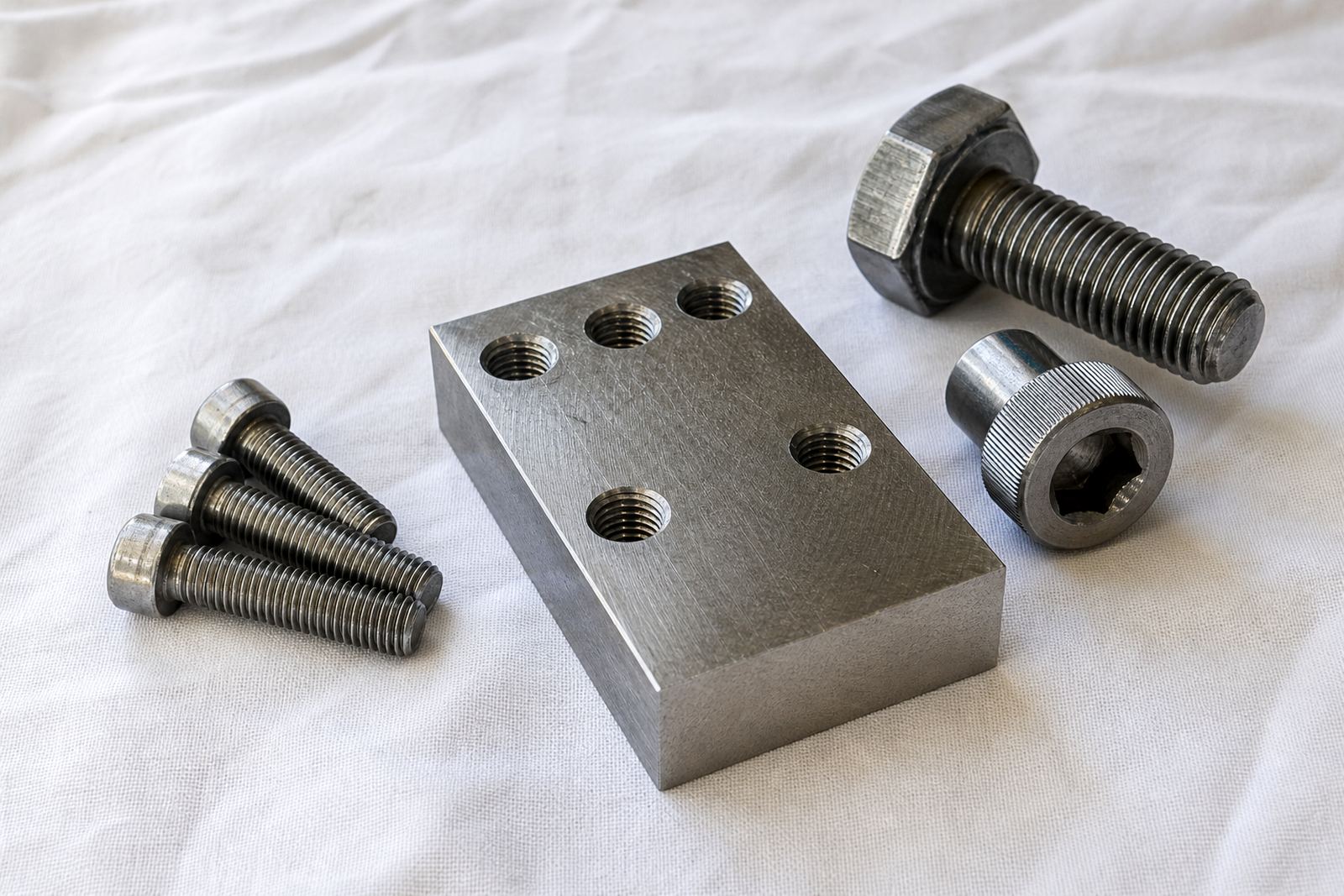
- Check whether the part must be welded, threaded or coated later
- Keep the material grade consistent across all repeat orders
- Allow for availability so re-orders do not stall
Set Tolerances That Can Be Held Every Time
In batch production, tolerance guidance is about consistency as much as it is about accuracy. Tight tolerances can be achieved on many features, but only when the drawing, material and process are suitable. If every dimension is treated as critical, the job becomes slower and more expensive, and the risk of scrap goes up. It is usually better to identify which sizes must be controlled closely and which can have wider limits.
Clear tolerance notes make repeat work easier. They tell the programmer and machinist where to focus inspection and where standard process control is enough. If a fit is important, such as a shaft, bore or mounting face, say so on the drawing or in the job notes. That way the same judgement can be used on future batches, without guessing.
- Mark only the dimensions that truly affect fit or function
- Separate critical sizes from general sizes
- Use the same drawing revision on every repeat order
- Record any agreed adjustments for future runs
Plan the Batch Around Machine Time and Setup Time
Small batches are often lost in the gap between setup and running time. A job with only a few pieces may still need careful fixturing, tool setting, first-off inspection and deburring, so the planning should account for more than cutting time alone. Good batch planning groups parts in a way that reduces changeovers and keeps the machine working steadily.
If a part has multiple operations, it helps to think through the full route before the first piece is made. That may include milling, turning, drilling, tapping, marking, and any follow-on inspection. Where possible, keep the order of work logical so the part does not need to be handled more than necessary. Less handling usually means fewer scratches, less variation and better repeatability.
- Group similar parts or operations together
- Allow time for first-off checks before the full batch runs
- Plan deburring and cleaning into the schedule
- Allow spare time for machine adjustment if needed
Use Stock Control Notes That Make Re-ordering Easier
Batch planning should feed into stock control. If a part is supplied in small numbers, the stock card or job record should note what material was used, how many pieces were made, what the revision number was, and what quantity is left after delivery. That makes it easier to decide when to reorder and prevents confusion between old and updated versions.
For clients with branches in Pinetown, Westmead, New Germany, Pietermaritzburg or Johannesburg, repeat ordering is smoother when the part name, drawing reference and quantity are all written the same way every time. Even a small difference in naming can cause delays. A clear re-order note also helps when the part is used in maintenance work, where stock needs to be ready before a machine is down.
- Record material grade and supplier note for each batch
- Keep the latest drawing revision linked to the job
- Note the delivery split if stock goes to more than one site
- Track what was supplied, used and left over
Check Fit, Finish and Packing Before Delivery
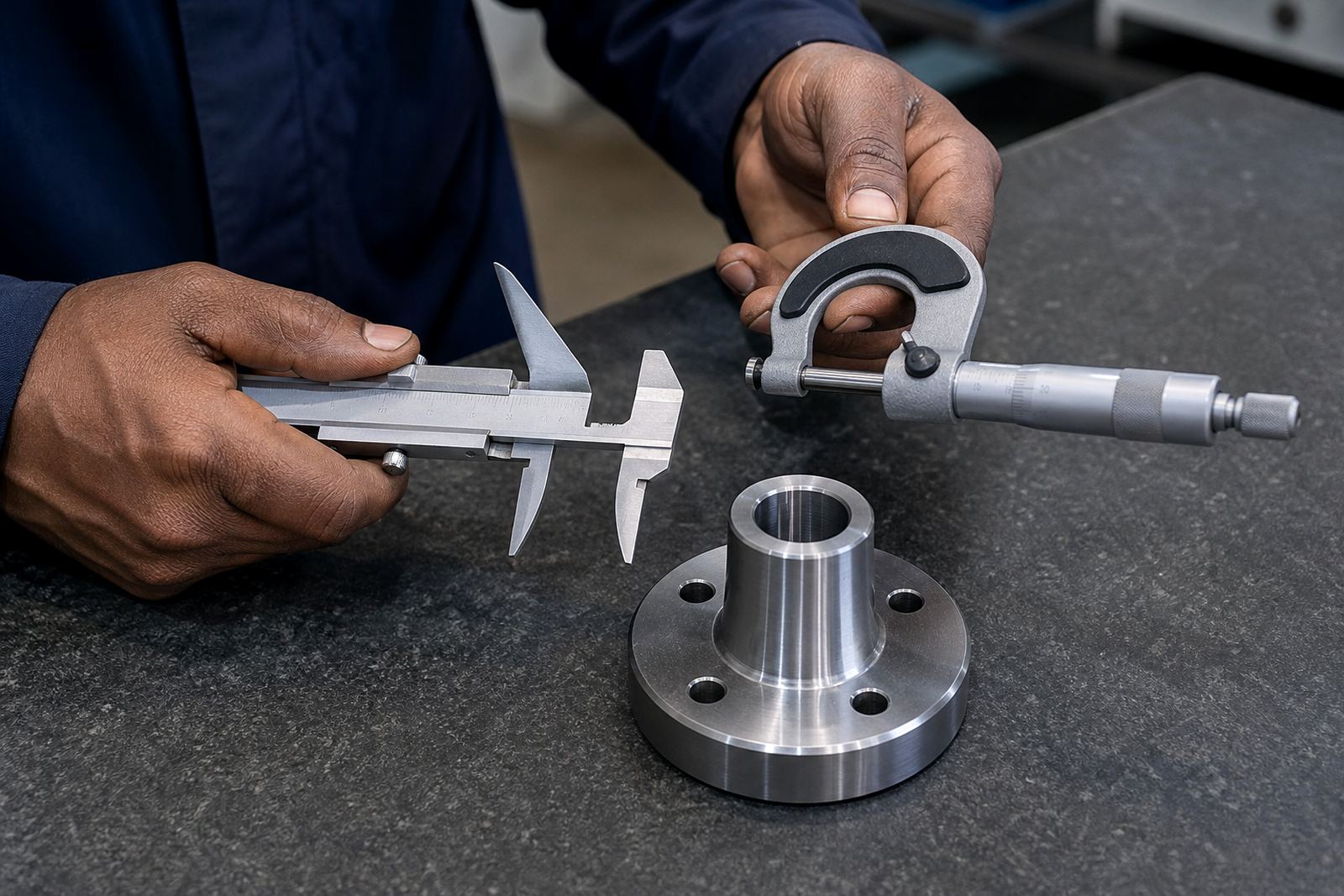
Before any batch leaves the shop, it should be checked for size, finish and fit. That includes visual inspection, measurement of the critical features and a quick check that threads, holes or mating faces behave as expected. If the part will be assembled after delivery, an assembly fit check can prevent costly rework on site. The aim is not only to make the part, but to make it ready for use.
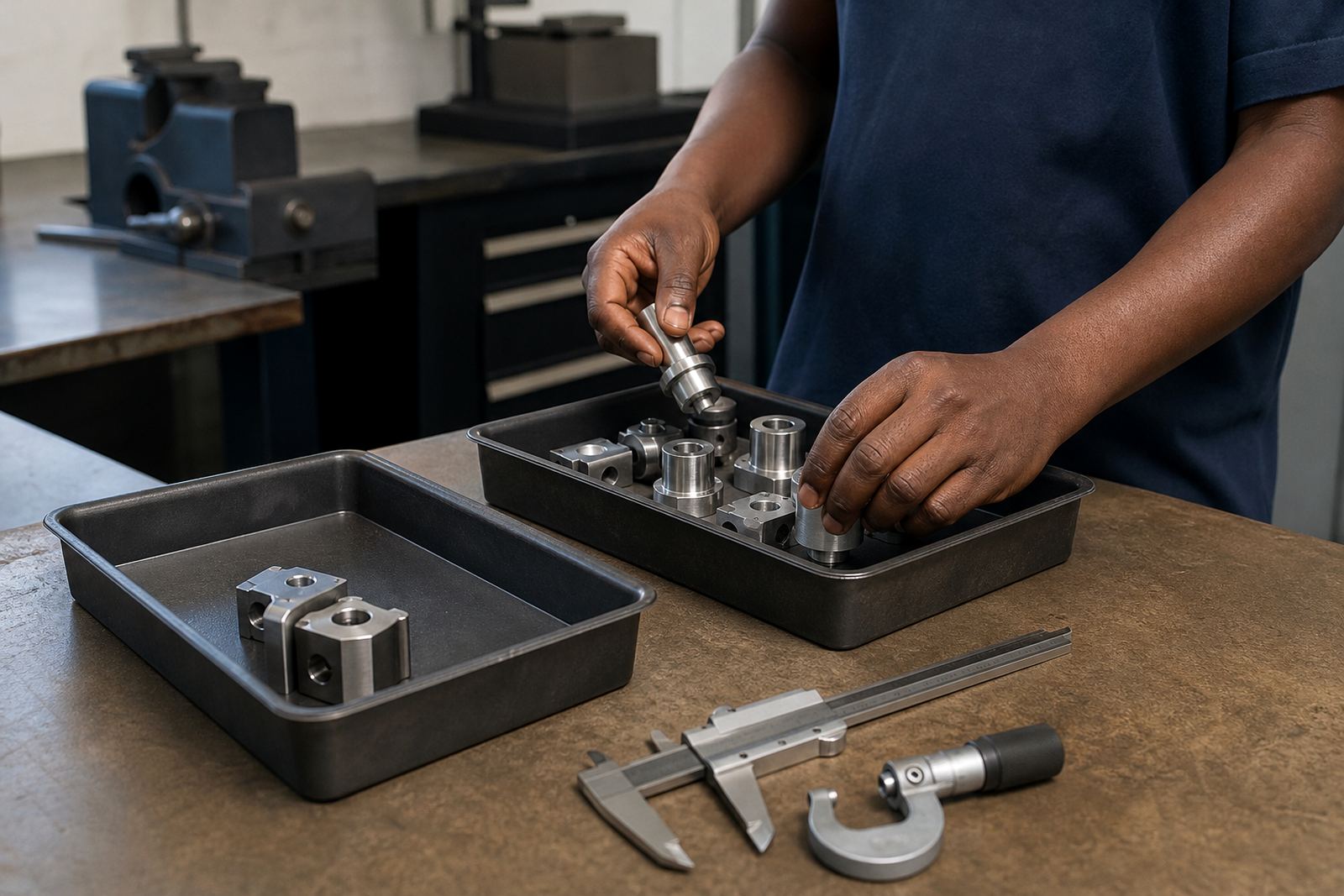
Packing matters as well. Small-batch parts can be damaged in transit if they are loose in a box or left to rub against each other. Good packing protects machined edges and helps the parts arrive in the same condition they left the shop. For repeat orders, keeping the same packing method also makes receiving and counting easier for the client.
- Confirm the part count before dispatch
- Protect machined faces and threaded sections
- Include inspection notes where needed
- Keep one sample aside if a future comparison is likely